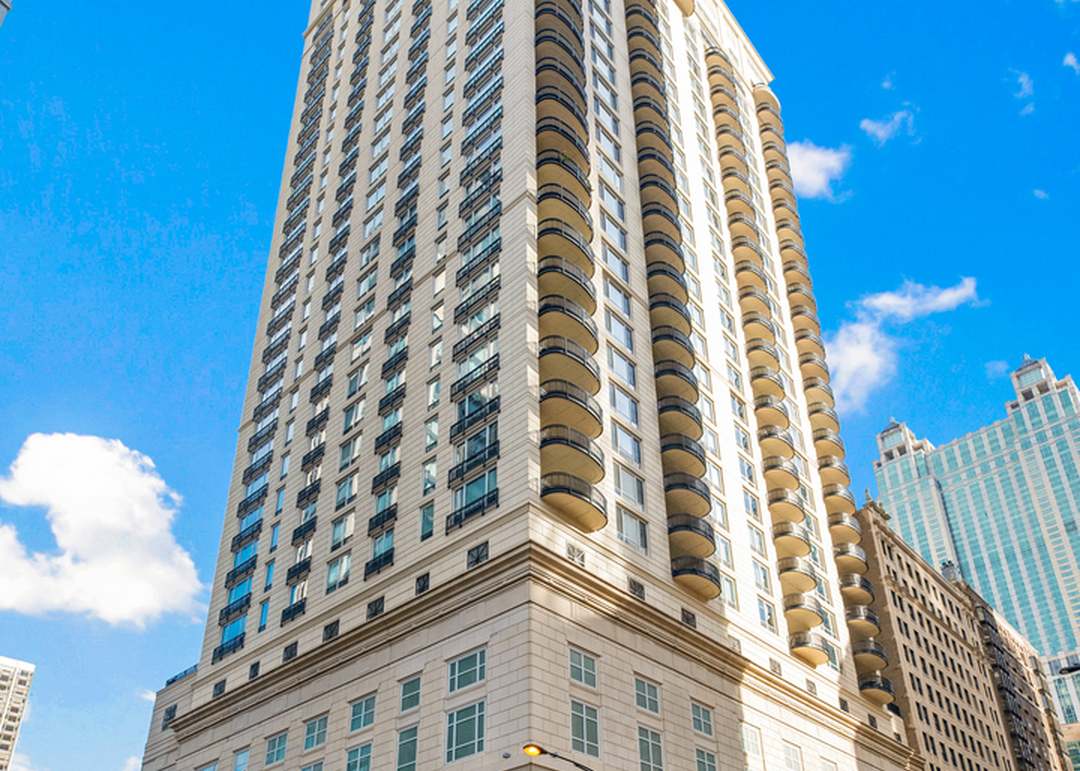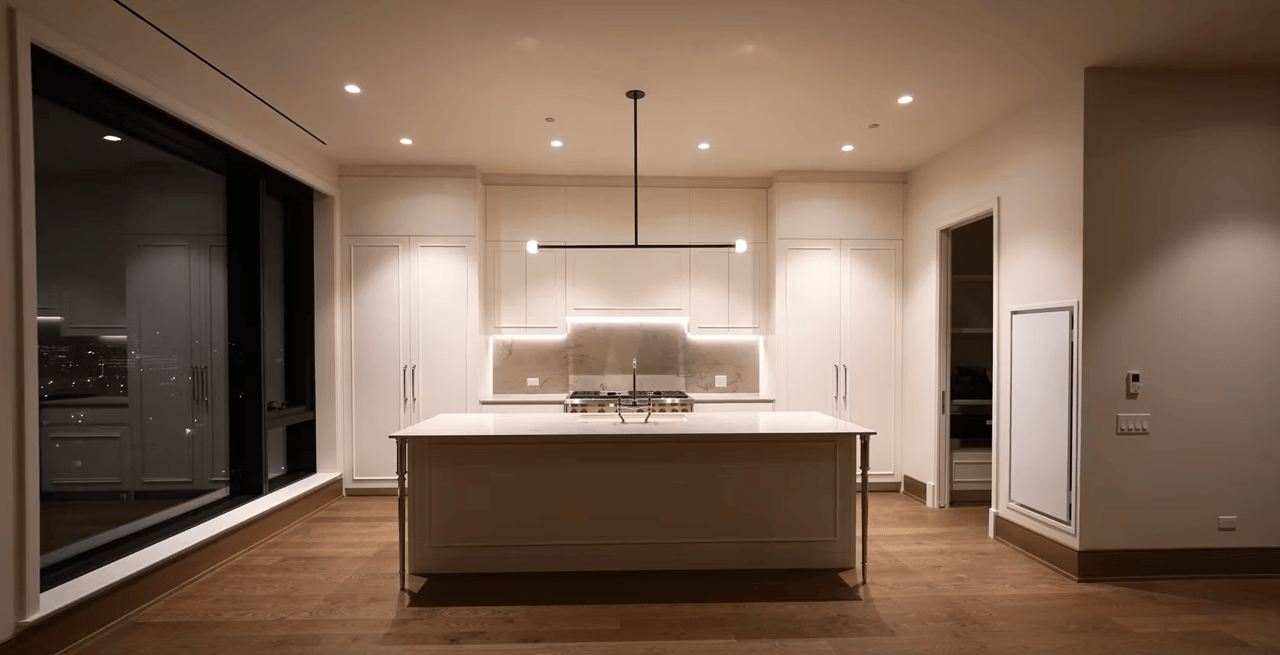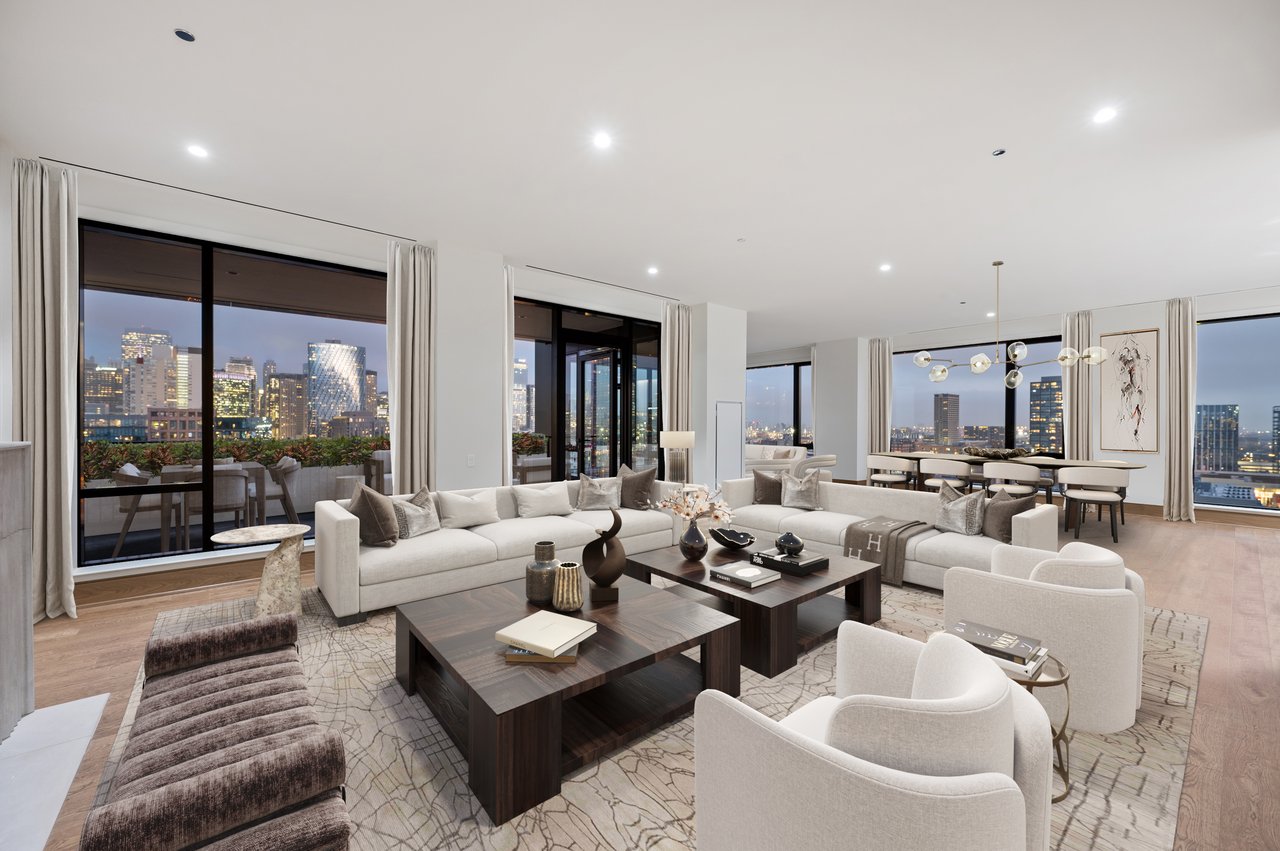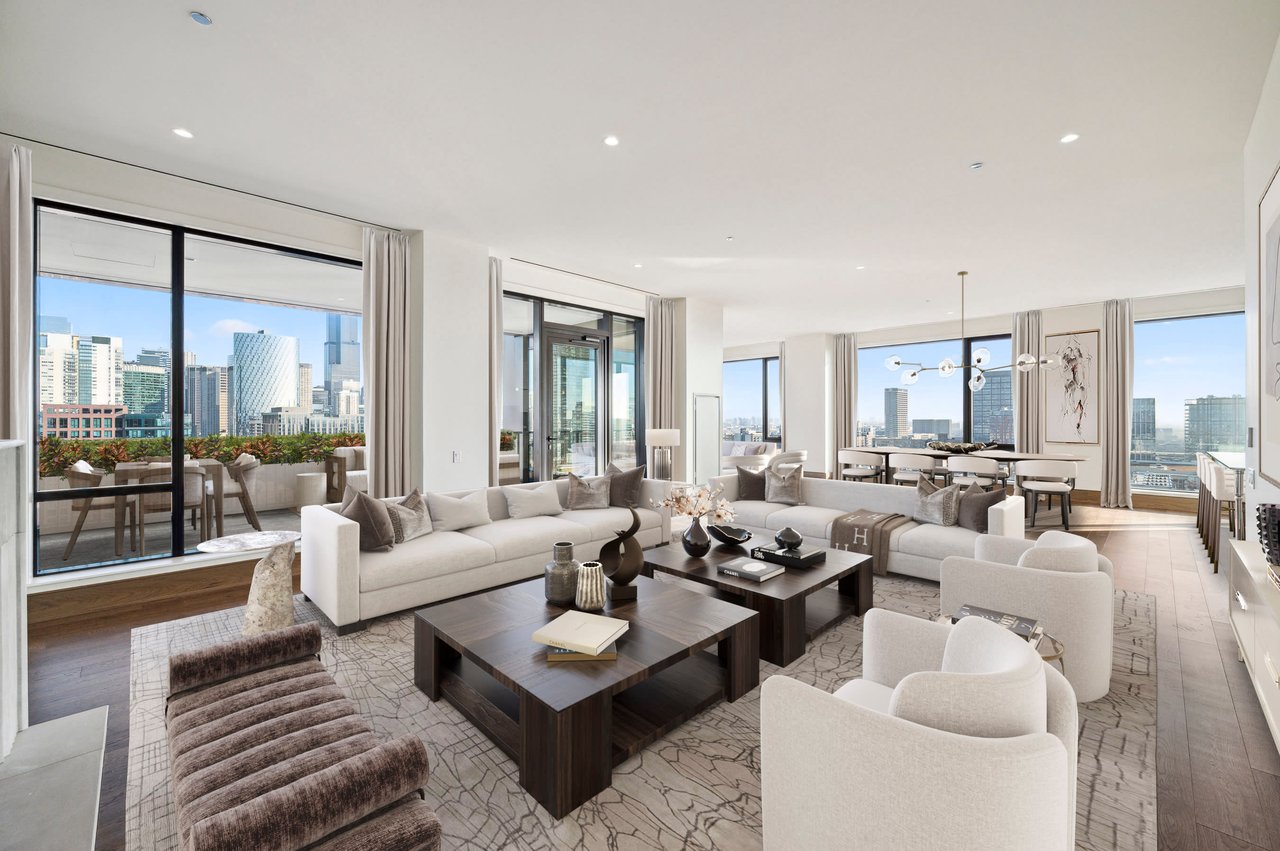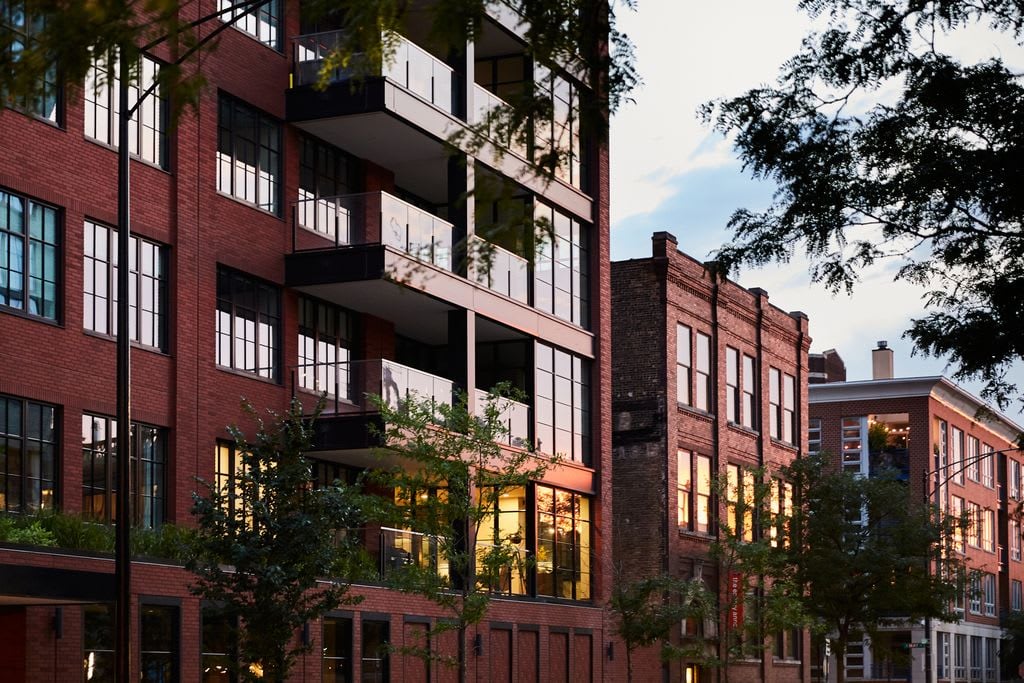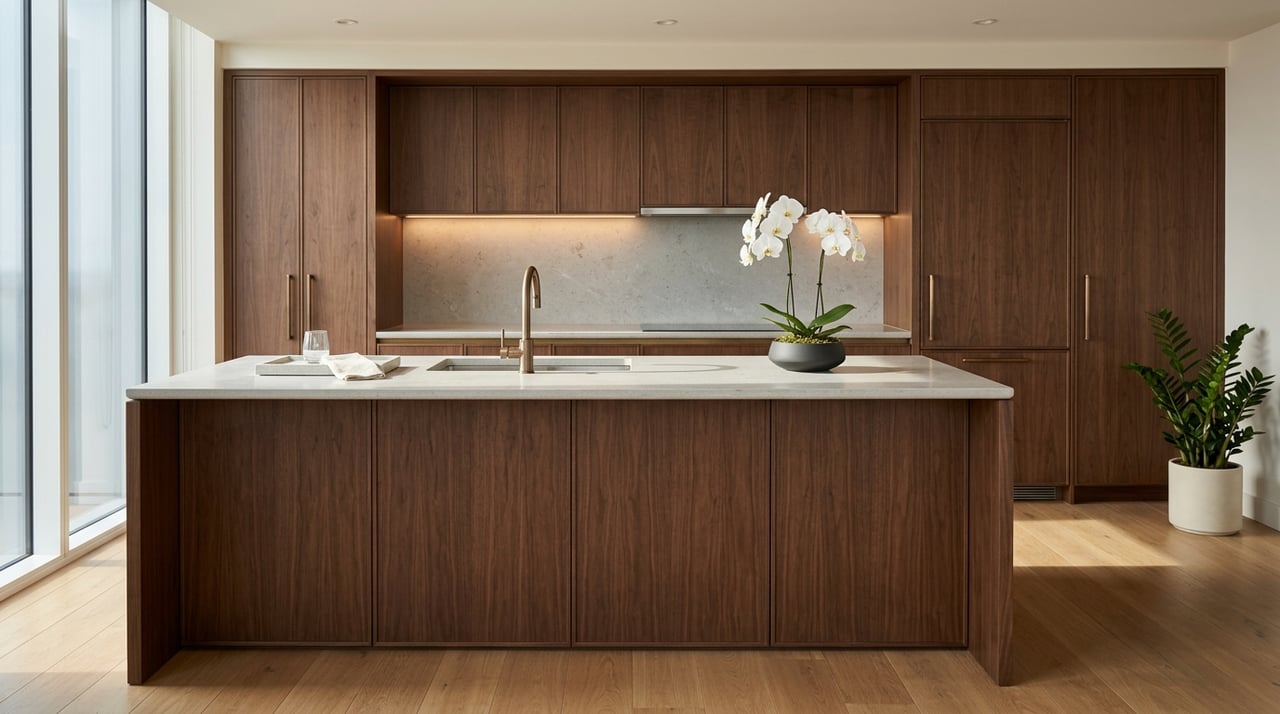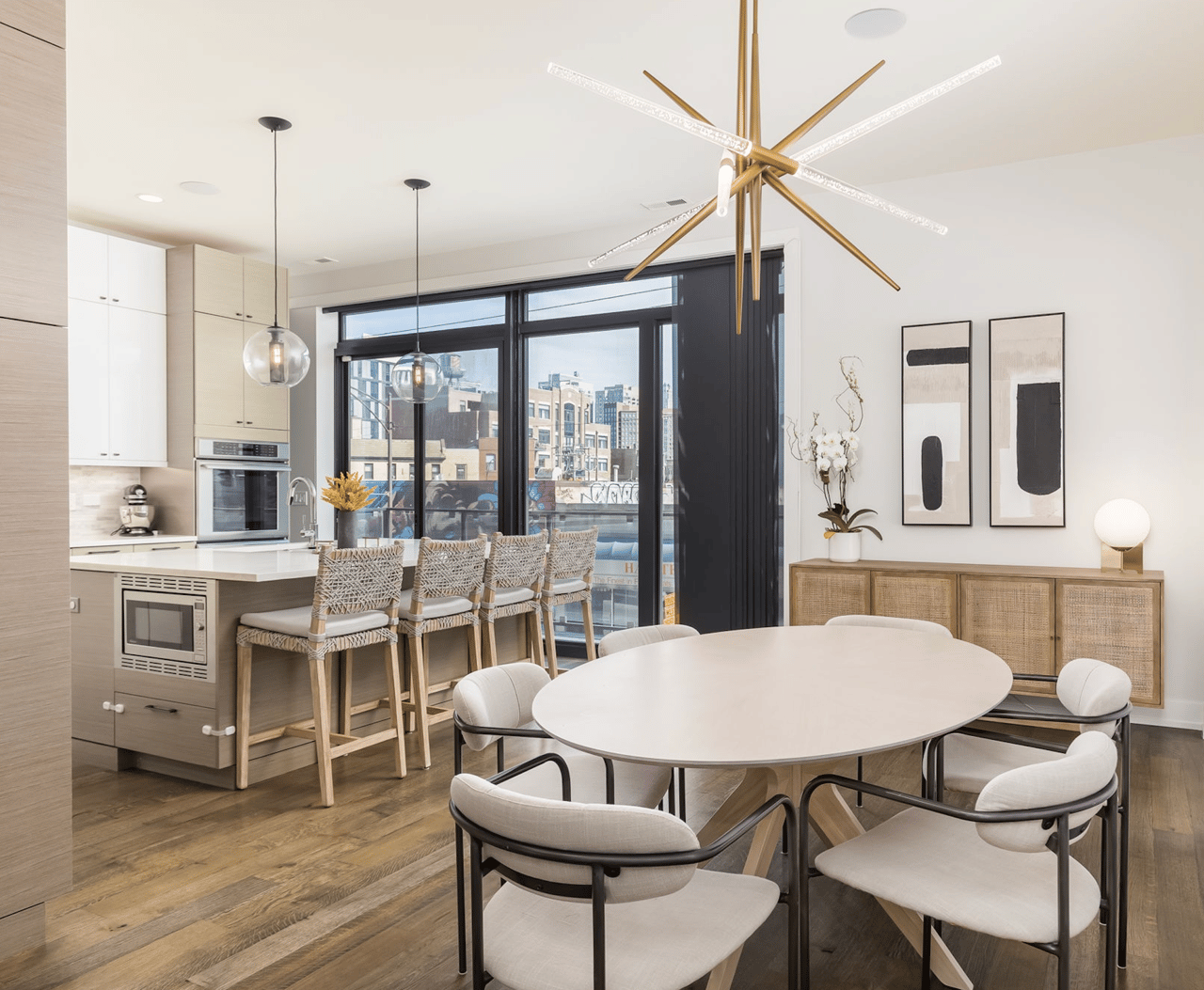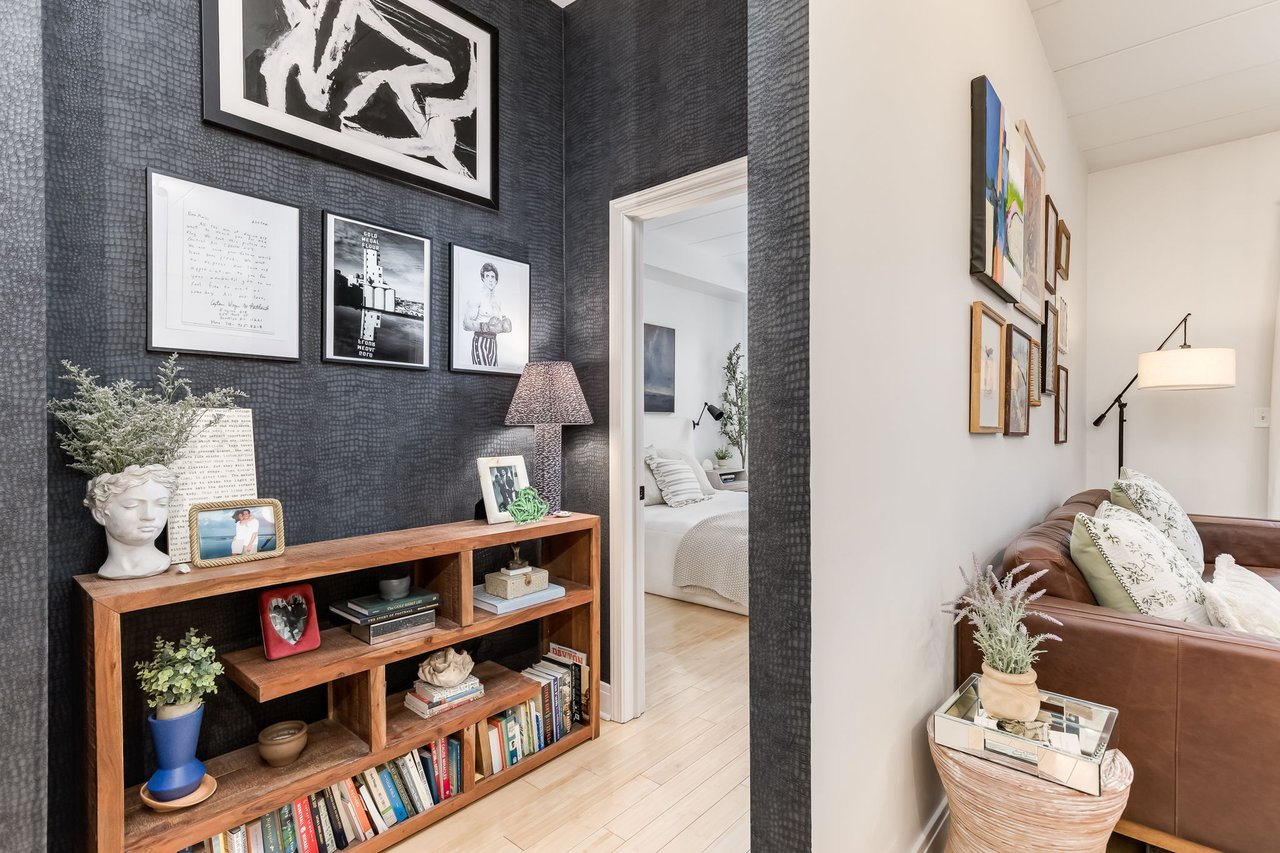
Thinking about a West Loop condo in the next two years? Demand here moves for reasons that go far beyond finishes or views. Office leasing in Fulton Market, lending rates, and the pace of new buildings coming online all shape pricing and speed. If you understand those signals, you can time your 2026 move with more confidence. Let’s dive in.
What’s driving demand now
West Loop demand is closely tied to where people work and play. Corporate and tech growth in the Fulton Market corridor has been a key engine over the past decade. When companies sign new leases or re-occupy offices, nearby condo demand often follows. You can track major lease headlines in local business coverage, including real estate reporting from Crain’s Chicago Business.
Interest rates are another powerful lever. When 30-year mortgage rates fall, more buyers enter the market; when they rise, price sensitivity grows. Keep an eye on weekly trends using the Freddie Mac Primary Mortgage Market Survey. Rates change often, so align your search or listing timeline with the direction of borrowing costs.
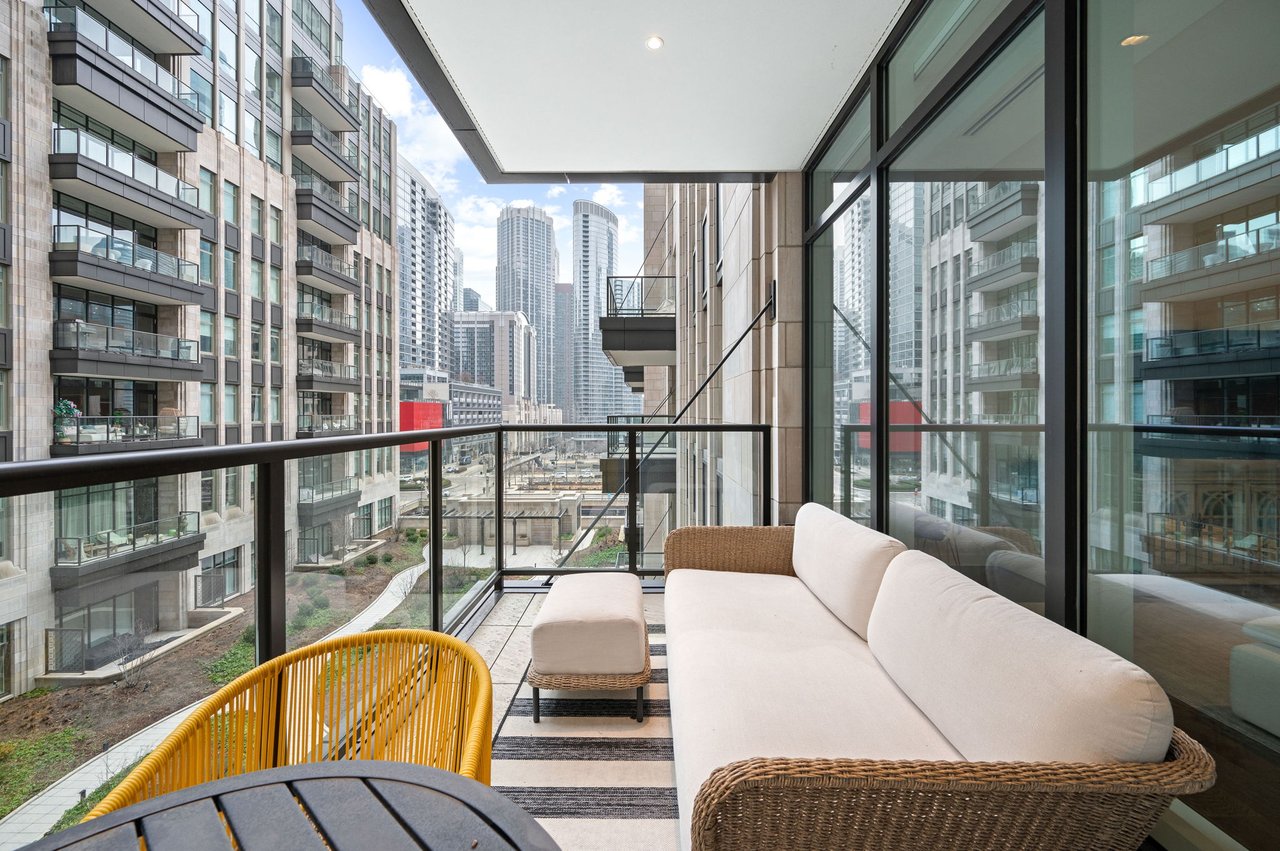
Lifestyle remains a core draw for the neighborhood. Buyers here value walkability, dining, and nightlife and often trade square footage for location and amenities. Remote and hybrid work also shifted preferences toward in-unit work nooks, reliable high-speed internet, balconies, and buildings with fitness, package management, and co-working spaces.
Demographics are diverse. You’ll find young professionals in tech and finance, downsizing empty-nesters seeking convenience, and investor buyers focused on long-term rental potential. Local rules continue to constrain short-term rentals, while the traditional long-term rental market stays active.
Supply: new builds vs resale
To understand pricing pressure, look at the supply funnel. West Loop inventory grows from two channels: ground-up condo developments and conversions, such as rental-to-condo or industrial-to-residential projects. Parcels along Randolph, Halsted, and adjacent Fulton Market corridors are worth monitoring for announcements. Chicago permits and completion data are public; you can review records on the City of Chicago Data Portal.
Resale velocity is best measured with months of inventory, or MOI. Use this simple formula:
- MOI = active condo listings divided by average monthly closed sales. For accuracy, use a 3-month rolling average for sales.
How to read it:
- Under 3 months: seller’s market – faster absorption, firmer pricing.
- 3 to 6 months: balanced – negotiation exists on both sides.
- Over 6 months: buyer’s market – slower absorption and more concessions.
As new buildings deliver many units in a short period, nearby resale prices can soften unless demand expands at the same pace. The effect is not uniform. Unit mix, amenities, price per square foot, parking availability, and finish quality all shape how new inventory competes with resale.
For reliable resale stats like MOI, days on market, and median price, consult MLS-based reports from the Chicago Association of REALTORS. For pipeline tracking, permits and certificates of occupancy help you spot future completions on the City of Chicago Data Portal.
Amenities and micro-location premiums
In the West Loop, small distance shifts can matter. Here’s what typically supports stronger demand:
- Dining and retail proximity. Walkability to Randolph Street’s restaurant row and Fulton Market’s venues is a major lifestyle draw. Neighborhood walk and transit accessibility are summarized by tools like Walk Score.
- Office and commute options. Quick access to the Loop, Metra, CTA lines, and I-290 attracts buyers who value easy commutes and citywide connectivity.
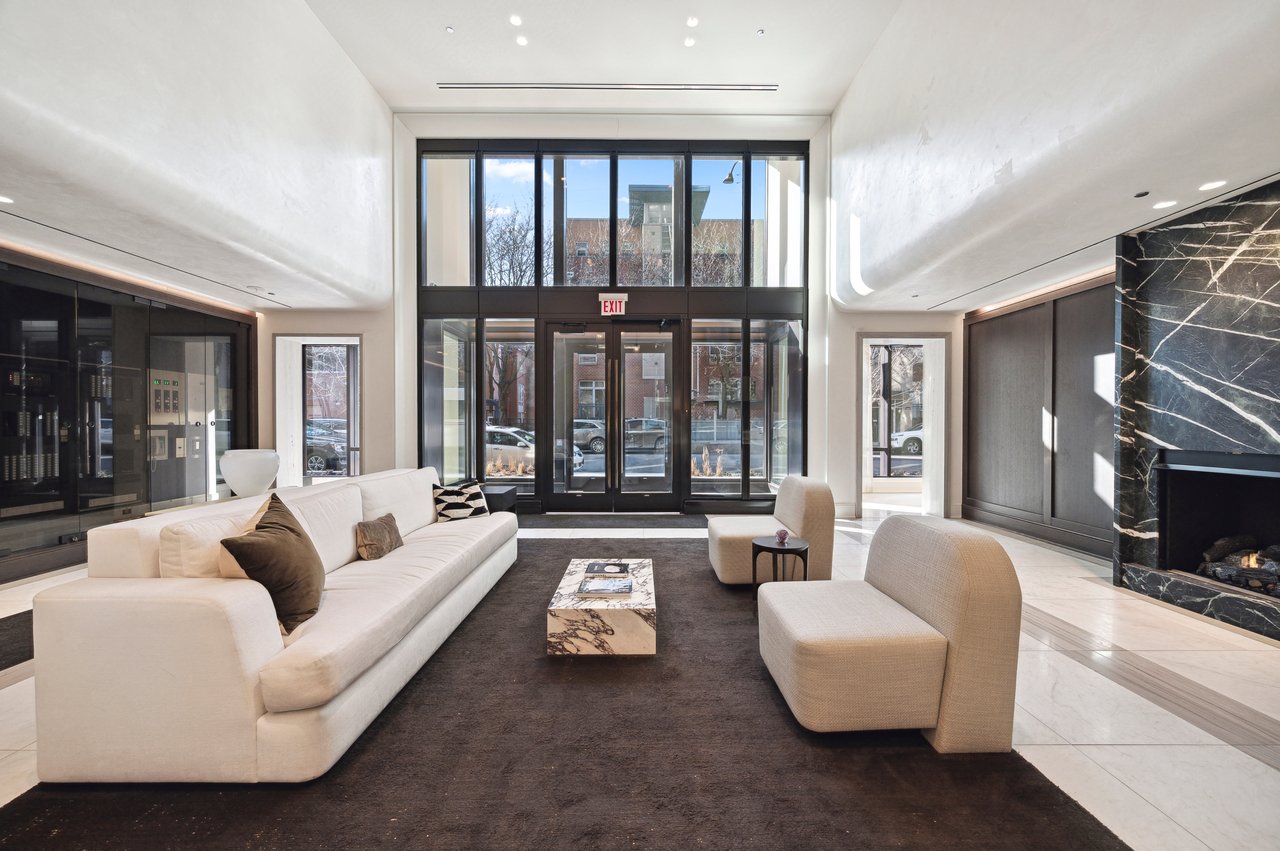
- Building features that count. Secure package rooms, concierge or doorman service, well-equipped fitness centers and studios, outdoor terraces, pet amenities, dedicated workspaces, on-site parking or EV charging, and in-unit laundry remain high-impact.
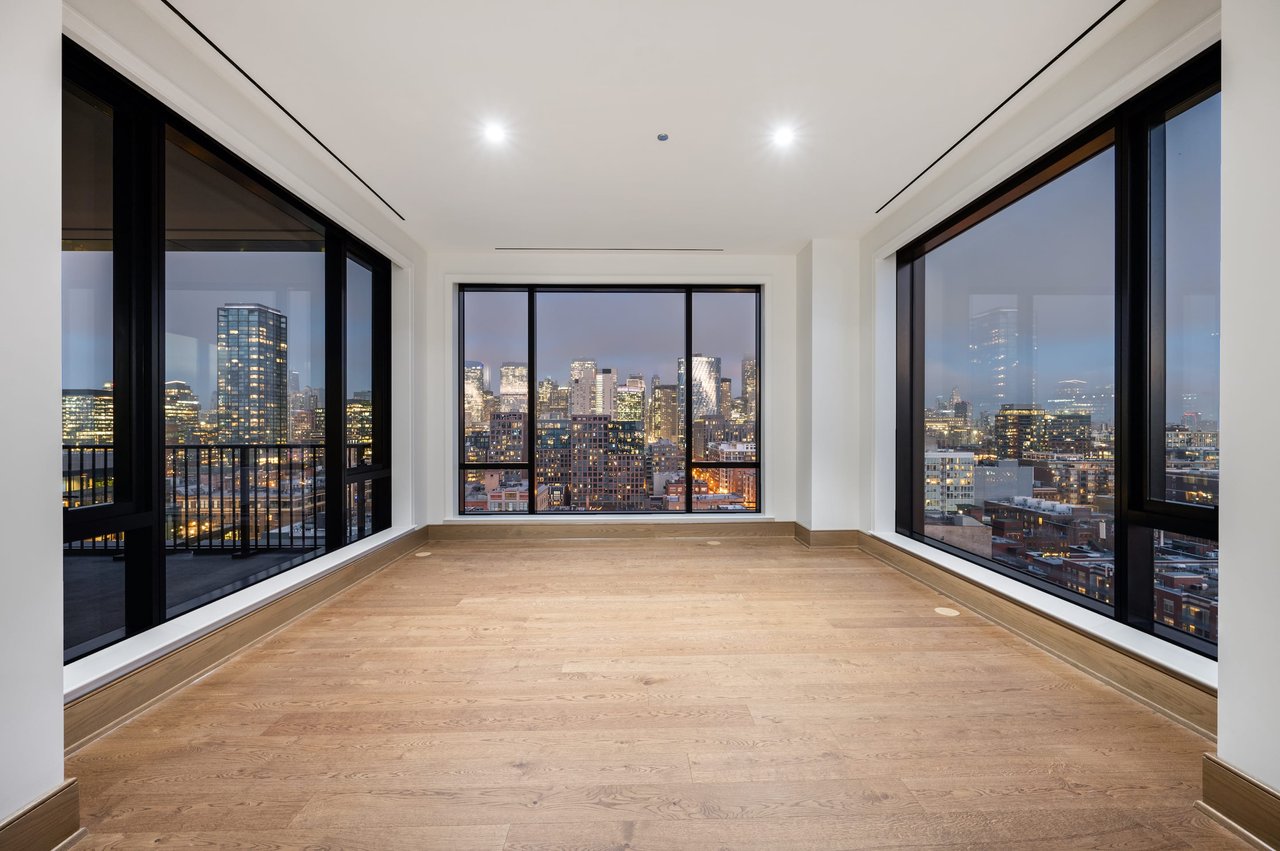
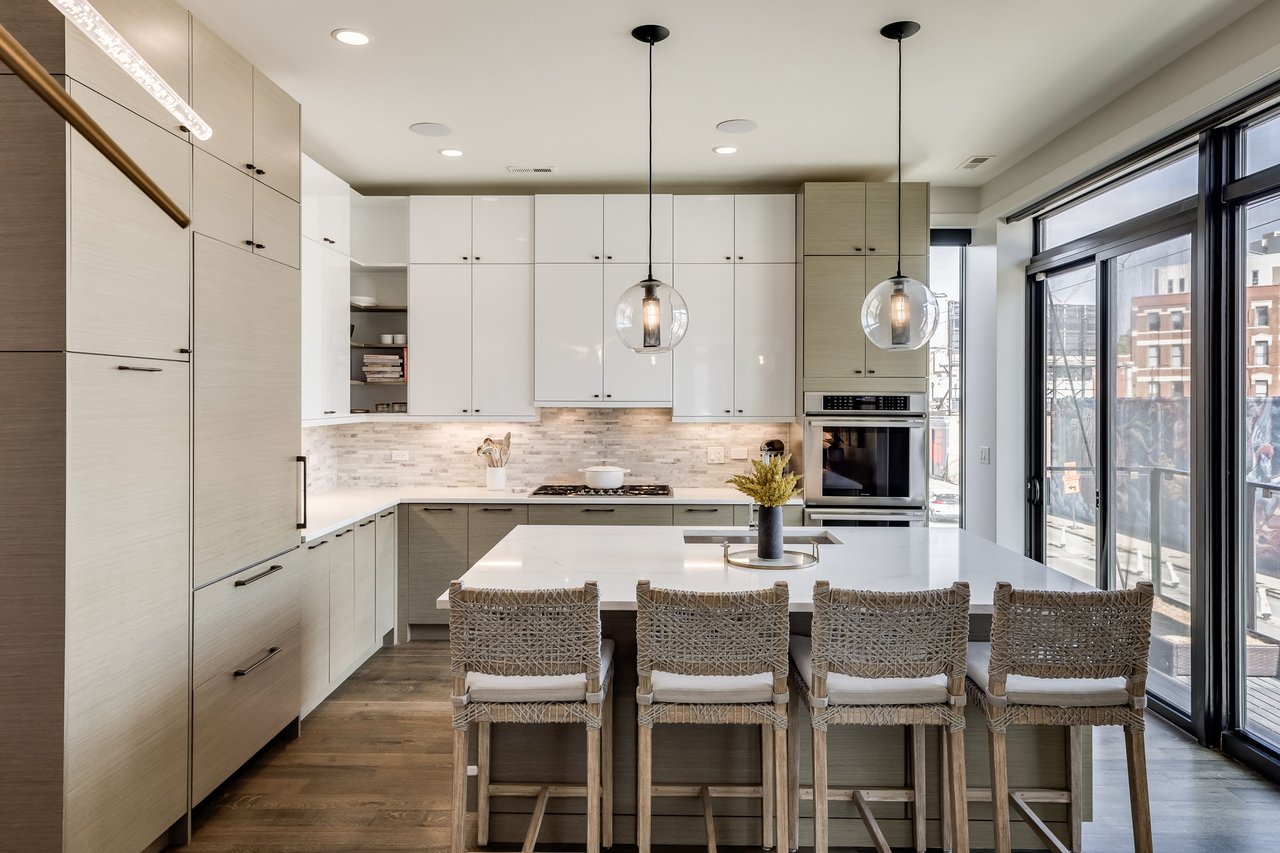
- Unit details that sell. Efficient floor plans with a den or office niche, private outdoor space, storage, and quality finishes can tip a decision.
- Parking and storage. Parking is a premium in the West Loop. If you are selling, including a deeded space can materially influence price and time on market.
Zoning and planning updates can change the pace and type of future development. Keep an eye on neighborhood planning announcements in trusted local outlets like the Chicago Tribune’s business coverage.
How to time a 2026 move
If you’re targeting 2026, build a simple dashboard. Track these items monthly or quarterly so your plan stays aligned with the market’s direction:
- Active condo listings in your sub-neighborhood and price band
- Closed sales per month and 3-month average
- Months of inventory, or MOI
- Median sold price and price per square foot changes over 3 and 12 months
- Average days on market
- New unit deliveries and expected completions
- Mortgage rate trends via the Freddie Mac PMMS
- Office leasing and occupancy headlines in Crain’s Chicago Business real estate
- Permit and completion activity on the City of Chicago Data Portal
What the scenarios mean for you
- Scenario A: MOI dips below 3 and DOM shortens. Sellers hold more leverage. You can list earlier with confidence. Buyers should be pre-approved and ready to act fast.
- Scenario B: MOI between 3 and 6. Conditions are balanced. You can prioritize personal readiness and negotiation strategy over speed.
- Scenario C: MOI above 6 with rising new completions. Buyers gain leverage. Sellers can win with careful pricing, standout presentation, and targeted incentives.
Buyer playbook
- Clarify your target. Track MOI and DOM by your specific unit type and budget. A generic West Loop average can hide differences by building or floor plan.
- Get fully underwritten pre-approval, not just pre-qualification. Consider rate-lock strategies if rates appear poised to rise. The Freddie Mac PMMS can guide timing discussions with your lender.
- Compare new-build vs resale. New builds offer modern systems and warranties. Resales may deliver better price per foot or negotiation room, especially if nearby new deliveries increase competition.
- Focus on the big three. Floor plan utility for work-from-home, private outdoor space, and secure parking often drive long-term livability and resale strength.
Seller playbook
- Know your comps and absorption. Review MOI and DOM for your building and comparable buildings with similar unit types.
- Track pipeline. If a nearby condo building is likely to deliver in the next 12 months, prepare to differentiate with improvements, professional presentation, and possibly incentives.
- Emphasize what the market values now. Highlight balconies or terraces, parking, storage, and WFH-friendly layouts in your marketing.
- Align with seasonality when possible. Spring often brings more buyers, but if MOI is already low, an earlier listing can be advantageous.
A quick 2026 readiness checklist
- Current MOI for your price band and unit type
- New monthly listings vs monthly closed sales
- Price per square foot trend over the past 12 months
- New condominium completions expected within the next 12–24 months
- Notable office leases or corporate moves within the Fulton Market corridor
- Current 30-year mortgage rate level and 3-month trend
How we define the West Loop here
For clarity, this article uses the West Loop area within Chicago’s Near West Side, centered on the Fulton Market and Randolph Street corridors. In practice, many market stats rely on MLS-defined boundaries and commonly include most of 60607 and portions of 60661. Because boundaries vary by data source, confirm the exact area used when you review monthly figures from the Chicago Association of REALTORS or conduct a building-level analysis.
What to watch next
The signals that matter most for West Loop condo demand in 2025–2026 are straightforward: office leasing and re-occupancy in the Fulton Market corridor, the direction of mortgage rates, the volume and timing of new condo completions, and the stickiness of lifestyle demand around dining and walkability. Track those four threads and you’ll see inflection points early.
When you are ready to discuss timing, pricing, and building-level strategy, connect with a local advisor who pairs discreet, high-touch service with rigorous market intelligence. For a private conversation tailored to your goals, reach out to Mike Larson.
FAQs
Is now a good time to buy or sell in the West Loop if I’m planning for 2026?
- Watch MOI and DOM trends, mortgage rates via the Freddie Mac PMMS, and new-unit pipeline on the City of Chicago Data Portal; align your move when MOI supports your side of the table.
How will new condo projects affect my West Loop resale value?
- New deliveries can pressure similar resales if demand does not expand; compare unit mix, amenities, and price per foot against upcoming buildings within a half mile.
Which amenities matter most for West Loop condos in 2026?
- Work-from-home space, private outdoor areas, secure parking, modern fitness and package rooms, and high walkability measured by tools like Walk Score tend to drive decisions.
How do I use months of inventory to time my move?
- Calculate MOI as active listings divided by average monthly closed sales; under 3 months favors sellers, 3–6 is balanced, and over 6 leans to buyers.
Will dining and nightlife proximity hold value if office occupancy stays lower?
- Lifestyle access continues to attract buyers; monitor office-leasing headlines in Crain’s Chicago Business real estate to gauge whether weekday demand is rebounding alongside evening traffic.