What if your backyard was 1,200 acres of lakefront green space where your kids learn, play, and explore each week? If you are growing your family and weighing city life against the suburbs, Lincoln Park offers a different path. You get walkable parks, culture on your doorstep, and easy commutes, with housing options that fit many stages of family life. This guide shows you what daily life looks like, what homes cost, and where to find more space when you need it. Let’s dive in.
Lincoln Park at a glance
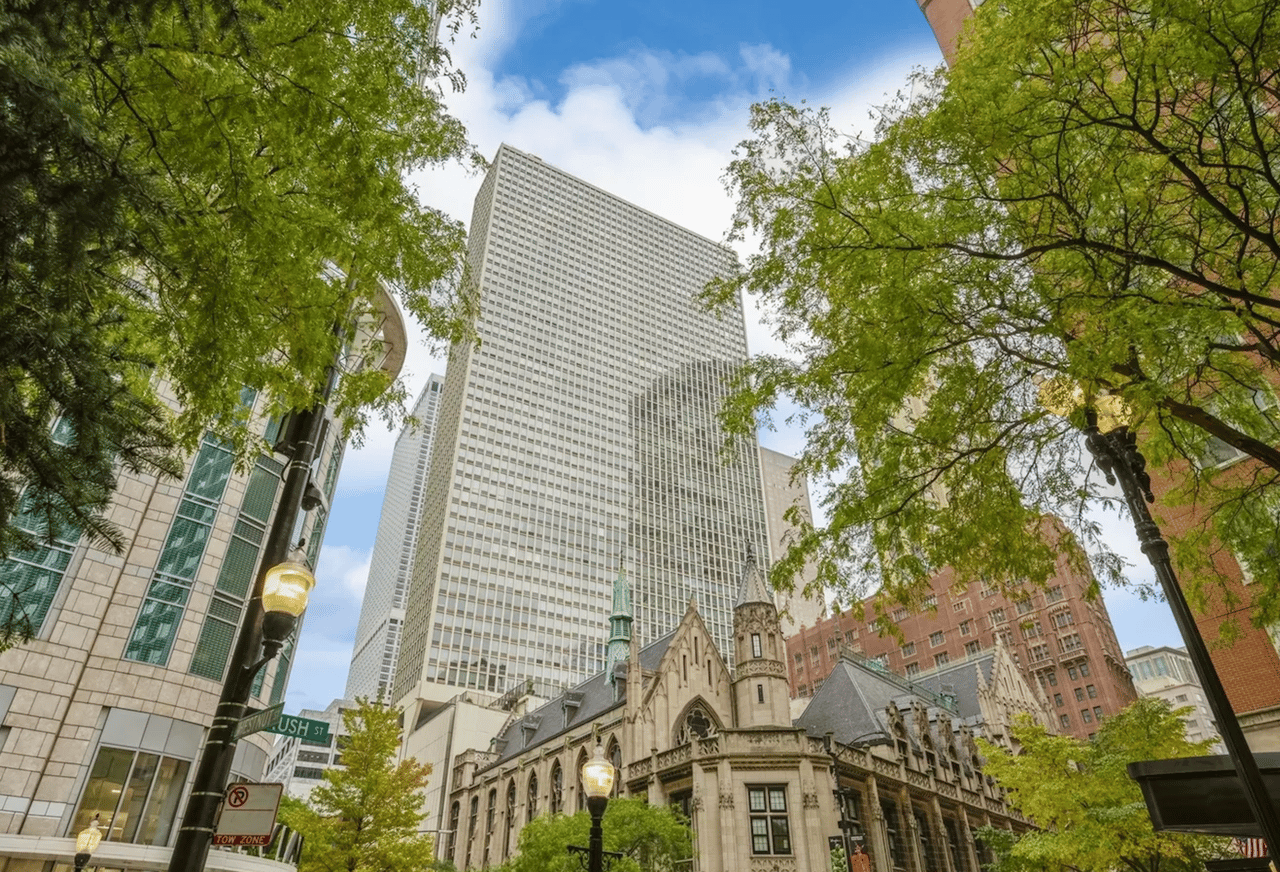
Lincoln Park is Chicago Community Area 07, bordered by Diversey Parkway, the Chicago River, North Avenue, and Lake Michigan. It is home to about 70,500 residents, with household income and educational attainment above city averages. The neighborhood takes its name from the lakefront park that shapes local routines and weekend plans. You are about five miles north of the Loop, and DePaul University’s Lincoln Park campus sits at the neighborhood’s core, with the Fullerton CTA stop as a key access point for the Red, Brown, and Purple lines. Learn more about the area’s boundaries and scale on the community overview for Lincoln Park, Chicago, and see DePaul’s campus location and transit context on the DePaul Lincoln Park page.
Why families choose the park
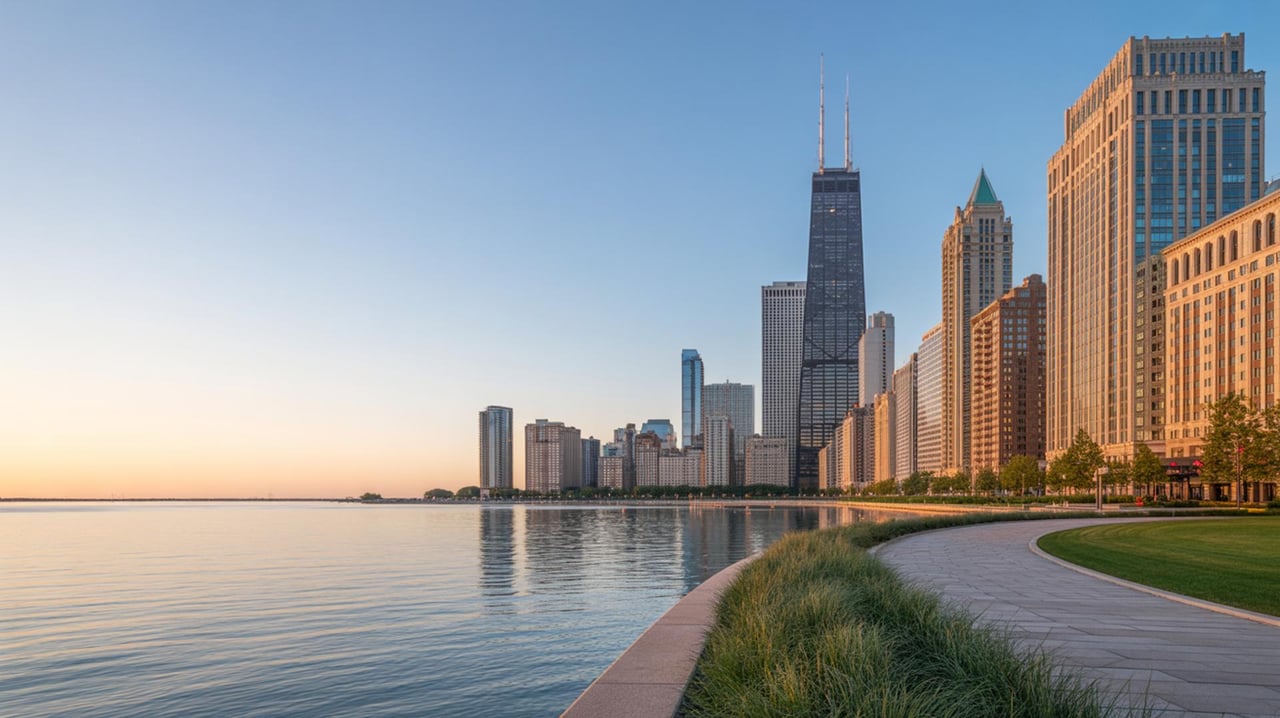
The heart of daily life here is the namesake park along the lakefront. According to the American Planning Association, Lincoln Park’s lakefront greenbelt stretches roughly 1,200 acres with beaches, ball fields, bike and walking paths, and nature areas like North Pond. That scale lets you choose a quiet nature walk one day and a soccer morning the next, all within minutes of home.
You also have a pocket of child-focused destinations that turn short outings into regular routines:
- Lincoln Park Zoo offers free admission, seasonal events like ZooLights, and camps and programs that fit toddler through elementary ages.
- The Peggy Notebaert Nature Museum brings science to life with its butterfly haven and hands-on exhibits, plus camps and workshops.
- The Lincoln Park Conservancy’s plan-a-visit page covers the Conservatory and the Alfred Caldwell Lily Pool, peaceful, low-cost escapes for any season.
- Neighborhood playlots are part of the rhythm. Oz Park features “Dorothy’s Playlot,” while local fieldhouses host tiny-tot classes, sports, and seasonal programs.
Picture an easy afternoon: a stroll through the Lily Pool, a picnic near North Pond, then a short walk to the zoo for an hour before dinner. Here, park time is not just for weekends. It is your weekday reset.
A week in the life
- Monday: Butterfly spotting and a story hour at the Nature Museum, then a loop around North Pond.
- Wednesday: After-school soccer at Oz Park and a quick dinner on Clark Street.
- Friday: An early evening walk by the lake before bedtime.
- Saturday: Morning at Lincoln Park Zoo, carousel rides for the little ones, then coffee while the kids explore the Farm-in-the-Zoo.
- Sunday: A Conservatory visit when the weather is cold, or beach time when it is warm.
These routines are short, predictable, and easy to fit into busy schedules.
Culture and enrichment close to home
Beyond the park, you have a compact cluster of institutions that make learning simple to access:
- The Chicago History Museum hosts exhibits, family programming, and periodic free or discounted days for Illinois residents.
- The Peggy Notebaert Nature Museum pairs hands-on science with camps that align well with preschool and early-elementary interests.
- Lincoln Park Zoo runs seasonal programs and camps that help kids build comfort and curiosity with nature and animals.
For many families, these options reduce screen time and increase simple, repeatable outings.
Housing types and price context
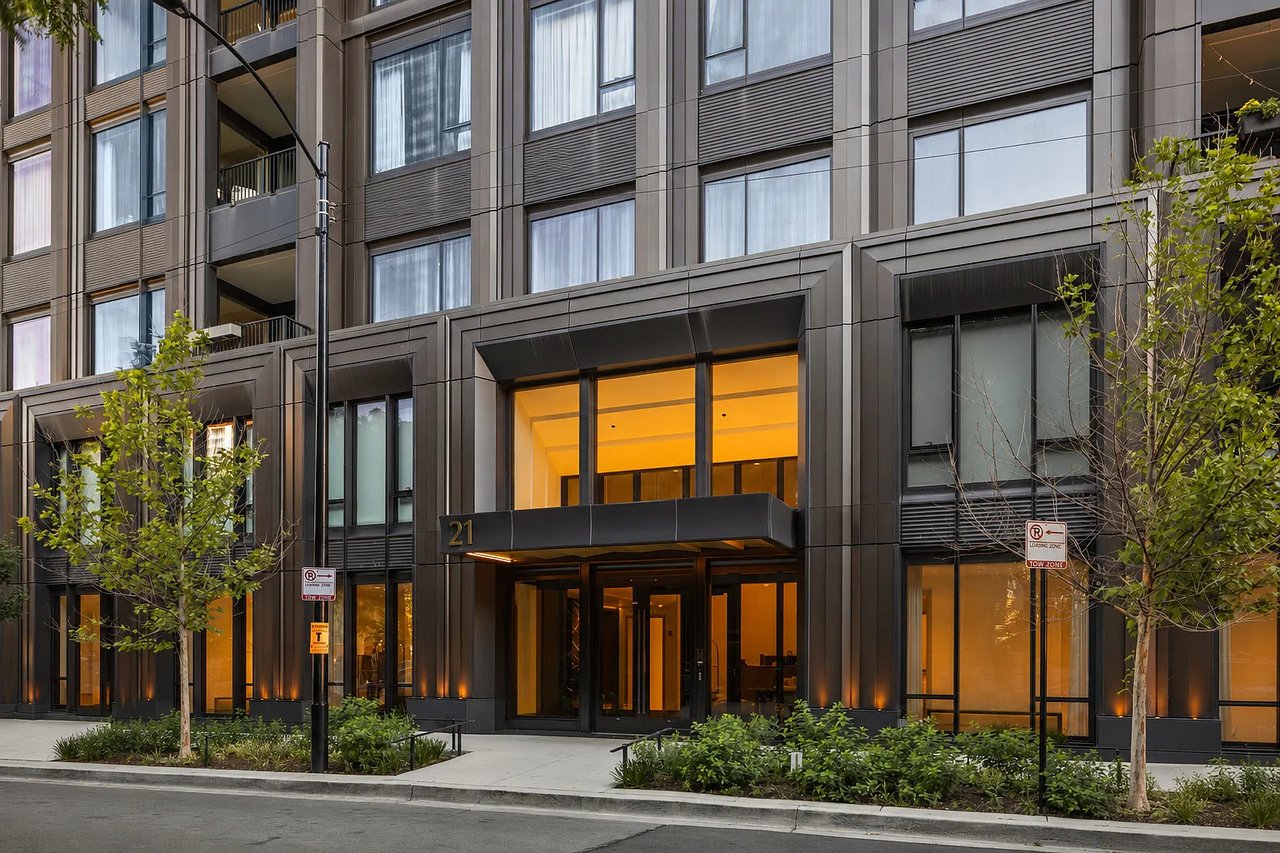
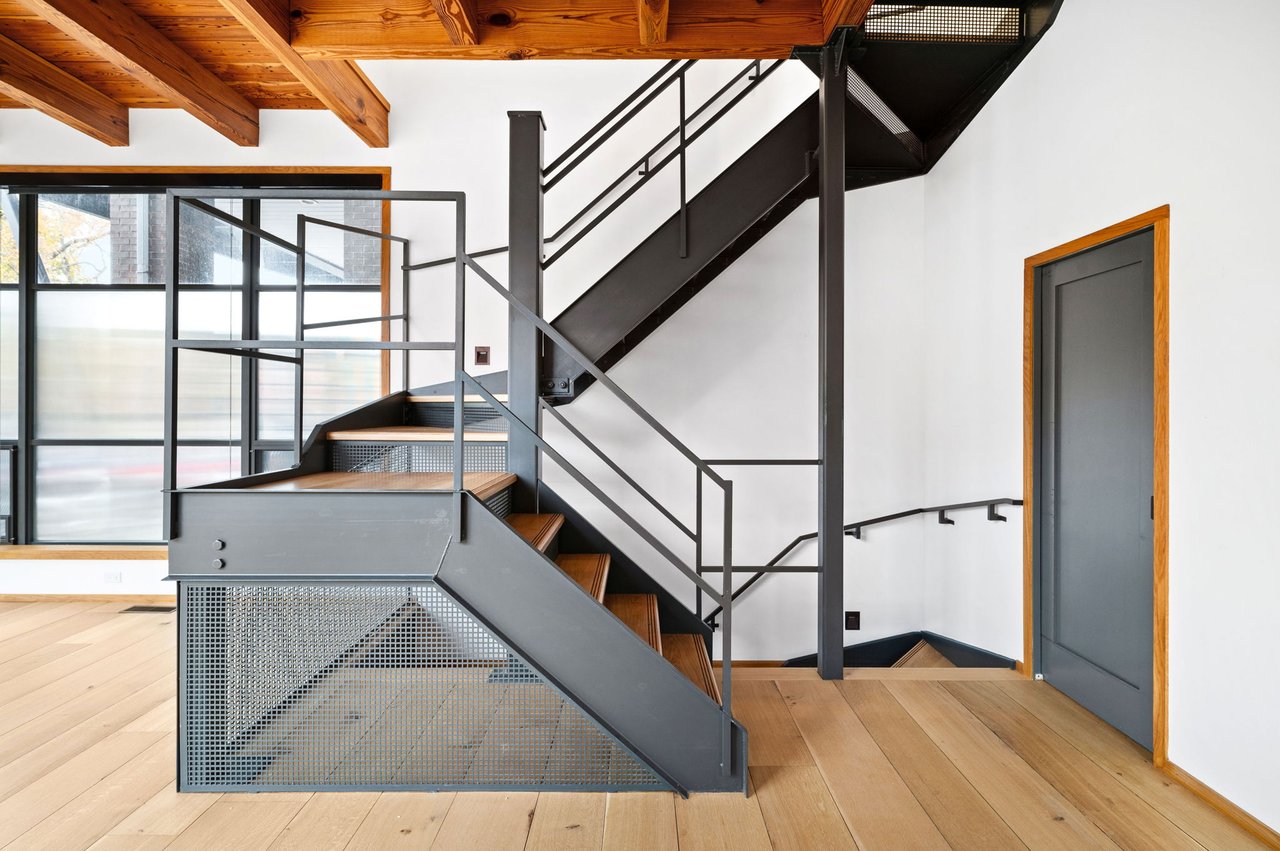
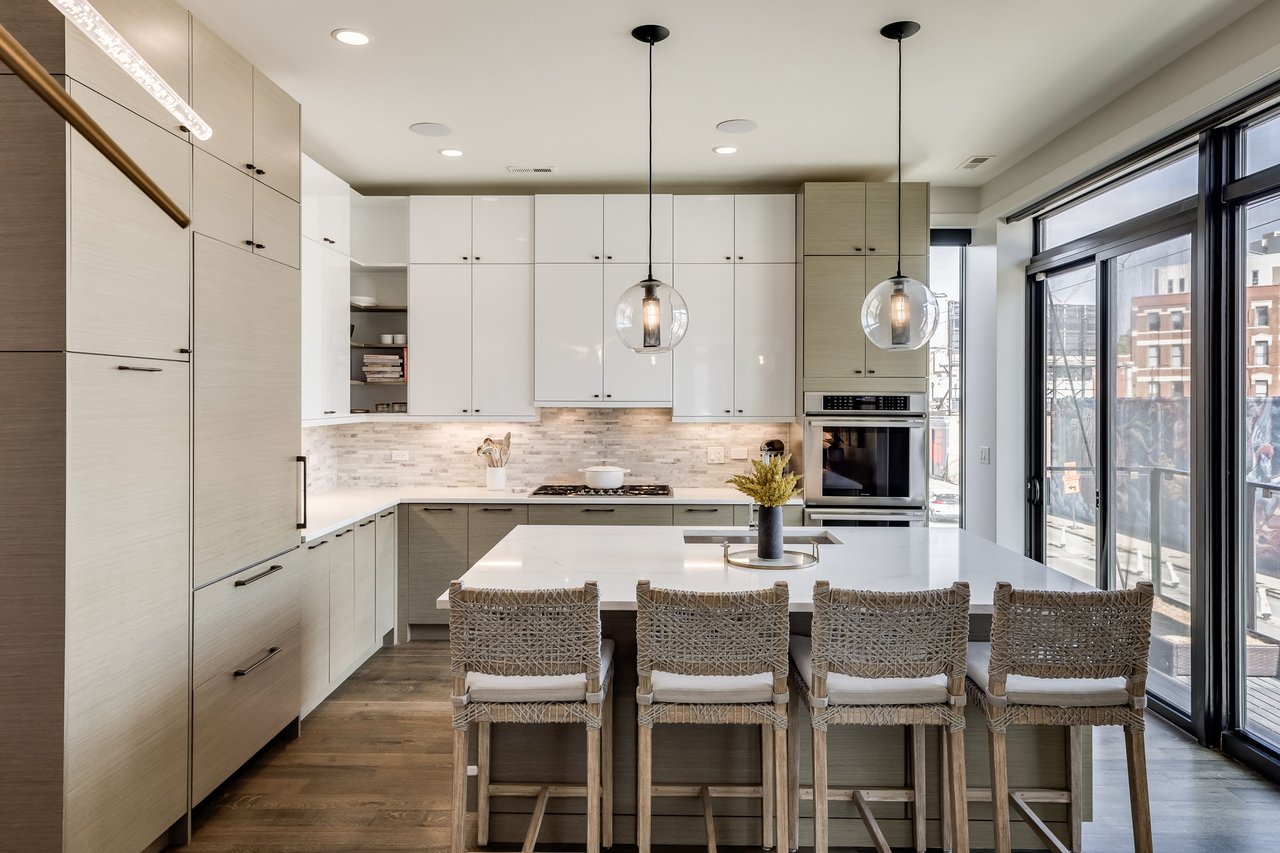
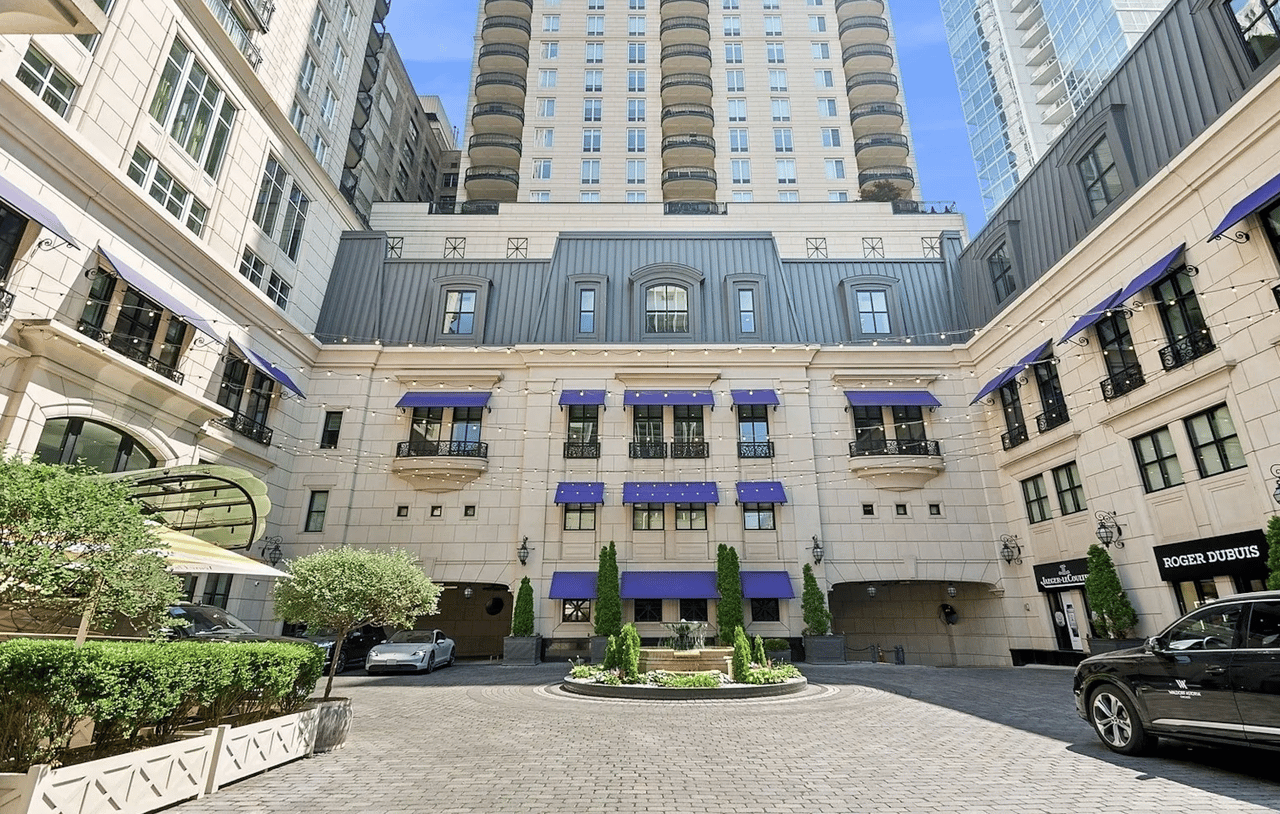
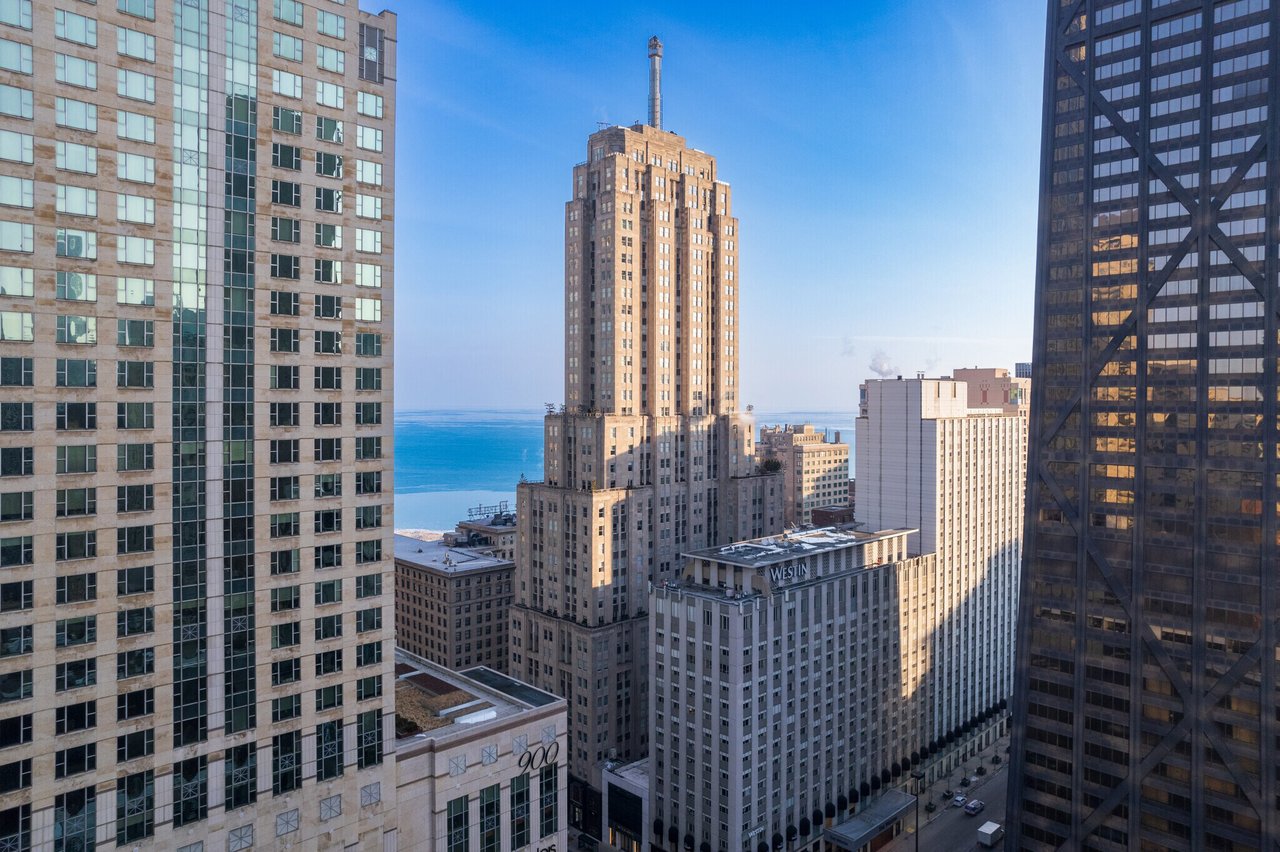
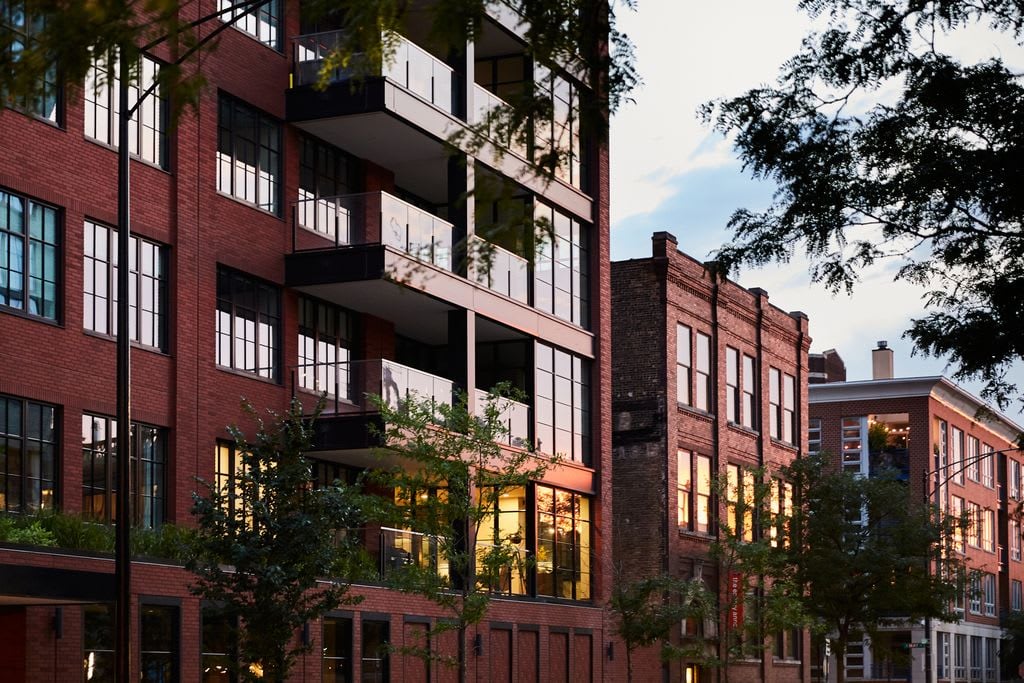
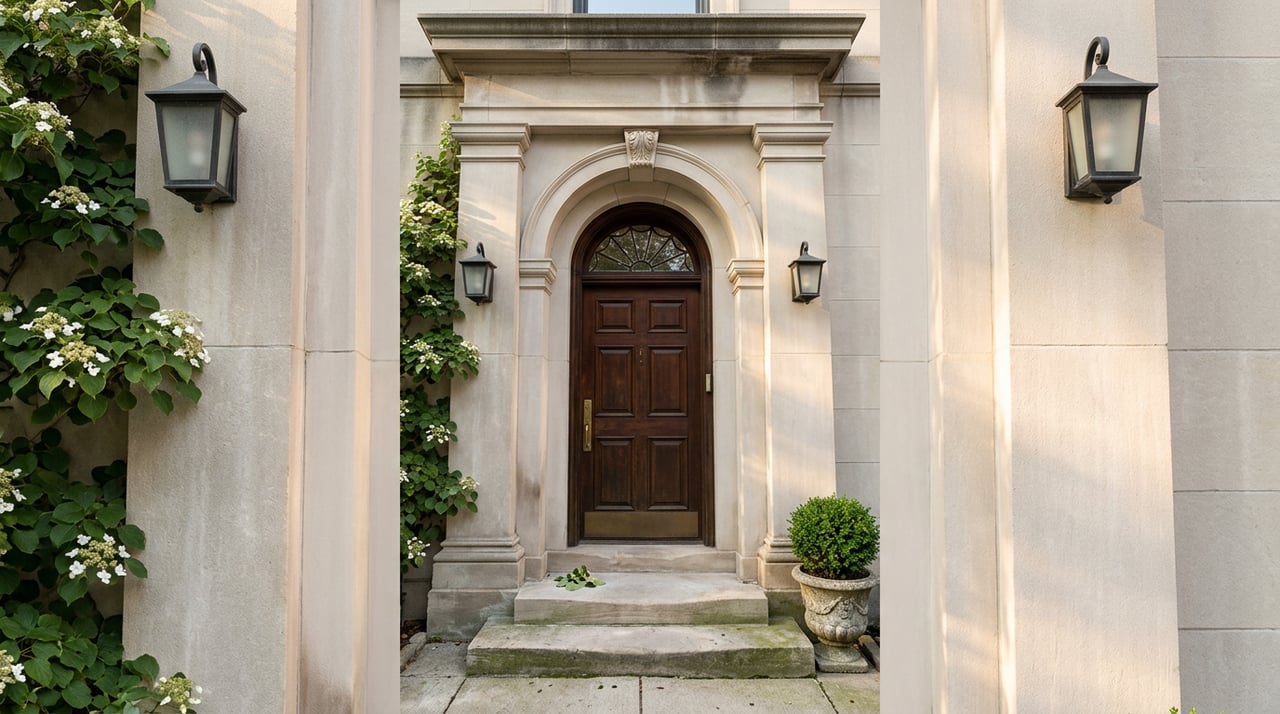
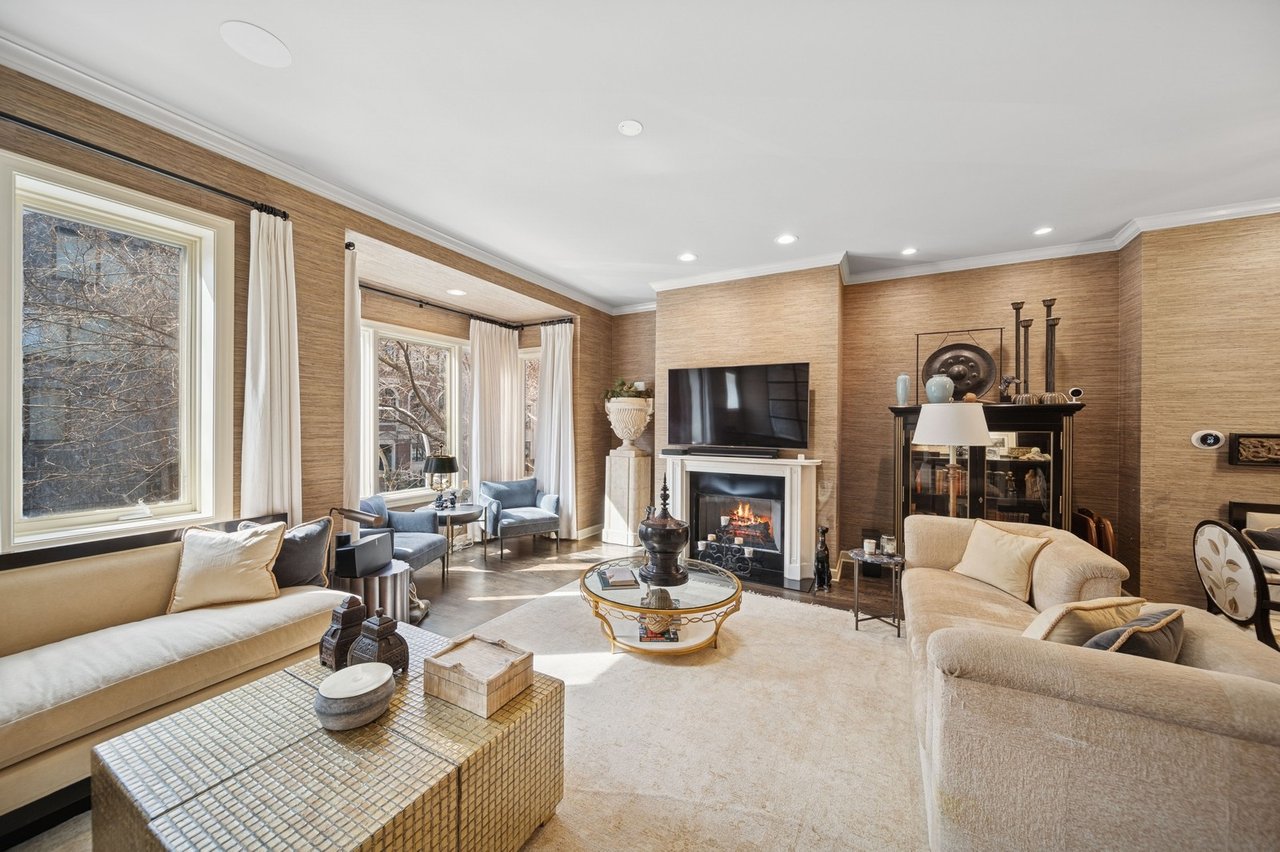
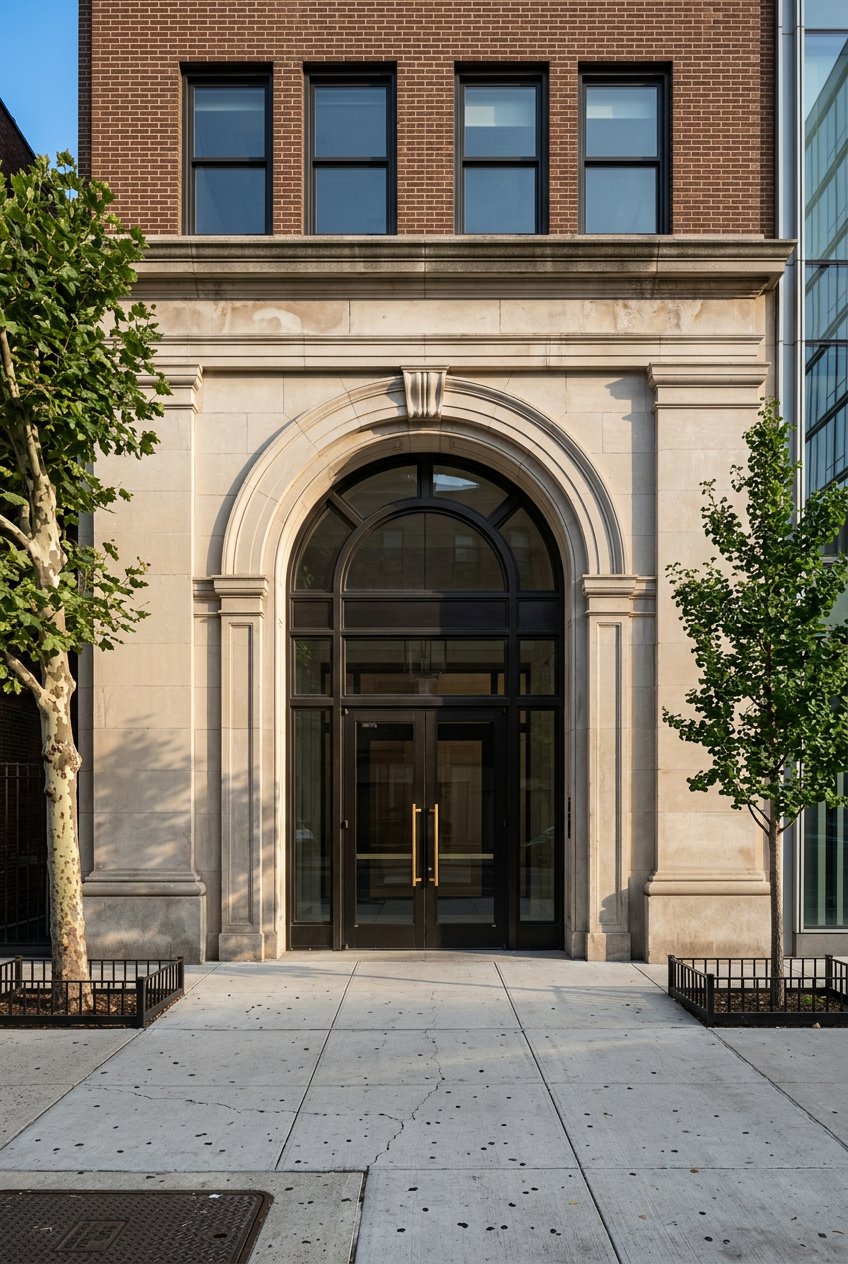
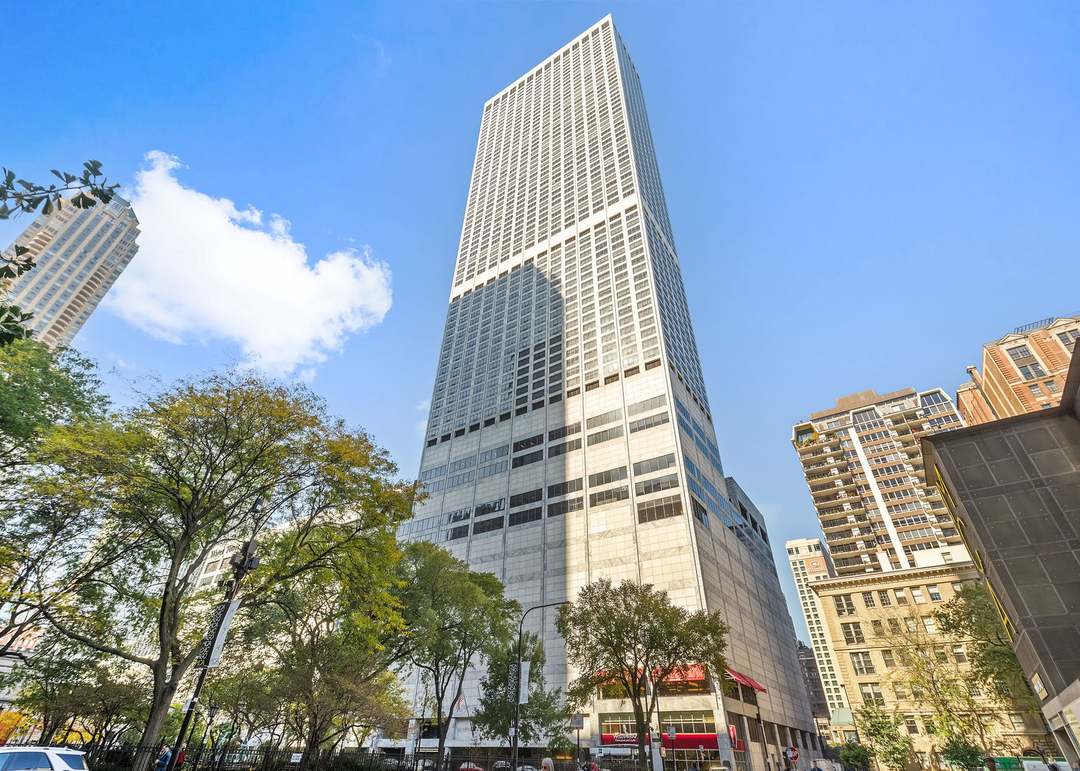
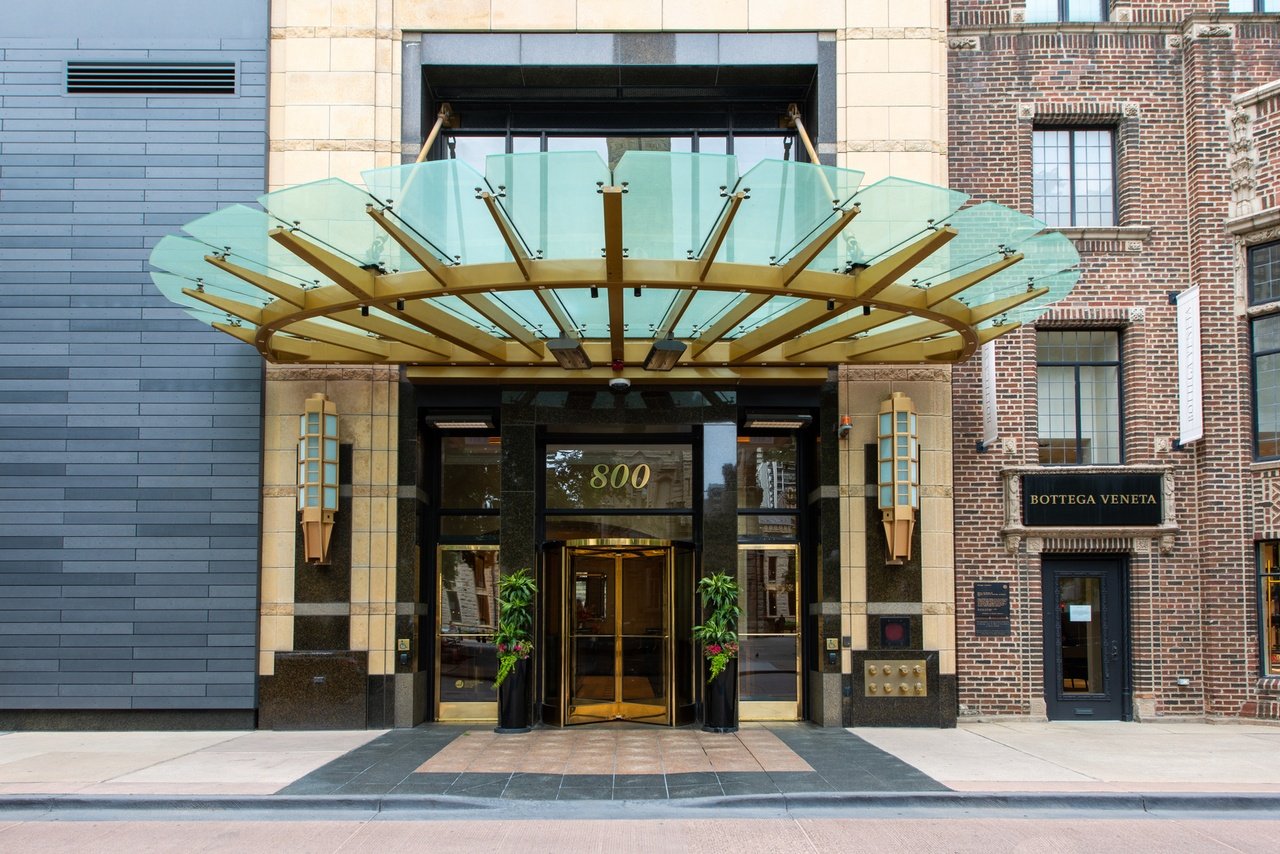
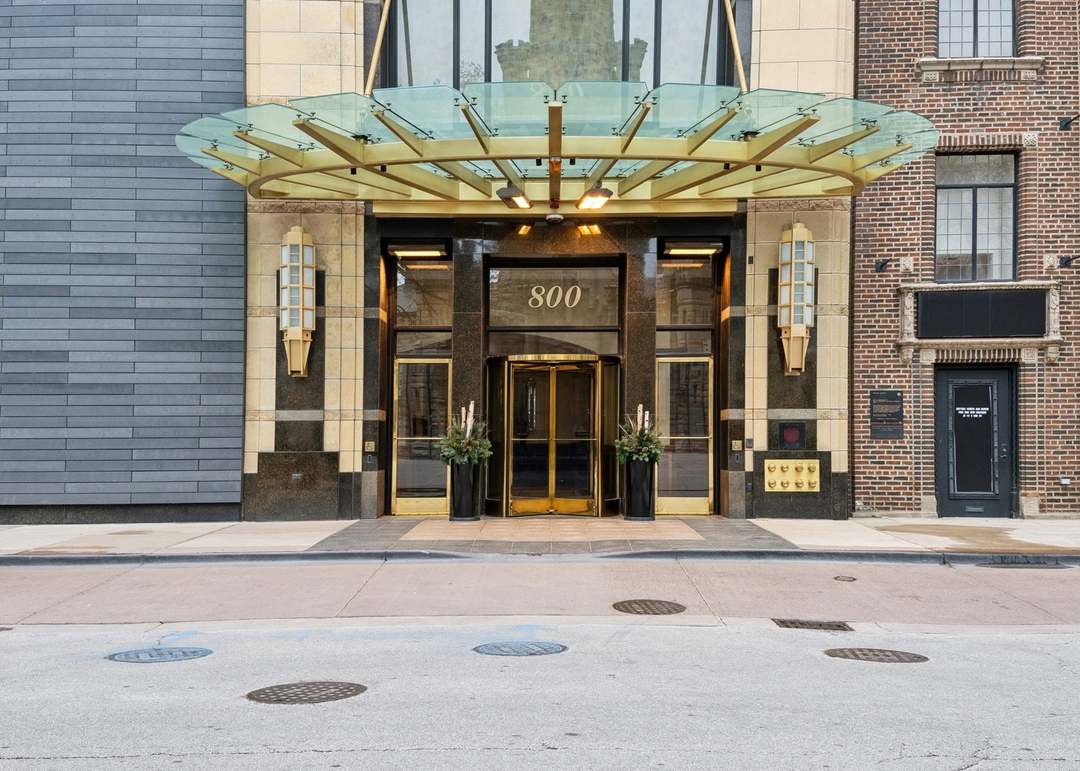
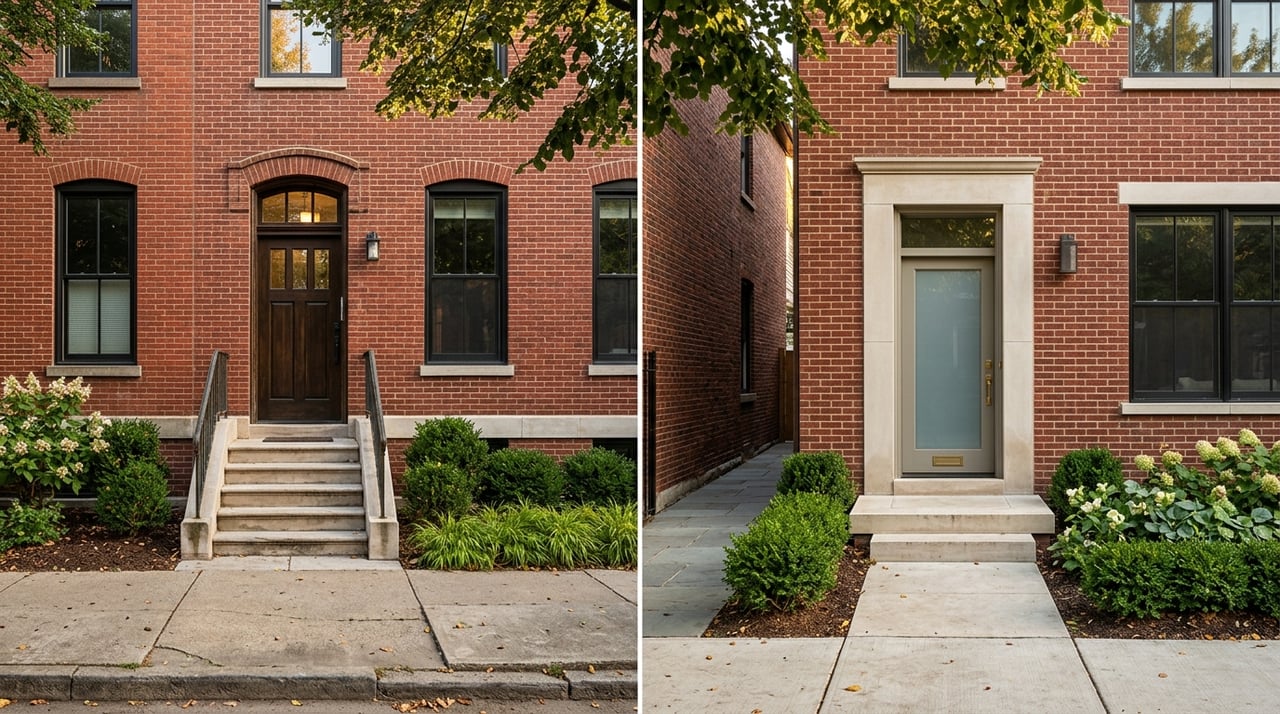
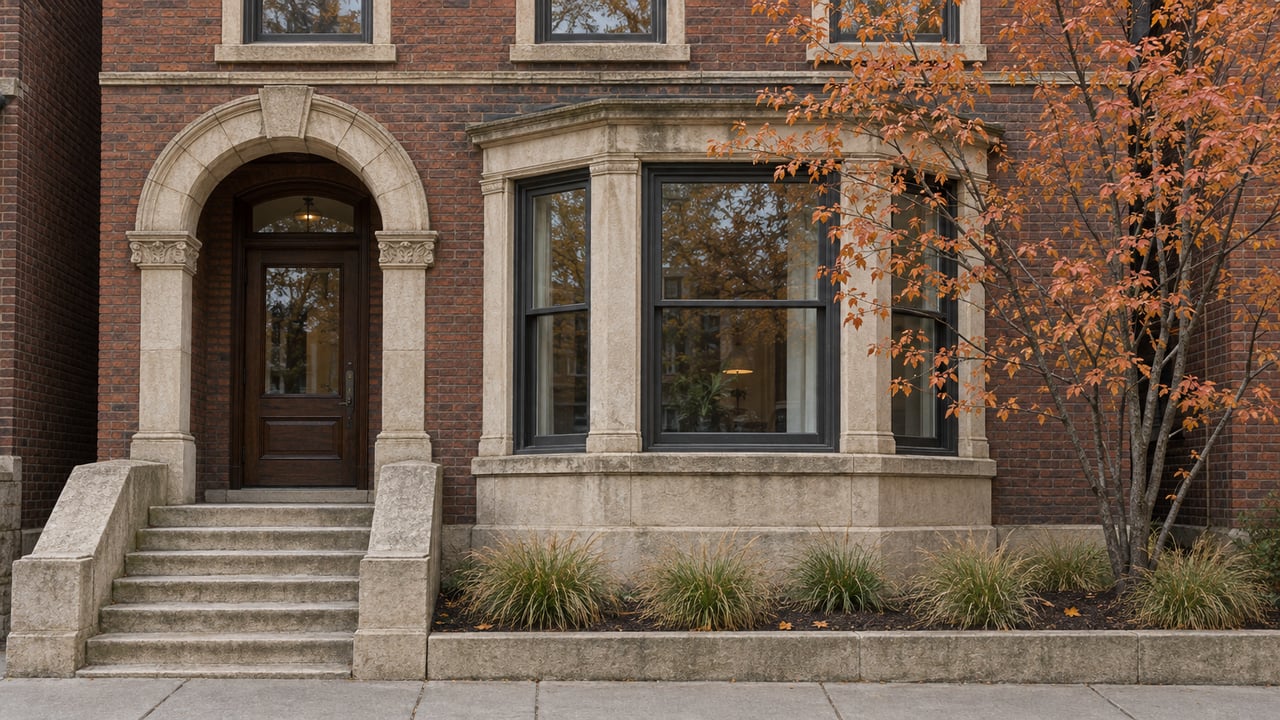
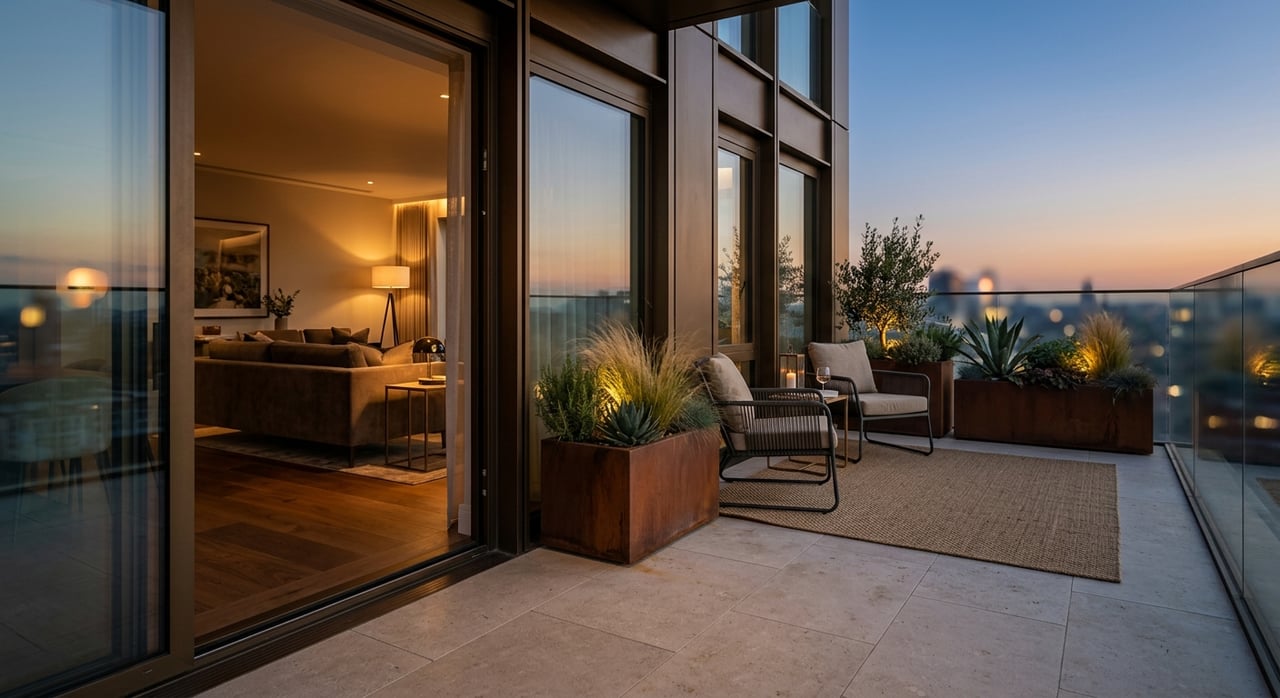
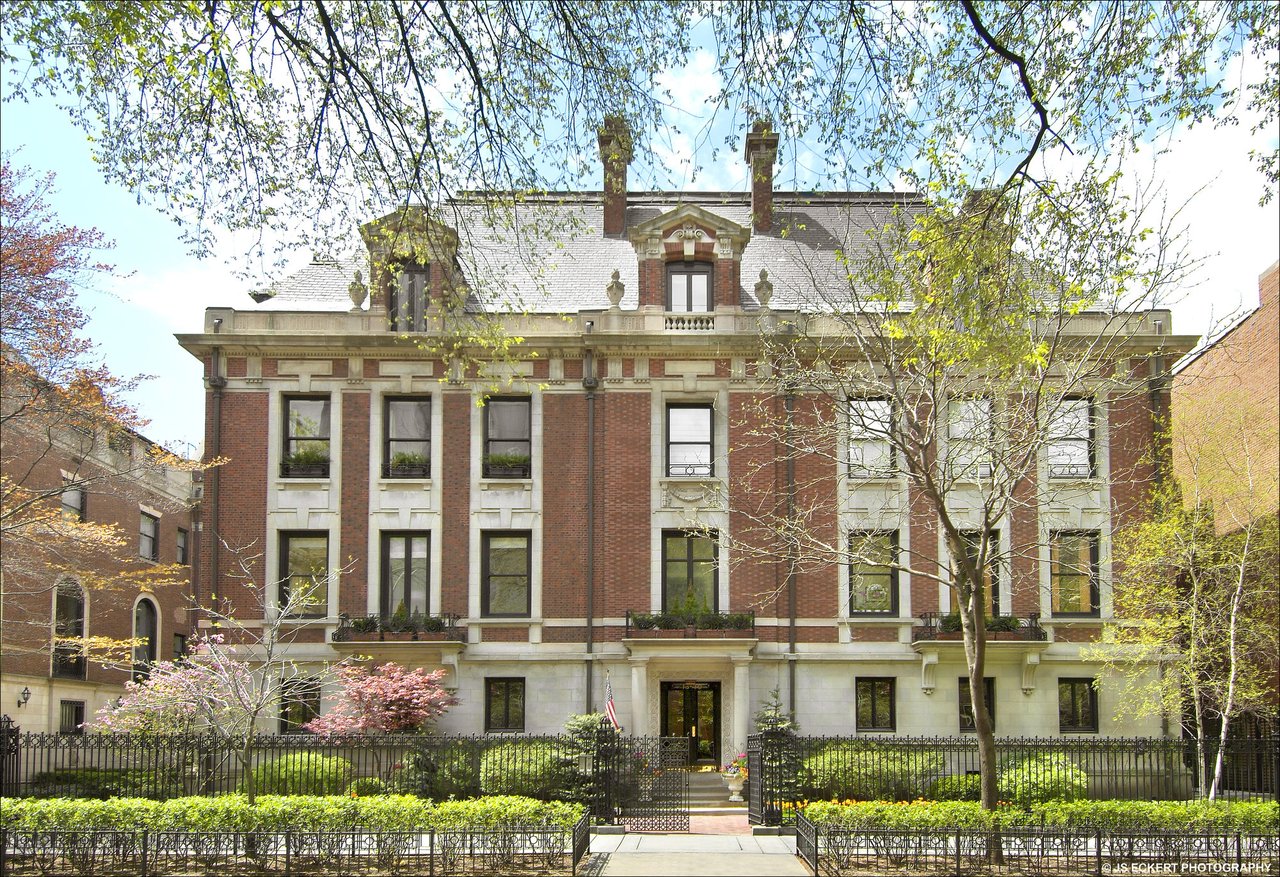
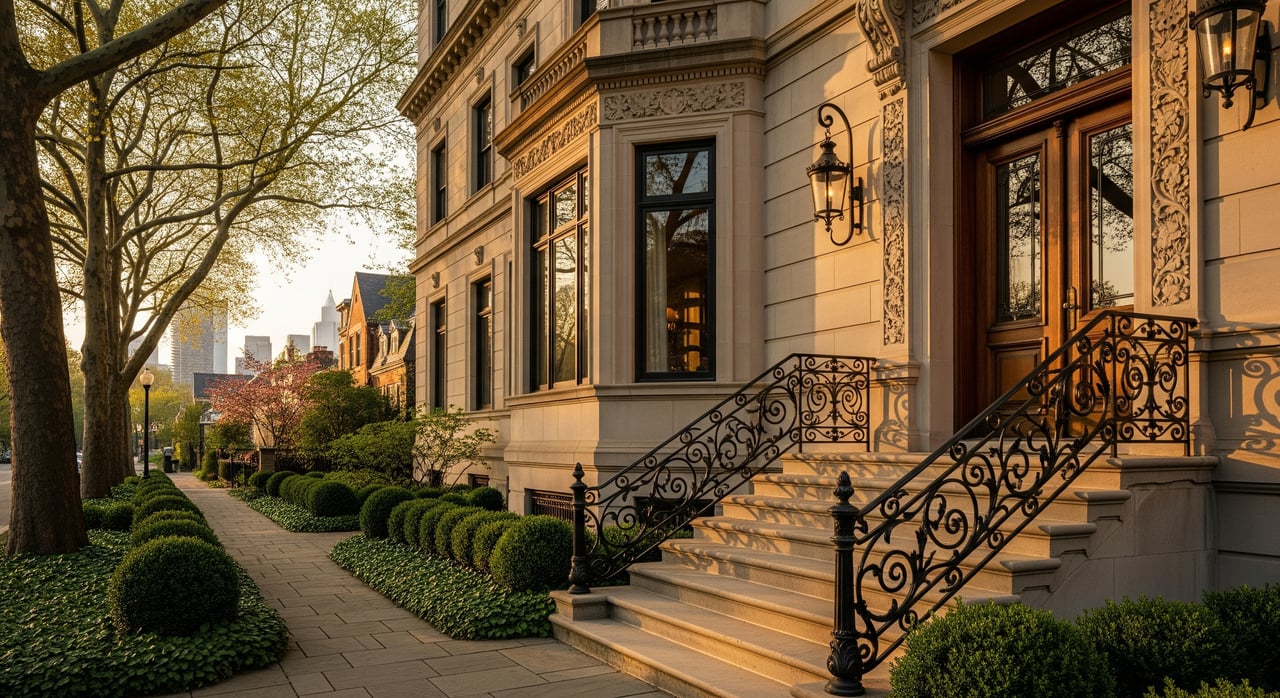
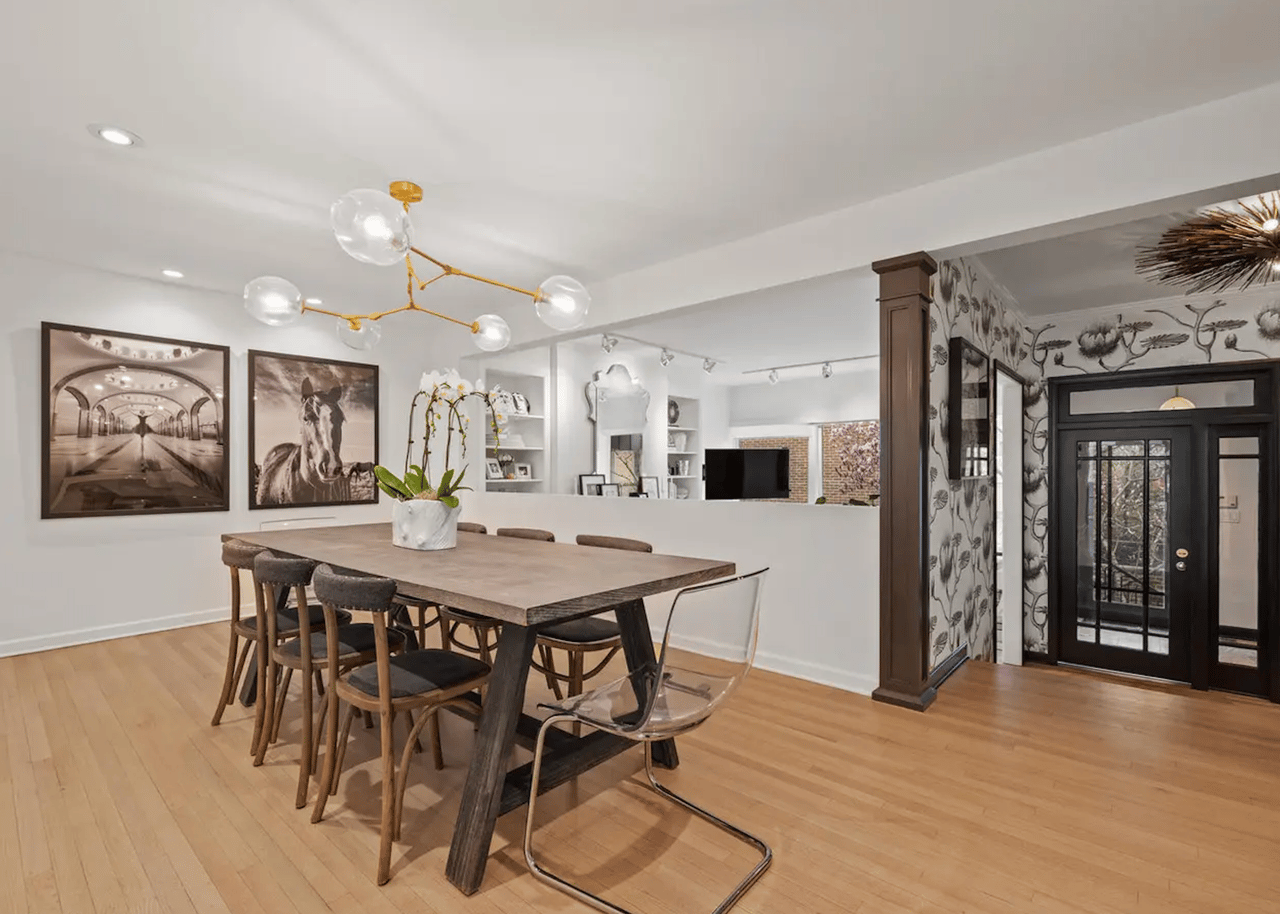
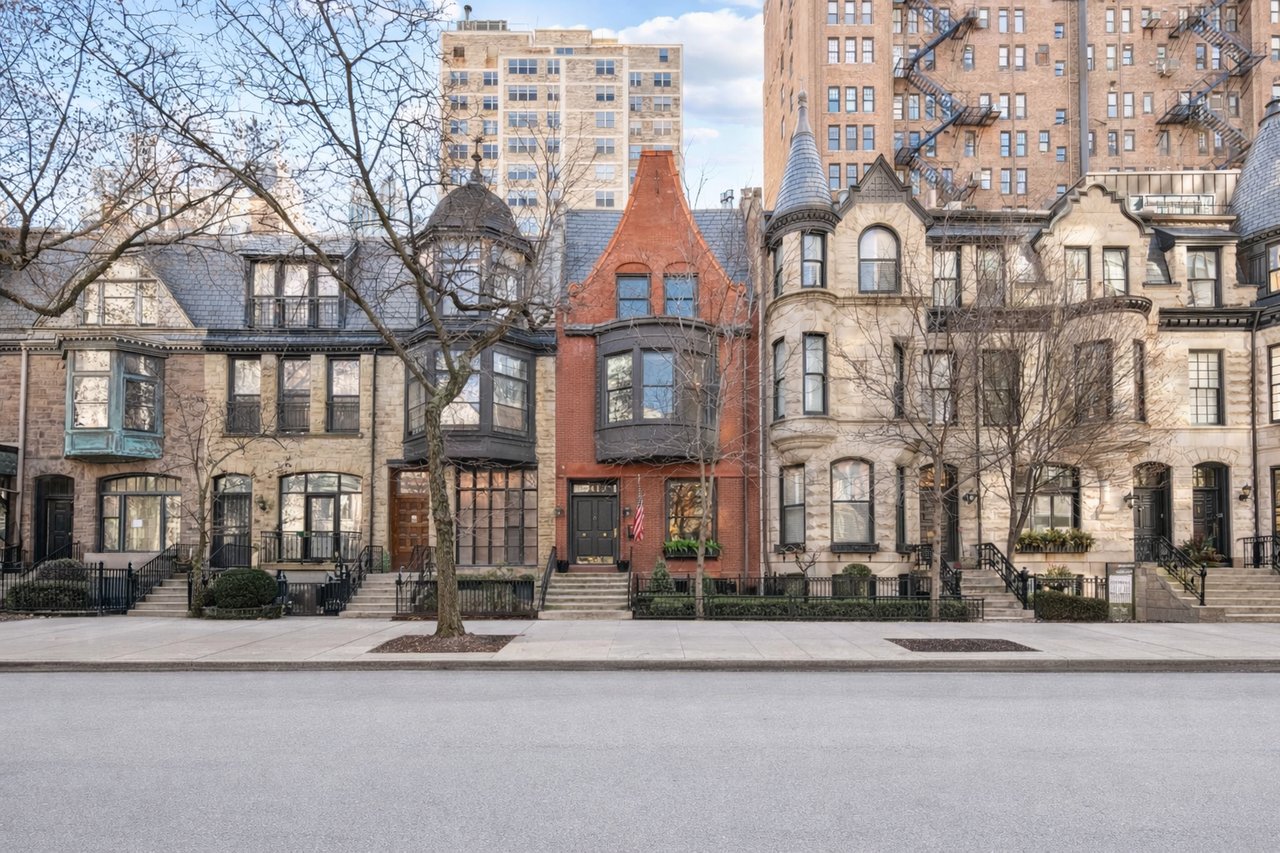
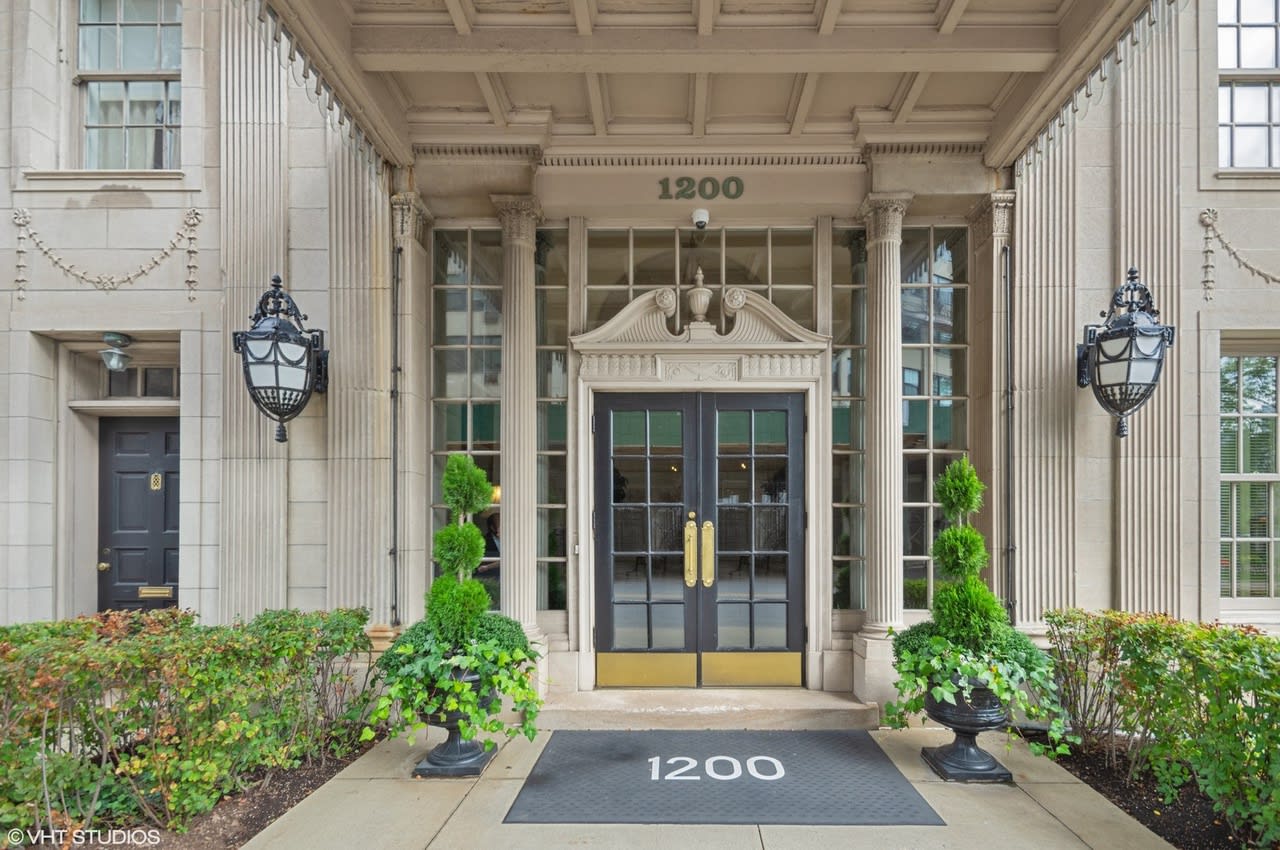
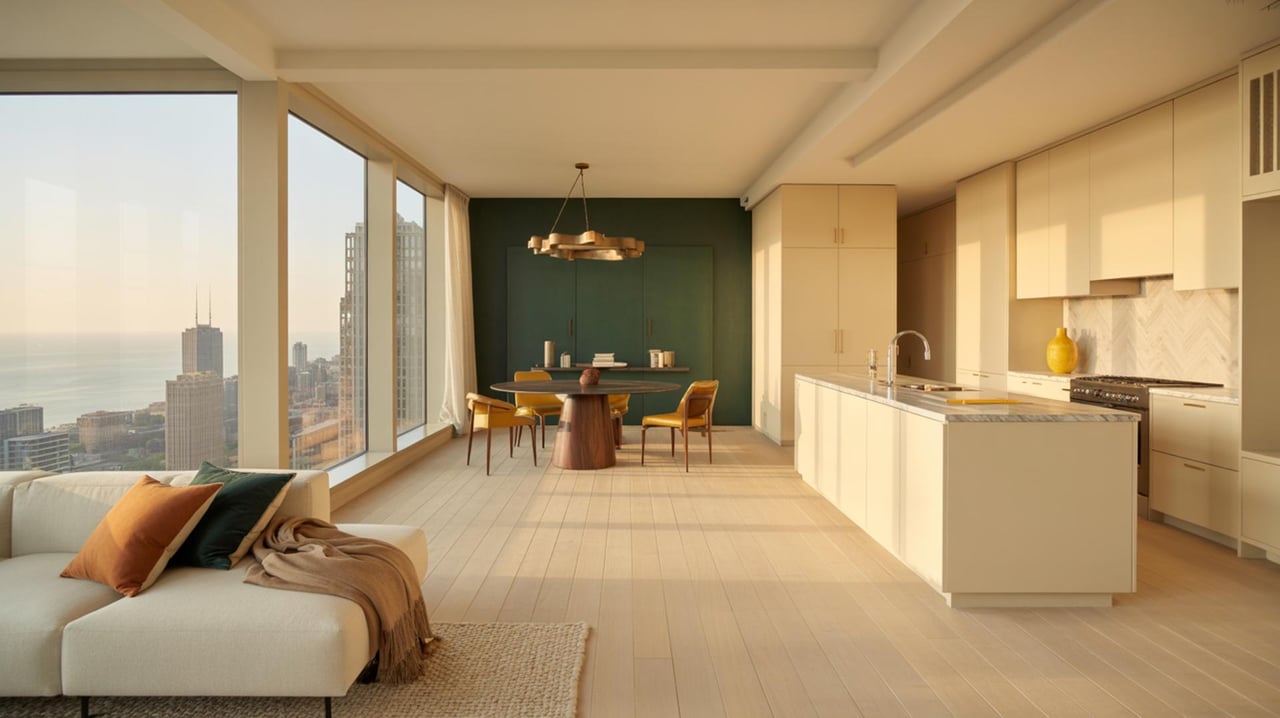
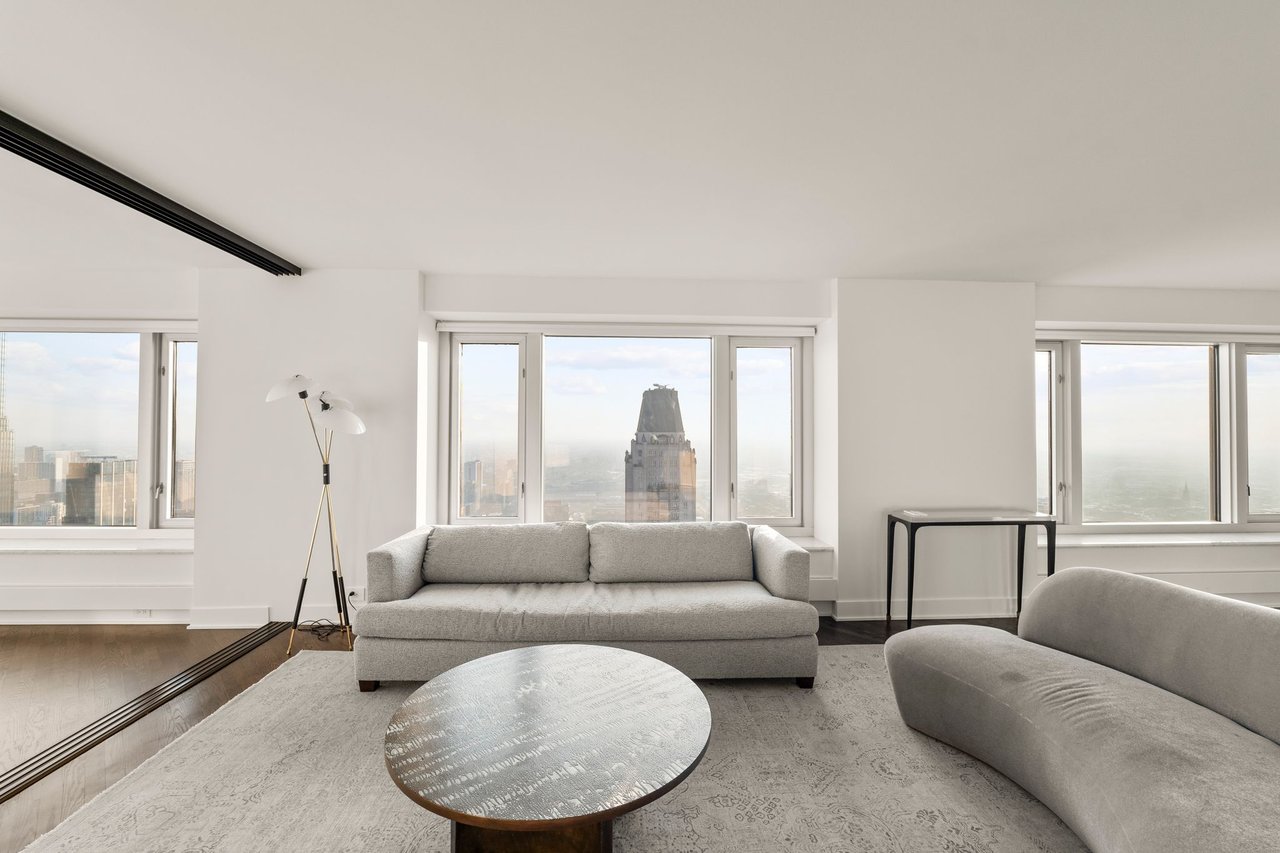
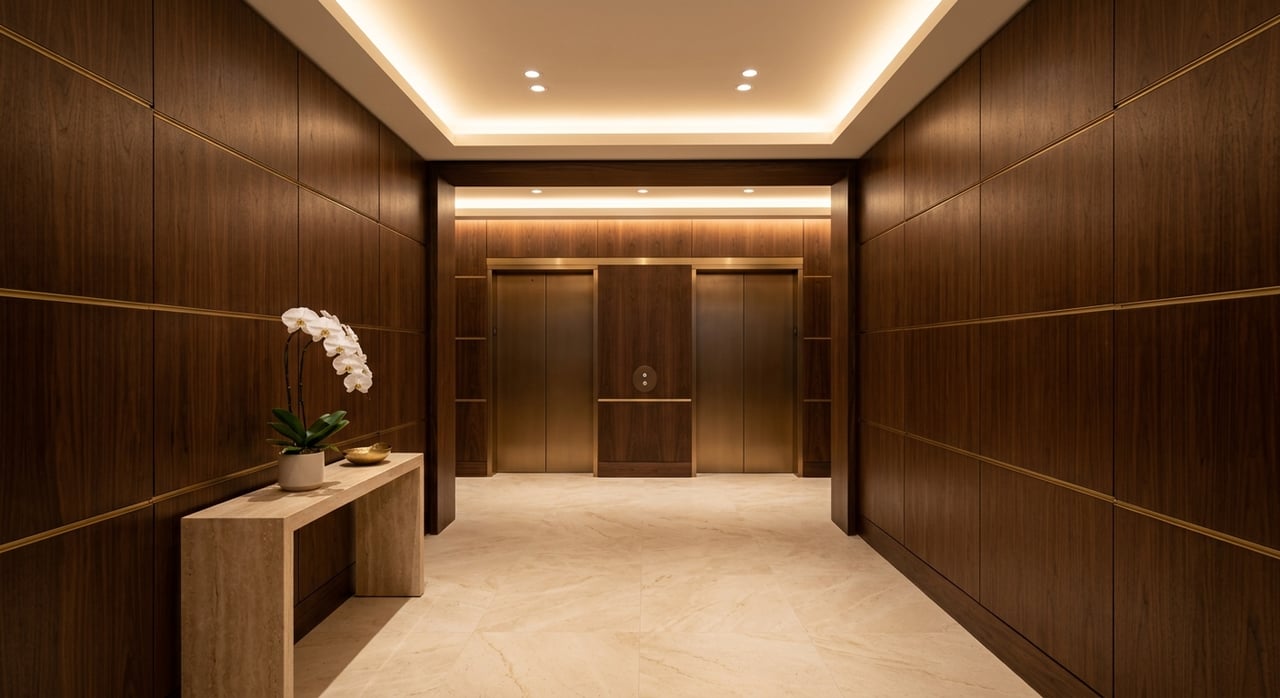
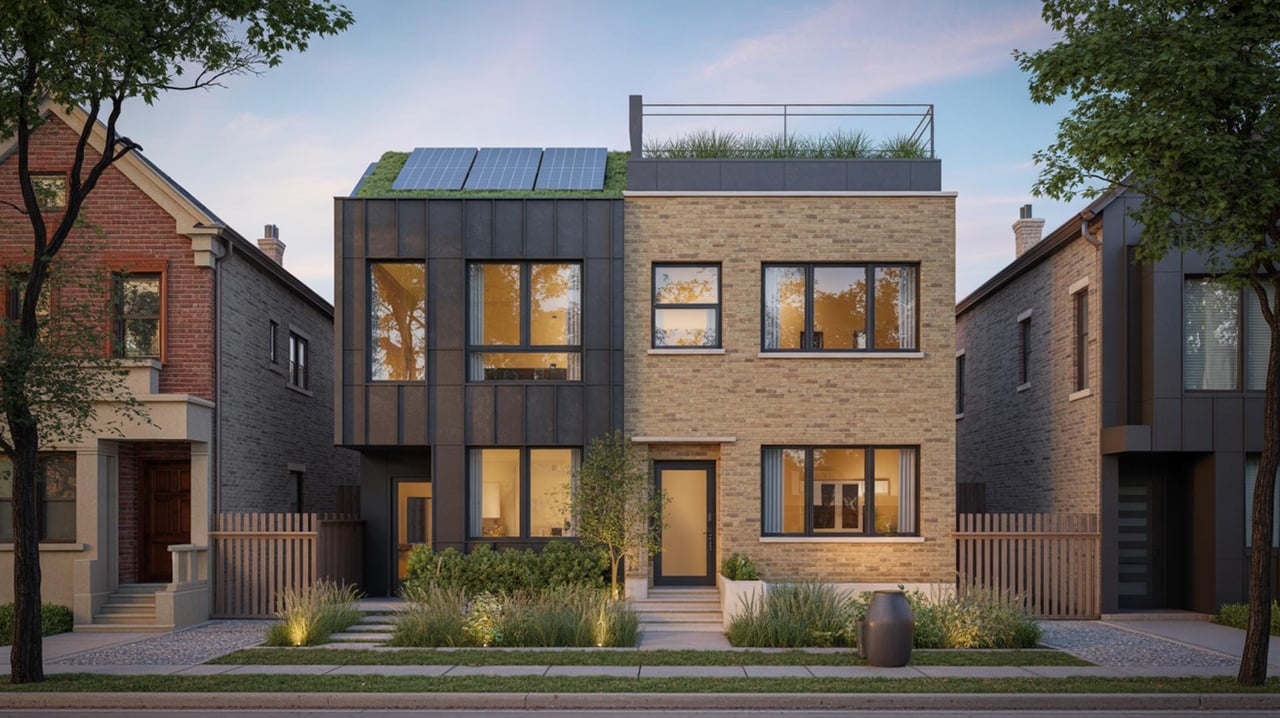
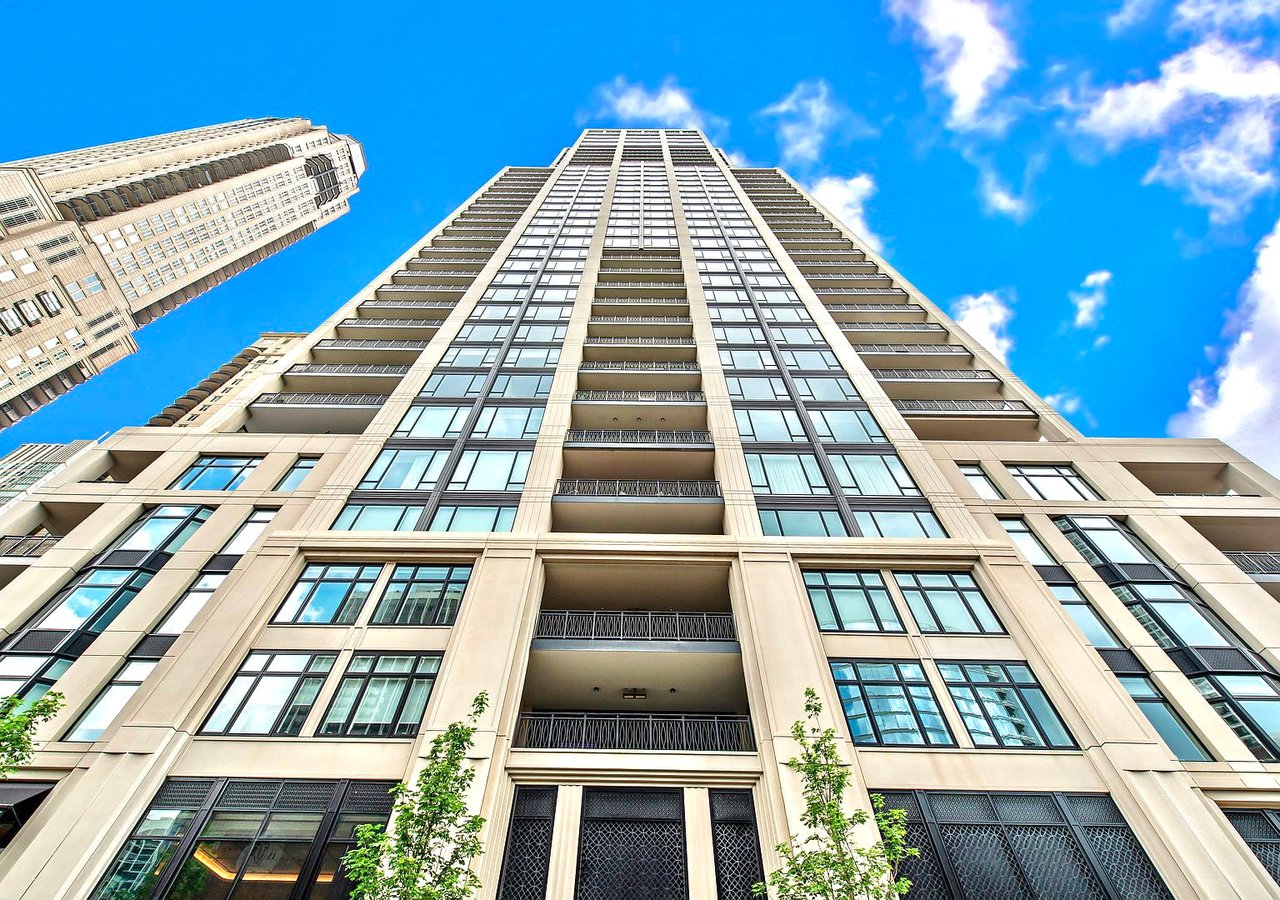
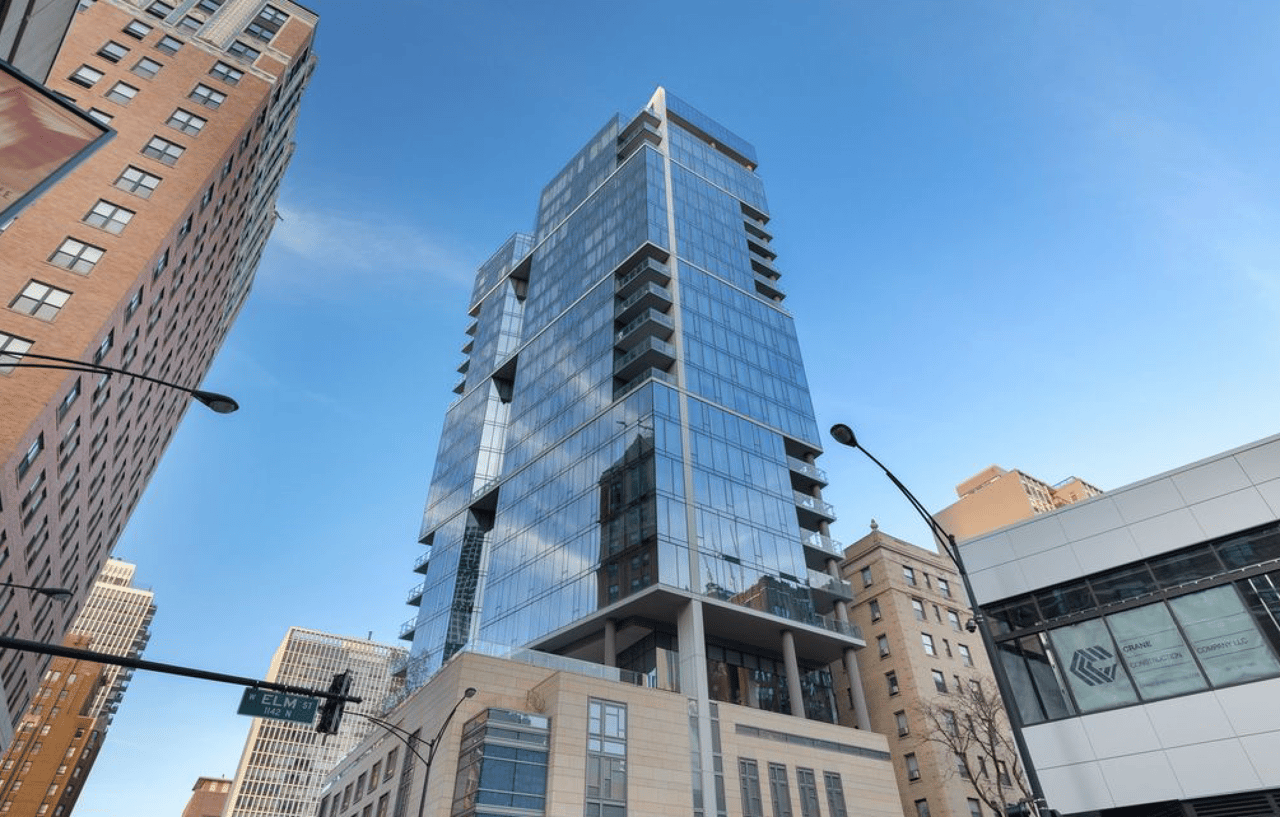
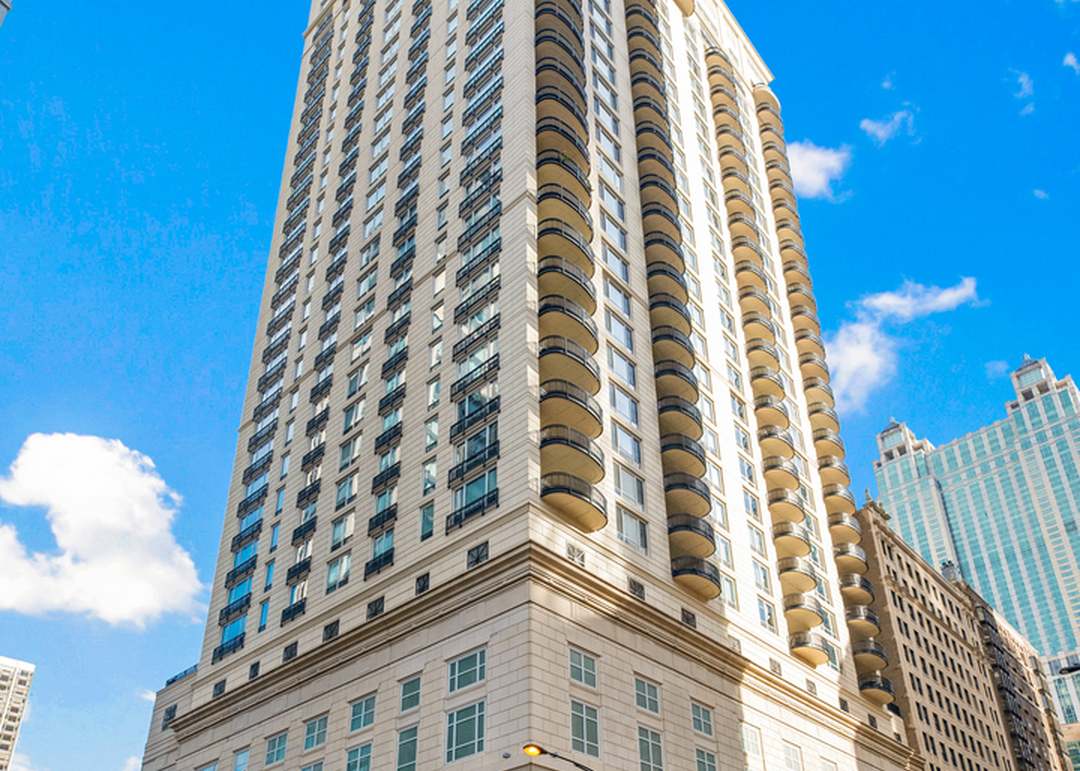
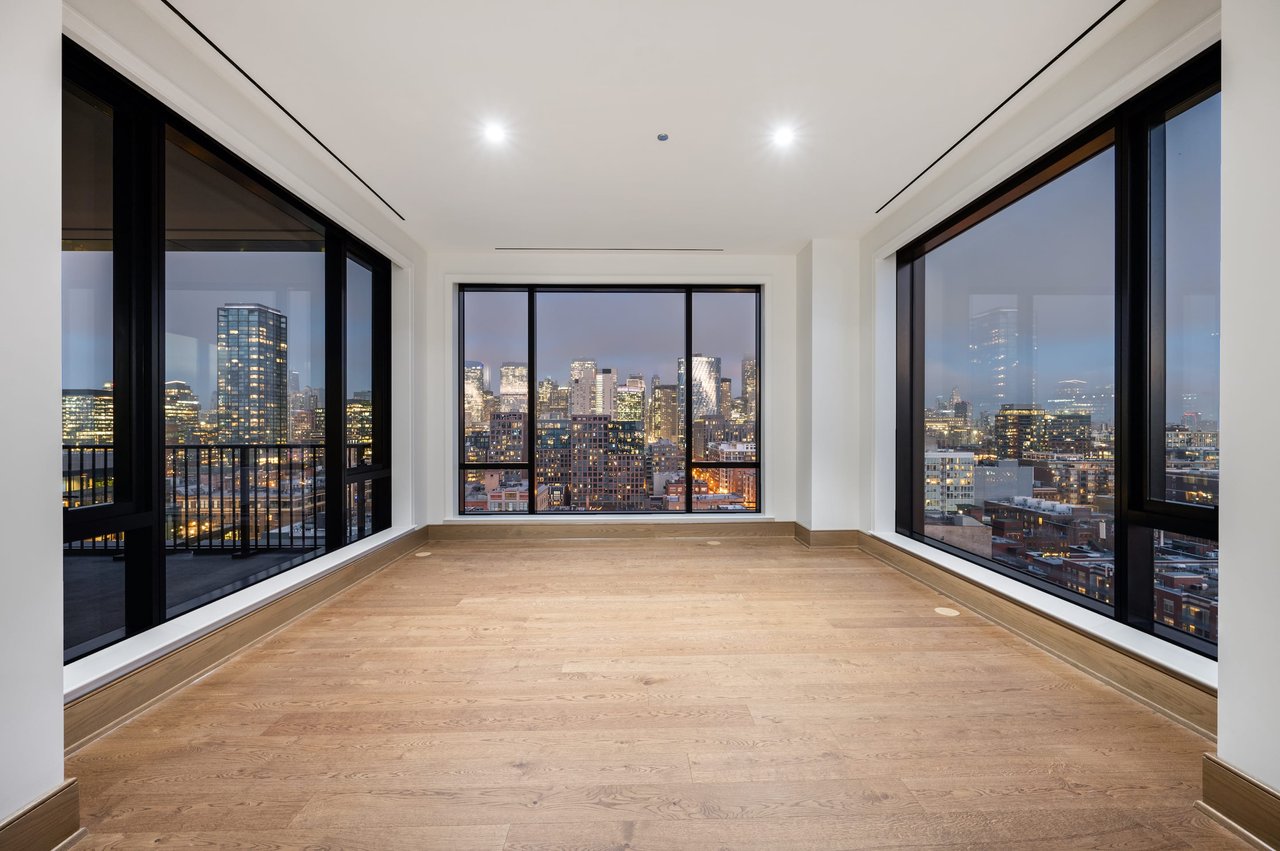
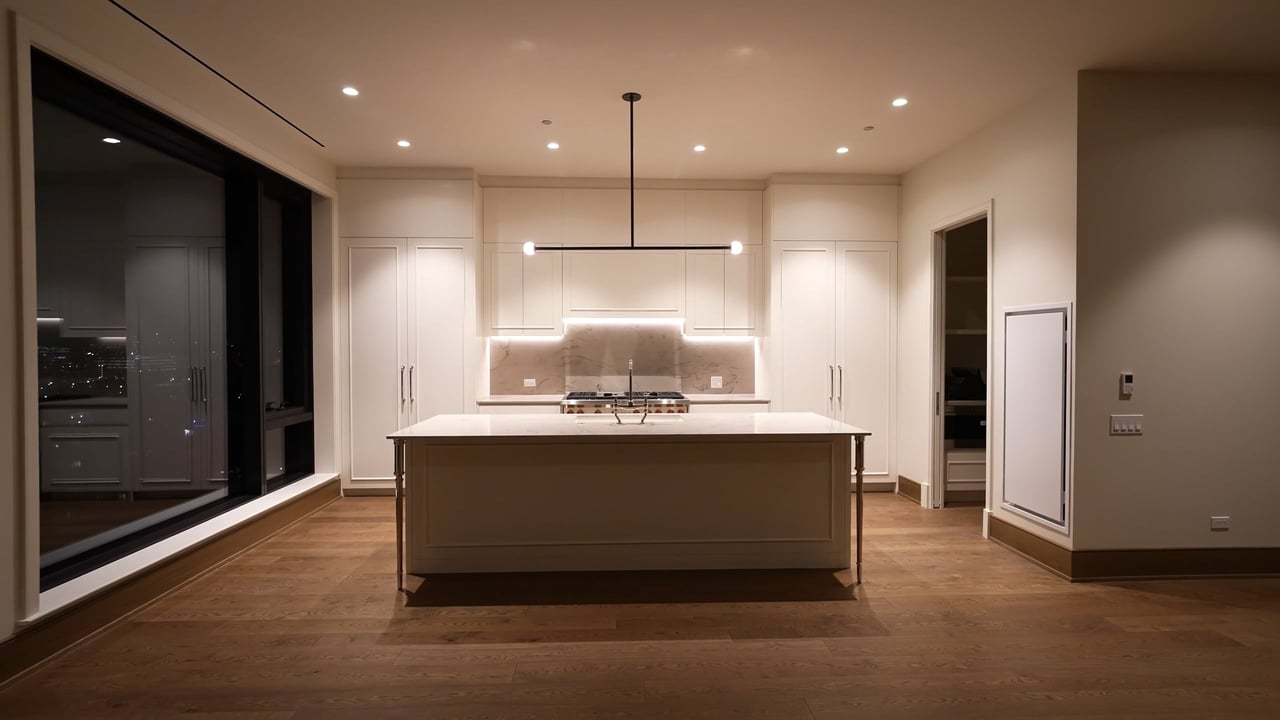
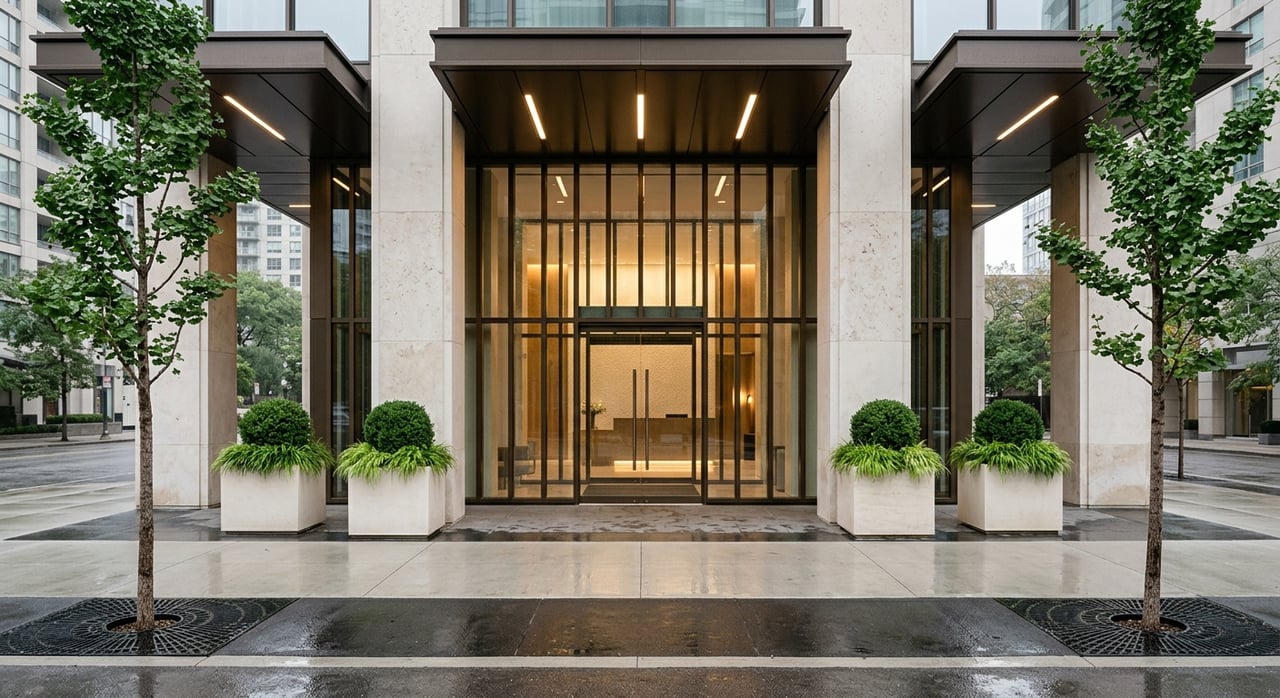
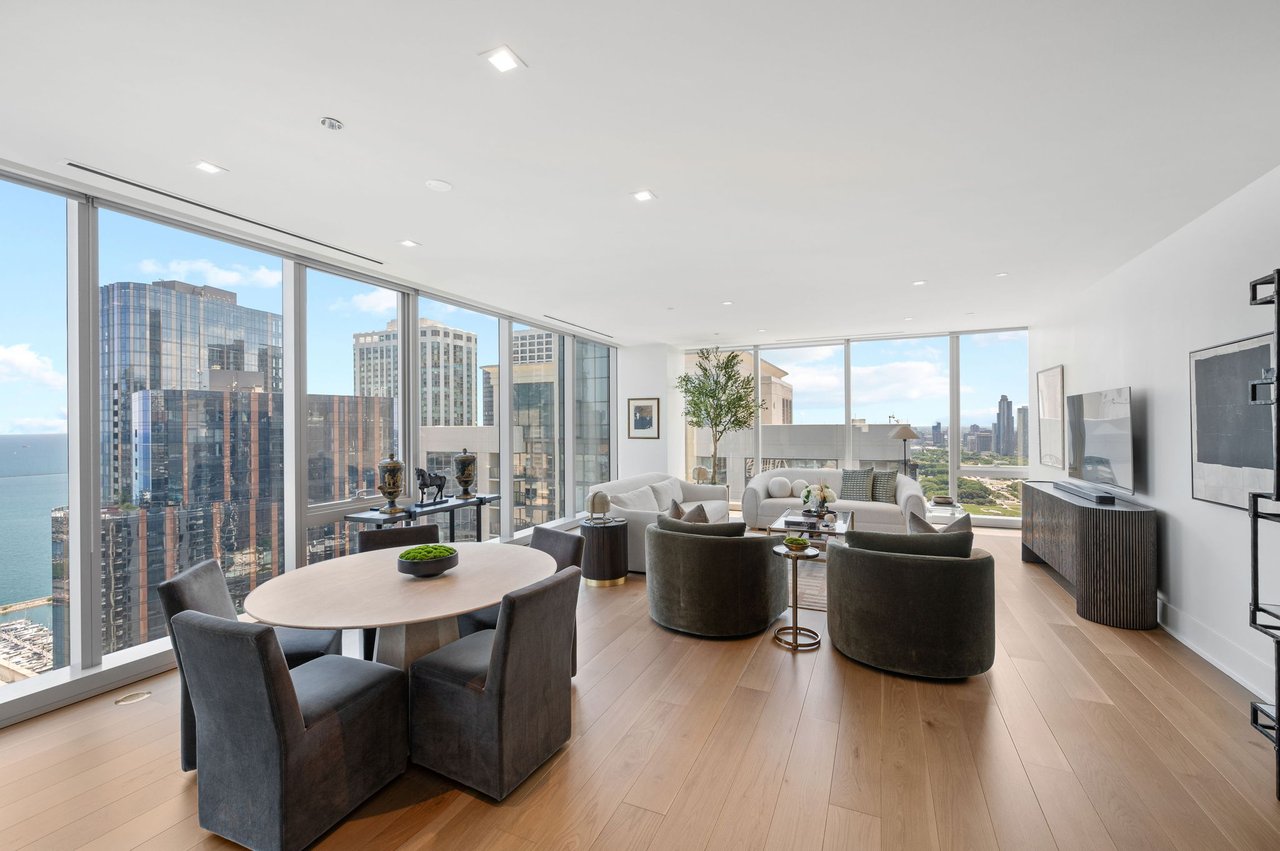
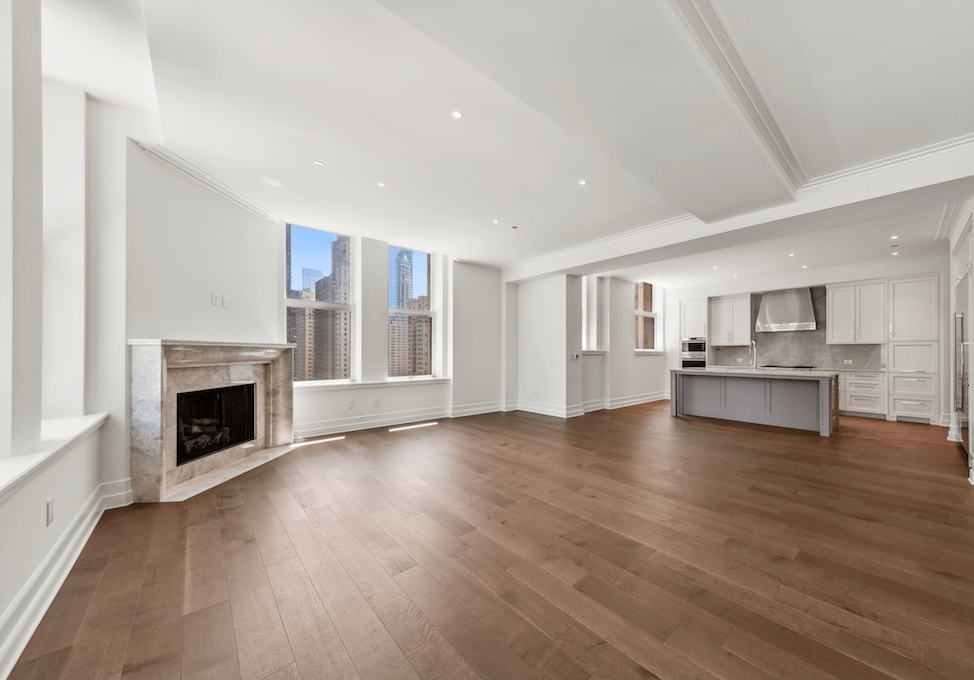
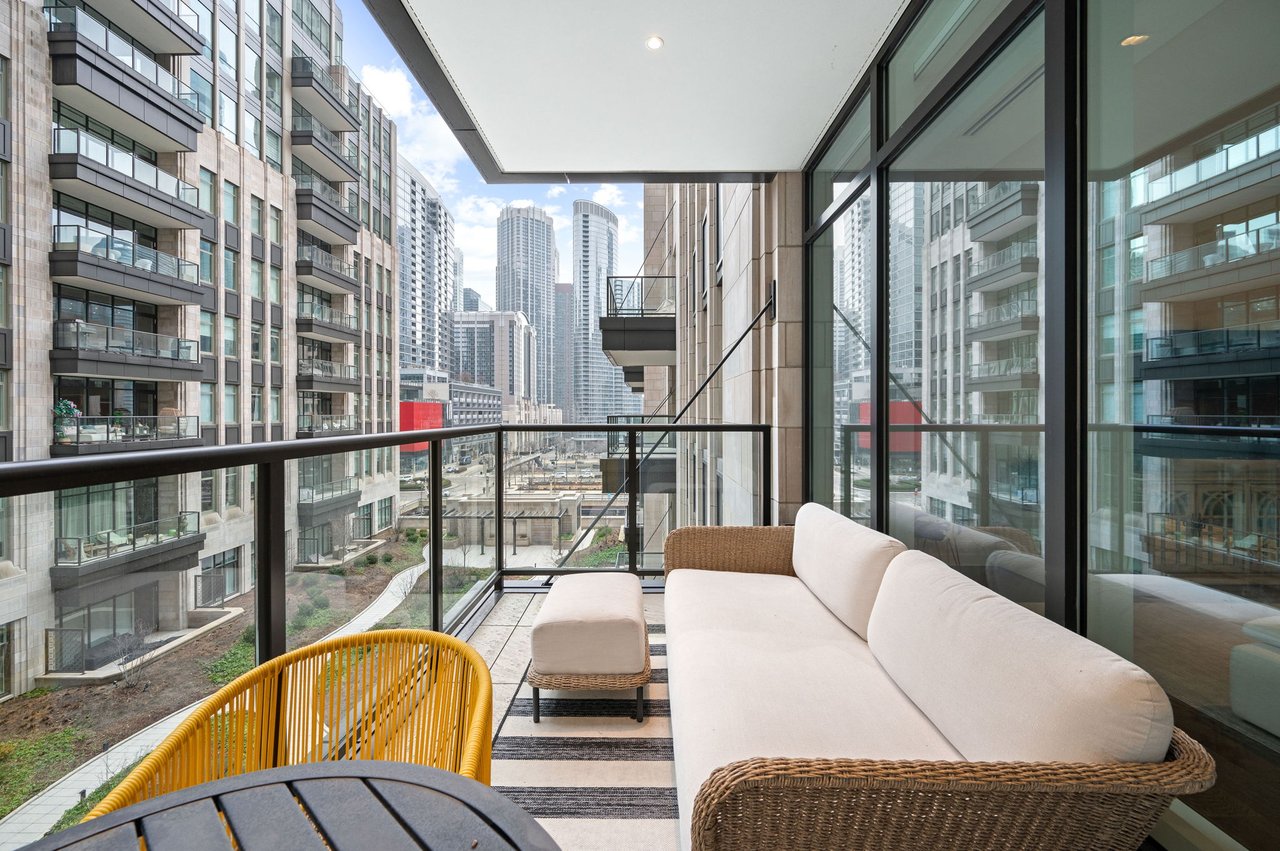
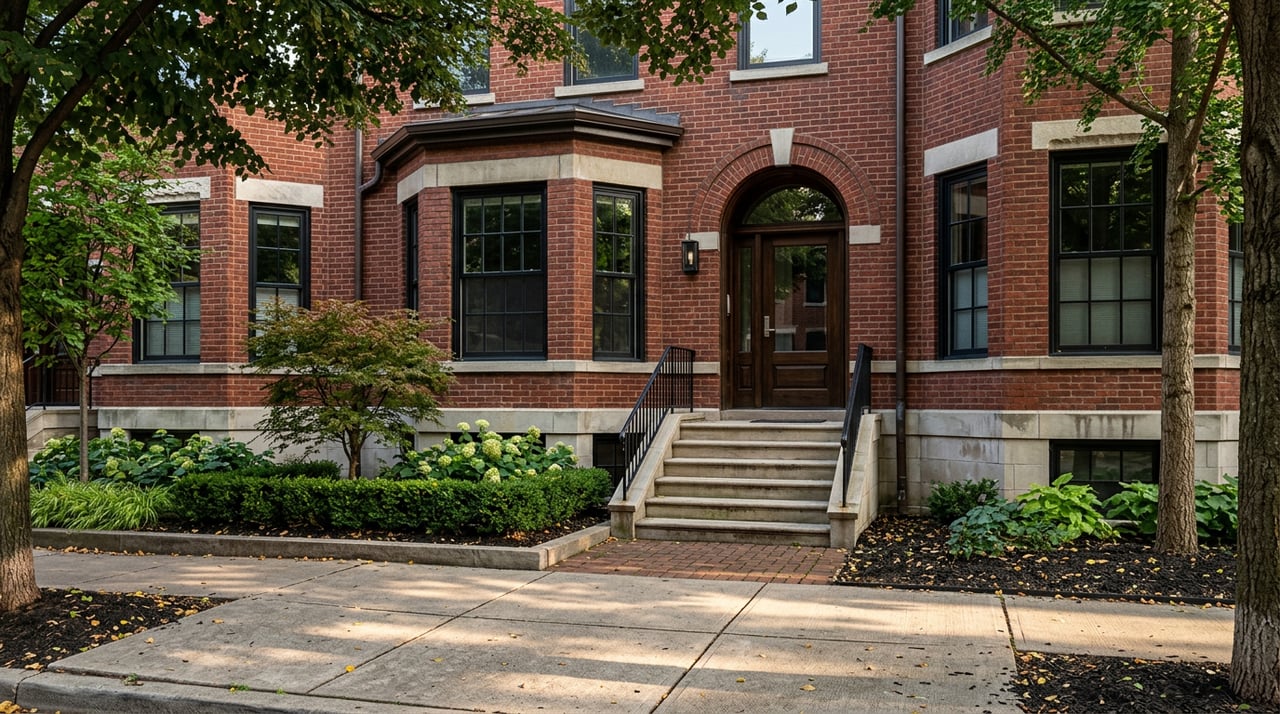
Lincoln Park’s housing mix helps many families stay in the city as needs change. You will find historic greystones, two-flats and rowhouses, townhomes, multi-bedroom condos in elevator buildings, and a set of lake-adjacent high-rises. Larger single-family homes exist but are limited and command premiums. Many growing households choose three-bedroom condos, duplexes, or townhouses to increase space without giving up walkability.
For pricing, recent neighborhood snapshots from major aggregators in late 2025 and early 2026 place median values in roughly the mid-600s to upper-700s. One January 2026 snapshot shows a median sale price near 750,000, while another index reading shows a typical home value around 622,000, and a December 2025 listing snapshot cites a median price near 795,000. These sources use different methods and can swing month to month. For up-to-the-week pricing and examples of three-bedroom options, reach out for an agent’s MLS view.
Where to find more space
- Three-bedroom condos in elevator buildings for stroller access and one-level living.
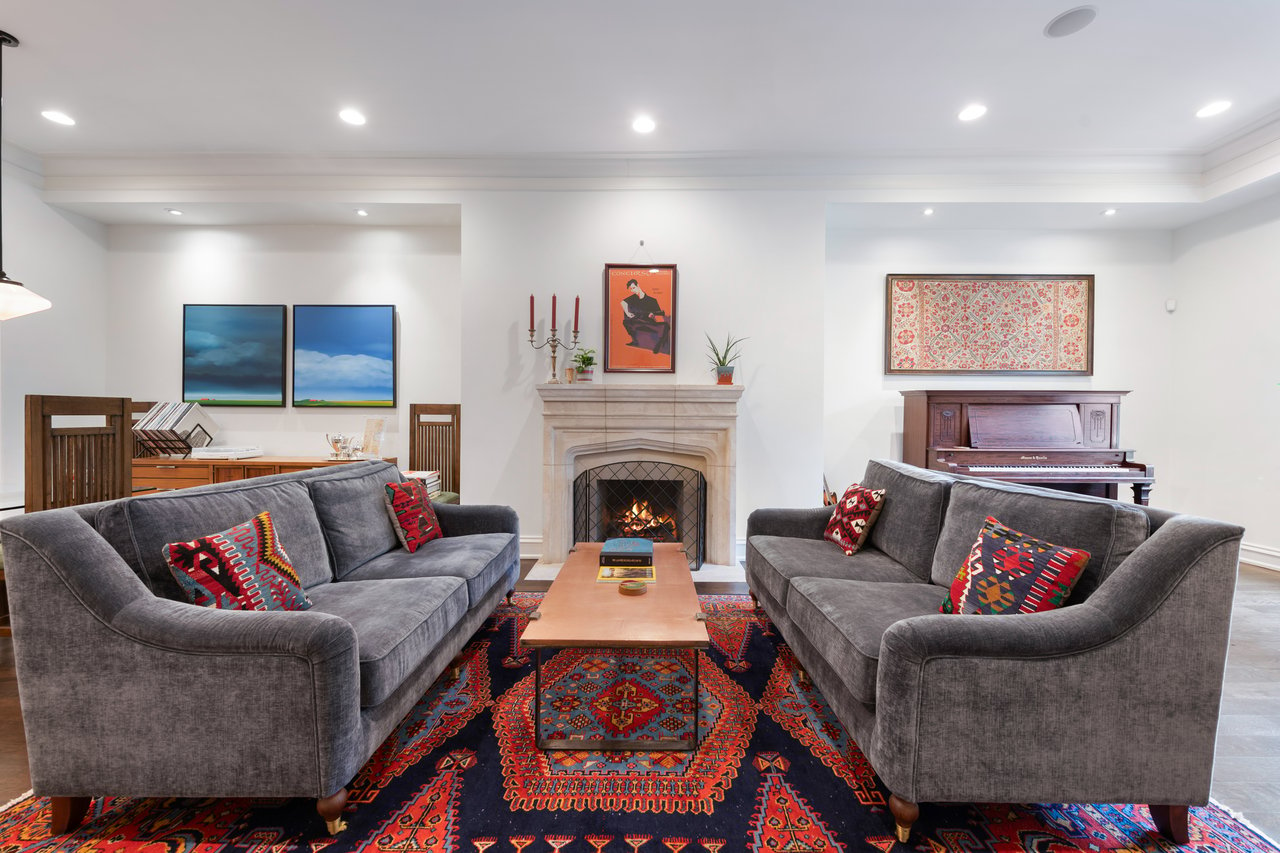
- Duplexes and townhouses with extra living space, often with playrooms or home offices.
- Select single-family enclaves with deeper lots, where available, at premium pricing.
- Renovated rowhouses or greystones with finished lower levels for flexible, semi-independent space. Always confirm zoning and permit history.
Commute and getting around
Transit is a major draw if you want to cut drive time. The Fullerton station serves Red, Brown, and Purple lines, which makes downtown commutes frequent and straightforward. DePaul’s Lincoln Park campus page notes this central access point. For commuter rail, Clybourn station connects you to the Union Pacific North and Northwest lines. Many residents pair transit with biking and occasional ride shares. Driving to the Loop is possible, but time varies with traffic, and parking can be a consideration.
Daily life, errands, and dining
You can handle most errands within a short walk or quick transit hop. Armitage Avenue, Halsted Street, Clark Street, and Lincoln Avenue are your daily corridors for grocery runs, coffee, pediatric visits, and casual dining. Family-friendly spots sit alongside celebrated restaurants, and the lakefront adds a natural break for jogs, stroller walks, and playground time.
Schools, programs, and childcare
Public, magnet, and private options exist in and near Lincoln Park. Lincoln Park High School hosts long-standing International Baccalaureate programs and publishes program information on its site. Zoned elementary options in CPS property records include Abraham Lincoln Elementary and Oscar F. Mayer Elementary. Because attendance boundaries and application policies can change, always confirm current details directly with CPS and each school before making decisions.
For enrichment and childcare, both the Nature Museum and the Zoo run seasonal camps, and Chicago Park District fieldhouses offer tiny-tot classes and youth sports. These programs help fill weekly schedules without long drives.
Is Lincoln Park right for your family?
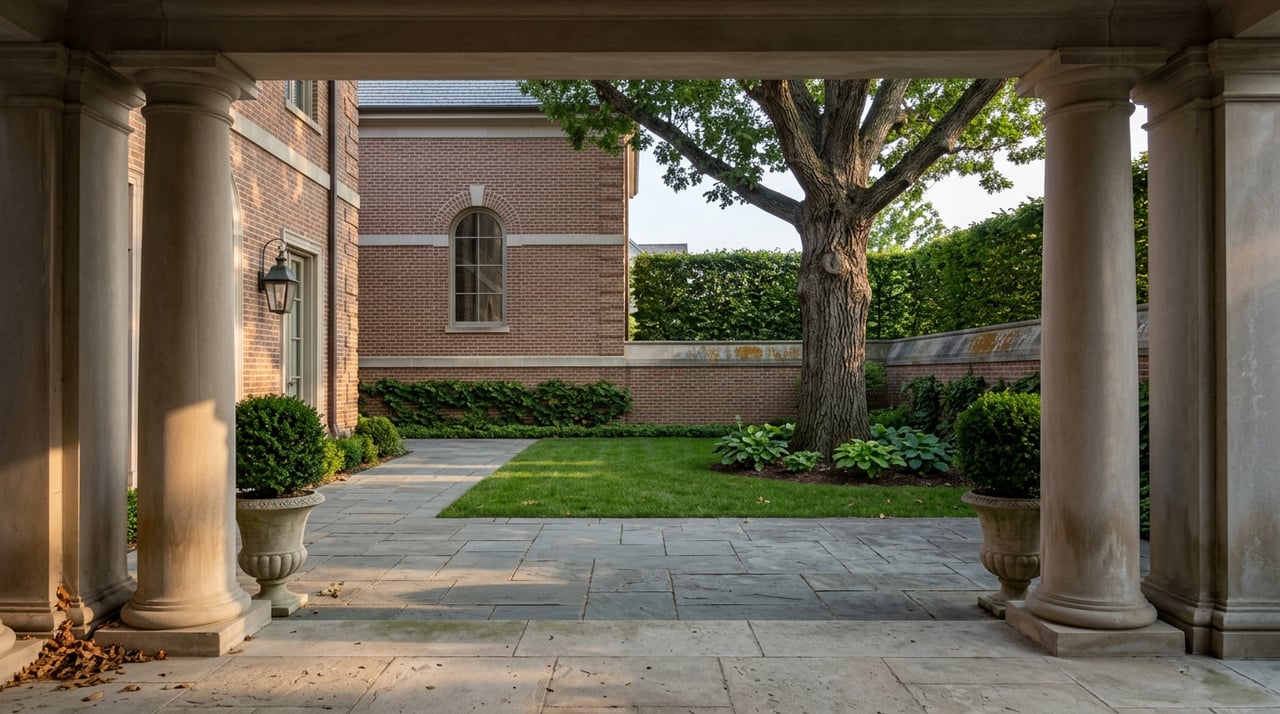
If you value immediate park access, short and predictable outings, and transit flexibility, Lincoln Park delivers a strong city-family lifestyle. The trade-off is that private yards are smaller than in many suburbs, and larger single-family homes are both limited and expensive. Many families find the balance works when they choose smart floor plans and make the most of nearby green space and programs.
If you want tailored options for three-bedroom condos, townhouses, or single-family opportunities, or a pricing view based on current MLS data, connect for a private conversation. Mike Larson can align your wish list with on- and off-market inventory and help you plan your next steps with confidence.
FAQs
How far is Lincoln Park from downtown Chicago?
- Lincoln Park sits about five miles north of the Loop, with frequent CTA service from the Fullerton station on the Red, Brown, and Purple lines.
What are typical home prices in Lincoln Park in early 2026?
- Aggregator snapshots from late 2025 and January 2026 suggest median values ranging from the mid-600s to the upper-700s, with variance by property type and location.
What family attractions are in Lincoln Park?
- You have Lincoln Park’s lakefront green spaces, Lincoln Park Zoo, the Peggy Notebaert Nature Museum, the Conservatory and Lily Pool, and neighborhood playlots like Oz Park.
How do public school options work in Lincoln Park?
- Chicago Public Schools use attendance zones, magnet criteria, and program applications that can change, so confirm current boundaries and policies directly with CPS and each school.
Do you need a car to live in Lincoln Park with kids?
- Many families rely on CTA trains and buses, walking, and biking for daily needs, and use a car or ride shares for errands or weekend trips, since parking and traffic can vary.