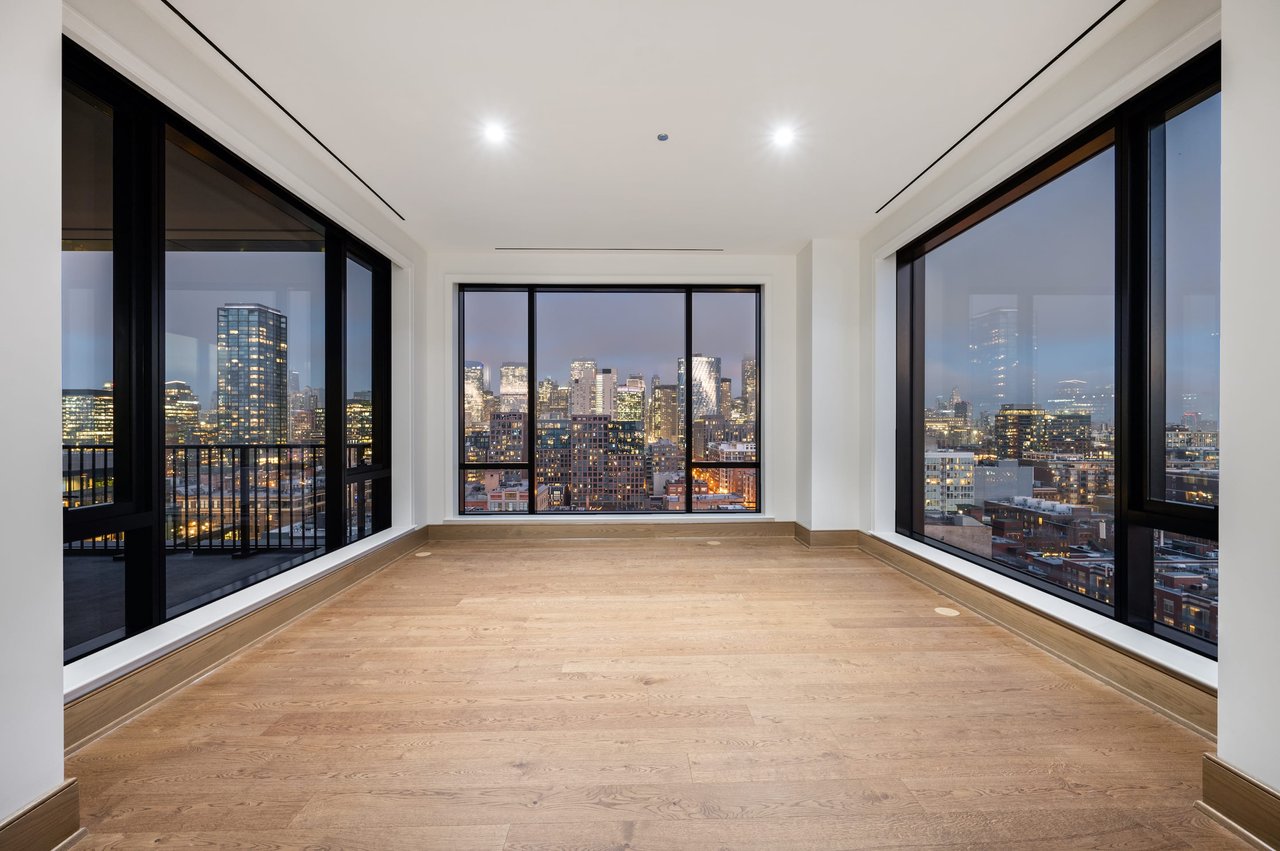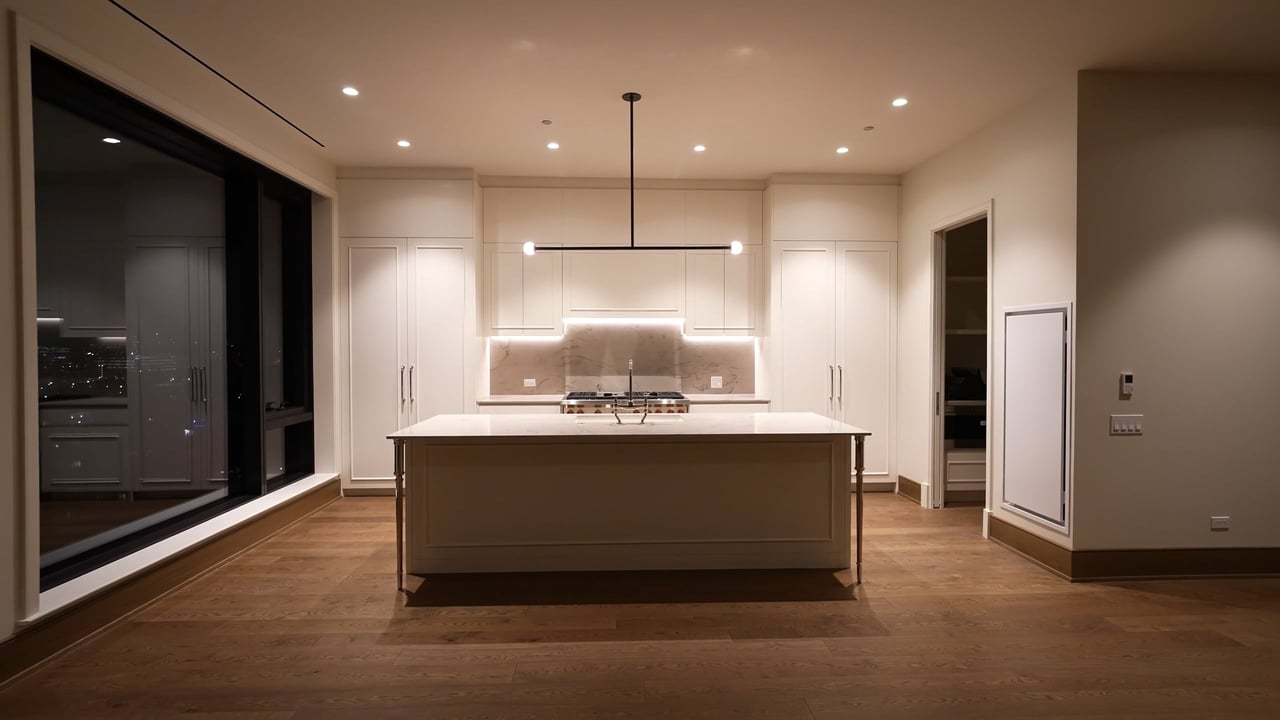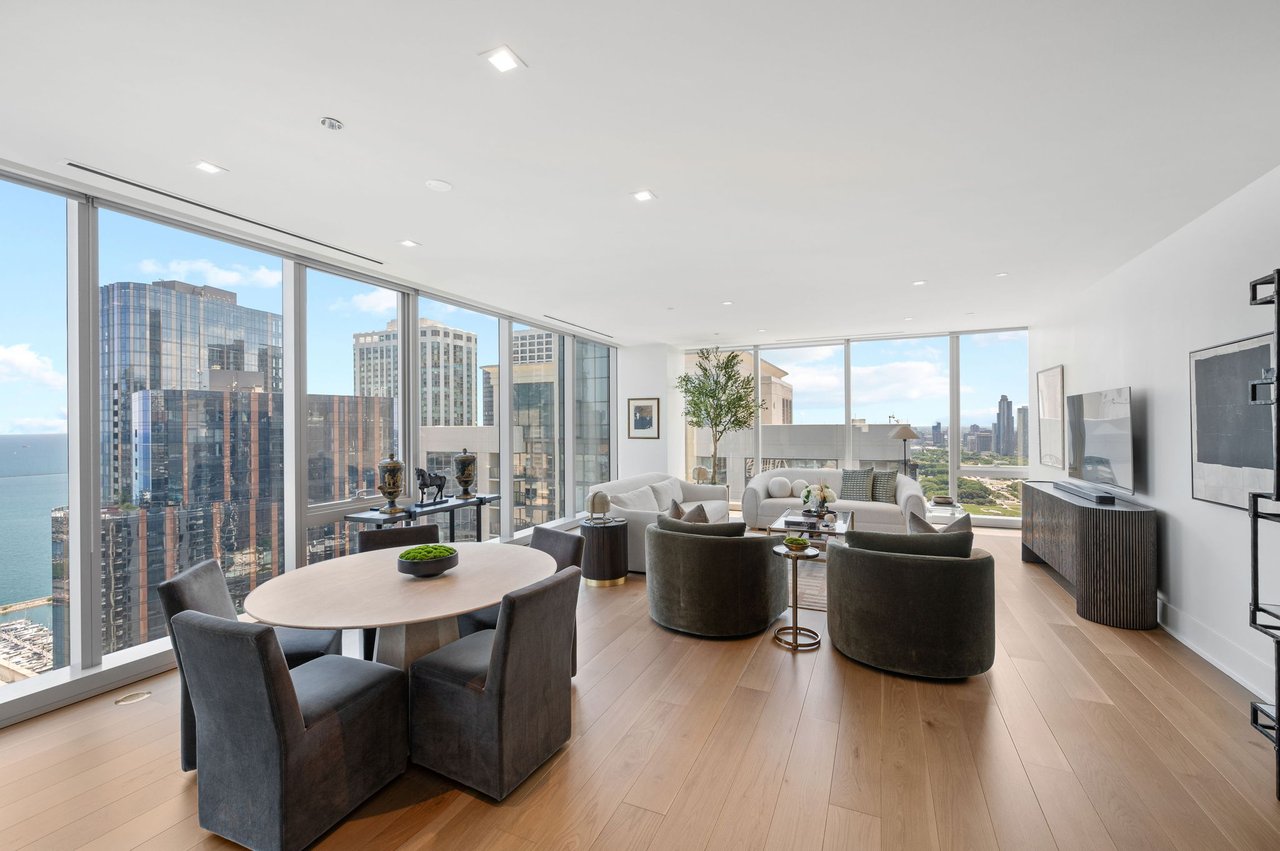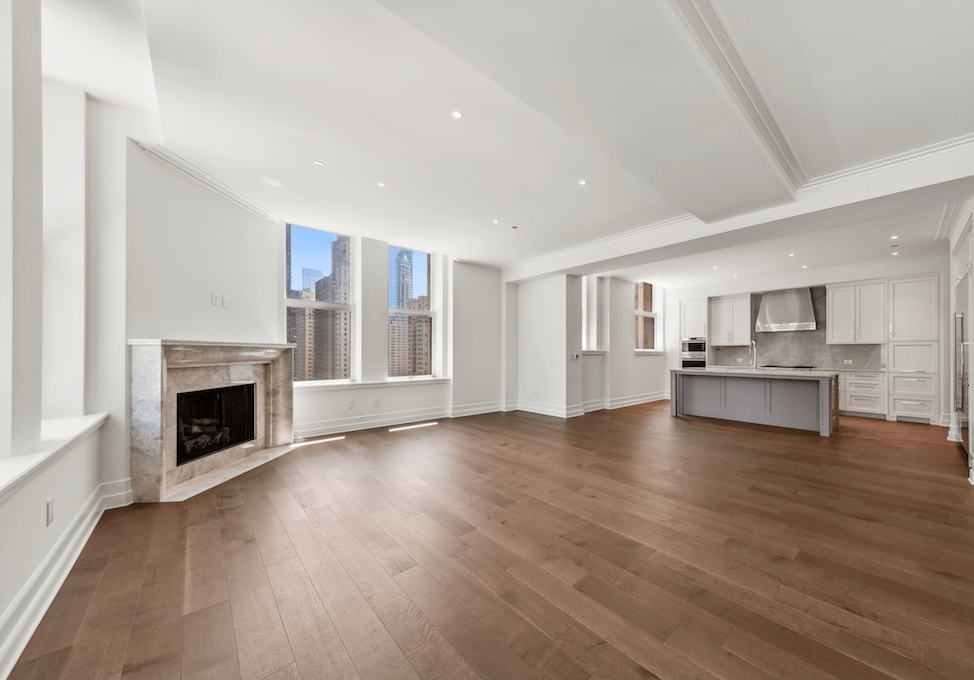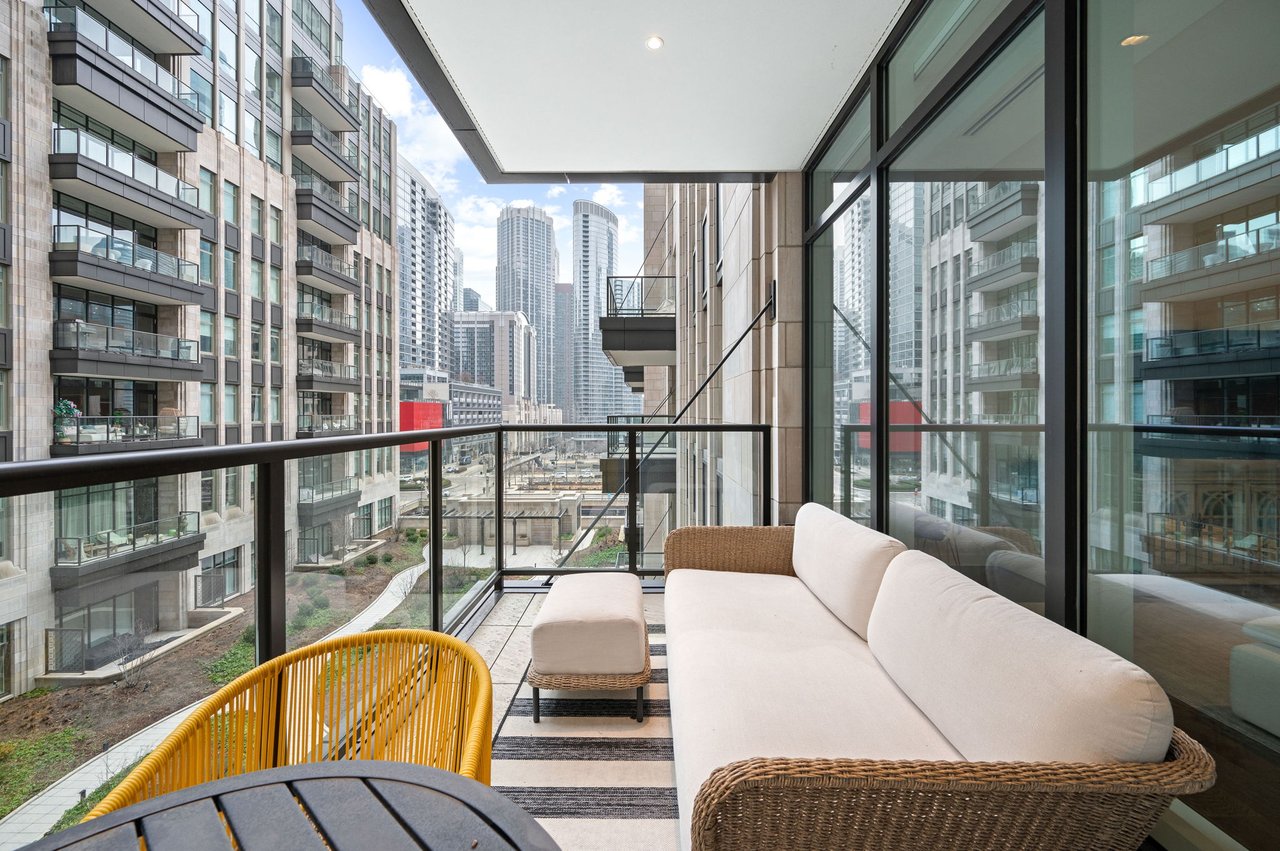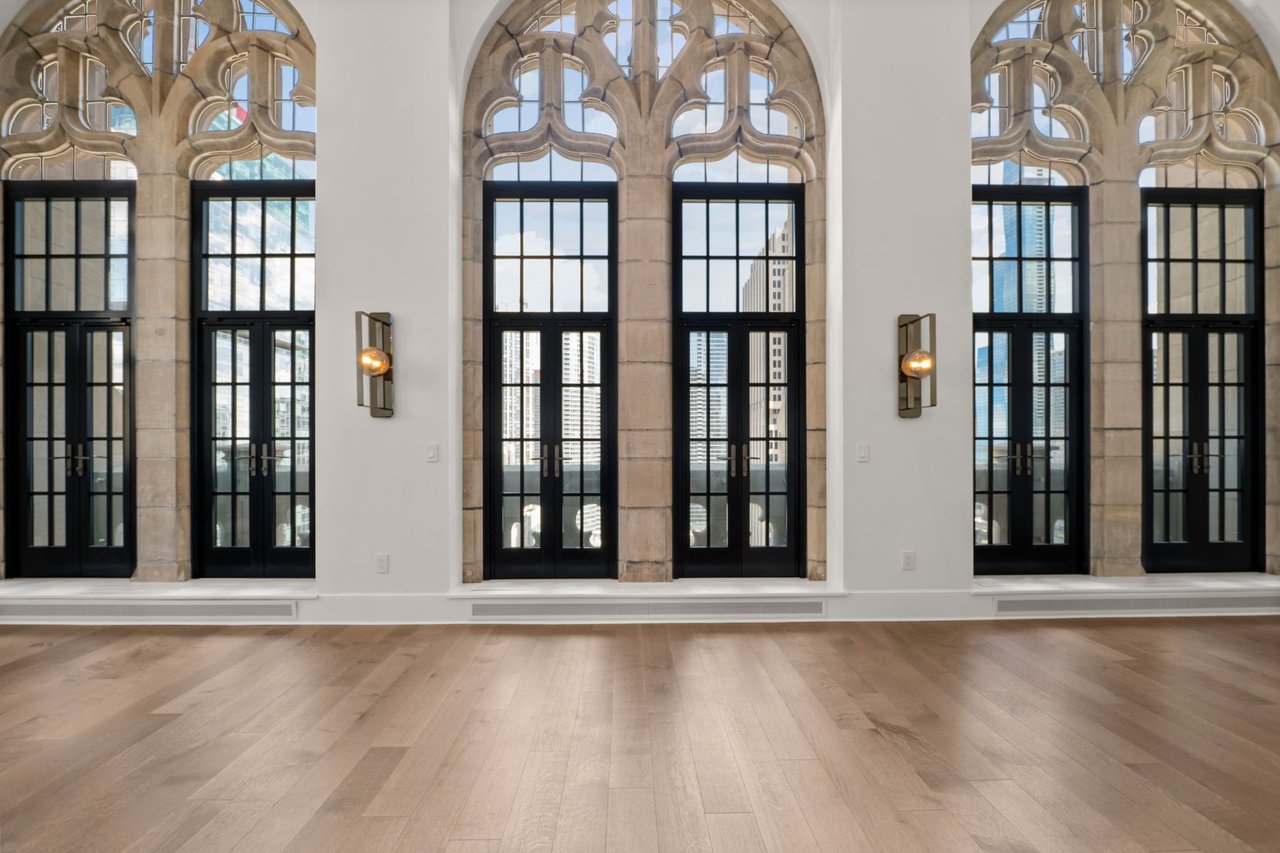
Thinking about a River North penthouse as a long-term hold or a perfect-in-the-city pied-a-terre? You are not alone. The neighborhood blends skyline views, full-service buildings, and a walk-to-everything lifestyle that appeals to both investors and occasional users. In this guide, you will see how the numbers, rules, and resale dynamics differ if you plan to hold for years versus use a unit part-time.
We will define what “luxury” means in River North, show how returns actually pencil, outline rules that shape pied-a-terre use, and give you a checklist to make a confident choice. Let’s dive in.
What counts as luxury in River North
At the neighborhood level, public indices place River North’s typical condo value in the mid to upper $300Ks. The median sale price sits near the low $400Ks, which shows how broad the inventory is. Luxury, however, is a different lane.
For working purposes, treat luxury as the $1 million and up tier. Think full-floor residences, high-floor penthouses, or highly amenitized towers with concierge services and extensive facilities. This upper band trades on unique views, finishes, privacy, and building reputation. Inventory is thinner, comps are fewer, and pricing is more sensitive to details like outdoor space and parking.
Market snapshot vs luxury reality
Neighborhood medians in River North suggest a balanced to slightly cooler market. Luxury units do not always follow that rhythm. Trophy condos can sit longer, see larger list-to-sale adjustments, and experience sharp moves when a rare view line or outdoor terrace comes to market.
Recent reporting has shown high-end listings being relisted with significant price cuts, and new-tower top-floor homes selling across a wide range based on floor height and finish. For context, see The Real Deal’s coverage of documented River North price adjustments. The key point is simple: luxury behaves on its own cycle, with both standout upside and outsized volatility.
Long-term hold math: yields that matter
When you evaluate a long-term hold, start with a simple yield framework, then adjust for real carrying costs in Chicago condominiums.
Start with gross yield
- Formula: annual gross rent divided by purchase price, expressed as a percentage.
- Example: A 2-bedroom luxury unit purchased at $1,000,000 with market rent around $4,100 per month produces about $49,200 per year. Gross yield is roughly 4.92 percent.
Neighborhood rent indices show median asking rents in River North around $3,400 to $3,500 per month across unit types, with 1-bedrooms often near $2,900 and many 2-bedrooms above $4,100 depending on size, finishes, and building amenities. Use these as starting points for comps.
Then adjust to net
Gross yield is not what you keep. Net operating yield subtracts HOA/condo fees, property taxes, insurance, management, maintenance, and vacancy.
- In full-service luxury towers, HOA fees are meaningful and scale with amenity levels. Property taxes in Chicago also weigh on returns.
- It is typical for net yields on $1M-plus condos to land in the low single digits unless you capture premium rent, benefit from deeded parking income, or buy at a discount.
Simple examples
- Example A: $1,000,000 purchase, $4,100 rent, ~4.92 percent gross yield. After HOA, taxes, and costs, net may drop to low single digits.
- Example B: $2,000,000 purchase, $6,000 rent, ~3.6 percent gross yield. Higher price points with similar rents compress returns further.
Use actual building-level HOA fees and property tax figures before you decide. Those line items vary widely between River North towers and can change the outcome.
Pied-a-terre considerations in Chicago
If your goal is a part-time residence or occasional-use home, your calculus shifts from income to access, flexibility, and exit tax treatment.
Short-term rental rules
Chicago regulates short-term rentals under the Shared Housing framework. Buildings can appear on prohibited or restricted lists, and many HOAs further limit or ban short-term stays. If you plan to rent your unit occasionally, review building bylaws and the city’s rules early. You can read the regulatory text in Chicago’s Shared Housing rules.
Taxes at purchase and sale
- Purchase and sale include state, county, and municipal transfer taxes inside the city. These are meaningful at multi-million price points. For an overview, see this legal primer on Illinois and Chicago transfer taxes.
- On exit, the principal-residence capital gains exclusion generally applies only to a primary home that meets ownership and use tests. A true pied-a-terre that is not your primary residence does not receive that same exclusion and may face capital gains and potential depreciation recapture if rented. Review IRS Publication 523 on selling your home with your tax advisor.
Financing and project health
Financing depends not only on you, but also on the condominium project. Agencies and lenders review building finances, reserves, owner-occupancy ratios, and delinquency levels. Projects that fail standards can limit buyer financing, which affects your liquidity and exit options. For reference, see Fannie Mae’s condo project review standards.
How luxury units behave on resale
Luxury resales in River North hinge on scarcity and specificity. A rare floor plan with protected river or skyline views can command a premium, while identical plans on lower floors may move slowly. Single-asset events also matter. A thoughtful renovation, a reconfigured terrace, or transferable parking can reset the comp set for a building.
Neighborhood medians are helpful for context, but they do not predict the outcome for a $1M to $8M trophy unit. Liquidity is thinner, and timing, marketing, and presentation play a larger role. Public records and community reports, like the Cook County Assessor annual report, offer high-level context. Building-specific comps from MLS and title records are essential for precision.
Due diligence checklist
Before you choose long-term hold or pied-a-terre, gather these items:
- Building financials: annual budgets, 2 to 3 years of financials, reserve study, meeting minutes, insurance certificates, special assessment history.
- Project mix and liquidity: current listings in the building, recent sold comps by tier and view line, and days on market for similar units.
- HOA fees and inclusions: convert to a per-square-foot comparison. Verify what utilities and services are included.
- Legal restrictions: bylaws on leasing, minimum lease terms, short-term rental policies, right of first refusal, and deeded parking status.
- Taxes and closing costs: estimate property taxes and transfer taxes. Review how primary-residence rules differ from pied-a-terre treatment using IRS Publication 523.
Decision frameworks you can use
Use a simple rules-based approach to reduce noise.
- If your priority is income and cash flow: set a minimum net yield threshold, for example 3 percent after HOA and taxes. Proceed only with building-level comps that meet it.
- If your priority is appreciation and lifestyle: focus on scarcity, view protection, amenity quality, and 5 to 10 year resale history. Be explicit that luxury appreciation is driven by rarity and macro capital flows more than by neighborhood medians.
- If you are considering a pied-a-terre: confirm HOA permission, understand Chicago registration and licensing if you ever plan short-term rentals, and plan your exit taxes knowing that principal-residence benefits likely do not apply.
What this means for you
A River North luxury condo can be a strong long-term hold if you buy the right asset, understand your true net yield, and choose a building with solid governance and resale depth. As a pied-a-terre, the value is lifestyle first. Your job is to protect liquidity by validating the building’s financial health, rules, and the depth of its luxury buyer pool.
When you want building-level clarity, private comps, and a plan for either holding or enjoying a part-time residence, you deserve a discreet advisor who knows the towers, the view lines, and the rules that shape outcomes in Chicago-Naperville-Arlington Heights and core downtown neighborhoods.
If you are weighing a long-term hold versus pied-a-terre strategy in River North, let’s map the numbers, bylaws, and scenarios that fit your goals. Schedule a confidential consultation with Mike Larson.
FAQs
What qualifies as a luxury condo in River North?
- In this context, treat luxury as the $1M-plus tier that includes full-service, highly amenitized buildings, high floors, and penthouses with premium views and finishes.
How do HOA fees impact long-term hold returns?
- HOA fees in full-service towers can materially reduce net yield, so you should model them line by line with taxes, insurance, maintenance, and realistic vacancy.
Are short-term rentals allowed in River North condos?
- It depends on the building and city rules; Chicago’s Shared Housing regulations and many HOA bylaws restrict or ban short-term rentals, so confirm permissions early.
Do pied-a-terre owners get the home sale tax exclusion?
- Generally no; the principal-residence exclusion applies only to a primary home that meets ownership and use tests, so pied-a-terre gains are typically taxable.
What financing issues can limit resale in a luxury tower?
- Lender and agency reviews of project reserves, owner-occupancy, and delinquencies can limit buyer financing, which affects liquidity and your exit options.