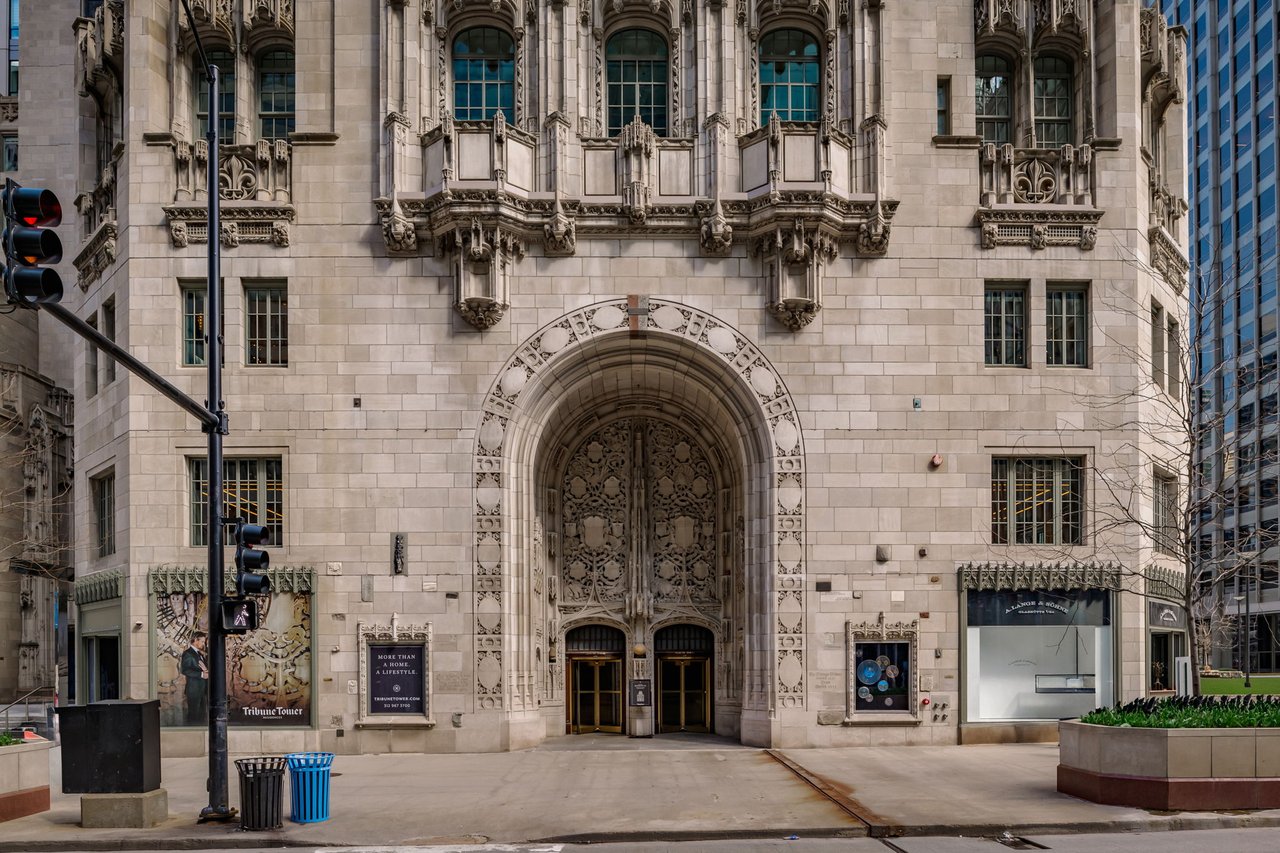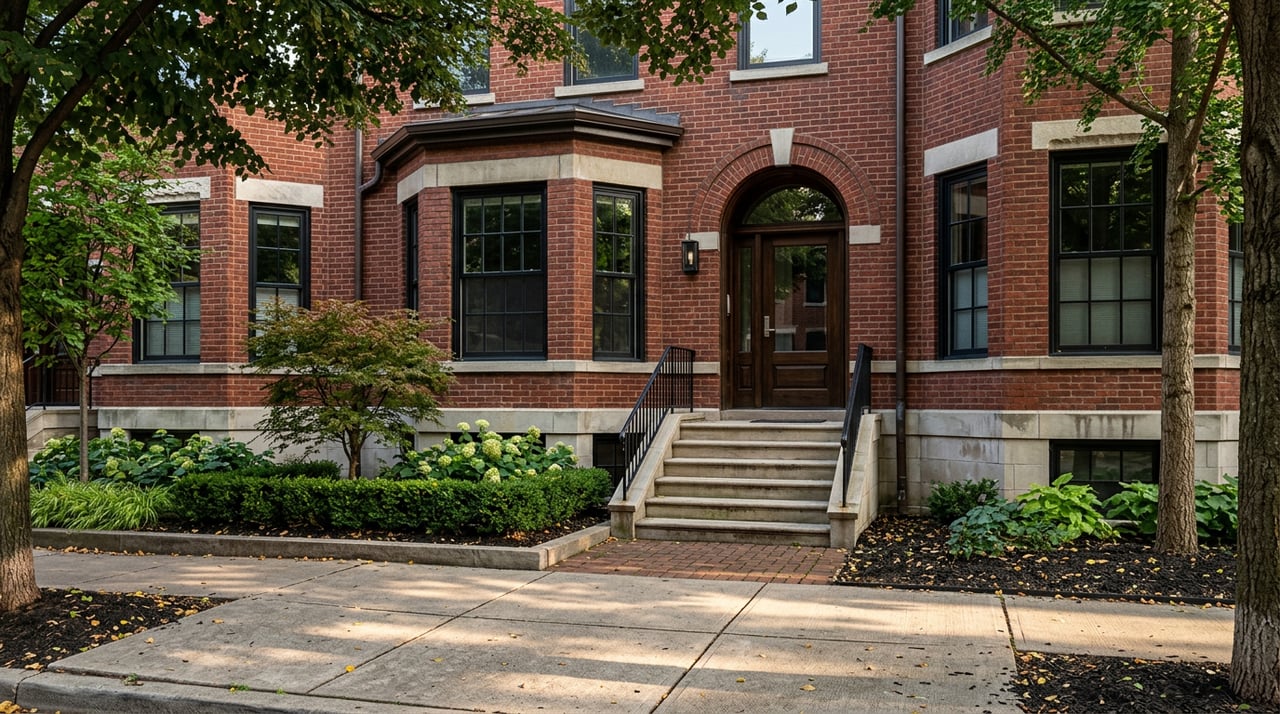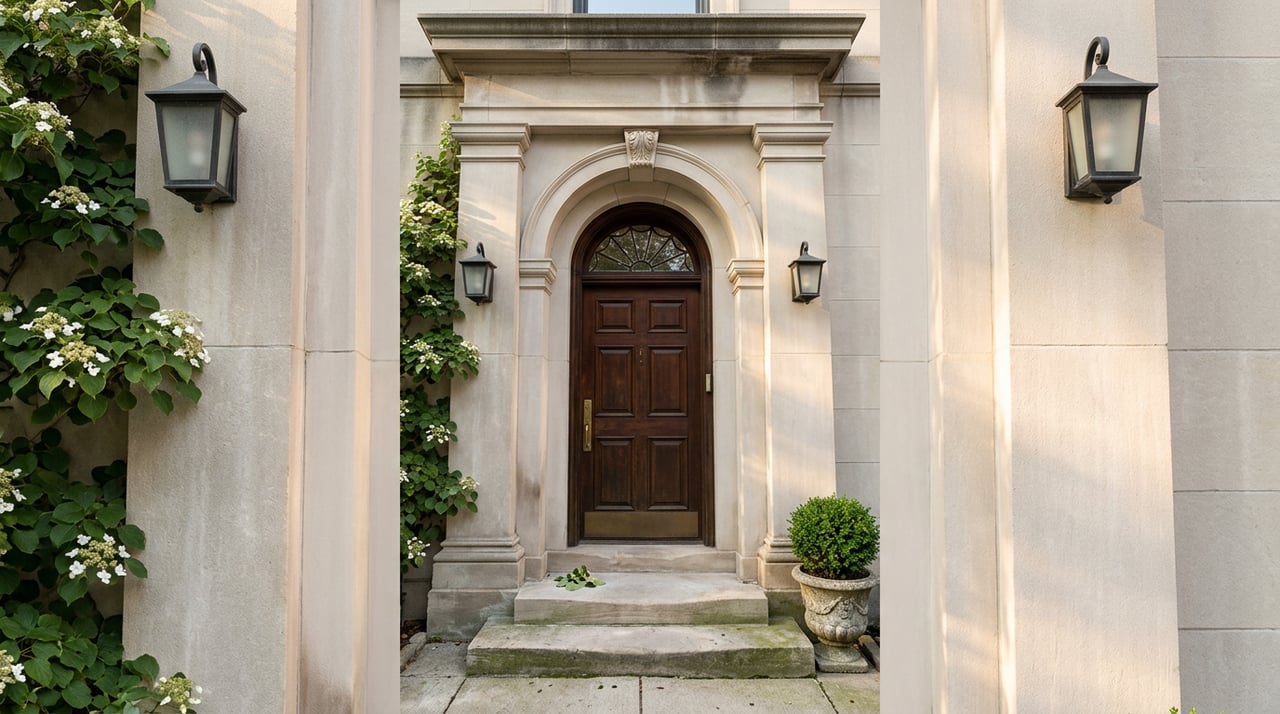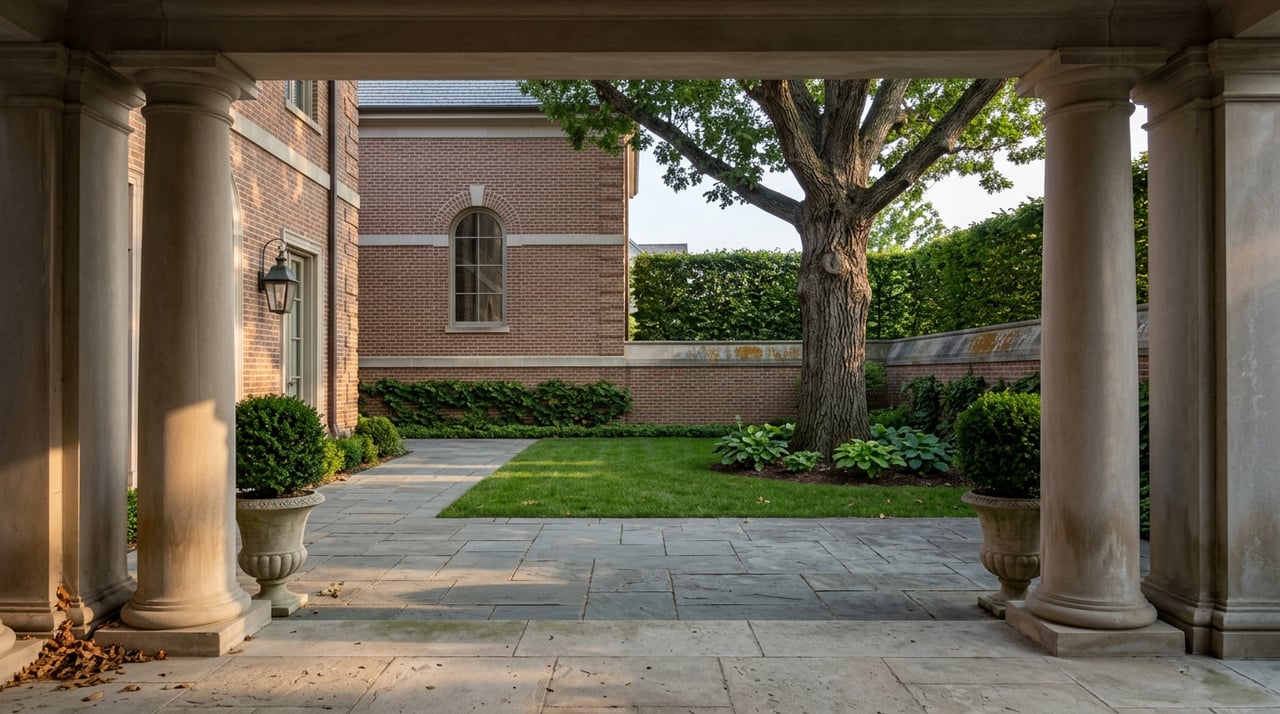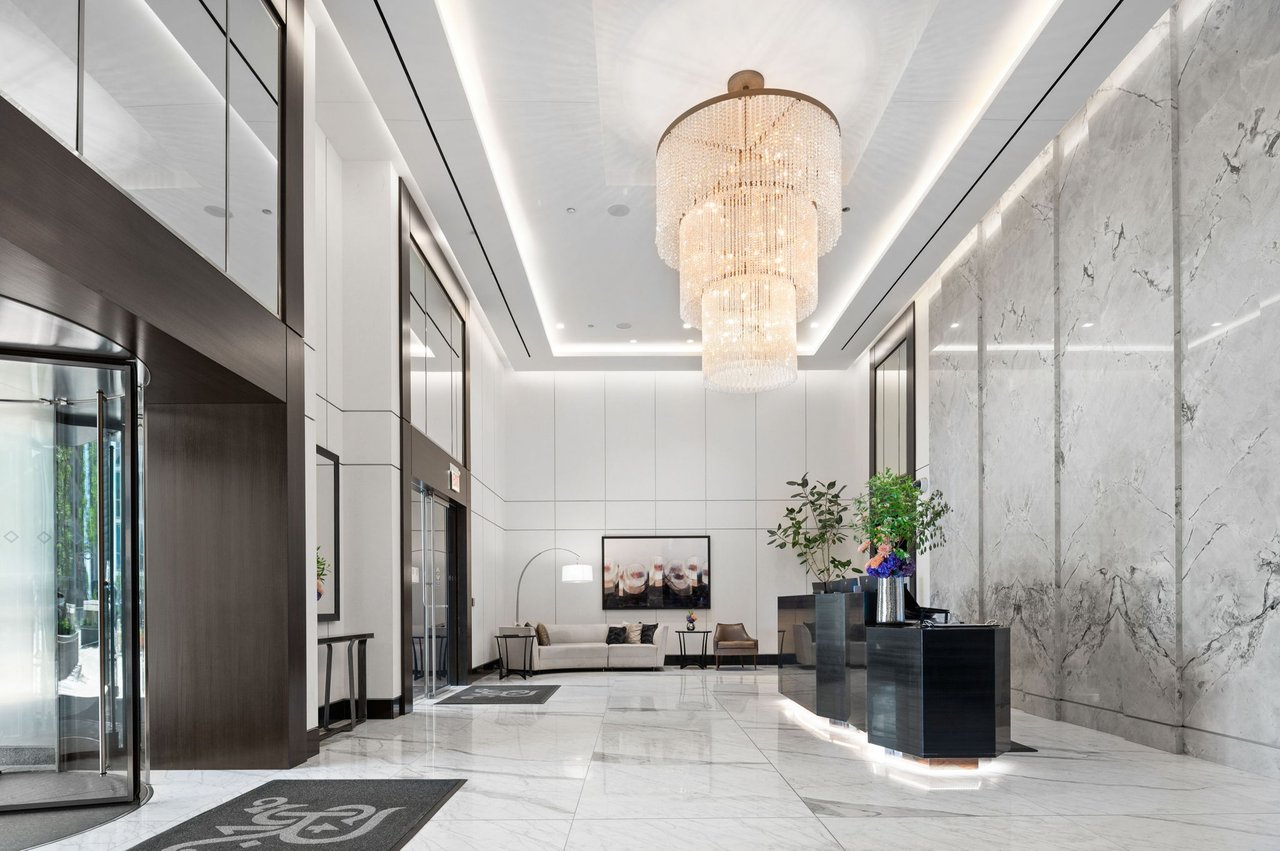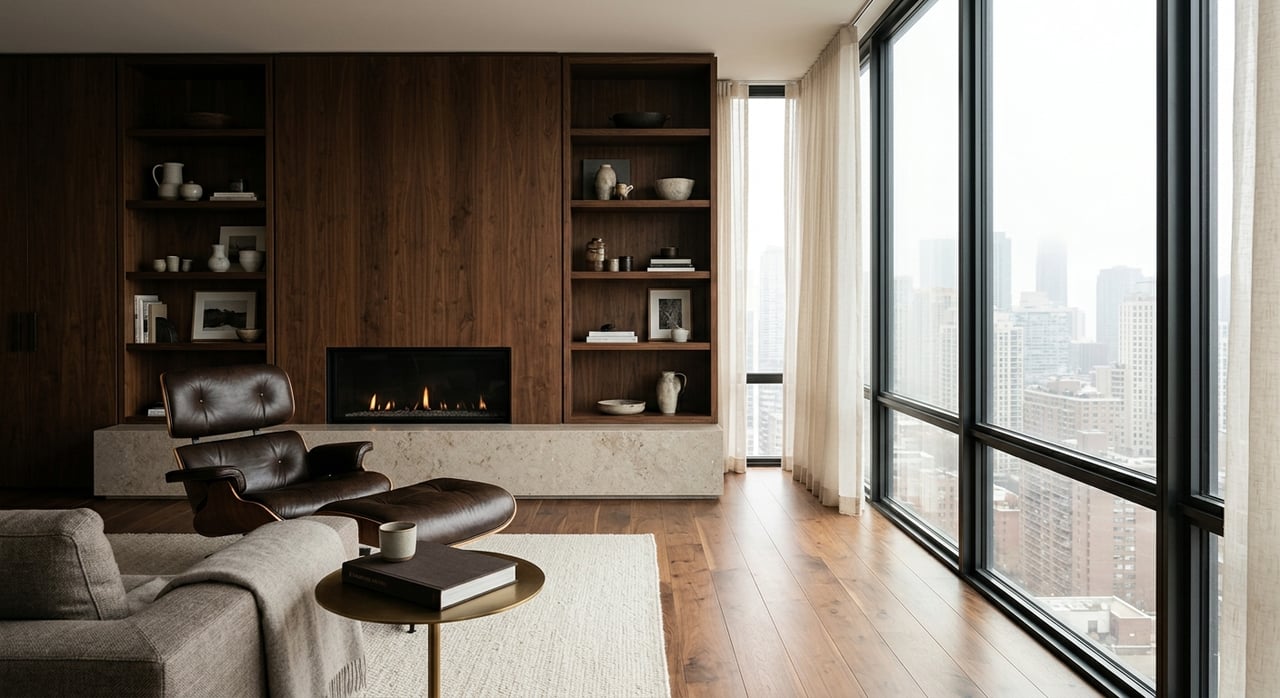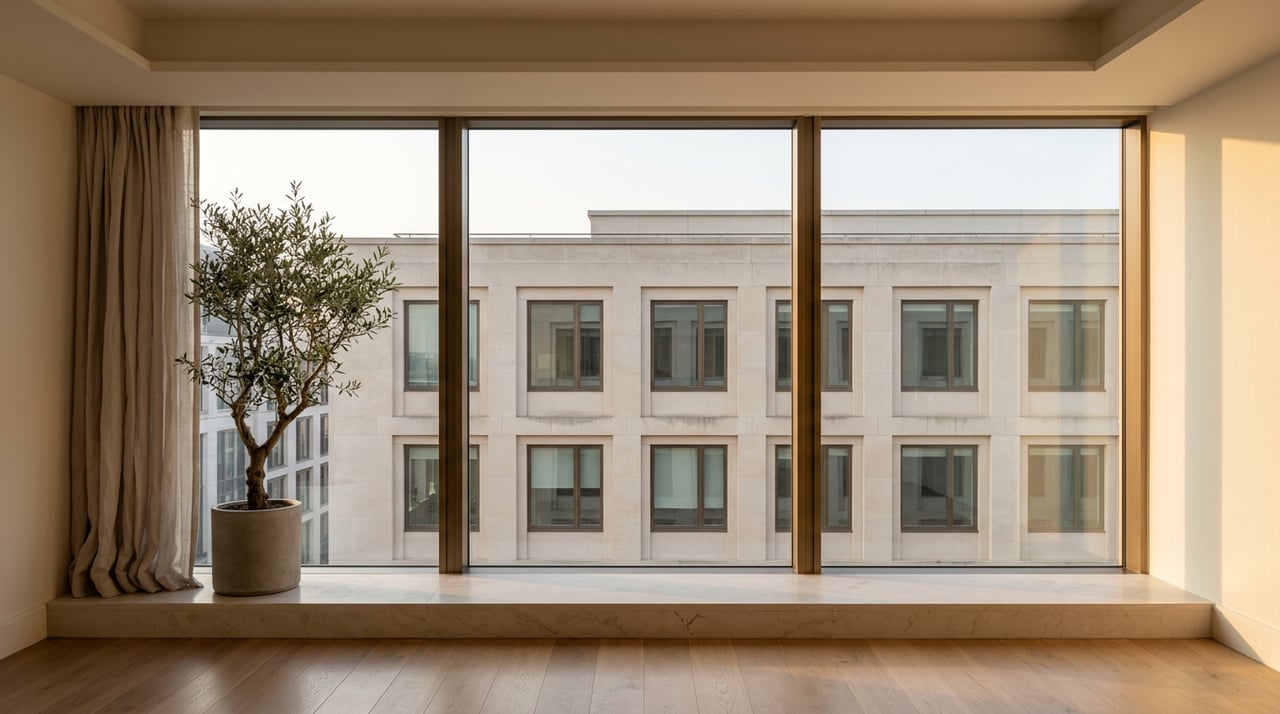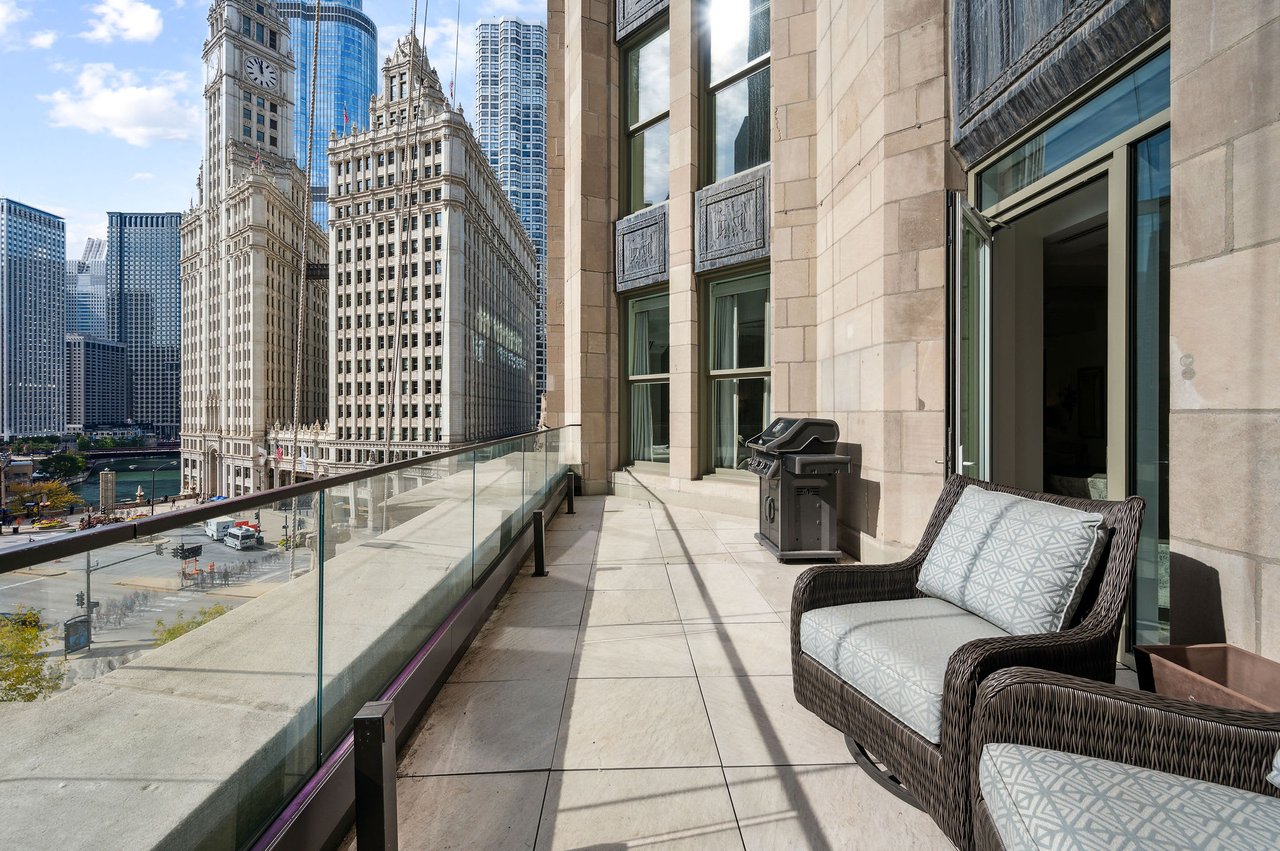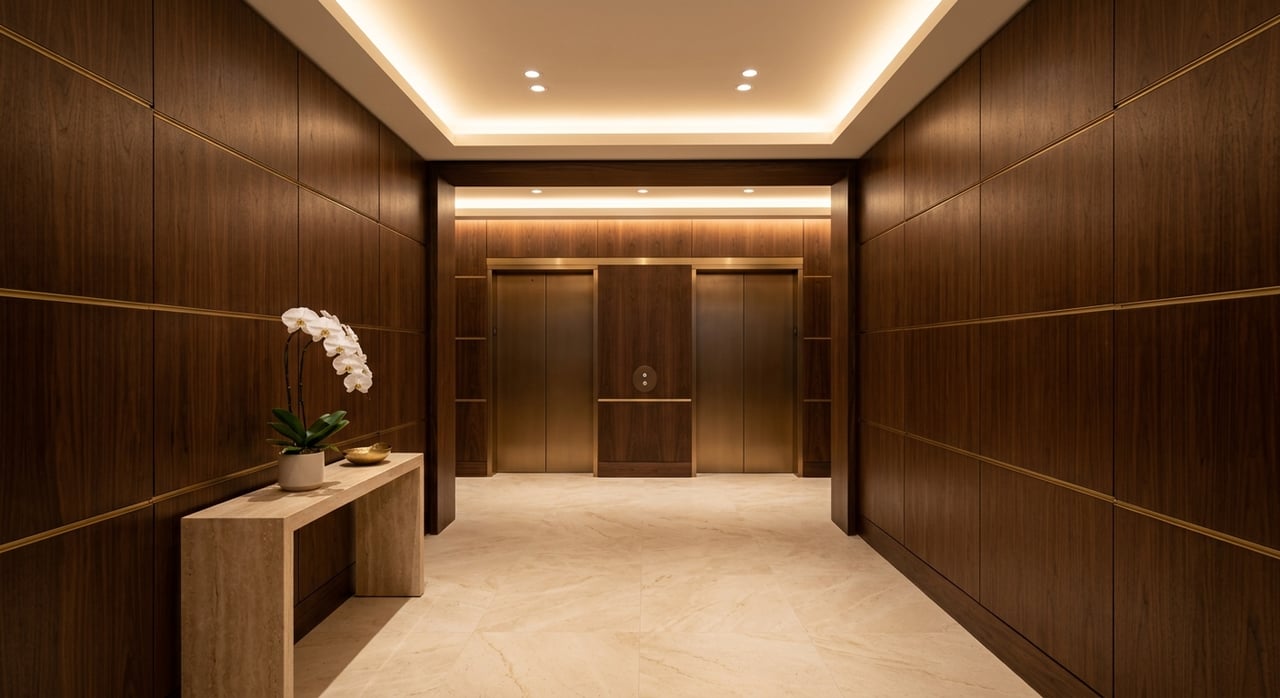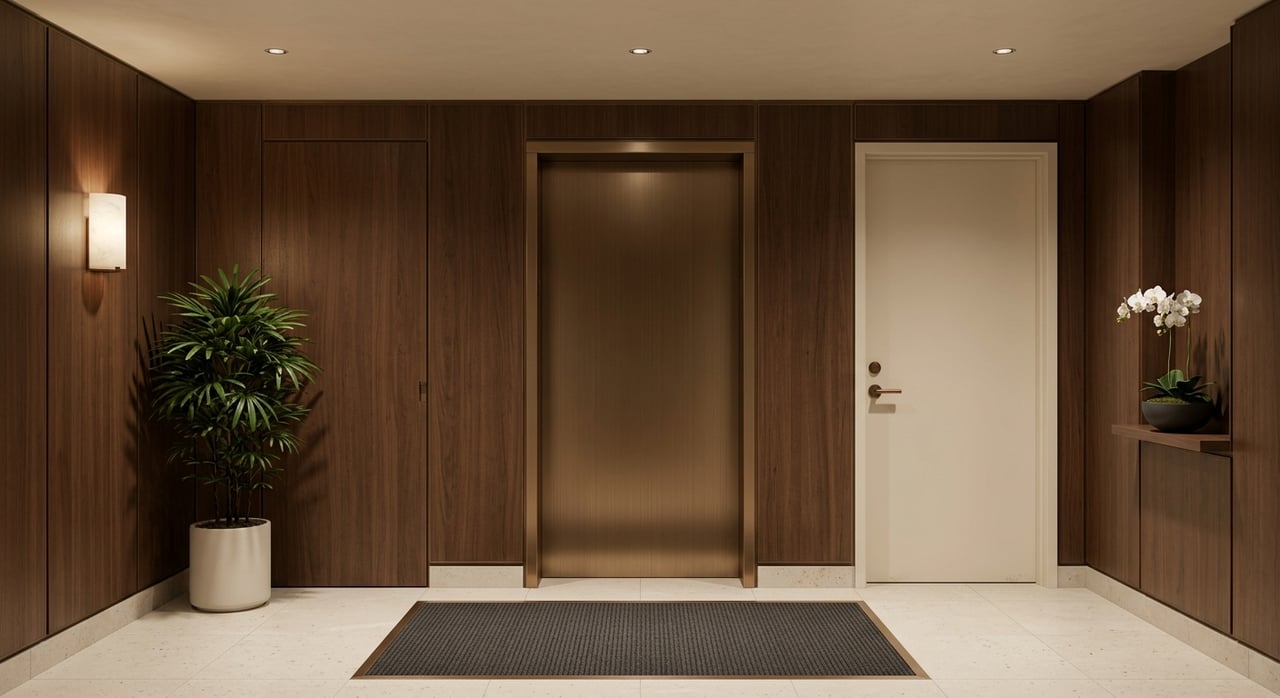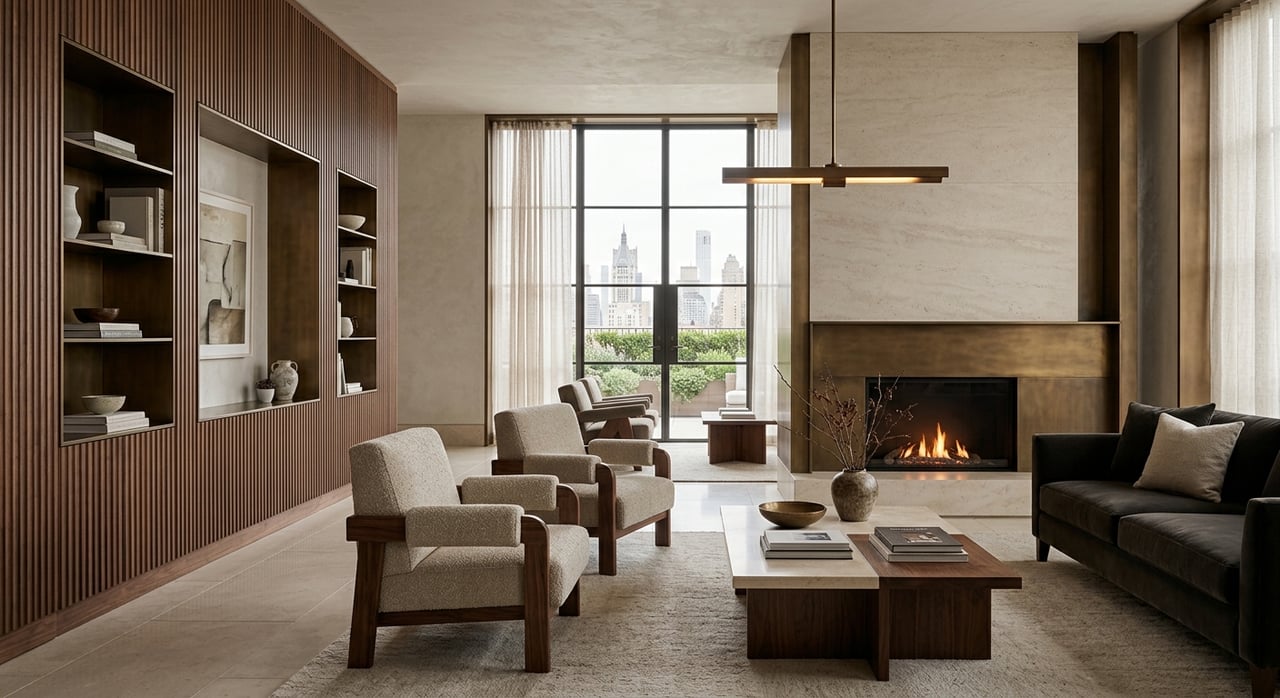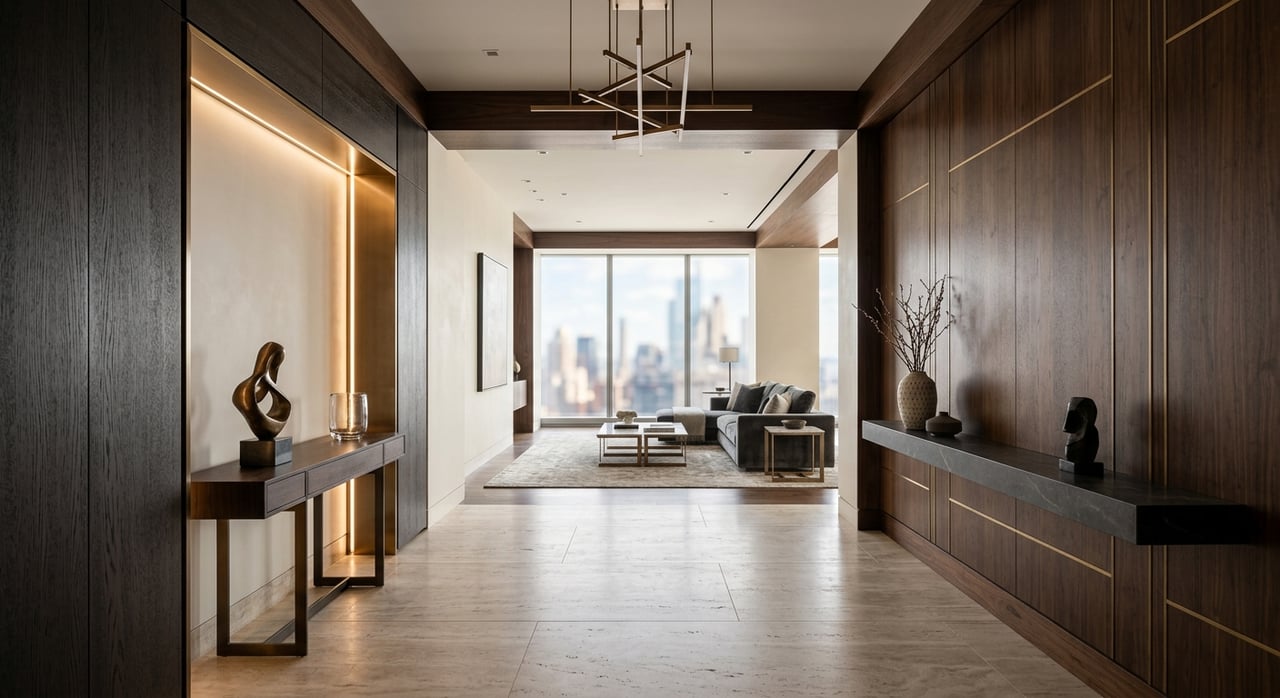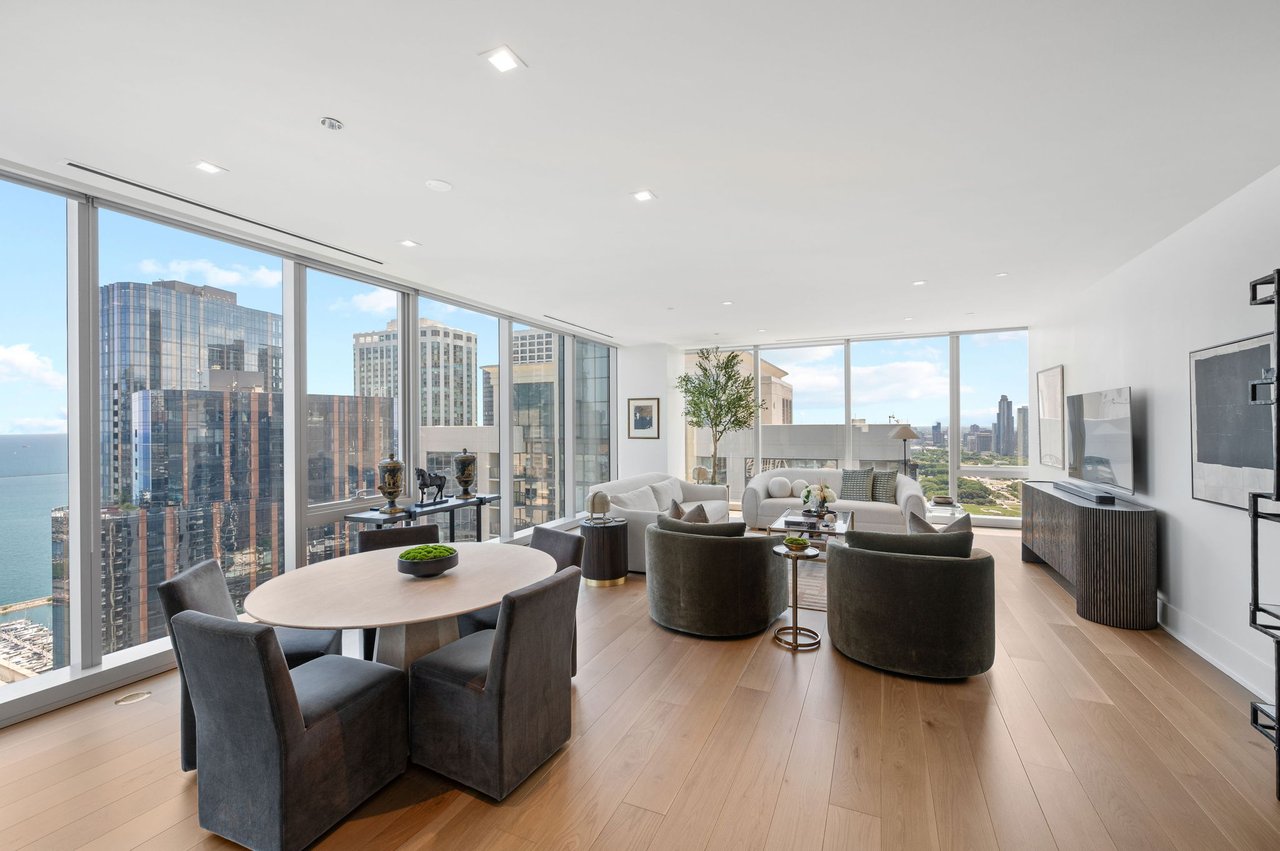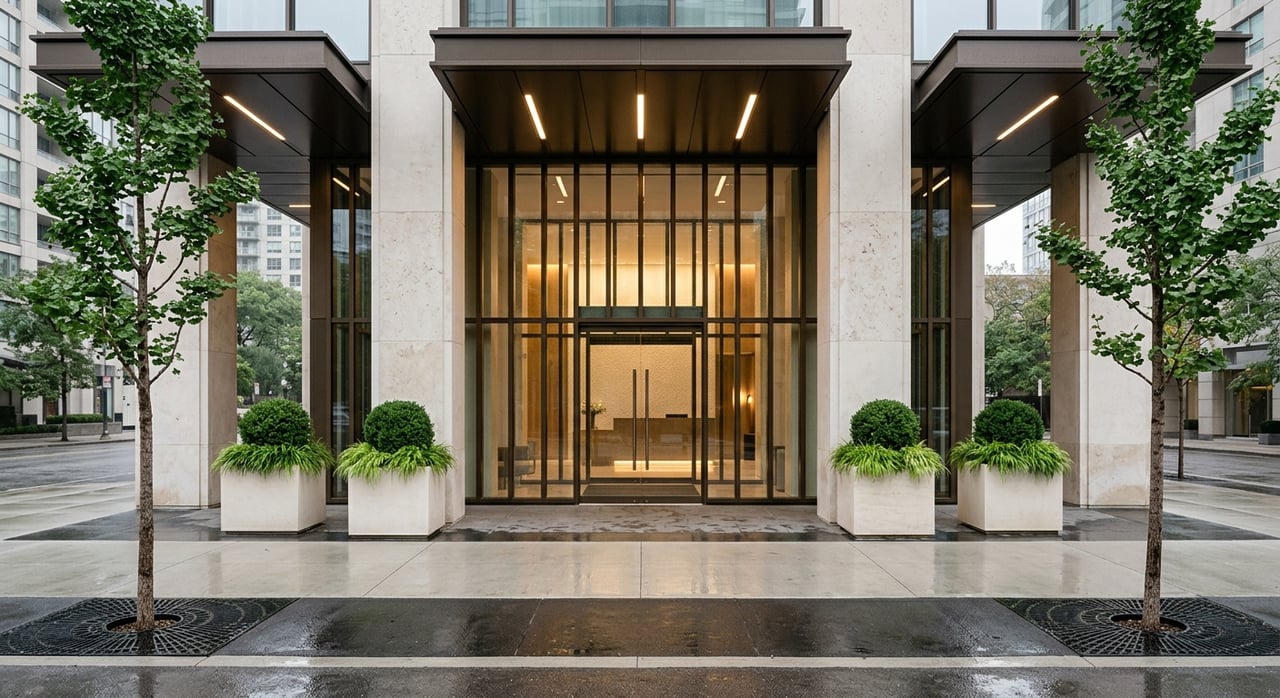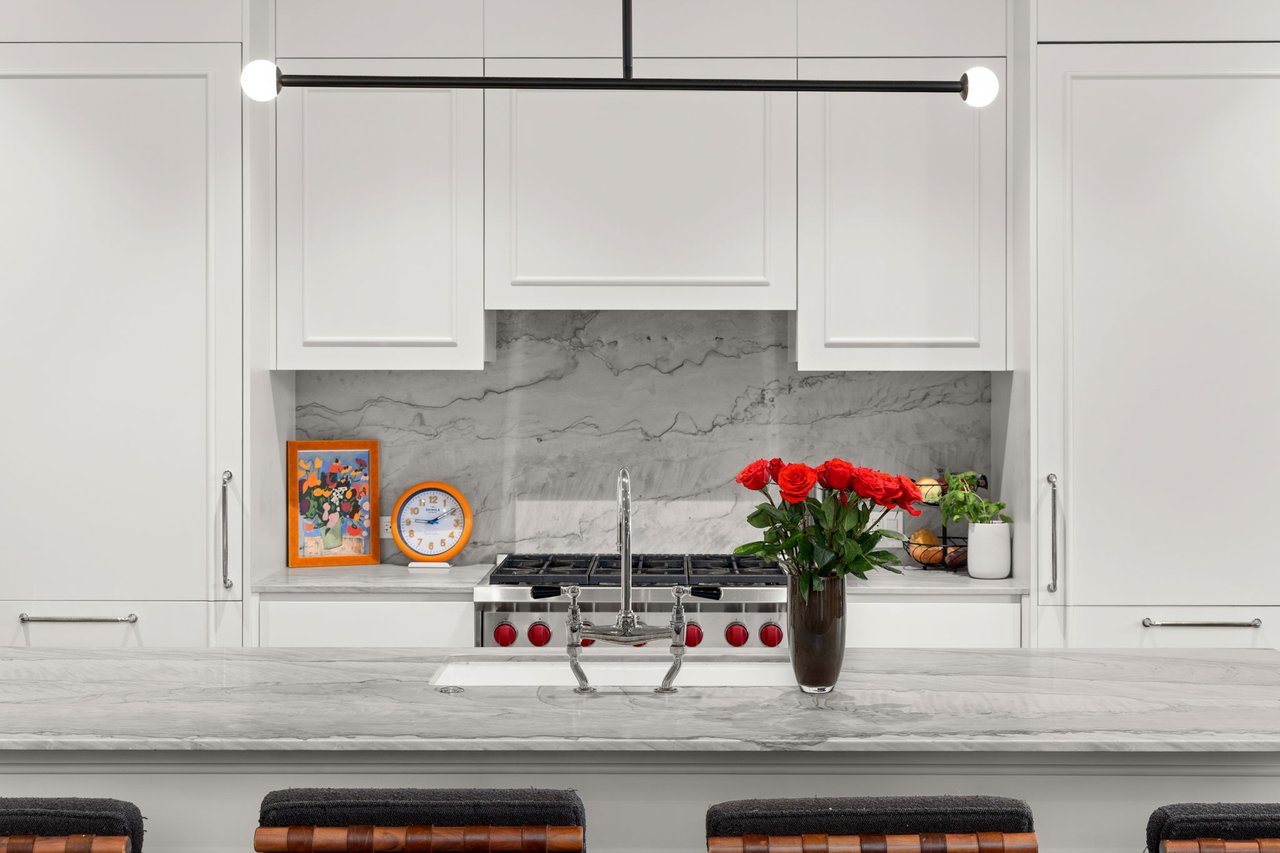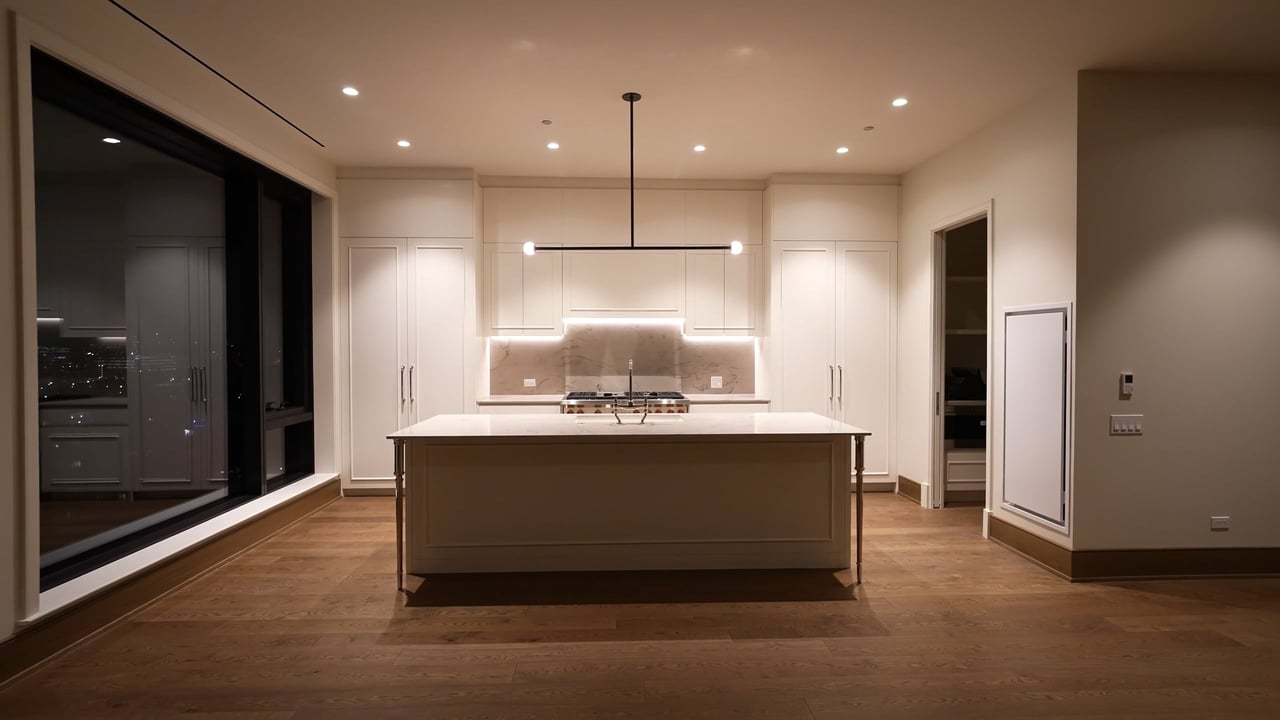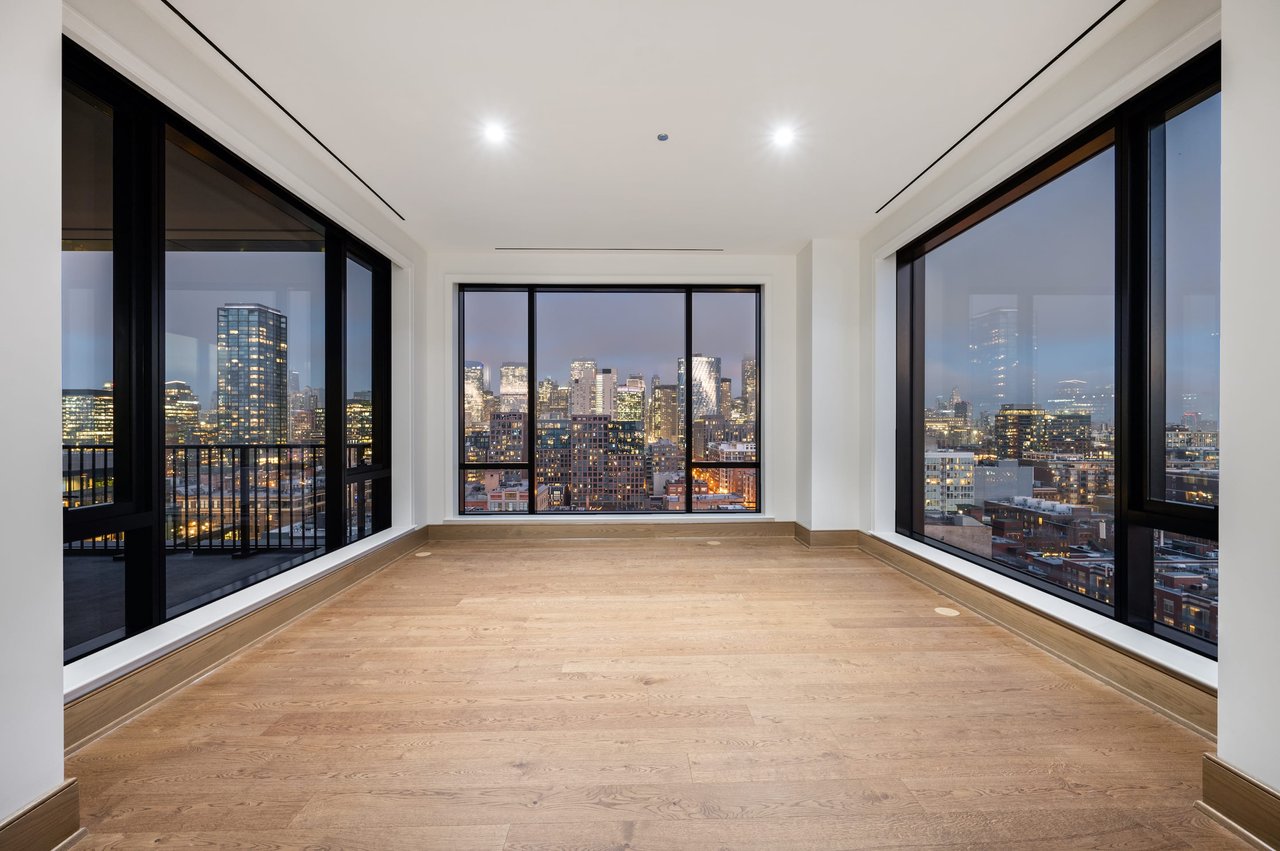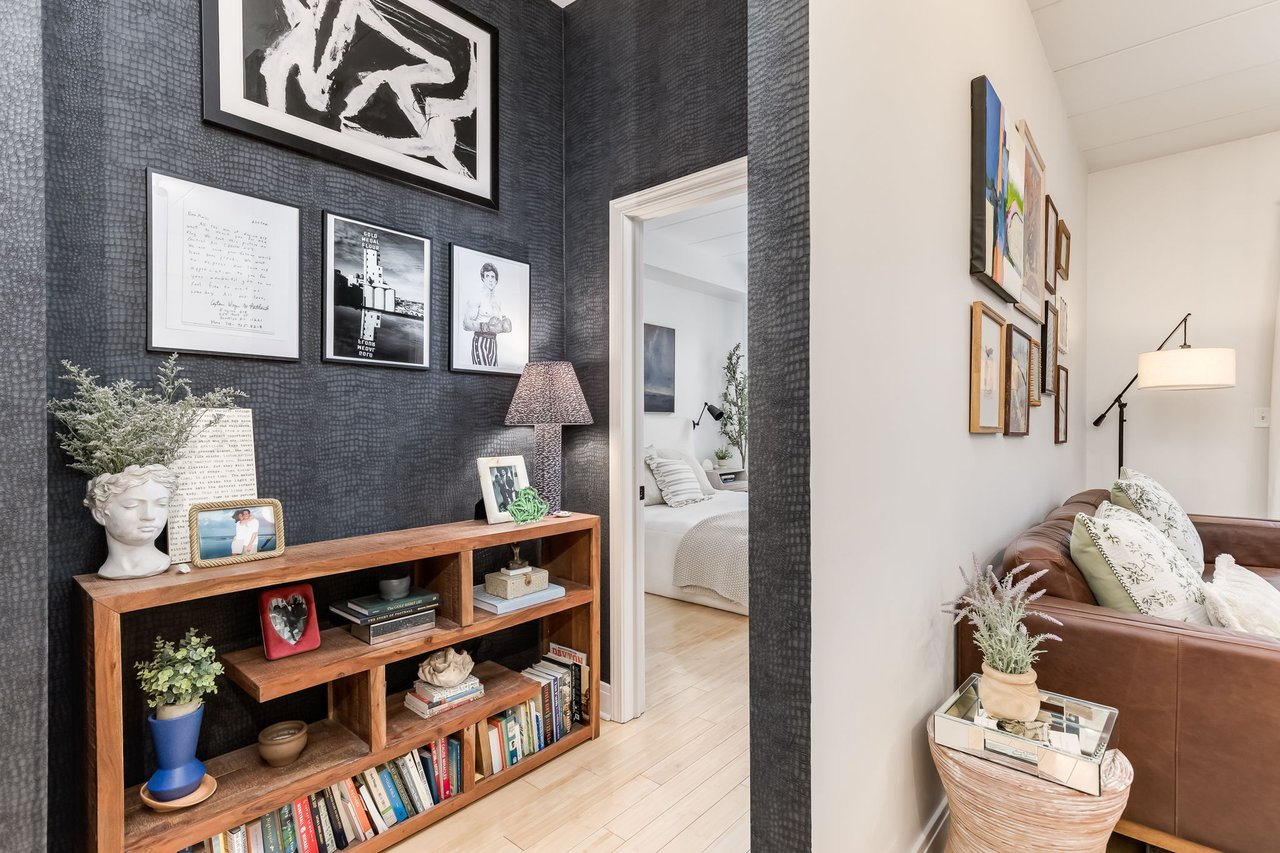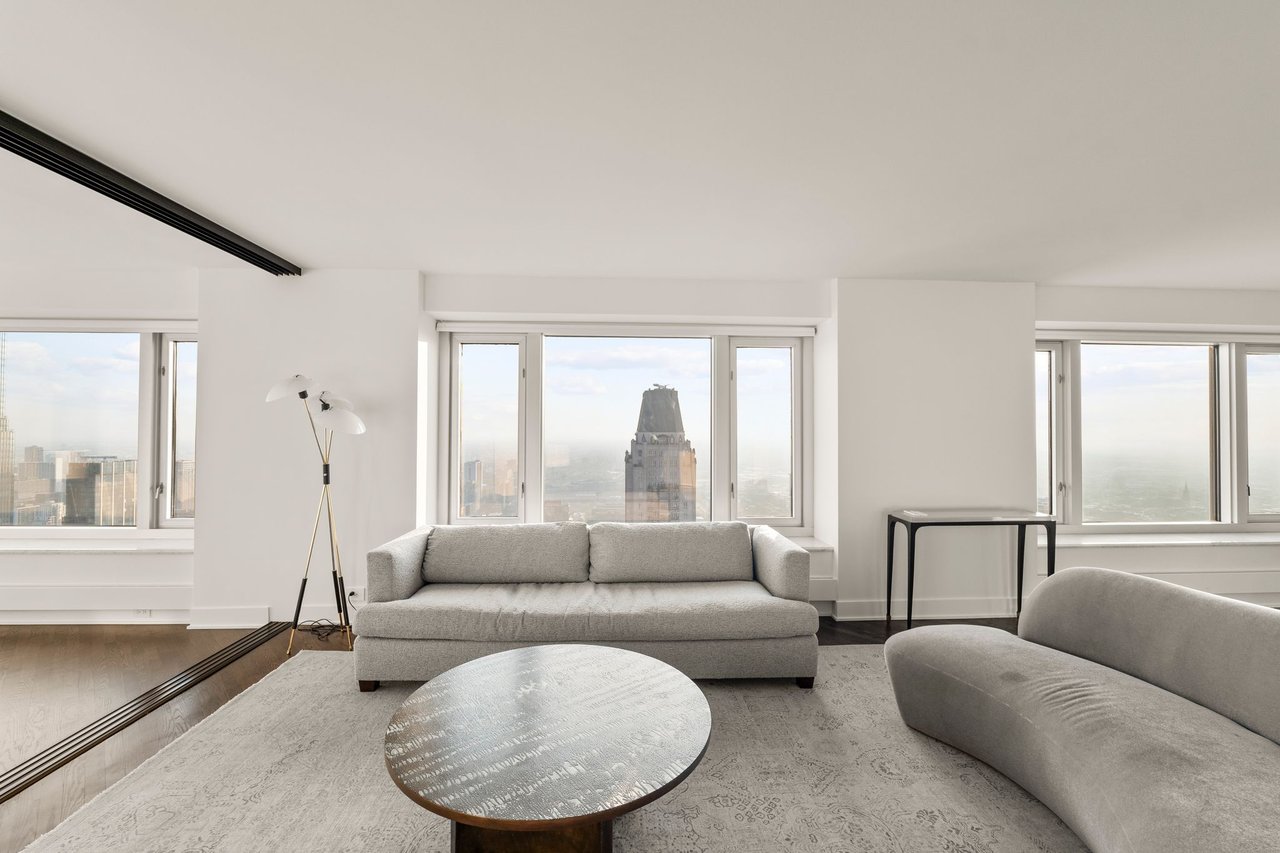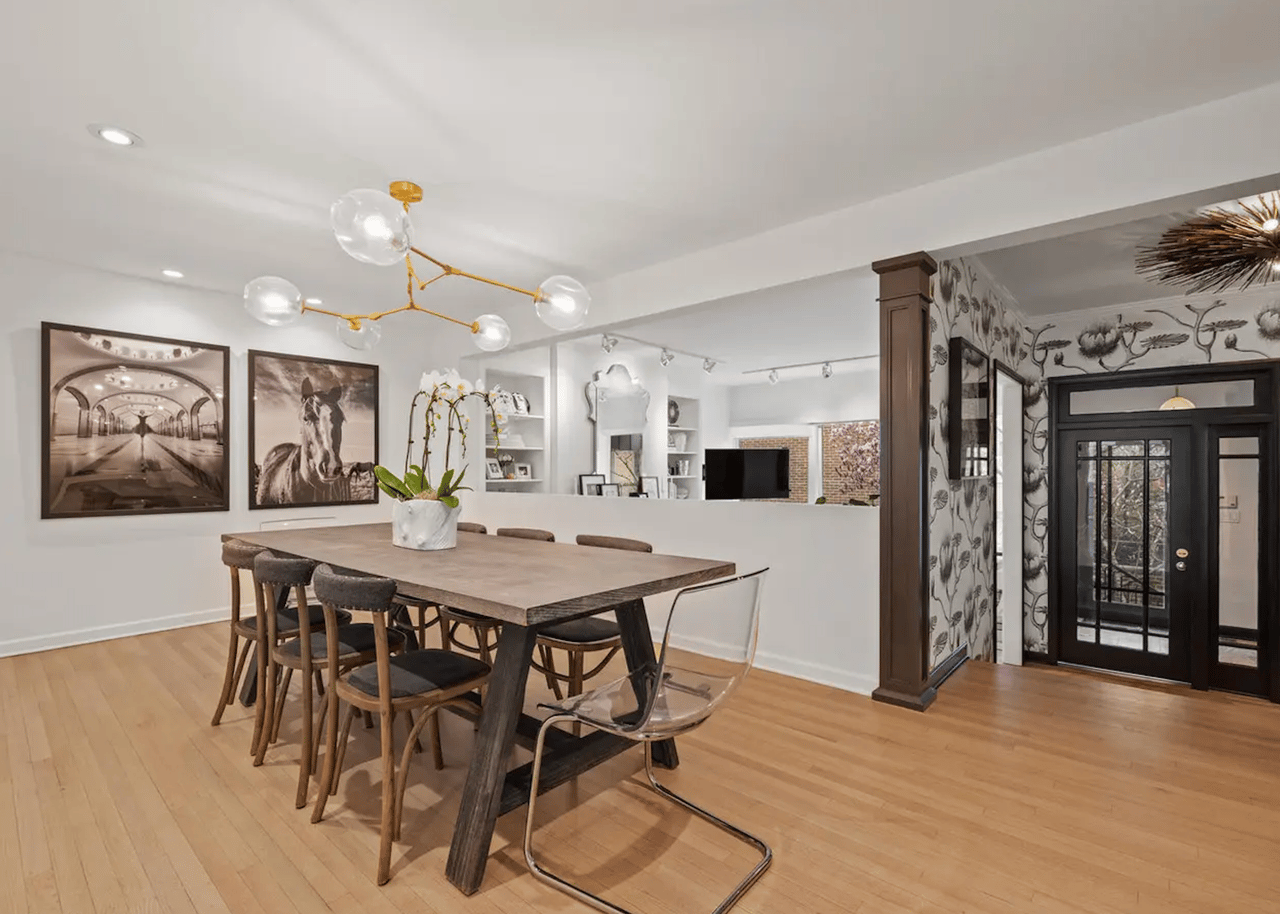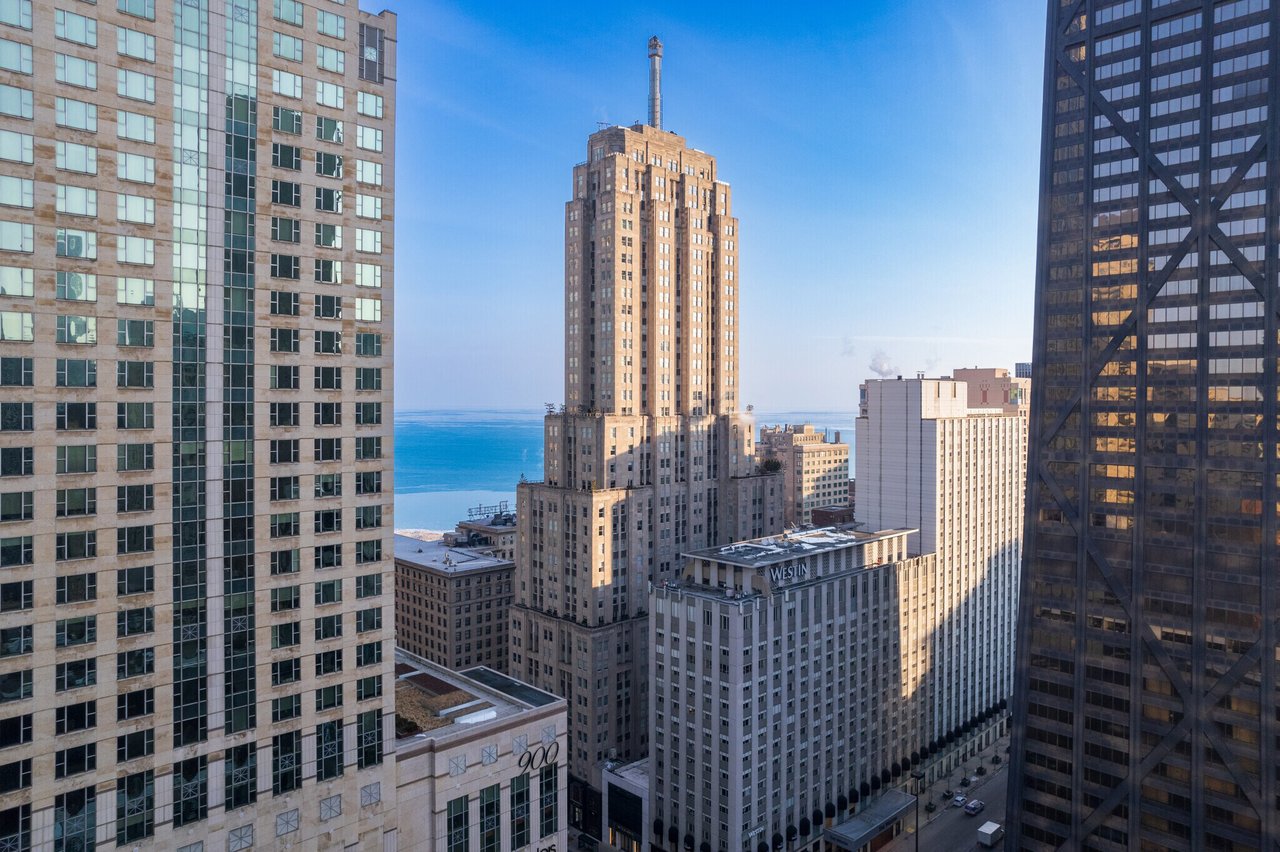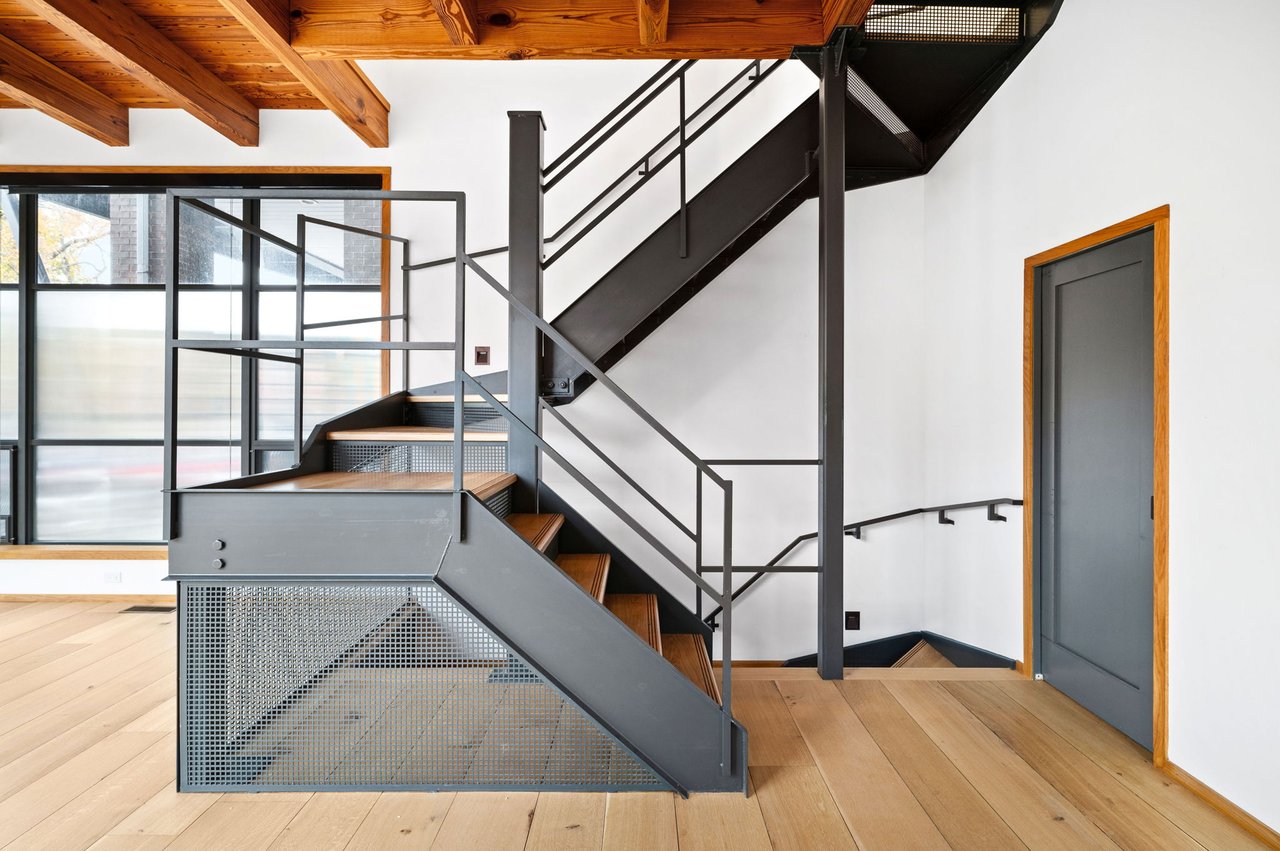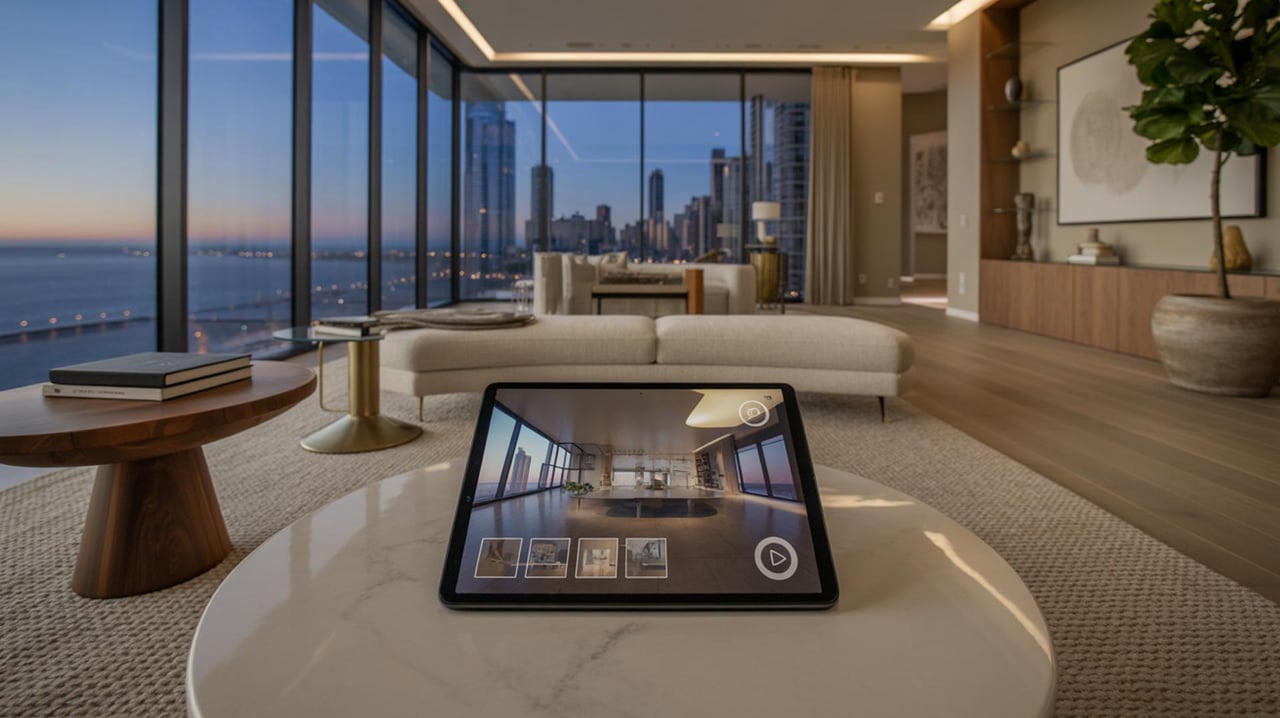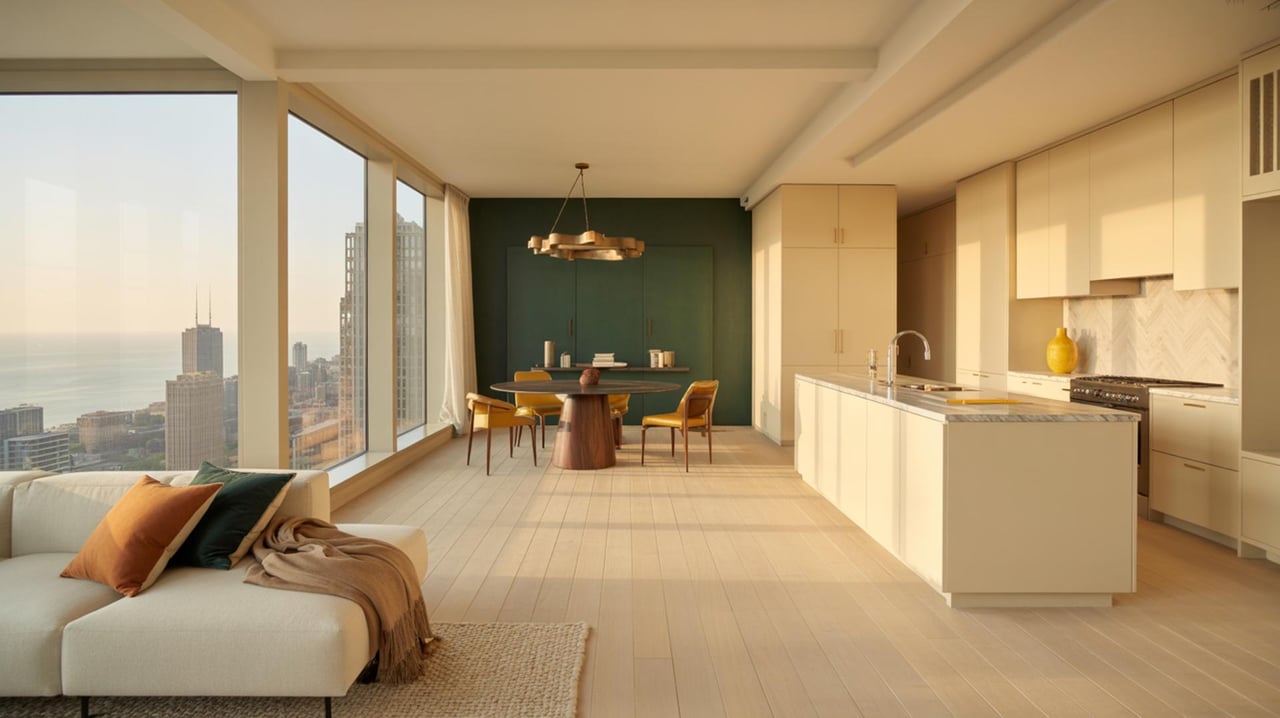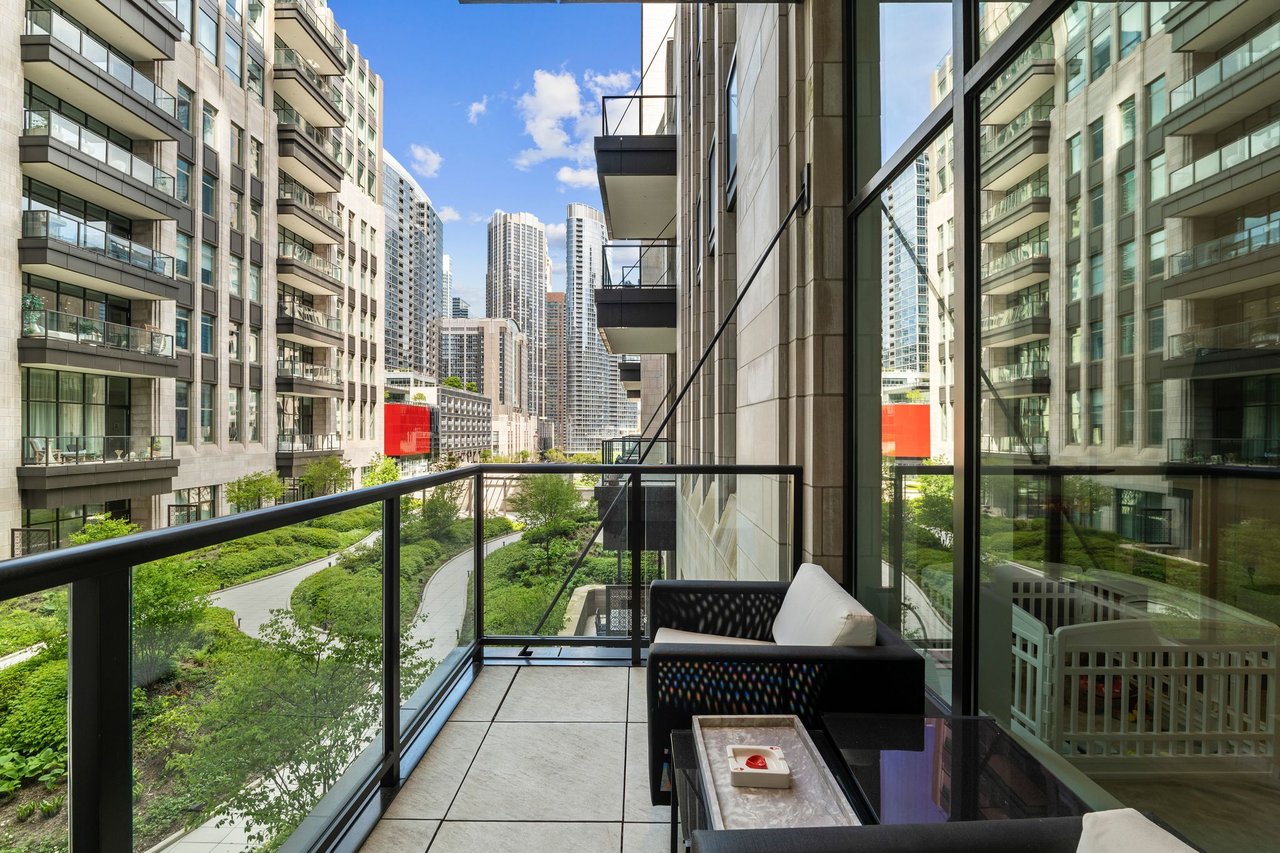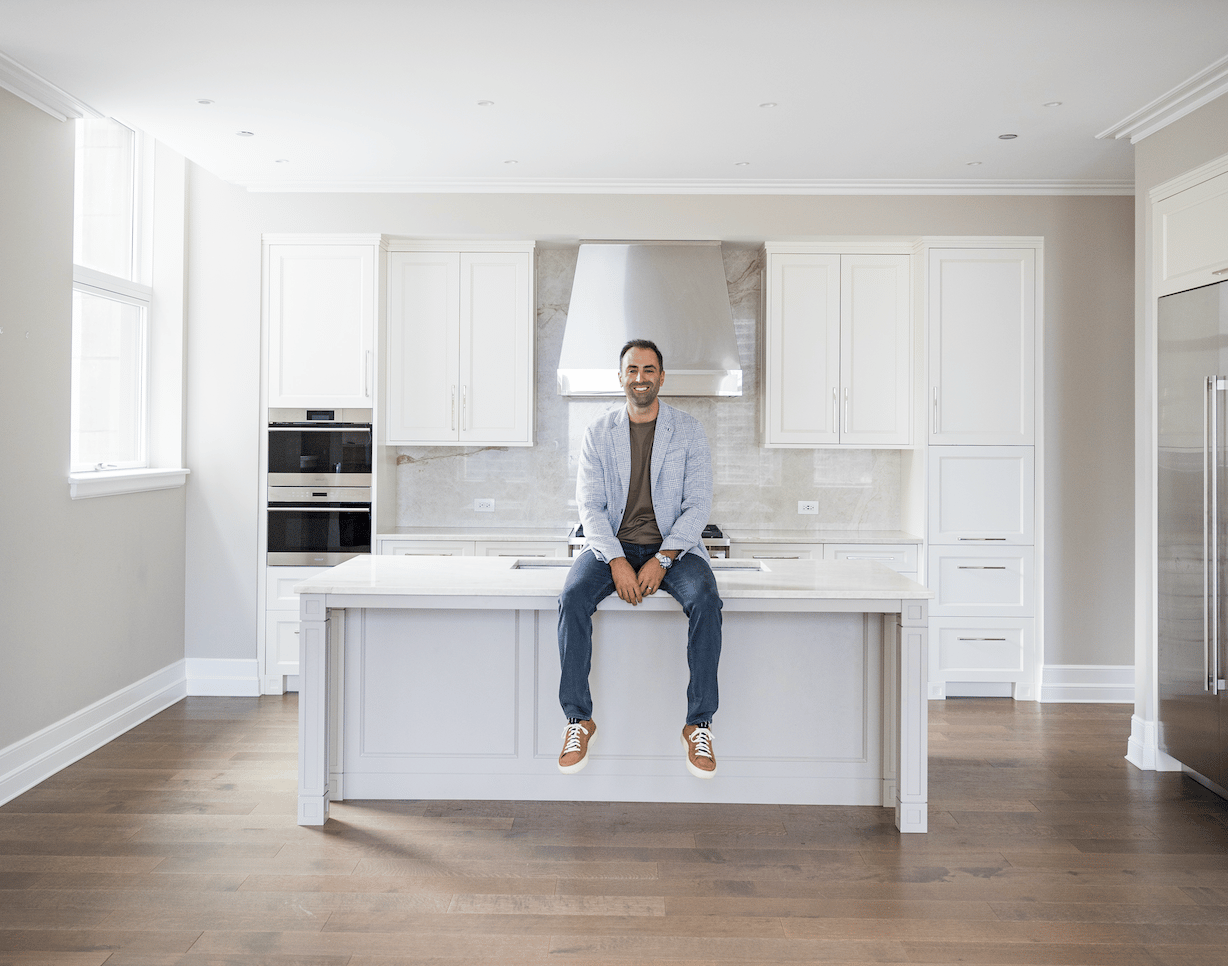
I recently represented the buyer on residence 814, and one thing that continues to stand out to me is how much the building has matured over the last year.
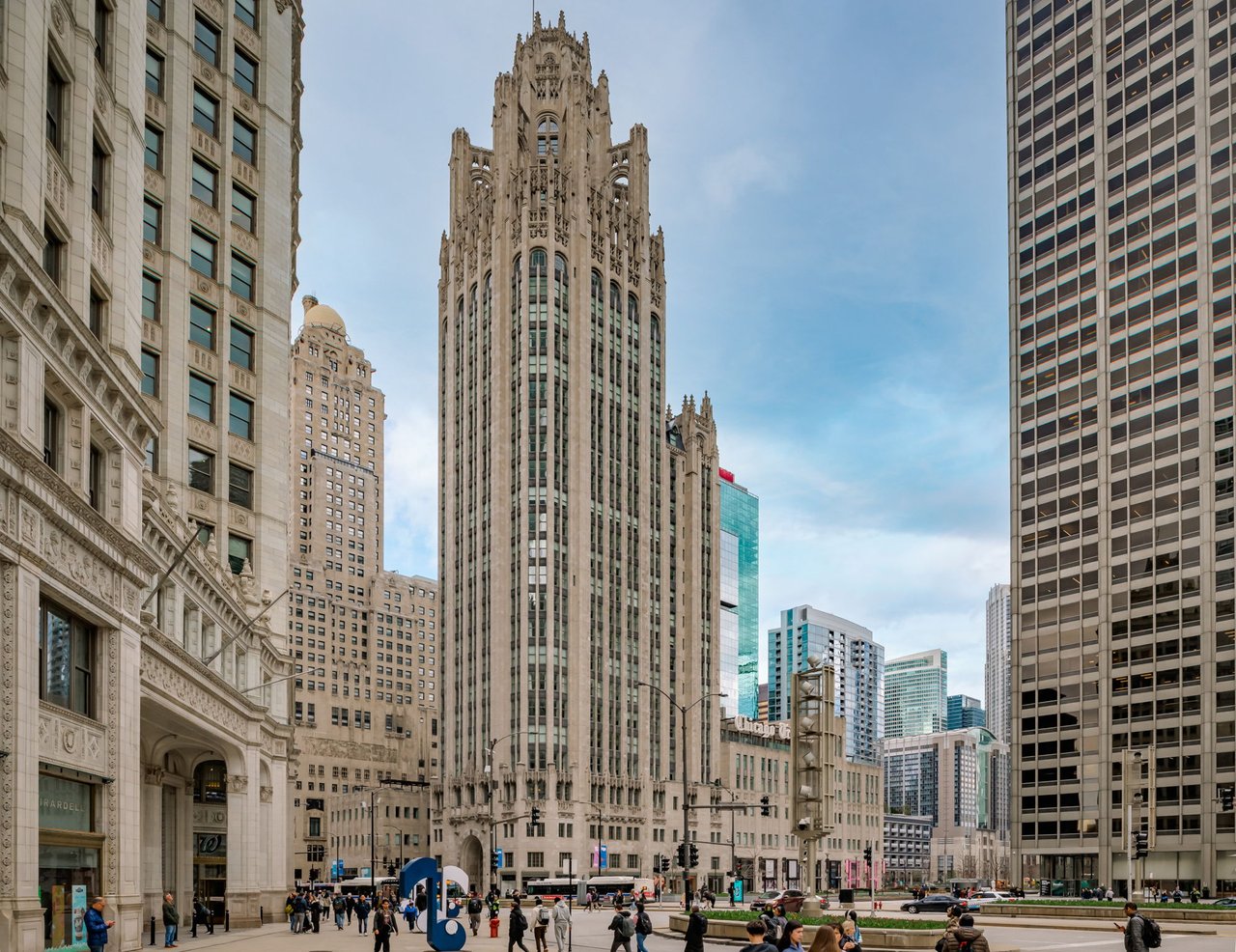
Tribune Tower is beginning to form a market of its own.
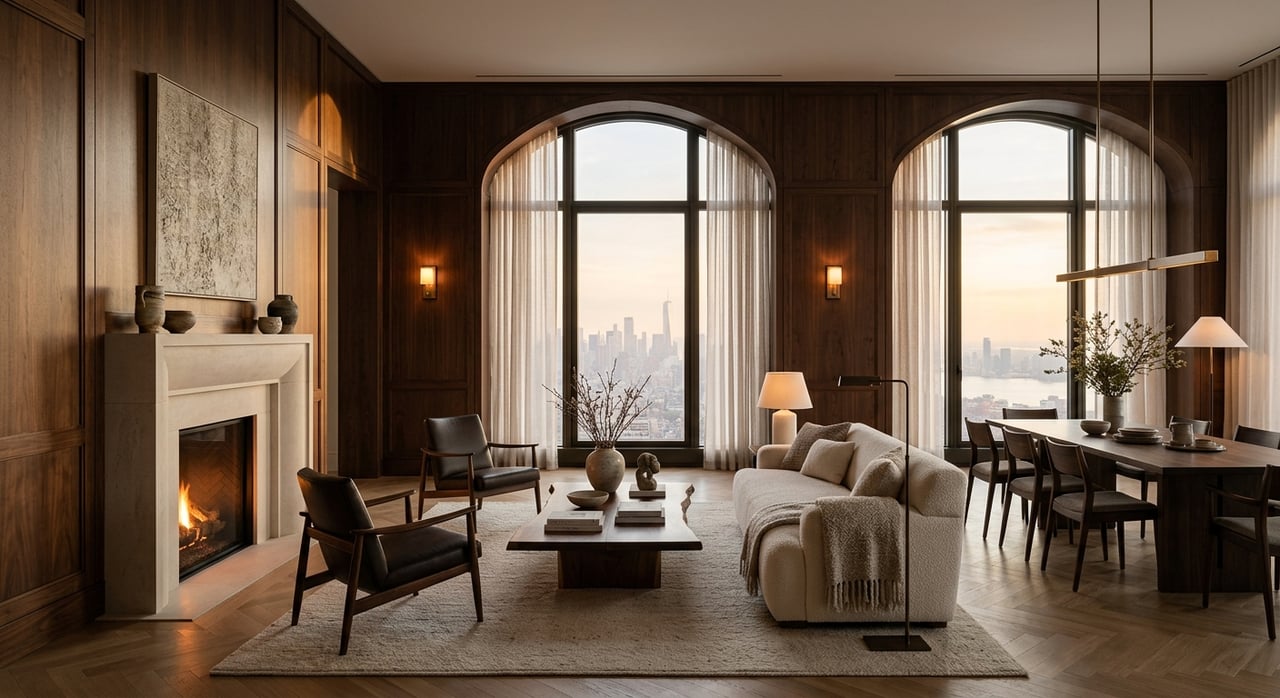
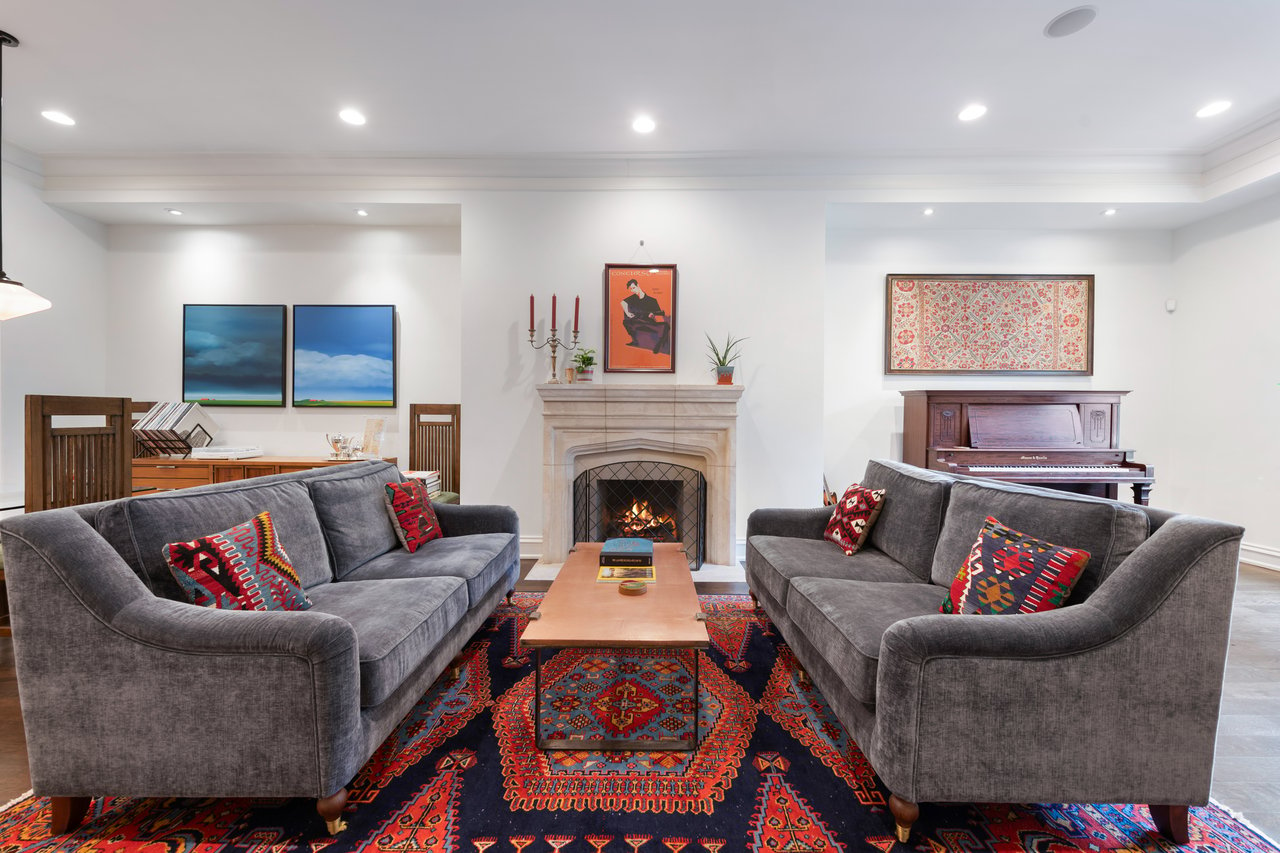
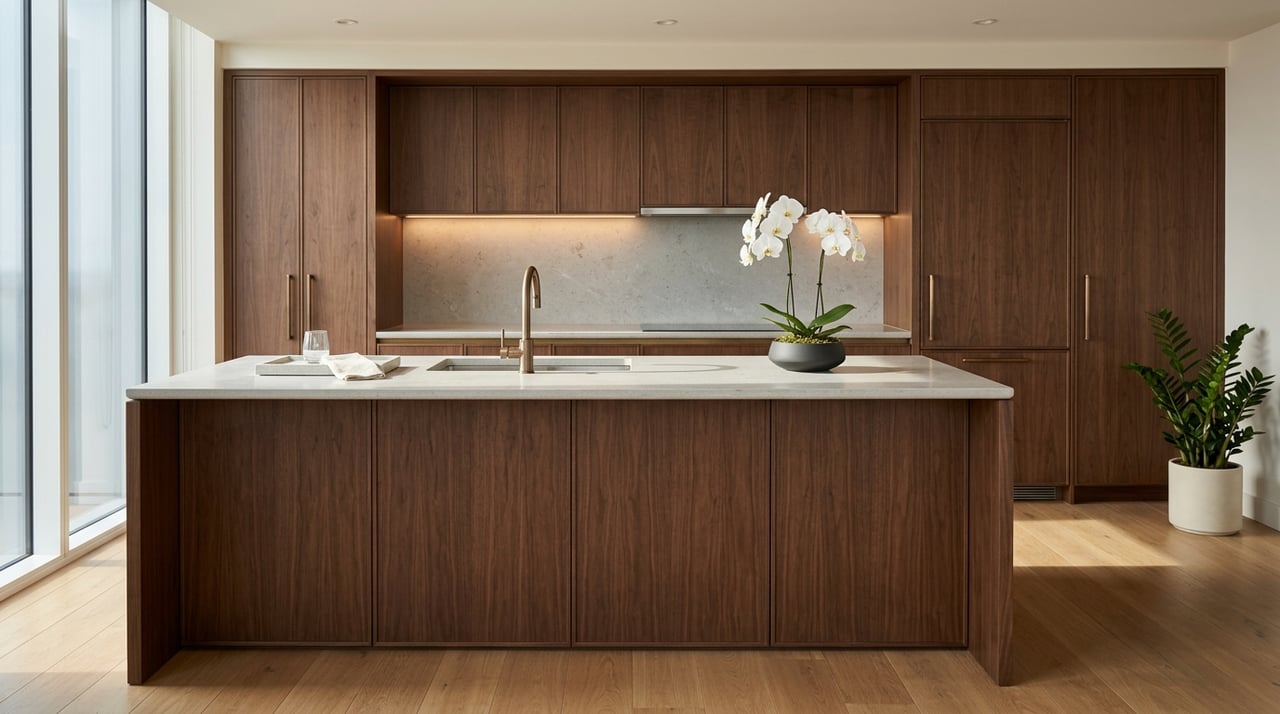
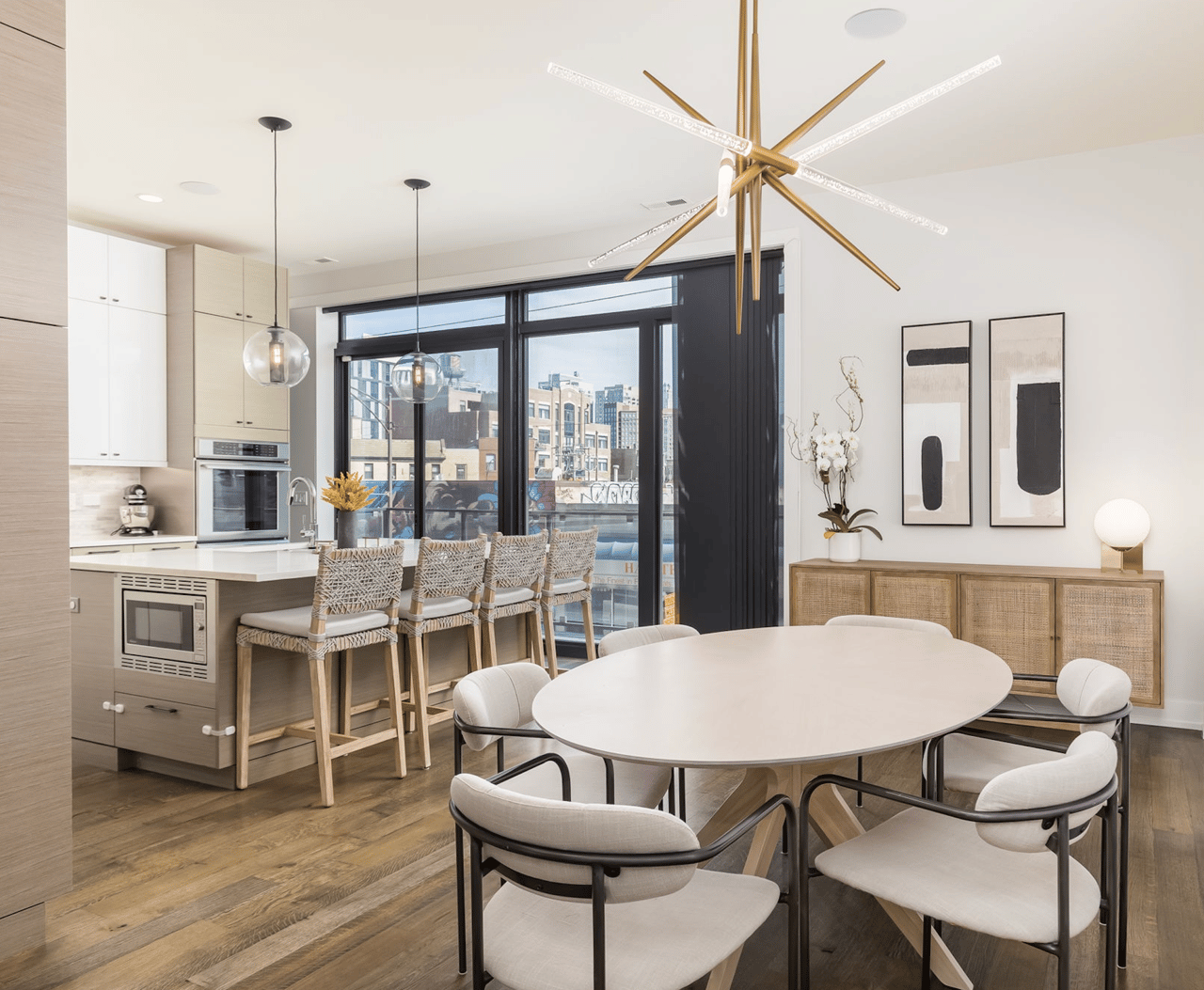
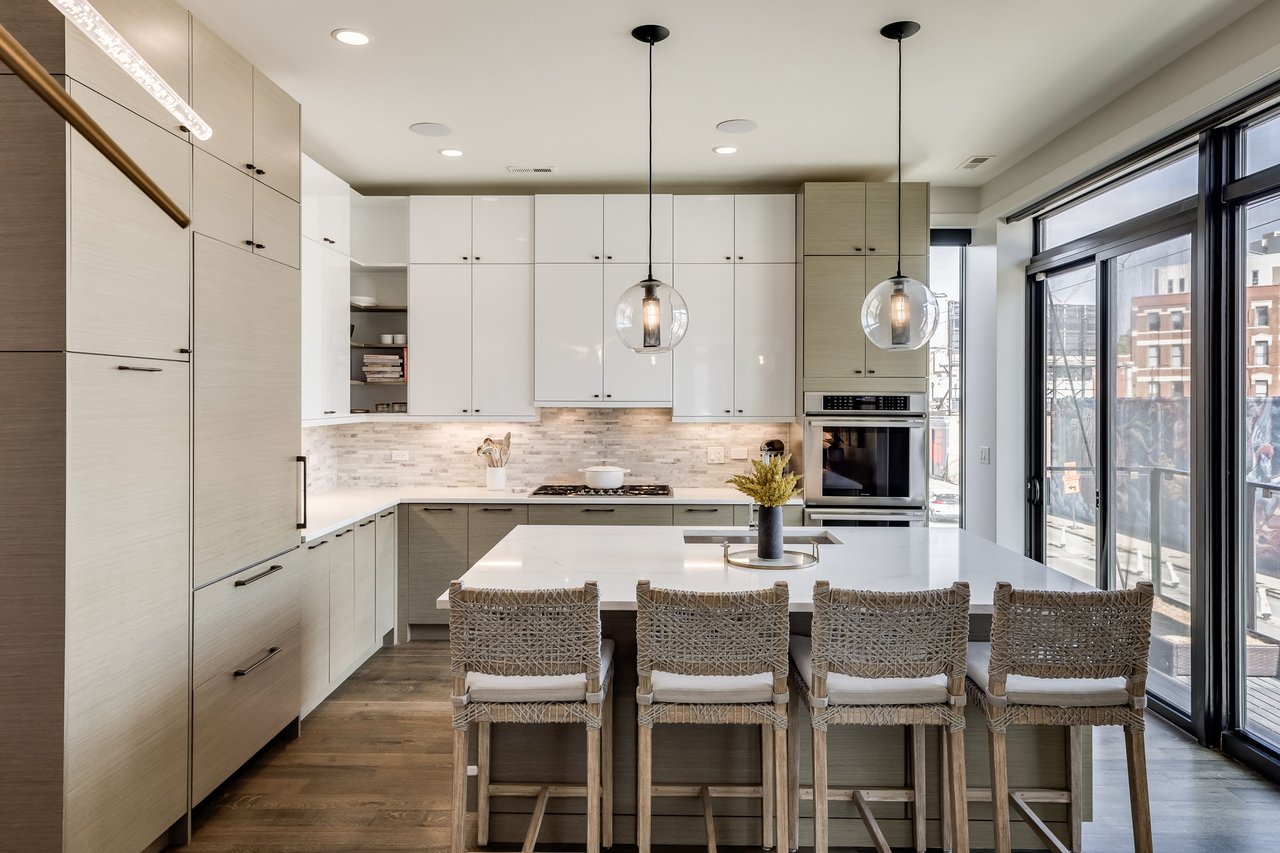
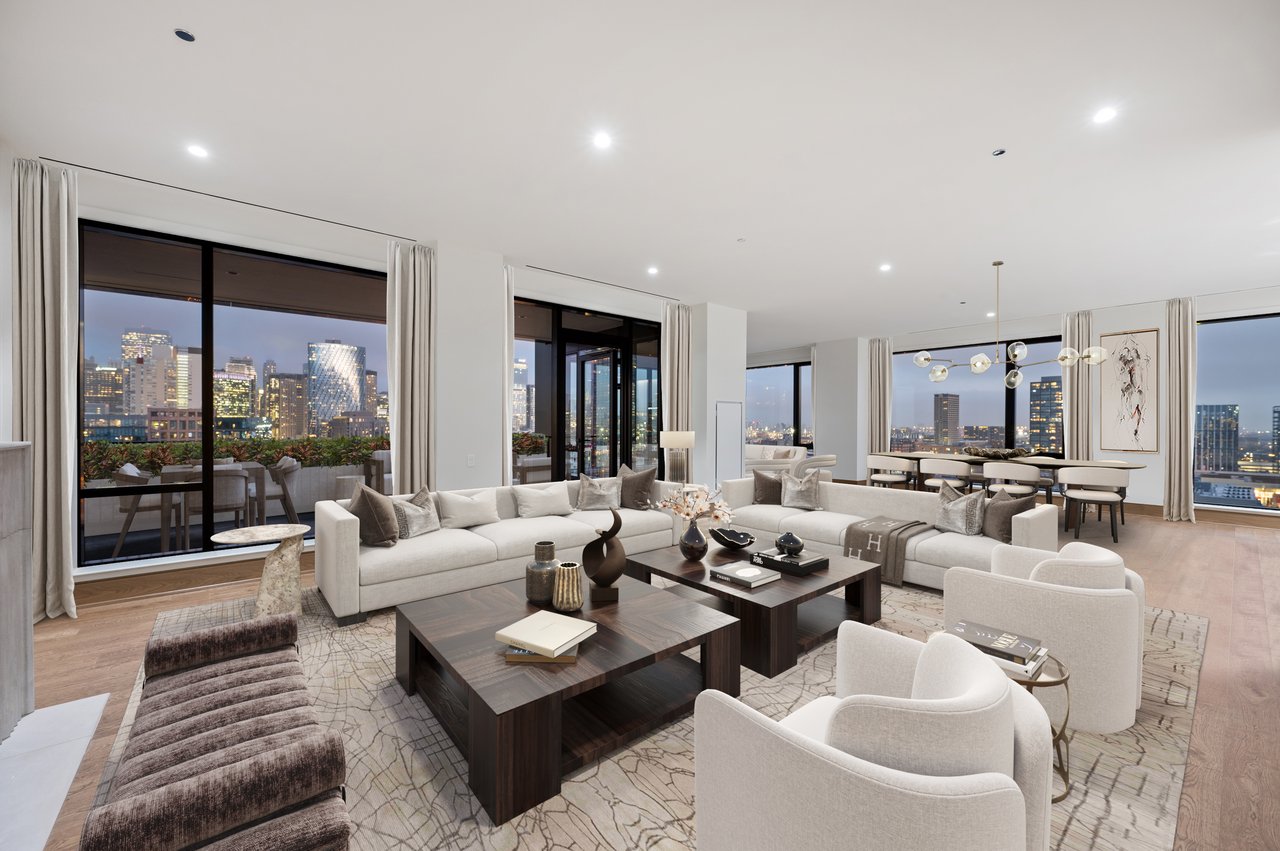
The 1 and 2 bedroom residences are now trading almost entirely as resale inventory, while only a small number of developer residences remain, most of them larger homes, with a few still being offered fully furnished and designed by nationally recognized designers.
That shift changes the feel of the building completely.
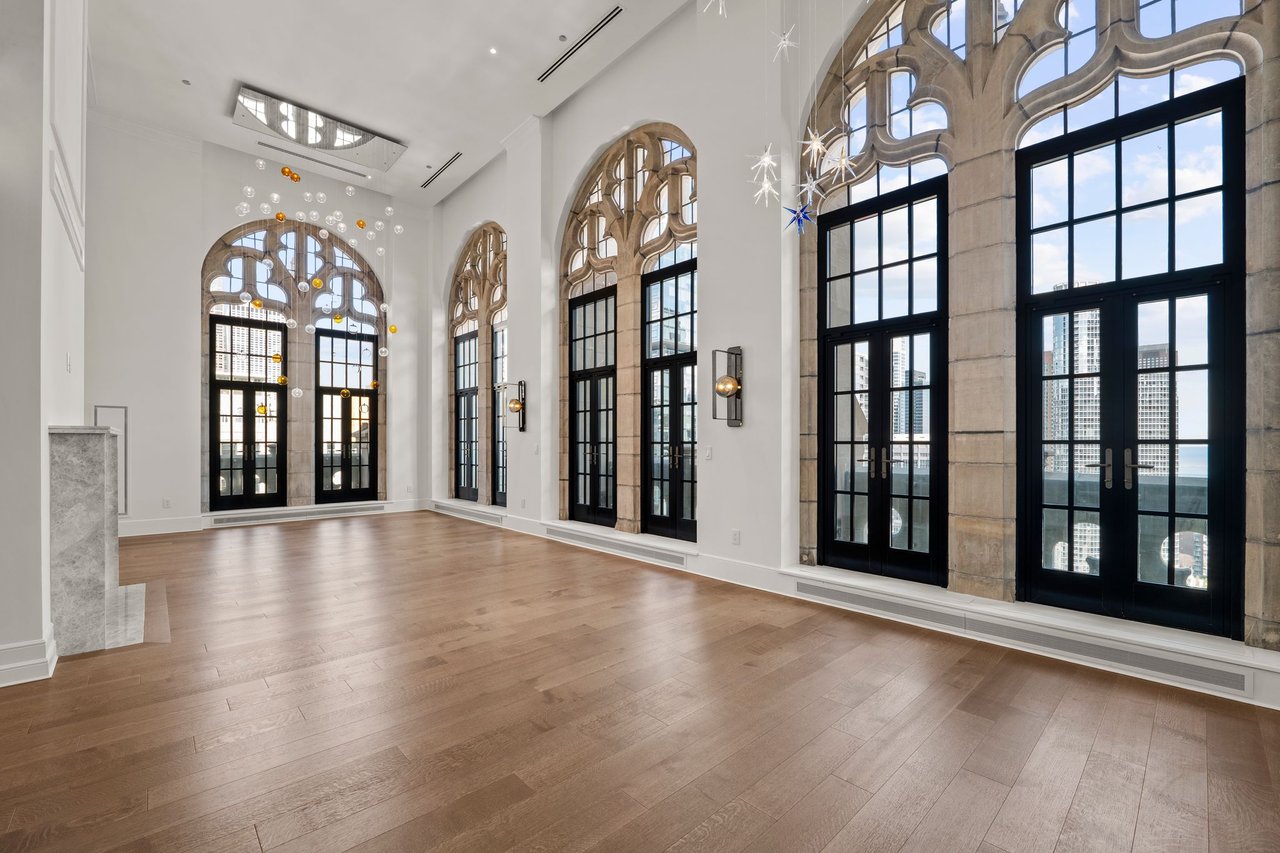
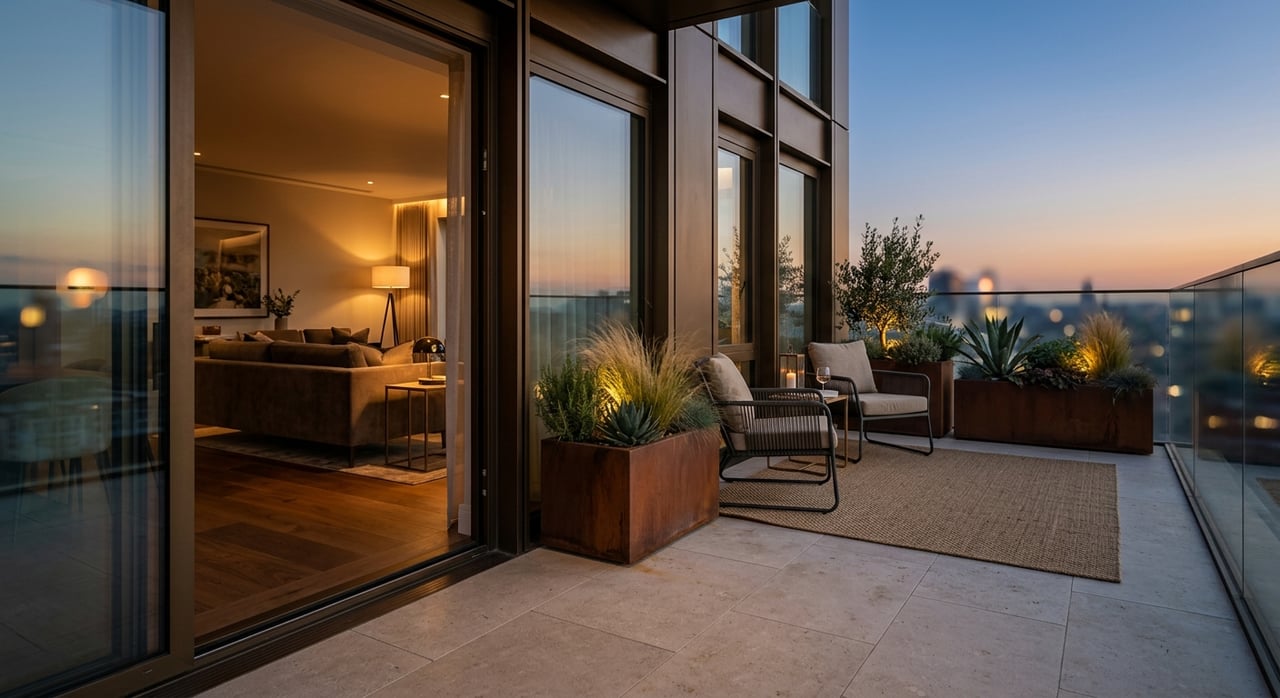
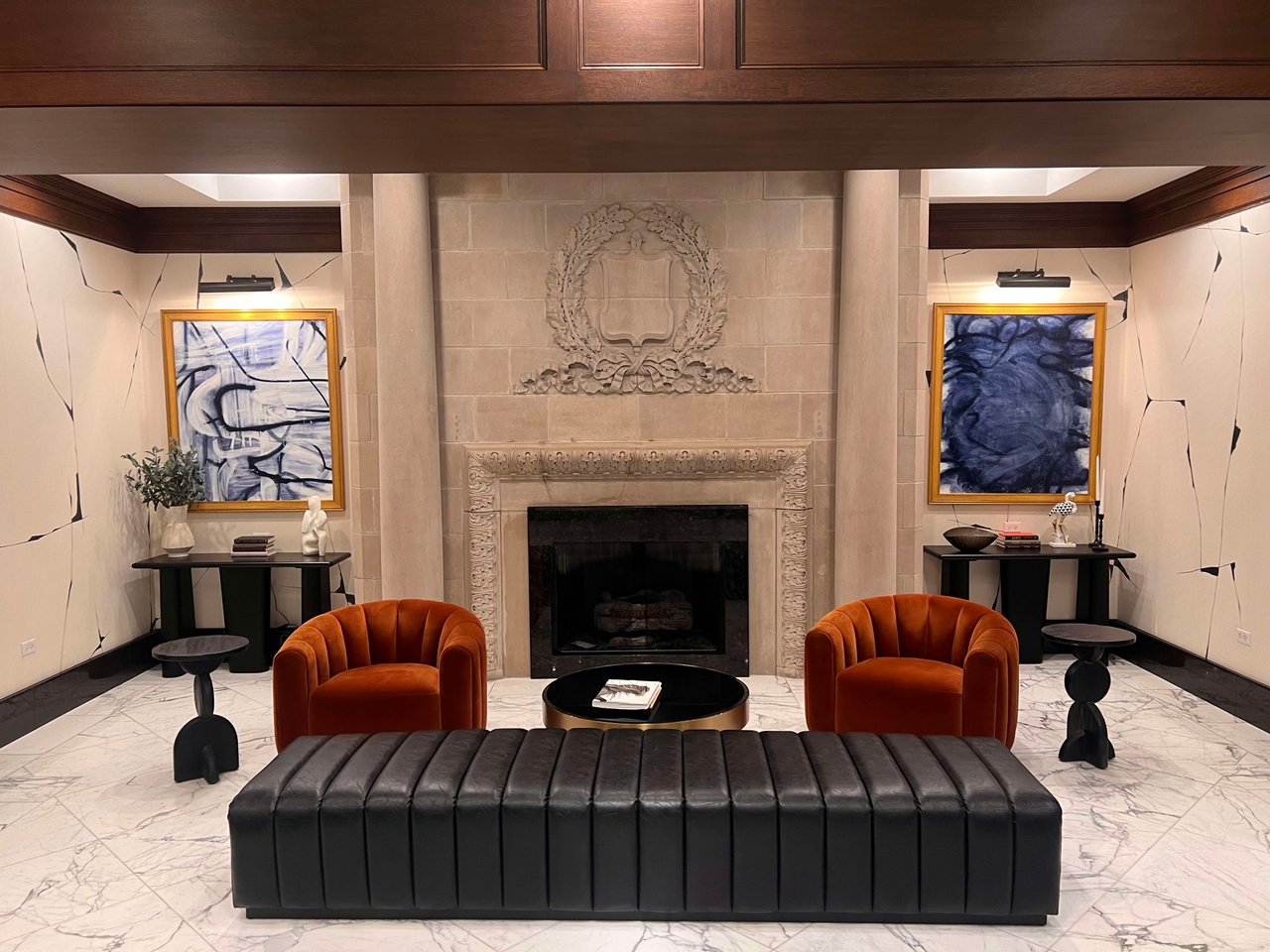
The building no longer feels like a new development where buyers are simply choosing between available floor plans and finishes. There is now a growing separation between residences based on layout, positioning, views, outdoor space, parking, storage, and overall livability within the building itself.
That is usually the point where a luxury building begins to establish long term market identity.
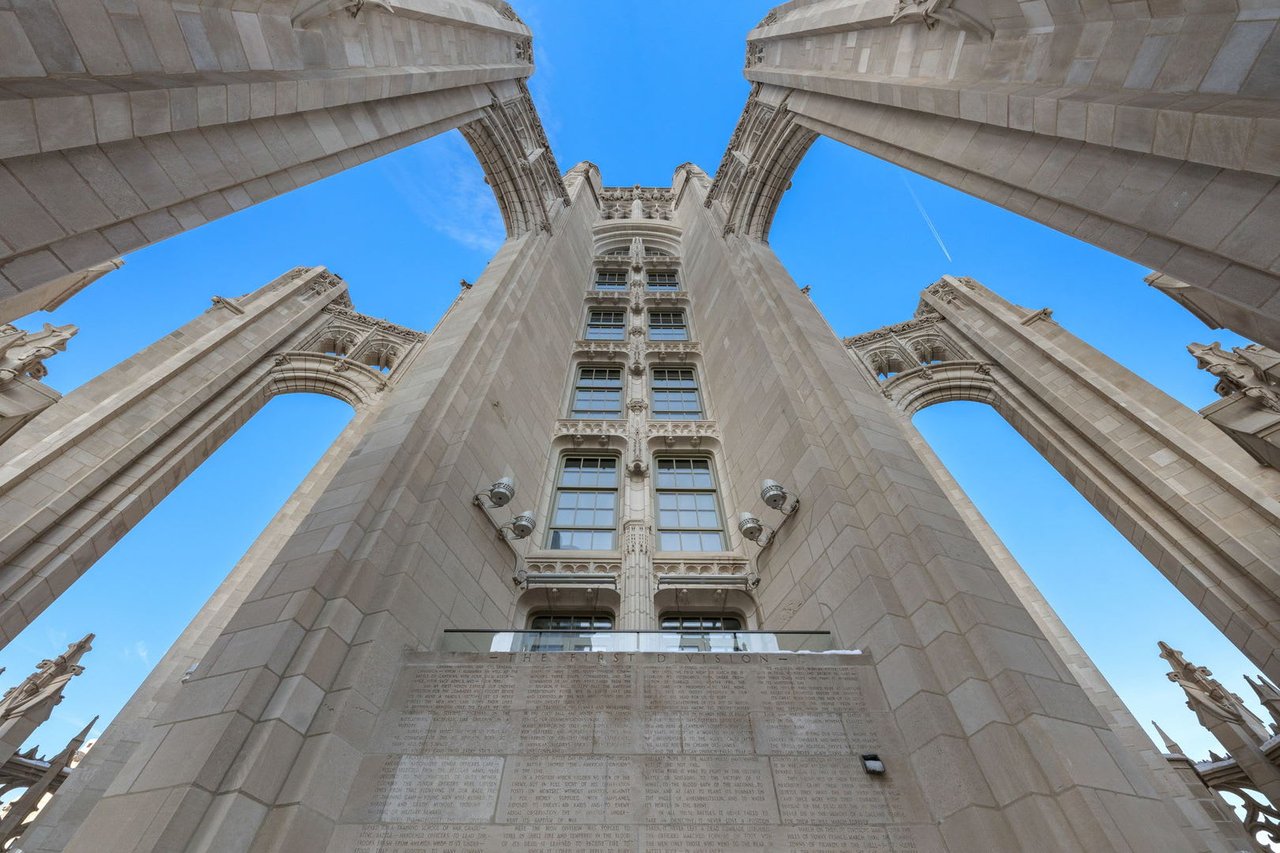
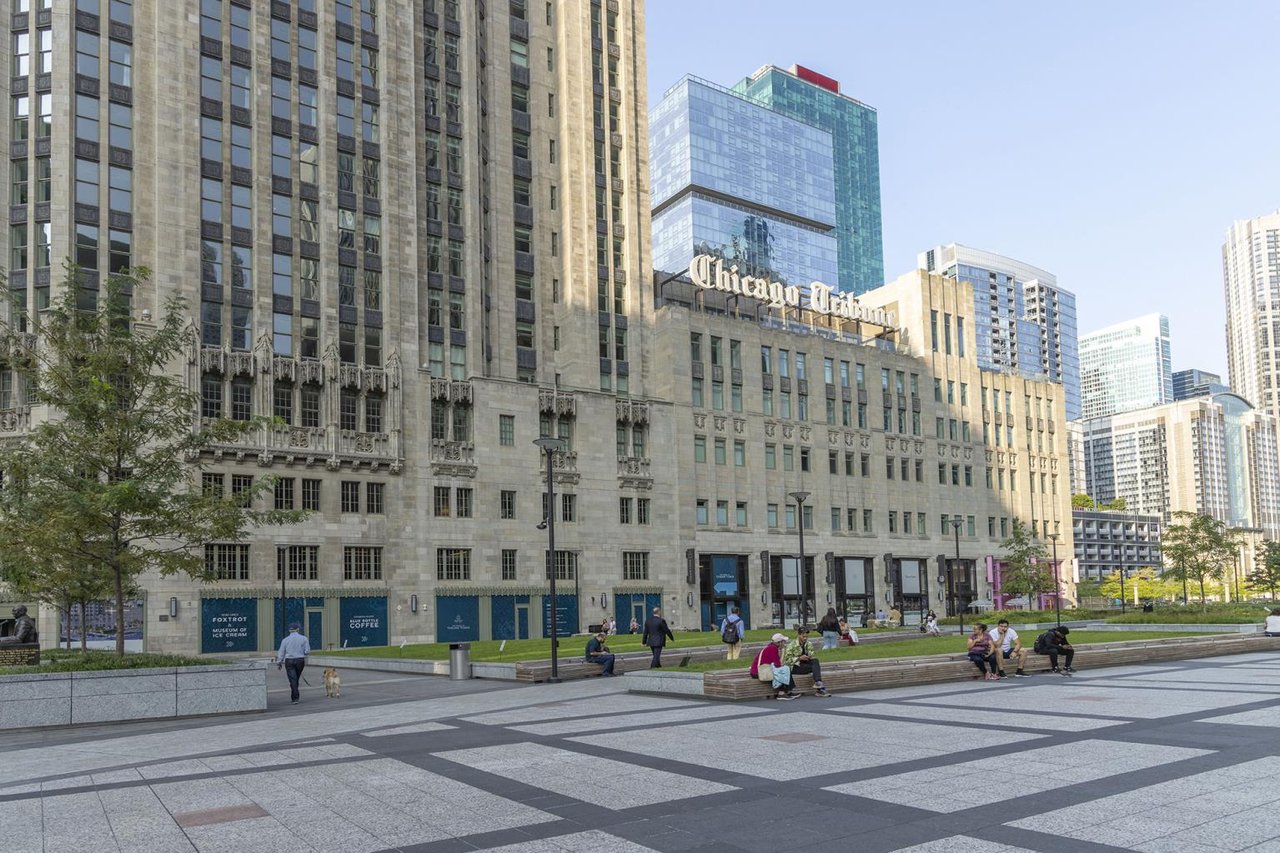
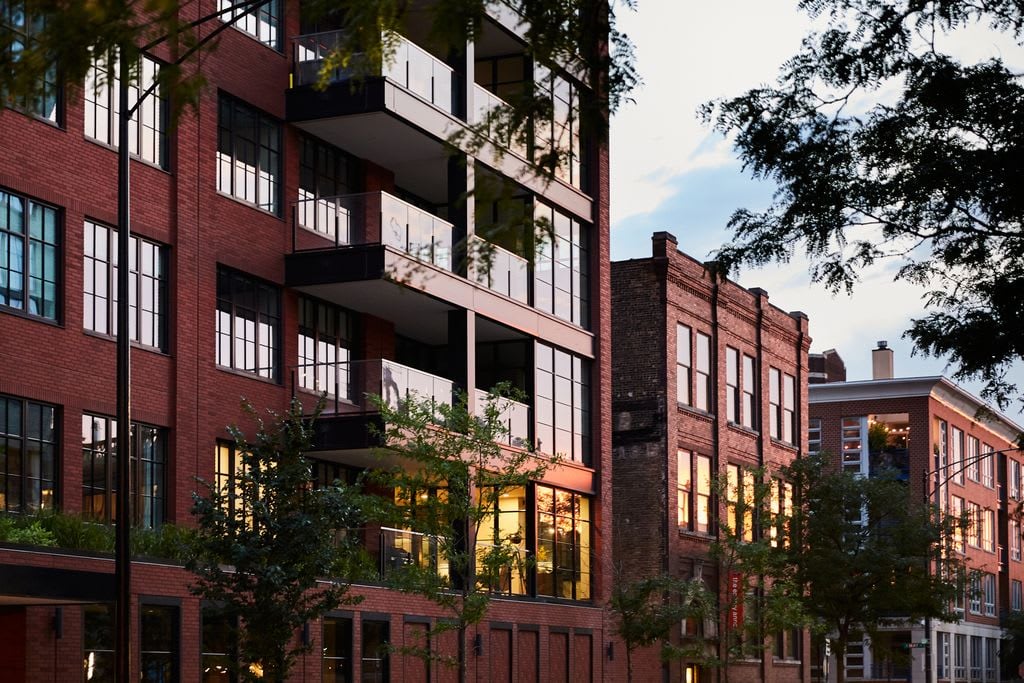
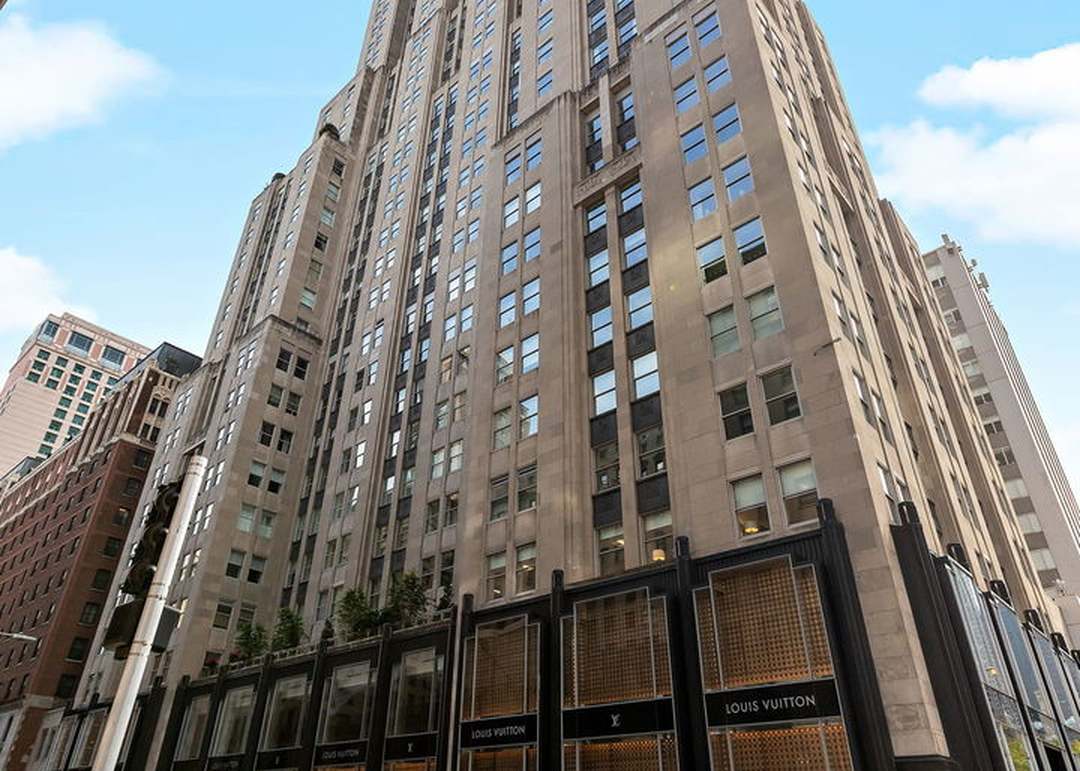
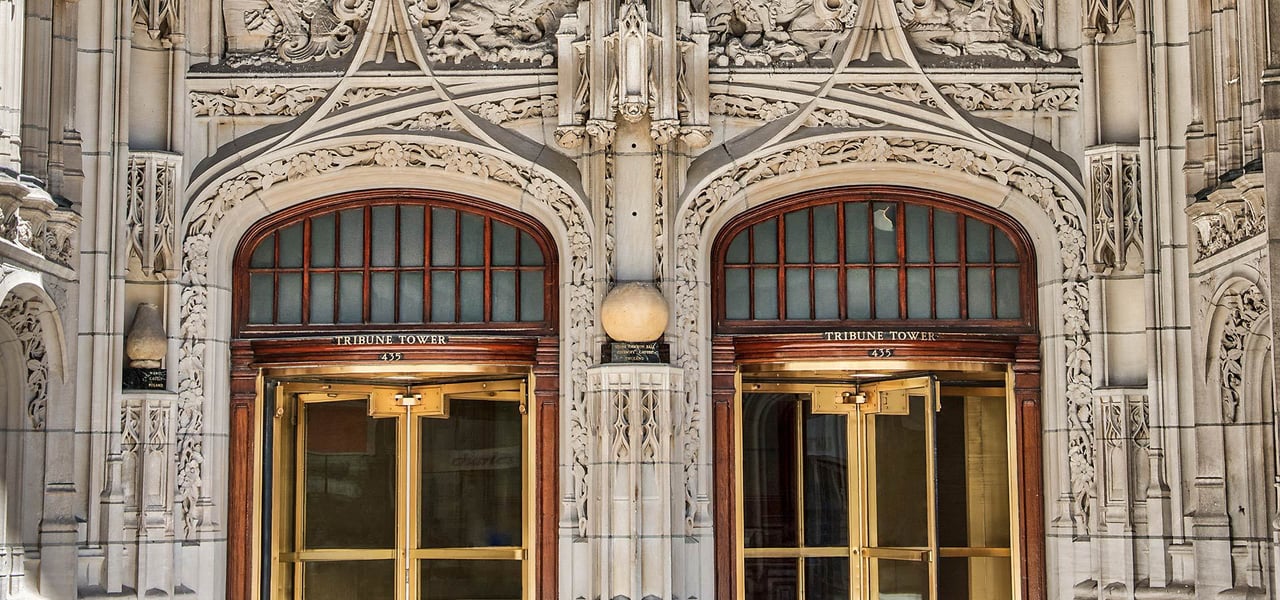
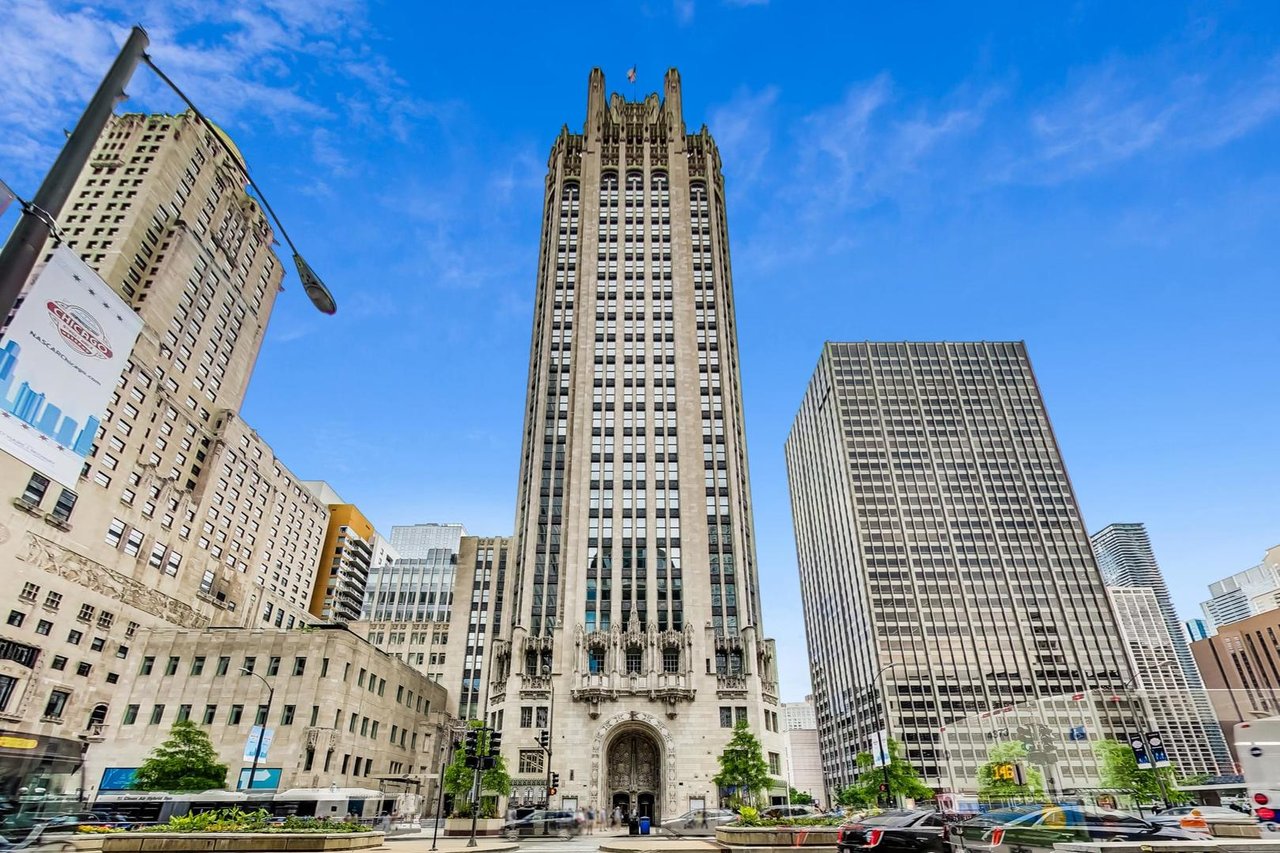
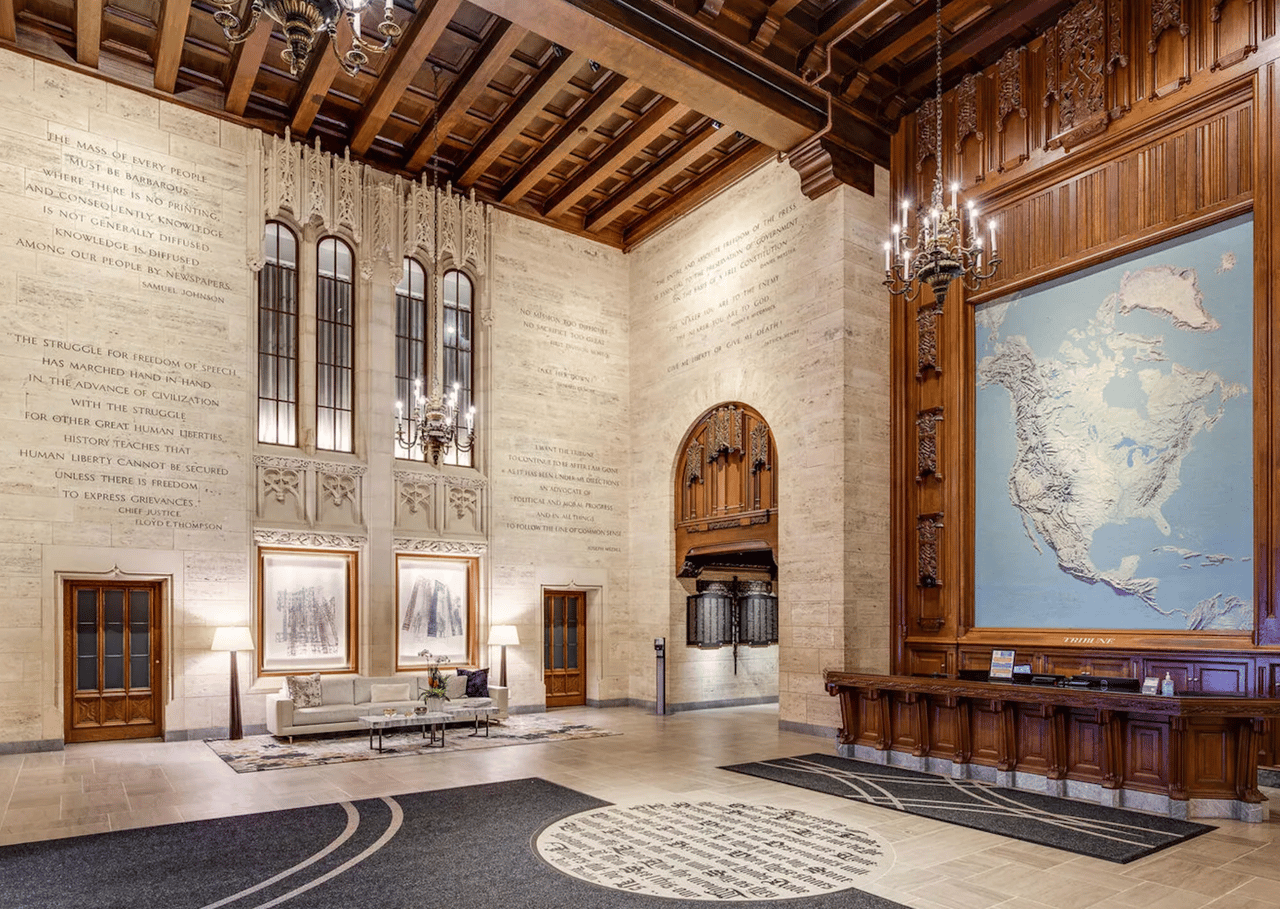
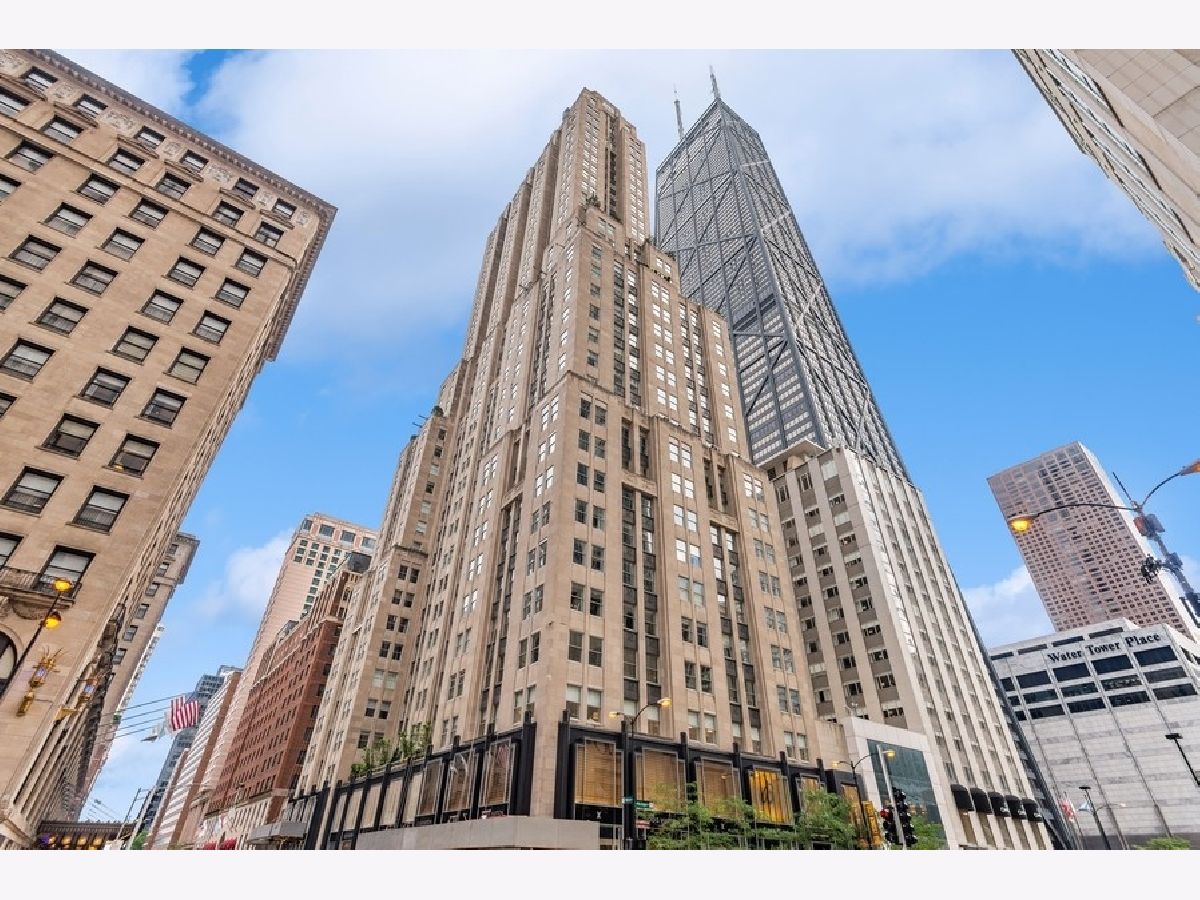
What buyers are purchasing at Tribune Tower is also not something that can realistically be recreated elsewhere in Chicago. The building itself is the draw.
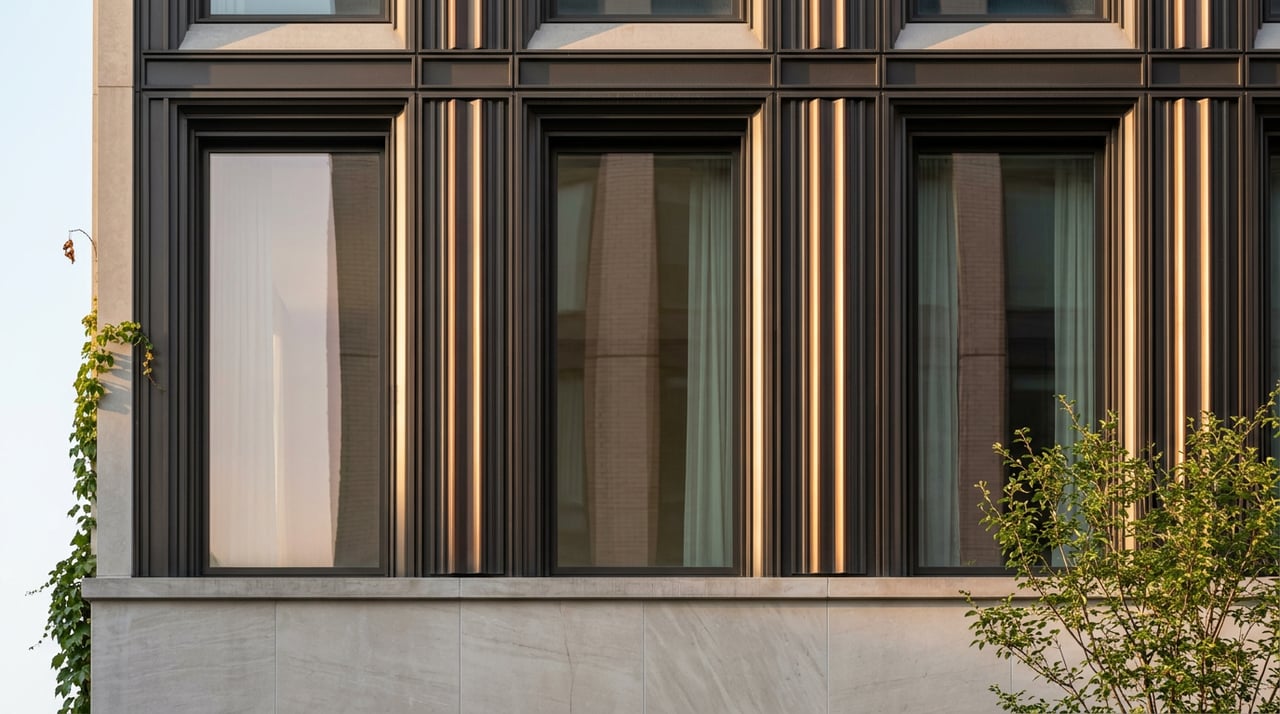
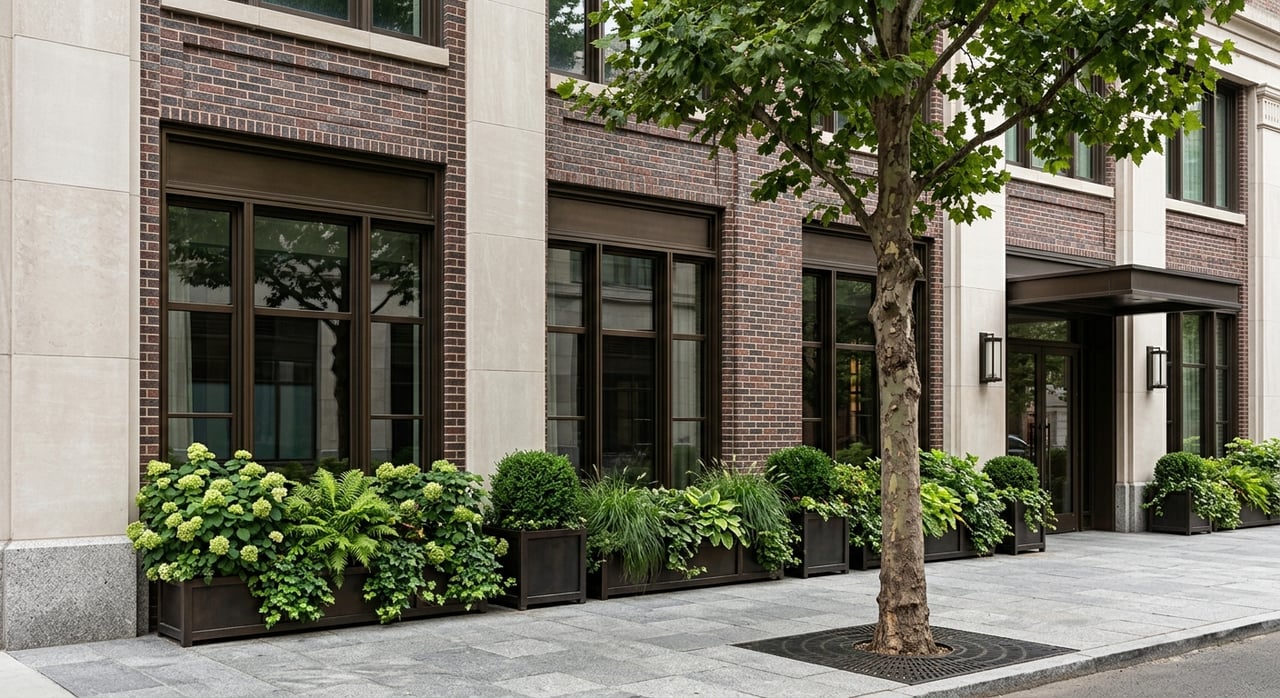
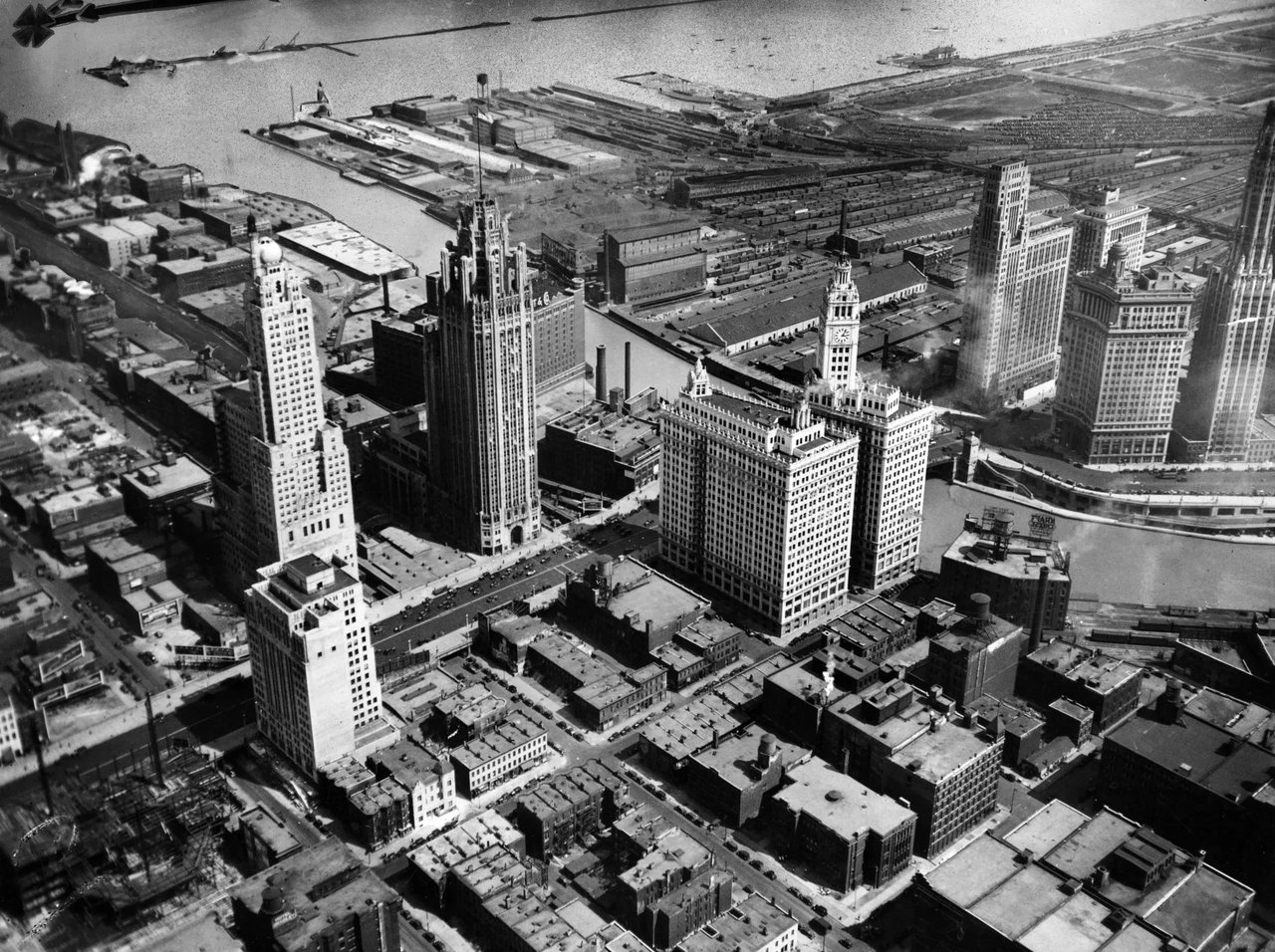
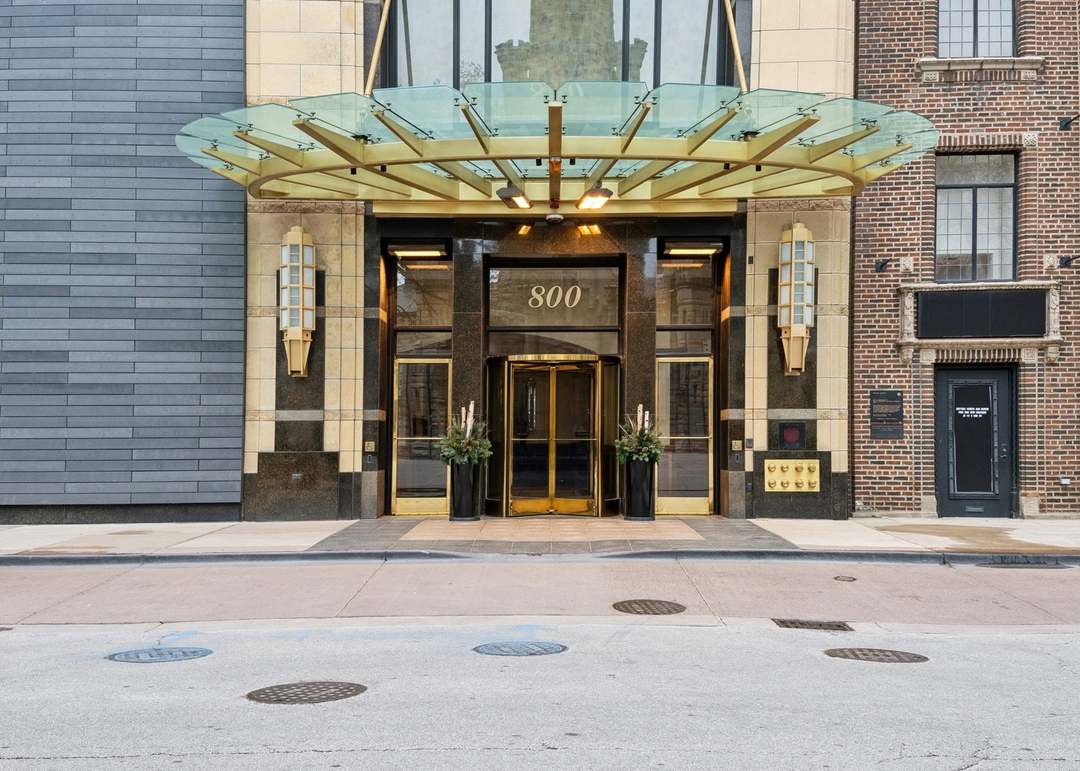
The artifacts embedded throughout the facade. The permanence of the architecture. The scale. The history attached to the structure itself.
People genuinely feel connected to the building when they walk through it.
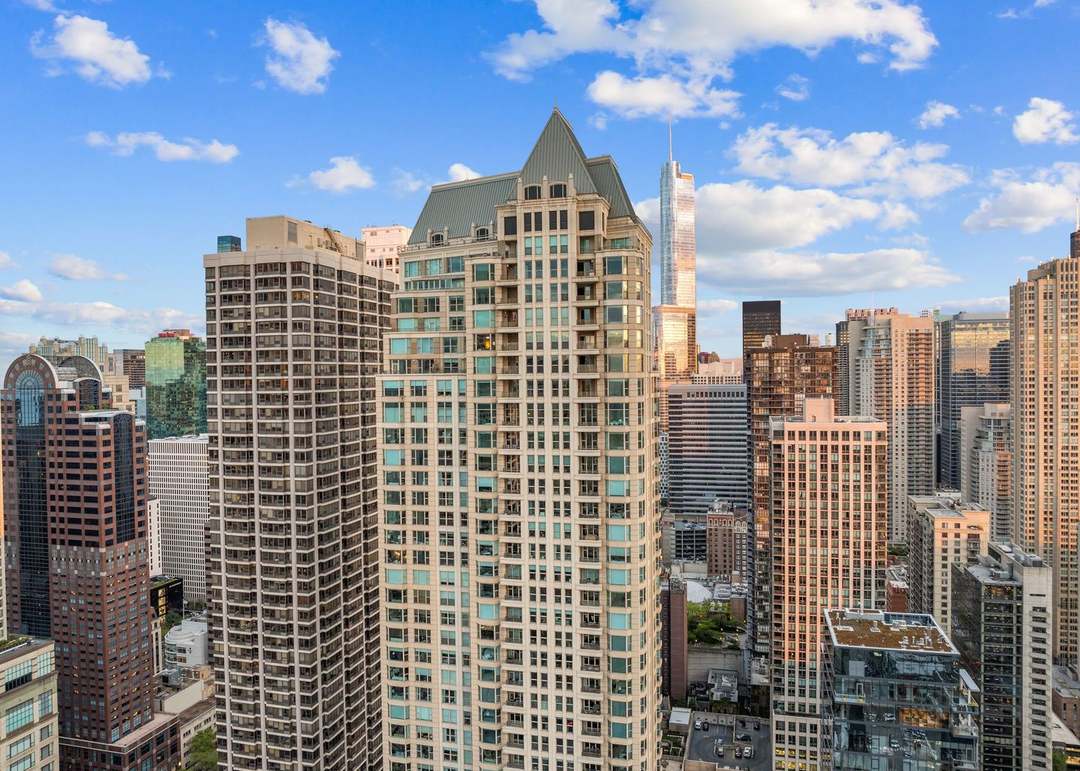
And don’t get me wrong, Chicago is fortunate to have some incredible luxury buildings. There is a lot of very good product throughout the city right now.
But there is just something different about Tribune Tower.
The building carries a sense of permanence that is difficult to replicate in more conventional luxury product. Buyers feel it almost immediately.
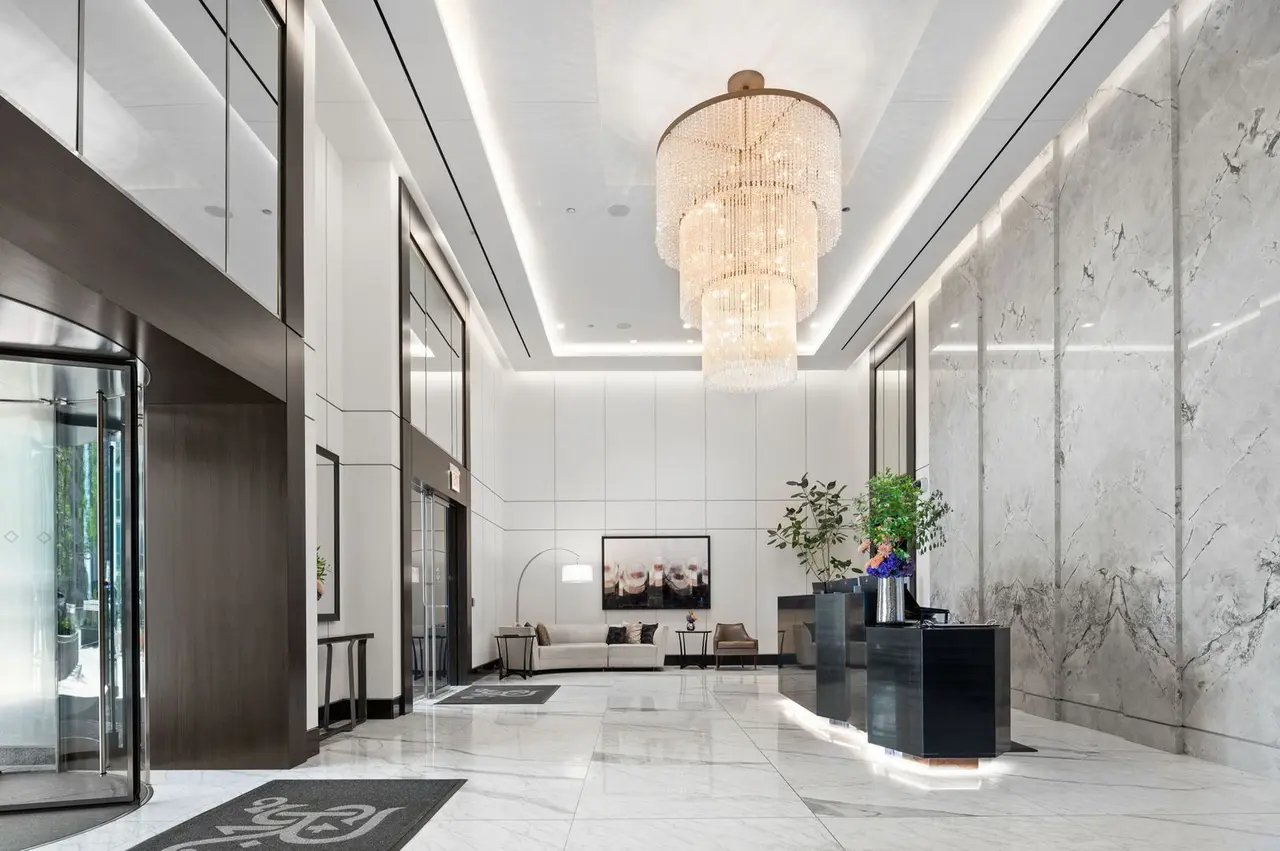
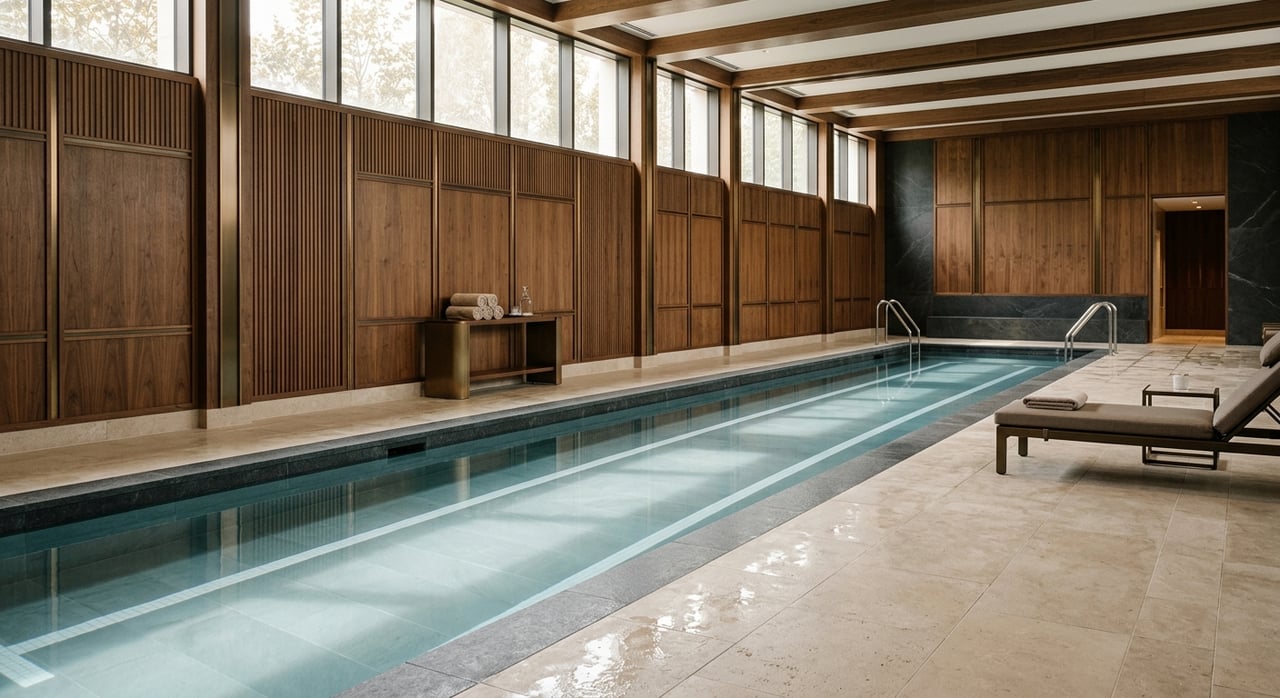
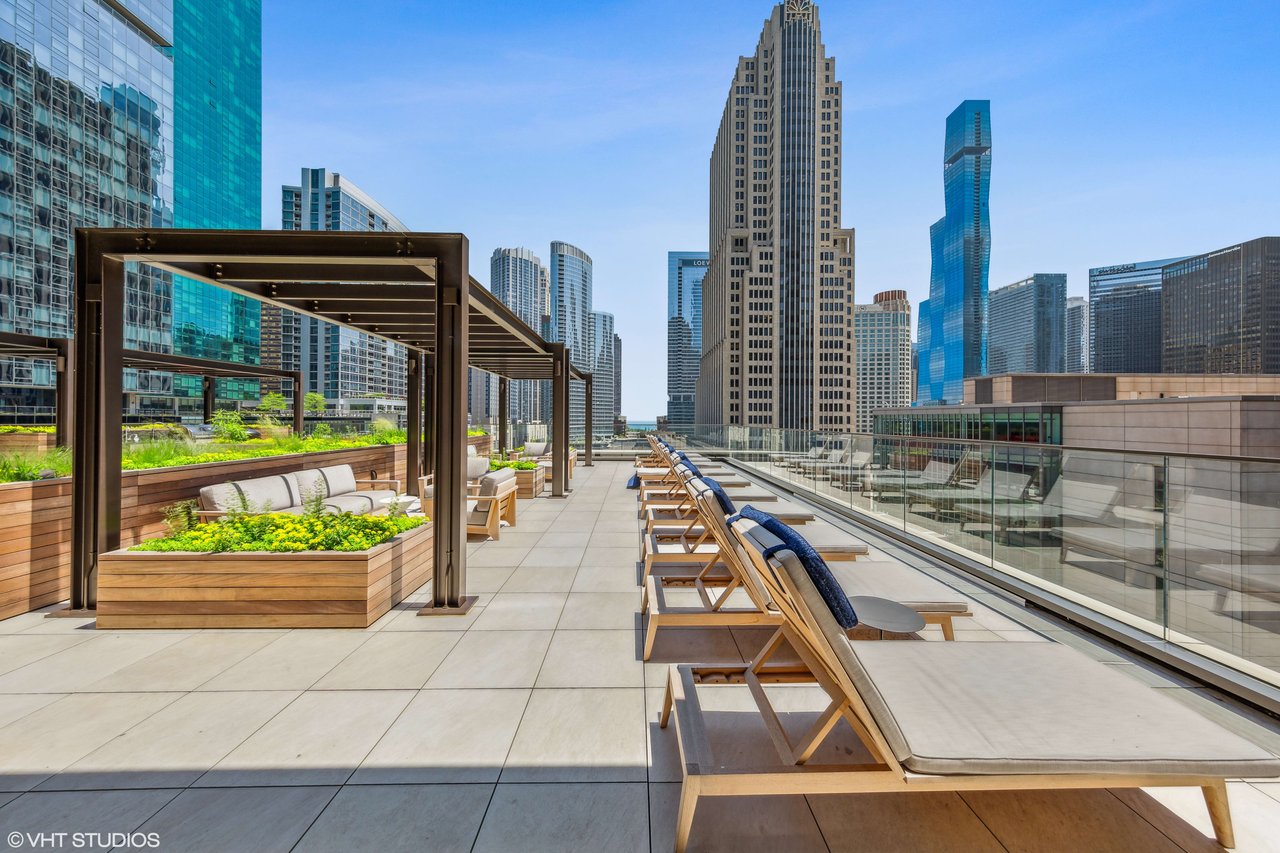
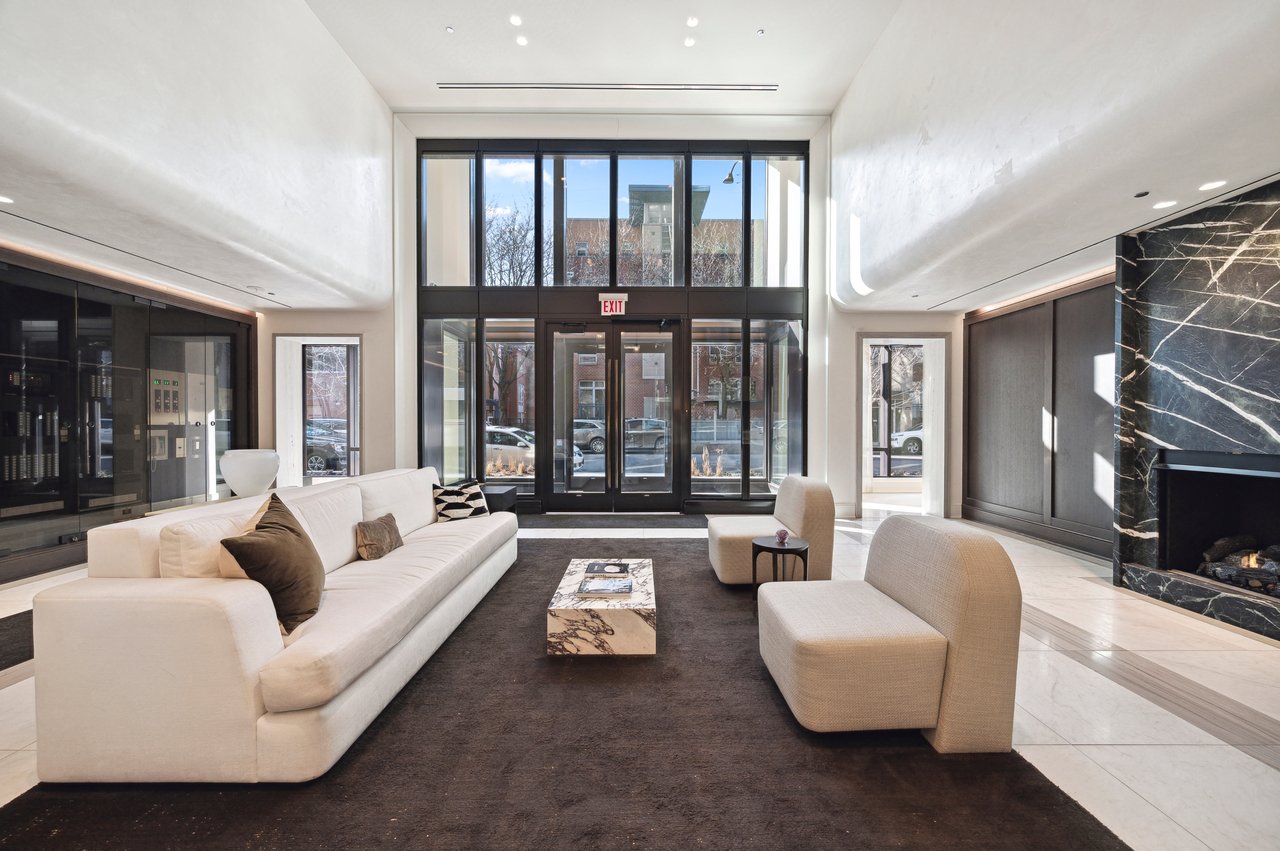
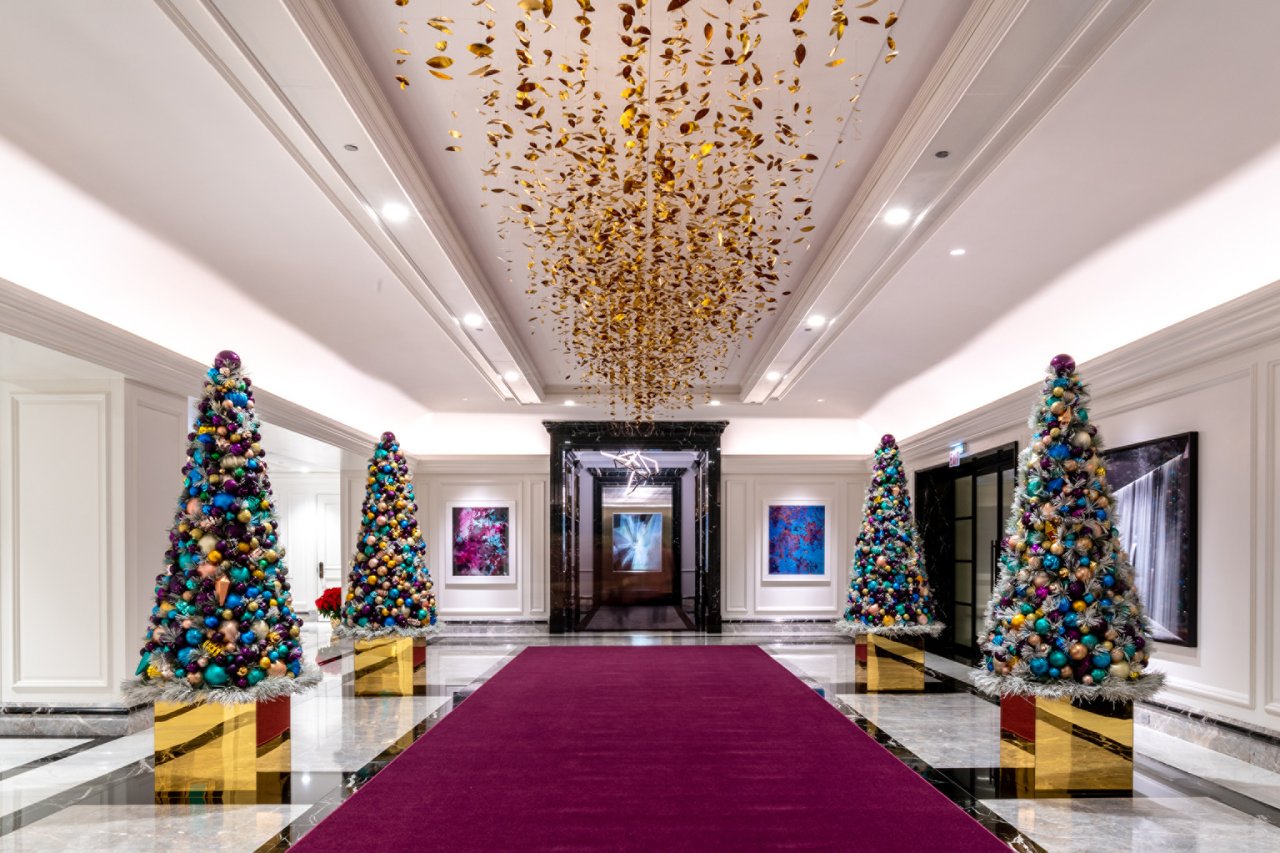
The amenities are exceptional, but that is not ultimately what creates the attachment people have to the building.
It is the feeling that the building mattered long before any of us arrived, and will continue to matter long after.
That is rare in residential real estate.
As more transactions occur within the building, I think we will continue to see the market differentiate more clearly between residences, particularly as developer inventory continues to disappear and the resale market becomes more established.