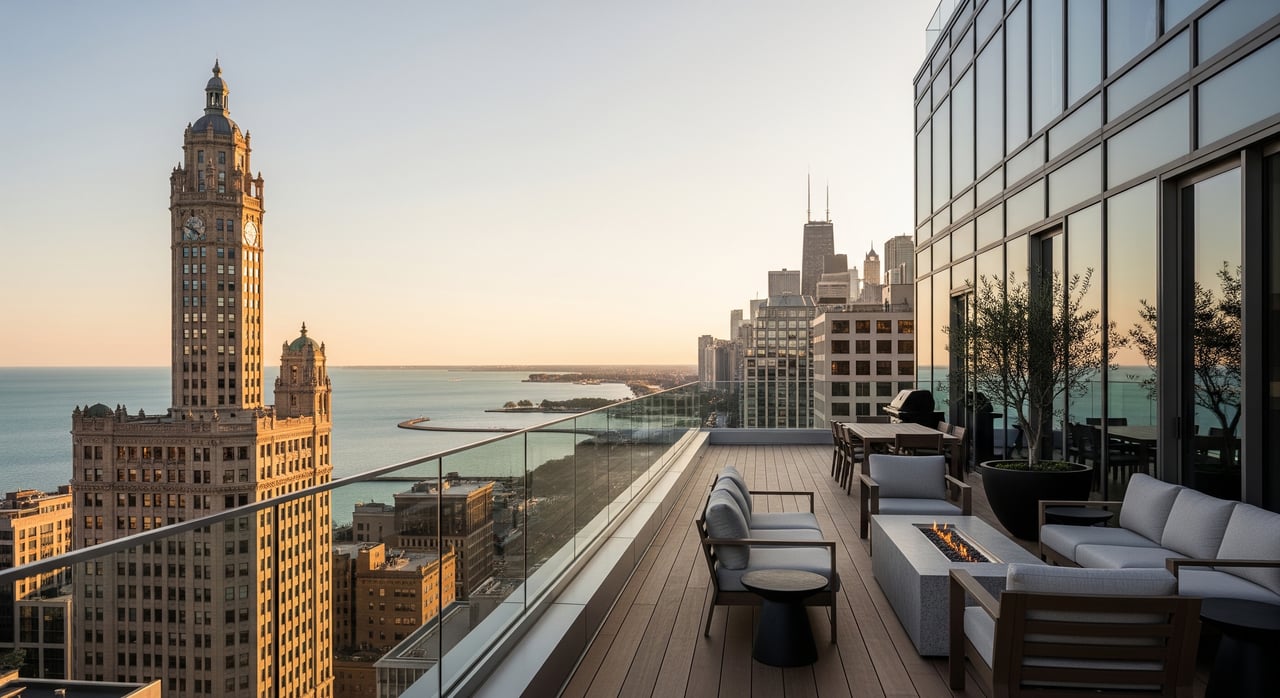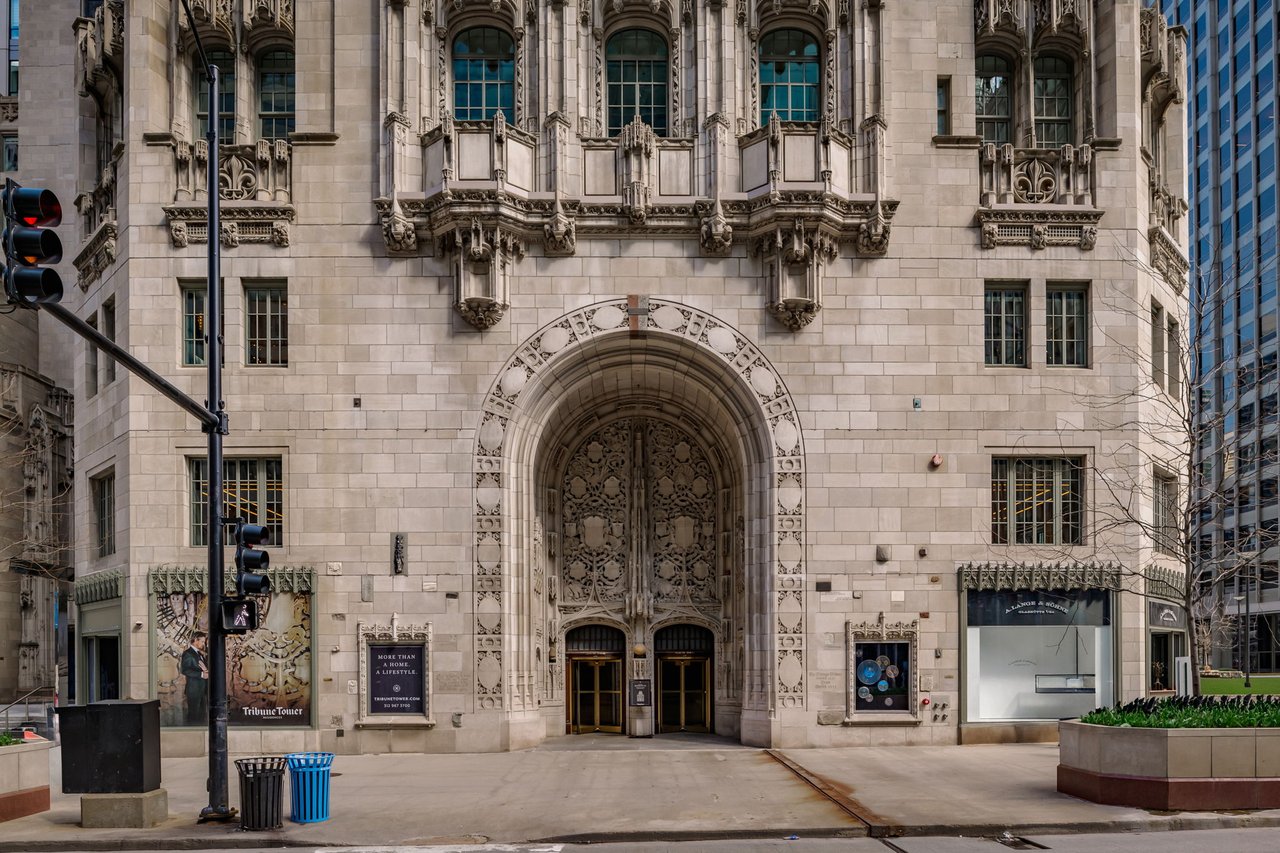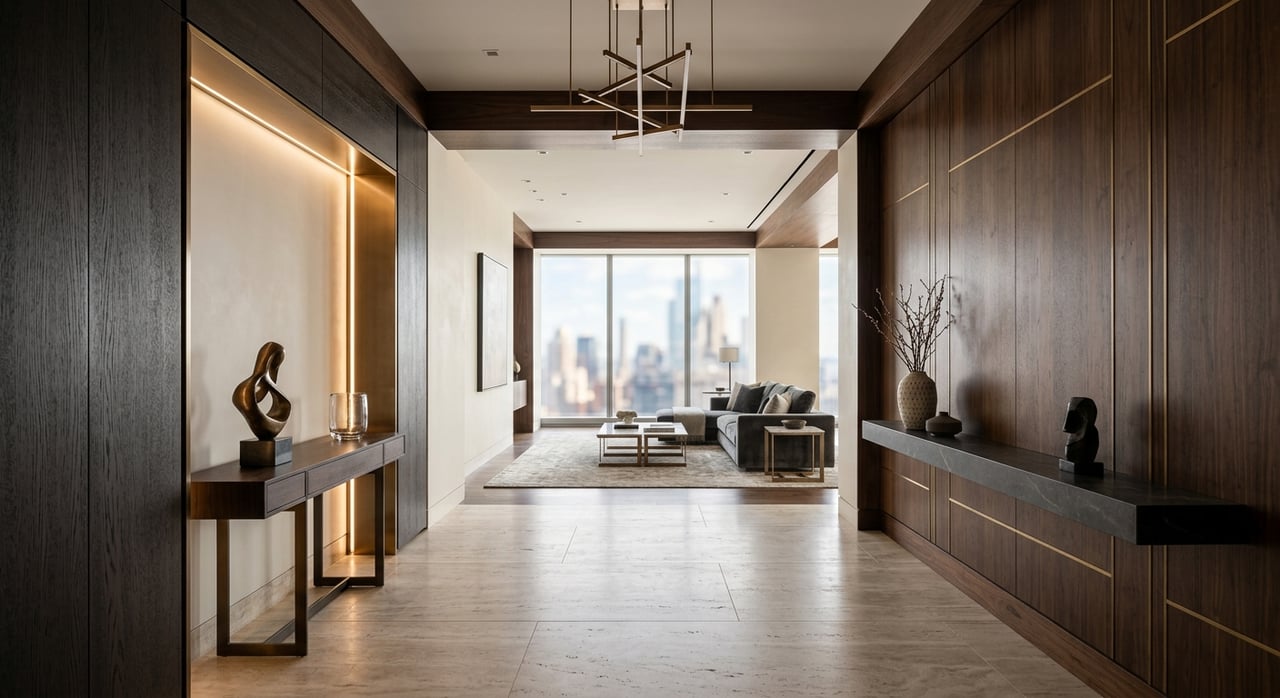
A true lock-and-leave home should make city ownership feel simple, not like another job. If you want a downtown Chicago base that is polished, central, and supported by hotel-style services, Trump International Hotel & Tower Chicago stands out for a reason. The right unit can give you a comfortable place to land with less day-to-day friction, but the details matter. Let’s look at how Trump Tower condos can work as a lock-and-leave base and what you should weigh before you buy.
Why Trump Tower Fits Lock-and-Leave Living
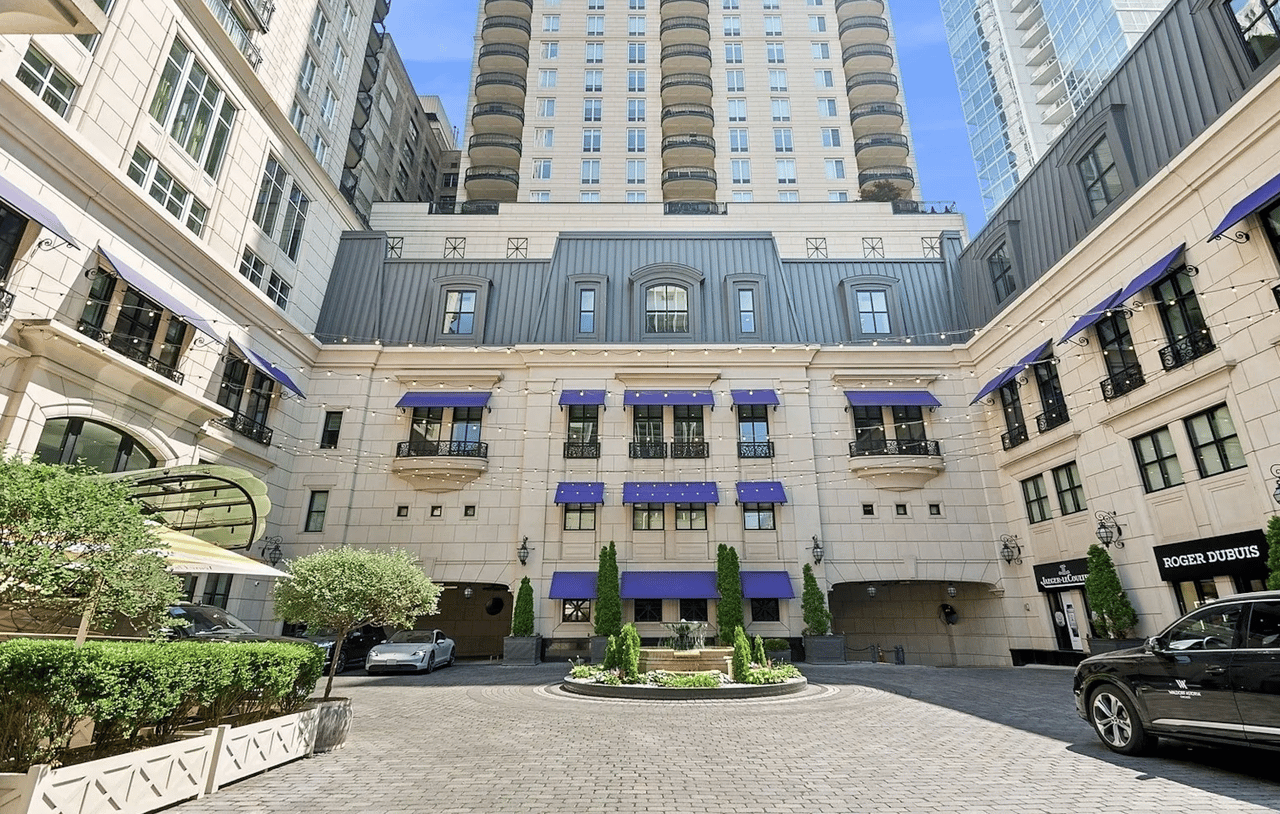
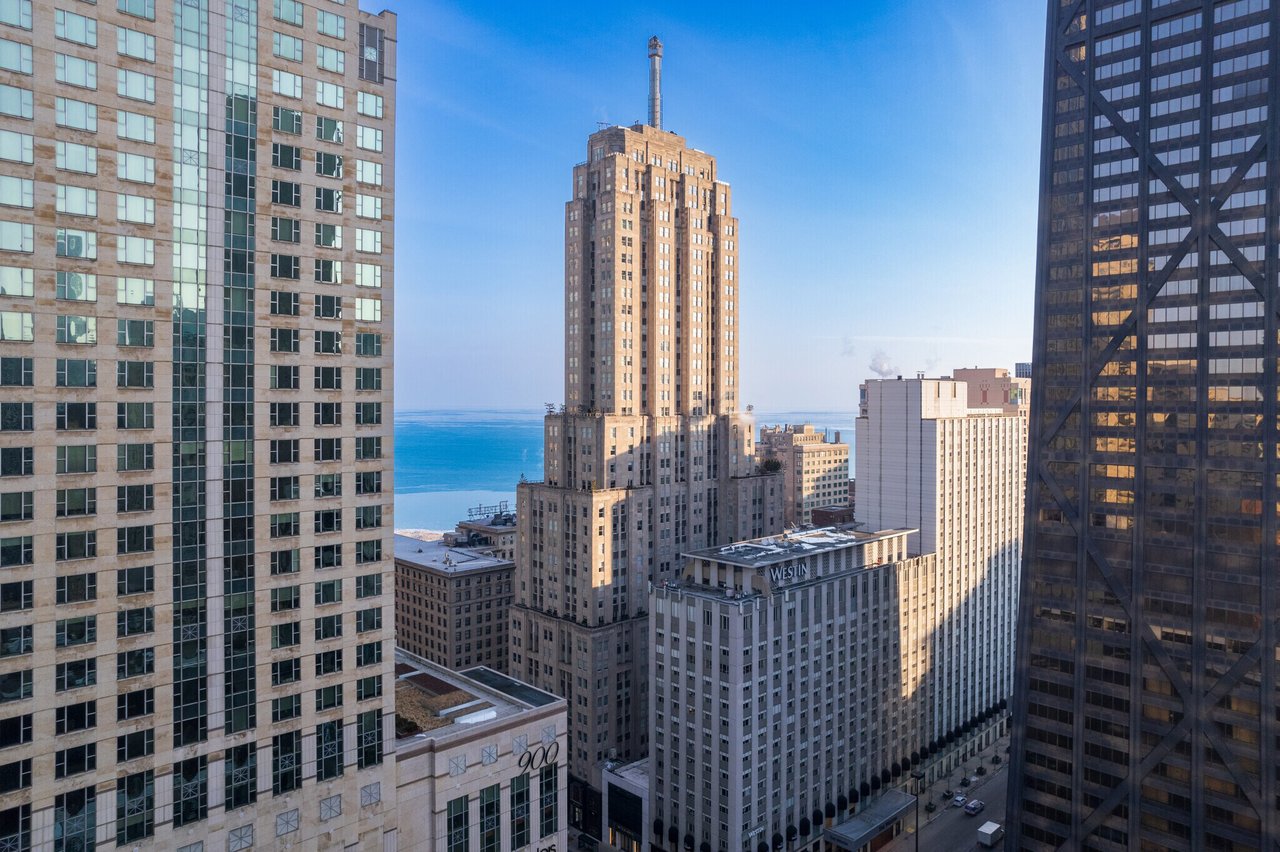
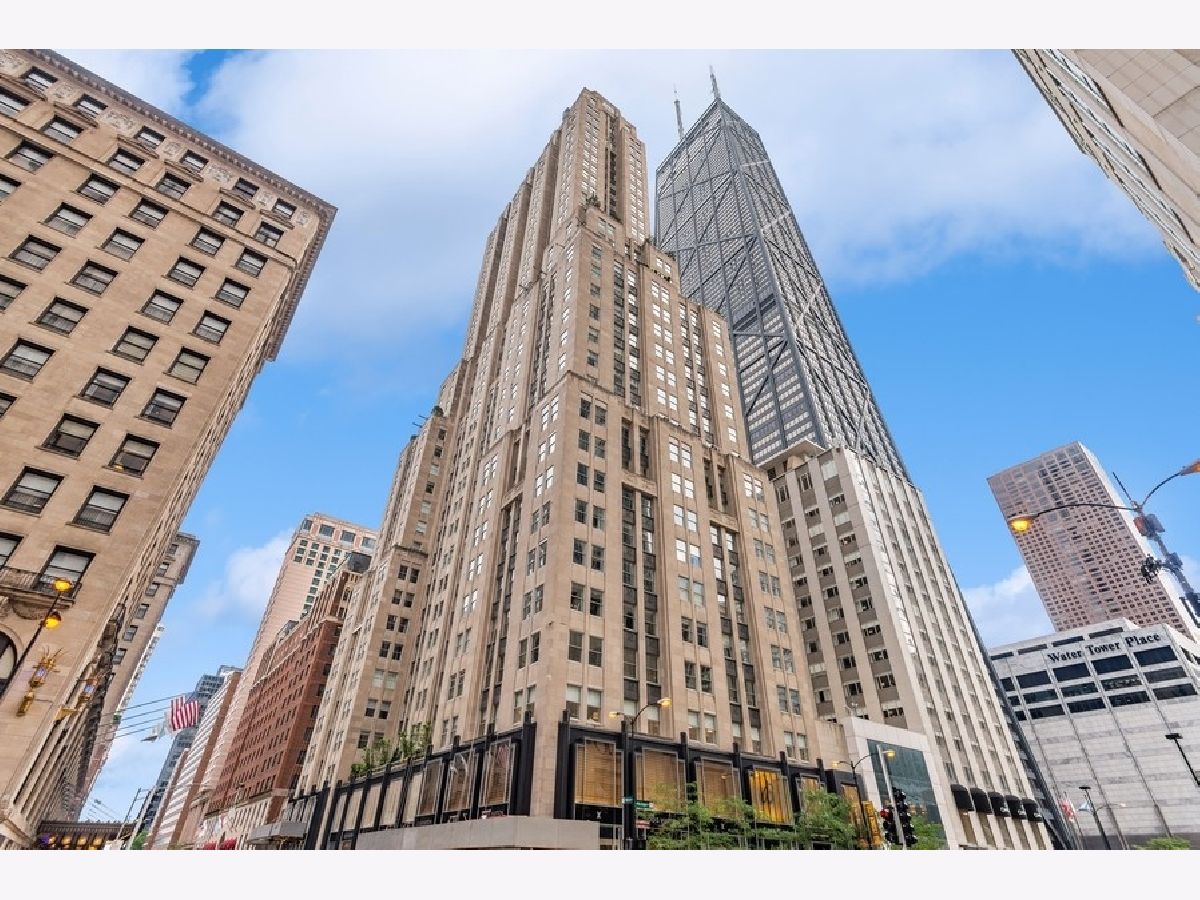
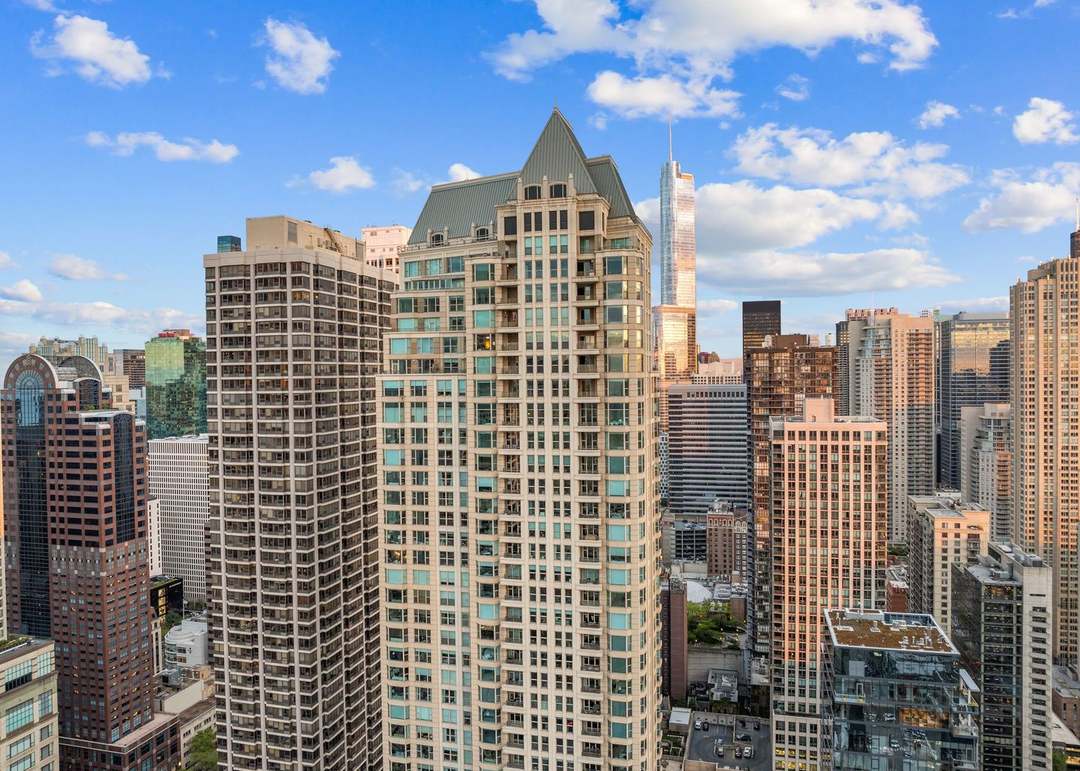
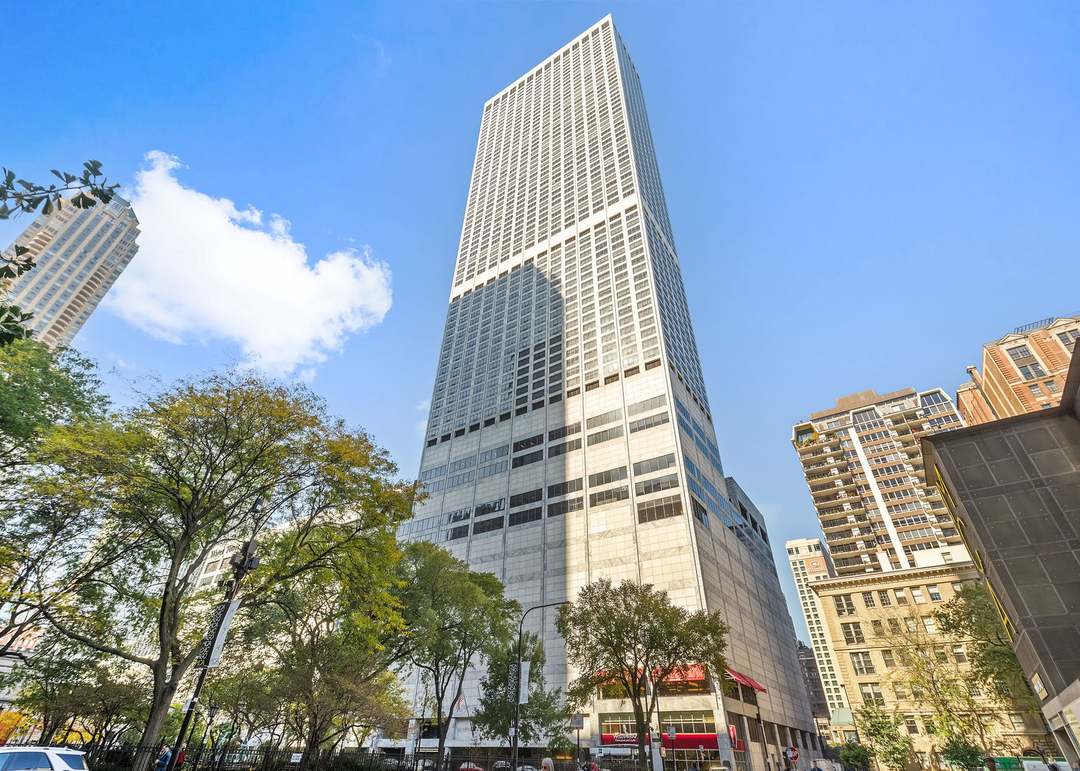
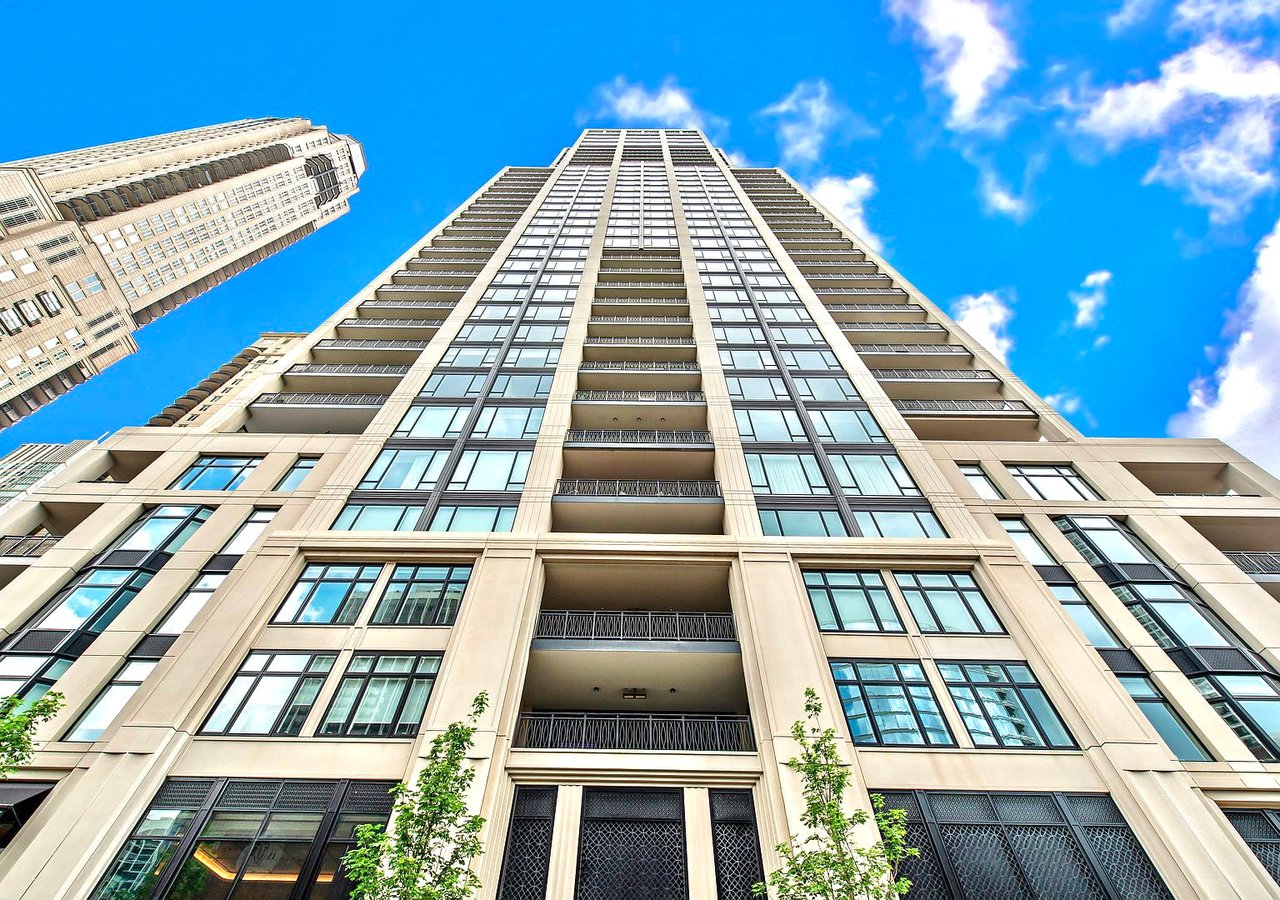
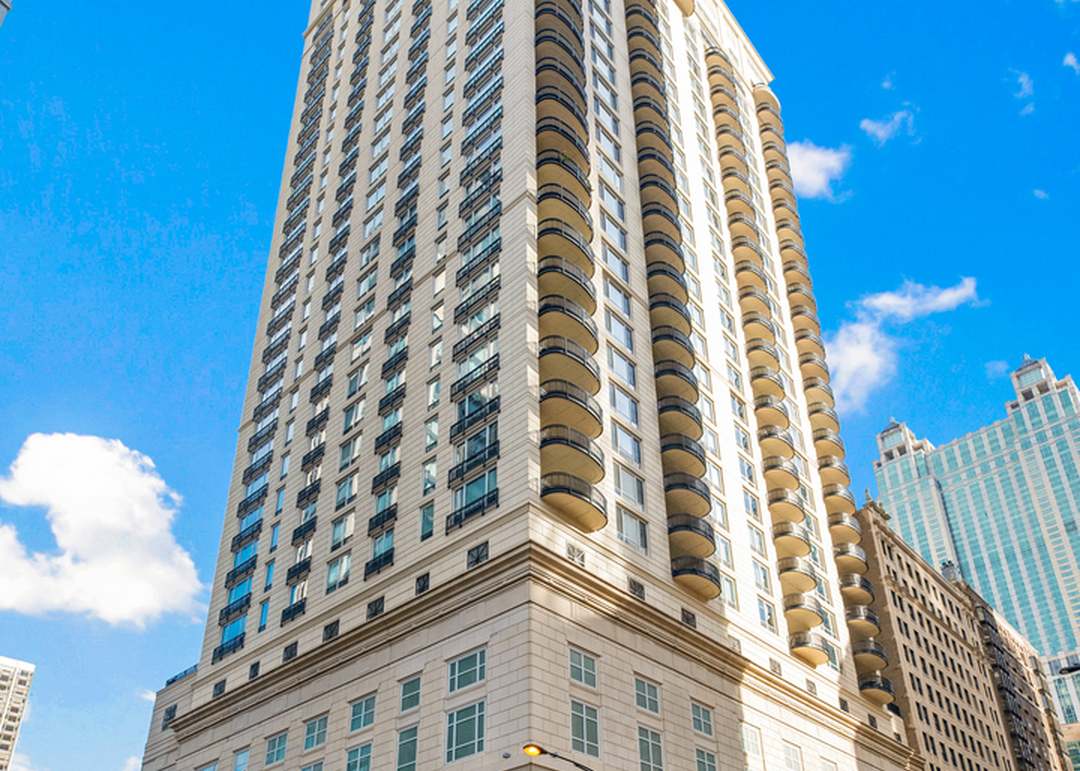
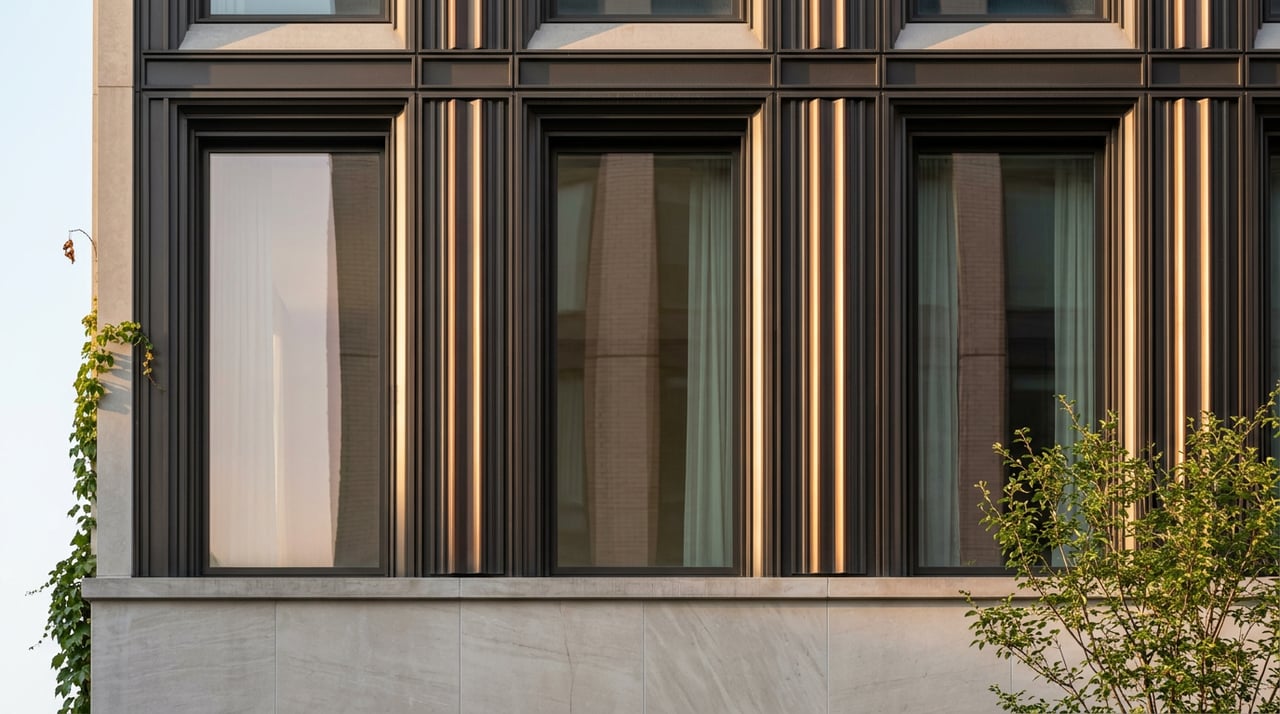
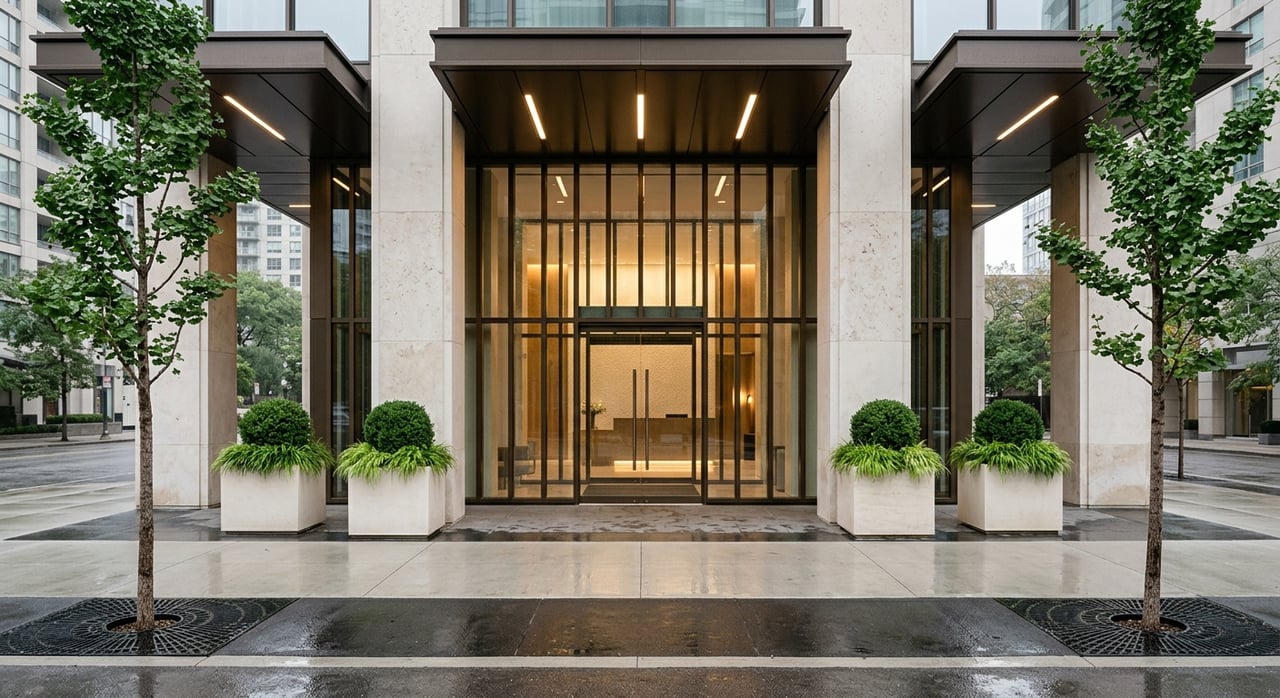
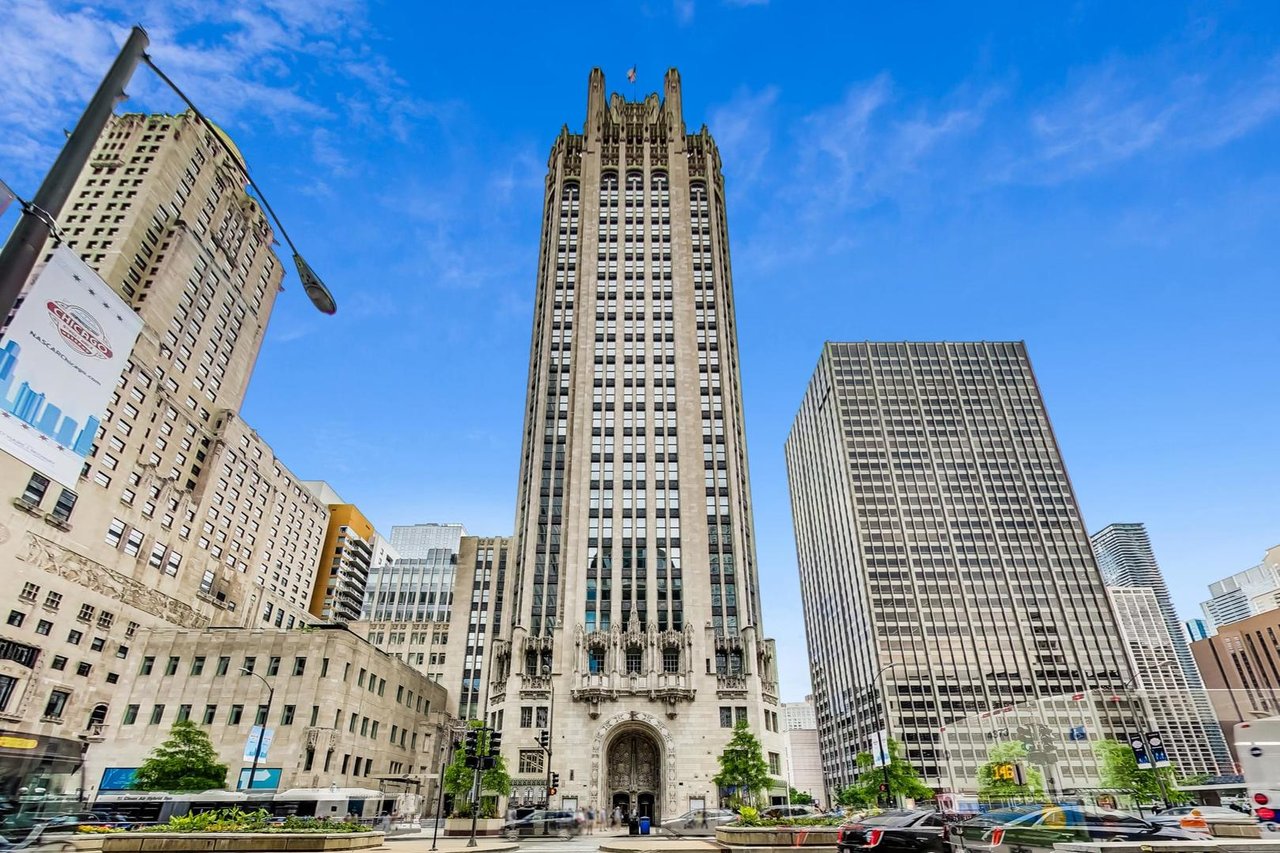
Trump International Hotel & Tower Chicago is at 401 N. Wabash Avenue along the Chicago River. The tower includes a hotel and conference component on lower floors and residential condominium homes above, with residences ranging from studios to five-bedroom penthouses.
That mix matters if you are shopping for a part-time city home. This is not a purely residential setup. Some homes are traditional residential condos, while some units are part of the hotel-condo offering, which makes the building naturally suited to pied-à-terre use, longer stays, and certain hybrid ownership strategies.
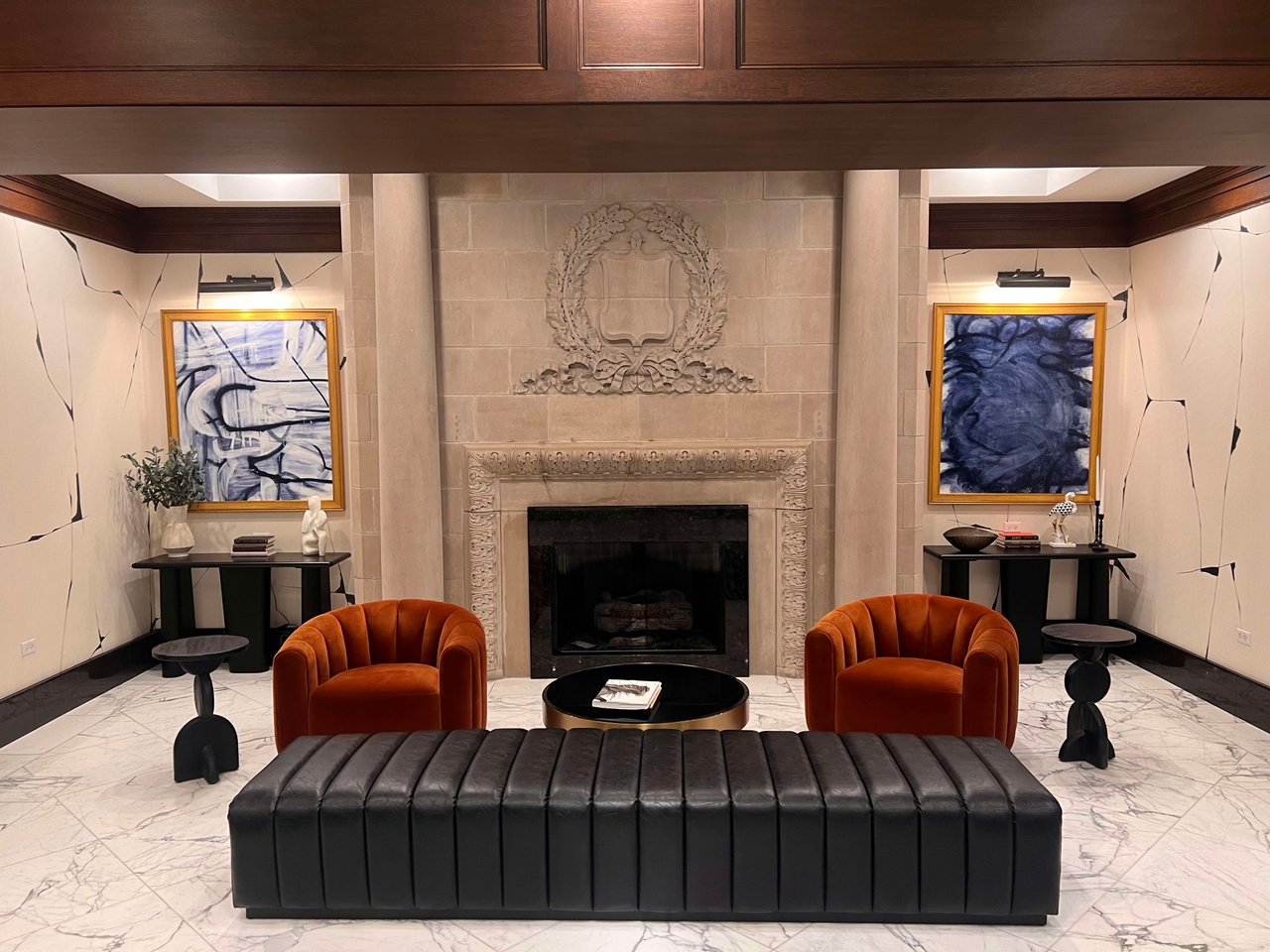
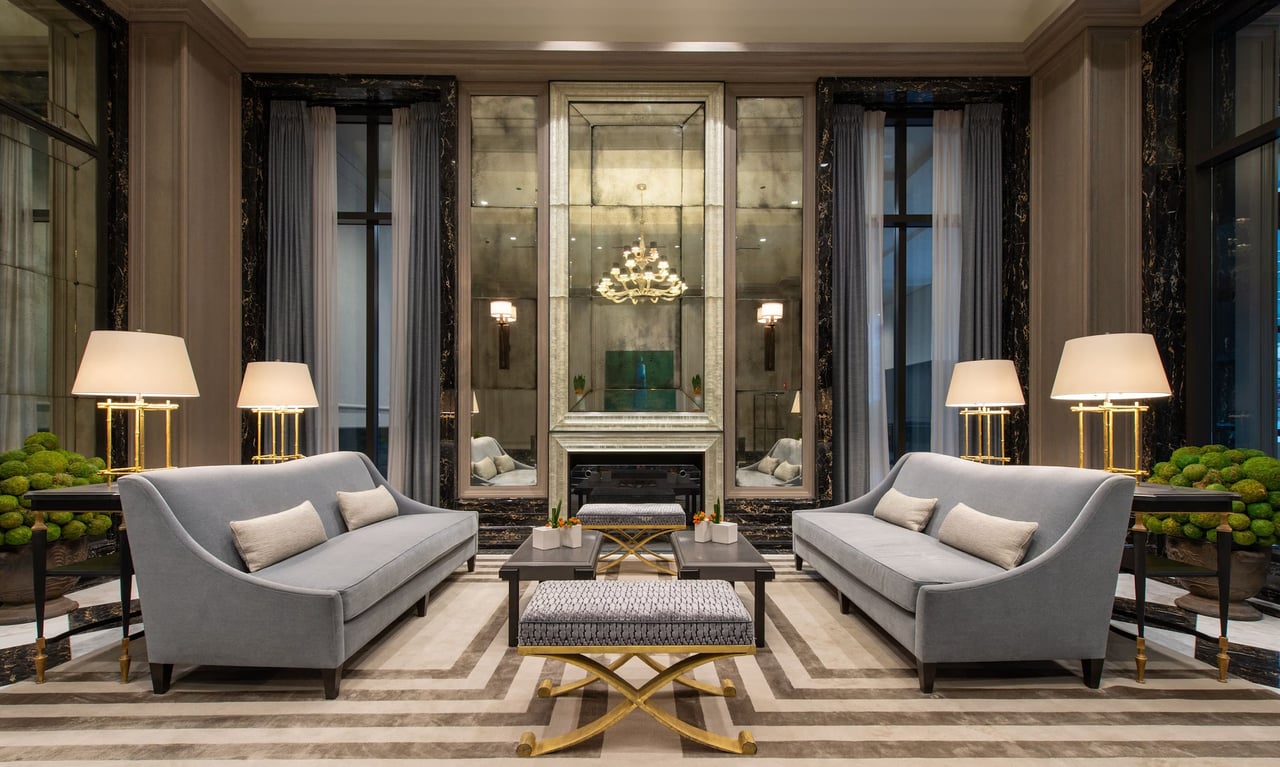
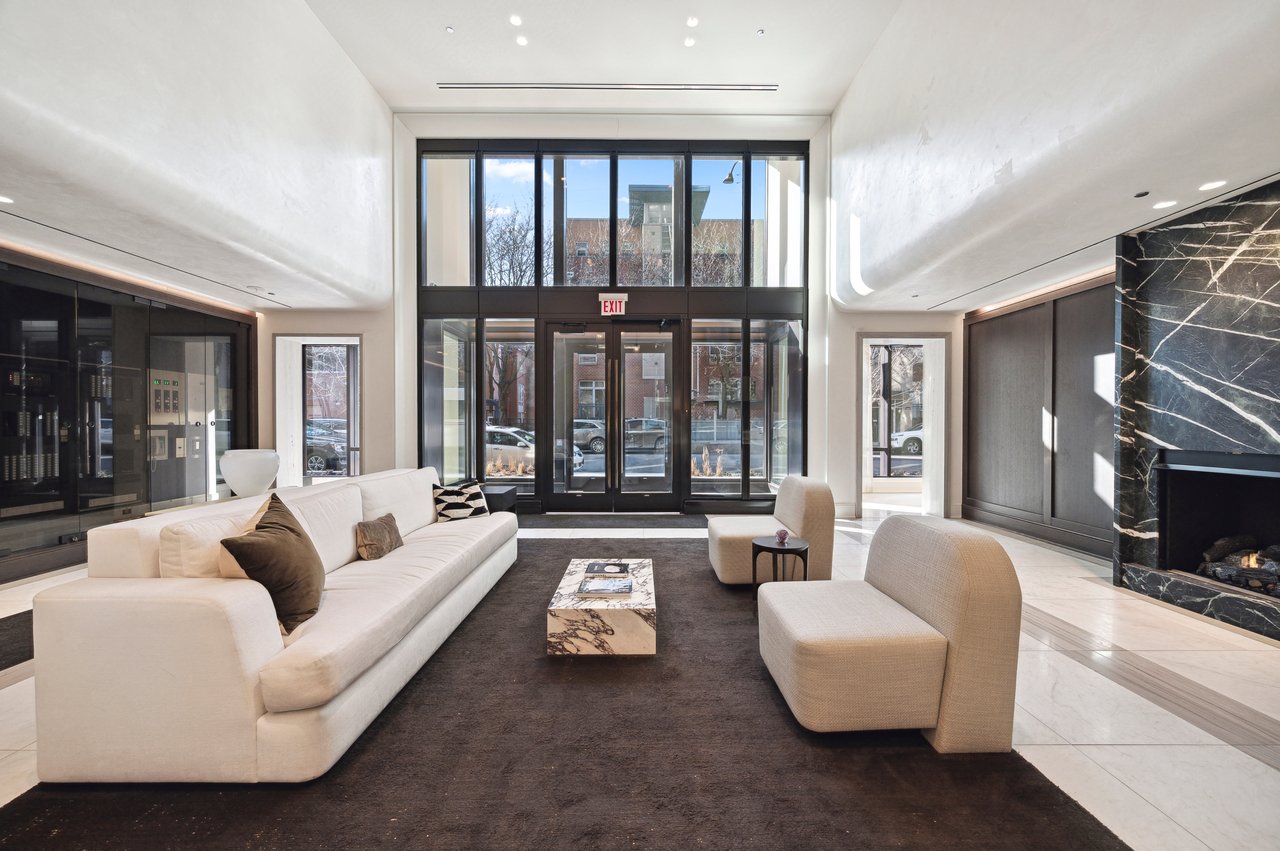
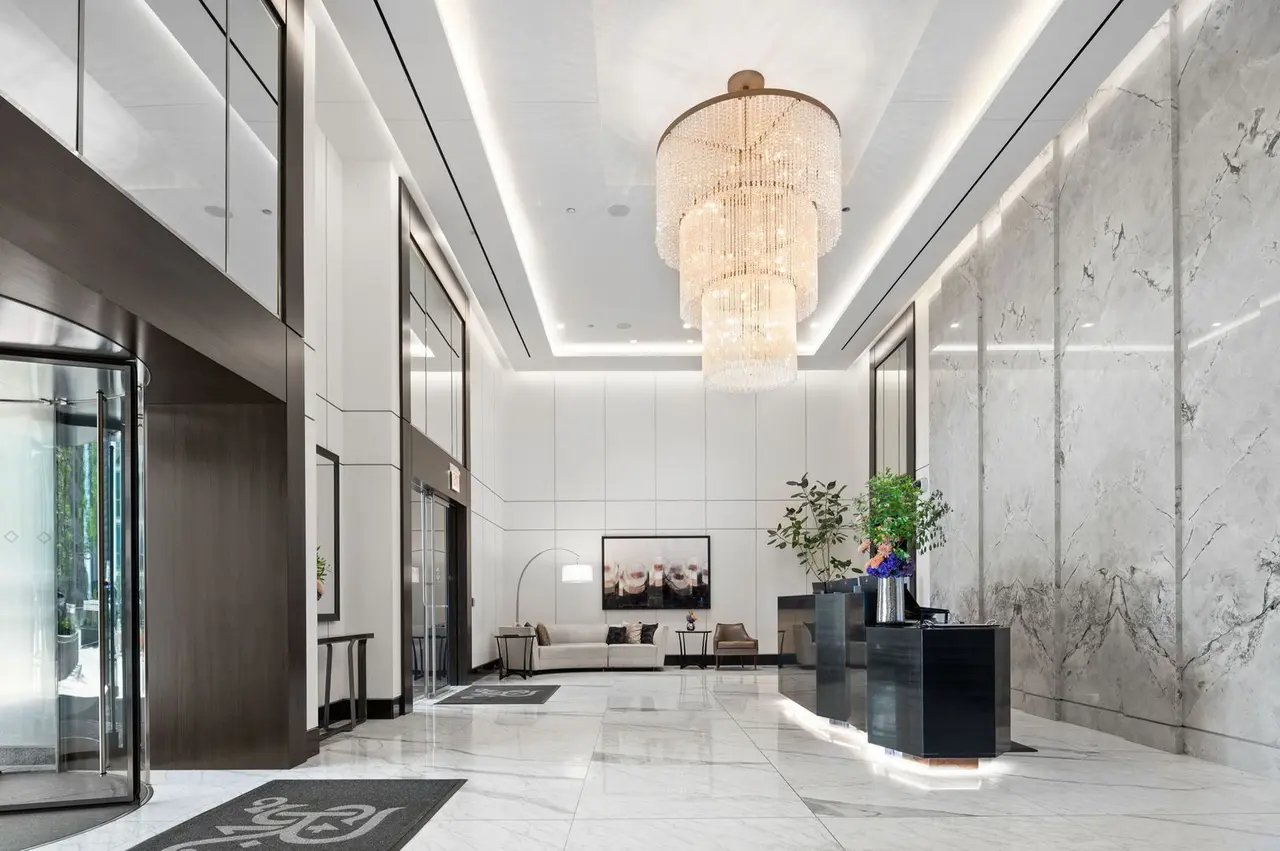
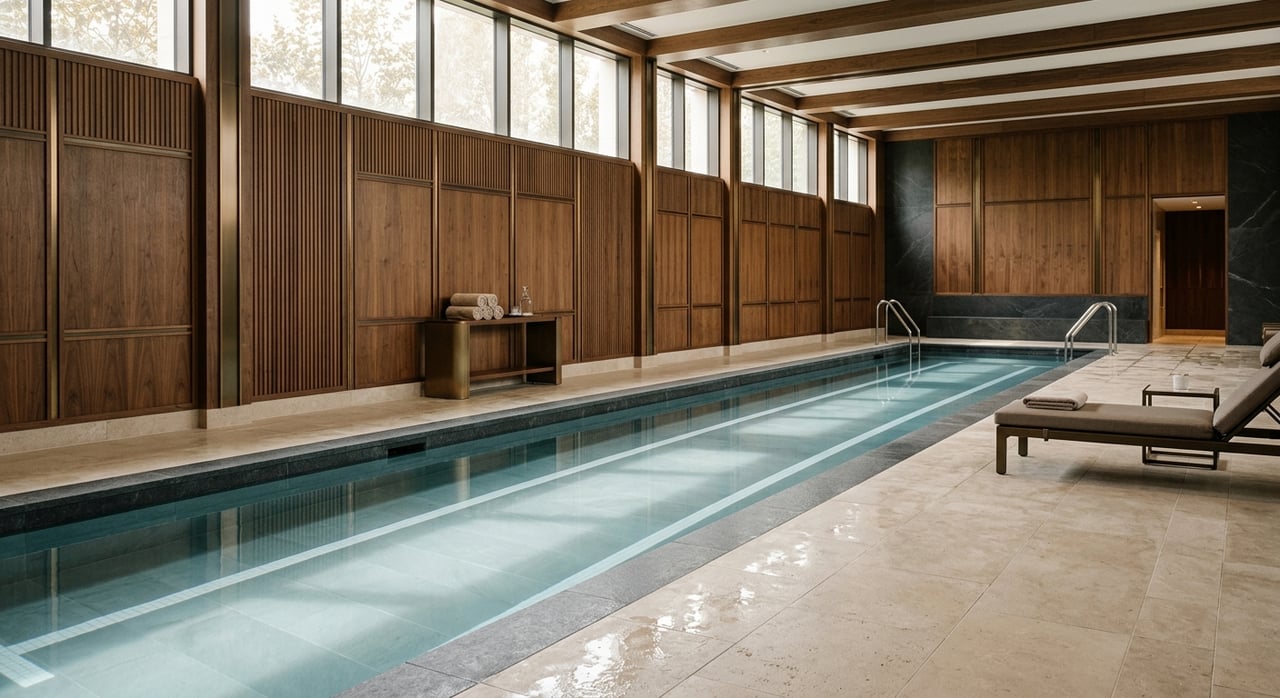
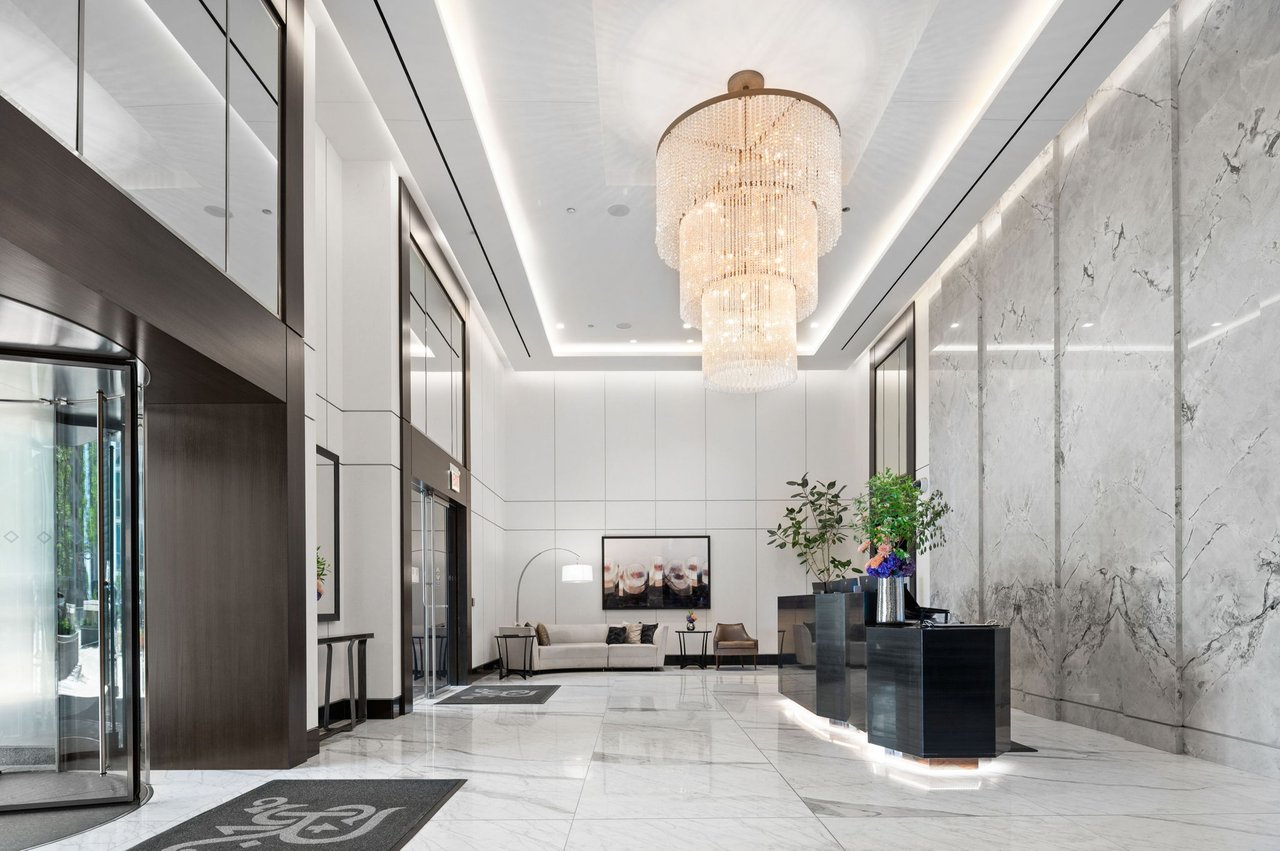
The building’s amenity package is a major part of the appeal. Publicly advertised features include around-the-clock doormen, concierge service, housekeeping, a private entrance, deeded parking, a 75-foot indoor pool, spa and health club access, plus on-site dining options including Sixteen and ReBar.
For you as an owner, that service environment can reduce the hassle that often comes with maintaining a second residence. You are not just buying square footage. You are buying into a building designed around convenience, support, and a more turnkey ownership experience.
What “Lock-and-Leave” Really Means Here
A lock-and-leave base usually works best when your home is easy to arrive at, easy to secure, and easy to enjoy on short notice. Trump Tower checks many of those boxes because the building offers a high level of staffing and shared services.
That said, not every unit in the tower works the same way. Because the building includes both residential condo product and hotel-condo product, the ownership experience can vary by unit type, association structure, furnishing level, and carrying costs. This is one of those buildings where unit-level due diligence is especially important.
If you travel often, split time between cities, or want a polished Chicago landing spot without the upkeep of a larger home, the building can be a strong match. It can also appeal if you want a home that feels finished and ready to use rather than a space that needs extensive setup after closing.
Unit Types That Best Match Part-Time Use
The current public market shows a wide unit mix, but the most common offerings tend to be studios, one-bedrooms, and two-bedrooms. Public listings have shown studios around 580 to 713 square feet, one-bedrooms around 923 to 1,419 square feet, one-bedroom-plus-den layouts around 1,324 square feet, and two-bedrooms around 1,504 to 2,146 square feet.
Larger three-bedroom homes and penthouses also exist, including listings above 3,000 square feet and one penthouse over 14,000 square feet. Those residences are far more specialized and tend to function more like trophy inventory than the everyday resale opportunities you see in smaller tiers.
For most lock-and-leave buyers, the smaller and mid-size homes are often the most practical fit. They are typically easier to furnish, easier to maintain, and more aligned with the way many part-time owners actually use a city base.
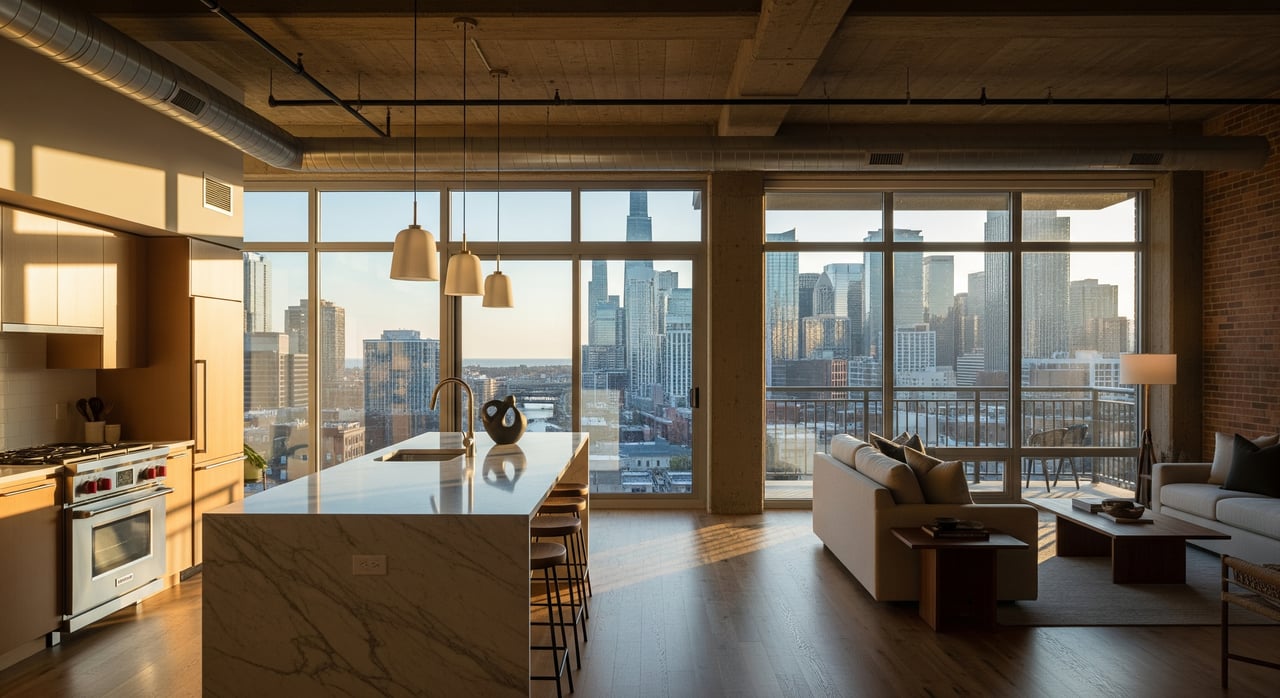
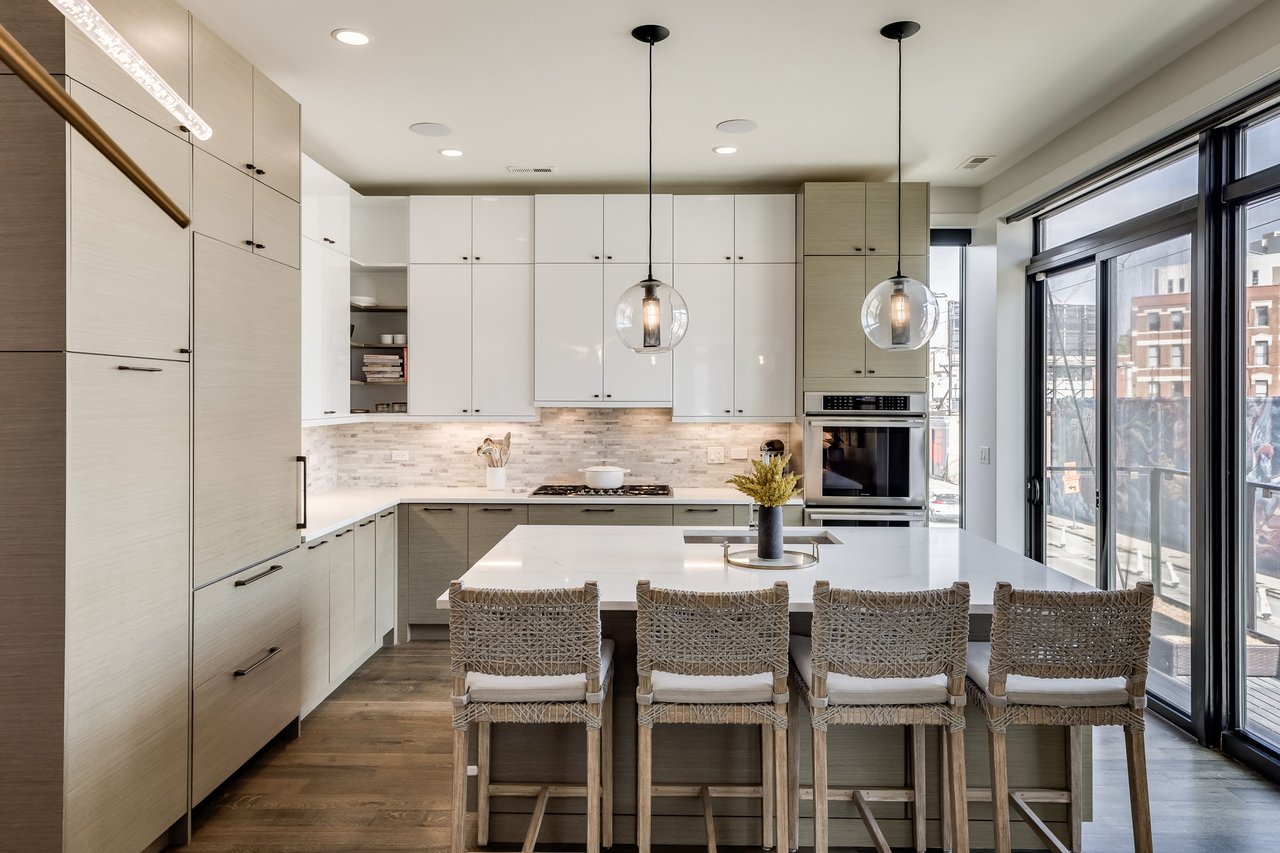
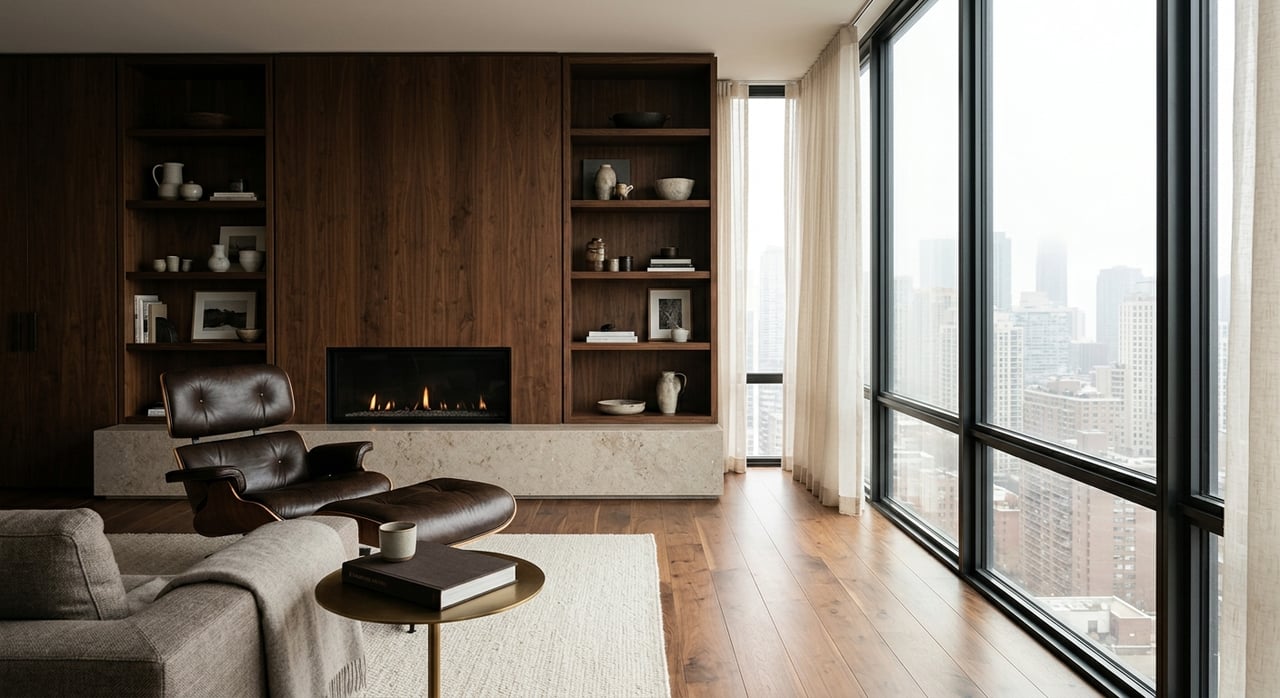
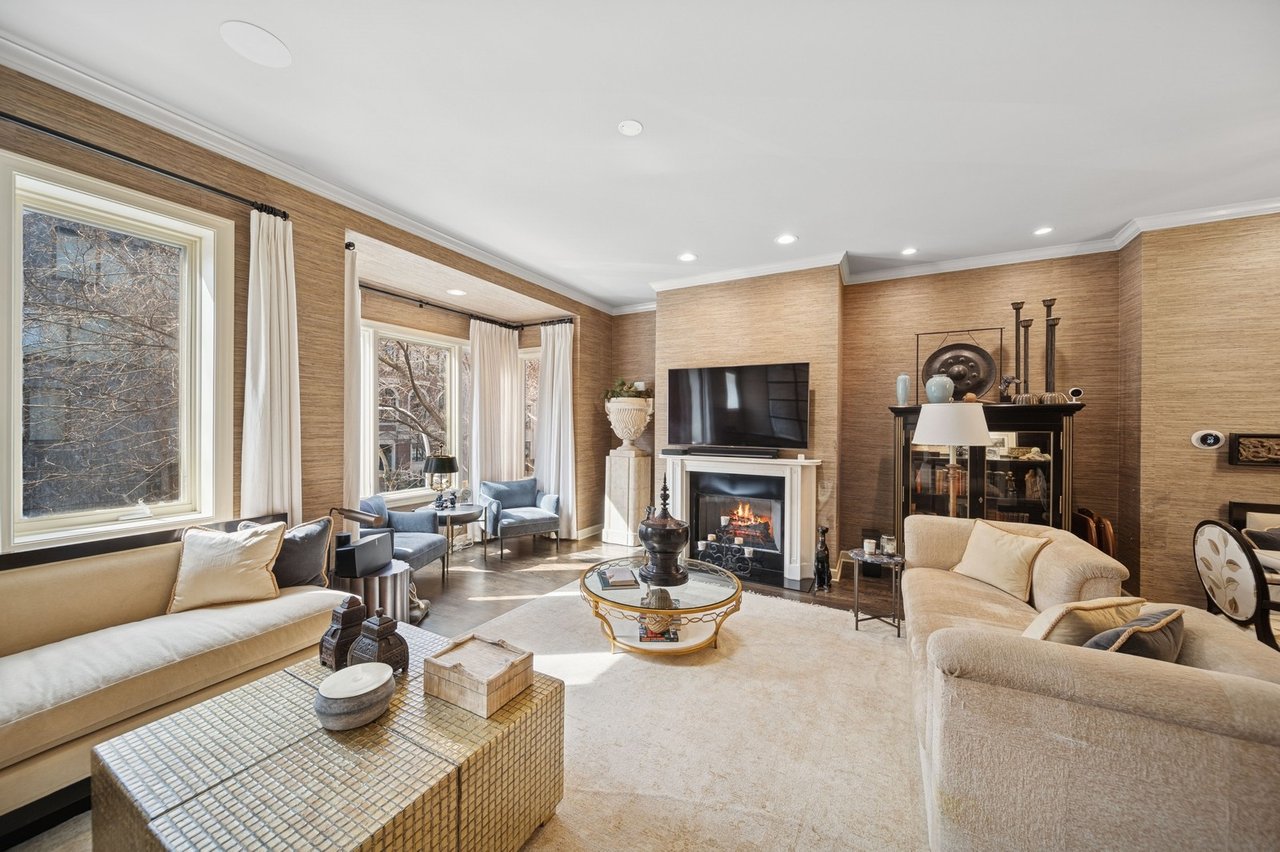
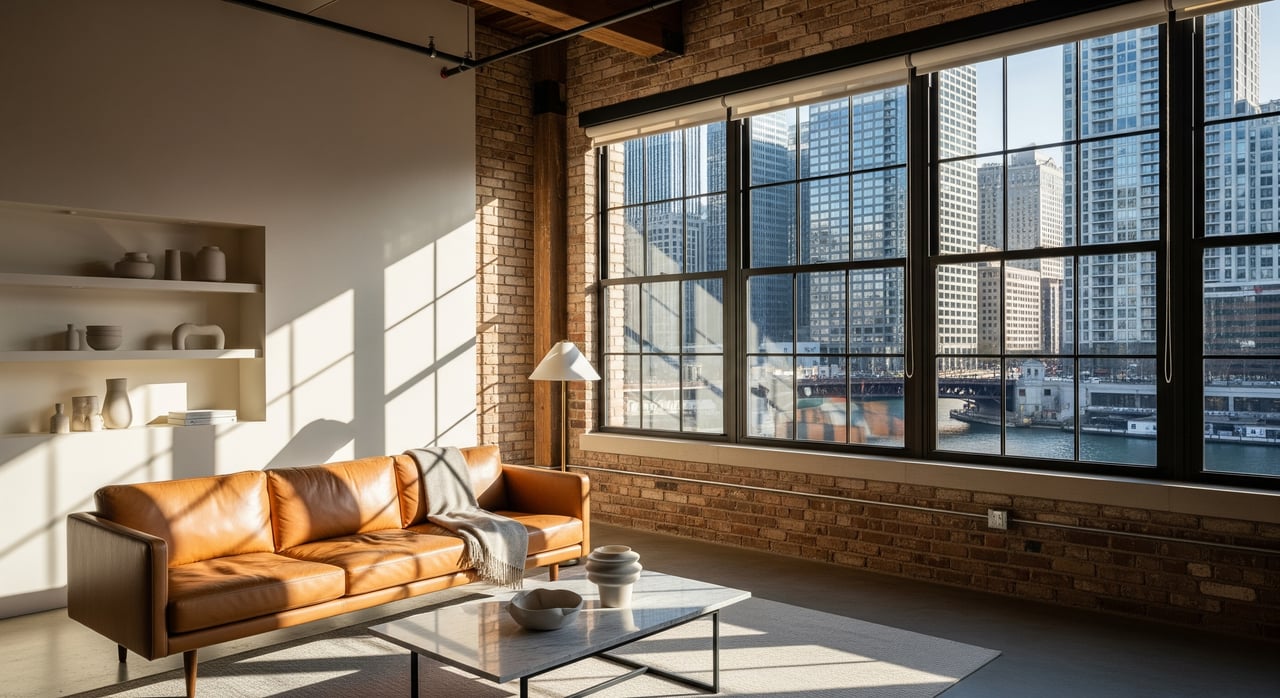
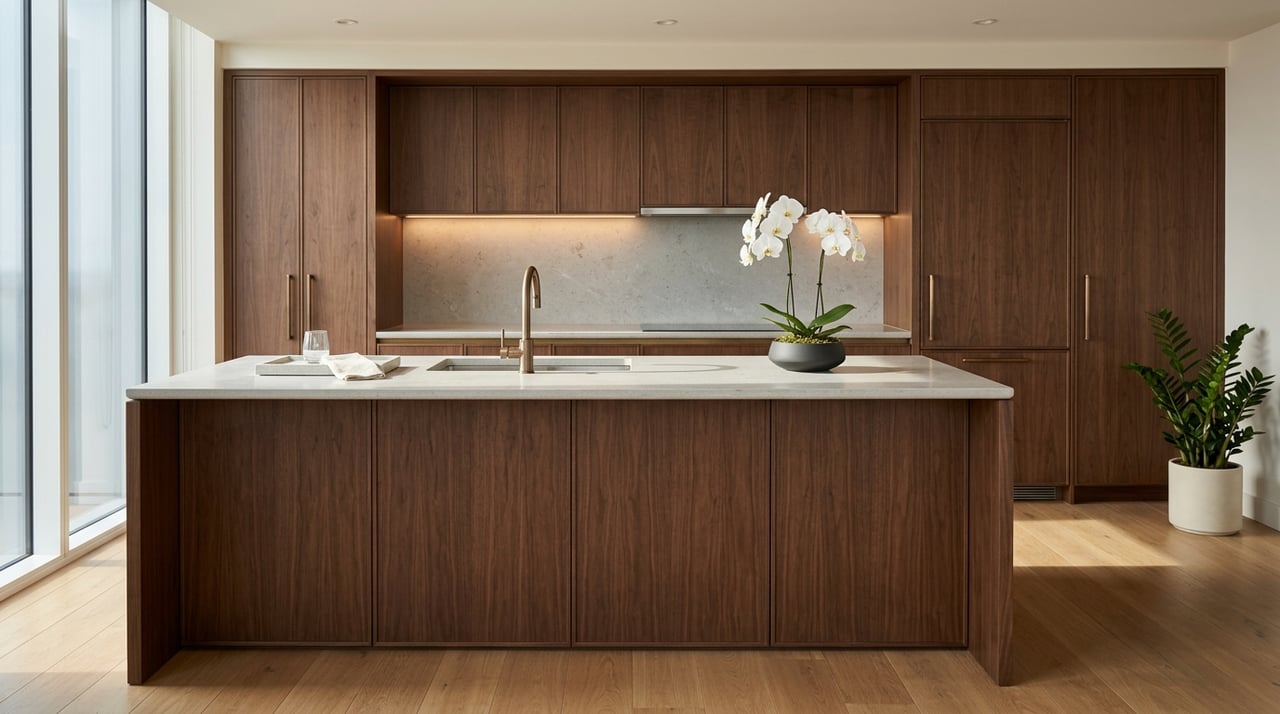
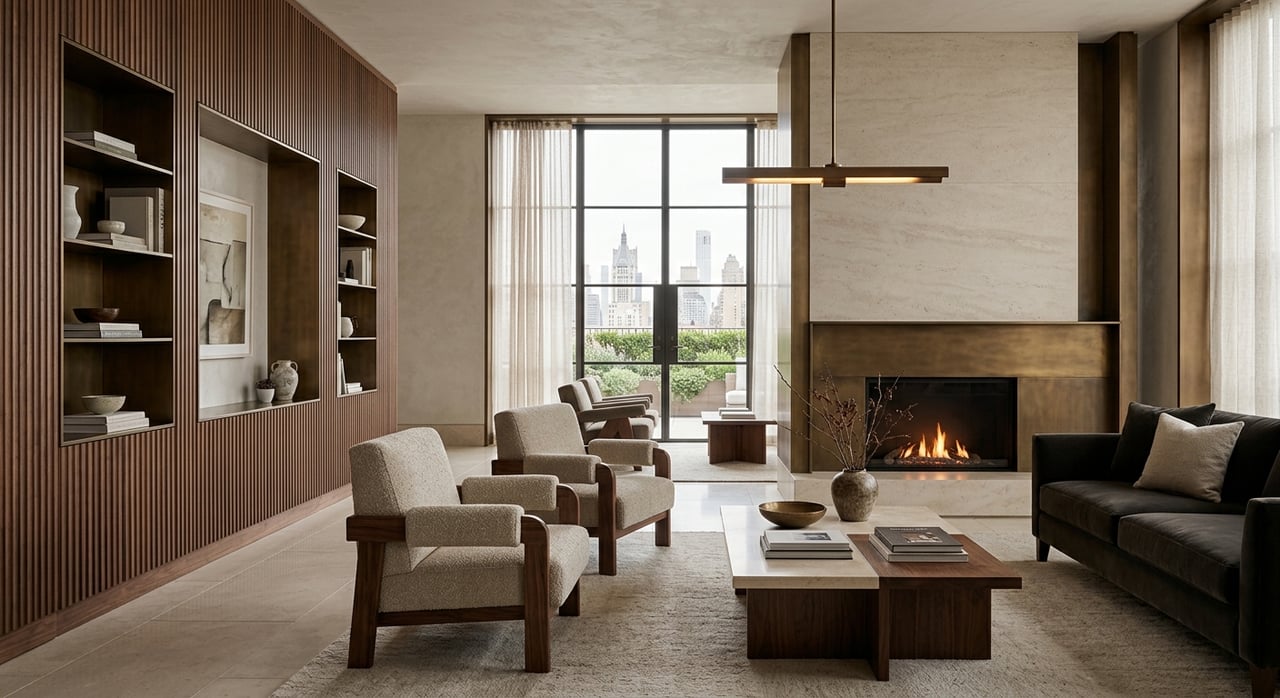
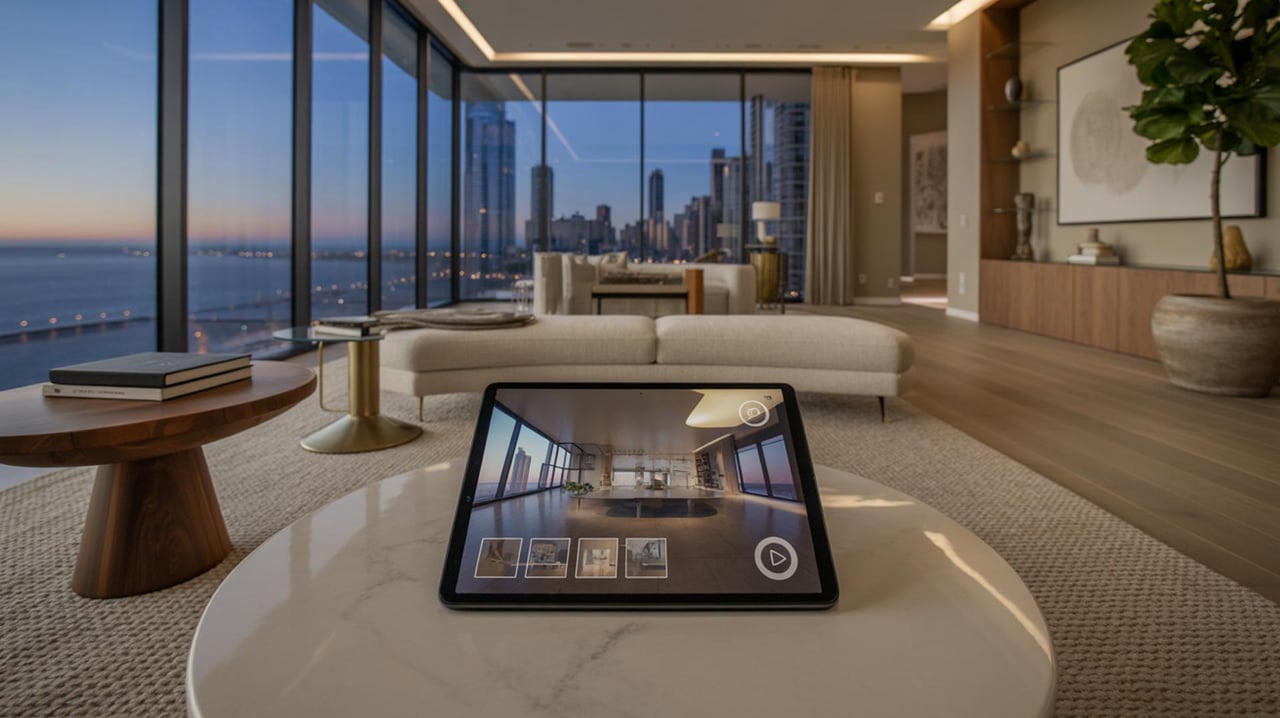
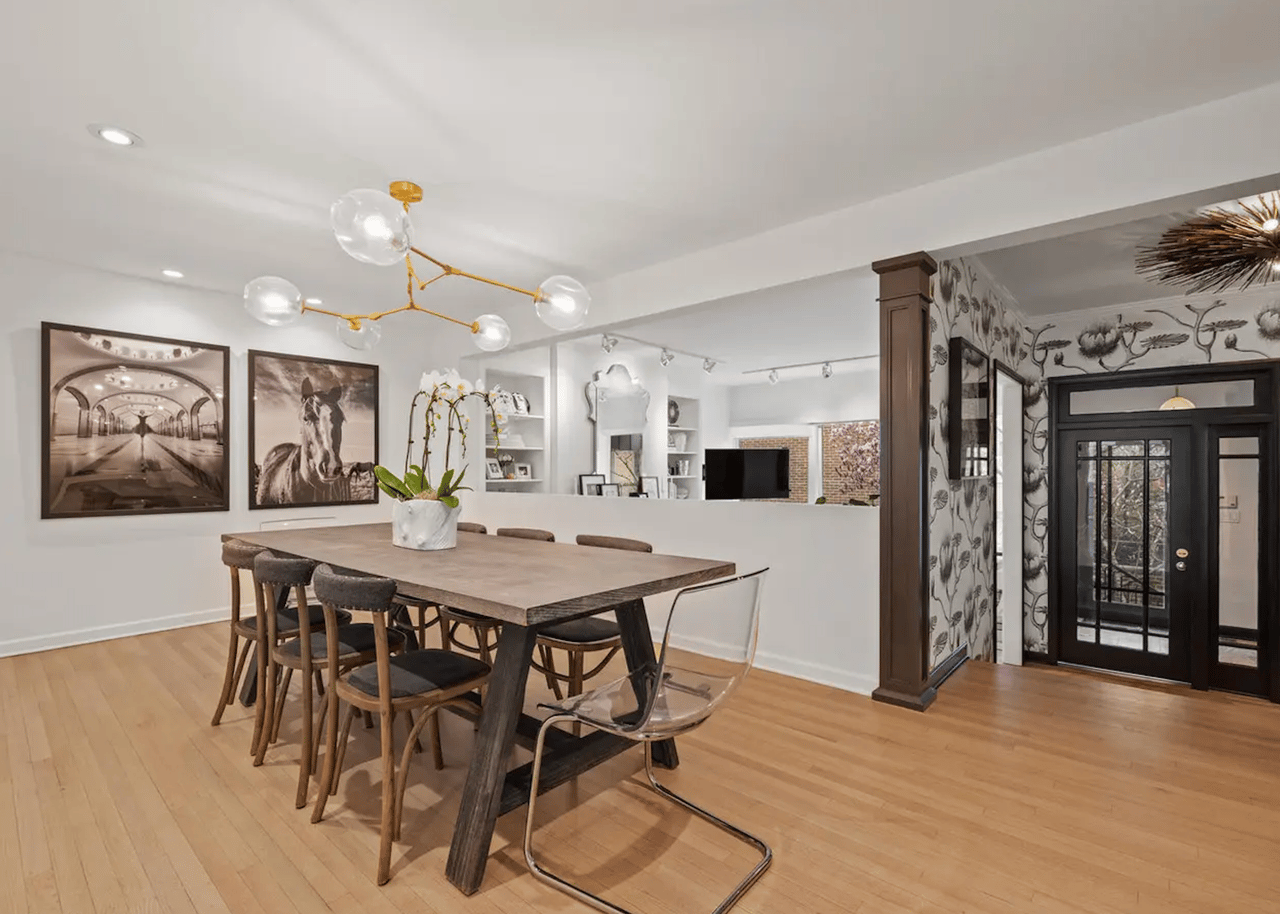
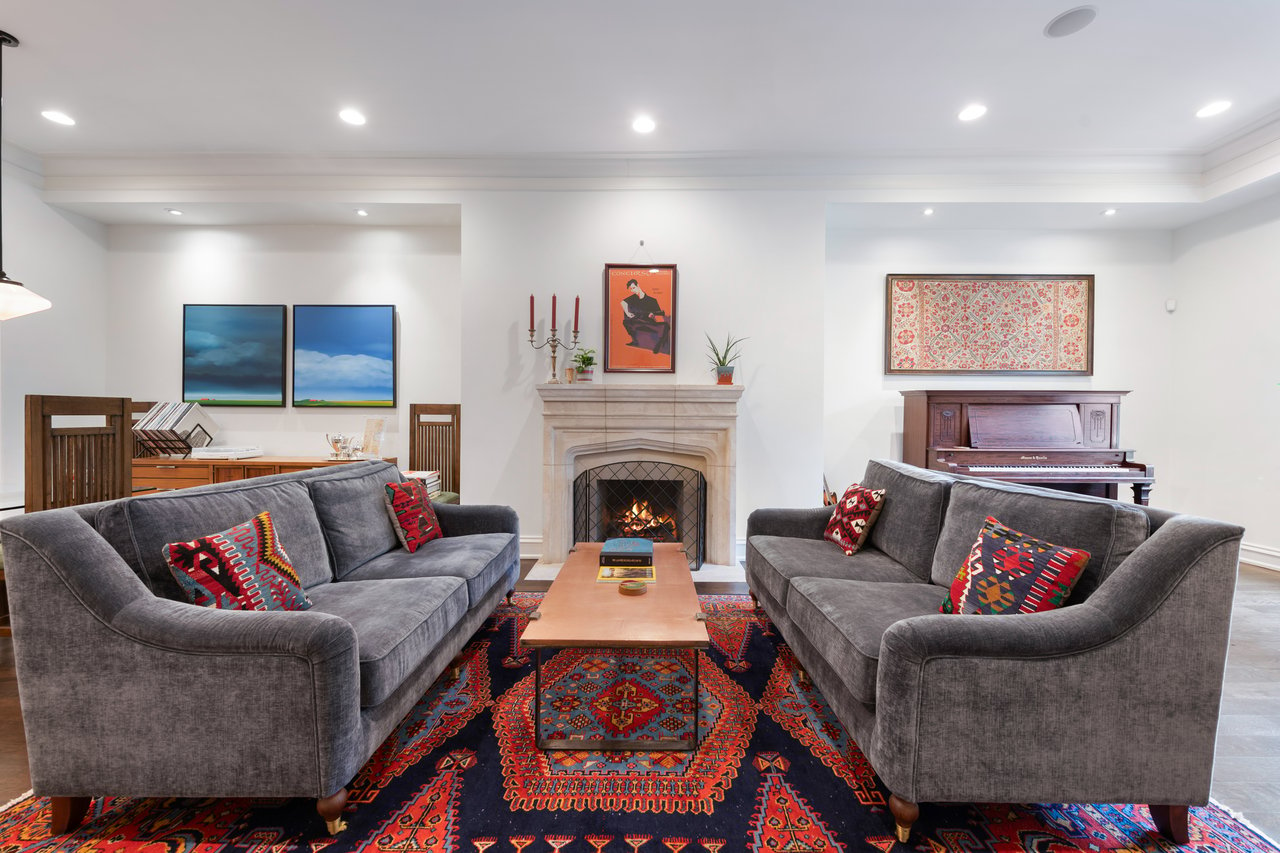
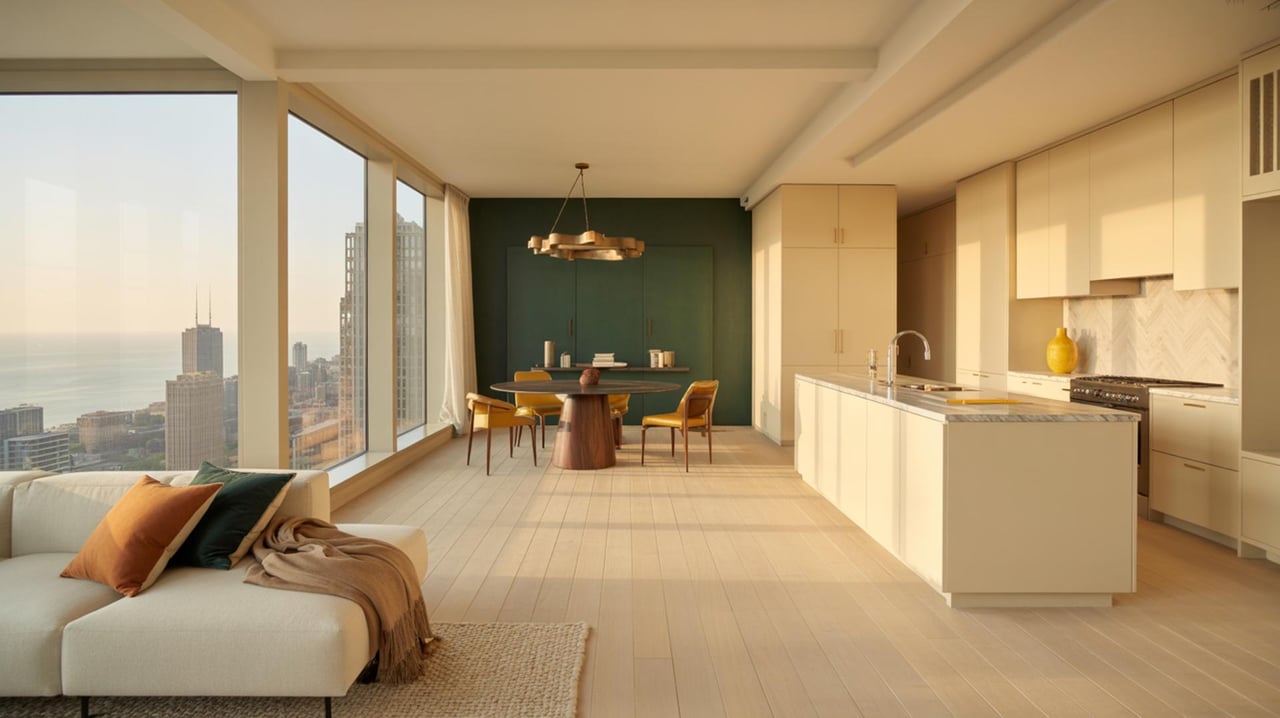
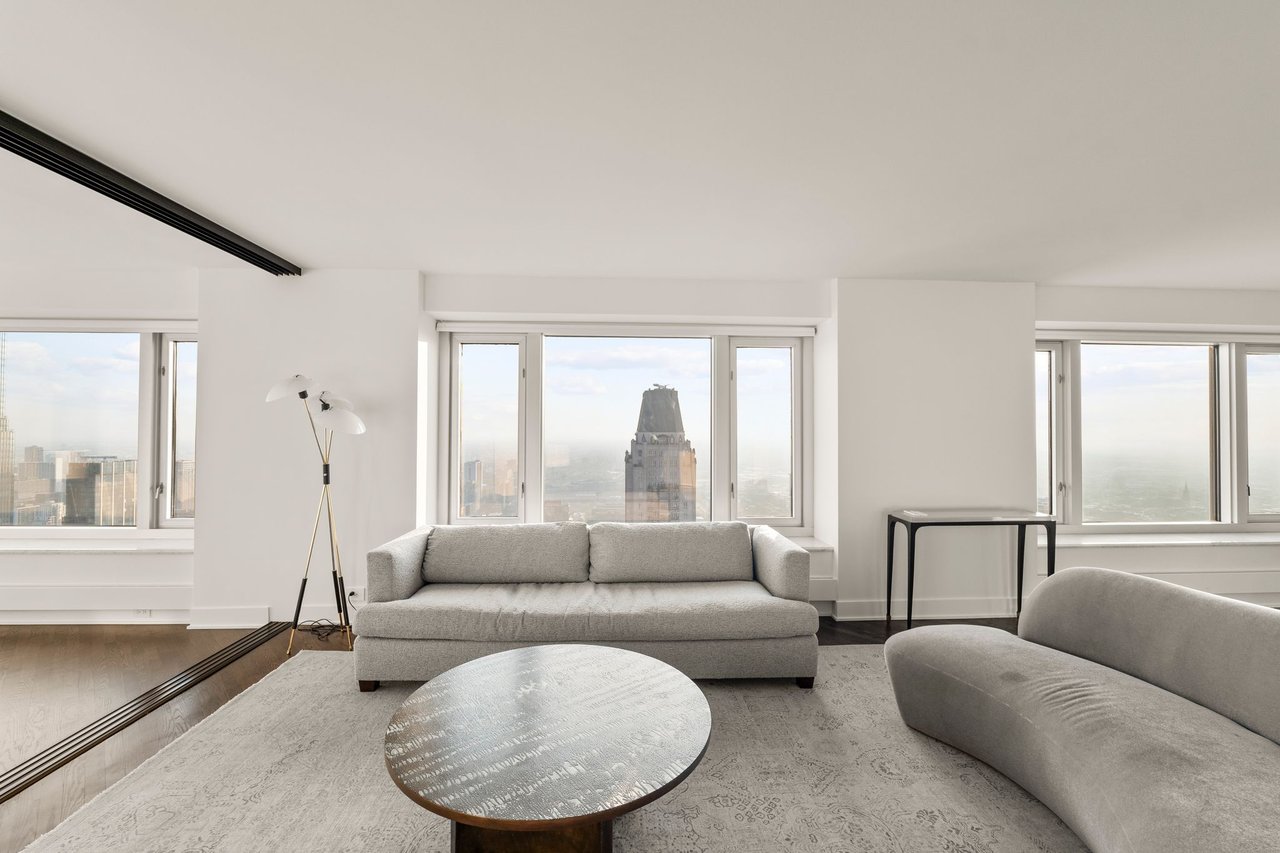
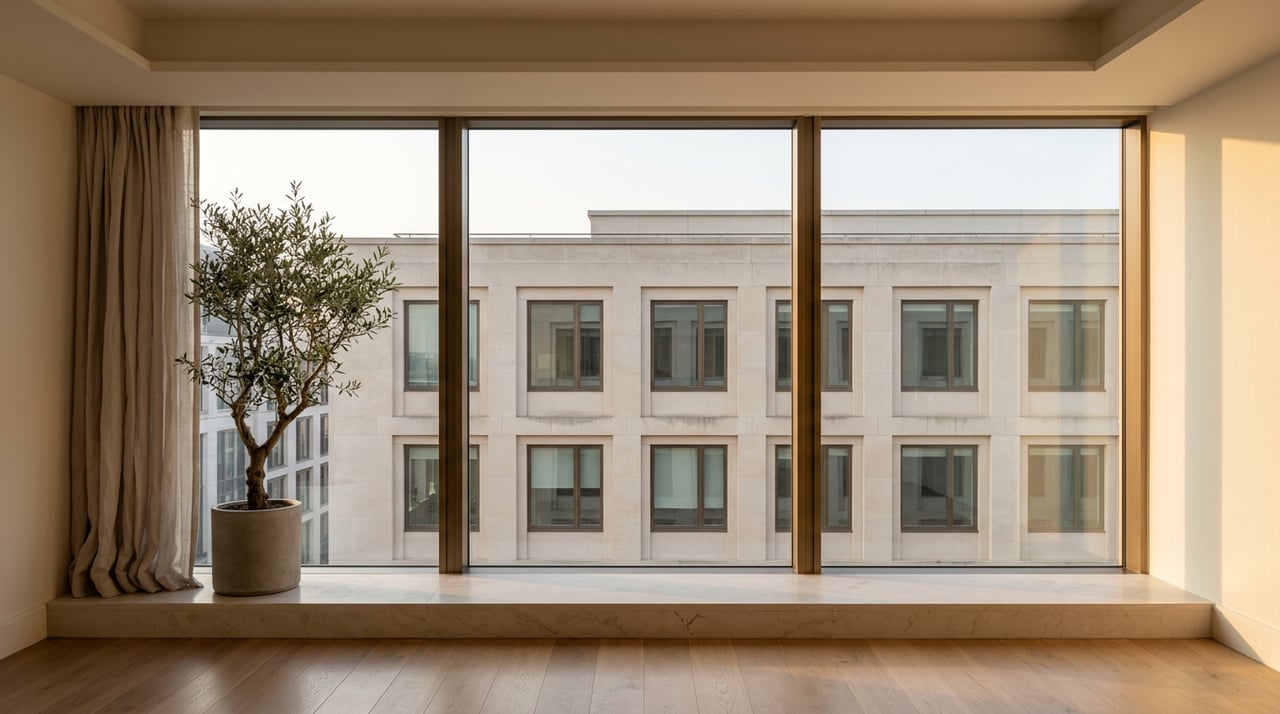
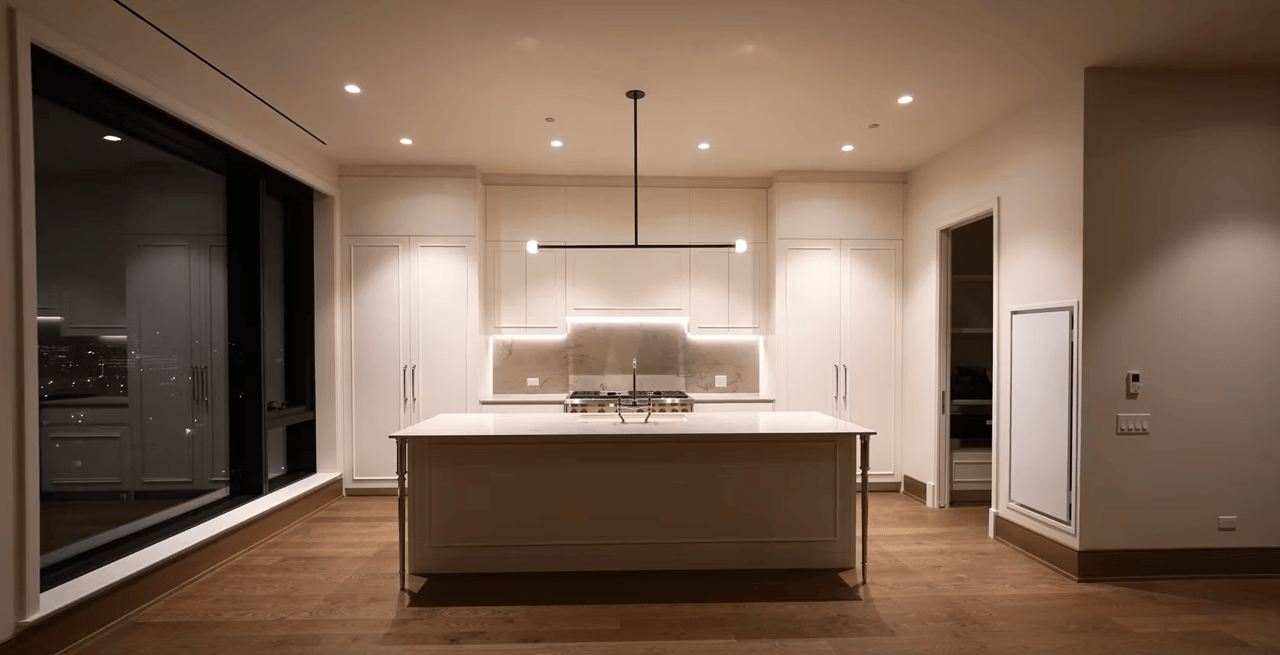
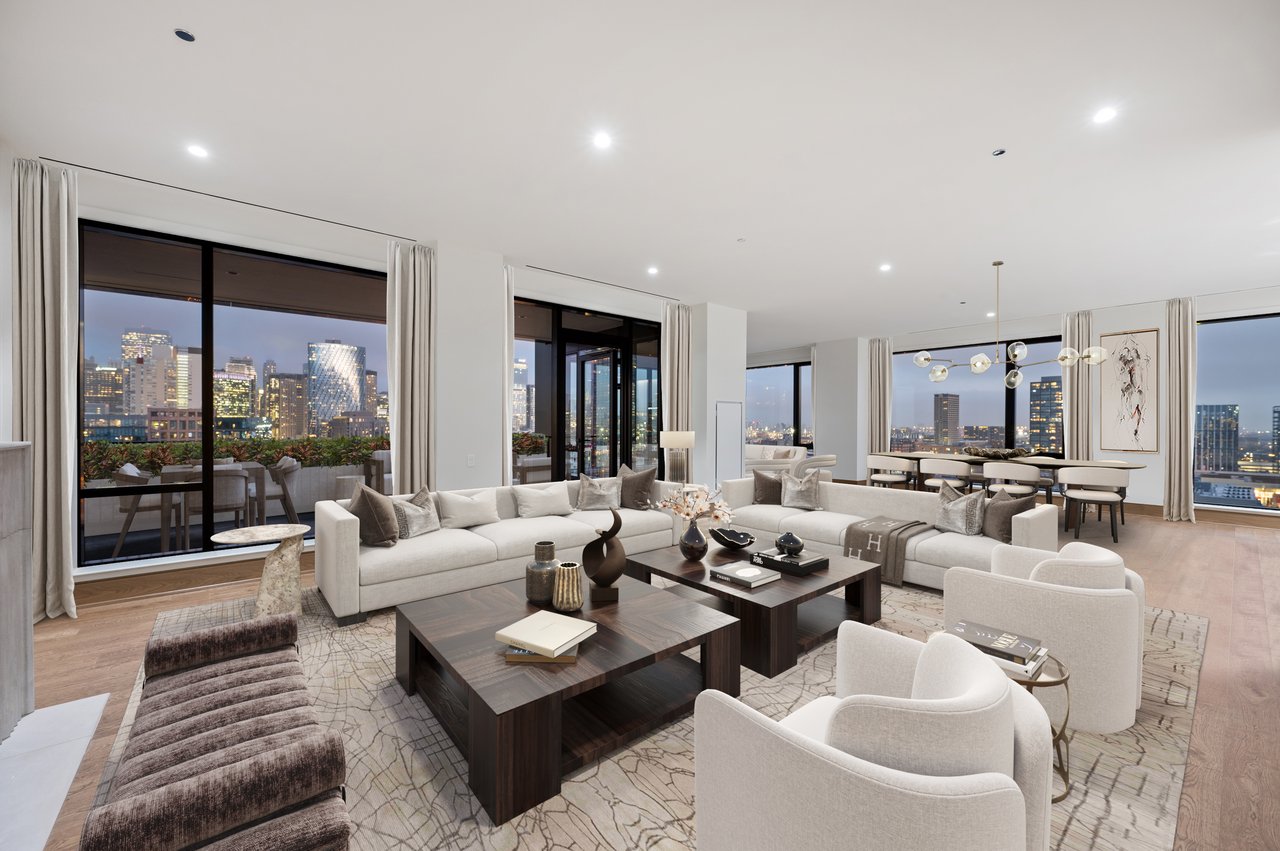
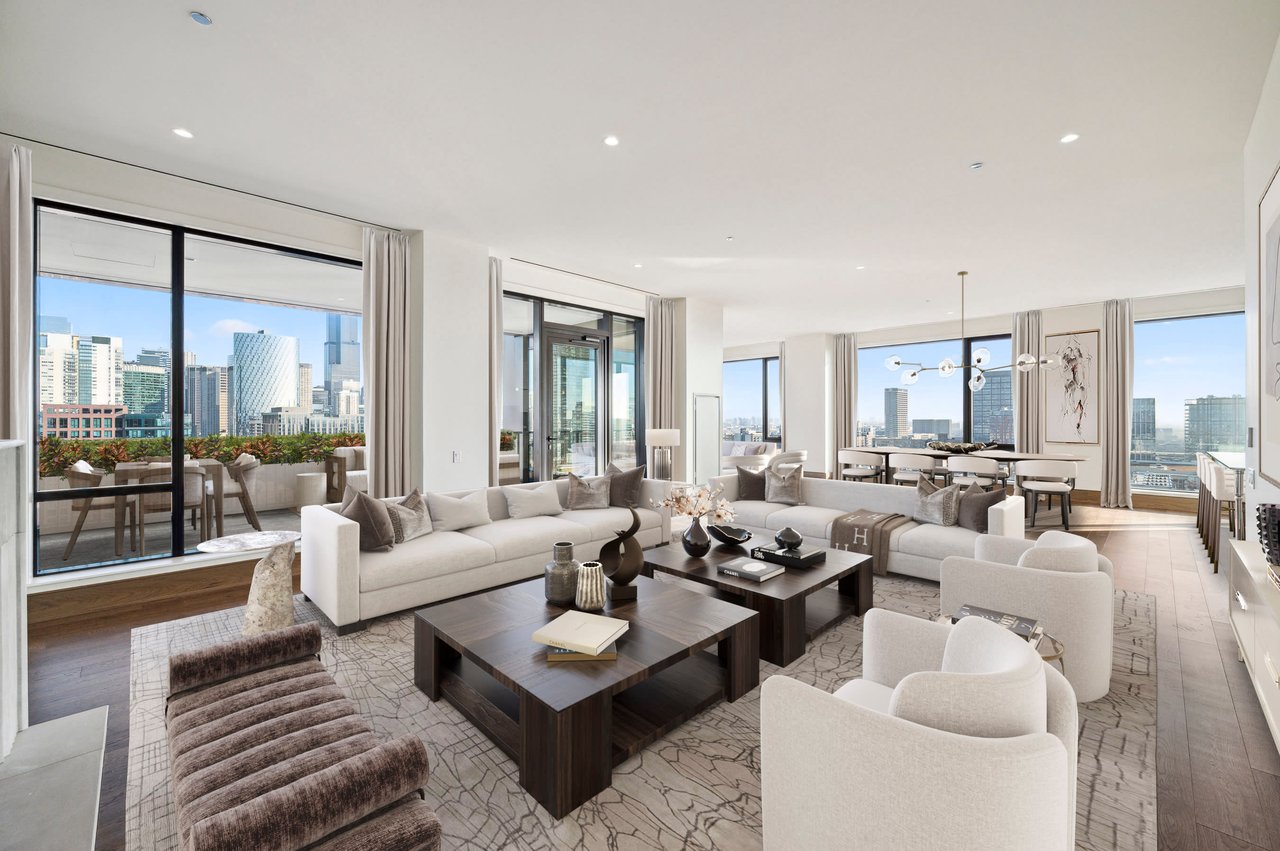
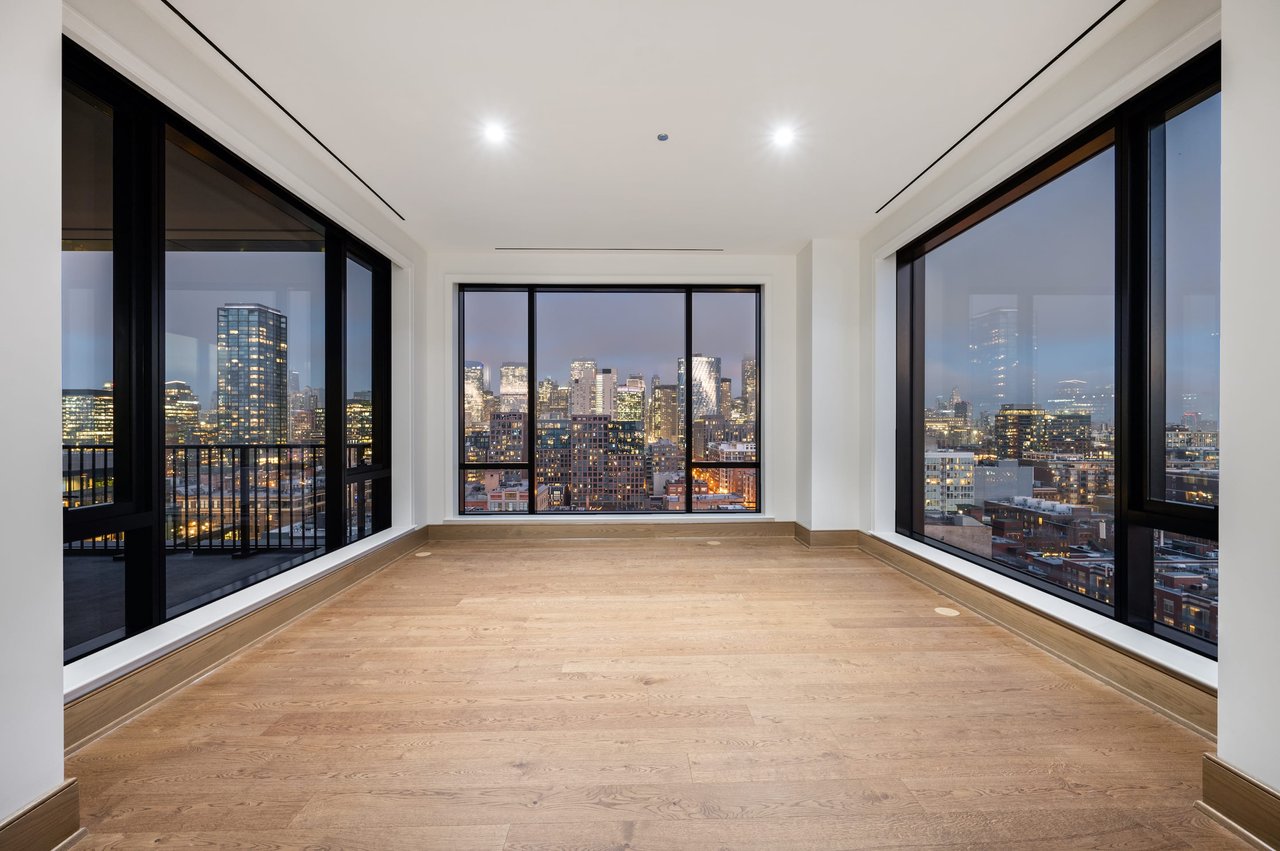
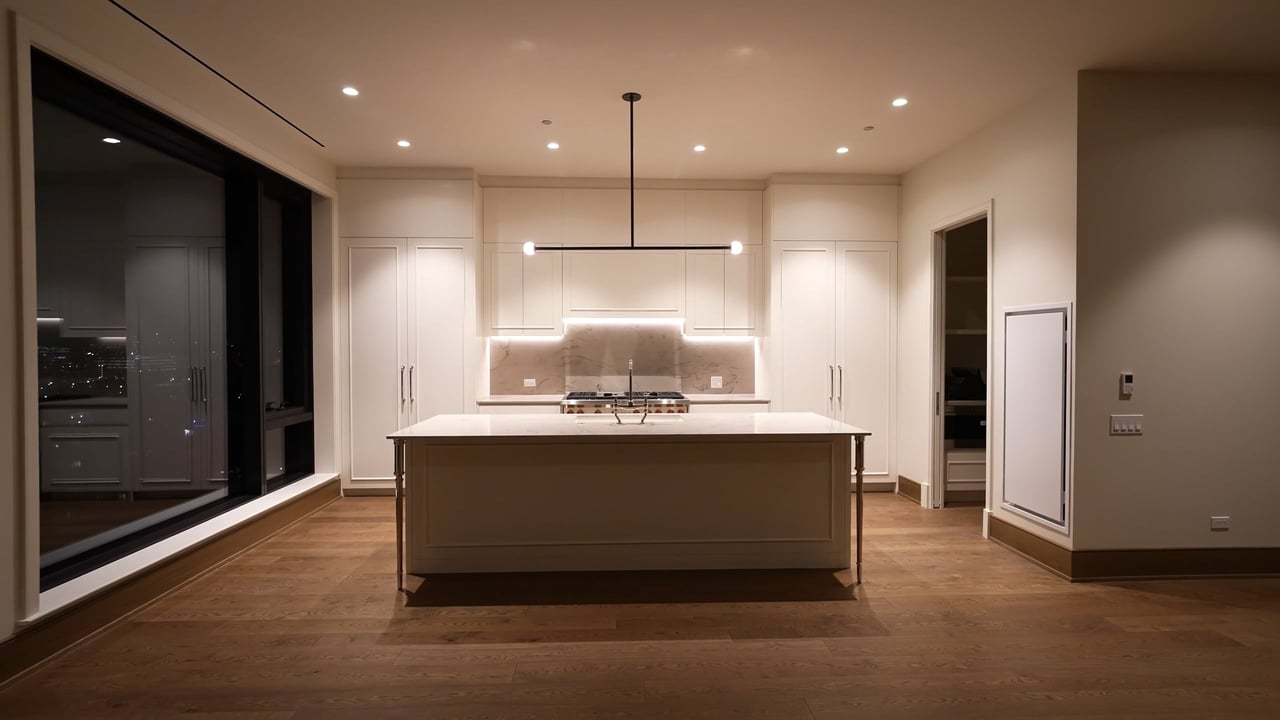
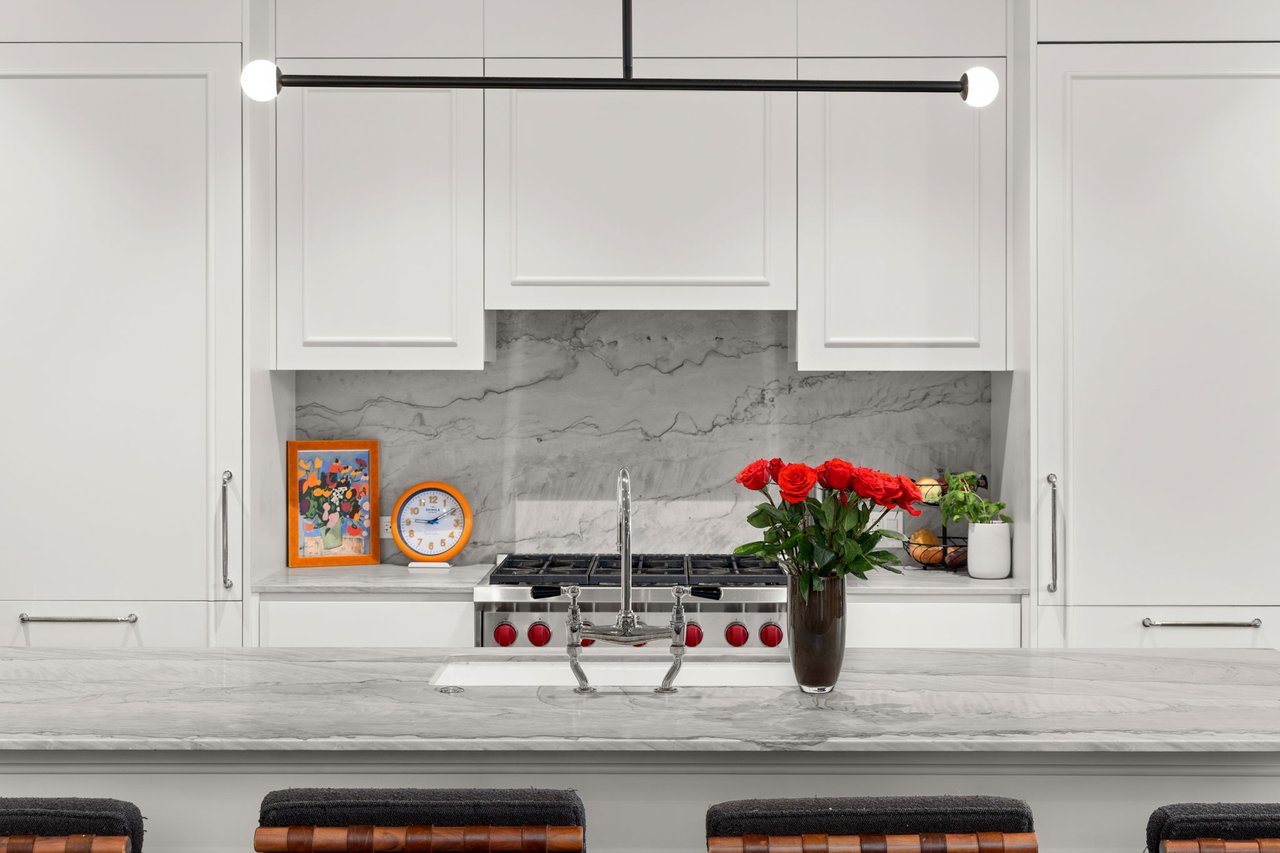
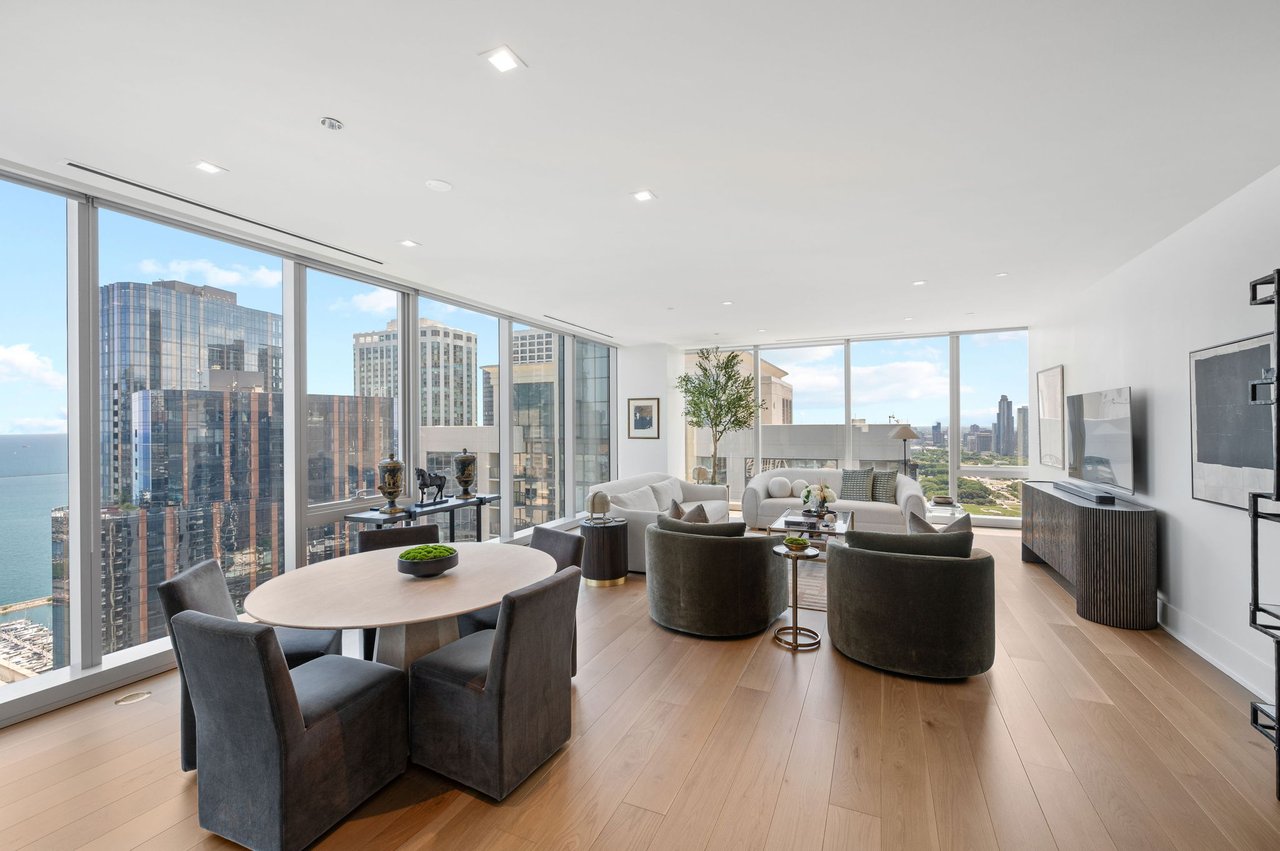
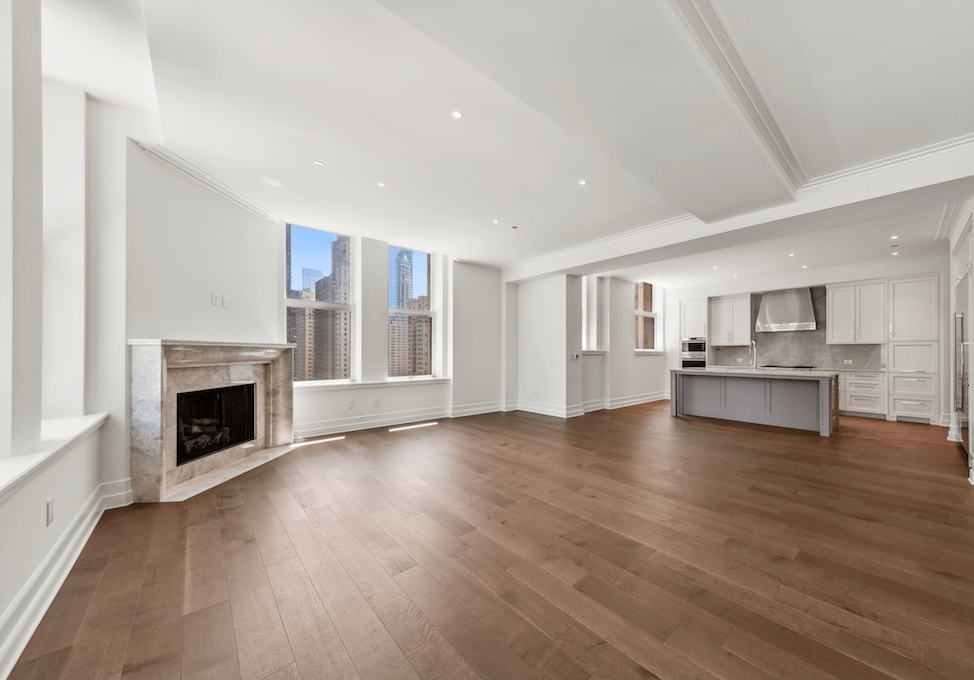
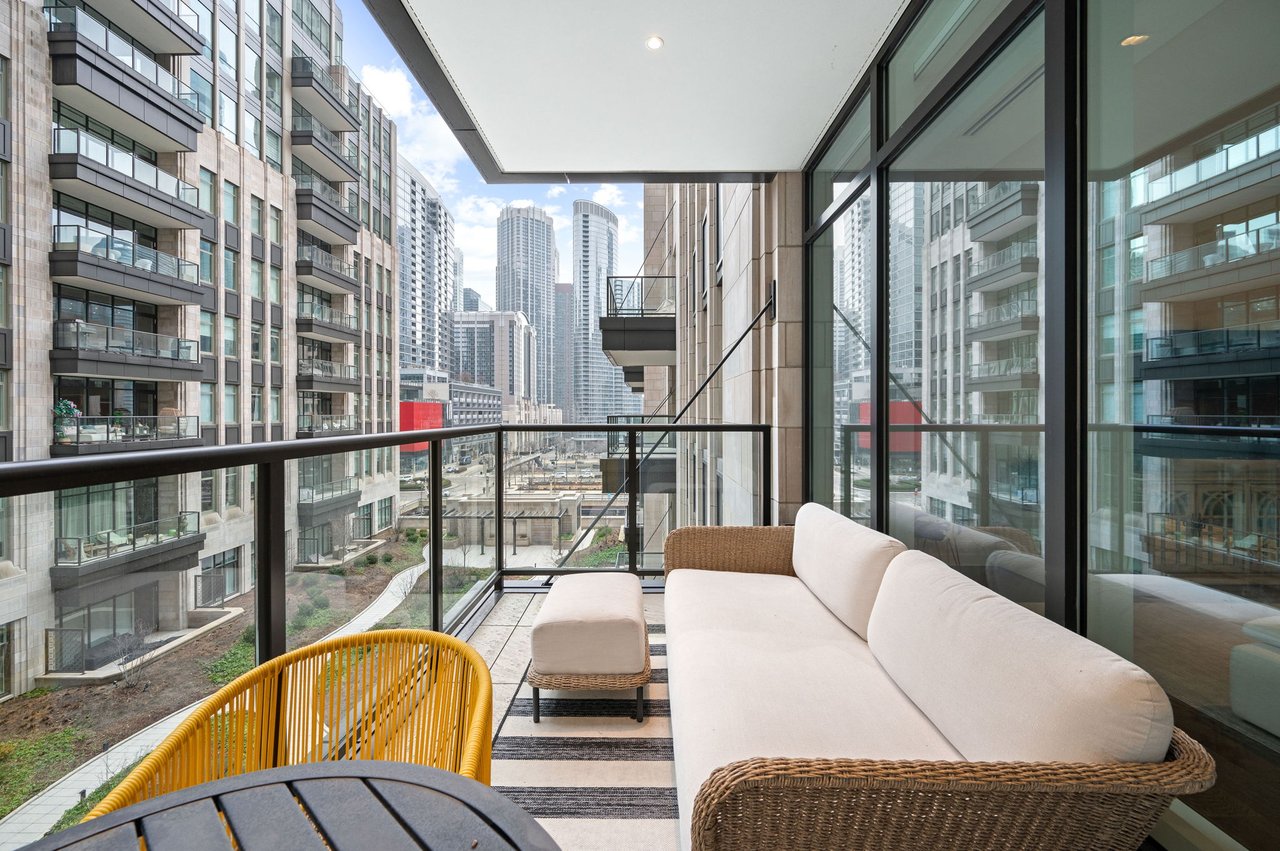
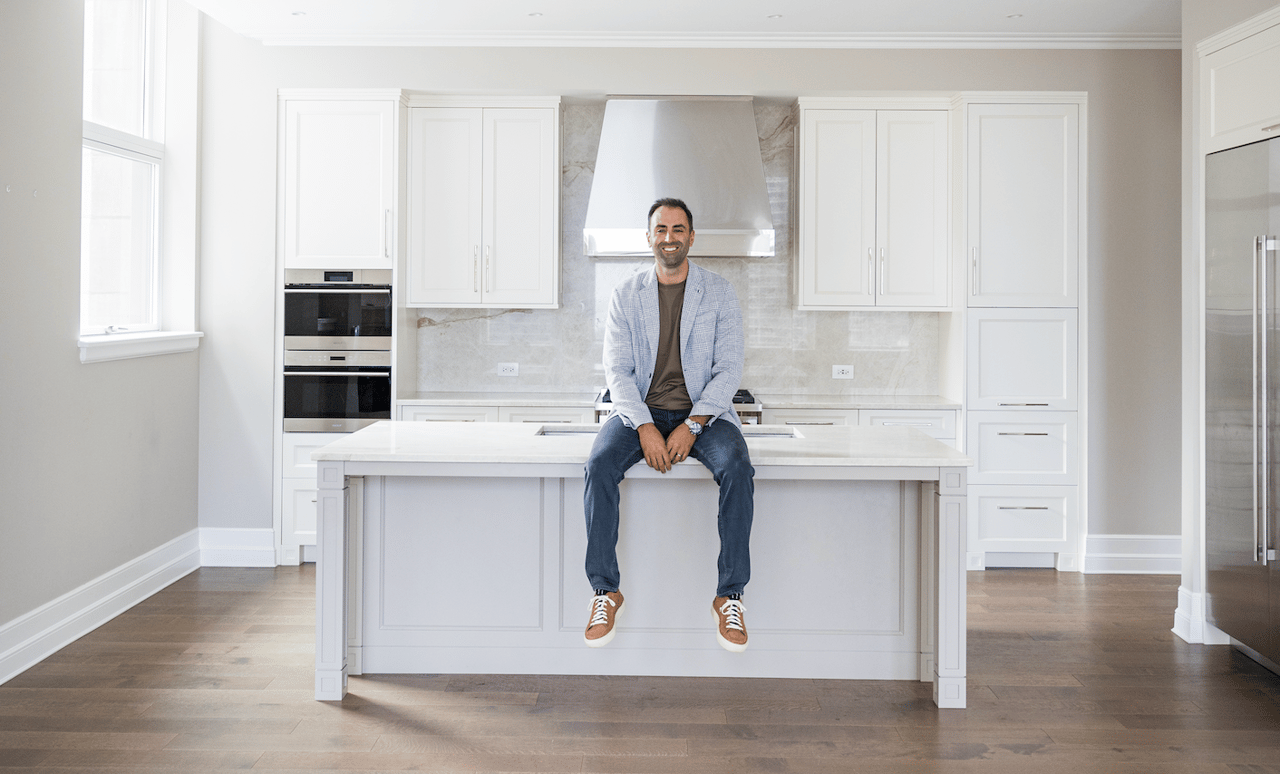
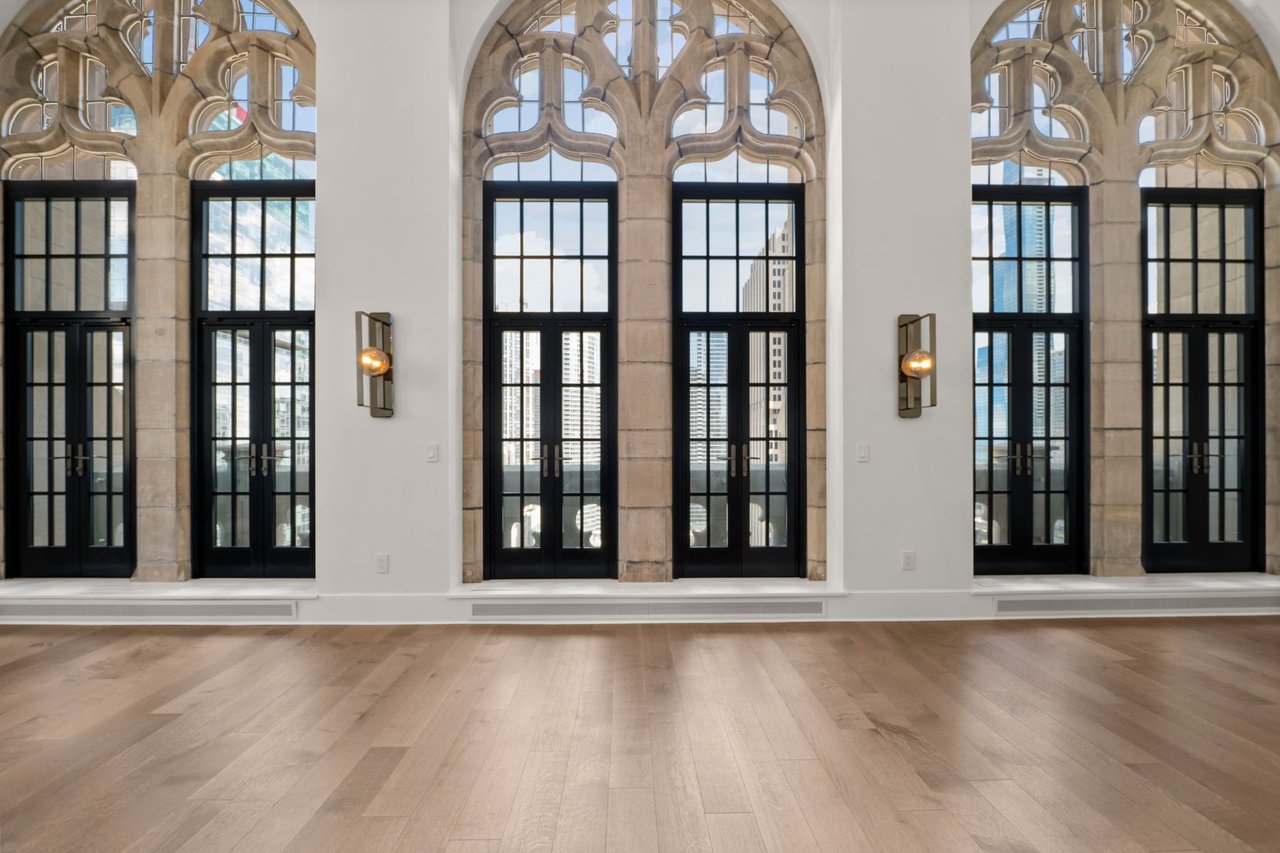
Another reason these units appeal is their finish level. Public listings repeatedly mention floor-to-ceiling windows, 10- to 11-foot ceilings, Snaidero cabinetry, Wolf, Sub-Zero, and Miele appliances, along with spa-style baths. Several offerings are fully furnished, which can make the move-in process much simpler if you want immediate usability.
Best-fit layouts for convenience
If your goal is easy arrival and minimal upkeep, these layouts tend to make the most sense:
- Studio or hotel-condo units for short stays, solo use, or a highly streamlined city base
- One-bedroom homes for buyers who want more separation and comfort without taking on too much space
- One-bedroom-plus-den layouts for occasional work-from-home needs or guest flexibility
- Two-bedroom homes for owners who host family or colleagues and still want a manageable footprint
Carrying Costs Can Change the Equation
The biggest practical issue with using Trump Tower as a lock-and-leave base is not whether it feels luxurious. It is whether the monthly carry makes sense for your personal use pattern.
A current public example shows why. Unit 31B, a 600-square-foot studio listed at $399,000, has HOA dues of $750 per month and 2024 property taxes of $8,167.90. Blended together, that is roughly $1,431 per month before insurance and parking.
At a higher price point, Unit 48I, a two-bedroom that recently sold for $1.25 million, had HOA dues of $2,614 per month and 2024 property taxes of $26,315.13. That works out to about $4,807 per month before insurance and any financing effects.
Those examples show the range clearly. A lock-and-leave condo can be easy to own operationally, but it is not always inexpensive to carry. In this building, taxes, HOA dues, and parking treatment can all materially affect the math.
What HOA dues may include
Depending on the specific unit, public listings show HOA coverage can include items such as:
- Air conditioning or heat
- Water and gas
- Insurance
- Security and doorman service
- TV or cable
- Internet in some cases
- Exercise facilities and pool access
- Exterior maintenance
- Scavenger and snow removal
- Parking in some units
This is another reason unit-by-unit review matters. Parking is not handled the same way across all listings. Some homes include parking in the HOA or offering, while others show garage parking as separately available for an added purchase price.
Could a Trump Tower Condo Also Work as a Hybrid Hold?
For some buyers, the appeal of a lock-and-leave home is not just personal use. It is the possibility of combining personal enjoyment with an investment angle. Trump Tower is one of the few buildings where that conversation naturally comes up because some units are clearly positioned as hotel-condo or income-oriented product.
One public example, Unit 1918, was marketed as a fully furnished, professionally managed, income-generating investment. That does not mean every unit should be viewed that way, but it does confirm that at least part of the building’s inventory has been presented with hybrid use in mind.
If you are considering that route, caution is important. Downtown Chicago rents are strong, but the carrying cost stack in this building is also meaningful. RentCafe’s April 2026 data shows average downtown rent at $3,066, with studios averaging $2,197, one-bedrooms $2,872, and two-bedrooms $3,675.
That means the rent story has to be underwritten carefully against actual taxes, HOA dues, parking, furnishing costs, and the exact rules attached to the unit you are evaluating. In many cases, smaller homes may be more plausible than larger ones for a long-term rental strategy, but only if the numbers work at the unit level.
Who This Building Tends to Fit Best
Trump Tower is not a one-size-fits-all solution. It tends to make the most sense for buyers who value convenience, centrality, and a highly serviced environment over having the lowest monthly cost.
Based on the building profile and broader downtown luxury demand, this setup can be especially appealing if you want a part-time city home with hotel-style support. It can also fit a relocated executive, a frequent traveler, an owner downsizing from a larger residence, or a buyer who wants a polished downtown foothold with minimal setup.
The smaller layouts are often easier to match to real-world lock-and-leave living. Historical luxury leasing data has shown that many downtown luxury renters live alone or as couples, and nearly half were relocating to downtown Chicago for work. While that data reflects the rental market, it also helps explain why studios, one-bedrooms, and one-bedroom-plus-den homes often align well with flexible urban living.
Questions to Ask Before You Buy
In a building like this, buying well matters just as much as buying in the right tower. Before you move forward, make sure you understand the exact ownership profile of the unit you are considering.
Ask focused questions such as:
- Is the unit a residential condo or hotel-condo product?
- Is the home being sold furnished or unfurnished?
- What exactly is included in the HOA dues?
- Is parking deeded, bundled, optional, or sold separately?
- What are the current property taxes?
- If hybrid use matters to you, what building and association rules apply to leasing or managed income use?
A building with many moving parts can still be an excellent fit, but clarity upfront is what protects flexibility later.
Why Building-Level Advice Matters
Trump Tower is the kind of property where broad market knowledge is helpful, but building-level knowledge is better. Two units with similar square footage can have very different carrying costs, parking structures, furnishing status, and ownership use cases.
That is why a tailored review matters if you are buying for convenience, not just for square footage. The right strategy is less about finding any available condo and more about matching the right unit type to your travel habits, budget, and long-term goals.
If you are considering Trump Tower as a Chicago base, a discreet, building-specific evaluation can help you sort through what is truly turnkey, what is cost-efficient, and what aligns with the way you plan to use the home. To explore current opportunities with a private, tailored approach, connect with Mike Larson.
FAQs
Is Trump Tower Chicago a good fit for a part-time owner?
- Yes, it can be a strong fit for part-time ownership because the building offers concierge service, doormen, housekeeping, a private entrance, and other amenities that support lower-friction city living.
What types of Trump Tower units work best as a lock-and-leave base?
- Studios, one-bedrooms, one-bedroom-plus-den layouts, and many two-bedroom homes are often the most practical options because they are typically easier to furnish, maintain, and use on a part-time basis.
Are all Trump Tower Chicago units the same ownership type?
- No. The building includes both residential condominium homes and hotel-condo product, so the ownership structure and potential use can vary by unit.
What should you budget for monthly carrying costs at Trump Tower Chicago?
- Carrying costs vary widely by unit, but public examples show blended HOA dues and property taxes alone can range from about $1,431 per month for a smaller studio to about $4,807 per month for a higher-end two-bedroom, before insurance, parking, or financing.
Can you use a Trump Tower condo as both a personal base and an investment?
- In some cases, yes. Public listings show that at least some hotel-condo units have been marketed as furnished, professionally managed, income-generating holdings, but the feasibility depends on the exact unit and its rules.
Does parking come with every Trump Tower Chicago condo?
- Not always. Public listings show that parking treatment varies by unit, with some homes including parking and others offering it as a separate purchase.
Why is unit-level review important when buying at Trump Tower Chicago?
- It matters because similar-looking units can differ significantly in taxes, HOA inclusions, parking setup, furnishing status, and whether they are better suited for personal use, hybrid use, or long-term ownership.