If you are considering Streeterville, one question matters more than almost any other: can daily life here actually work on foot? In many downtown neighborhoods, walkability sounds good on paper but feels less practical once you factor in errands, transit, and everyday routines. In Streeterville, the answer is more convincing because the neighborhood combines lakefront access, cultural anchors, shopping, dining, and transit in a compact part of the city. Here is what living in Streeterville on foot tends to feel like, and where the tradeoffs come in. Let’s dive in.
Streeterville feels active all day
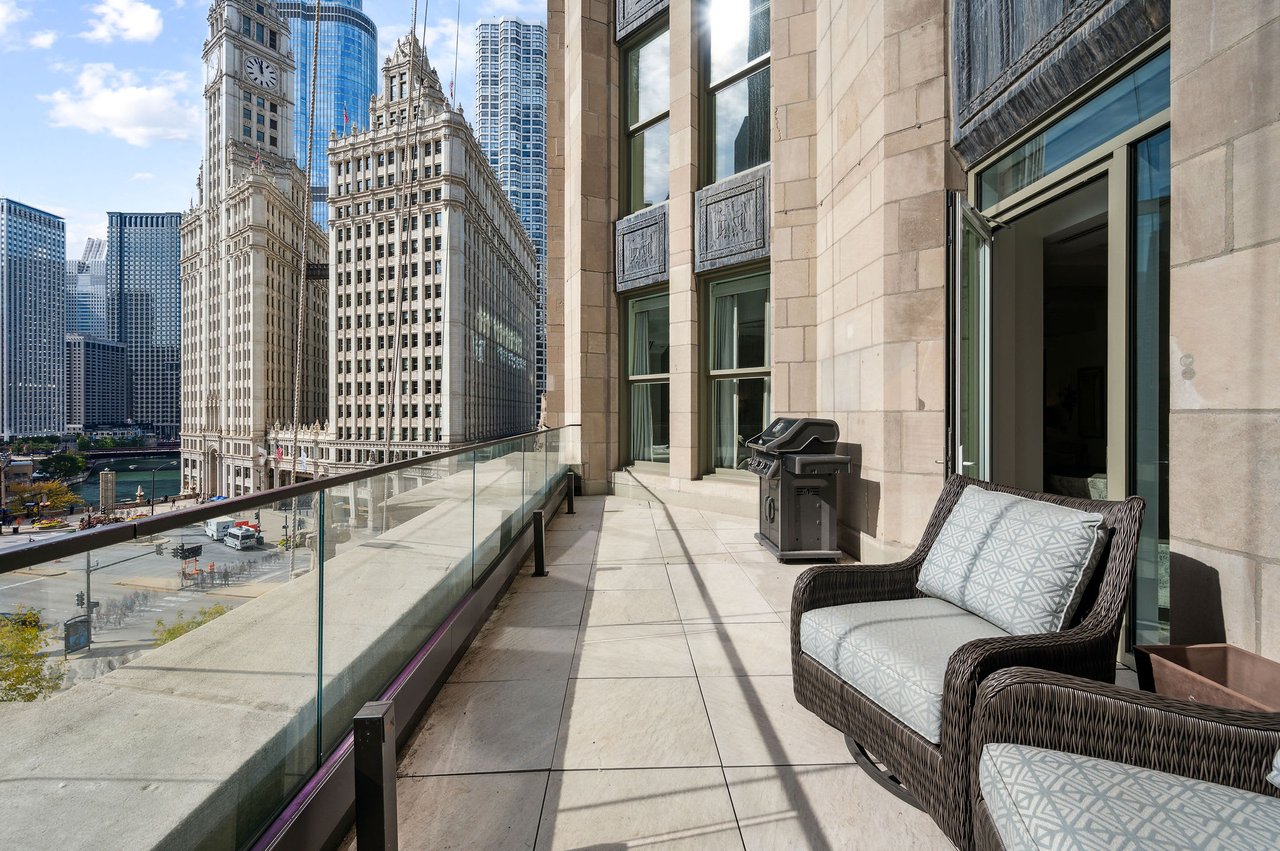
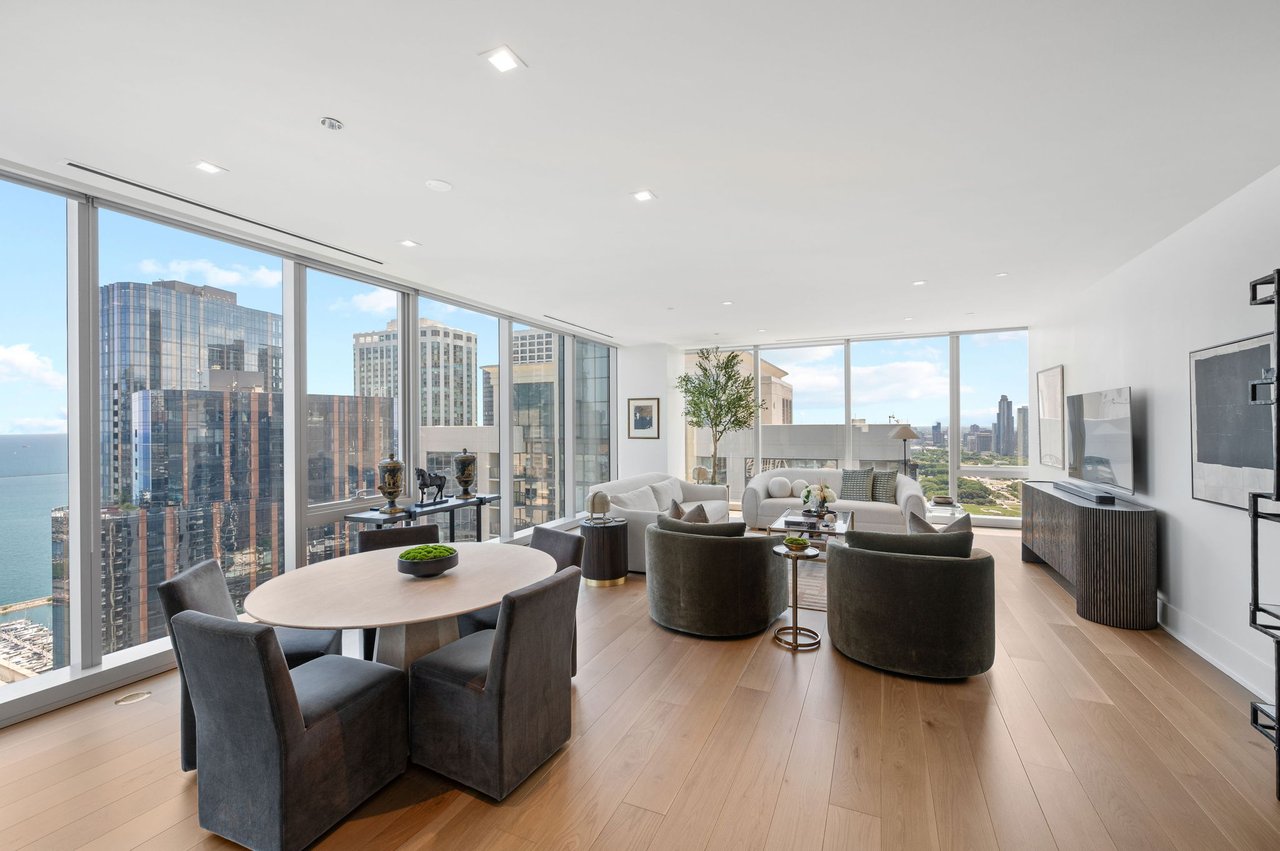
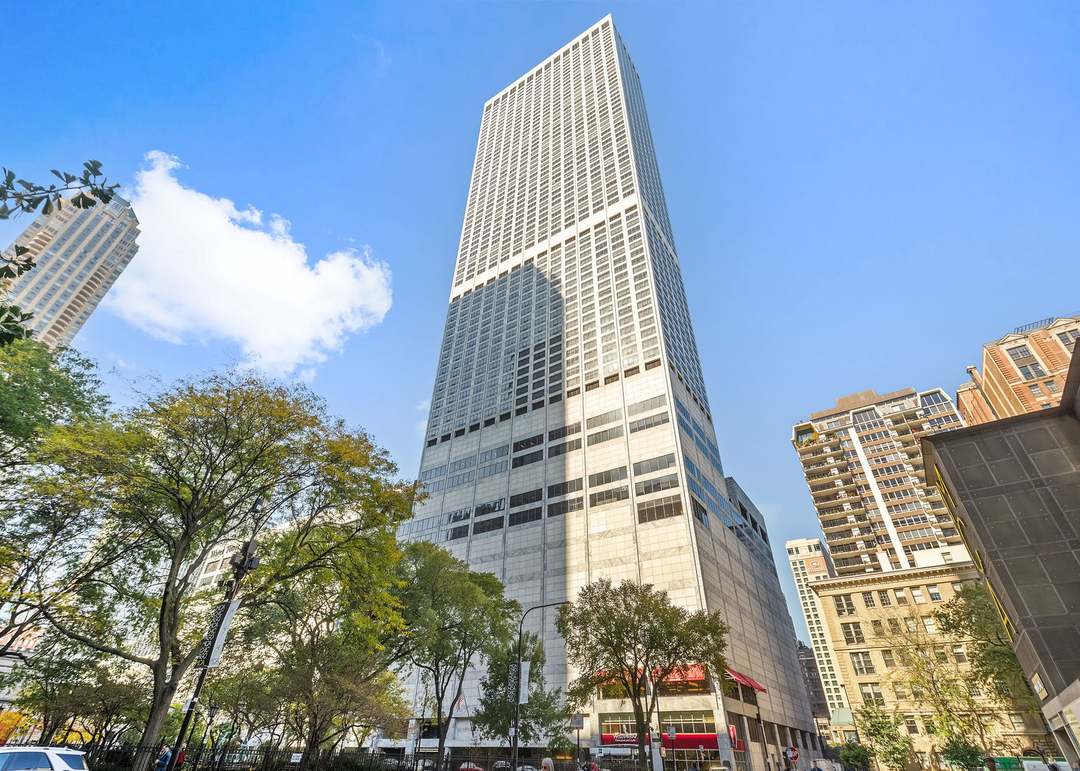
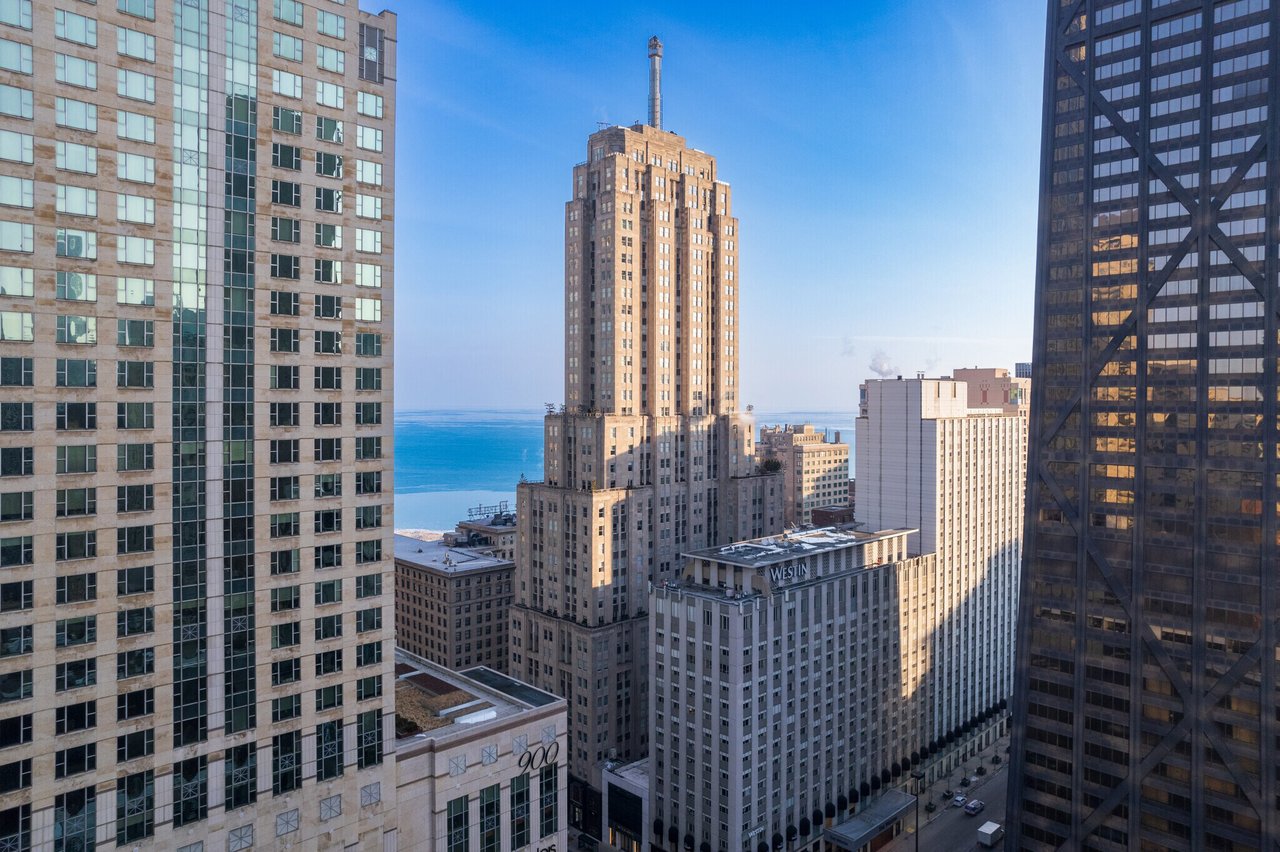
Streeterville is best understood as a lakefront downtown neighborhood where residential towers, hotels, museums, and major shopping all overlap. That mix shapes the pace of daily life in a very specific way. You are not walking through a single-use district that empties out after work or only fills up on weekends.
On foot, the neighborhood often feels like a series of short, connected trips. A morning walk might lead you toward the lake, midday errands often cluster around Michigan Avenue or the hospital area, and evenings can easily shift toward restaurants, Navy Pier, or cultural venues. That pattern is one reason Streeterville appeals to buyers who want a city lifestyle that feels both convenient and visually tied to the waterfront.
Streeterville also has a stronger resident rhythm than many people expect. Local programming through SOAR includes events like socials, town halls, board meetings, and farmers markets, and the Museum of Contemporary Art notes that SOAR has organized a farmers market on its front plaza since 2015. That helps reinforce the idea that Streeterville is not only a destination for visitors, but also a functioning residential neighborhood.
Lakefront access shapes everyday life
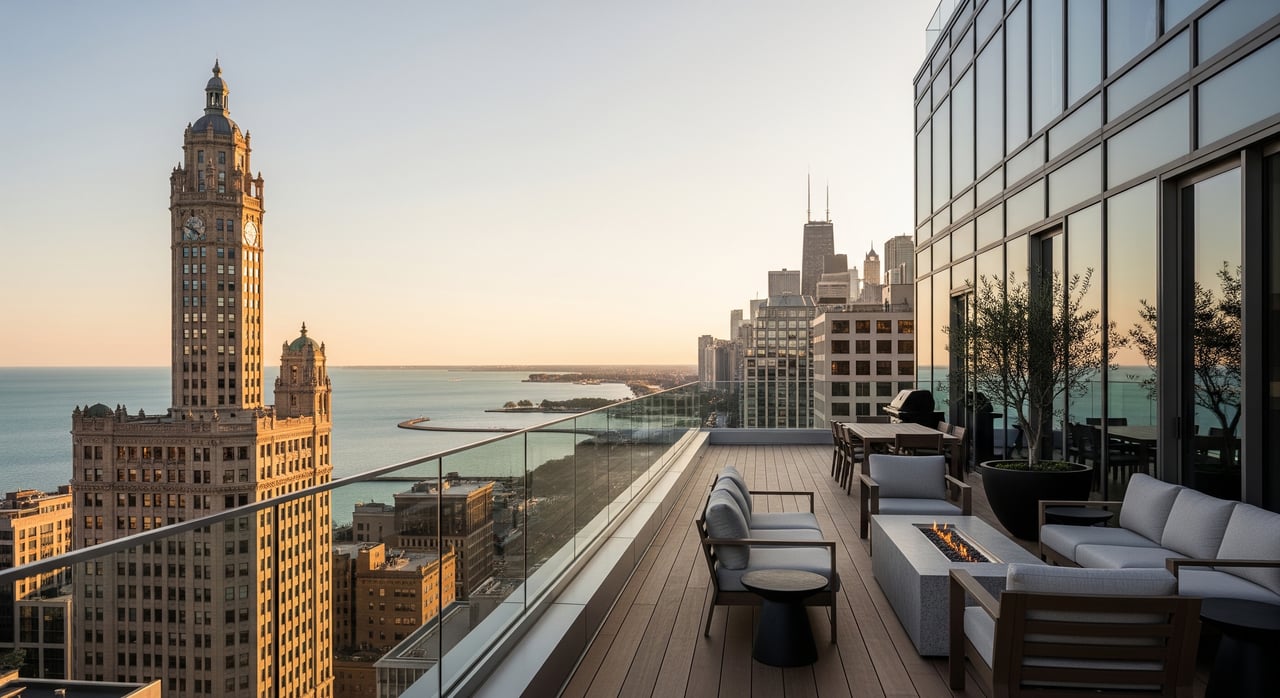
If you live in Streeterville, the lake is not just a weekend bonus. It is one of the neighborhood’s defining daily features. That changes the feeling of living here on foot in a way that is hard to replicate elsewhere in the downtown core.
The Chicago Park District says the Lakefront Trail runs 18 miles, and since 2018 it has included separate bike and pedestrian trails. The trail supports a wide mix of users, including commuters, runners, caregivers with strollers, tourists, and casual walkers. In practical terms, that means the lakefront functions as both a recreation space and a real movement corridor.
Ohio Street Beach is also part of Streeterville’s everyday geography, located at 600 North Jean-Baptiste Pointe DuSable Lake Shore Drive. Because the beach and promenade sit so close to residential buildings, being outside near the water can feel like part of your normal route rather than a planned outing. For many residents, that is the neighborhood’s biggest lifestyle advantage.
Navy Pier adds even more weight to that lakefront experience. The Pier covers more than six city blocks and includes 50 acres of parks, restaurants, attractions, and retail. It also hosts year-round events and public programs, so a walk in that direction can feel different depending on the season, time of day, or event calendar.
Errands and dining stay close
One of the biggest benefits of living in Streeterville on foot is that practical needs and leisure options are tightly layered together. You are not choosing between convenience and lifestyle in the same way you might in a more spread-out neighborhood. Much of what you need can be folded into the same small geographic area.
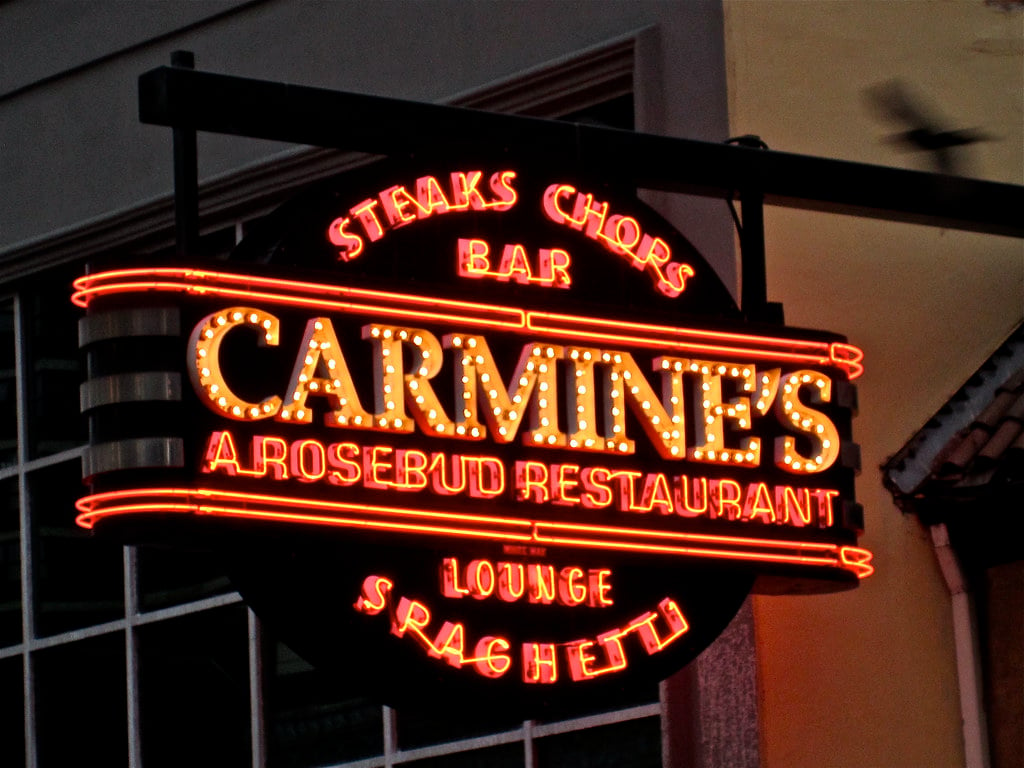
The Magnificent Mile is the neighborhood’s main retail and dining spine. According to the district association, it includes more than 430 retailers and 275 restaurants, and Choose Chicago places this corridor across River North, Gold Coast, and Streeterville along Michigan Avenue. For you as a resident, that can translate into easy access to coffee, casual meals, shopping, and day-to-day stops within the downtown core.
Streeterville also stands out for how closely culture sits to residential life. The Museum of Contemporary Art is at 220 East Chicago Avenue, while Chicago Shakespeare Theater and Chicago Children’s Museum are both on Navy Pier. Those destinations help make the neighborhood feel active beyond work hours and beyond shopping traffic.
Practical services matter just as much as attractions. Northwestern Medicine’s main hospital campus is at 251 East Huron Street, and Northwestern Medicine notes that its Streeterville locations provide ongoing access to care in the neighborhood. For many residents, that means appointments, lunch stops, and errands can all fit into the same walkable pattern.
Car-free living is realistic here
Streeterville is one of the stronger downtown Chicago neighborhoods for car-light or car-free living. That does not mean every resident chooses to live without a car, but it does mean you can handle a large share of daily life without relying on one. For many buyers, that flexibility is a major advantage.
The CTA Red Line runs 24 hours a day, with nearby access points that include Clark/Division, Chicago, Grand, and Lake stations within the downtown core. That gives you multiple ways to connect beyond the neighborhood when walking alone is not enough. It also helps Streeterville function as part of a larger car-light lifestyle rather than as an isolated pocket.
Bus service fills in many of the shorter gaps. CTA route pages show service for the 66 Chicago, 124 Navy Pier, 120 Ogilvie/Streeterville Express, and 157 Streeterville/Taylor routes. CTA also notes that all buses are accessible, bike racks are installed on the front of all CTA buses, and the 66 Chicago route operates 24 hours a day.
Navy Pier adds another useful layer with direct CTA bus access and a Divvy station in Polk Bros Park. If you like mixing walking with occasional transit or short bike trips, that setup gives you options without making your routine feel complicated. In Streeterville, transit usually works best as a backstop to walking, not as a replacement for it.
Building amenities support the lifestyle
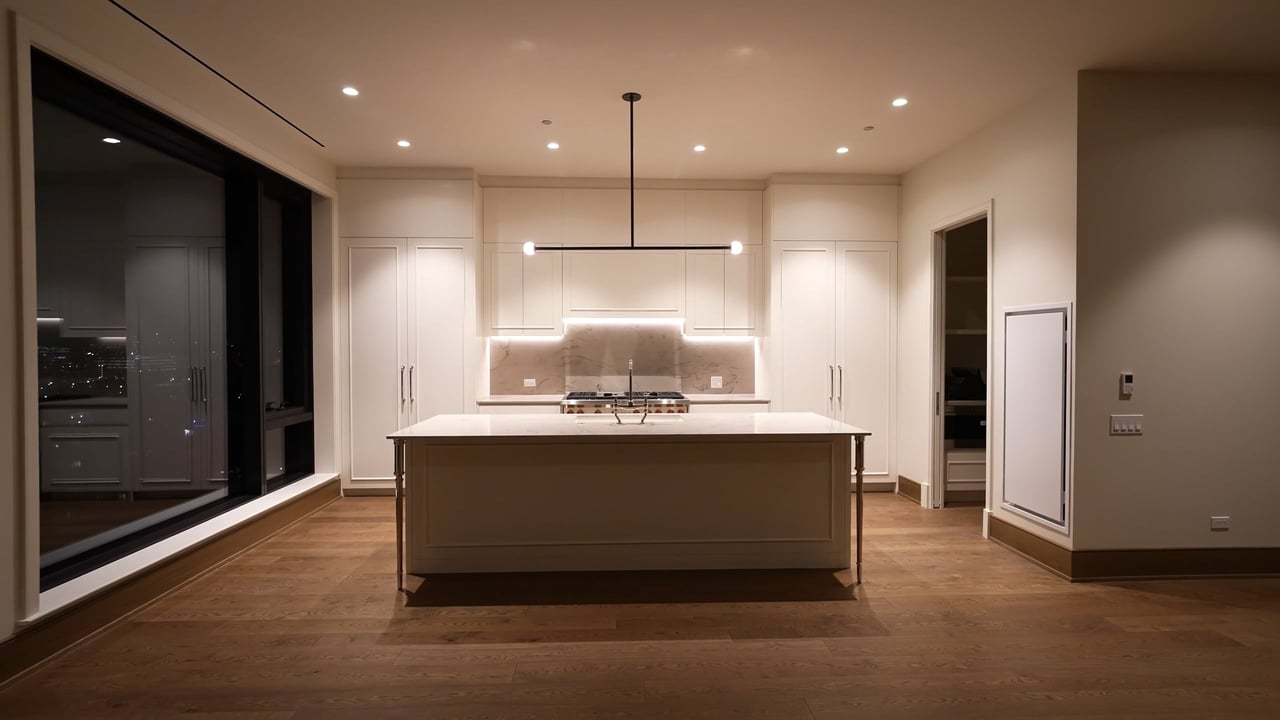
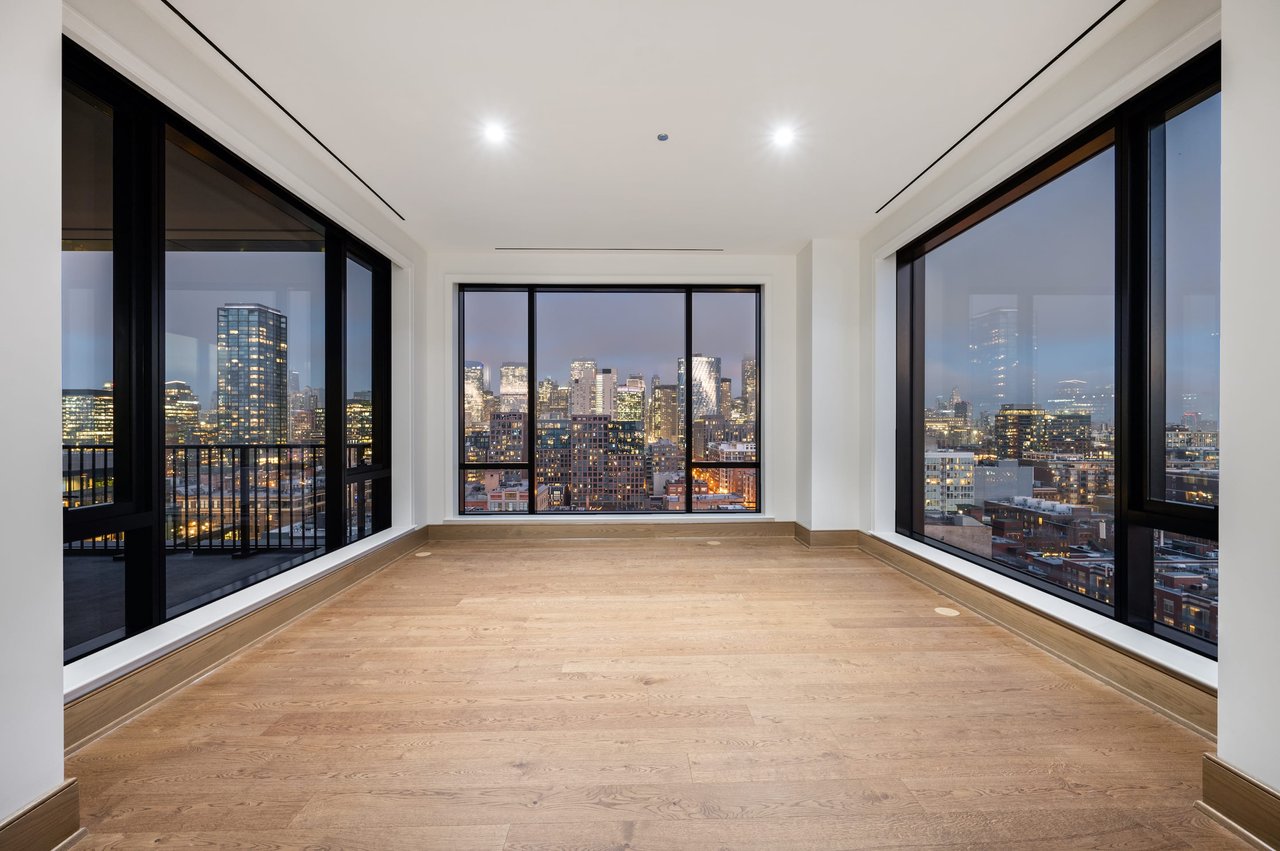
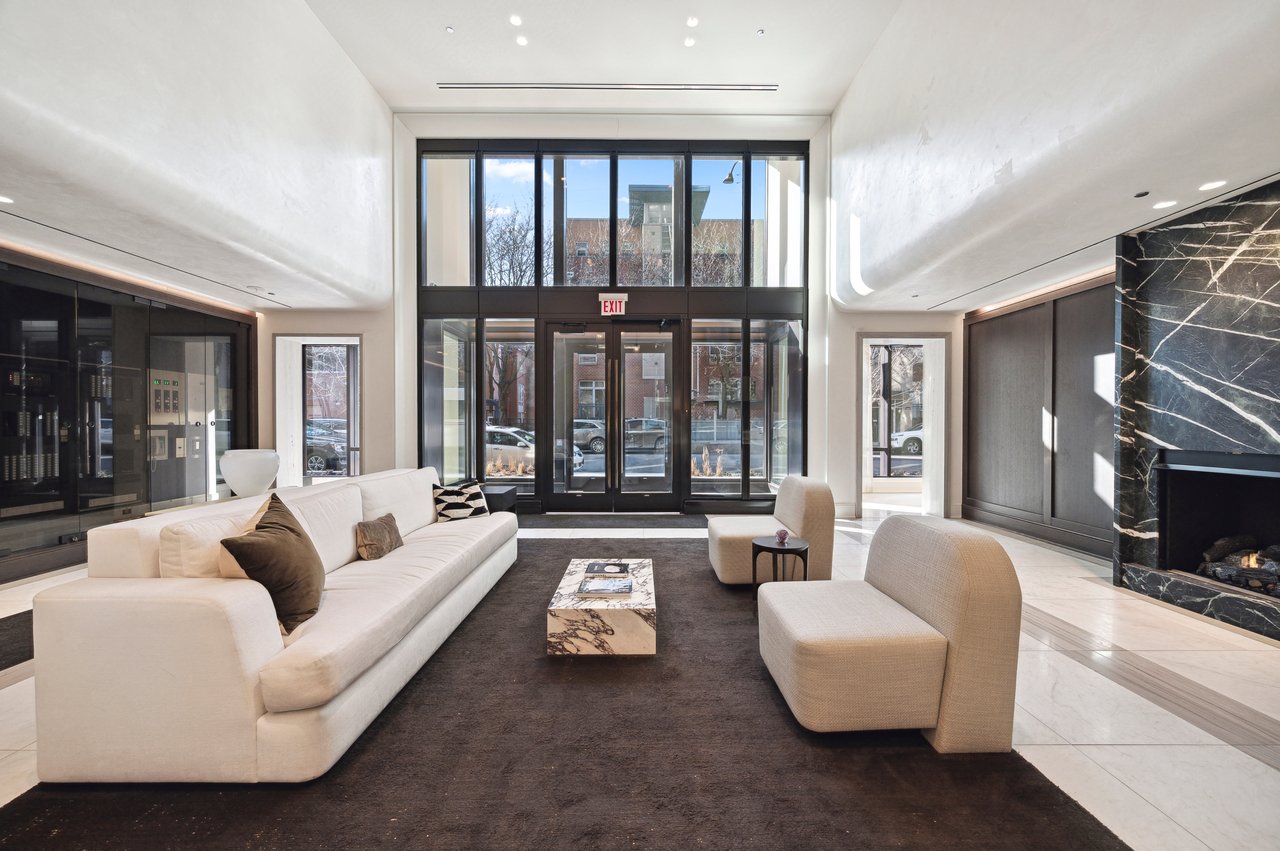
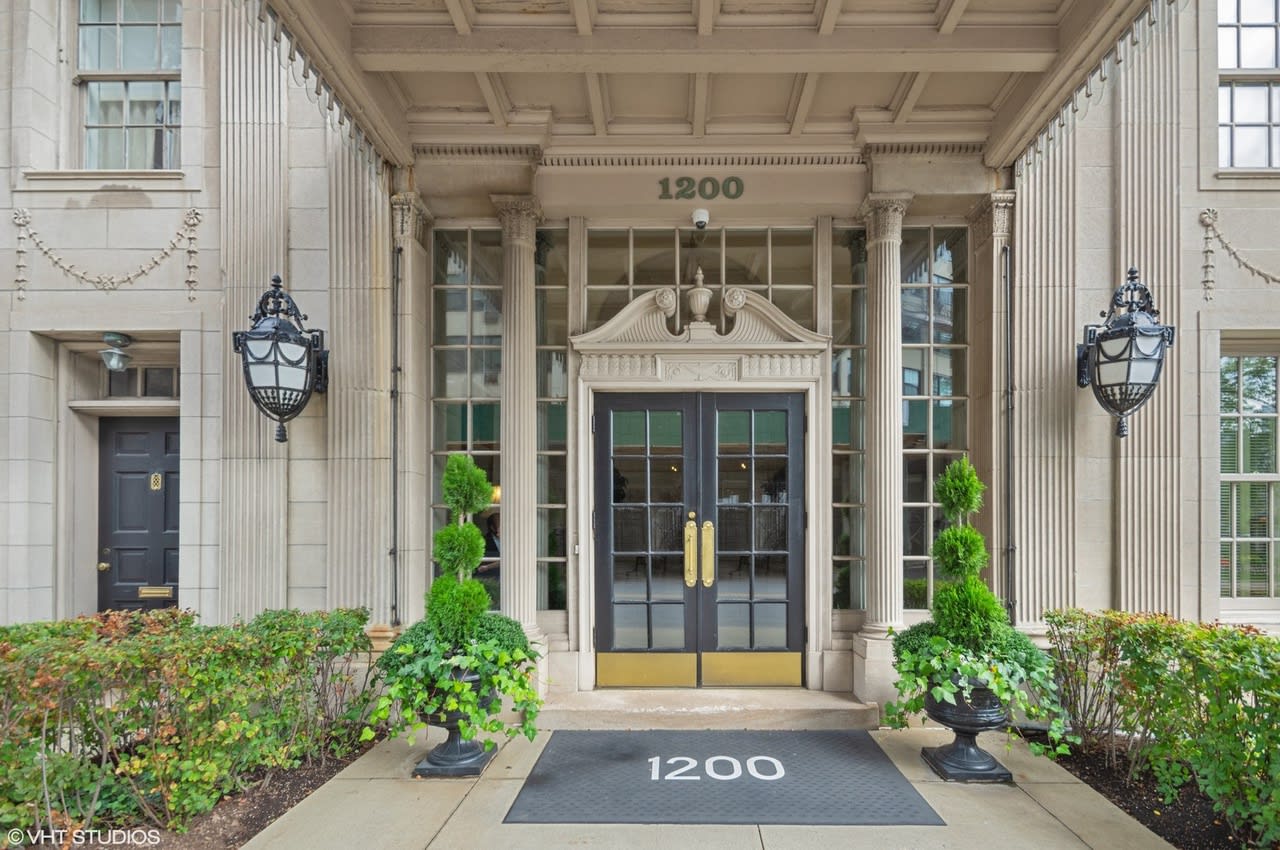
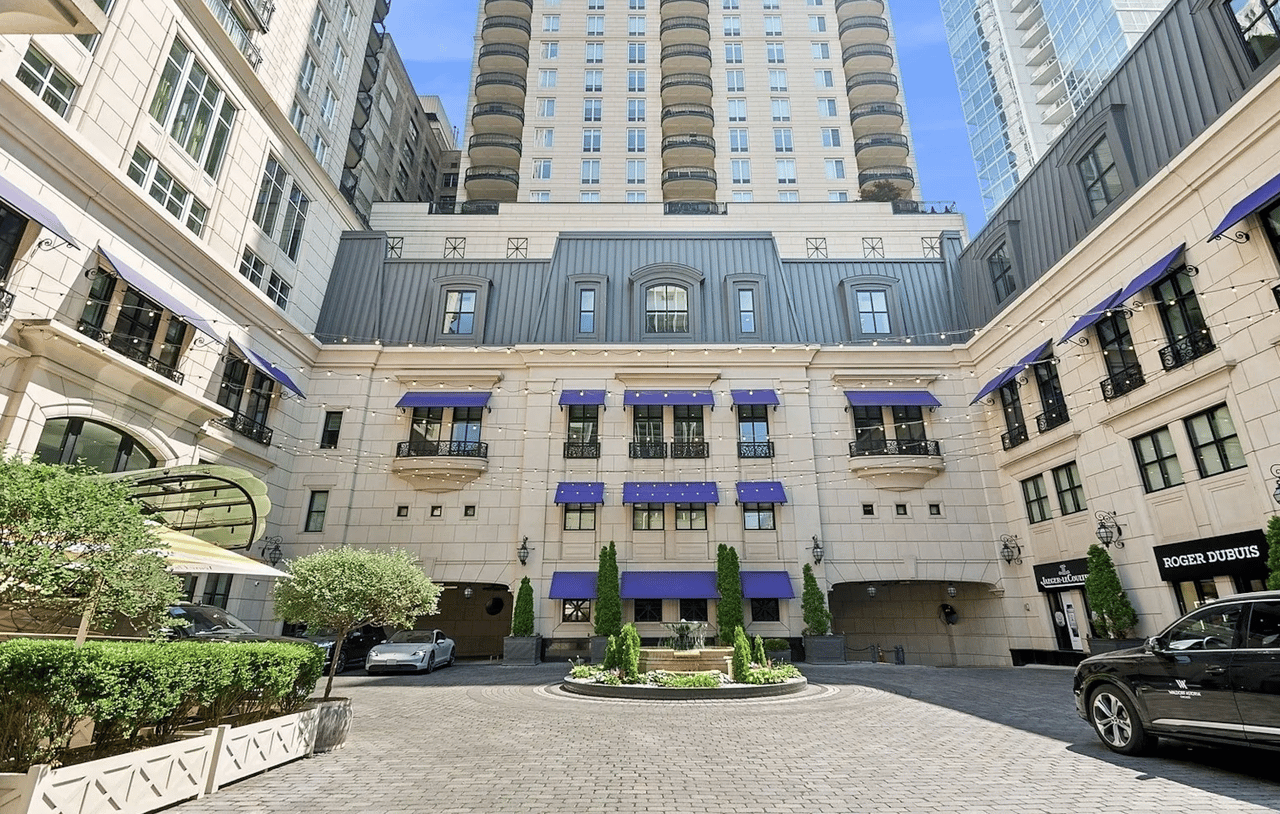
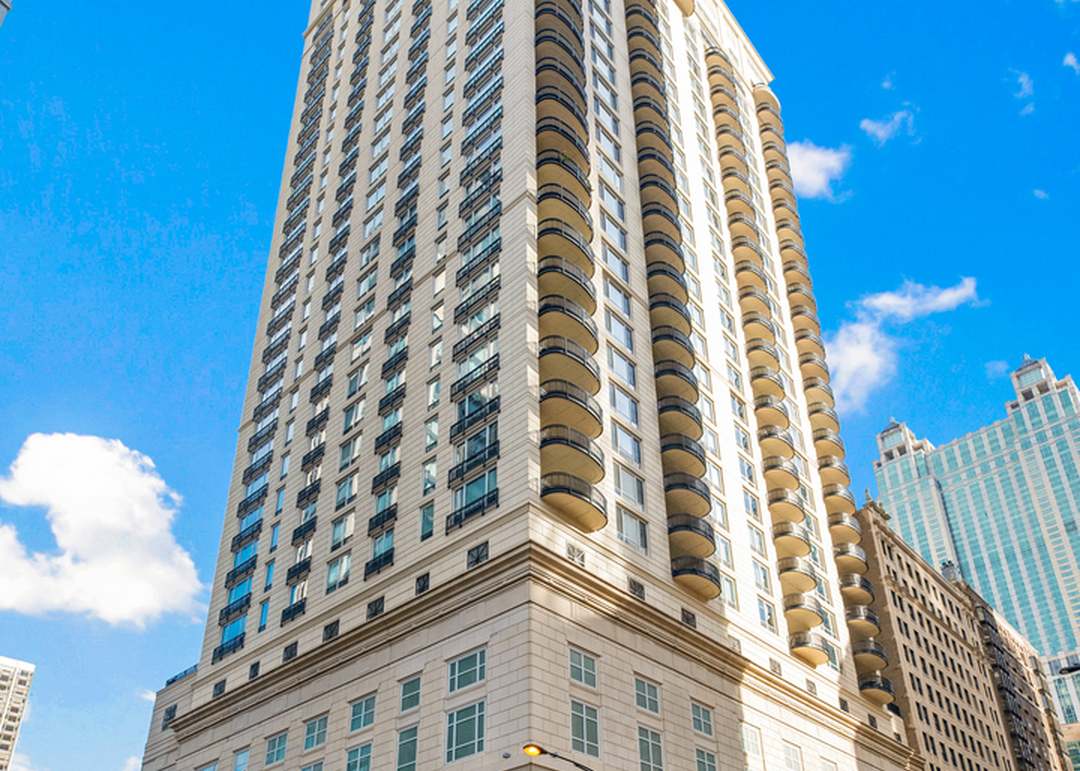
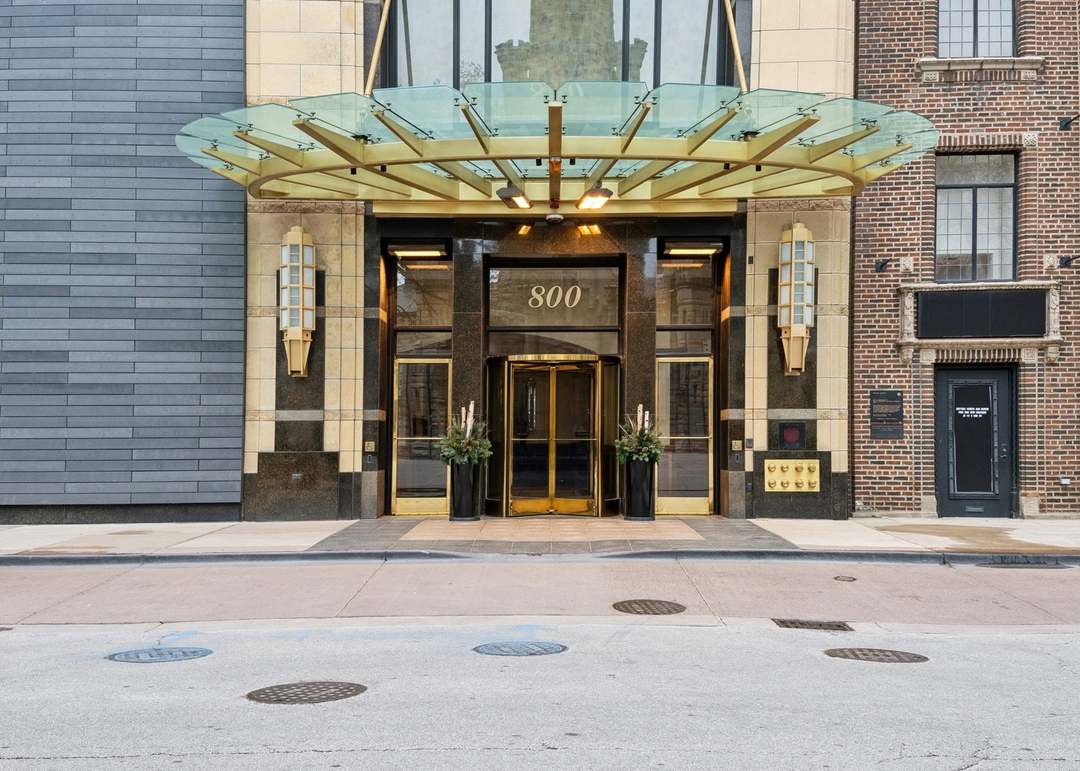
Another reason Streeterville works well on foot is that many residential buildings absorb part of daily life inside the property itself. In a high-rise neighborhood, that matters. It can reduce the number of separate trips you need to make and make day-to-day routines feel smoother.
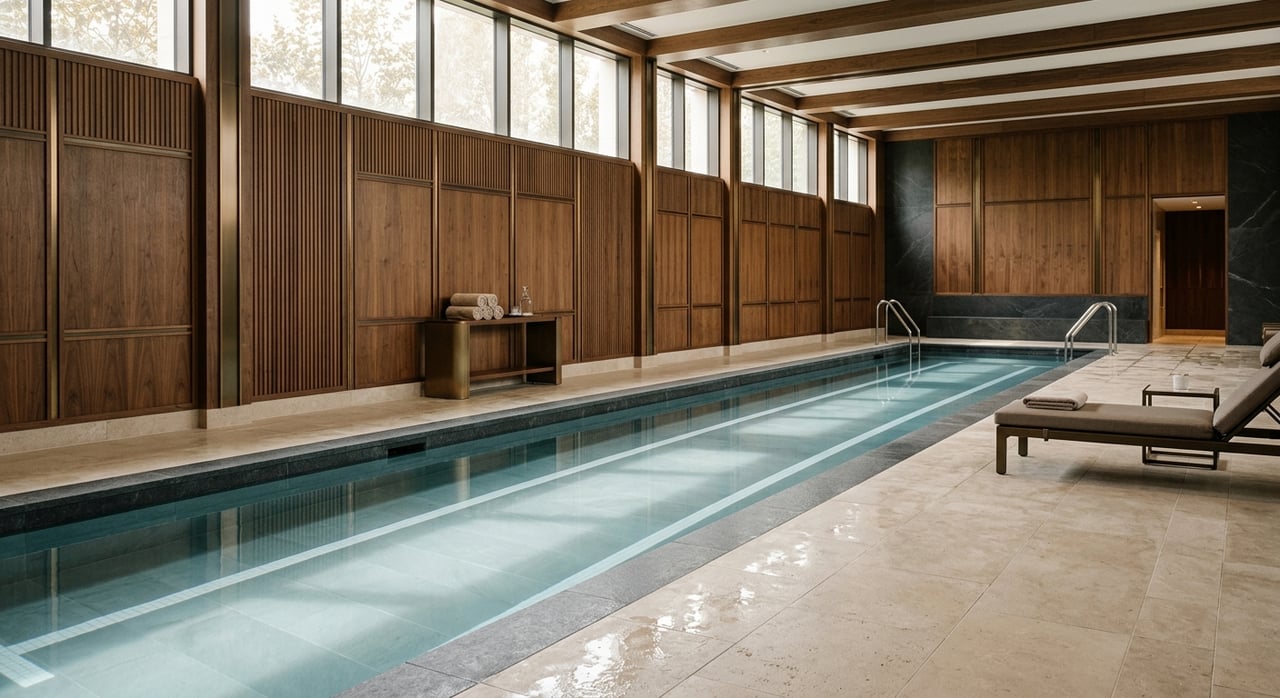
Examples from local buildings show how common that pattern is. The Streeter includes a 24-hour doorman, attached parking garage, fitness center, on-site retail, guest suite, and heated pool. Lake Point Tower includes a pool, fitness center, and on-site parking garage, while Atwater offers door staff, a coffee bar, fitness center, garage parking, and EV charging.
For residents, these amenity packages can make a walk-first routine easier to maintain. If your workout, coffee stop, guest accommodations, or basic service needs are partly handled within your building, the neighborhood becomes even more efficient. That is especially appealing in a part of the city where time, convenience, and ease of access often carry real value.
Streeterville has tradeoffs too
No walkable neighborhood is perfect, and Streeterville is no exception. Its biggest strengths are also tied to its biggest compromises. If you are thinking seriously about living here, it helps to understand both sides clearly.
The main tradeoff is crowd activity. Navy Pier is described as the top visited destination in the Midwest and welcomes nearly 9 million annual guests, while the Magnificent Mile is one of Chicago’s densest shopping and dining corridors. That means some streets and routes can feel busy, especially near major attractions, retail clusters, and event areas.
Streeterville also feels different from nearby downtown neighborhoods. Compared with River North, it tends to feel more mixed-use and more balanced between daytime routines and destination activity. Compared with the Gold Coast, it is more vertical and more centered on waterfront attractions, and compared with the Loop, it feels less office-driven and more residential-visitor mixed.
For many buyers, those tradeoffs are worth it because the neighborhood offers something hard to duplicate: true lakefront access paired with downtown convenience. If that combination matters to you, Streeterville can be one of the most practical places in Chicago to enjoy city living without designing your life around a car.
Who tends to like Streeterville most
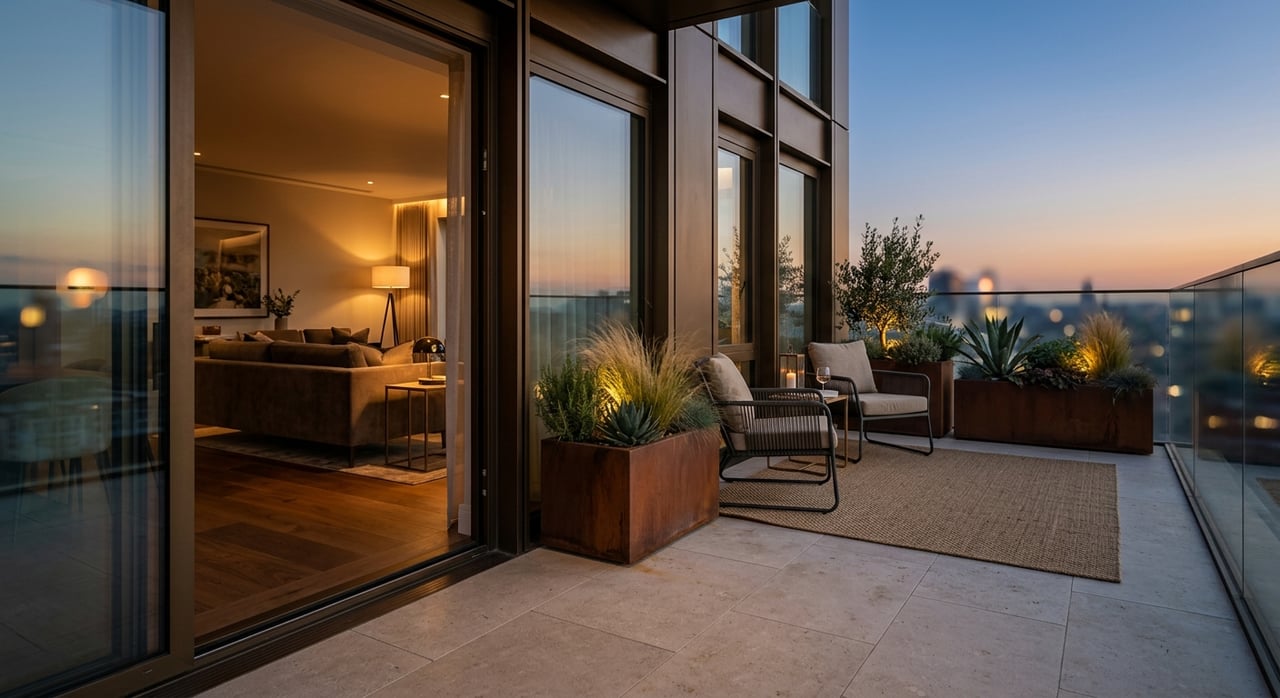
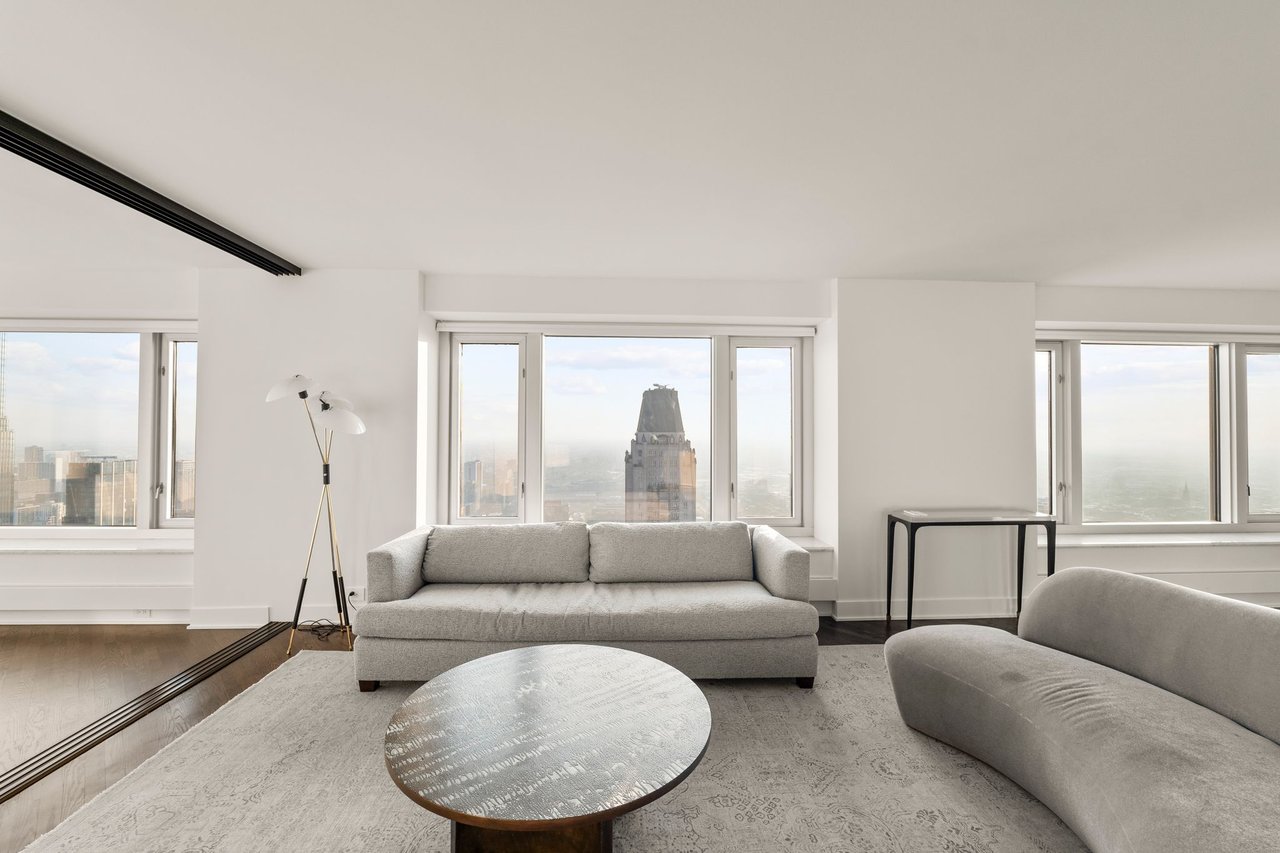
Streeterville often appeals to buyers who want high-rise living with strong daily convenience and a polished downtown setting. It can be a strong fit if you value being able to walk to the lake, restaurants, cultural destinations, and practical services without sacrificing access to transit. That combination is especially compelling for people with demanding schedules who still want the neighborhood to feel livable day to day.
Relocating professionals are often drawn to Streeterville for exactly that reason. The neighborhood combines lakefront recreation, a dense amenity base, CTA access, and full-service residential buildings in one compact area. If you want a home base that supports both workday efficiency and weekend ease, Streeterville makes a strong case.
If you are weighing buildings, blocks, or the difference between a quieter pocket and a more active stretch near Michigan Avenue or Navy Pier, nuanced local guidance matters. Streeterville is walkable in general, but the experience can vary depending on exactly where you live and how you like to move through the neighborhood. For discreet, building-level guidance on Streeterville and other luxury Chicago neighborhoods, connect with Mike Larson.
FAQs
Can you live in Streeterville without a car?
- Yes, many residents can manage daily life without a car because Streeterville has 24-hour Red Line access, multiple CTA bus routes, and a dense mix of retail, dining, culture, and services.
What is walking around Streeterville like day to day?
- Walking in Streeterville usually feels like a series of short, connected trips, with lakefront routes in the morning, errands and meals around Michigan Avenue and the hospital area, and restaurants or attractions in the evening.
What makes Streeterville walkable compared with other Chicago neighborhoods?
- Streeterville combines the Lakefront Trail, Ohio Street Beach, Navy Pier, the Magnificent Mile, cultural institutions, and practical services in a compact downtown area.
What is the biggest tradeoff of living in Streeterville on foot?
- The biggest tradeoff is crowd activity, especially around Navy Pier and the Magnificent Mile, where visitor traffic and events can make parts of the neighborhood feel busy.
Who is Streeterville a good fit for?
- Streeterville often appeals to buyers who want full-service high-rise living, close lakefront access, nearby dining and culture, and a realistic car-light lifestyle in downtown Chicago.