If you have been wondering whether this is the right moment to sell in Lakeshore East, the short answer is yes, but not for the reasons many sellers assume. This is not a market where you can rely on general neighborhood averages and expect top-dollar results. If you want to sell well, you need sharp pricing, building-level strategy, and a clear story around what makes your home stand out. Let’s dive in.
What the Lakeshore East market says now
Lakeshore East is active, but it is not overly tight. Over the last 30 days, the public market report shows 45 sold listings, 59 new listings, and 157 active listings, with a sold median price of $462,000 and 45 median days on site for active listings.
That level of activity works out to about 3.5 months of supply based on 157 active listings and 45 sales. In practical terms, that points to a market that can support a sale, but one where buyers still have options and compare carefully.
That matters if you are thinking about timing. You do not need to rush to market out of fear, but you also should not expect a premium simply because your property is in Lakeshore East.
Chicago condo trends still support sellers
The broader Chicago condo market adds another helpful layer of context. Illinois REALTORS reported that Chicago condo and townhome prices rose 5.5% year over year in February 2026, while closed condo sales fell about 11%, inventory fell about 25%, and days on market declined by 8 days.
Their three-month forecast also projected condo prices in Chicago to rise 4.5% between February and May 2026, with condo sales activity increasing seasonally by 104.5%. That does not guarantee every unit will sell quickly, but it does suggest that pricing conditions remain constructive for well-positioned sellers.
For Lakeshore East owners, this creates a balanced message. The market backdrop is supportive, but performance depends heavily on your specific building, floor, view, and finish level.
Why Lakeshore East earns buyer attention
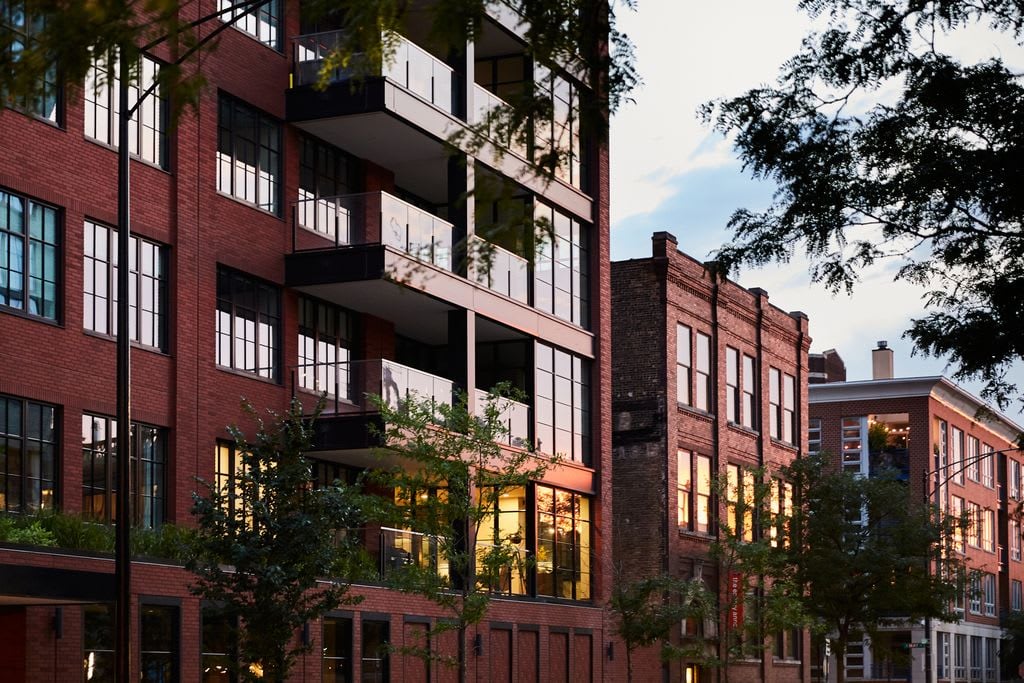
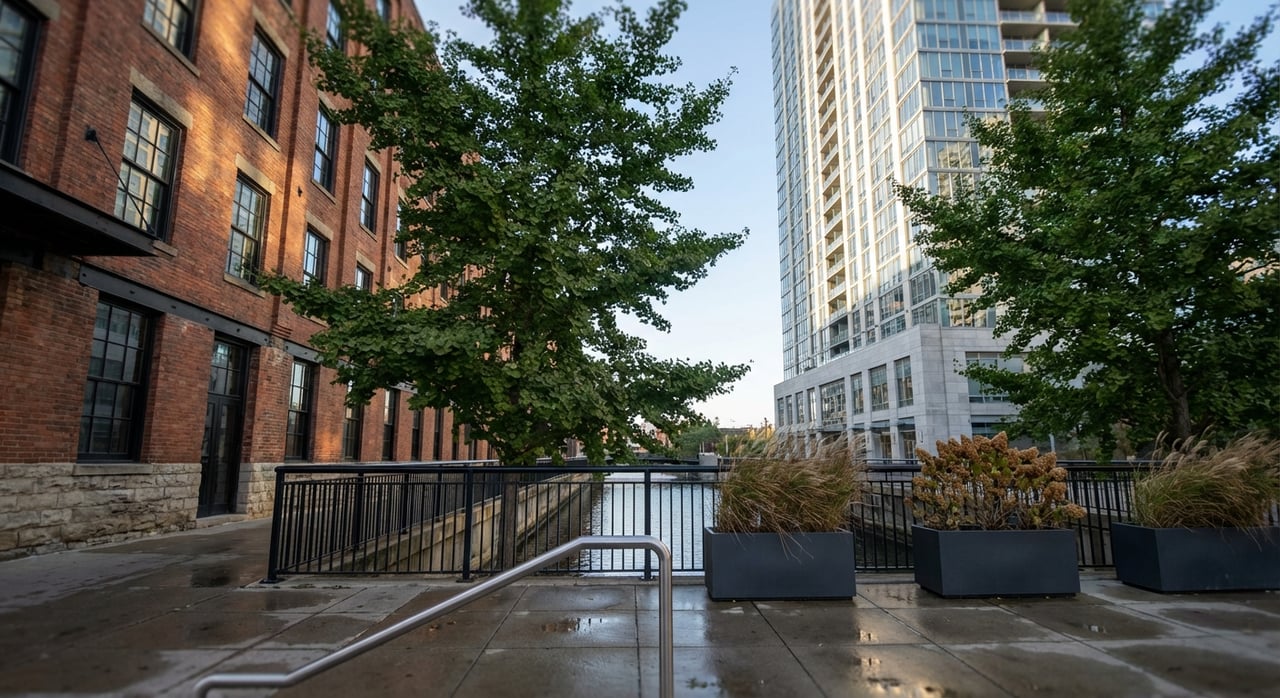
Lakeshore East is not just another downtown condo district. It is a 28-acre master-planned neighborhood centered on a six-acre park, with 40% total open space and direct connections to lakefront amenities and the Pedway system.
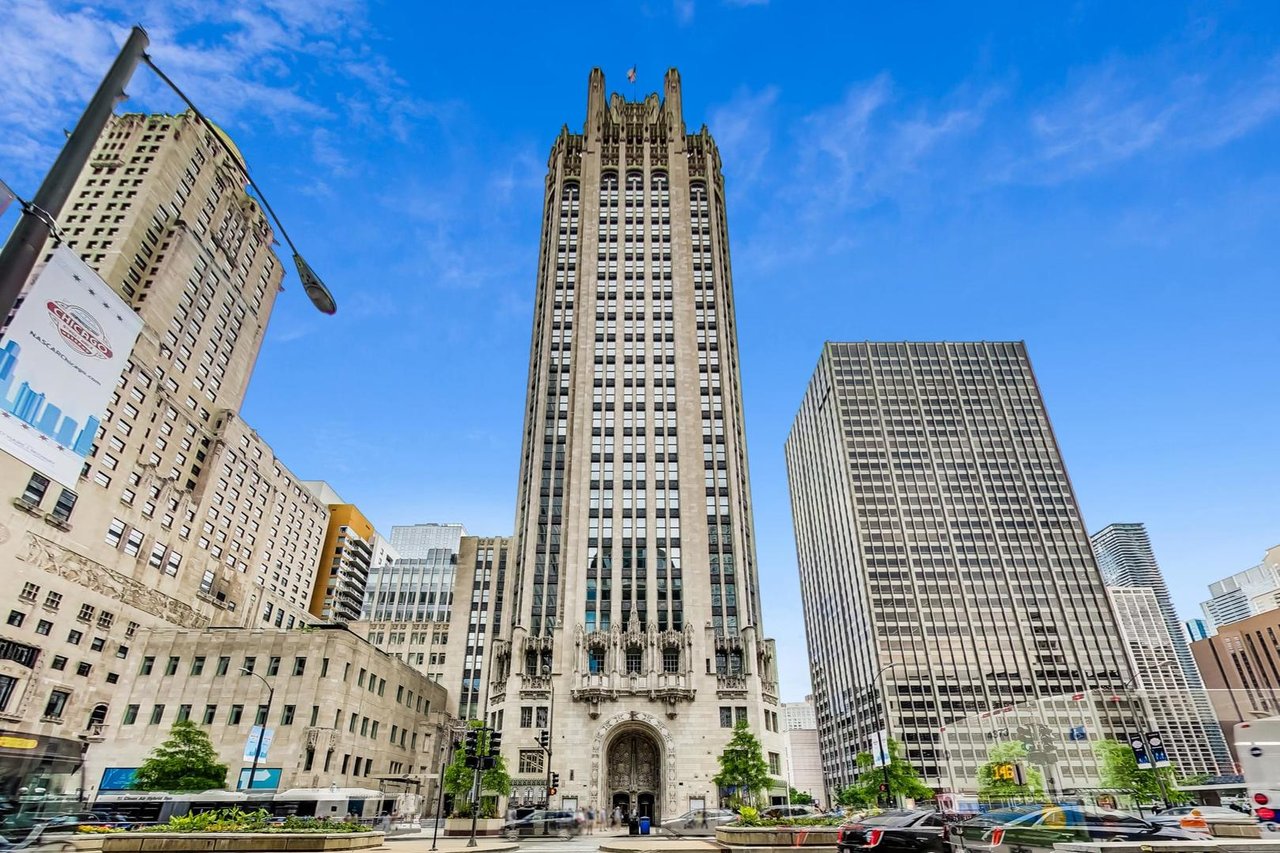
The neighborhood was designed around mixed-use towers, open space, and strong connections to the surrounding downtown core. It sits near Millennium Park, the Magnificent Mile, and the central business district, which helps explain why buyers often see it as a distinct product rather than a generic downtown location.
That setting shapes value in a very real way. In Lakeshore East, buyers are often paying not just for square footage, but for park exposure, lake adjacency, skyline views, and the overall feel of the building and its amenities.
In this market, the unit is only part of the product
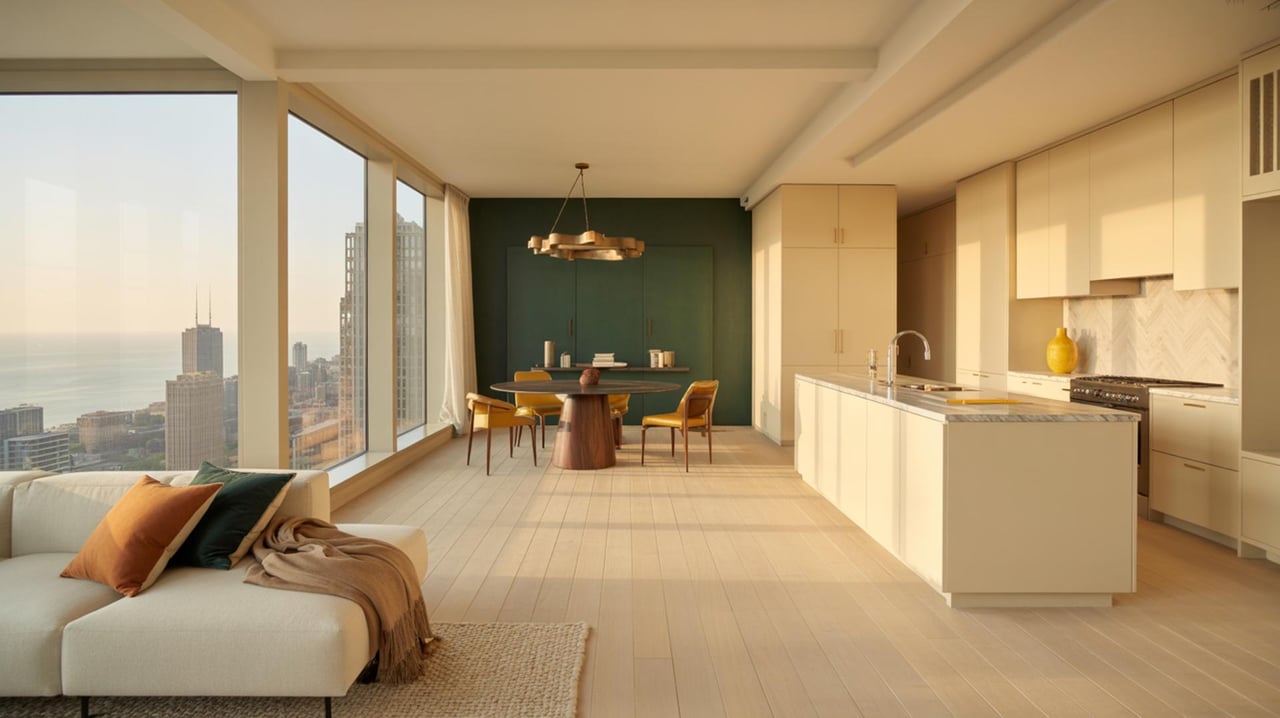
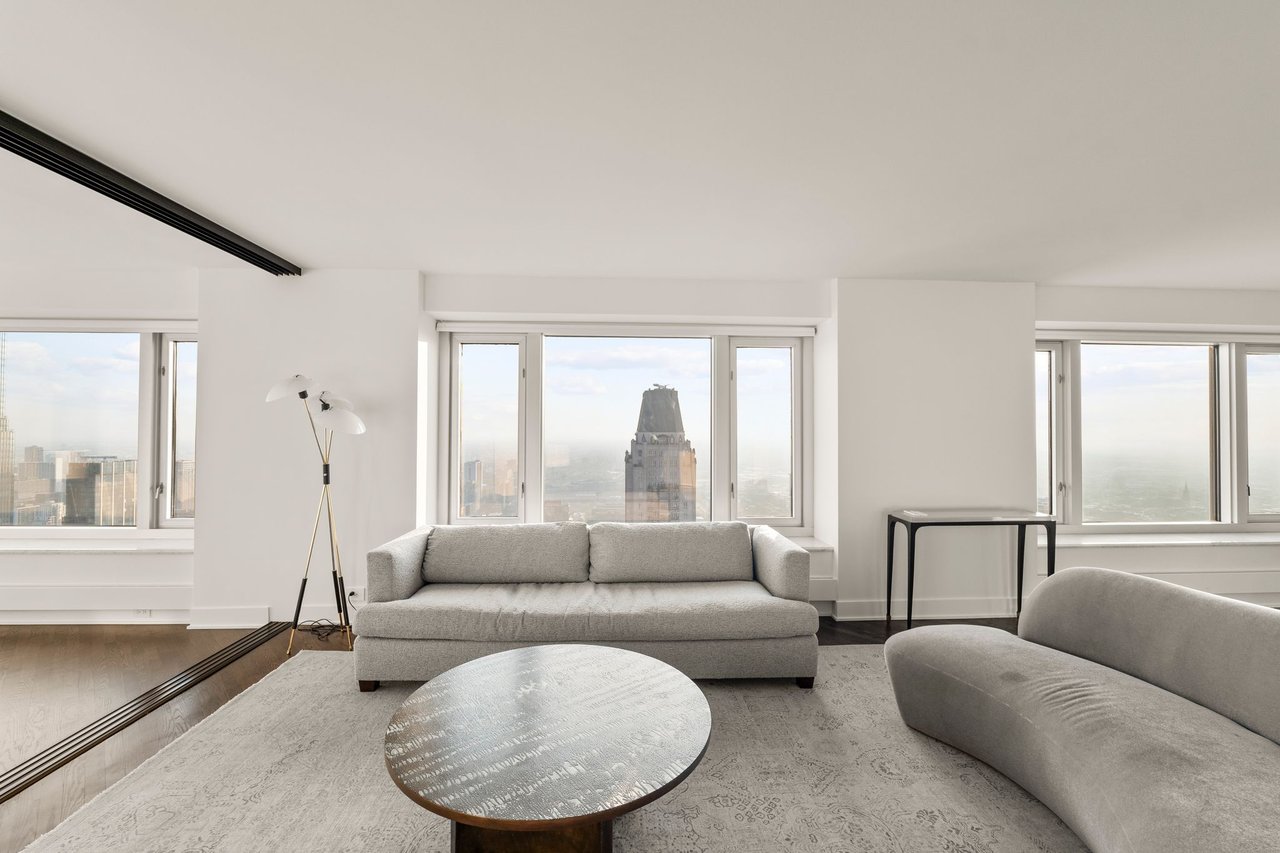
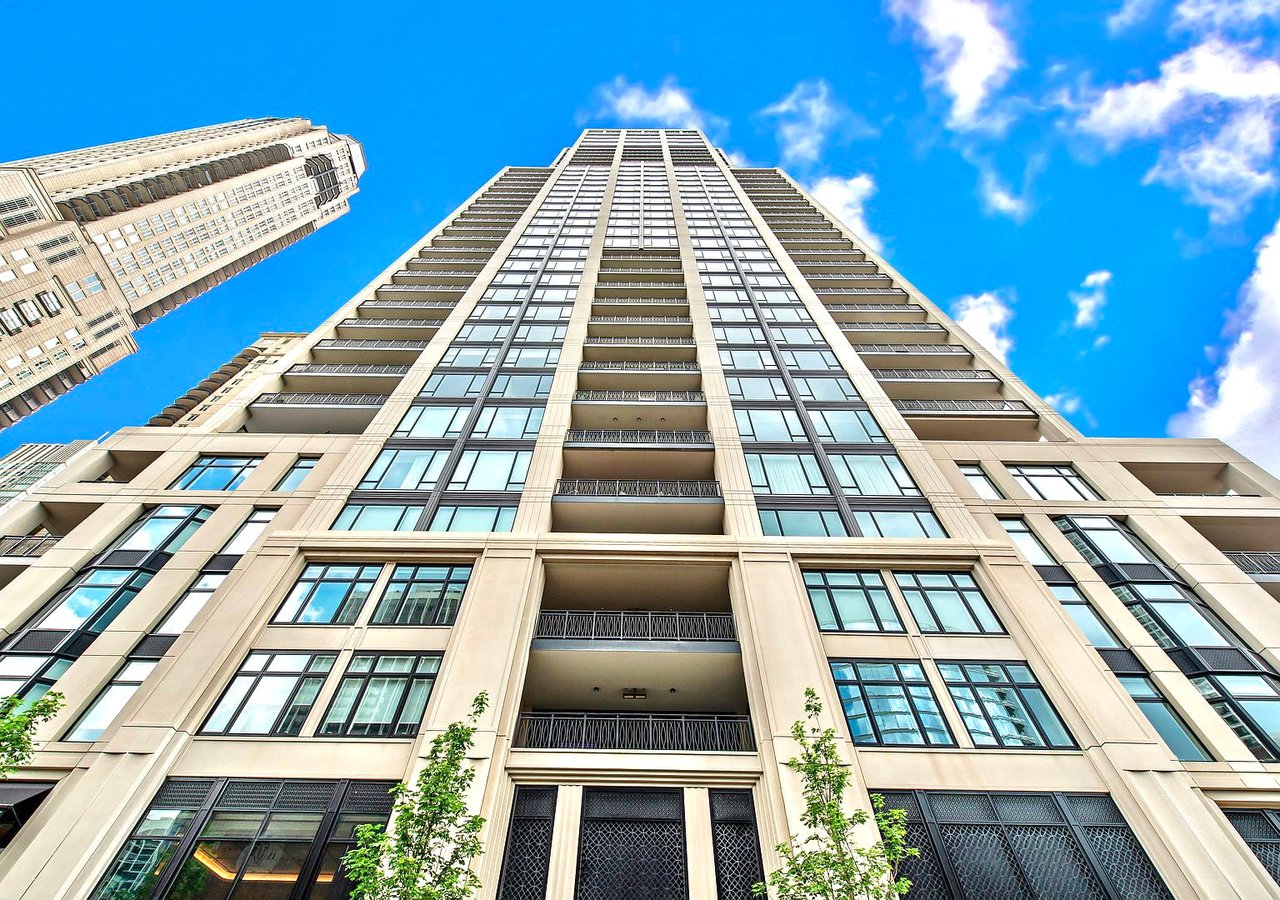
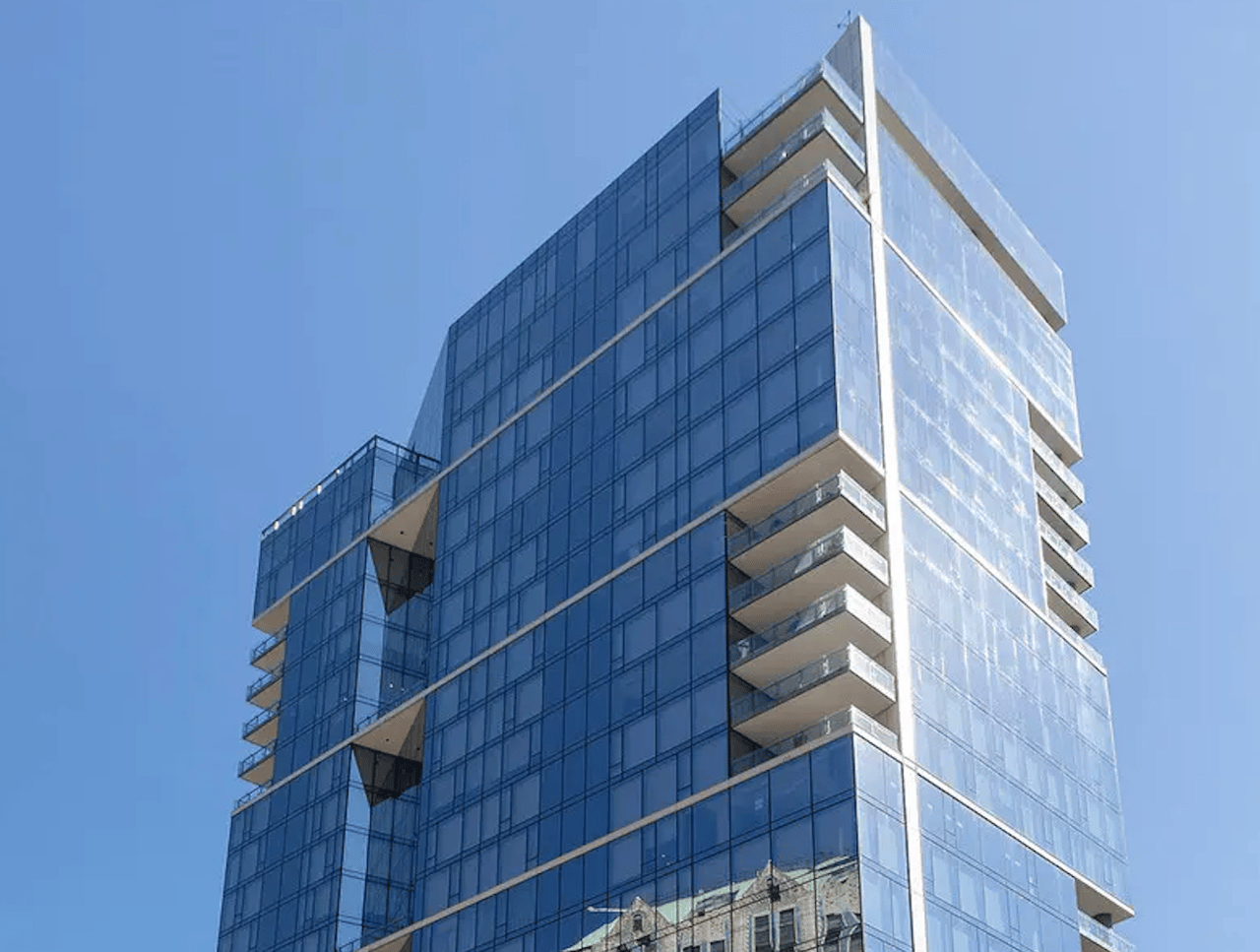
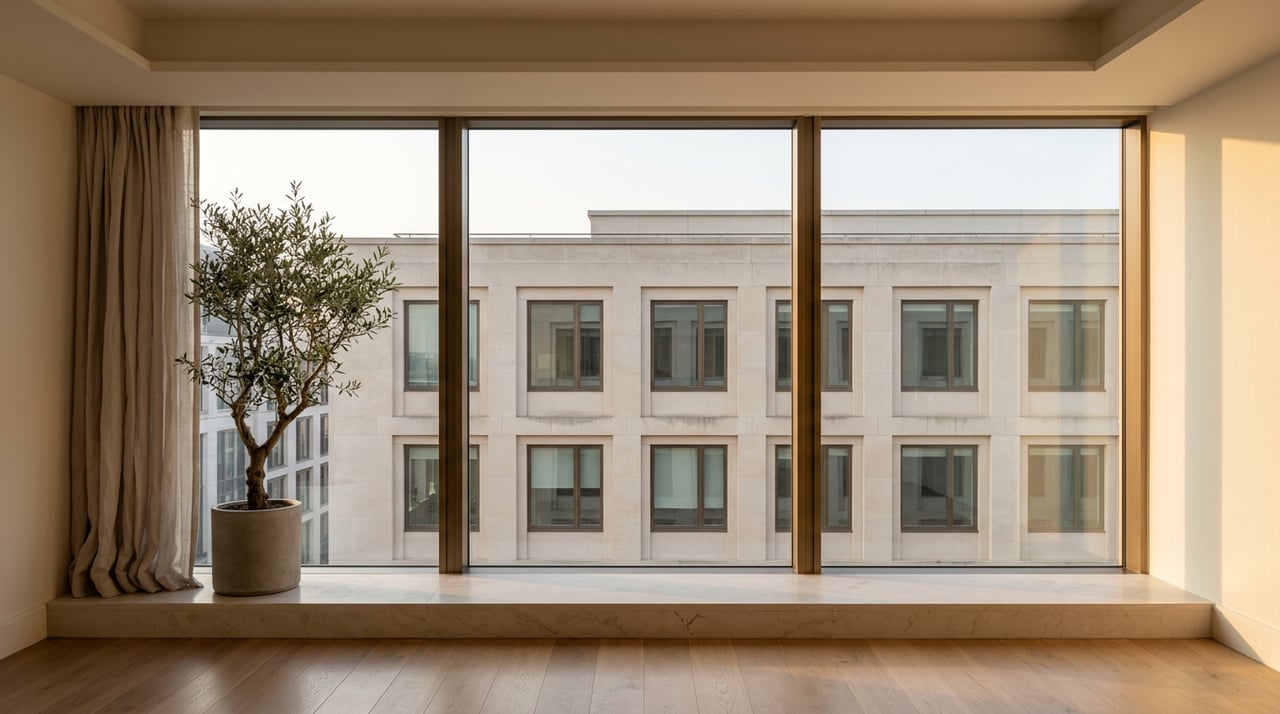
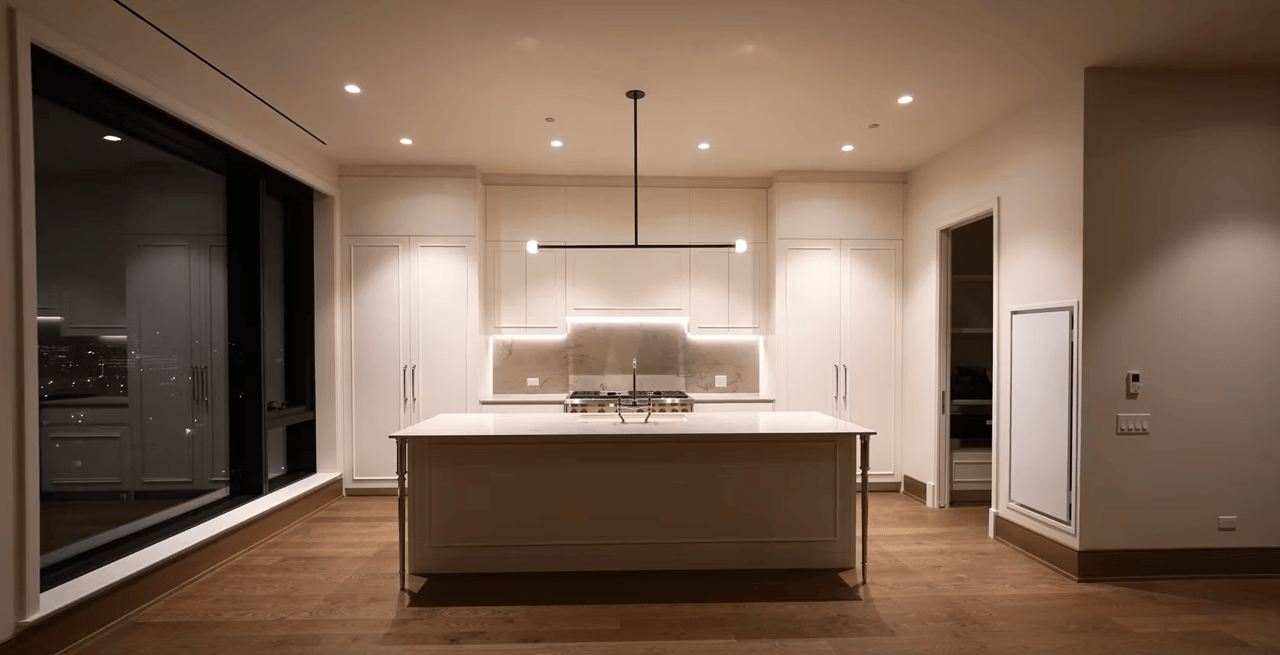
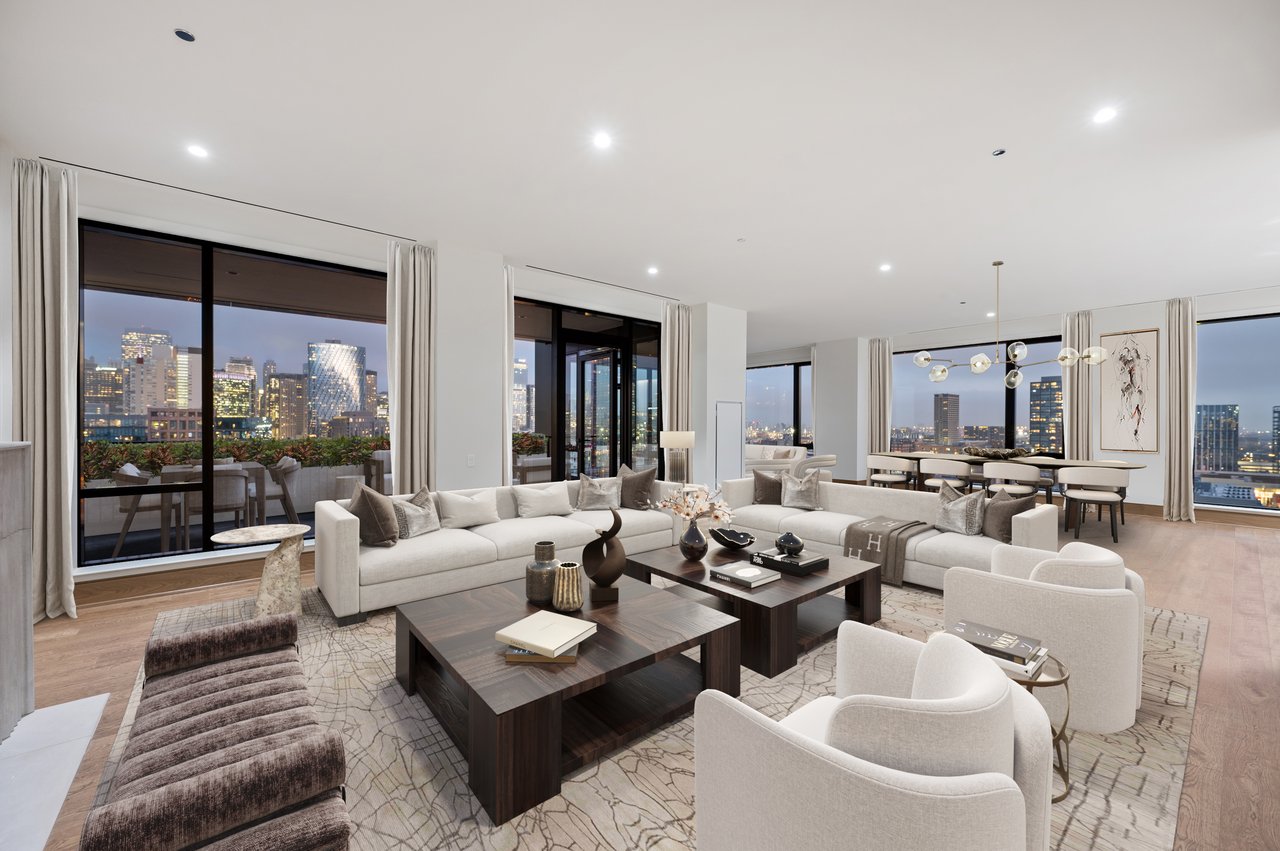
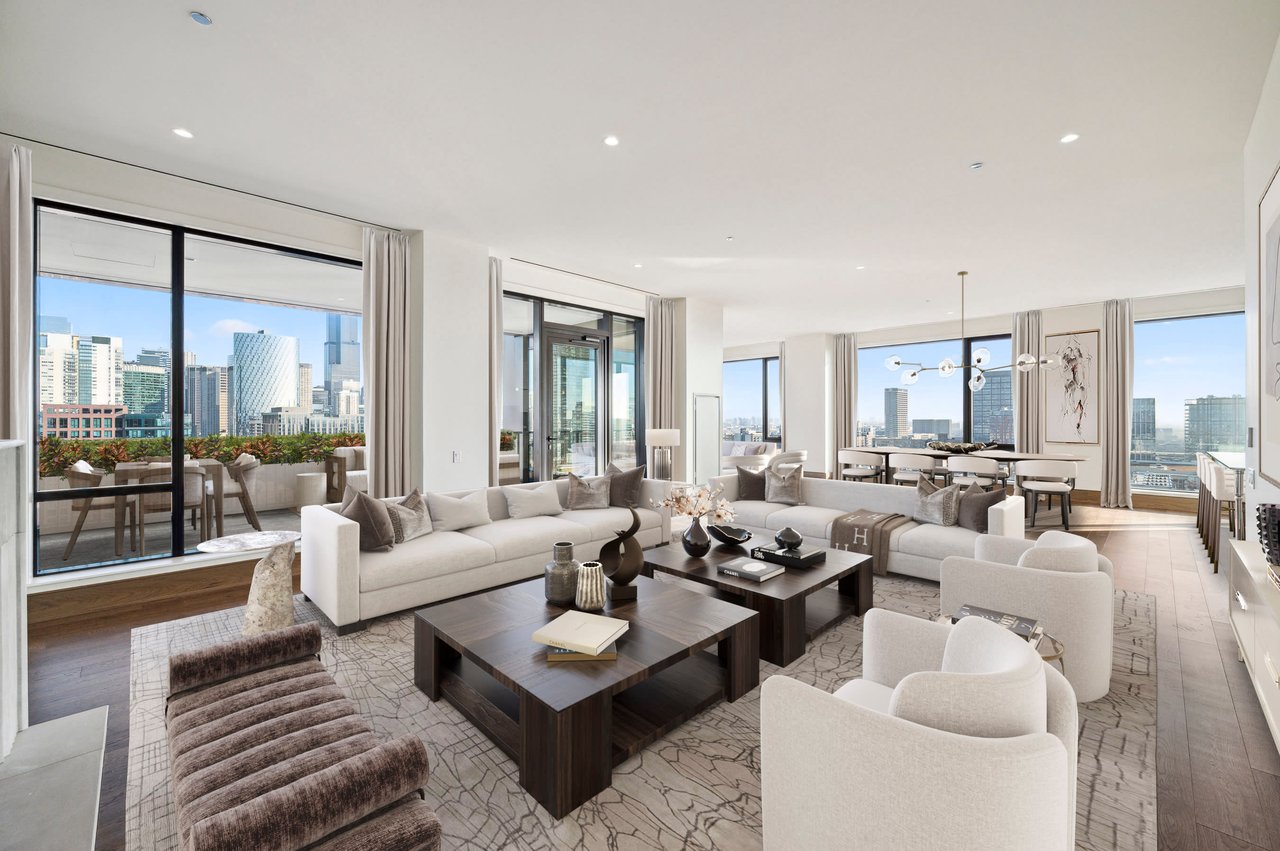
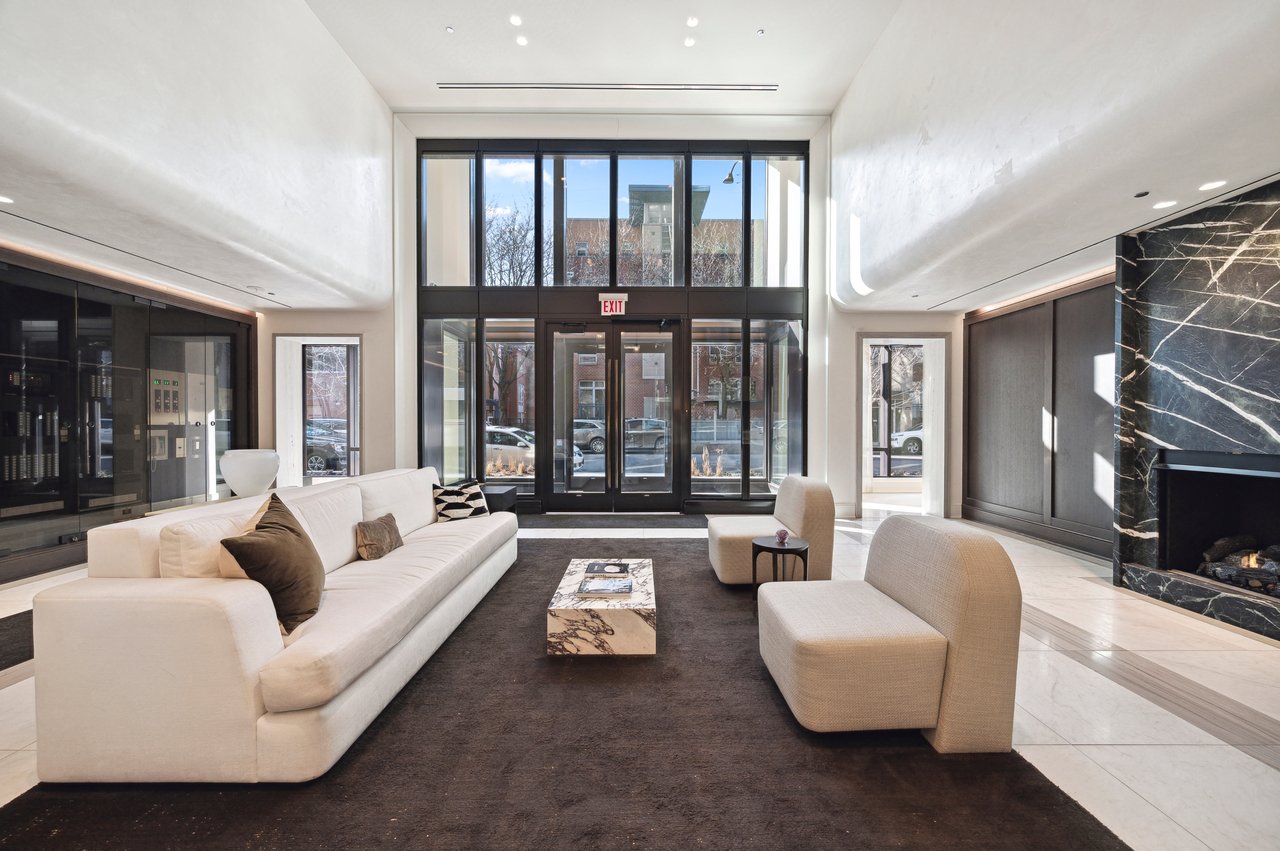
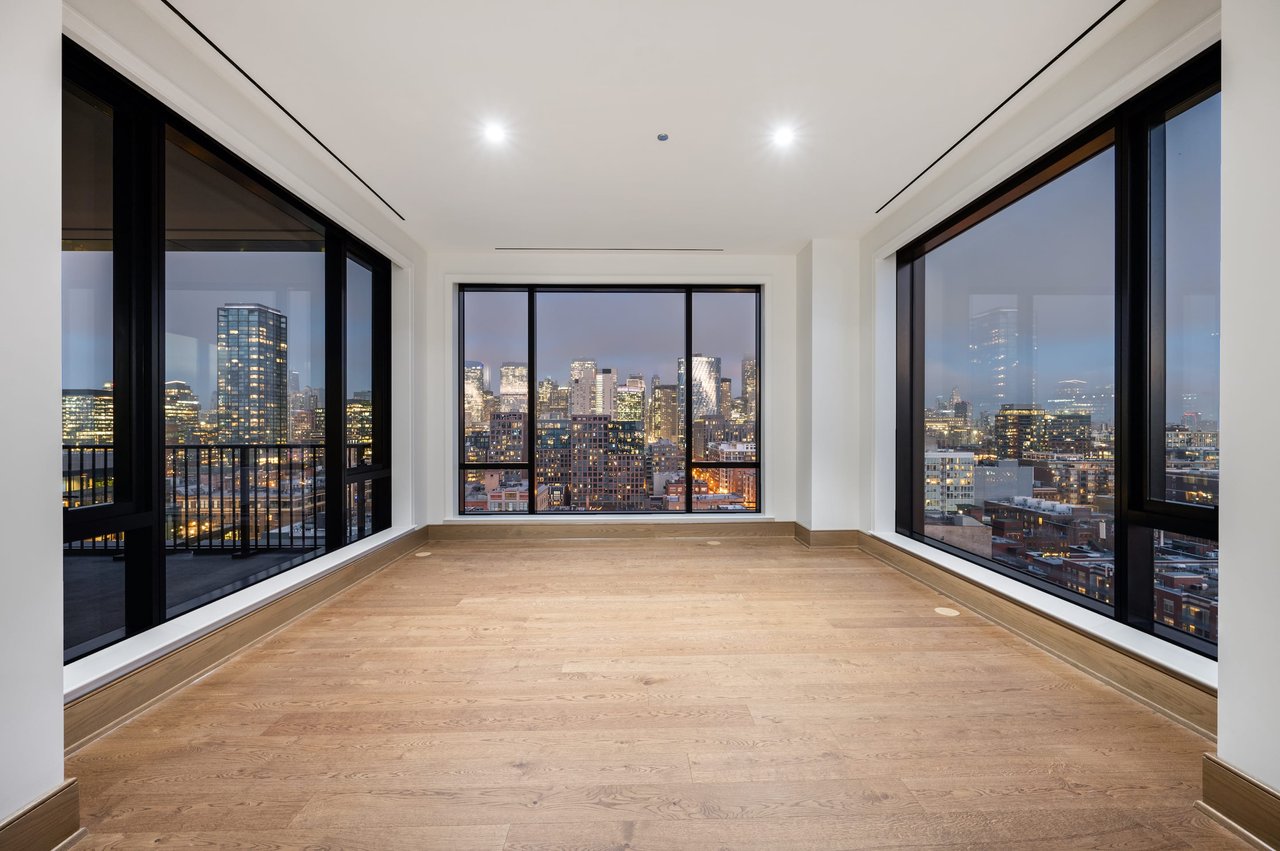
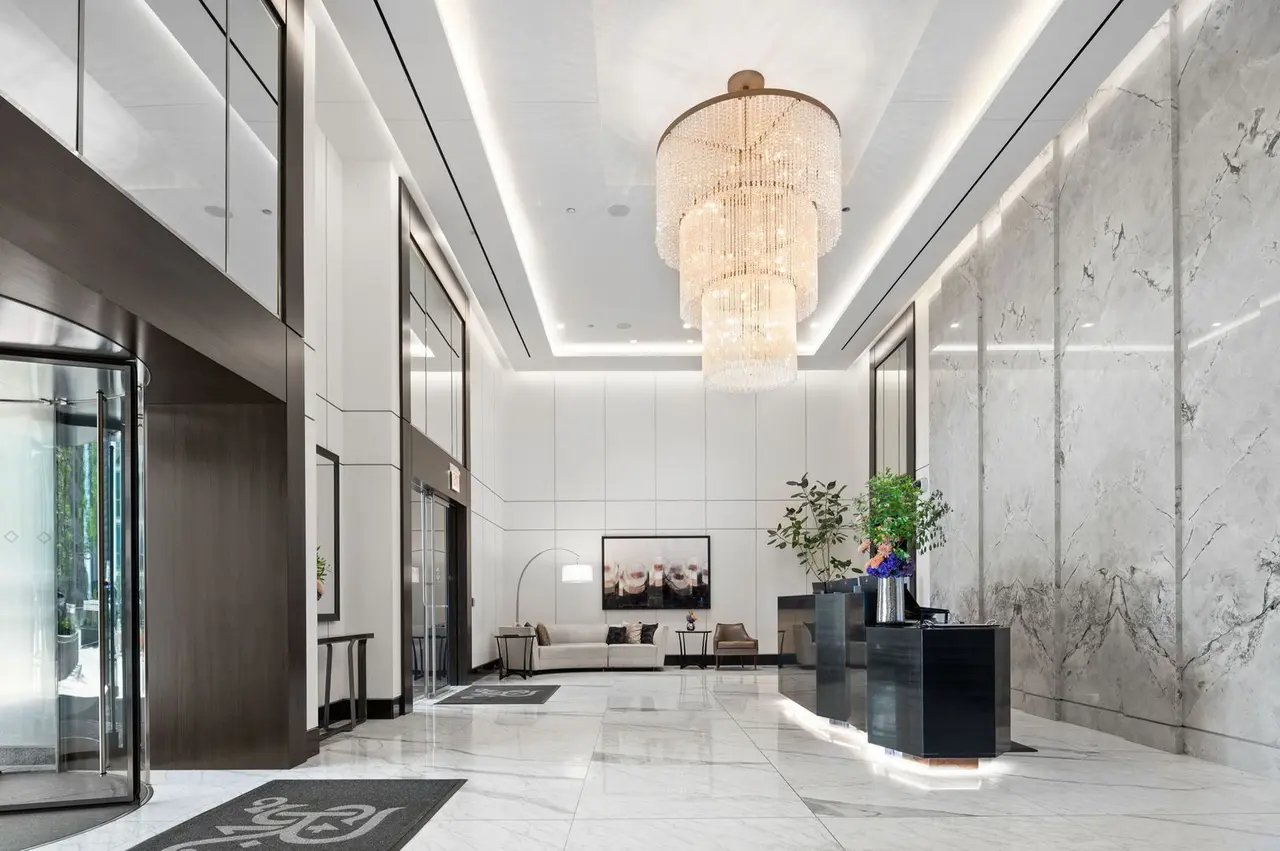
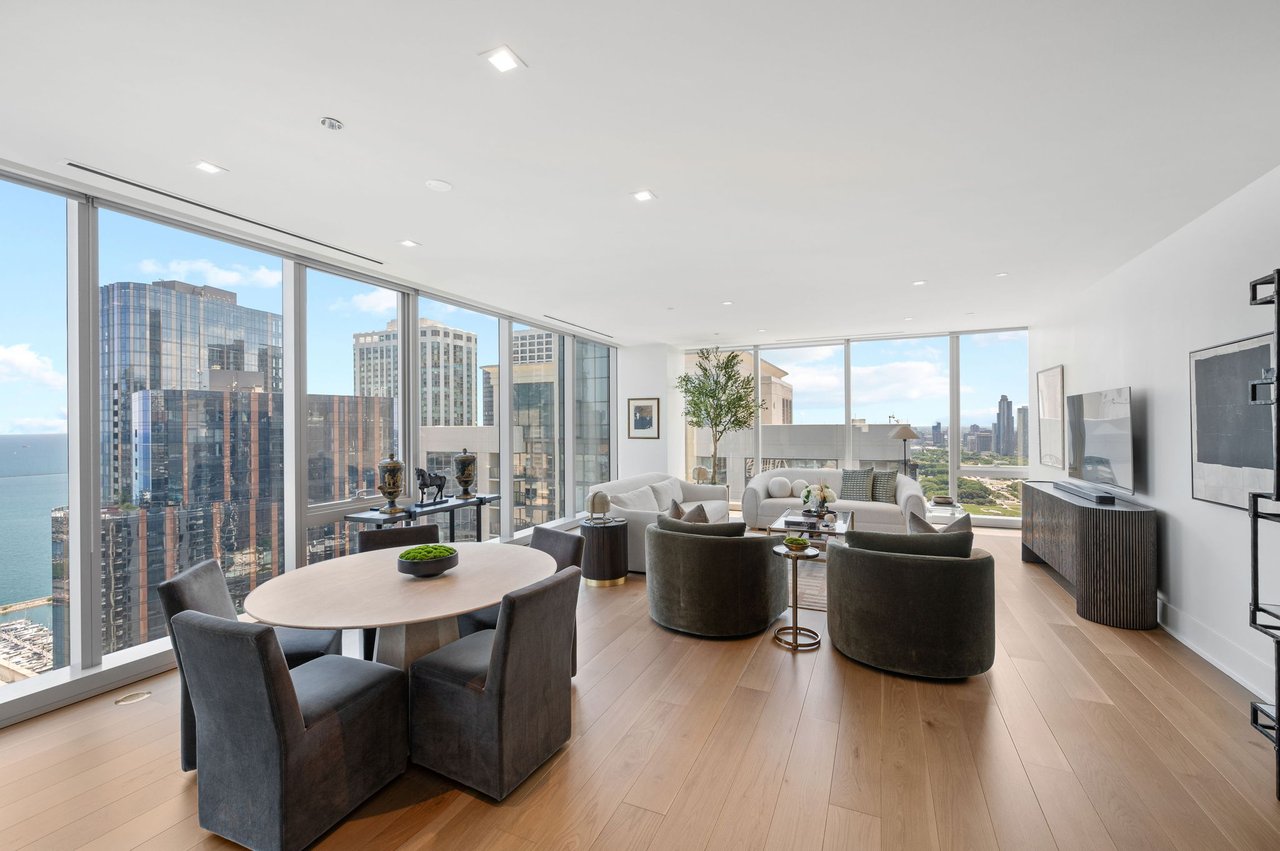
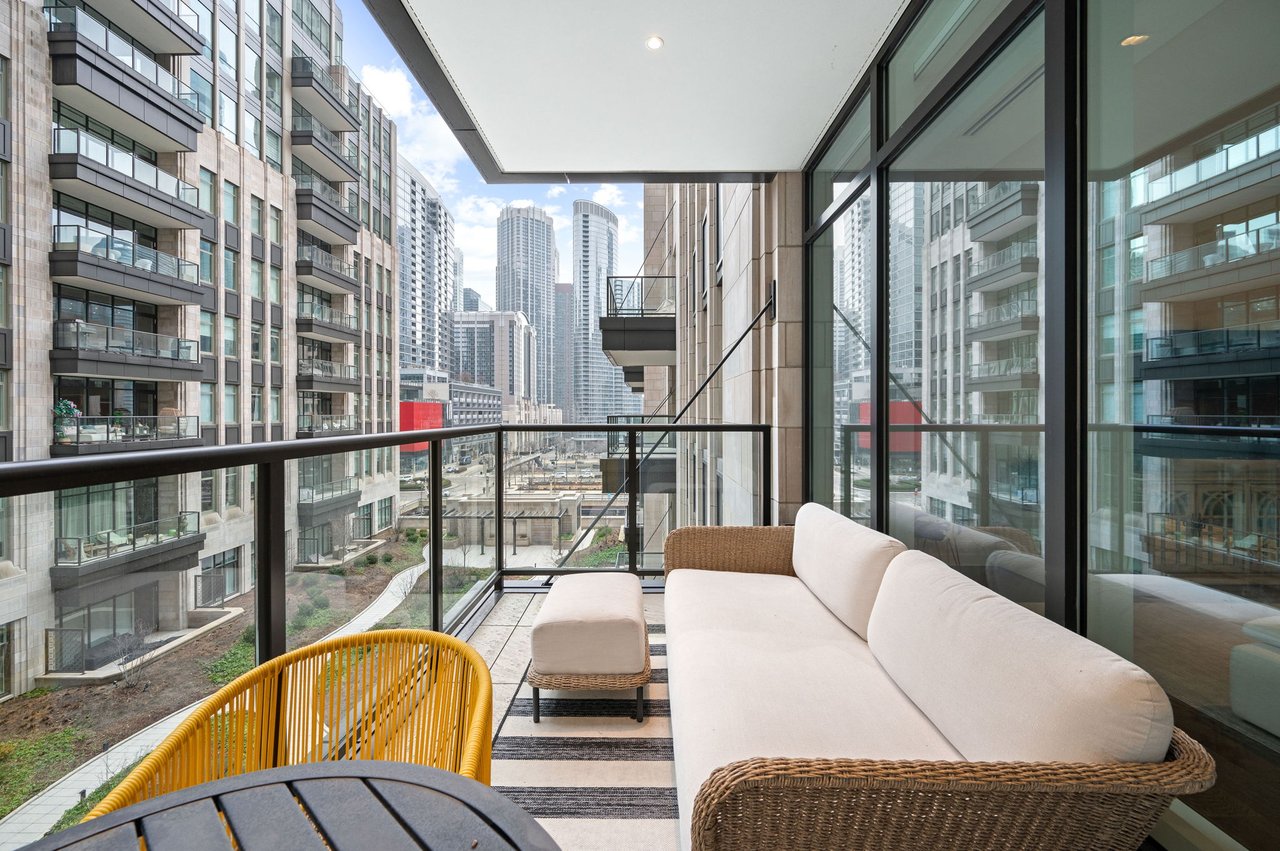
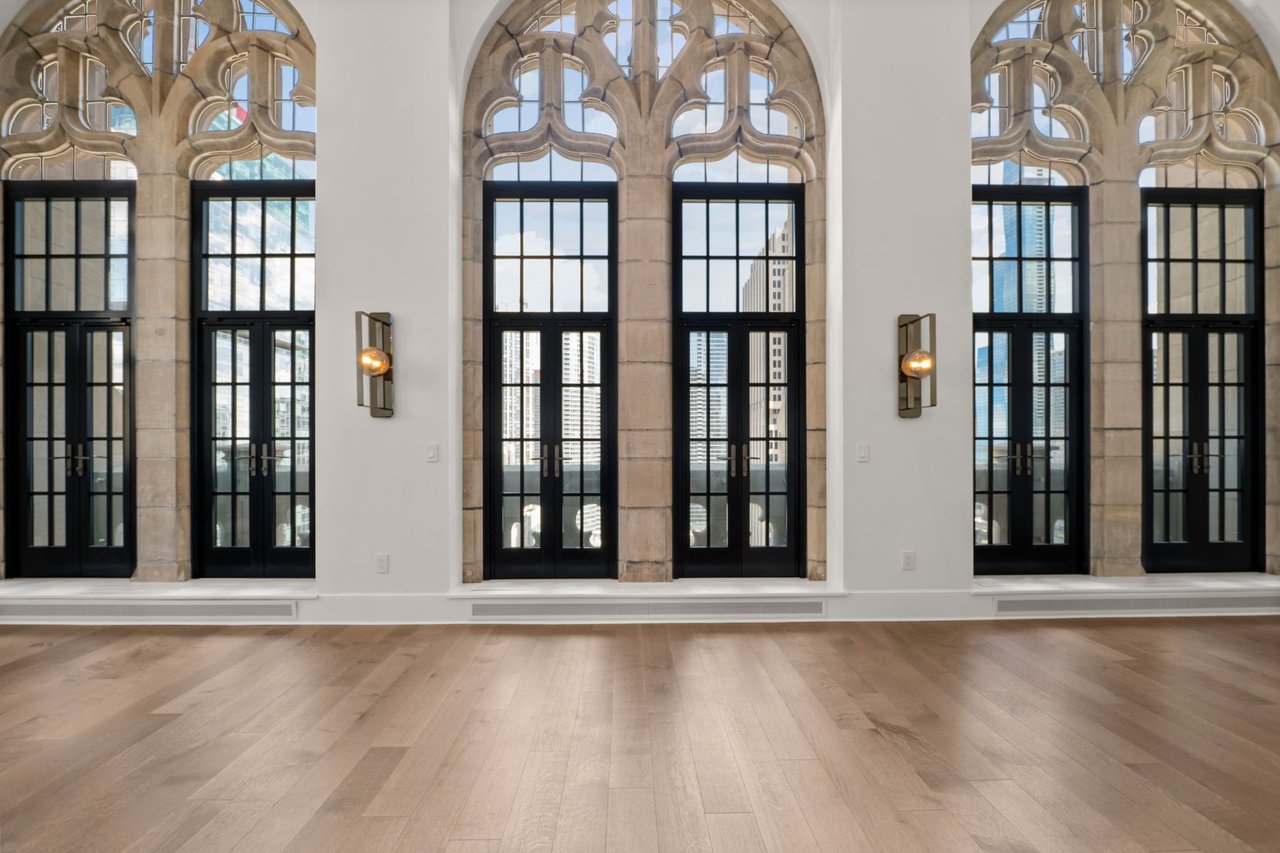
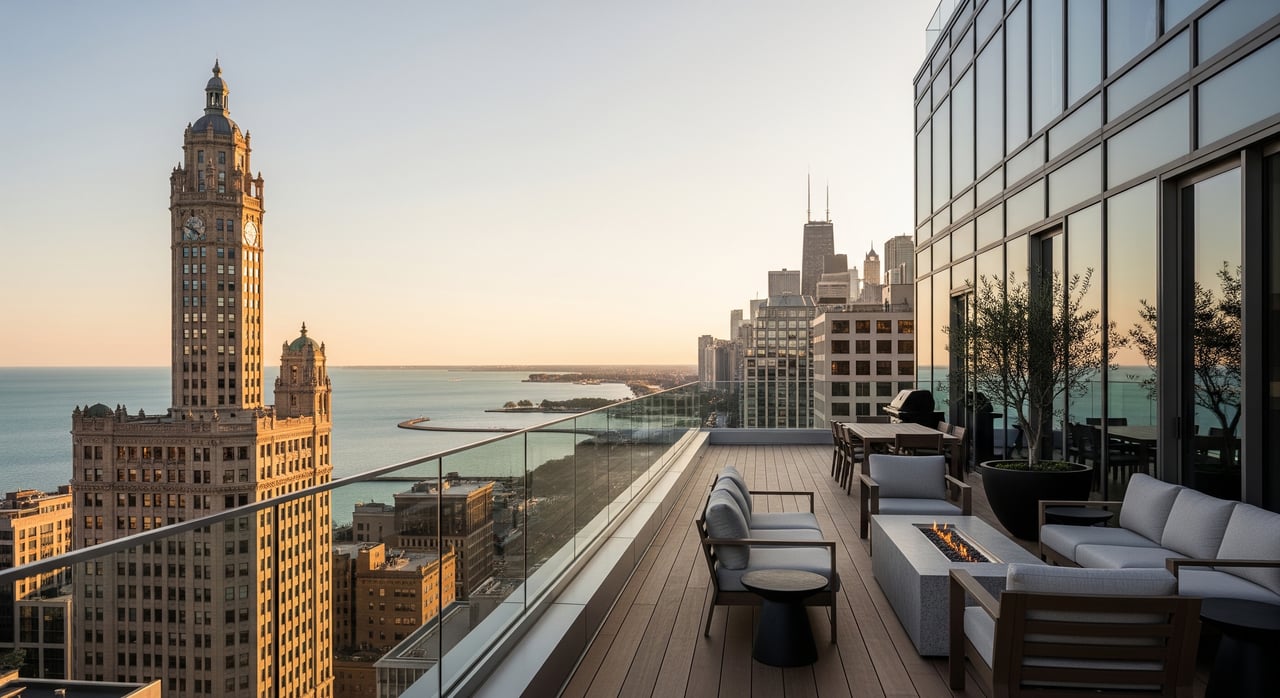
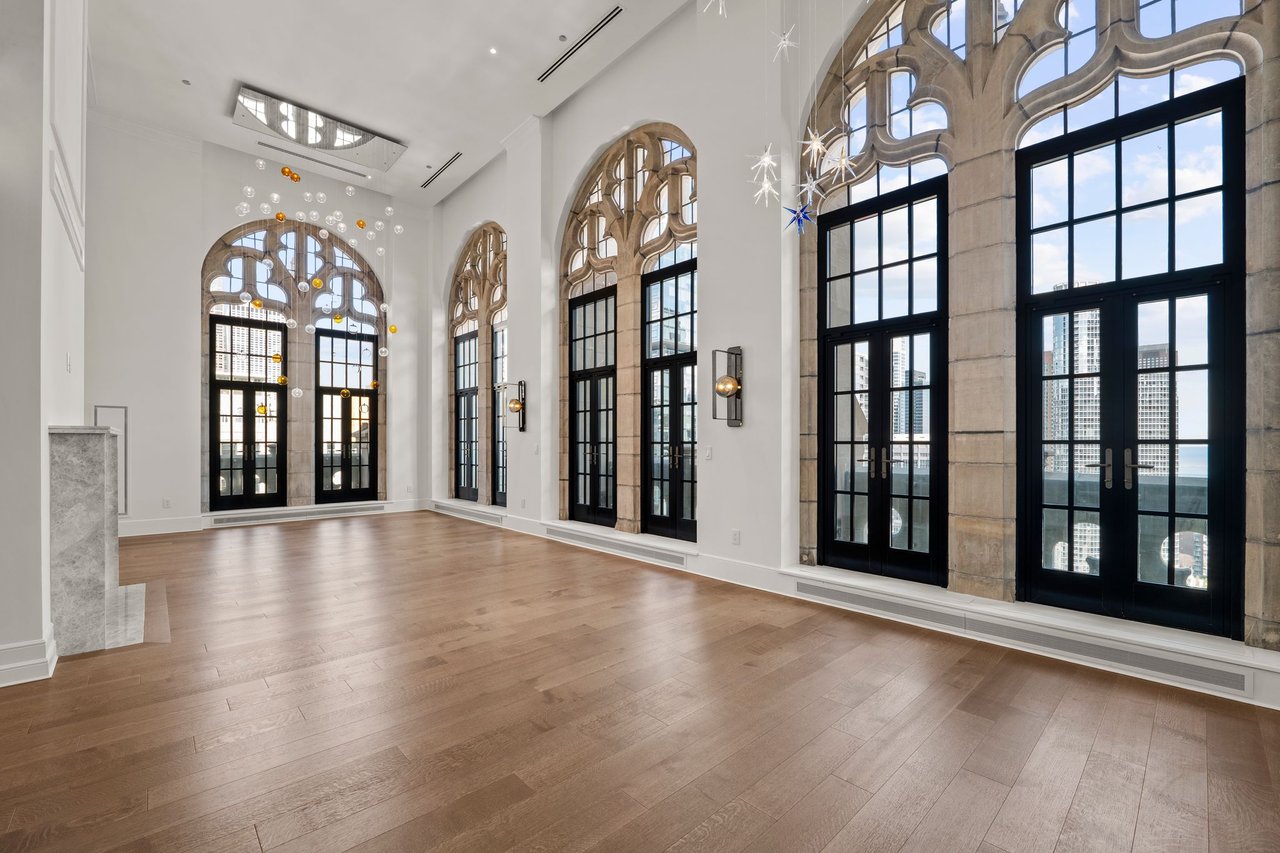
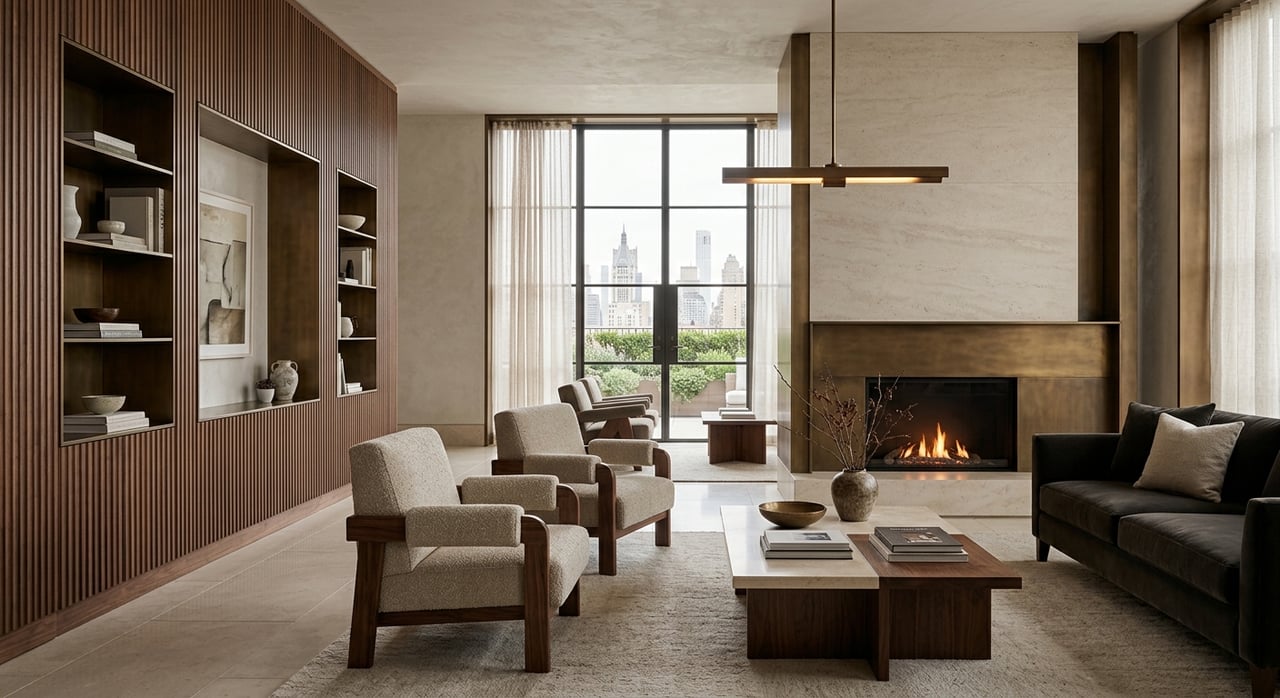
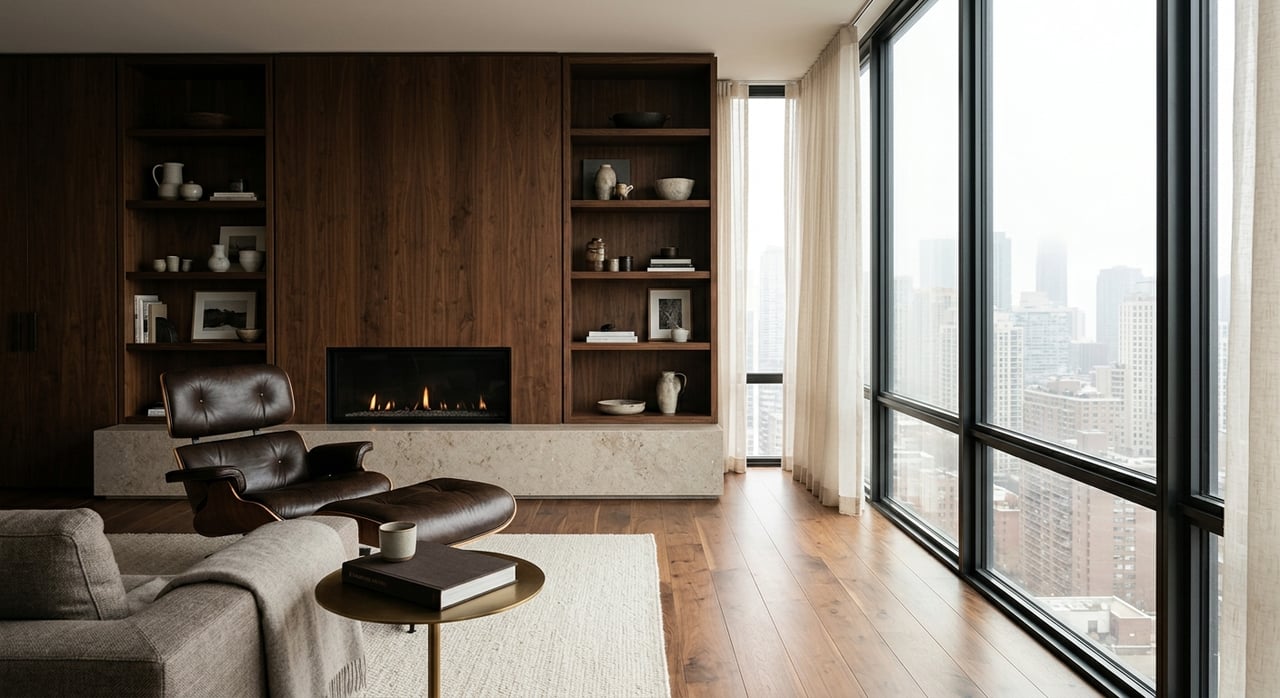
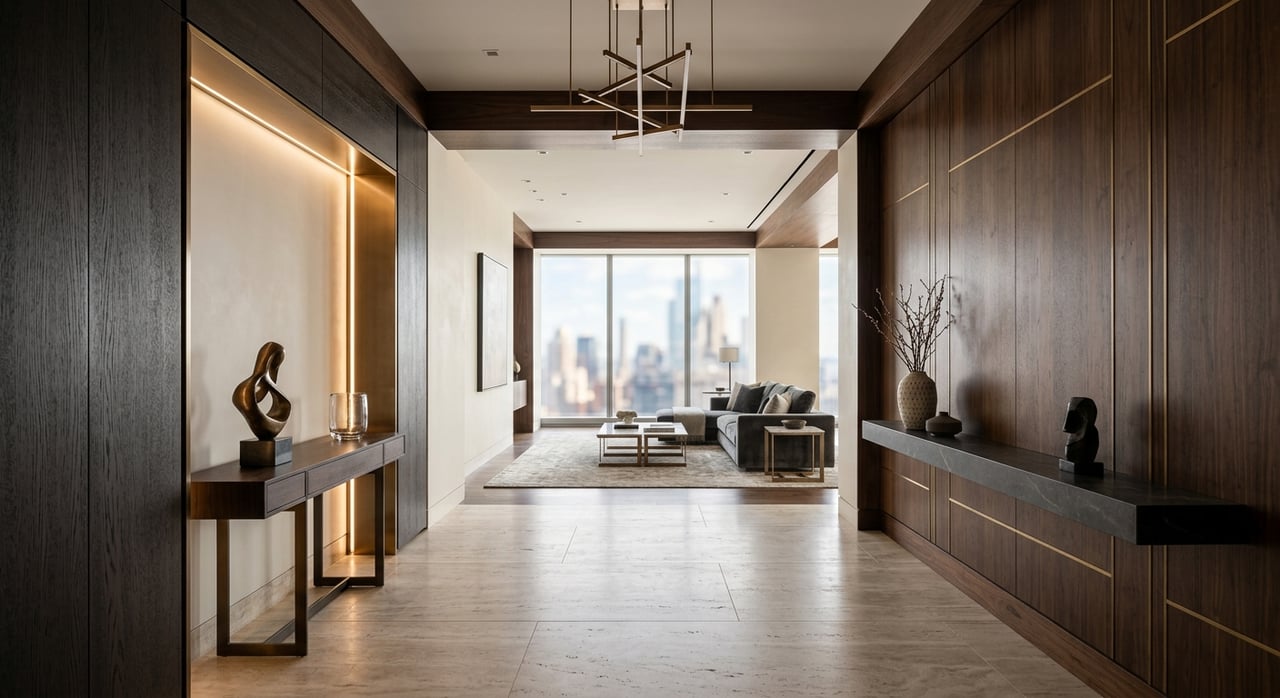
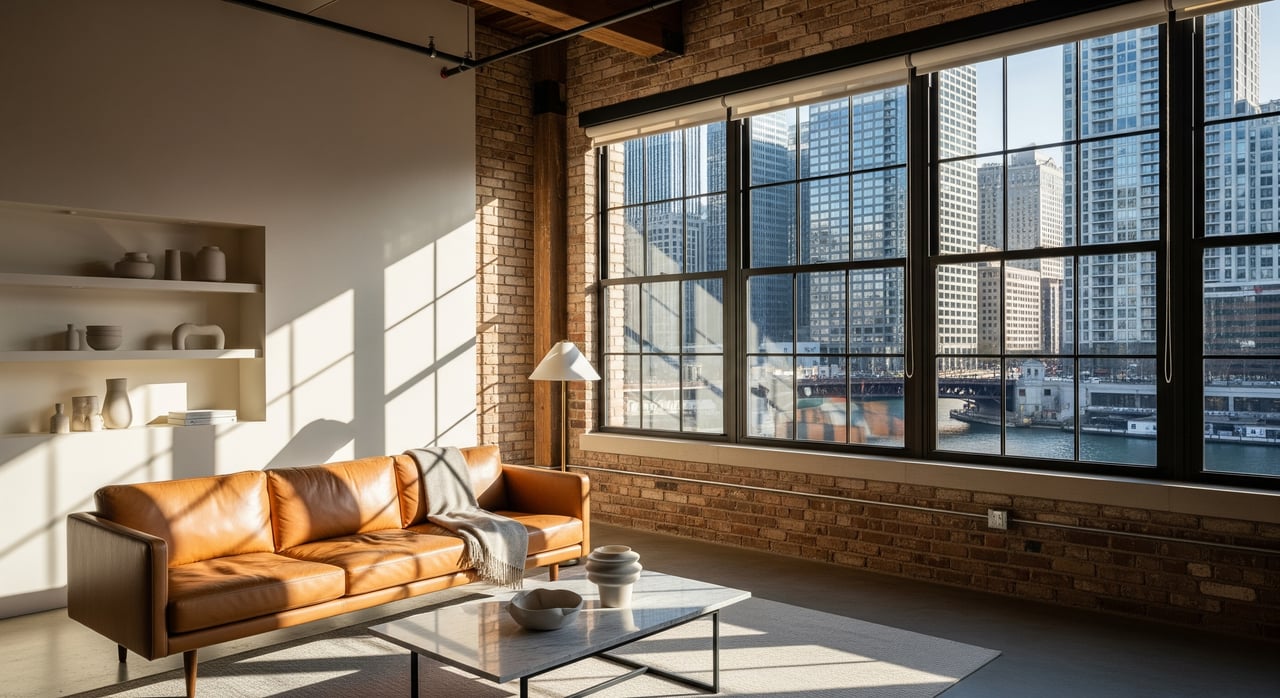
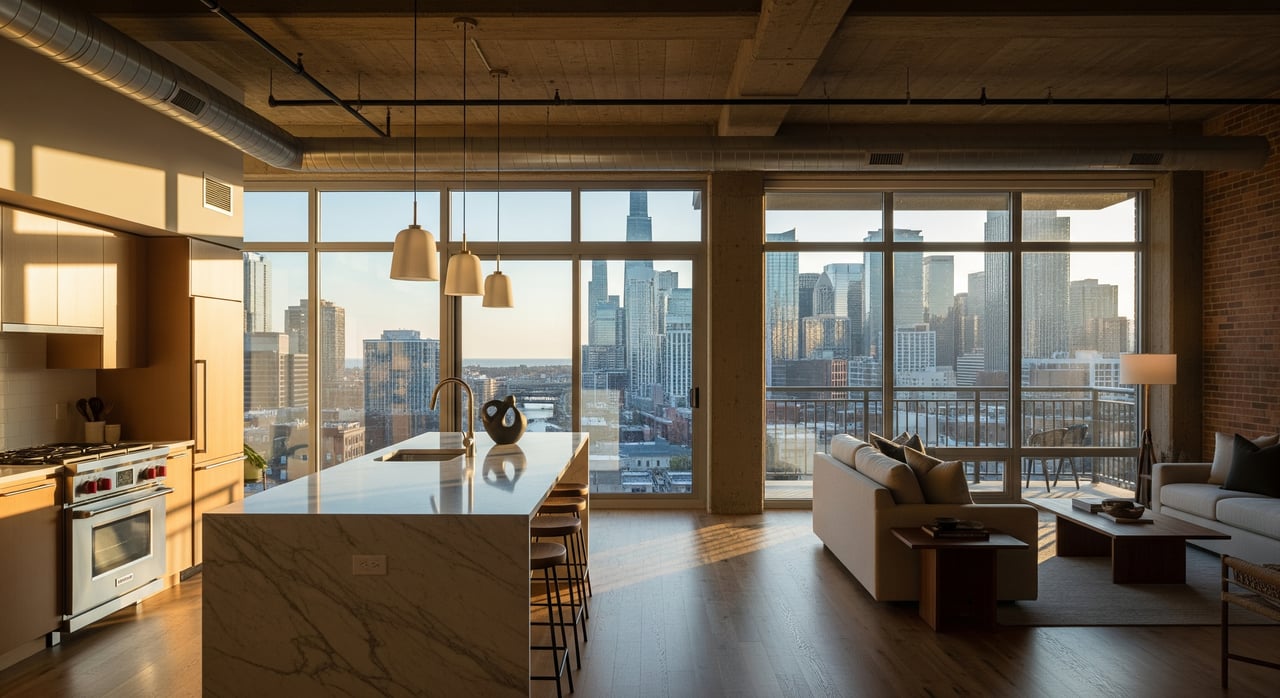
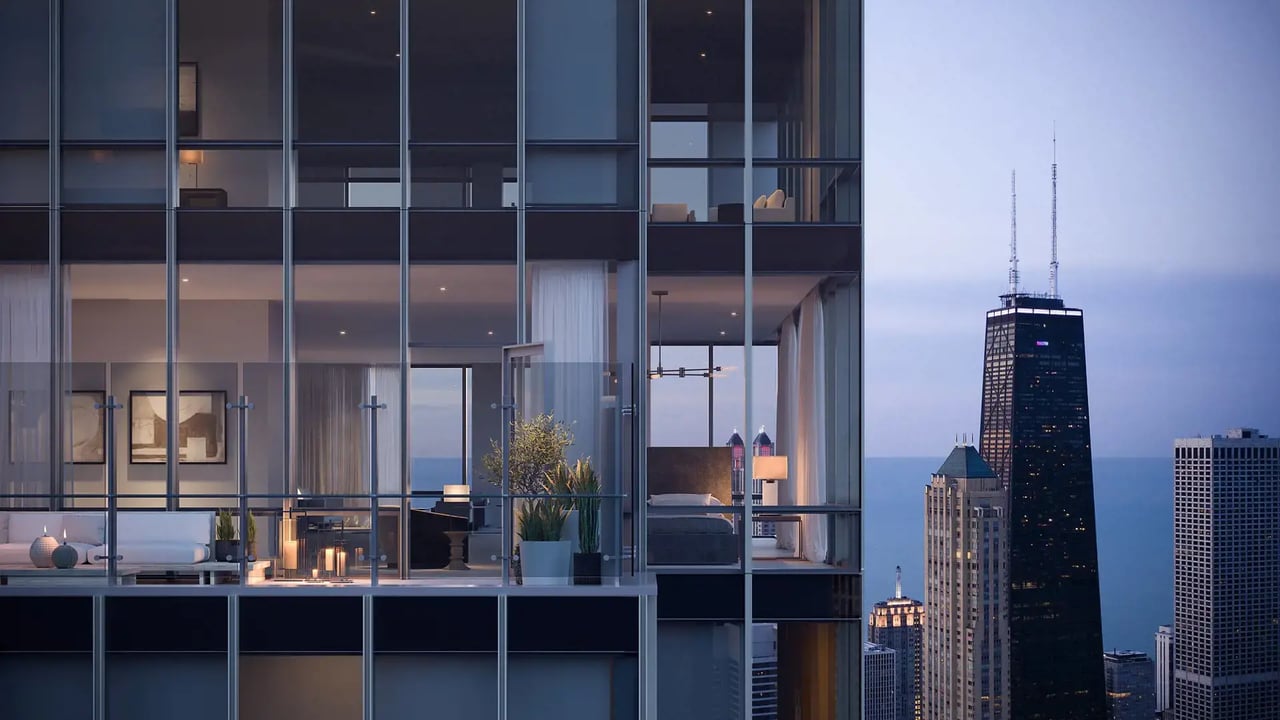
The strongest luxury buildings in Lakeshore East are marketed around more than layout alone. Floor-to-ceiling windows, panoramic lake, river, and skyline views, large amenity floors, outdoor terraces, and pool decks all help define value.
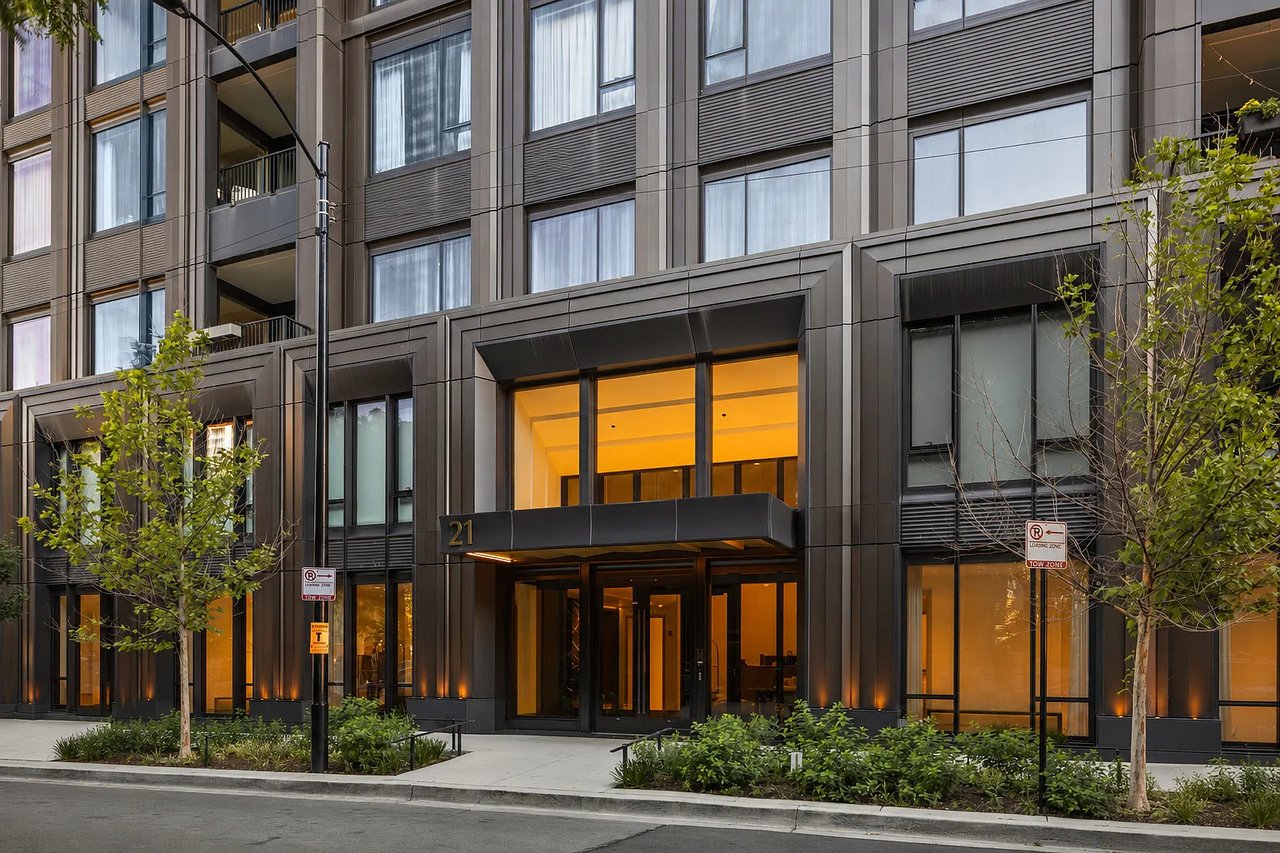
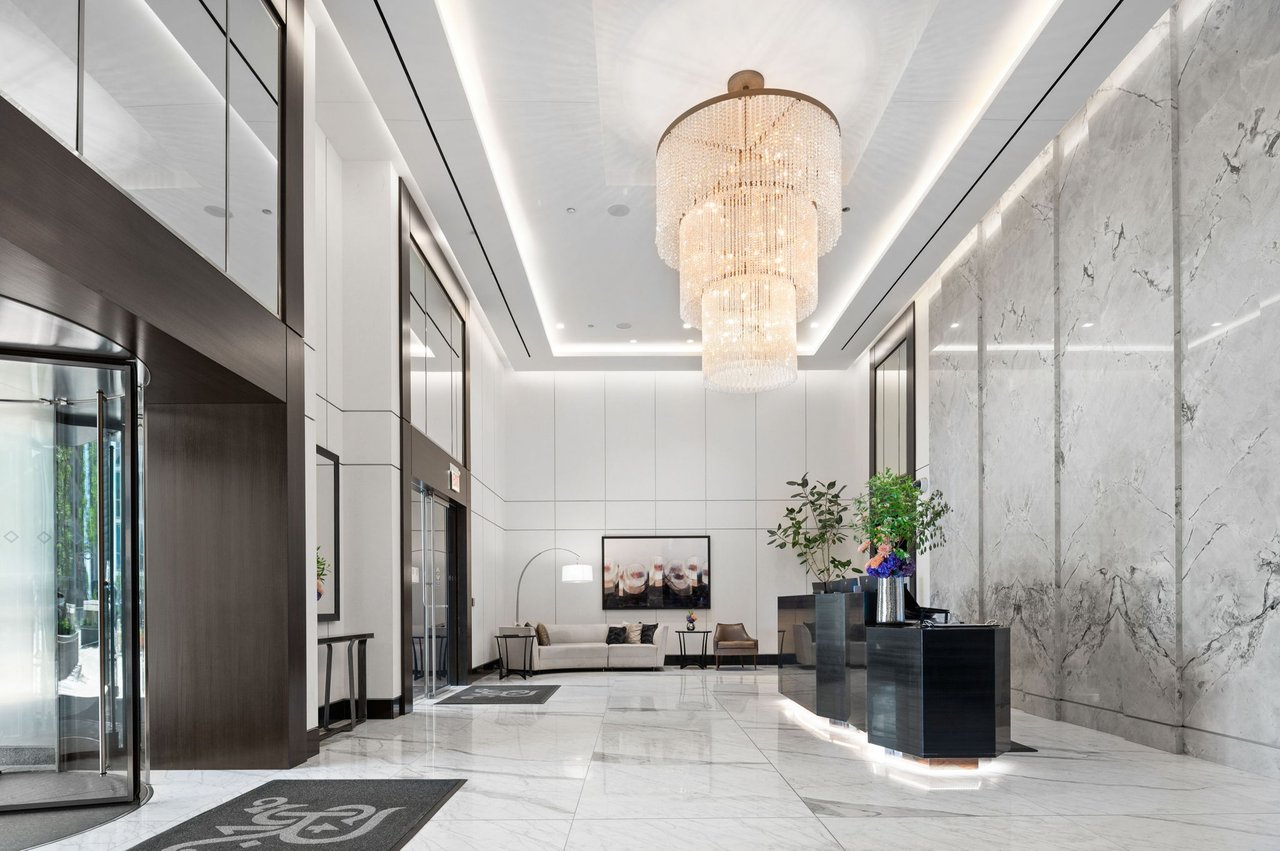
This is especially important if you own in a newer or more premium building. Buyers in this segment tend to compare your residence against the total experience of the property, including amenities, service, and the building’s place within the neighborhood.
That is why broad neighborhood medians can be misleading. A seller with a high-floor corner residence in a luxury tower is competing in a very different lane than a more standard unit with limited views or fewer standout features.
Building-level pricing matters more than neighborhood averages
One of the clearest takeaways from the current market is that pricing varies sharply by building. While the neighborhood-wide sold median sits at $462,000, the luxury tier is operating on a completely different scale.
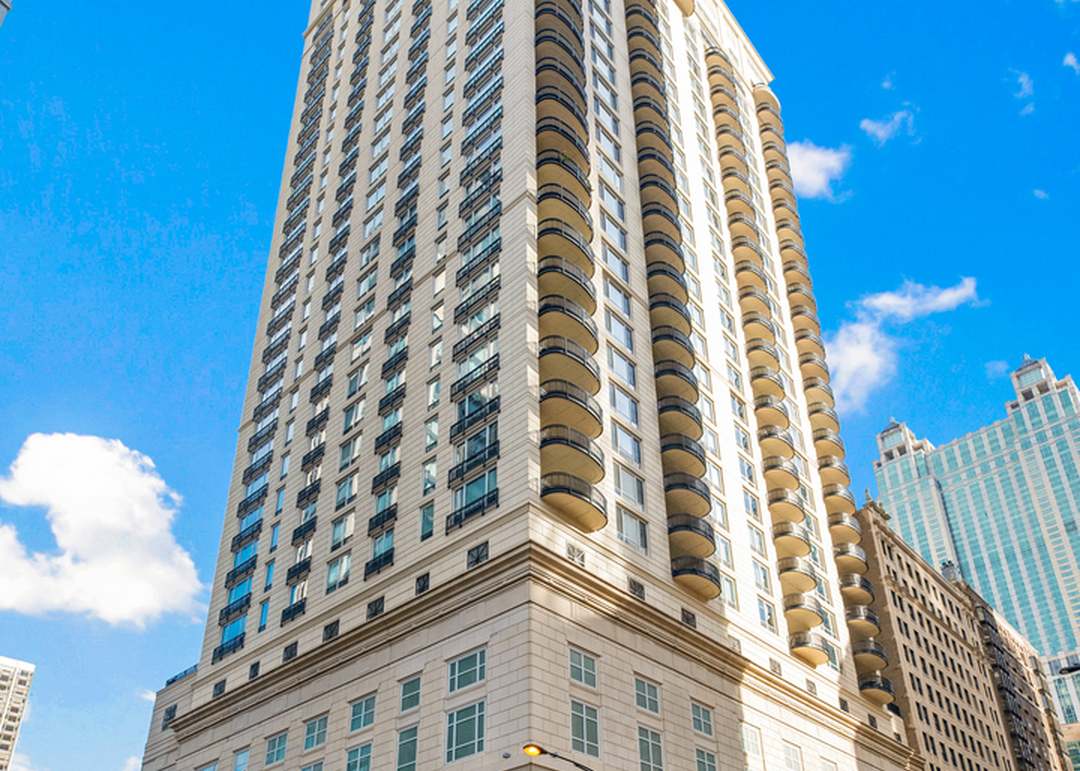
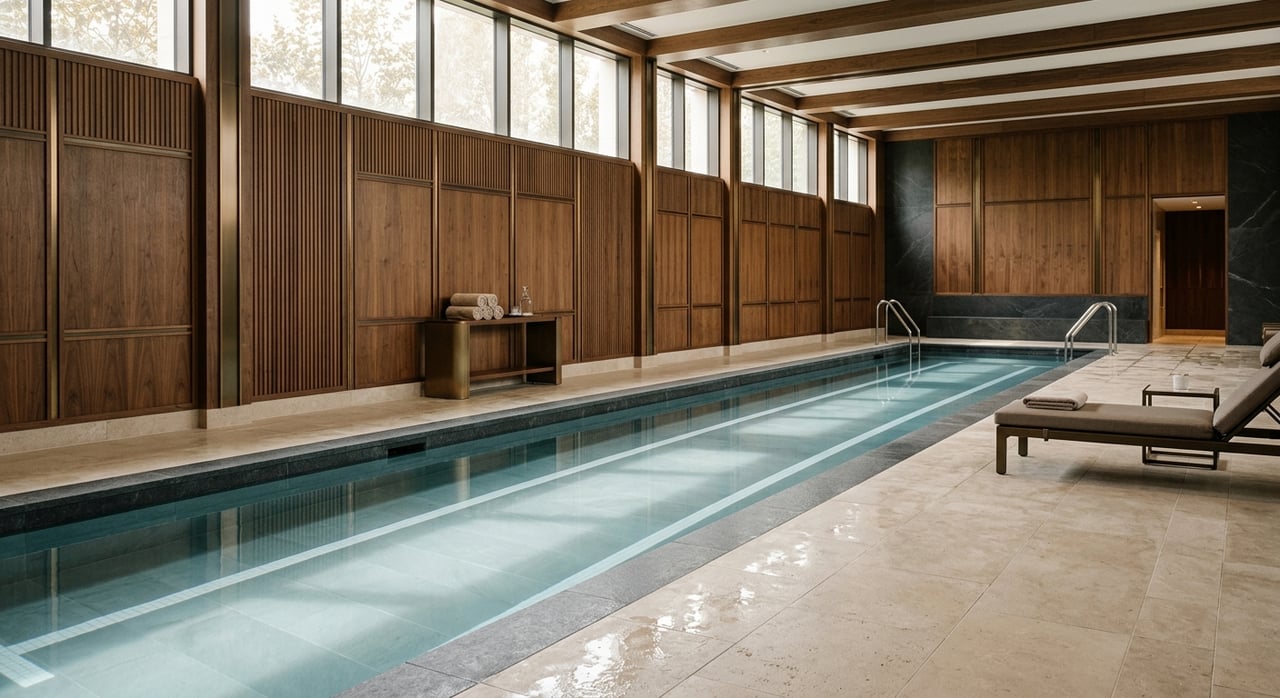
At Cirrus, a current building report shows 15 listed homes, 72 average days on market, an average of $855.63 per square foot, and a median list price of $895,000. Official building materials highlight 48,000 square feet of amenities, including indoor and outdoor pools, rooftop gathering areas, a wine lounge, a dog run, and floor-to-ceiling windows with lake views.
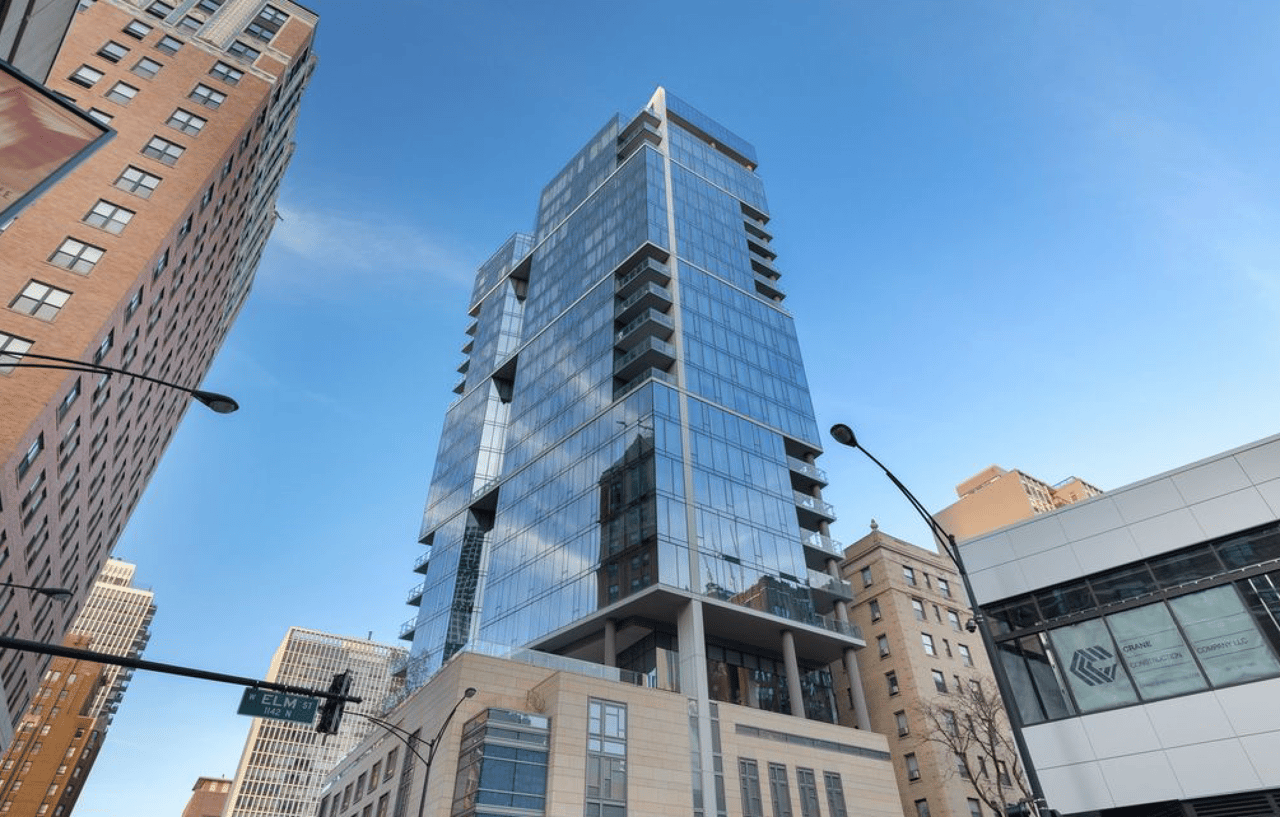
At St. Regis, a current building report shows 21 listed homes, 80 average days on market, an average of $1,034.05 per square foot, and a median list price of $2,349,000. That pricing is about 21% higher per square foot than Cirrus on average, which shows how strongly the market rewards ultra-luxury positioning and tighter supply.
The sold market supports the same pattern. Recent Lakeshore East closings include three Cirrus sales between $2.42 million and $2.45 million for 2,893-square-foot three-bedroom homes, averaging about $842 per square foot, along with a St. Regis sale at $1.845 million for 2,007 square feet, or about $919 per square foot.
What buyers are paying up for
The best current listings in Lakeshore East share a few clear traits. They are not simply large homes. They pair size with high floors, open or corner exposures, strong view lines, private outdoor space, and details that feel hard to replicate.
For example, one home at 204 N Park Drive is listed at $2.35 million for 3,200 square feet, or about $734 per square foot, with listing details centered on skyline and water views, an open-concept layout, and a private patio overlooking fountains and the park. Another penthouse at 450 E Waterside Drive is listed at $1.895 million for 2,714 square feet, or about $698 per square foot, with 14-foot ceilings, two balconies, and views of the river, lake, and skyline.
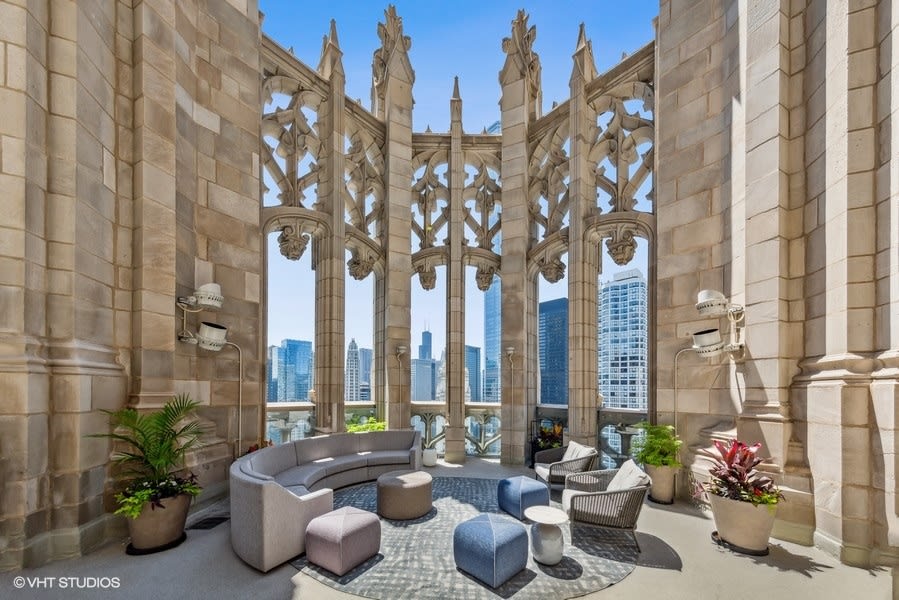
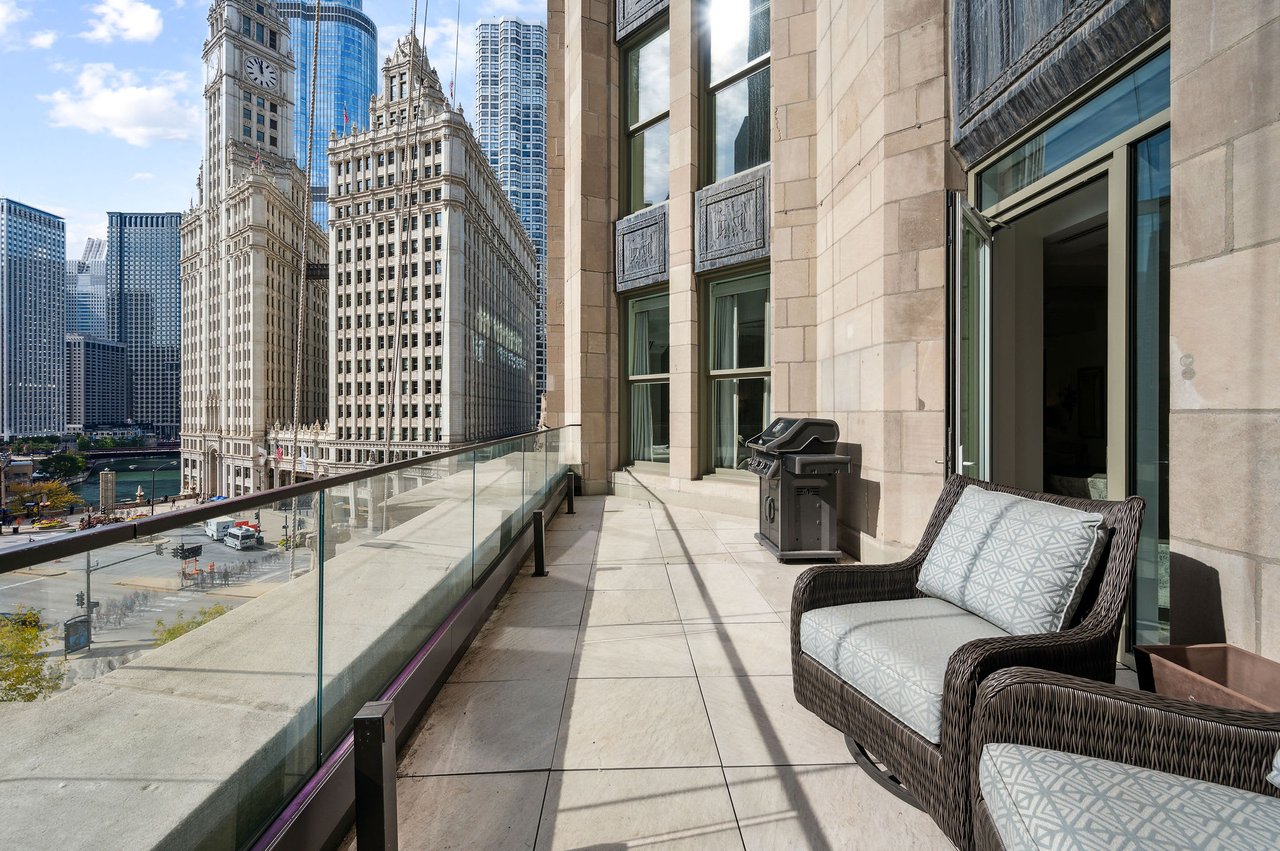
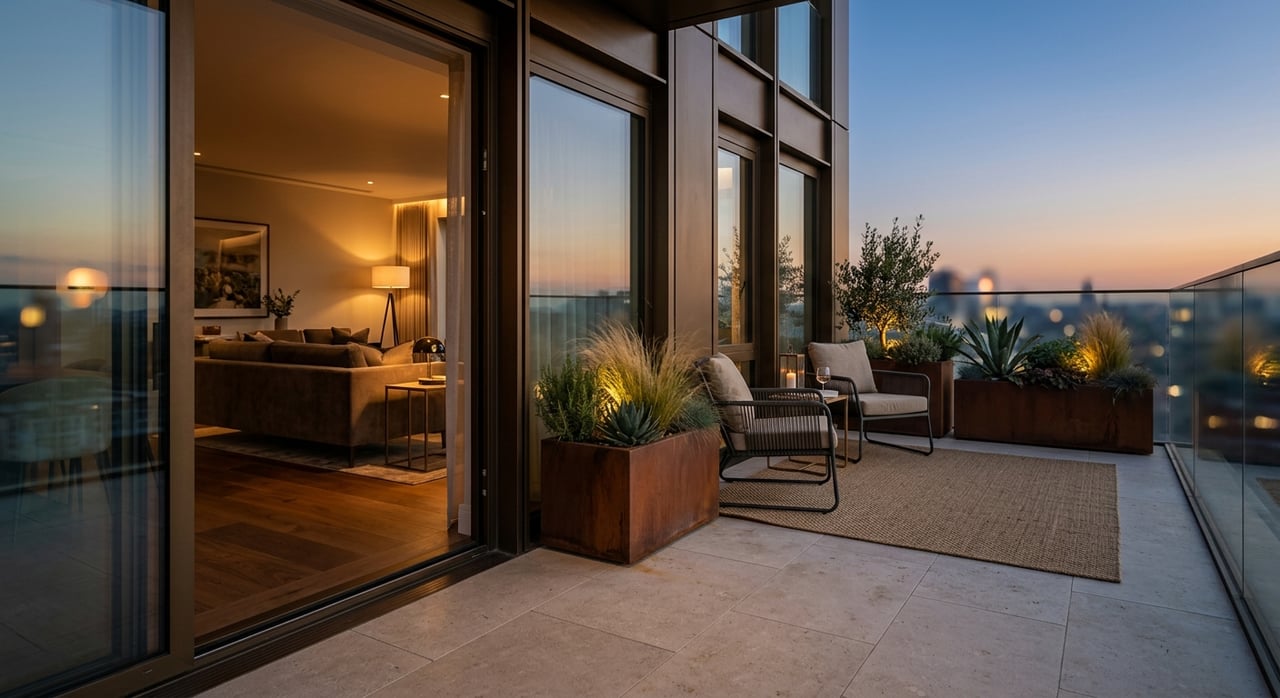
A high-floor home at 363 E Wacker Drive is listed at $1.85 million for 2,446 square feet, or about $756 per square foot, with sweeping river, lake, and skyline views. At the top end, a residence at 211 N Harbor Drive is listed at $1.68 million for 1,444 square feet, or about $1,163 per square foot, driven in large part by a 700-square-foot private terrace with lake views, a built-in grill, firepit, and custom seating.
The lesson is simple. Buyers in Lakeshore East pay a premium for what feels scarce, visual, and lifestyle-driven.
When now is the right time to sell
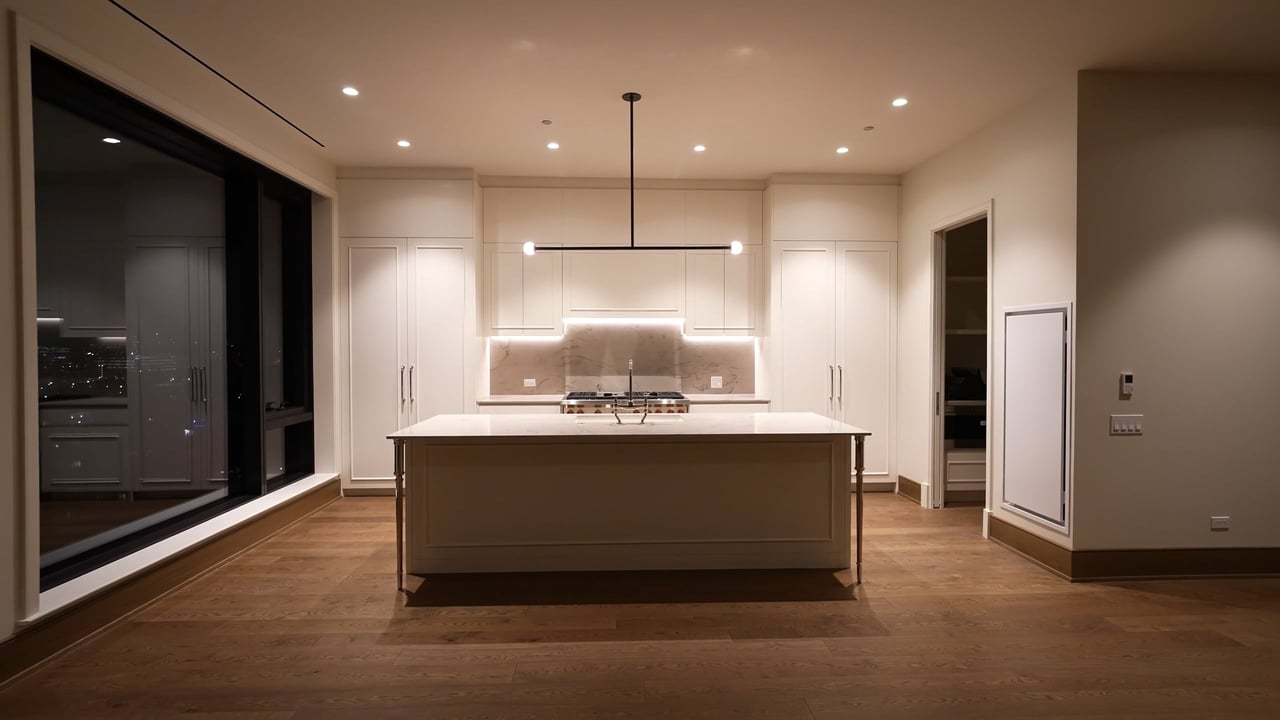
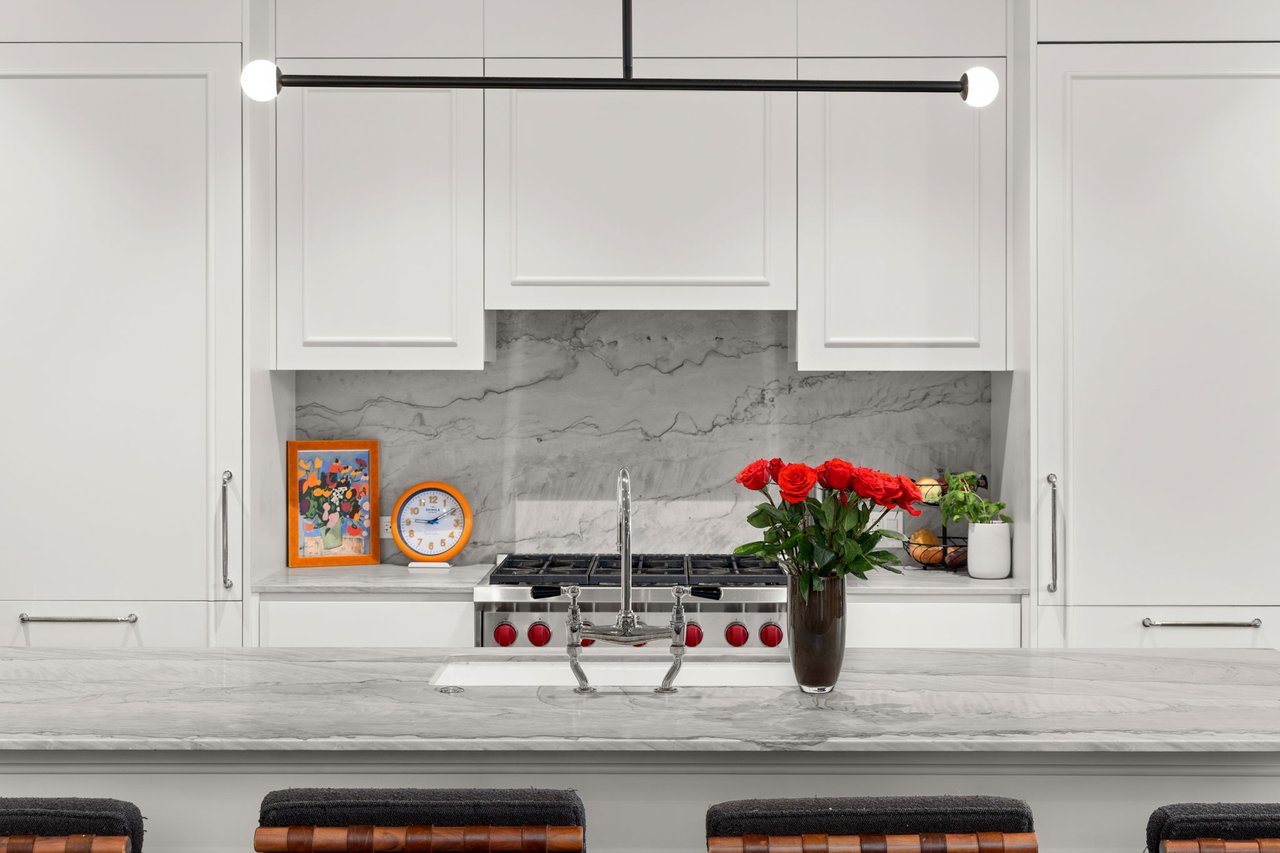
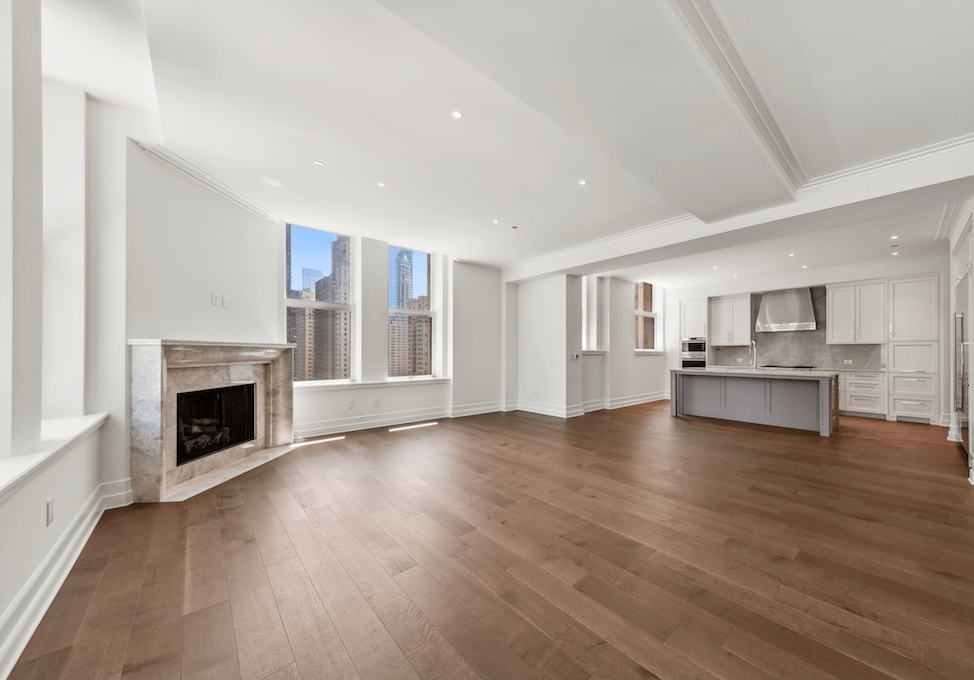
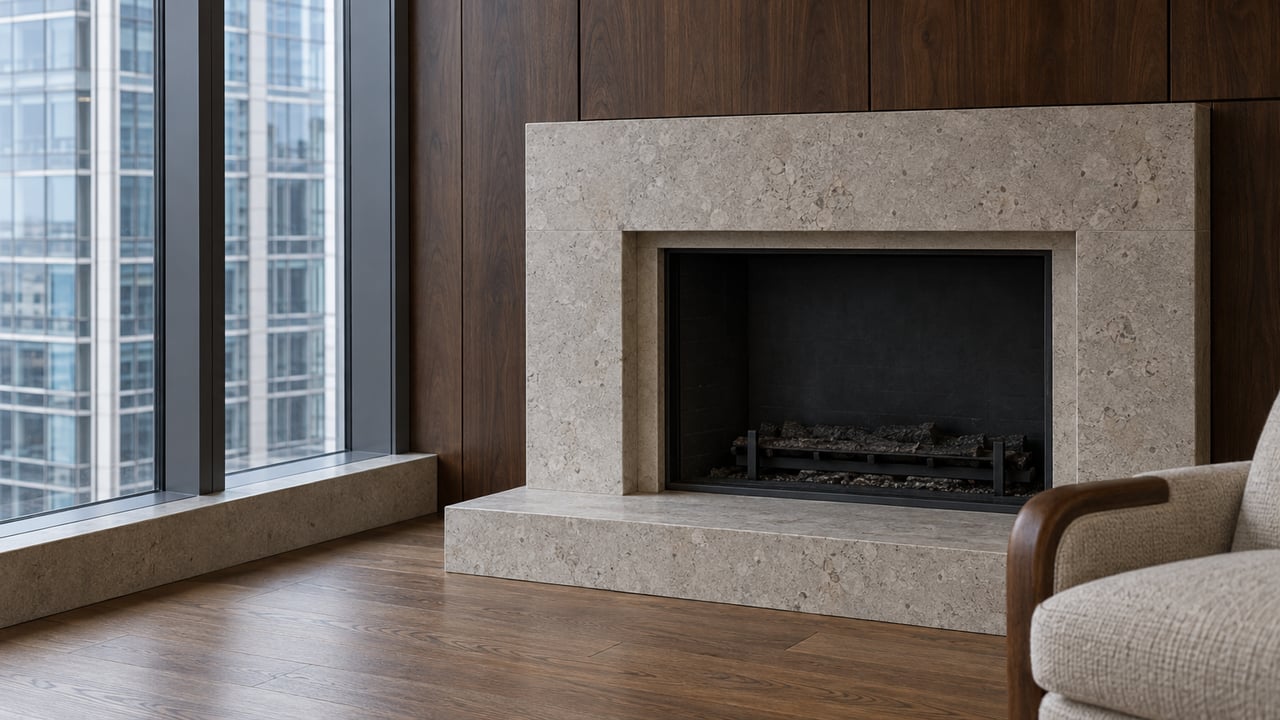
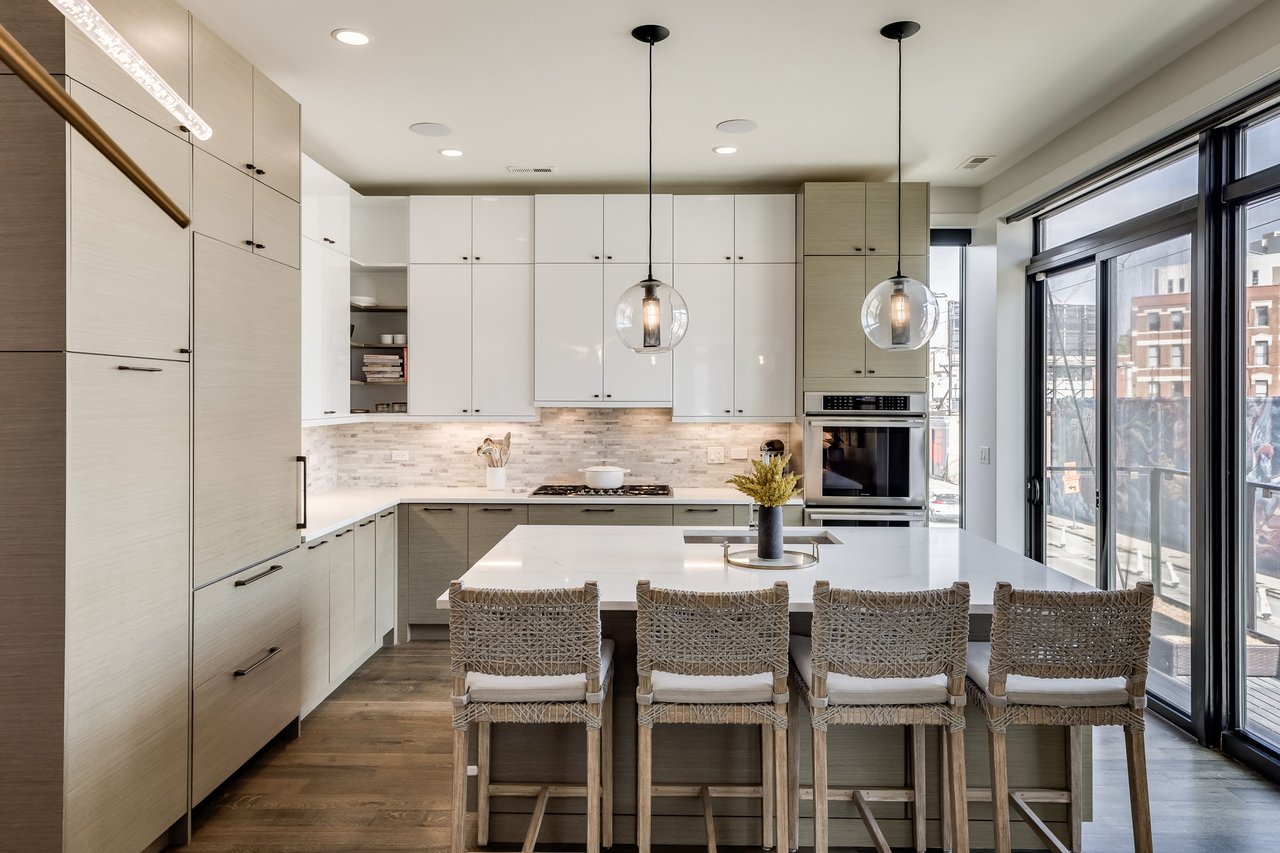
Now may be the right time to sell if your home checks the boxes buyers are prioritizing today. That includes larger corner units, high-floor residences, river or lake views, meaningful private outdoor space, updated interiors, and a strong amenity story within the building.
If your home fits that profile, the current market gives you a solid opportunity. The neighborhood has enough absorption to support transactions, and broader Chicago condo pricing remains favorable.
If your home is more standard in layout or exposure, now can still be a good time to sell, but expectations should be calibrated. Buyers are more price-sensitive in that segment, and marketing time may be longer than it is for trophy-level listings.
Why precision beats urgency
For most Lakeshore East owners planning a sale in the next 6 to 18 months, the better question is not “Should I sell right now?” but “How should I position my home?” That is where the biggest difference in outcome is likely to come from.
The research points clearly in one direction: precision matters more than urgency. The strongest results appear to come from homes priced against the correct building-specific comparable sales and positioned around view line, outdoor space, parking, and amenities instead of broad neighborhood averages.
That approach is especially important at the upper end of the market. If you own in a building like St. Regis or Cirrus, or in another premium tower, relying on the neighborhood median alone can undervalue the distinct features buyers are actually shopping for.
How to think about your next step
If you are considering a sale, start with an honest review of where your home fits in today’s buyer pool. Ask whether your property competes on views, floor height, layout, outdoor space, finish level, or building prestige.
From there, your pricing strategy should reflect the right competitive set, not just the broader ZIP code or neighborhood headline numbers. In Lakeshore East, small differences in exposure, terrace size, floor level, and building identity can create meaningful differences in value.
That is why a building-level approach matters. In a market like this, thoughtful preparation and targeted positioning often do more for your result than simply listing quickly.
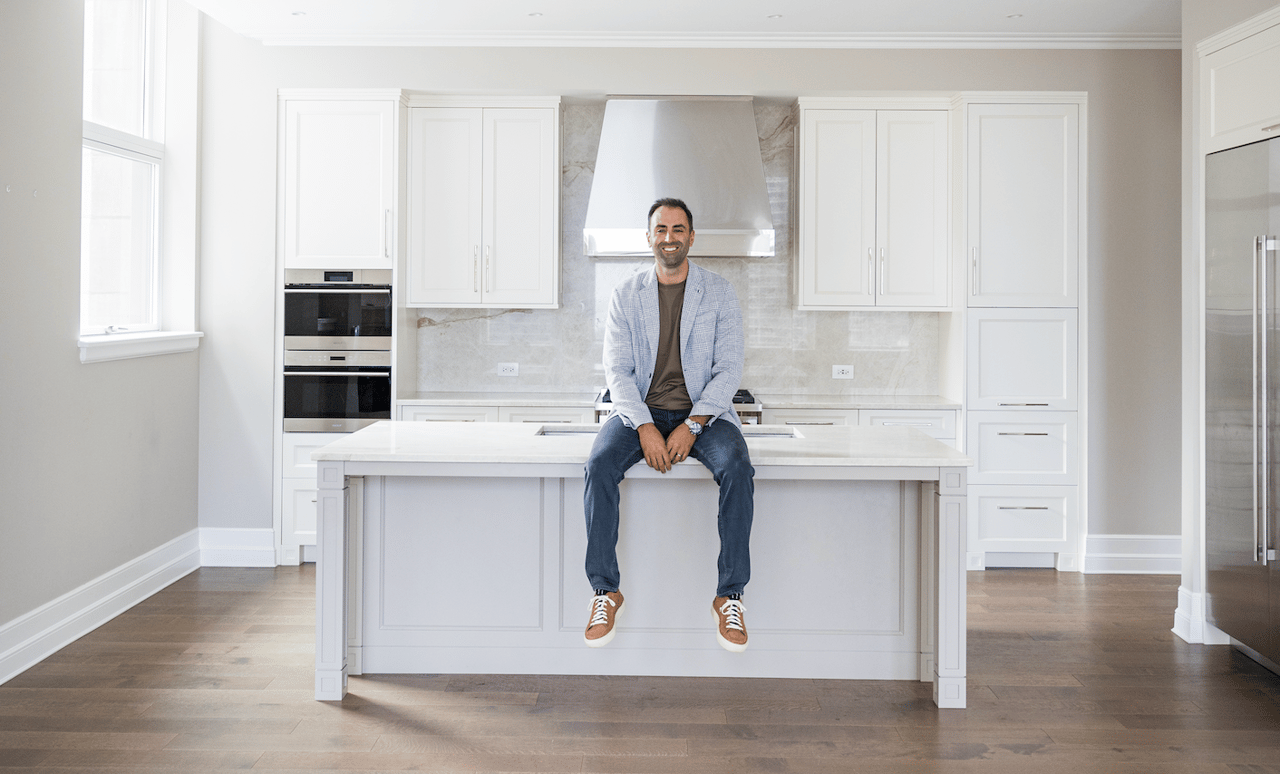
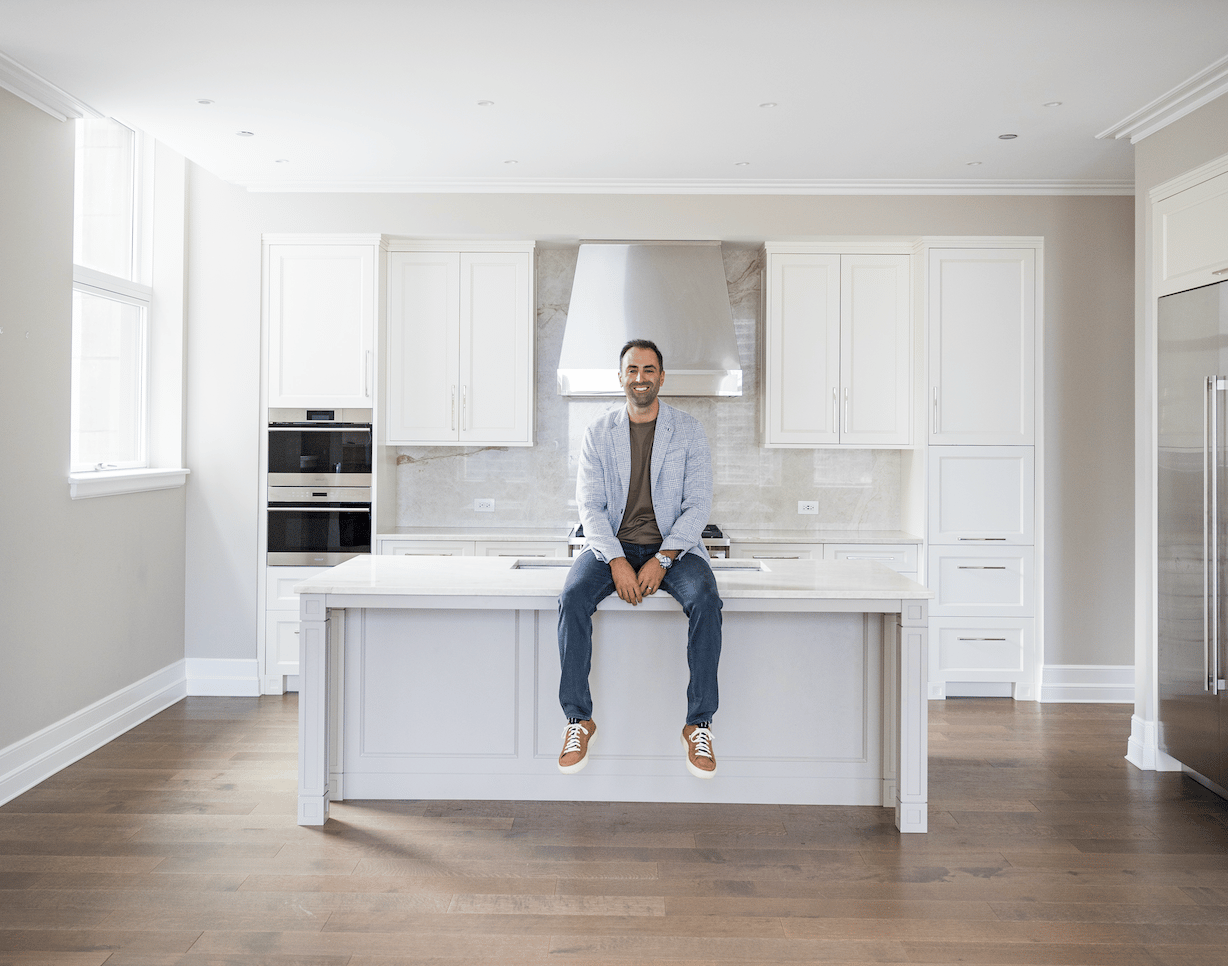
If you are weighing a sale in Lakeshore East and want a discreet, data-driven read on your property’s position in today’s market, Mike Larson can help you evaluate timing, pricing, and presentation with a tailored strategy.
FAQs
Is now a good time to sell a condo in Lakeshore East?
- Yes, the current market appears supportive, with about 3.5 months of supply in Lakeshore East and rising Chicago condo prices, but results depend heavily on your building and unit features.
How long are homes taking to sell in Lakeshore East?
- The current Lakeshore East market report shows a median of 45 days on site for active listings, though luxury buildings like Cirrus and St. Regis are showing average marketing times of 72 to 80 days in current building reports.
What features matter most when selling in Lakeshore East?
- Buyers appear to respond most strongly to high floors, corner or open exposures, lake or river views, real private outdoor space, updated interiors, and strong building amenities.
Should Lakeshore East sellers use neighborhood averages to price their home?
- Not by themselves. The research suggests sellers should benchmark against building-specific comparable sales, especially in premium towers where pricing can differ sharply from the broader neighborhood median.
Are luxury condos in Lakeshore East still getting premium pricing?
- Yes, current reports show premium pricing in top buildings, with average asking prices around $855.63 per square foot at Cirrus and $1,034.05 per square foot at St. Regis, plus recent sales that support those higher tiers.