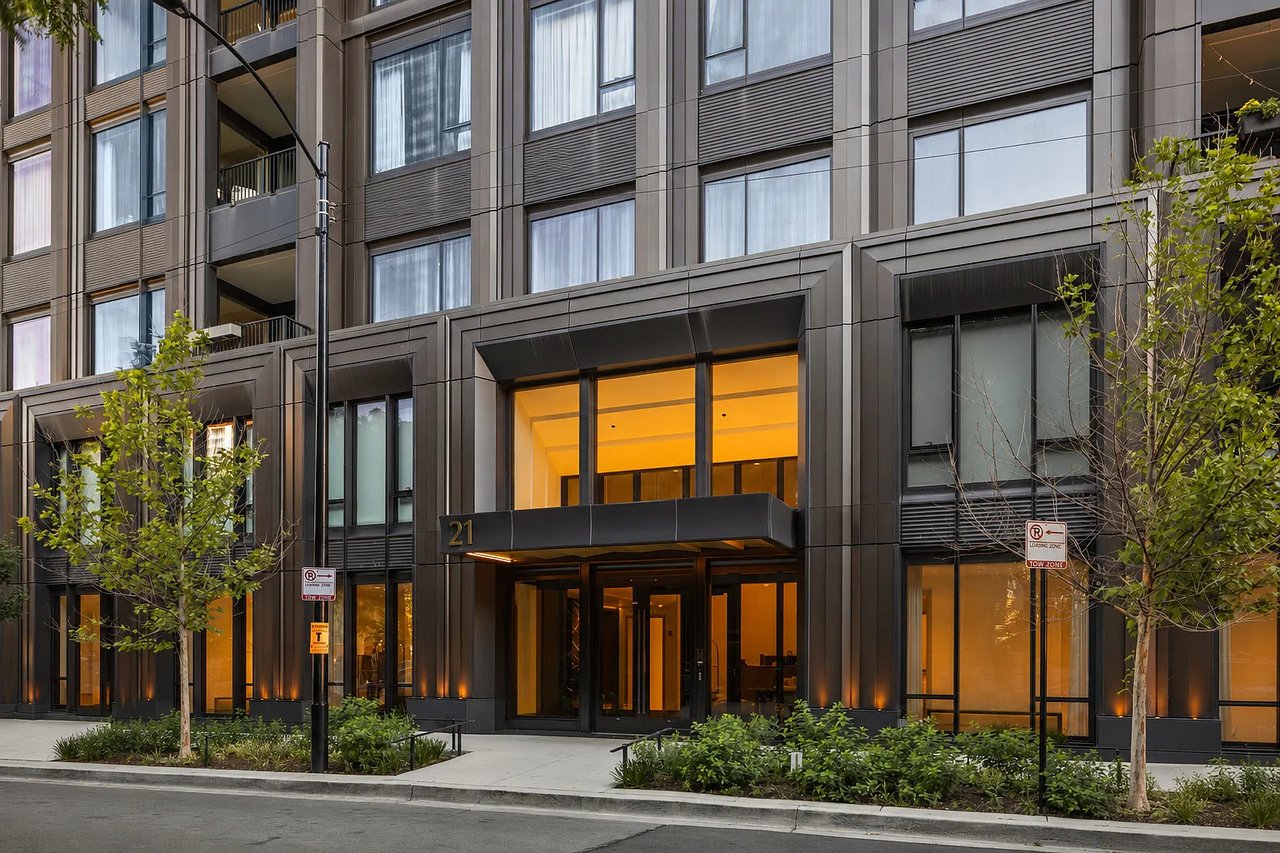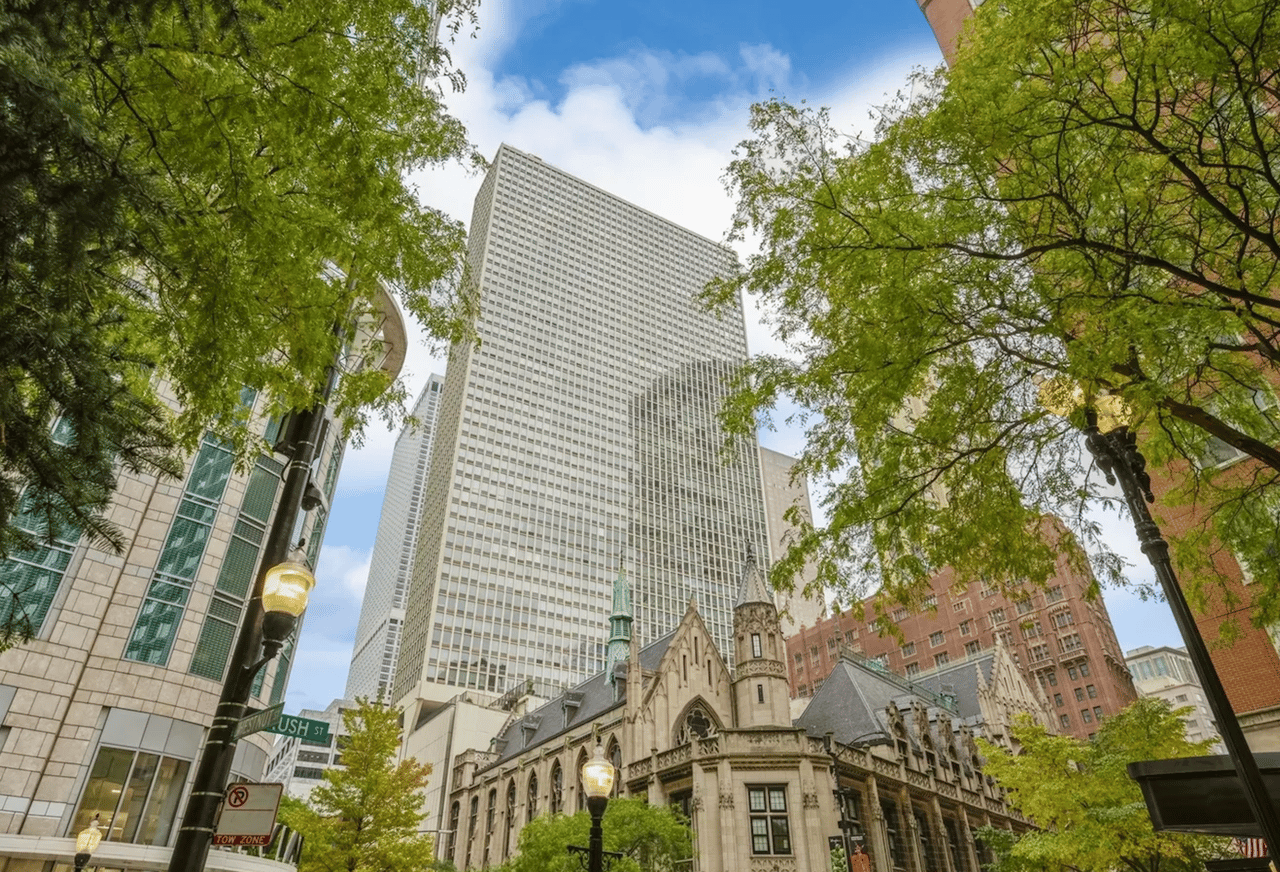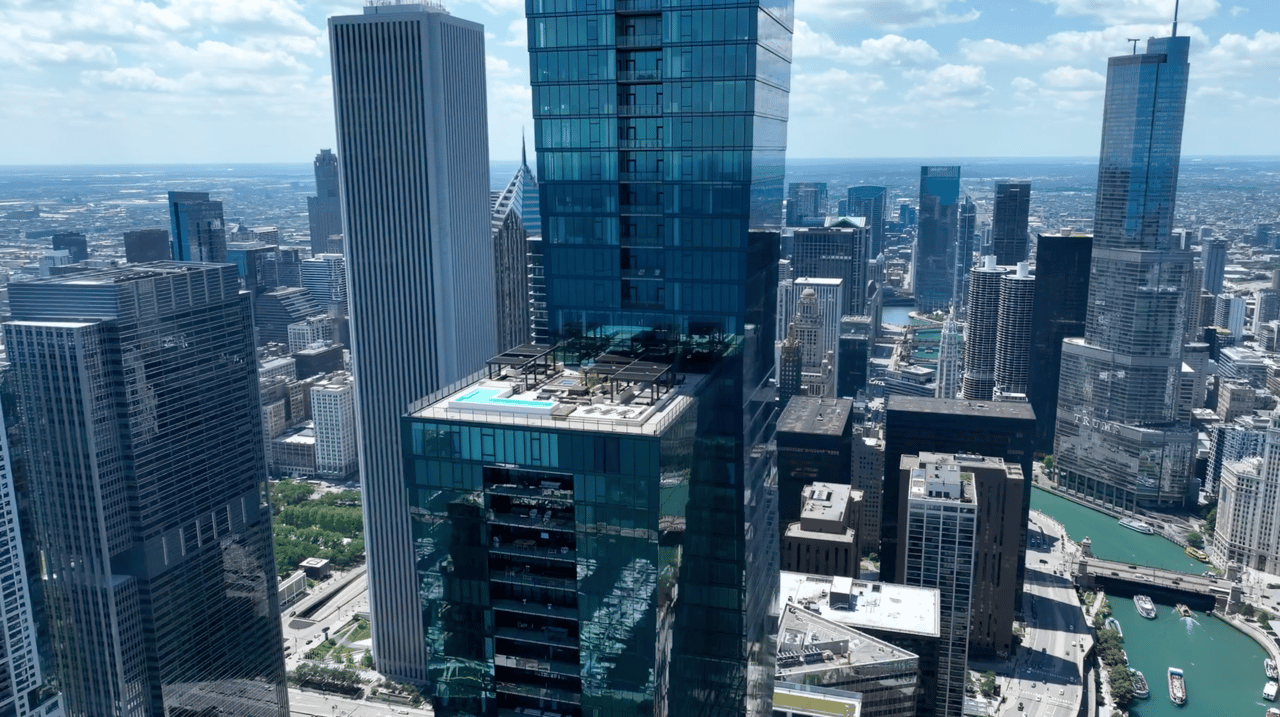
One of Chicago's most talked about luxury buildings is also one of its most misunderstood.
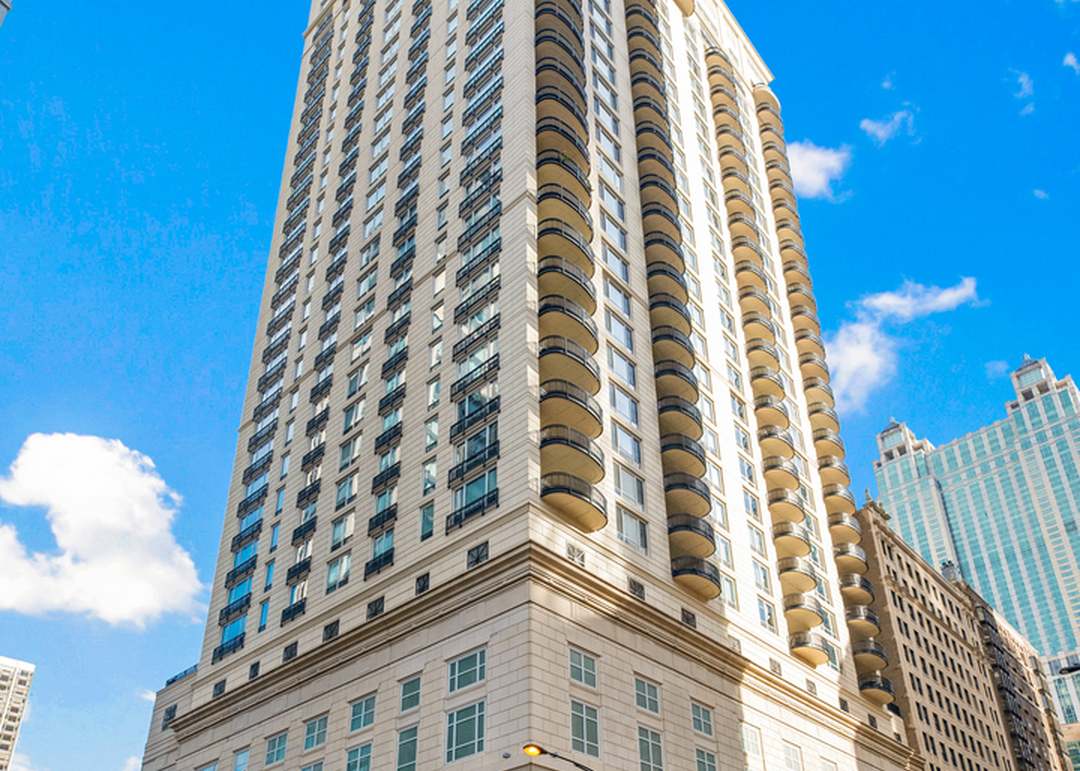
Few residential buildings in Chicago have generated as much conversation as St. Regis.
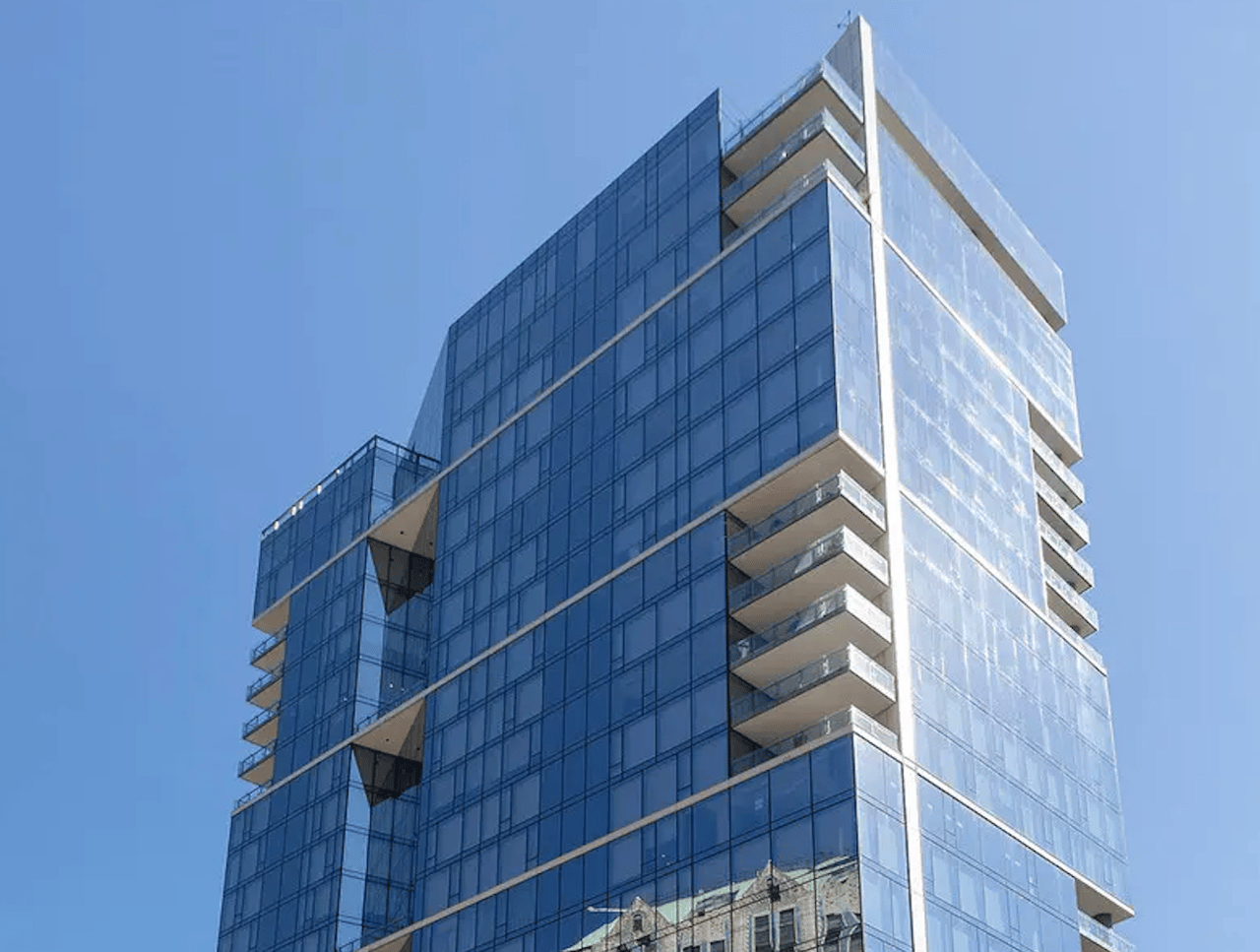
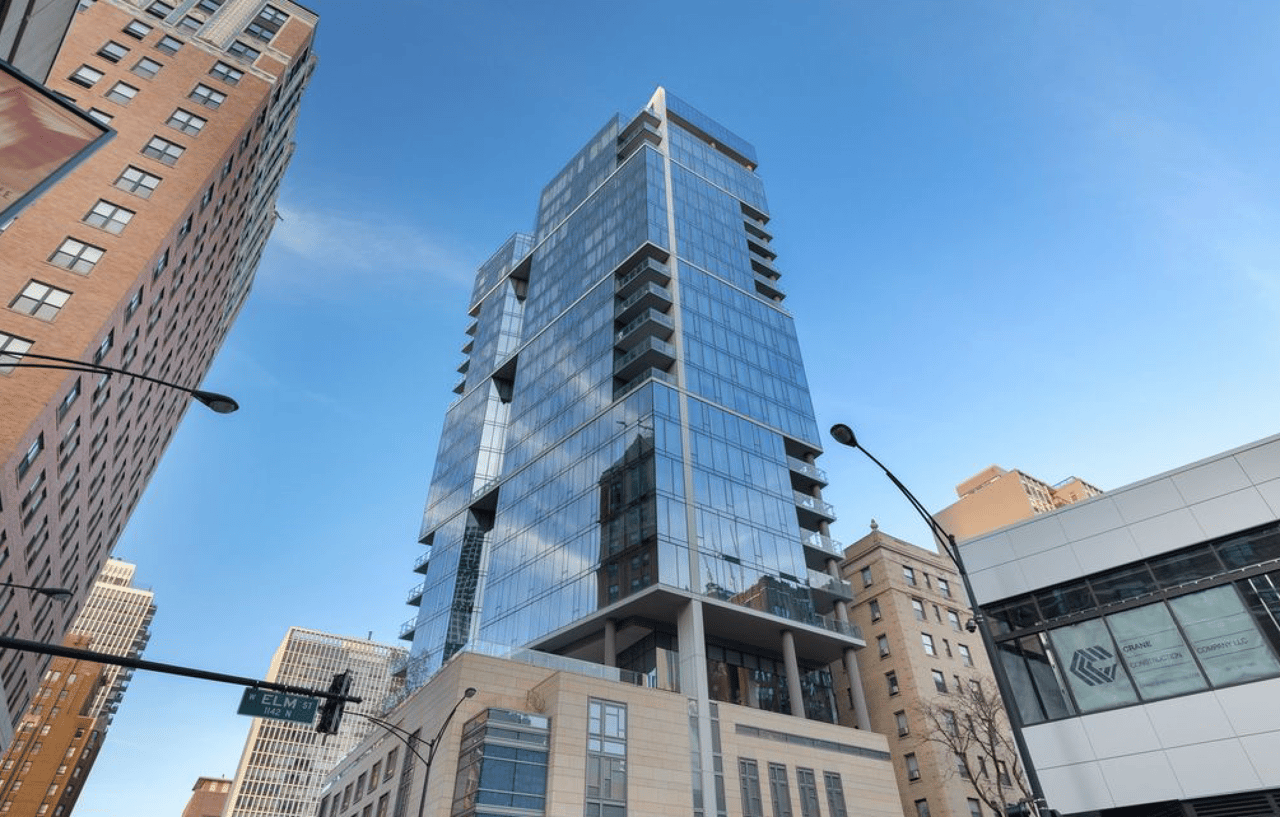
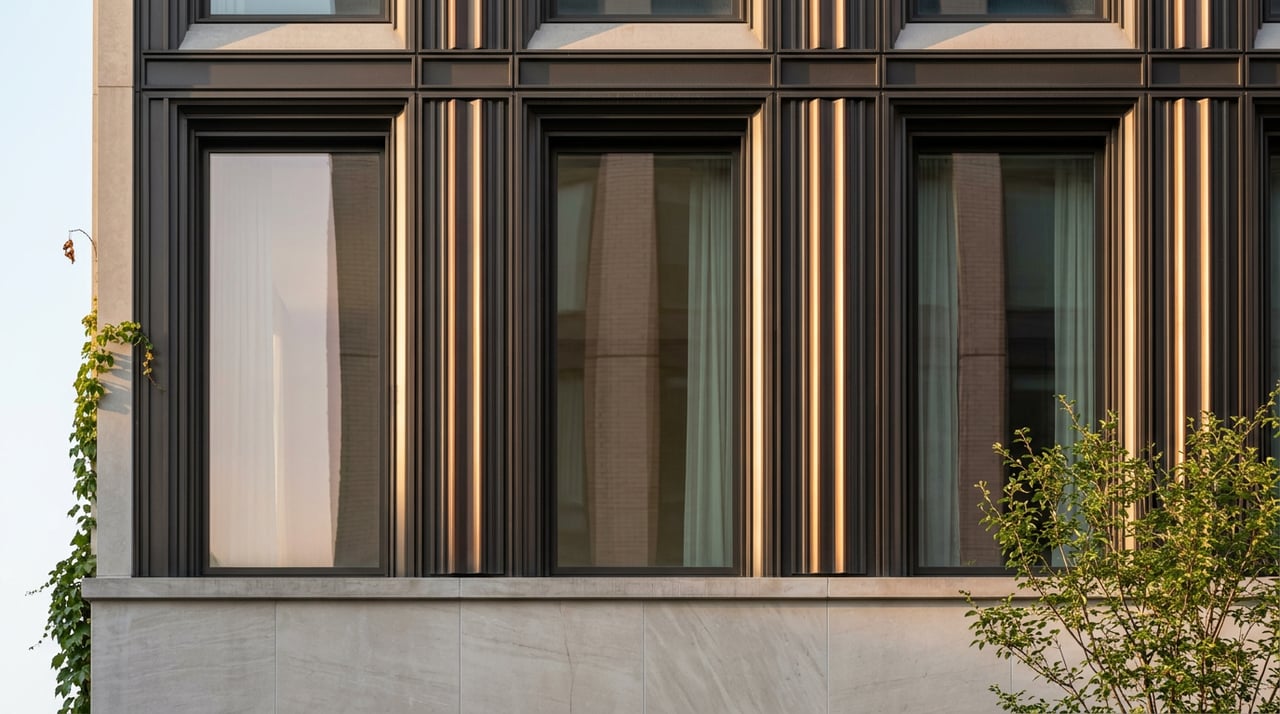
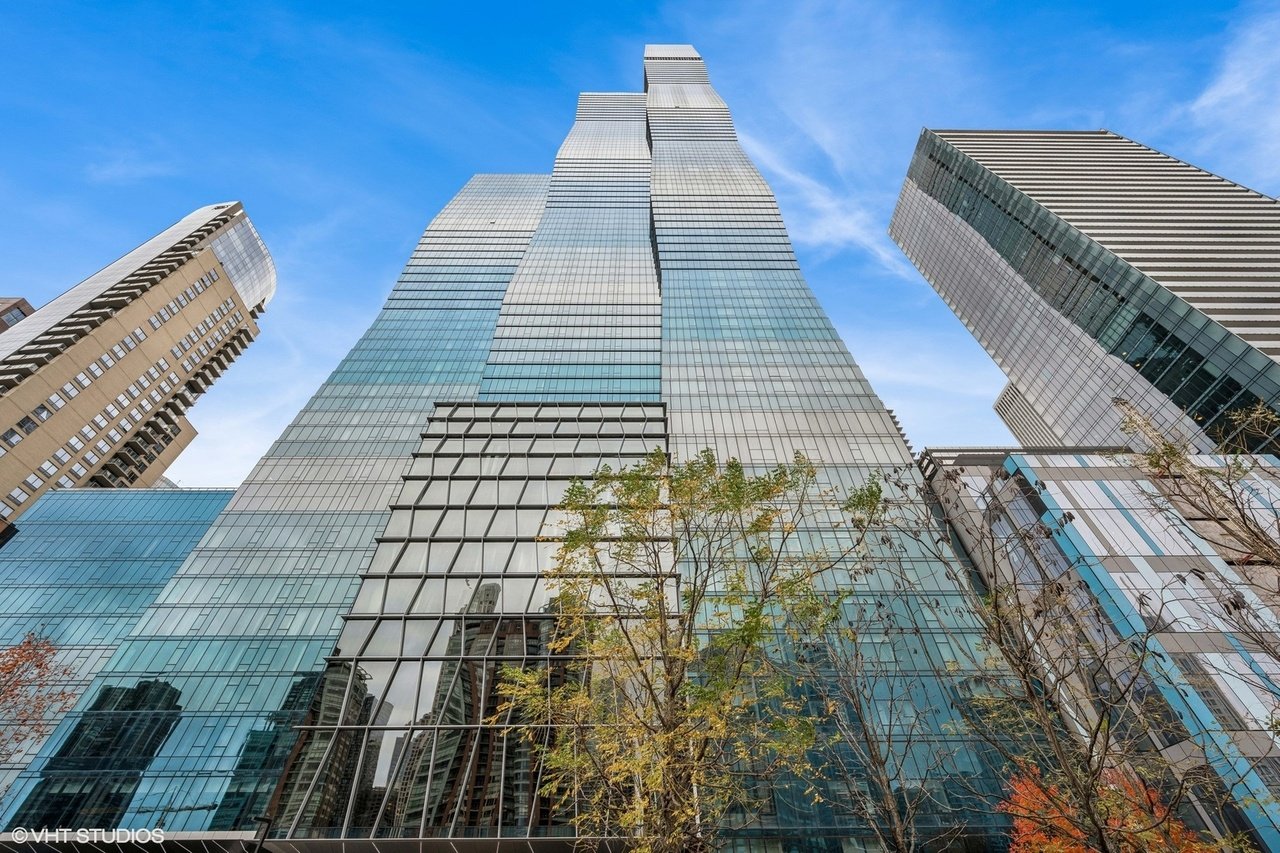
Long before the first homeowners moved in, people debated Jeanne Gang's architecture. As construction progressed, the conversation shifted toward pricing, the pace of sales and whether Chicago's luxury market could absorb a residential building of this scale. Once residents began moving in, attention turned to developer inventory, resale values and what the building would ultimately become after the excitement of a brand-new development faded.
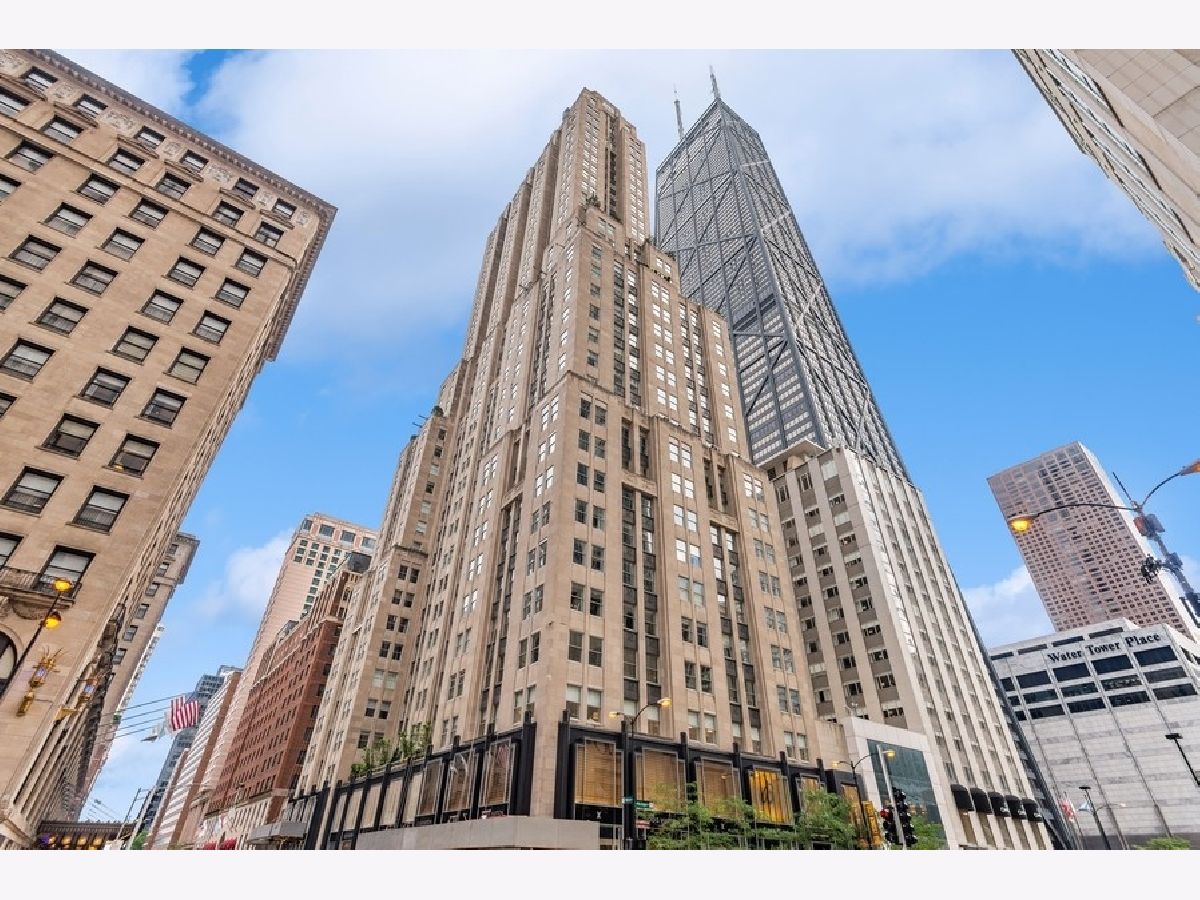
Years later, St. Regis Chicago is still a topic of conversation. That's unusual. Most luxury buildings enjoy a brief moment in the spotlight before the market moves on to whatever comes next. St. Regis has continued to command attention because it has never been just another condominium building. It's been an architectural landmark, a luxury hotel, a residential community and, in many ways, its own market from the day it opened.
The interesting part is that many of the strongest opinions about St. Regis come from people who have never actually lived there.
After spending time in the building, representing buyers and watching the market evolve, I've come to a different conclusion. I think St. Regis is one of the most misunderstood luxury buildings in Chicago. Not because people don't appreciate it, but because so much of the conversation has focused on headlines instead of ownership.
If you're looking for current listings, floor plans, recent sales or market updates, I've put together a dedicated guide to St. Regis Chicago on my website. This article is different. It's simply my perspective after watching one of Chicago's most fascinating luxury buildings begin writing its next chapter.
The Headlines Never Told the Entire Story
Every iconic building develops a reputation before it develops a community.
For St. Regis, that reputation was built through years of media attention. Architecture publications celebrated the design. Real estate publications analyzed pricing. Industry professionals debated developer inventory, absorption rates and where values might ultimately settle. It seemed as though everyone had an opinion before the building was fully occupied.
Those conversations weren't wrong. They were simply incomplete.
Buildings aren't ultimately defined by press coverage. They're defined by the people who choose to call them home. That story unfolds much more slowly, and it's usually far more interesting than anything that happens during construction.
The headlines helped introduce St. Regis to Chicago. They didn't explain what it would feel like to own there five years later.
St. Regis Exists in a Market of Its Own
One of the things I find most interesting about St. Regis today is that it doesn't behave like a traditional condominium building.
Most luxury developments eventually experience a clean transition. The developer sells the final residence, individual owners take over and the resale market becomes the only market.
St. Regis isn't quite there yet.
A limited number of developer residences remain available while resale inventory continues to grow. Buyers can compare a brand-new residence directly against one that's already changed hands, sometimes within the same stack or on neighboring floors. That's an unusual dynamic, and it creates a level of pricing transparency that doesn't exist in many luxury buildings.
In many ways, St. Regis has become its own little ecosystem within Chicago's luxury market.
Understanding values today requires paying attention to both developer inventory and resale activity because each influences the other. As the remaining developer homes are absorbed, I think the building will enter another phase altogether, one where the market speaks more loudly than the marketing ever did.
People Think They're Buying the View
The views deserve every compliment they receive.
They're among the best in Chicago.
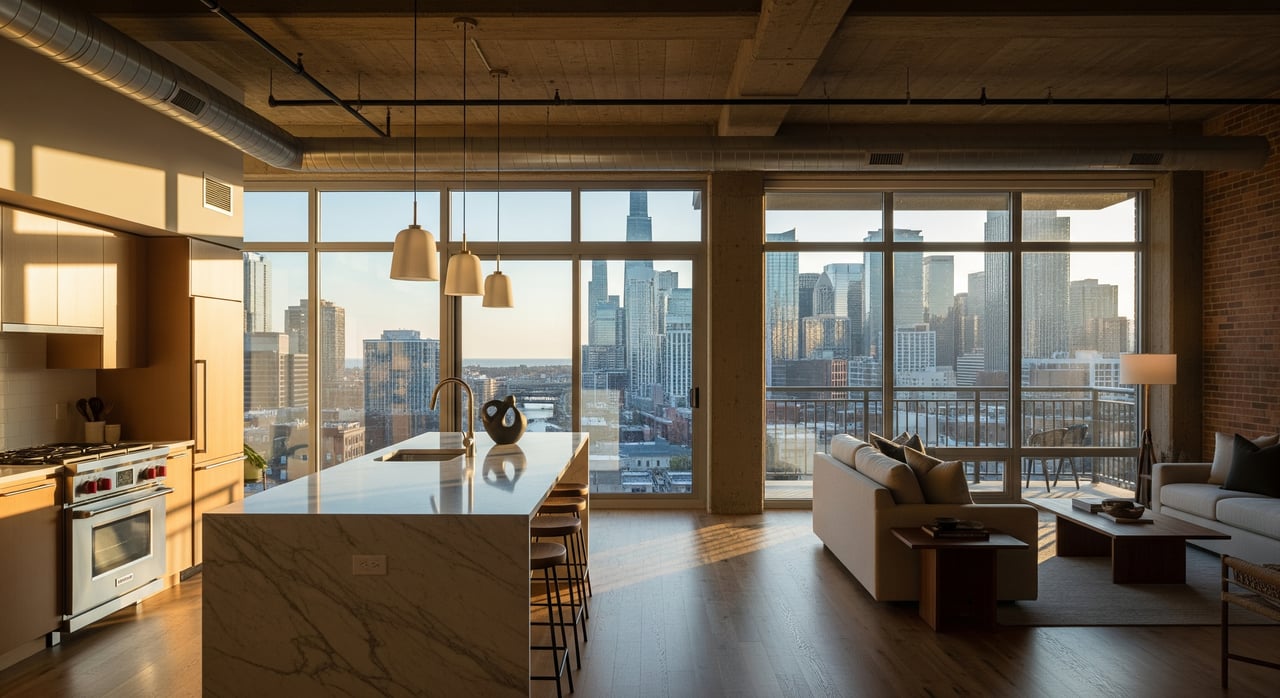
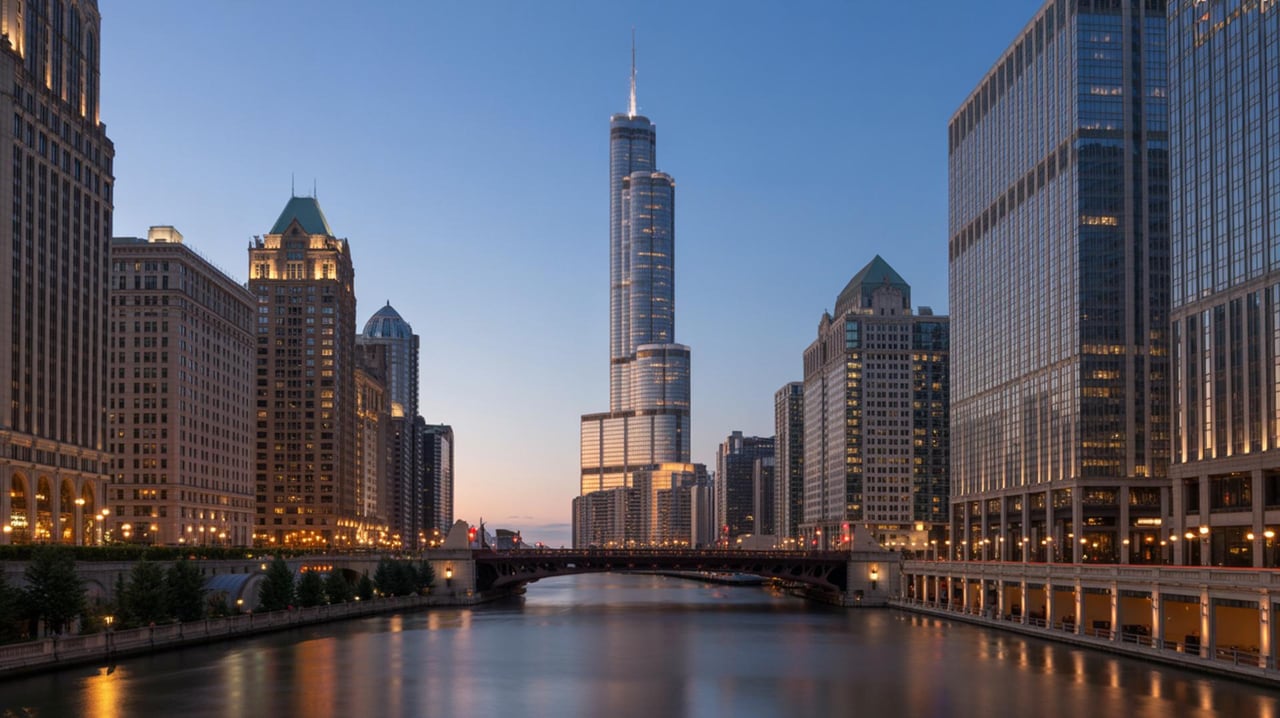
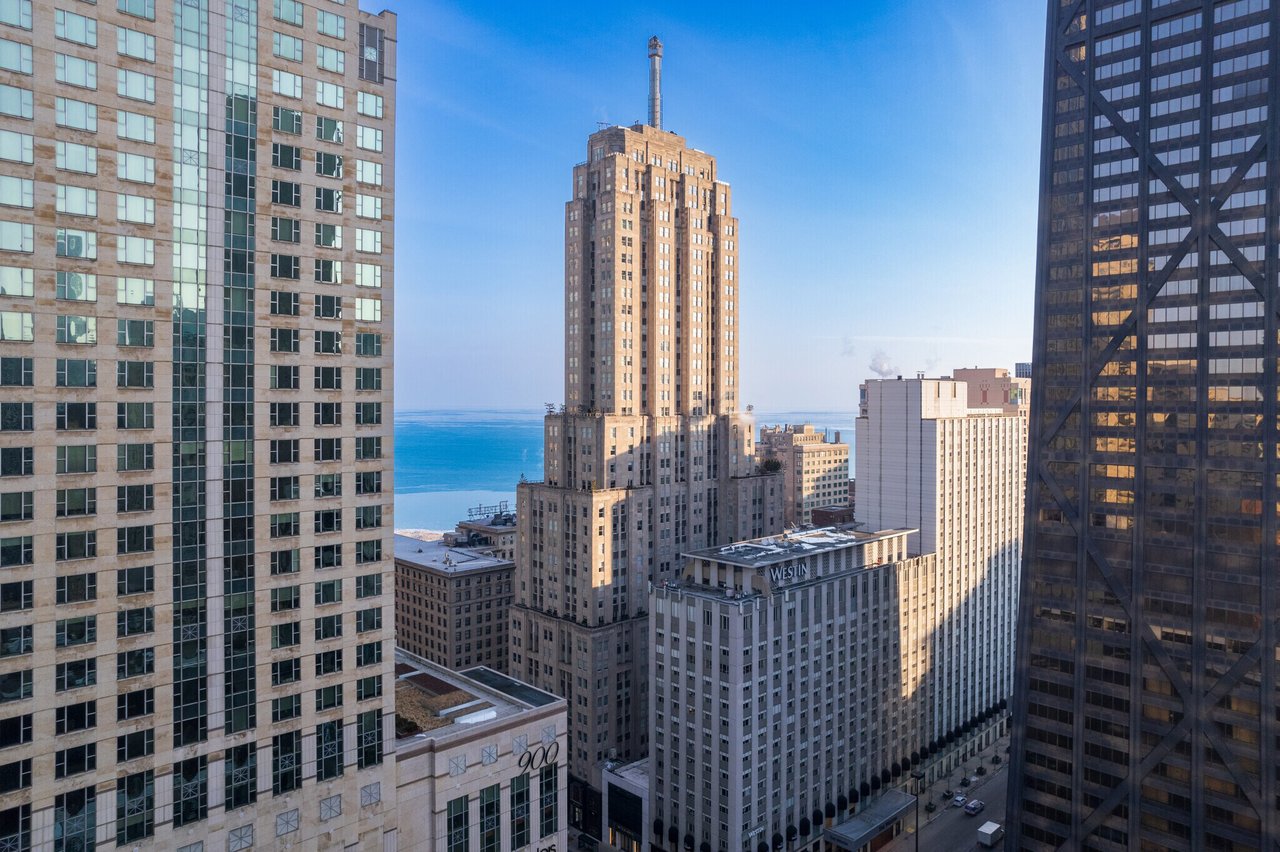
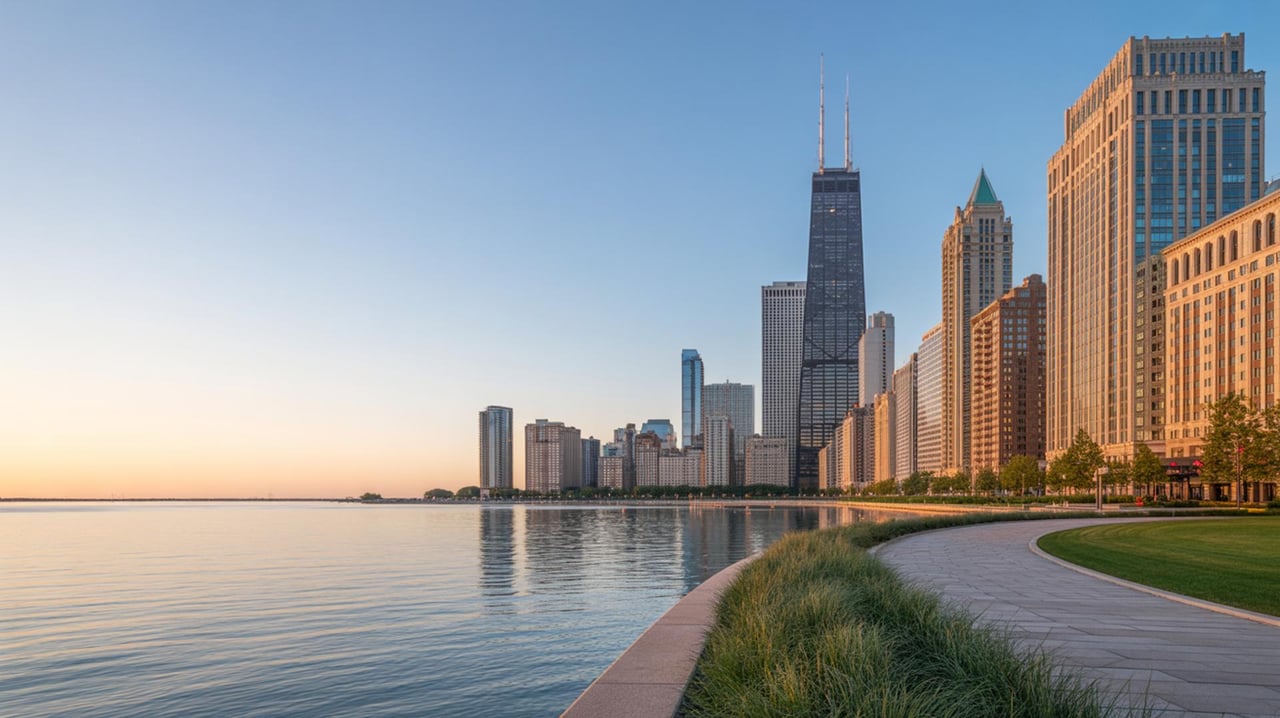
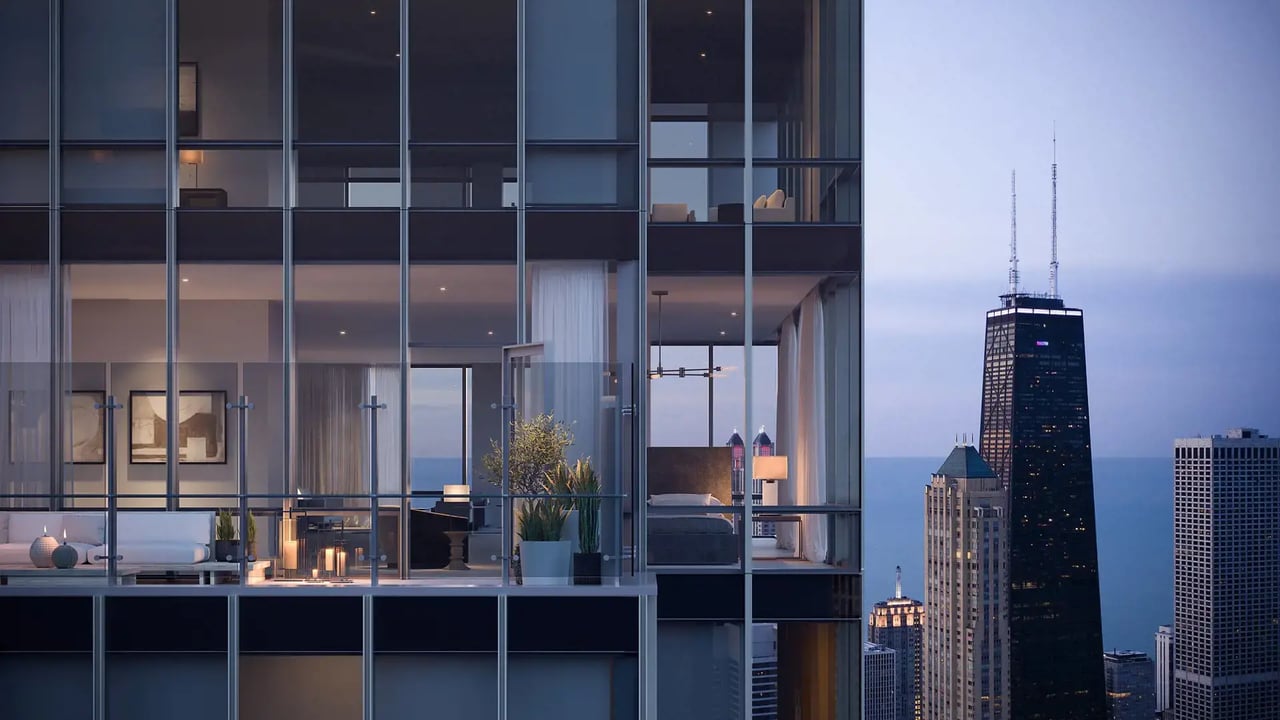
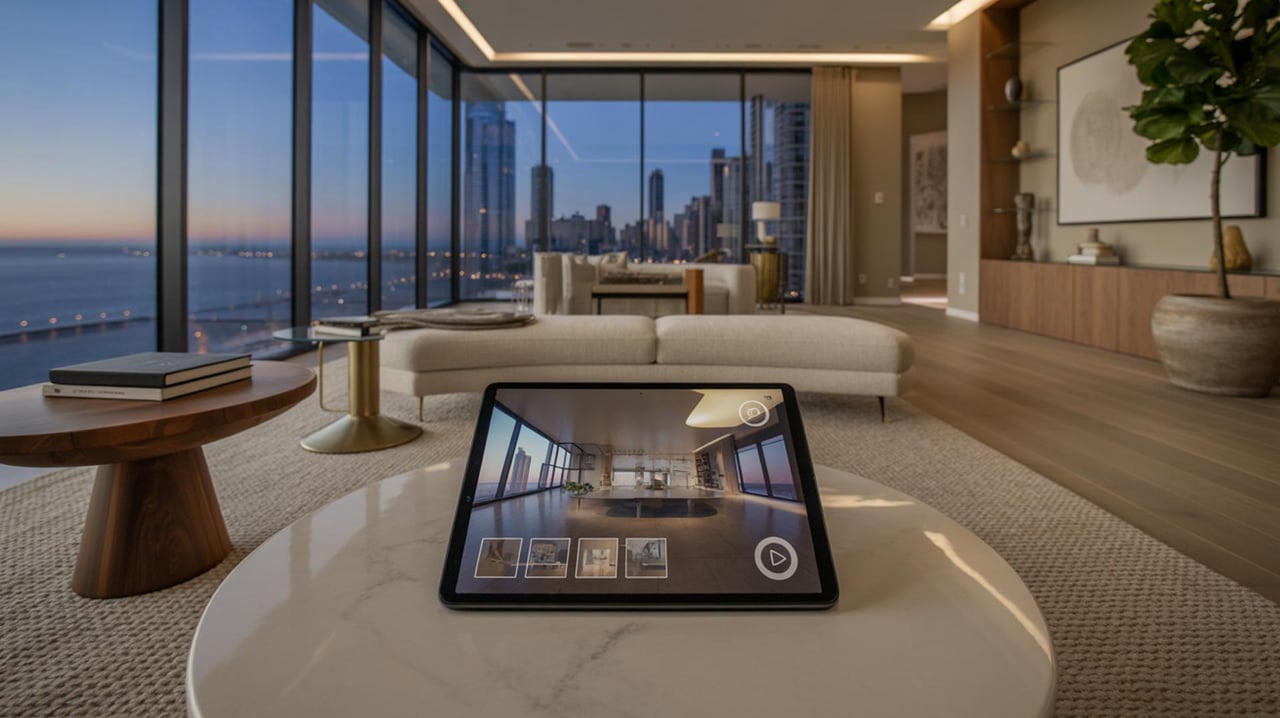
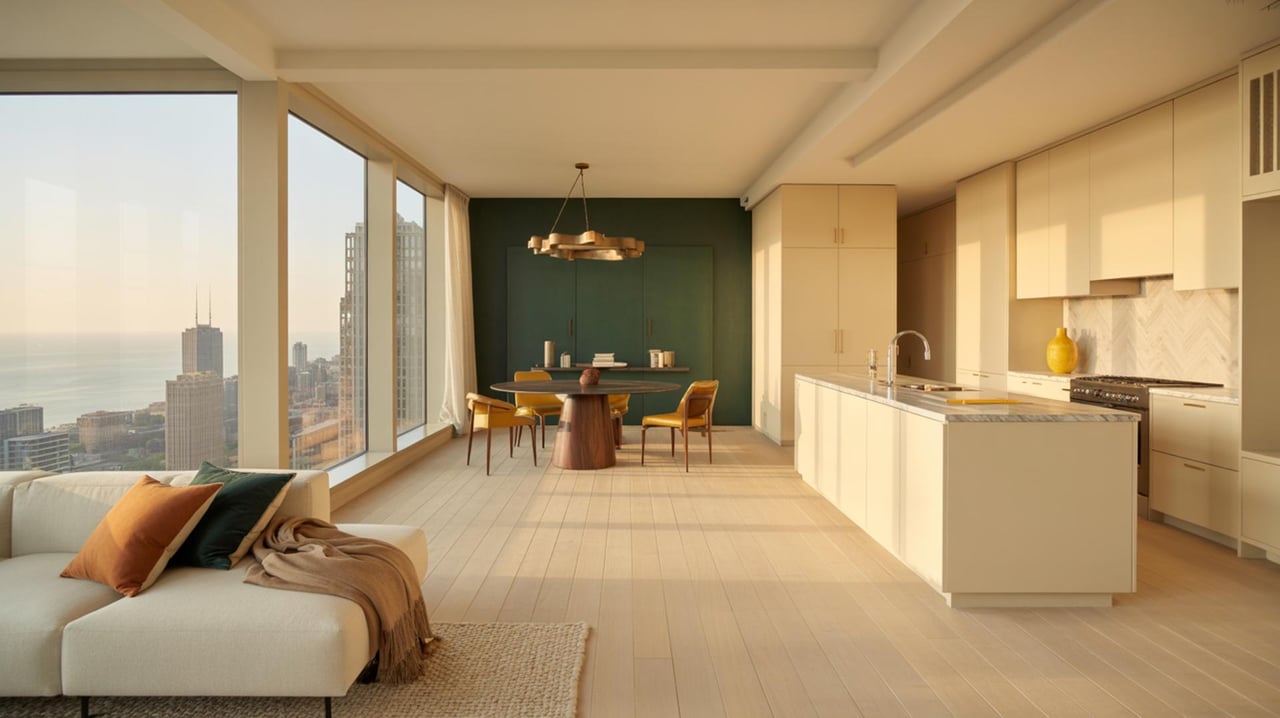
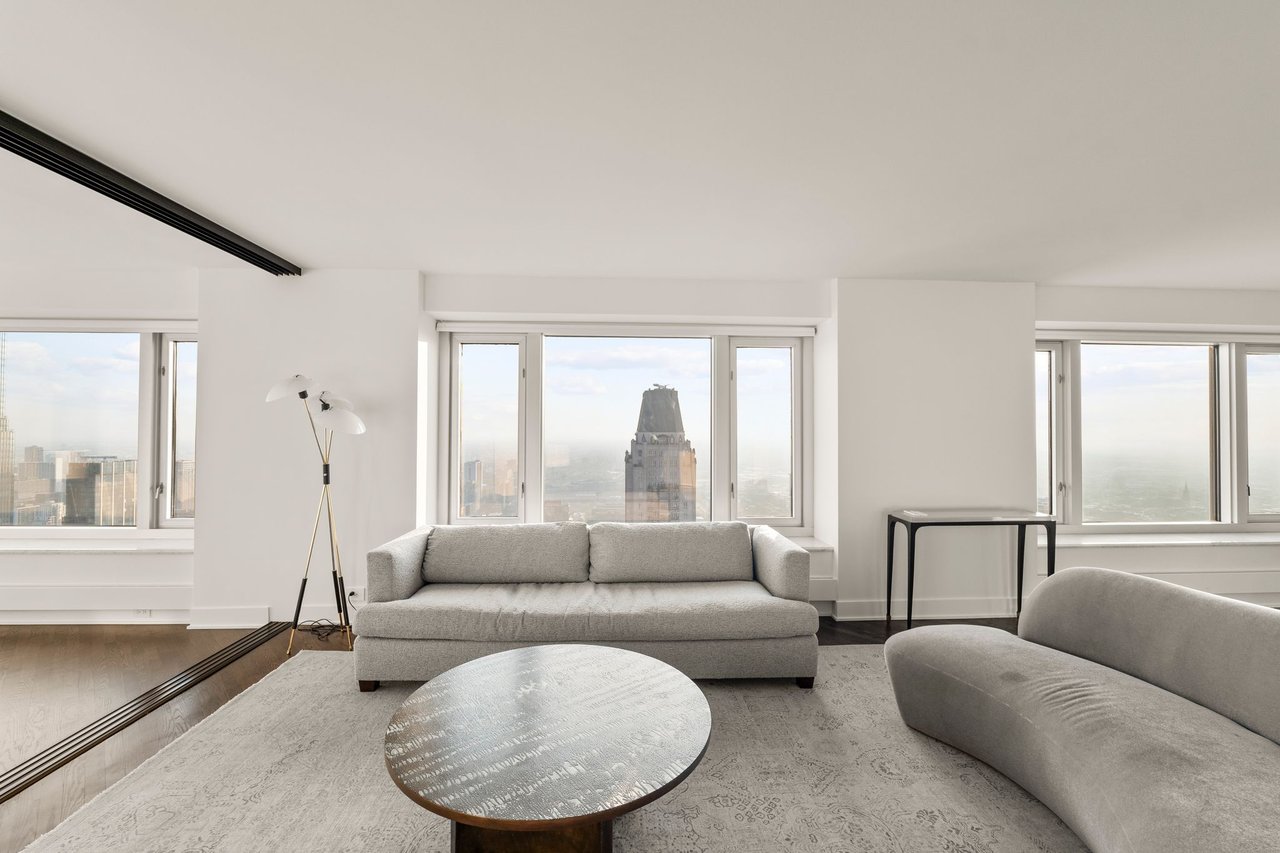
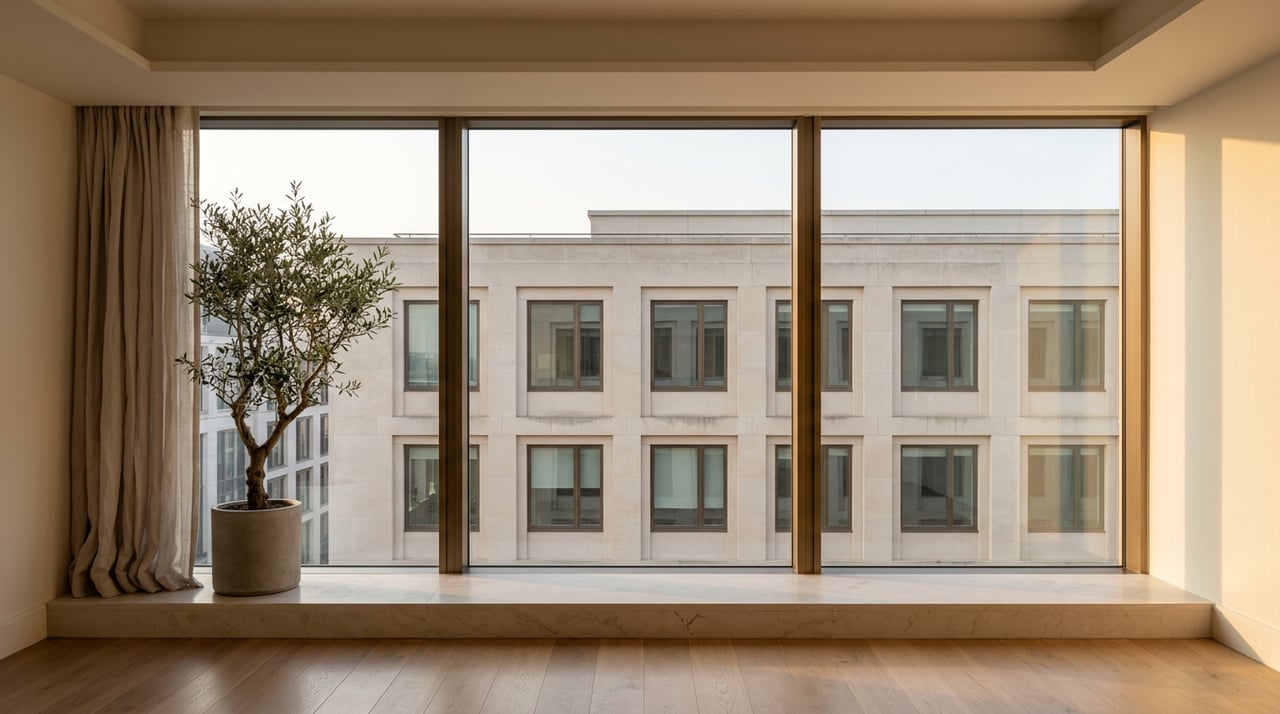
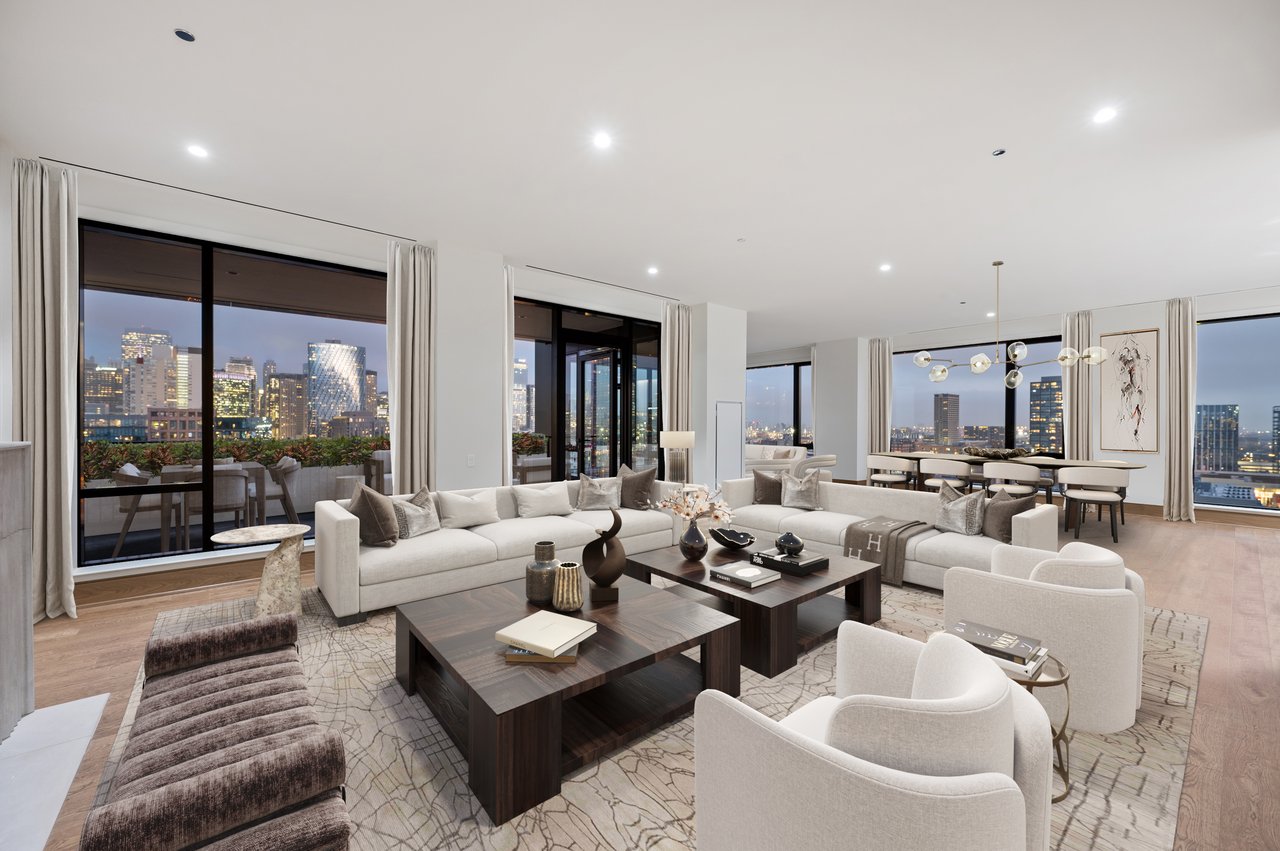
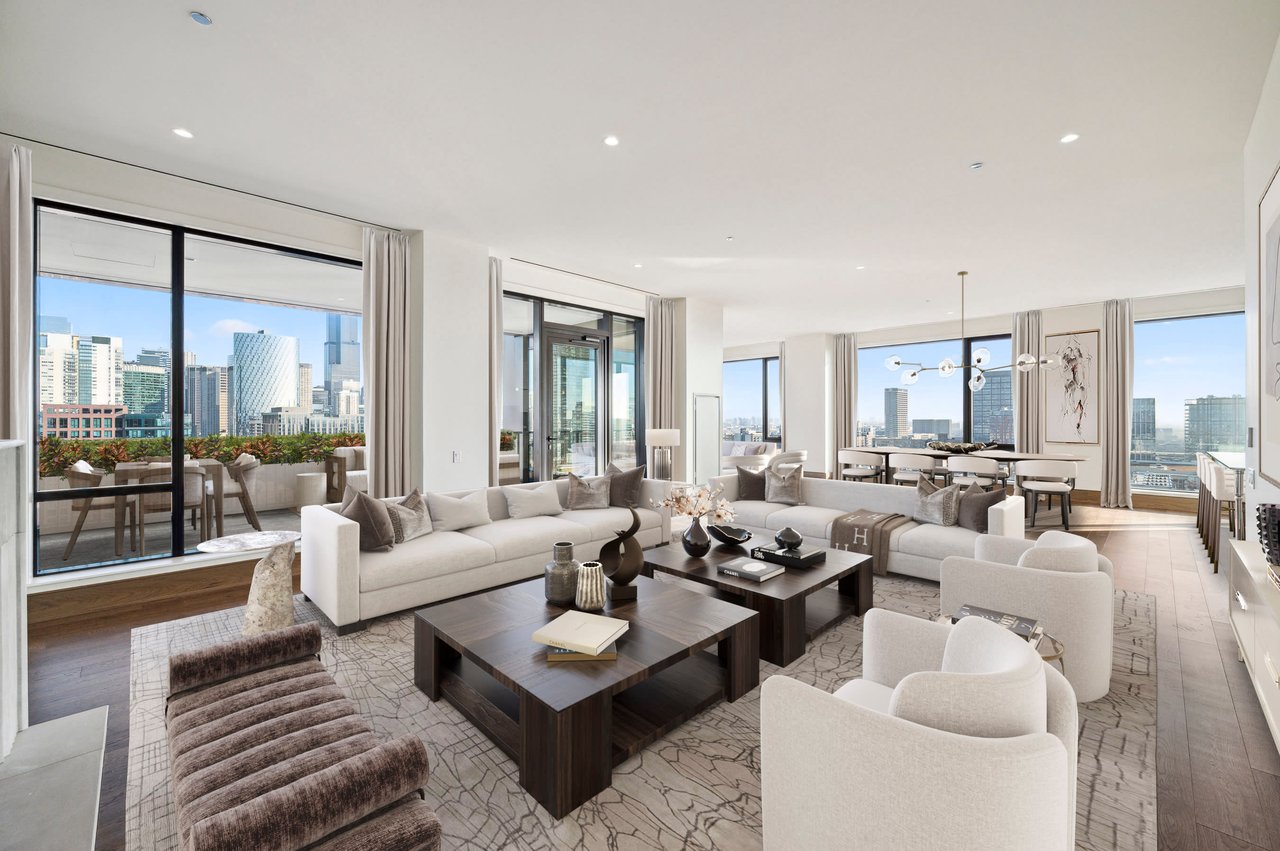
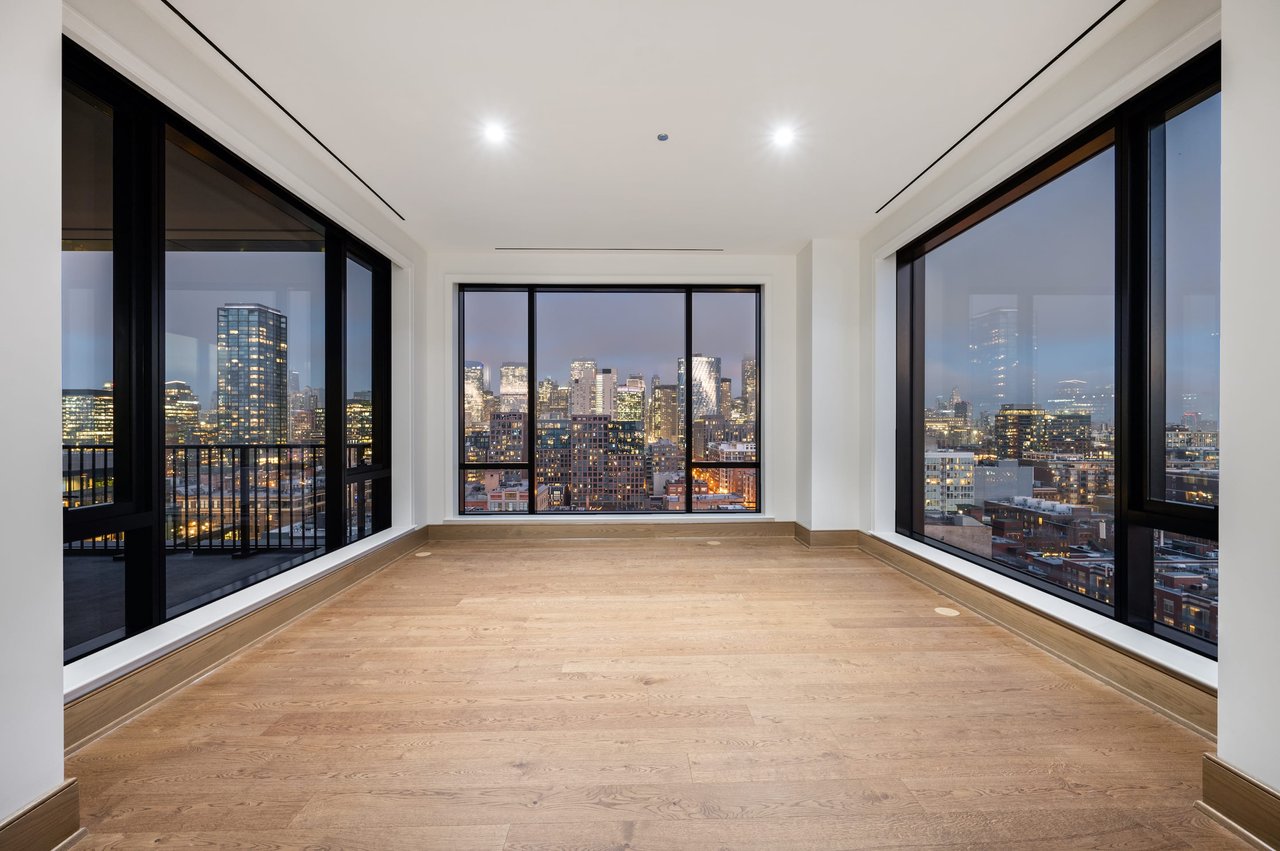
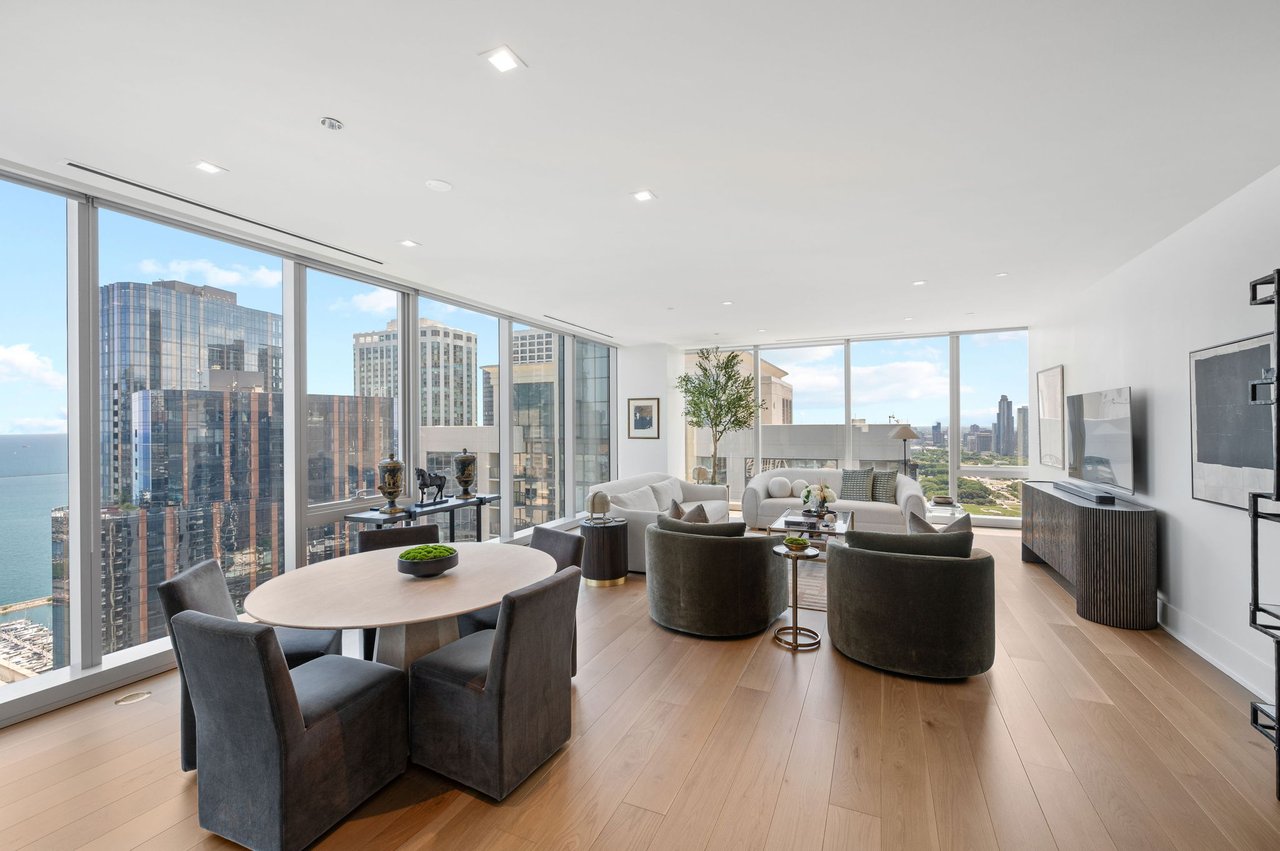
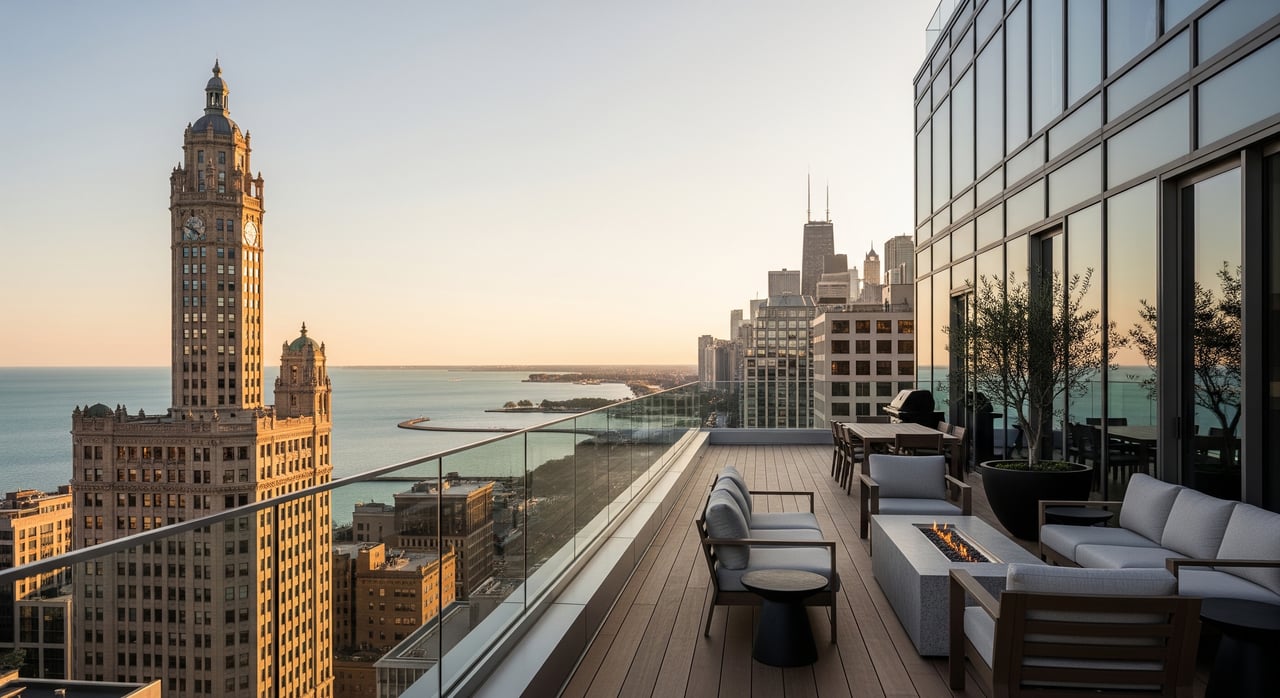
Lake Michigan stretches endlessly to the east. The Chicago River winds through downtown below. Millennium Park, Navy Pier and the skyline become part of your everyday surroundings.
But after walking buyers through the building, I've become convinced that the views aren't what ultimately convince people to buy here.
The views get people through the front door.
The ownership experience is what keeps them interested.
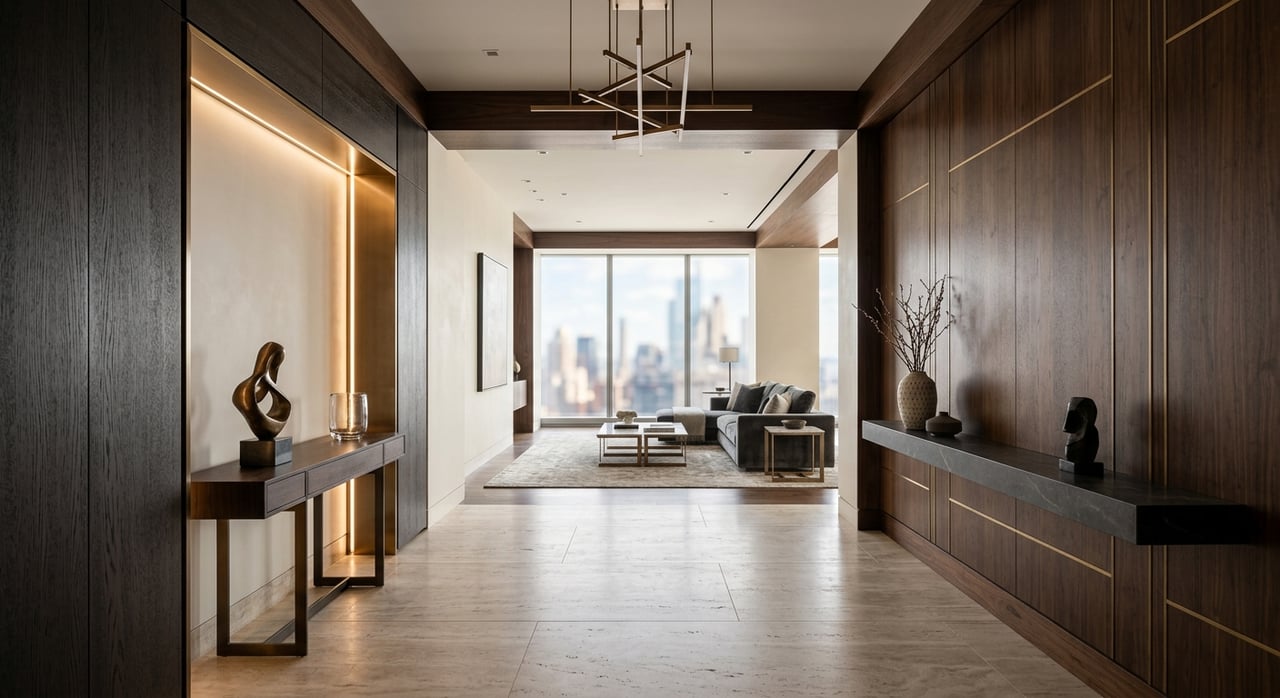
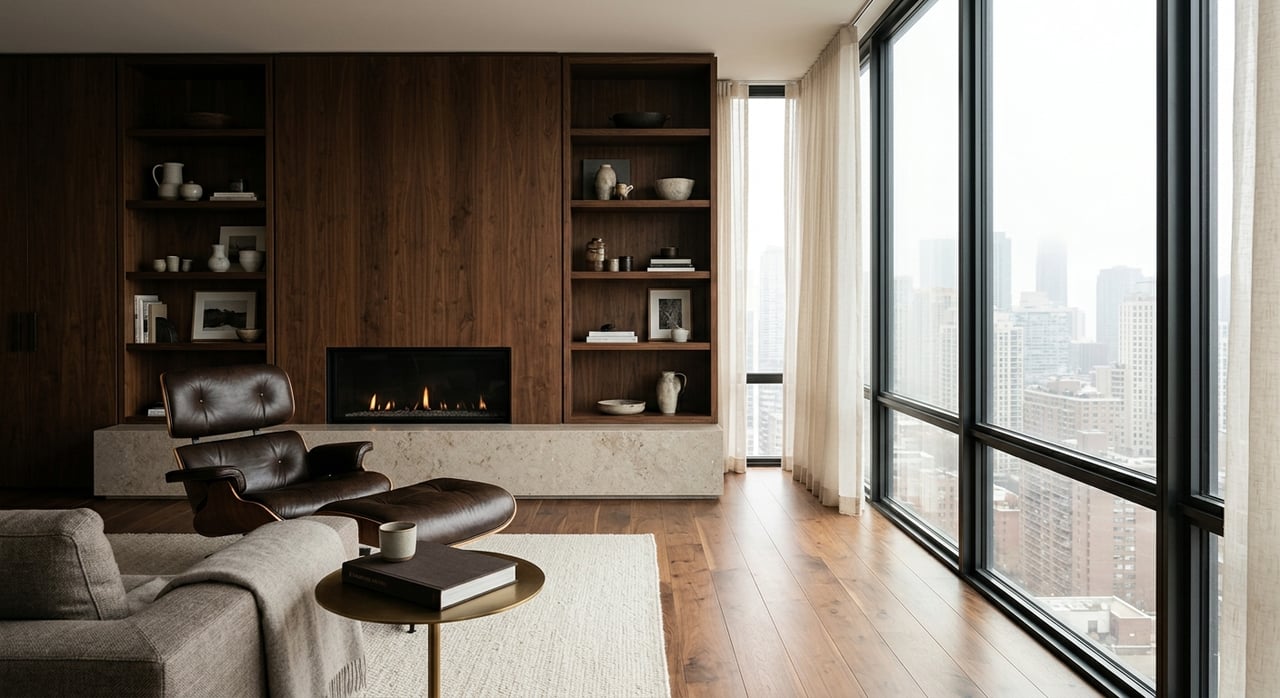
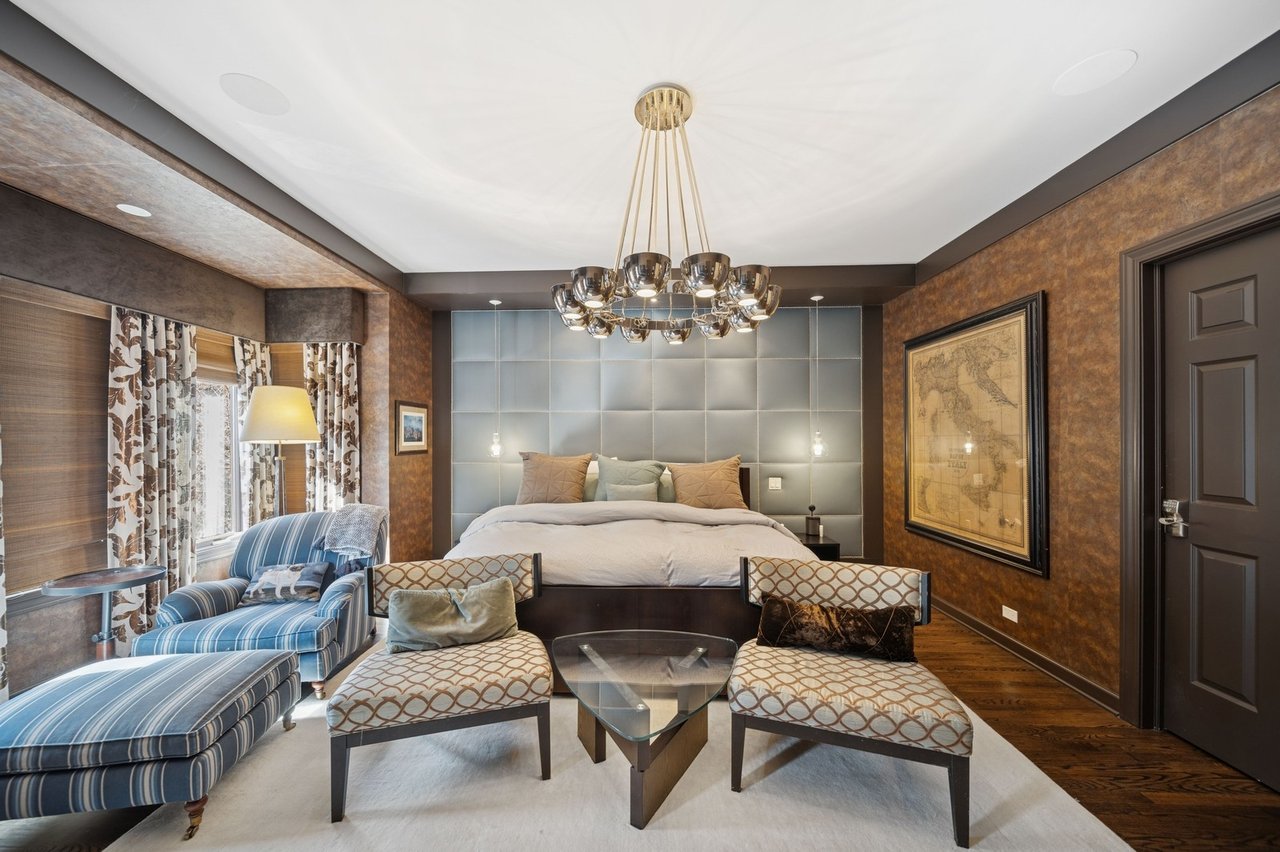
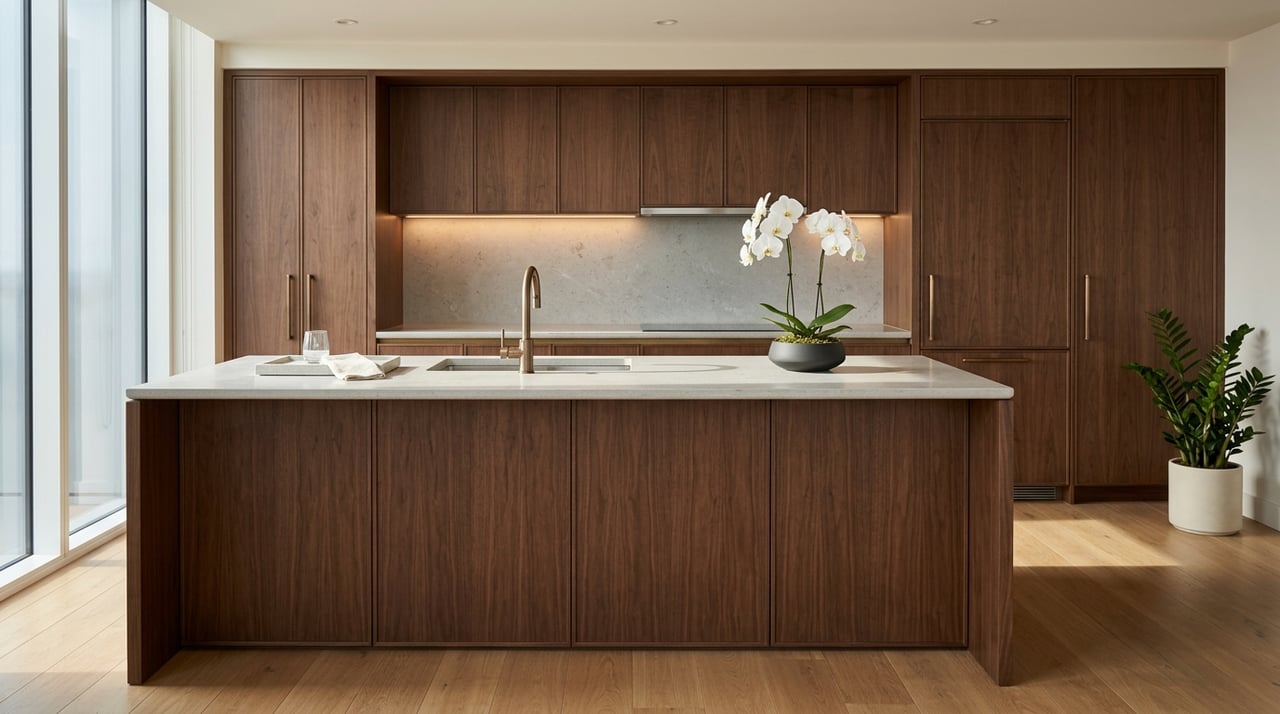
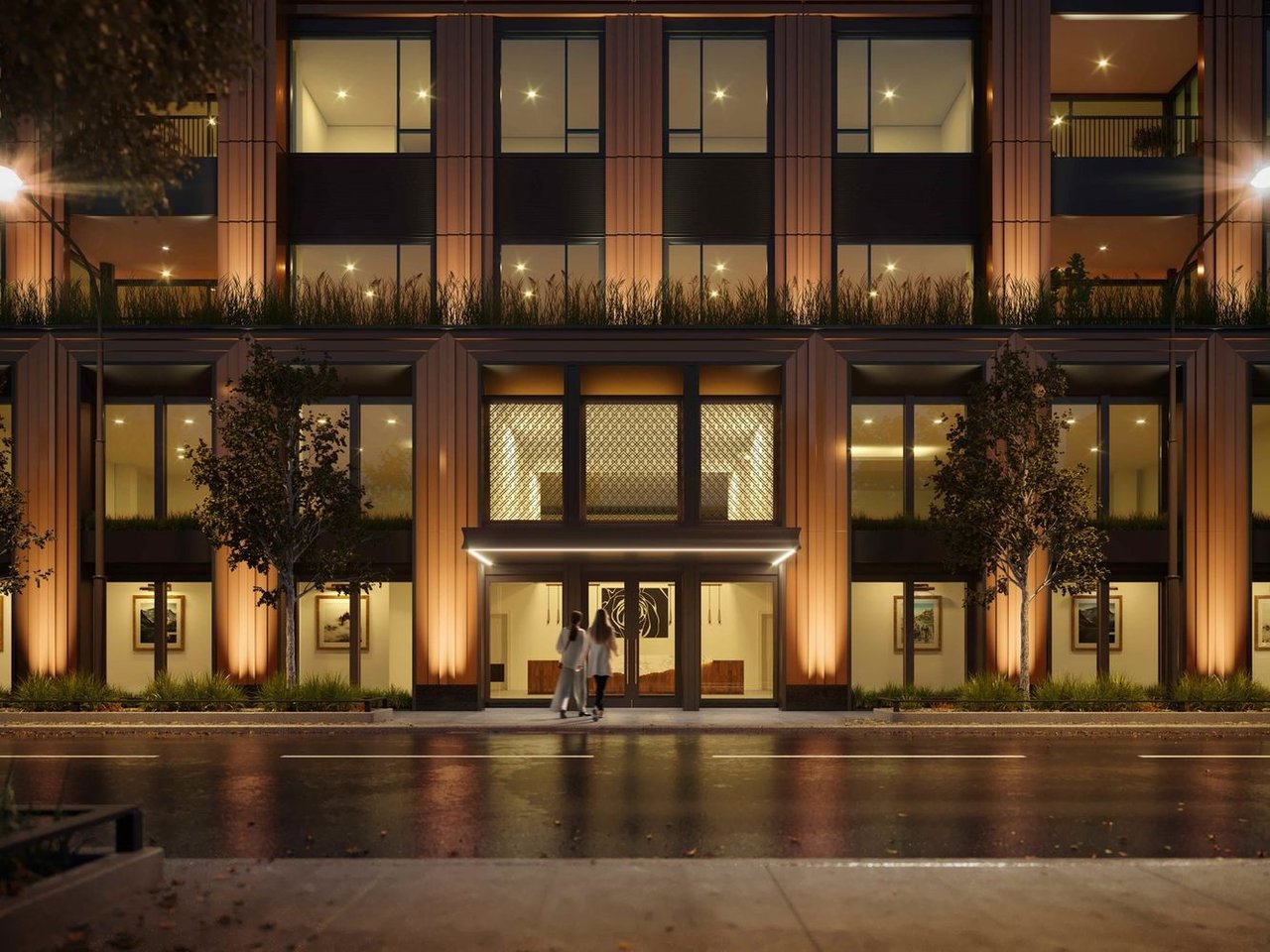
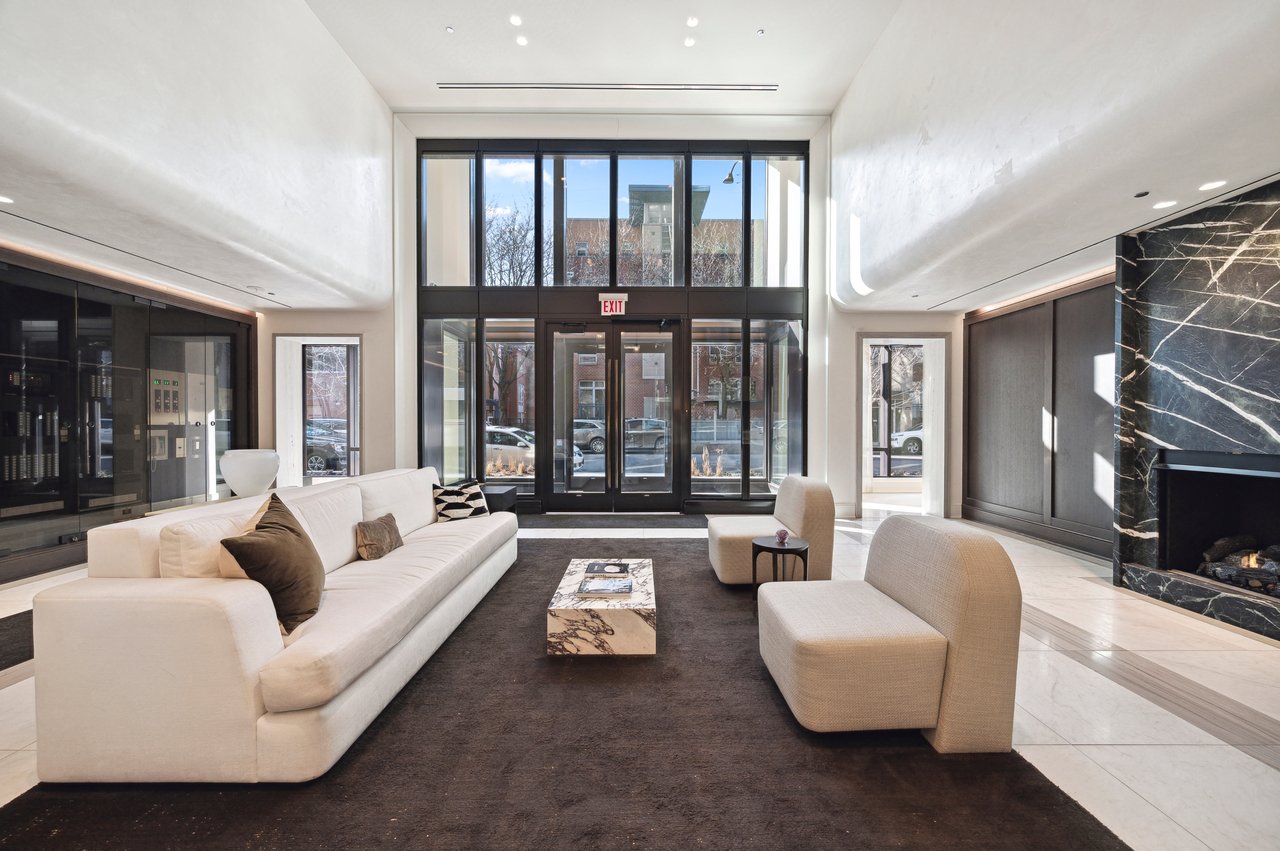
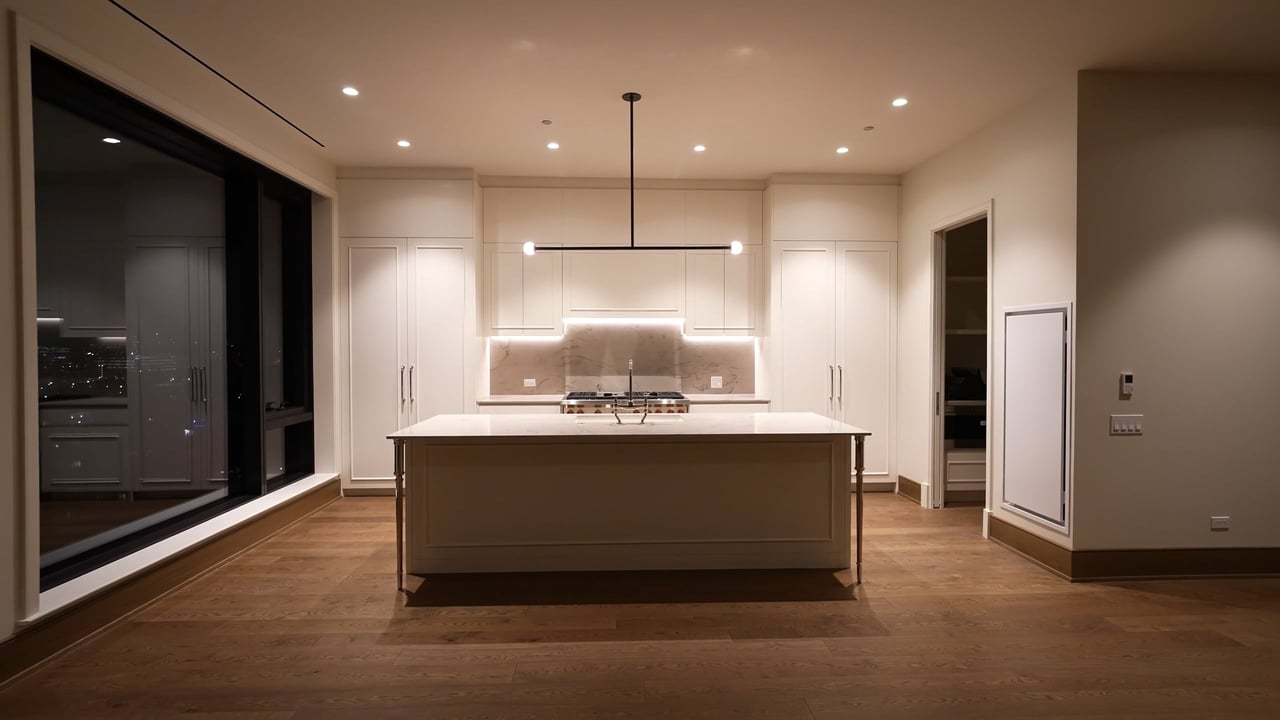
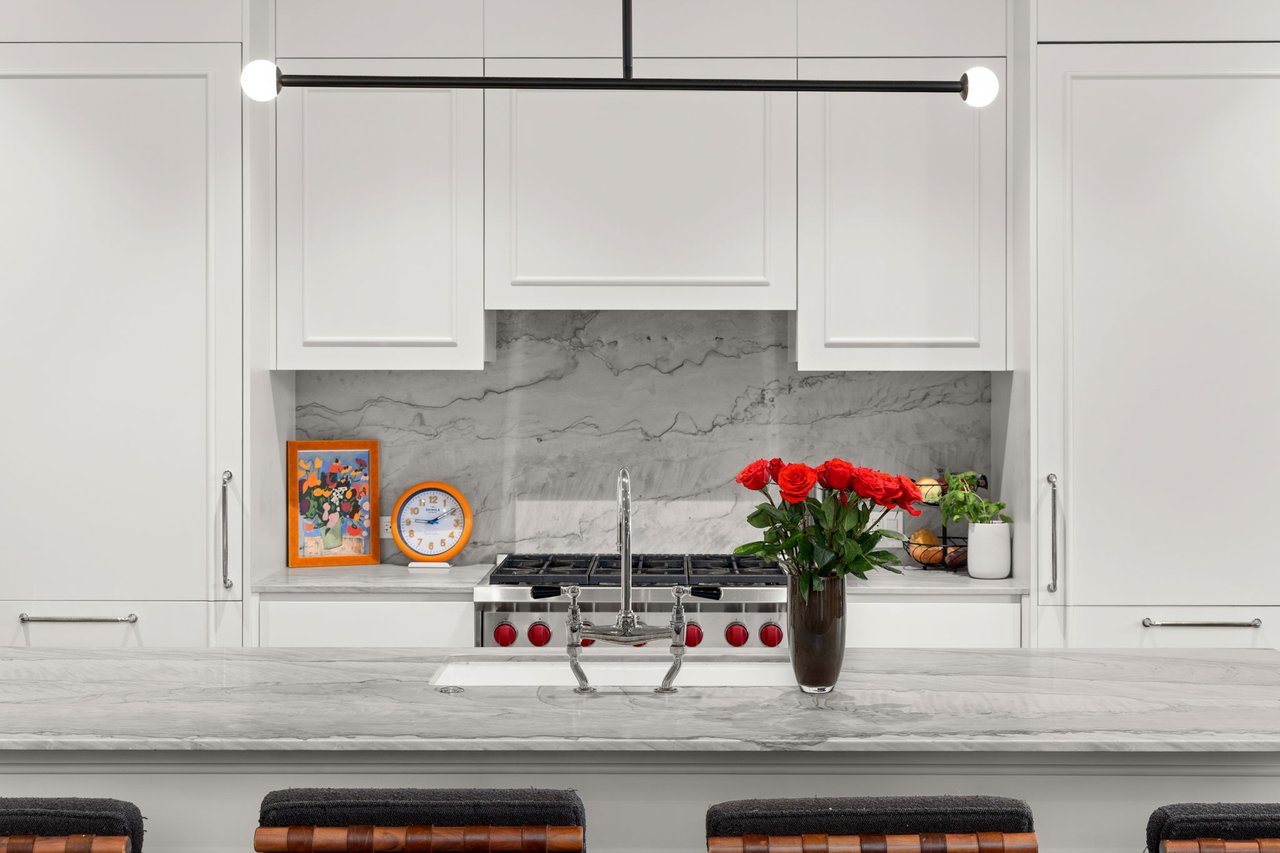
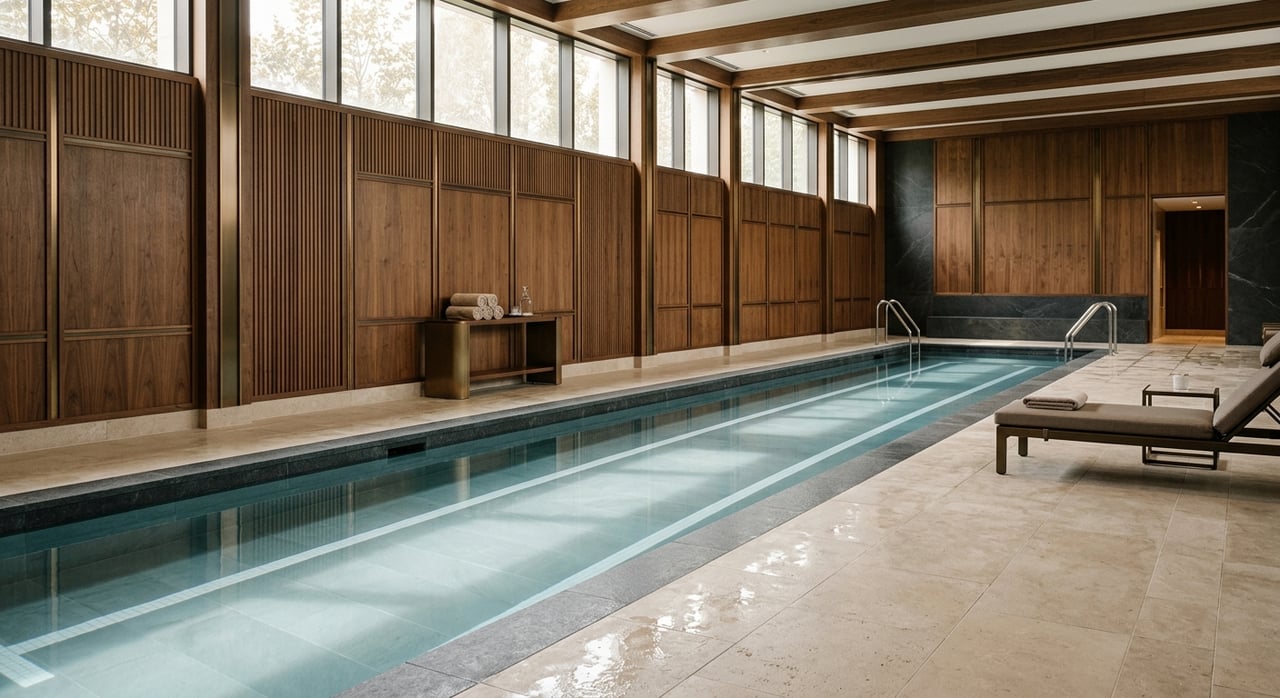
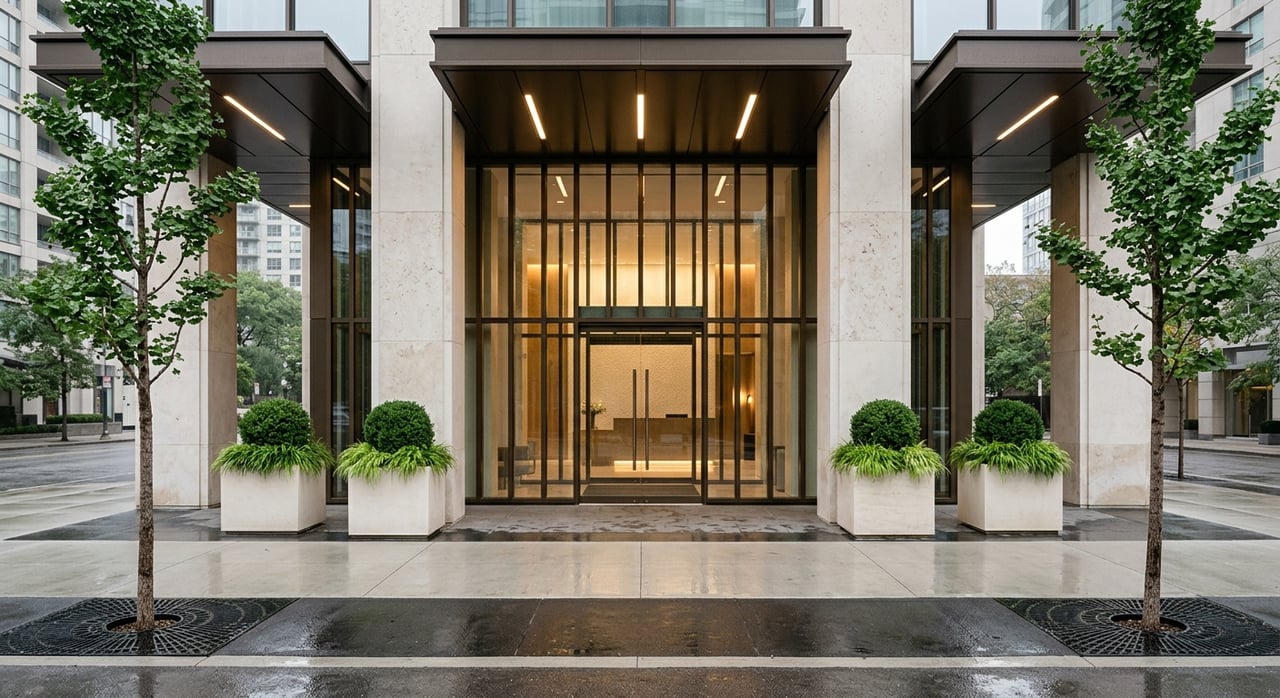
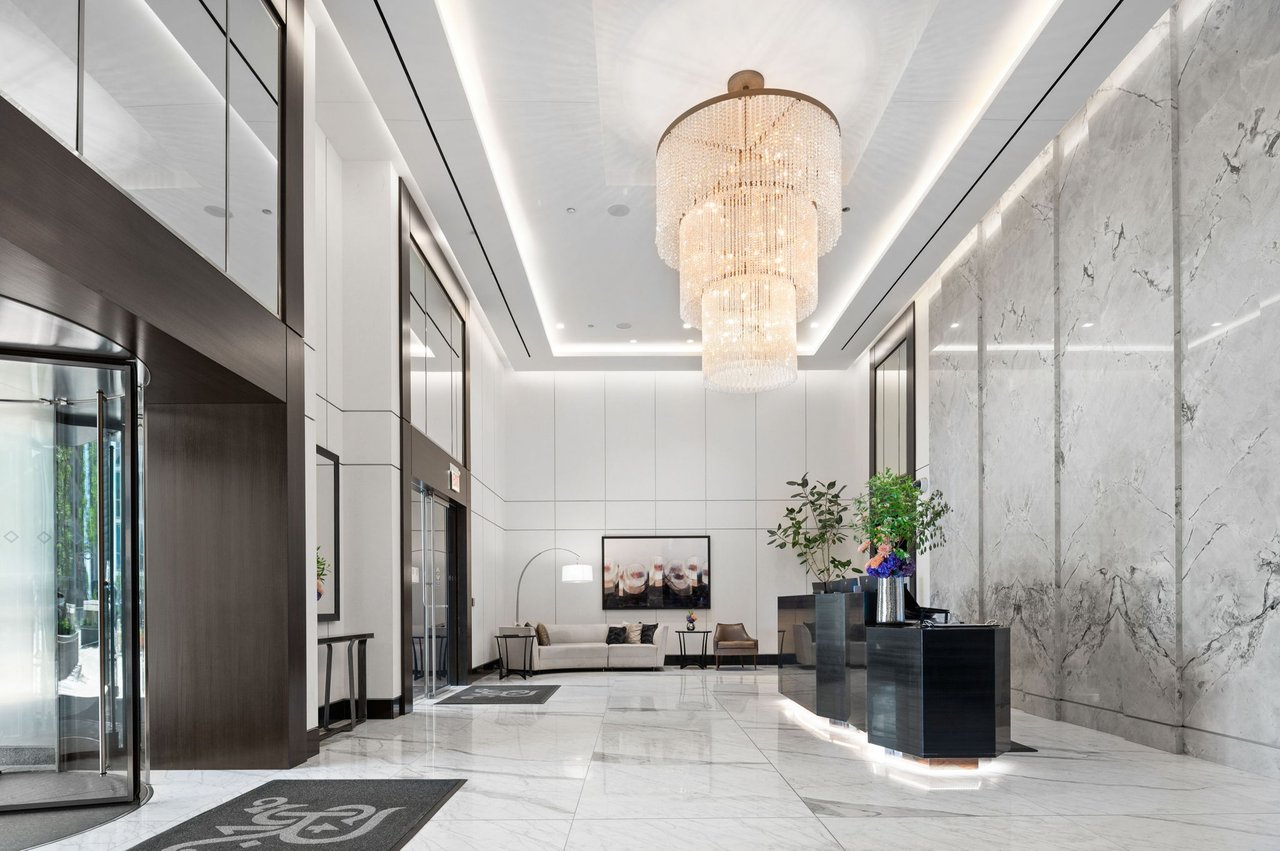
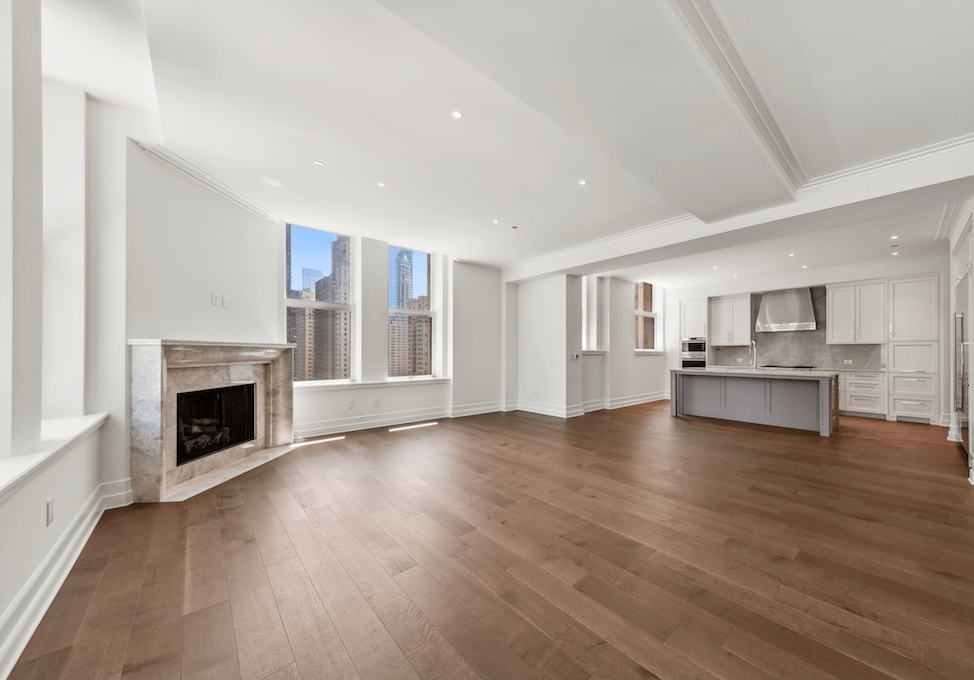
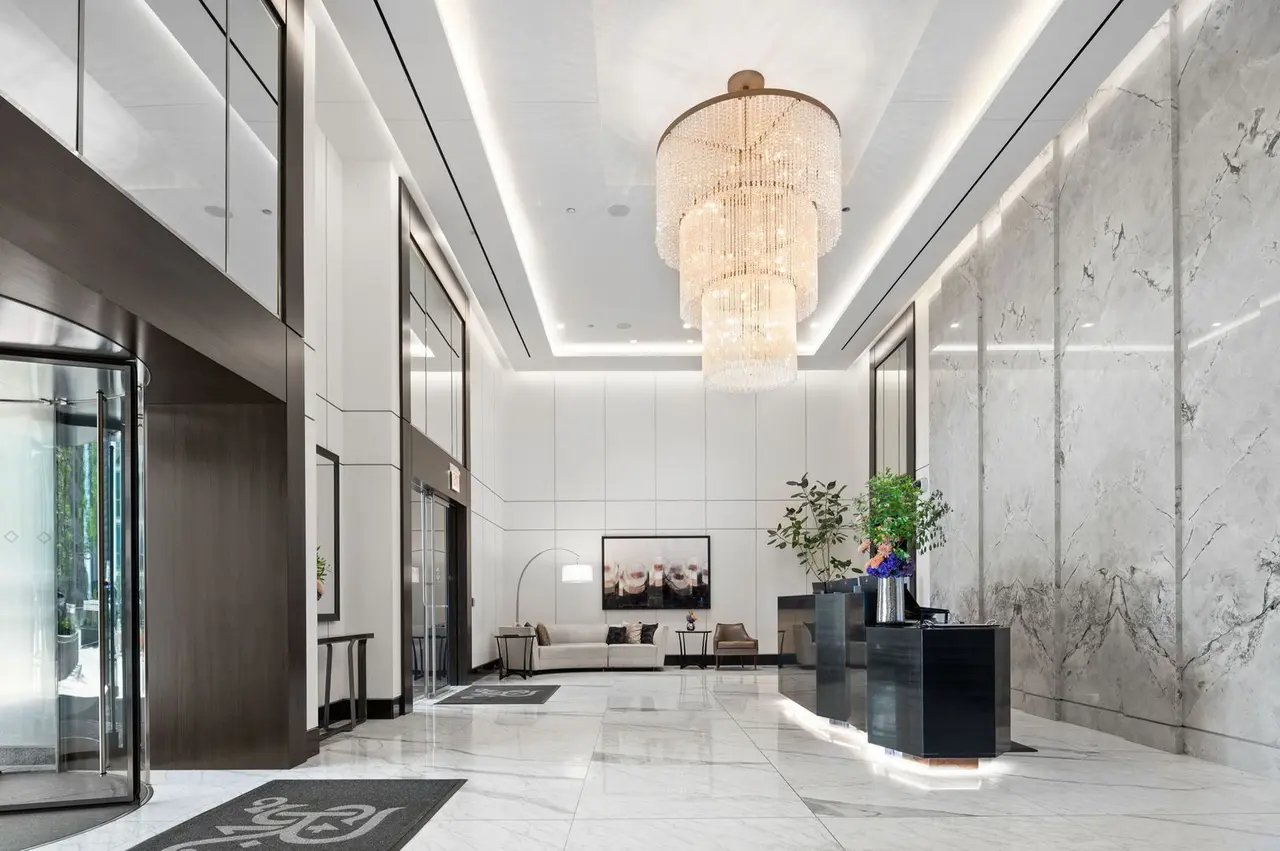
It's the quality of the construction. The consistency of the finishes. The service. The way the building operates. The feeling that every detail, from arrival to departure, was carefully considered rather than simply designed to impress during a showing.
Chicago has plenty of beautiful views.
Very few residential buildings combine those views with this level of architecture, hospitality and execution.
Luxury Buyers Have Changed
One of the biggest changes I've noticed over the past several years has very little to do with St. Regis itself.
It's the buyers.
Luxury buyers today ask much better questions than they did a decade ago.
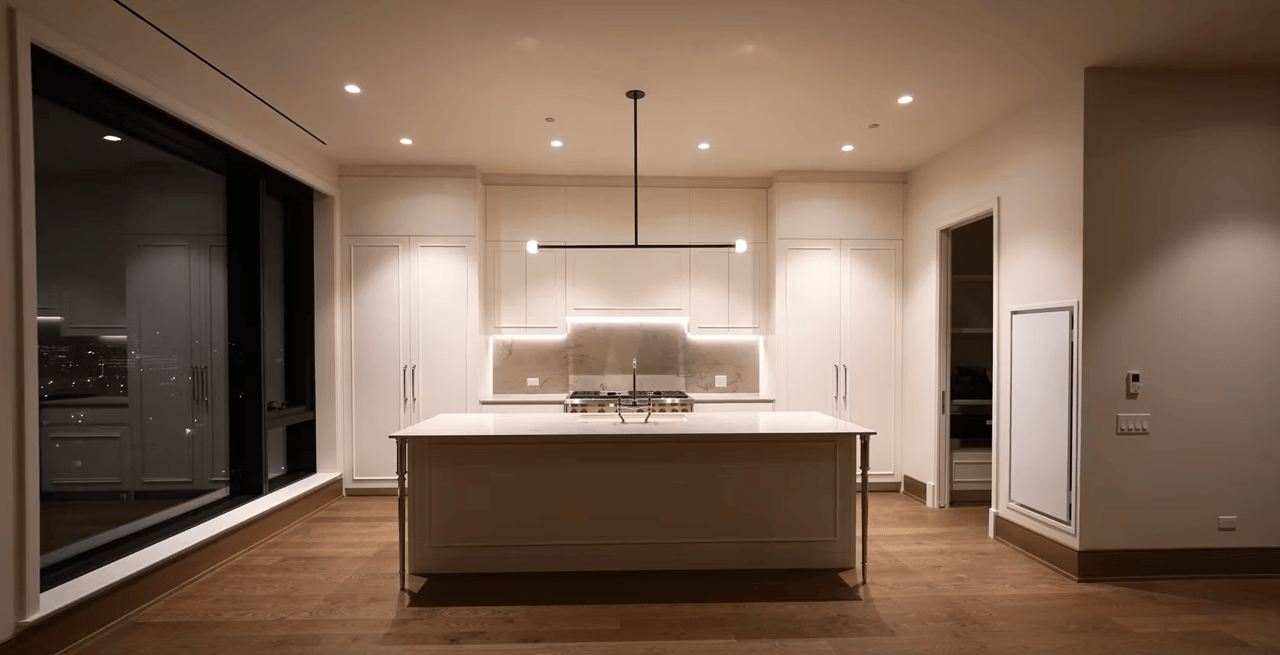
Beautiful kitchens, exceptional finishes and resort-style amenities are still important, but they've become the starting point rather than the deciding factor. Conversations now quickly shift toward property management, reserve funds, long-term planning and how the building has operated since owners began moving in.
That's exactly how it should be.
When you're purchasing a luxury residence, you're making an investment in an entire organization, not just four walls and a view. Associations make decisions that affect values for years to come, and sophisticated buyers understand that.
I think St. Regis is particularly interesting because it's entering the point in its life where those operational decisions begin telling a much bigger story than the original marketing campaign.
The Market Is Finally Beginning to Speak
For years, nearly every conversation about St. Regis revolved around the developer.
Today, something much more interesting is happening.
The market is beginning to establish its own opinion.
Owners are deciding when to sell. Buyers are determining which floor plans command premiums. Certain layouts are becoming increasingly difficult to replace, while others appeal to a different segment of the market. Pricing is gradually becoming less about launch strategy and more about actual buyer demand.
As someone who follows the building closely, I find this stage far more informative than the initial sales period.
Early sales are driven by anticipation.
Resale activity reveals conviction.
That's when you begin understanding how buyers truly value a building once they've had time to live in it, compare it to competing options and experience ownership firsthand.
My Perspective Has Changed
I'll admit something.
The more time I've spent in St. Regis, the more I've appreciated it.
Not because the architecture changed.
Not because the views became more impressive.
Because I stopped evaluating the building the same way.
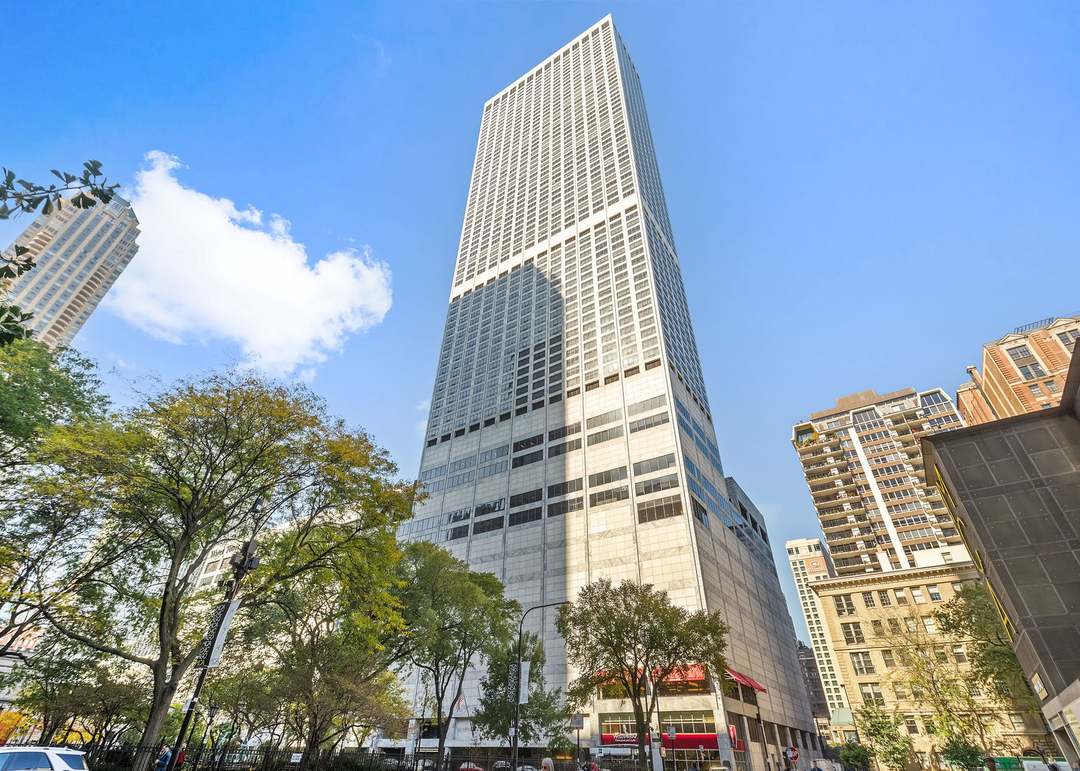
It's easy to judge St. Regis from photographs or headlines. It's easy to focus on its height, its silhouette or its price point. It's much harder to appreciate what makes it exceptional until you've spent meaningful time inside the building and watched how buyers respond once they're there.
That's probably why I believe it's one of Chicago's most misunderstood luxury buildings.
People often arrive with strong opinions.
Many leave with different ones.
What I'm Watching Next
Every luxury building reaches an inflection point.
For St. Regis, I believe we're living through it now.
Over the next several years, I'll be watching how the remaining developer inventory is absorbed, how resale values continue to establish themselves across different floor plans and whether buyer demand strengthens as the building becomes known less as a new development and more as one of Chicago's premier residential addresses.
Those are the moments that define a building's long-term reputation.
Marketing can introduce a building.
Only the market can validate it.
That's why I think the most interesting chapter in the story of St. Regis is the one we're entering now.
Explore St. Regis Chicago
If you're considering buying or selling at St. Regis, I encourage you to look beyond the headlines. Understanding the building's architecture, ownership experience and evolving resale market provides a much more complete picture than any listing description ever could.
On my dedicated St. Regis Chicago page, you'll find current listings, recent sales, floor plans, neighborhood information and market updates specific to the building. Whether you're actively searching or simply following one of Chicago's most dynamic luxury markets, it's the best place to continue your research.