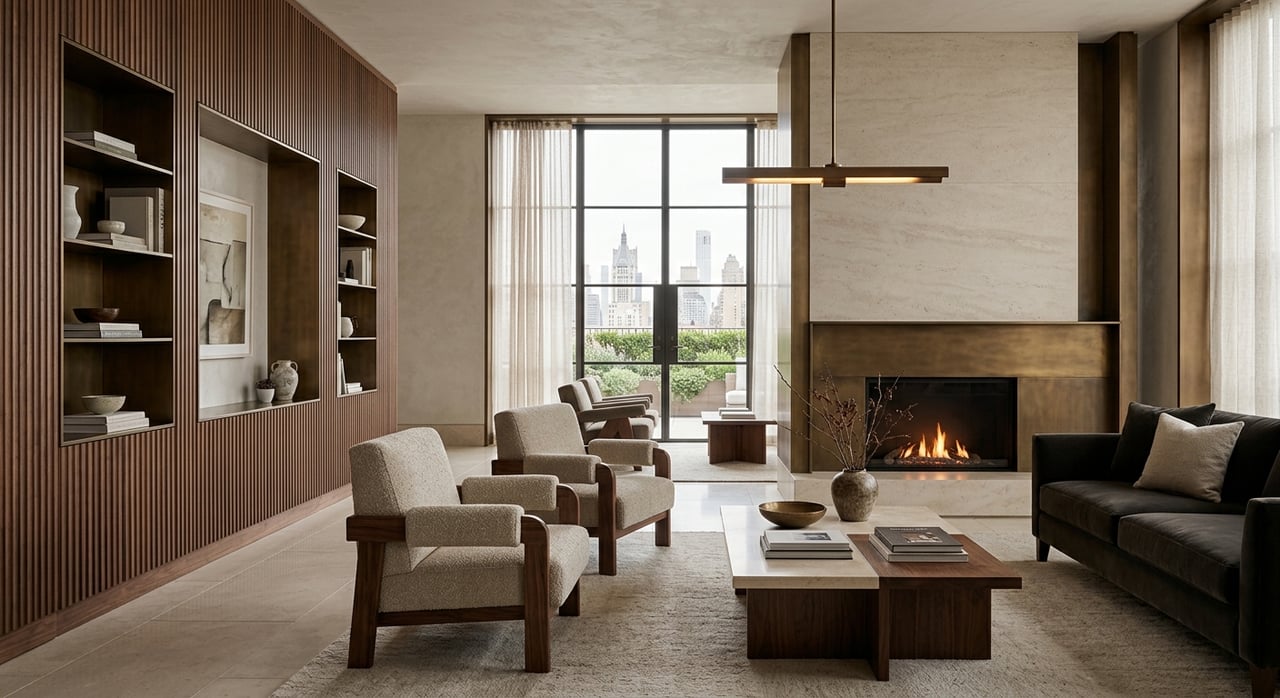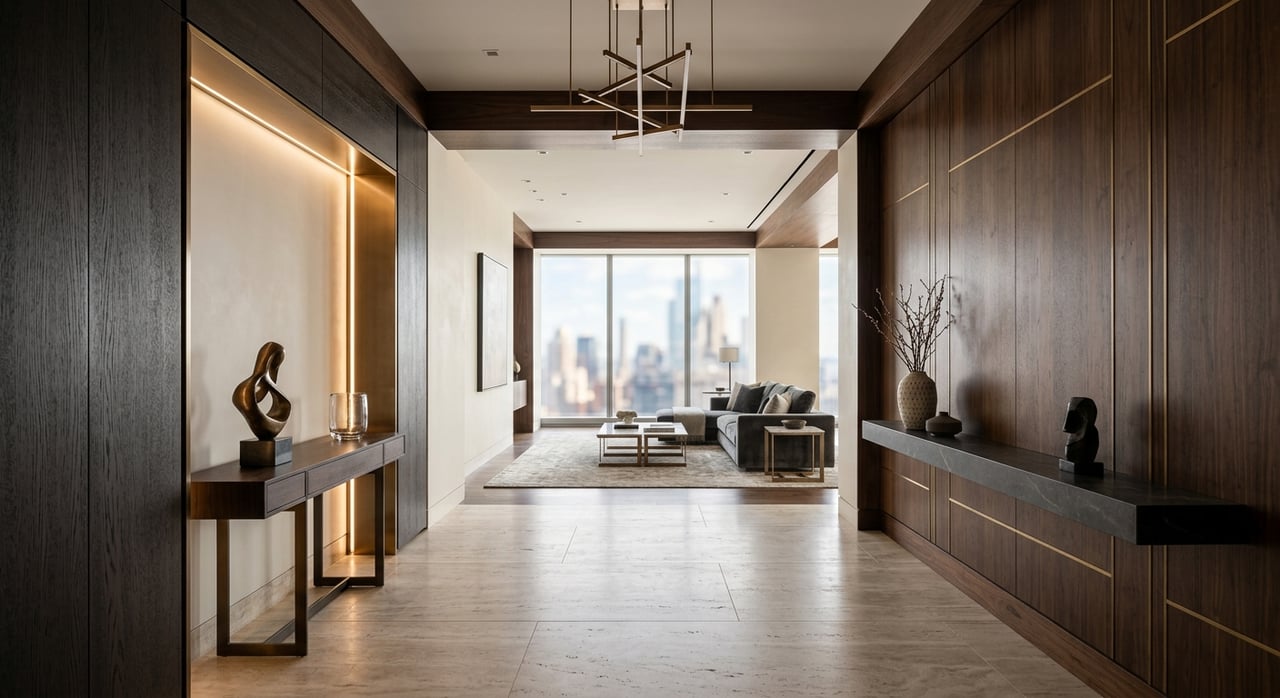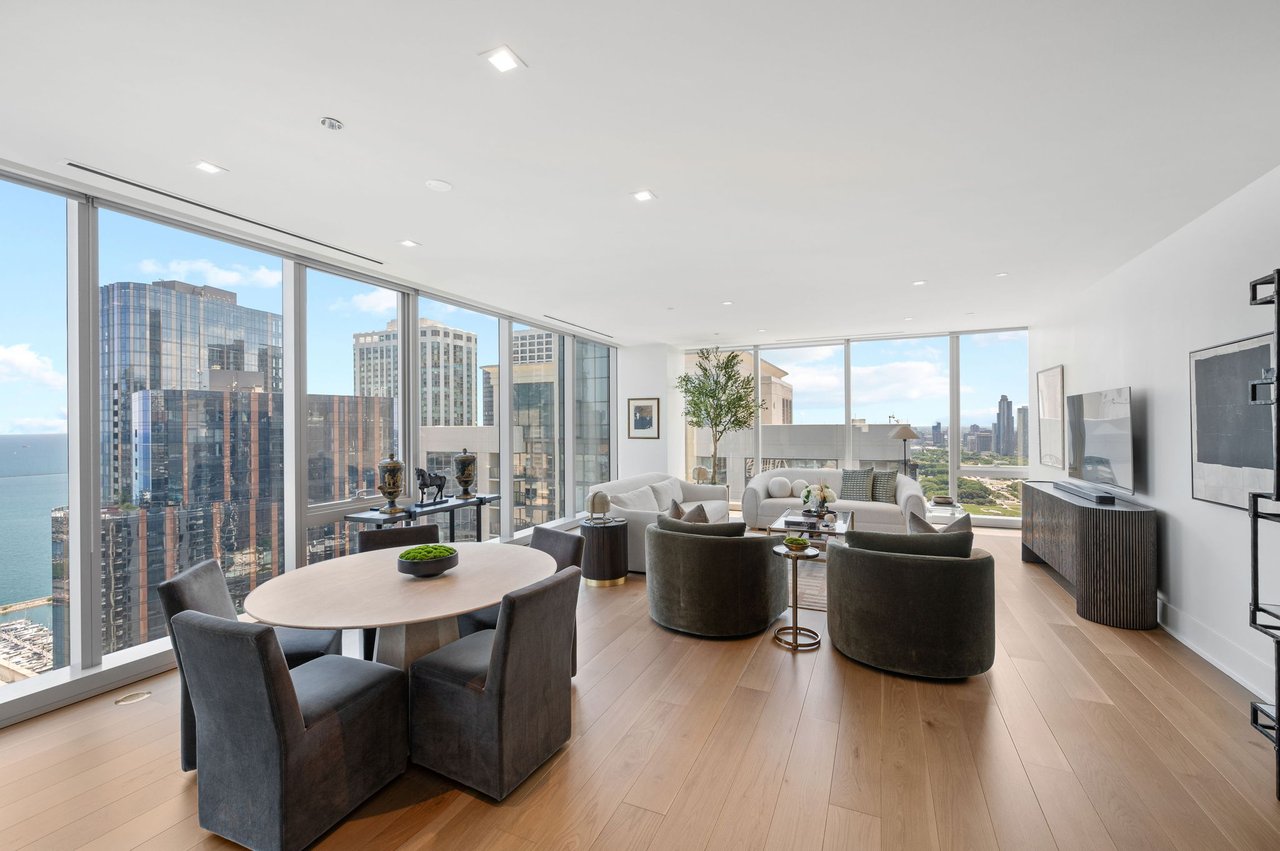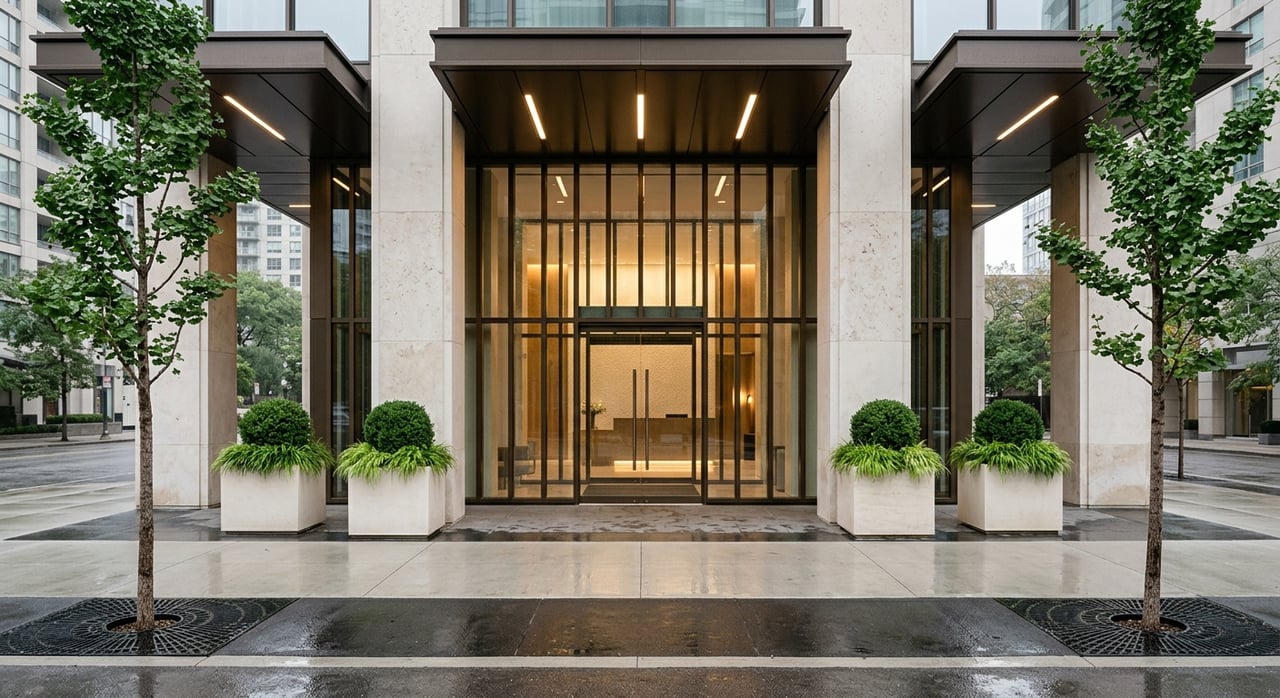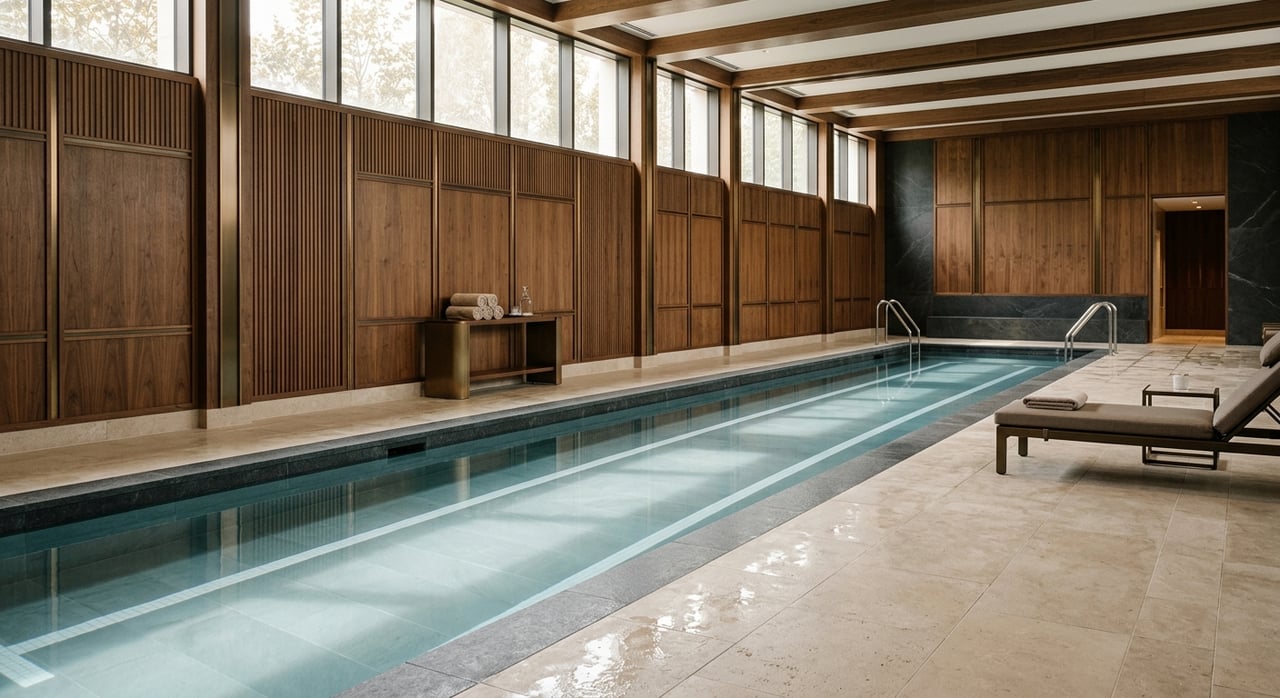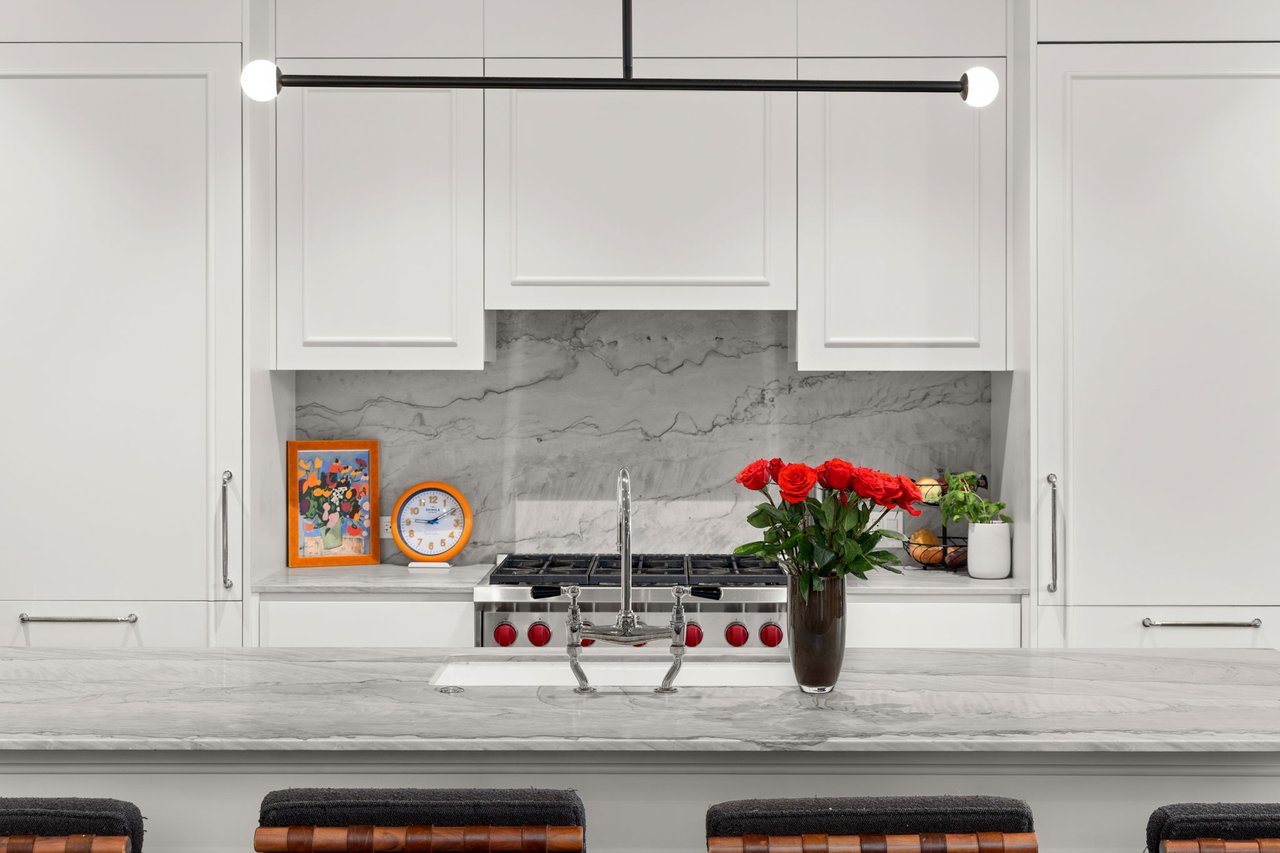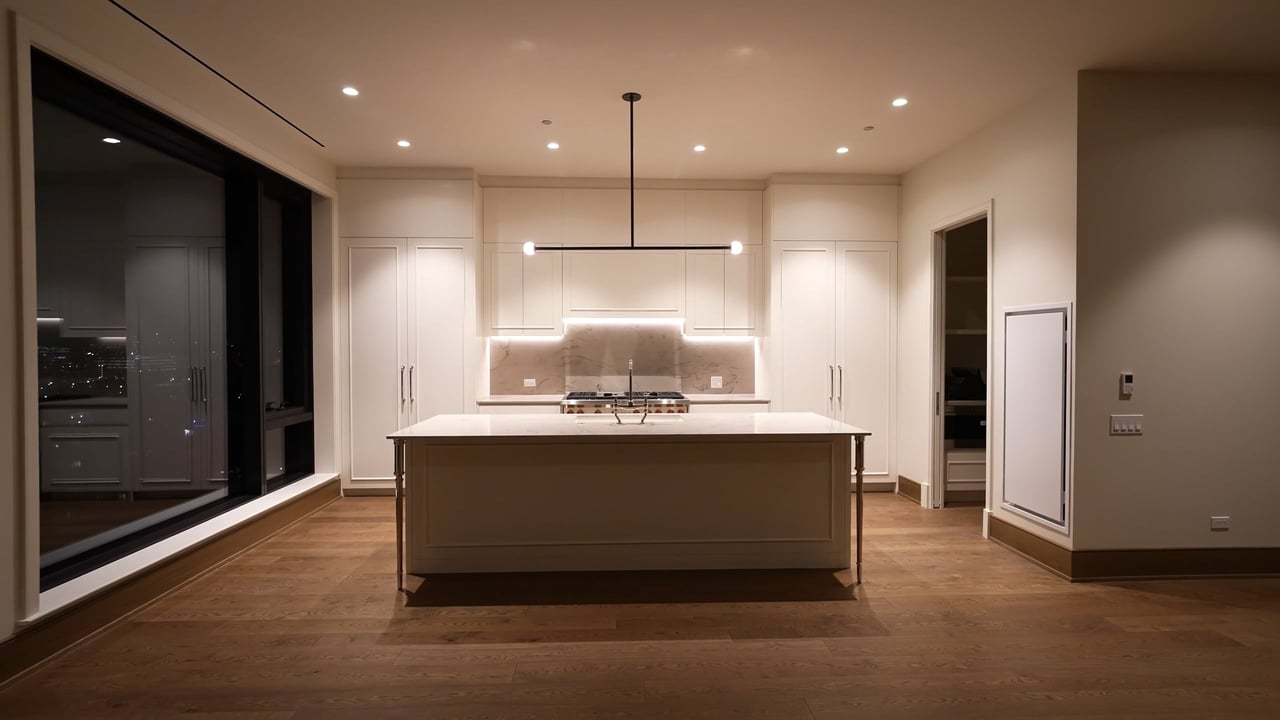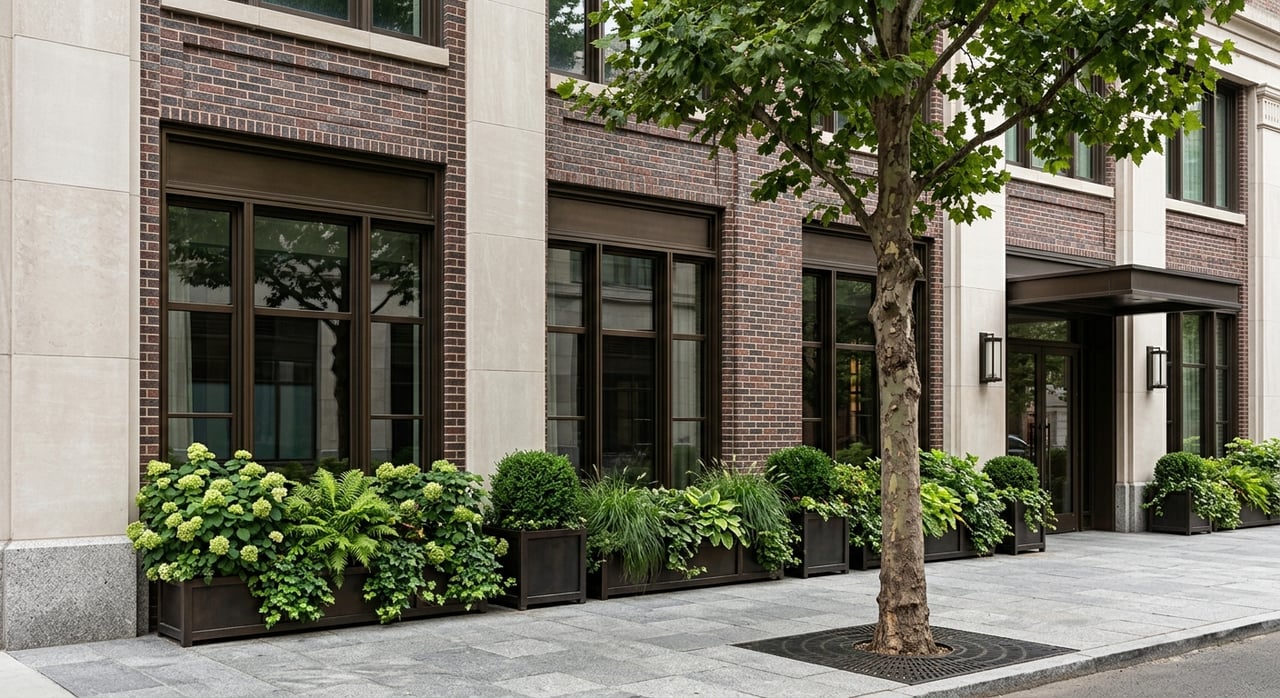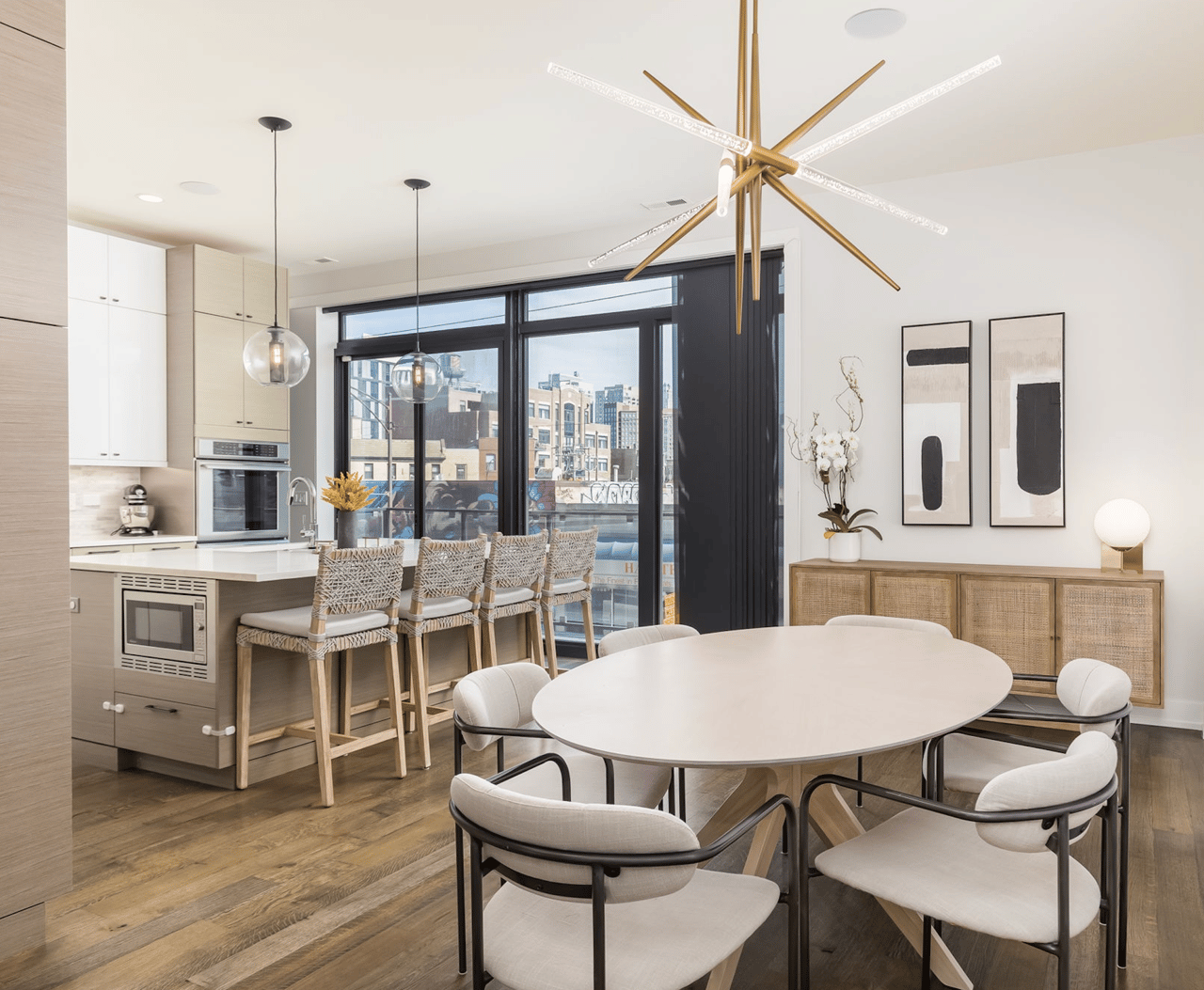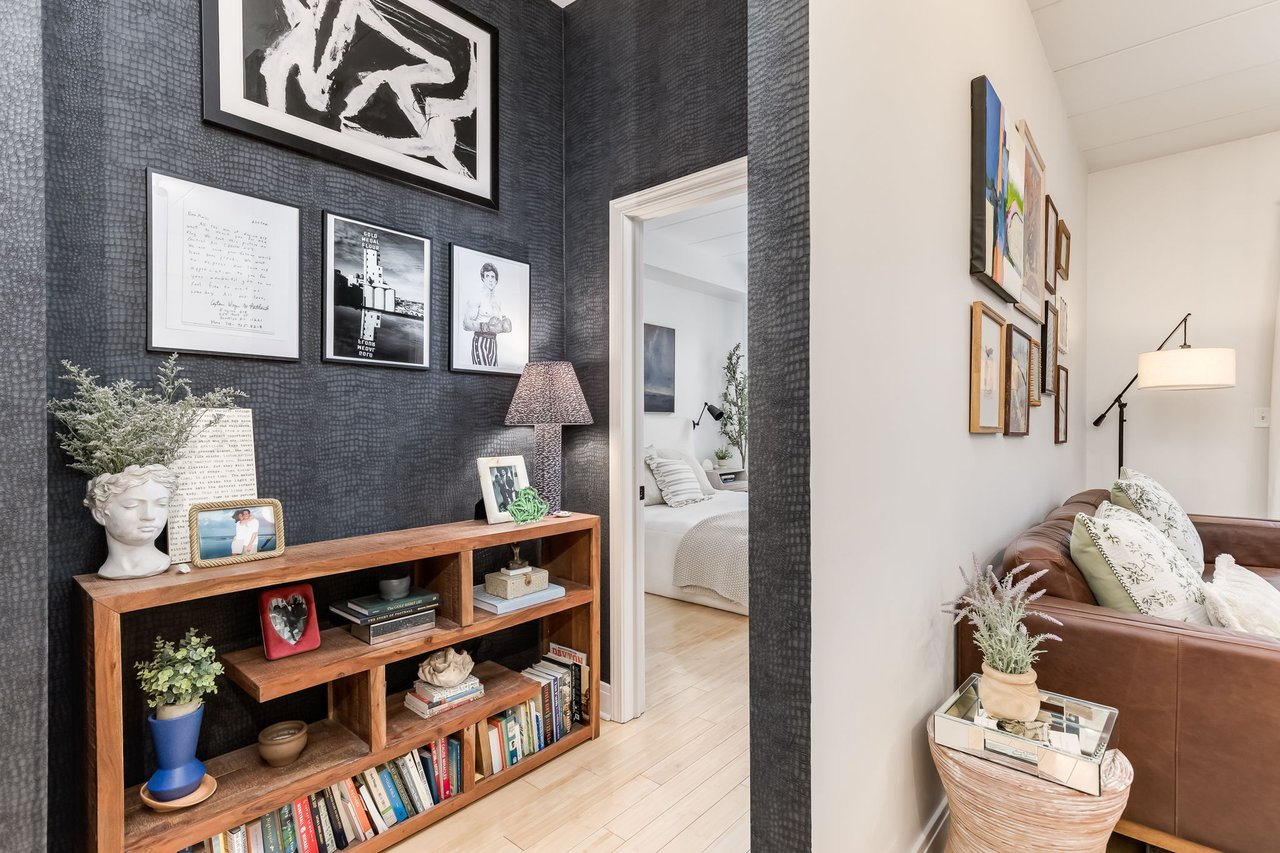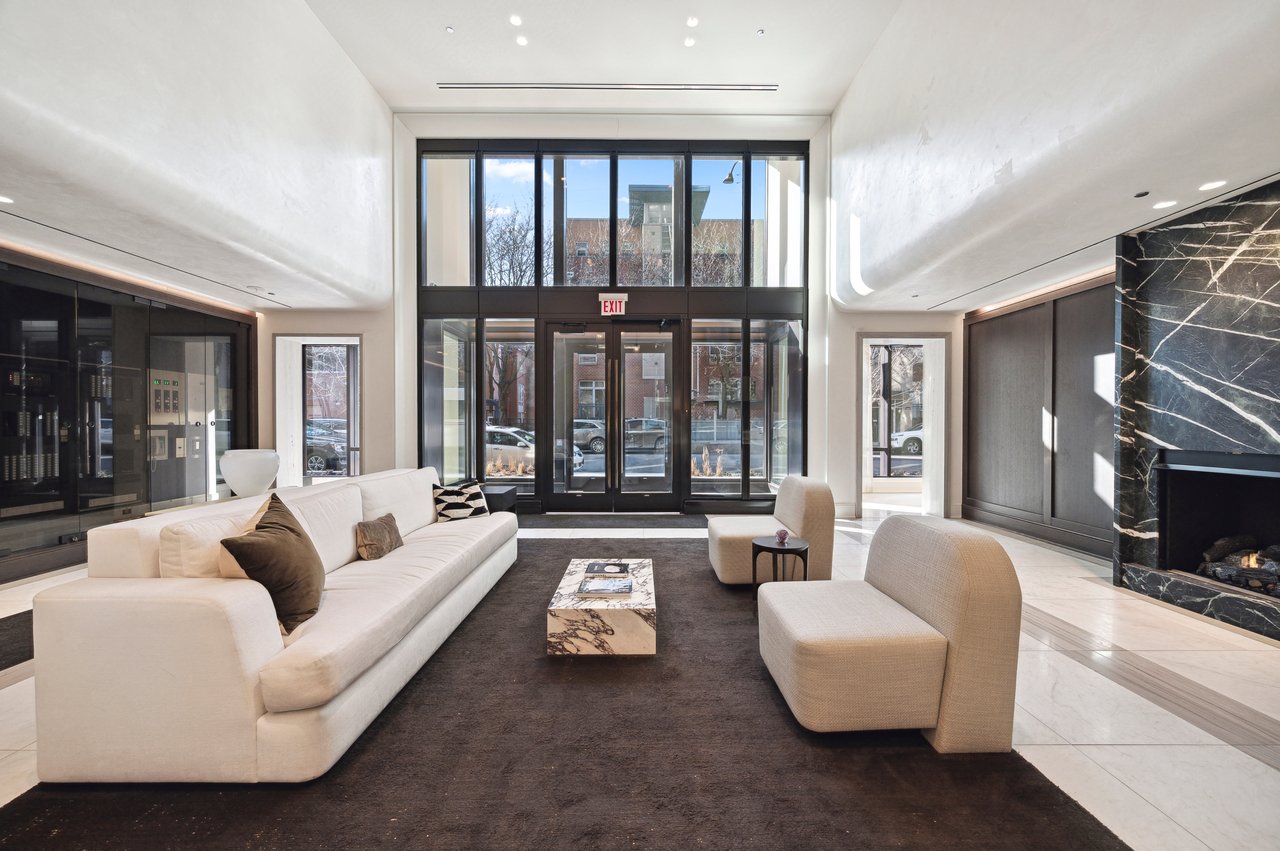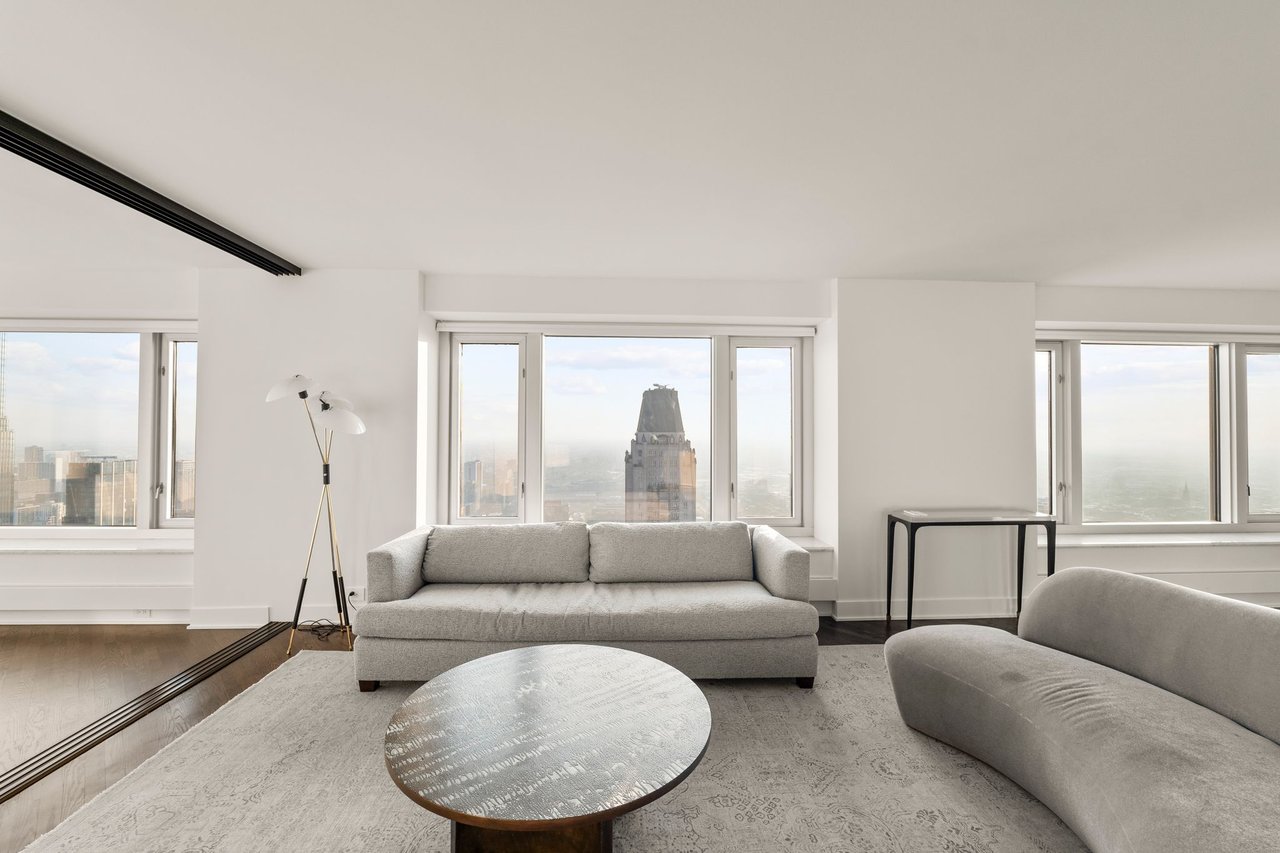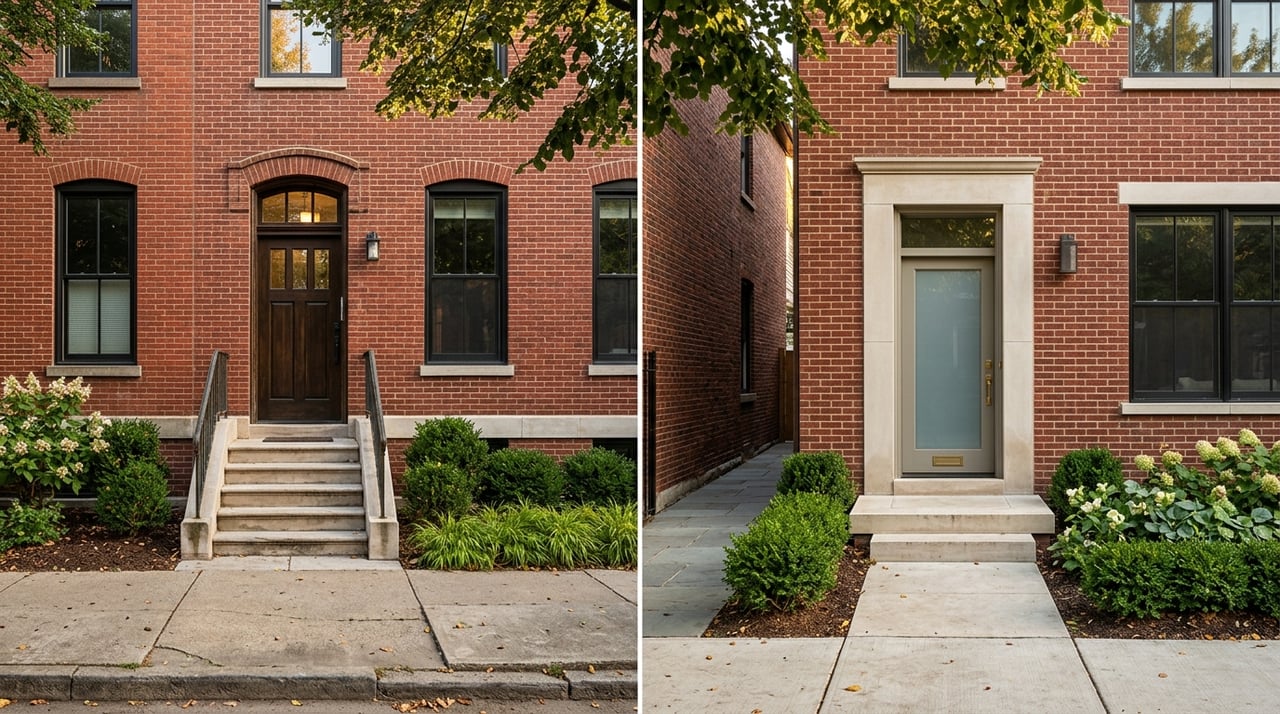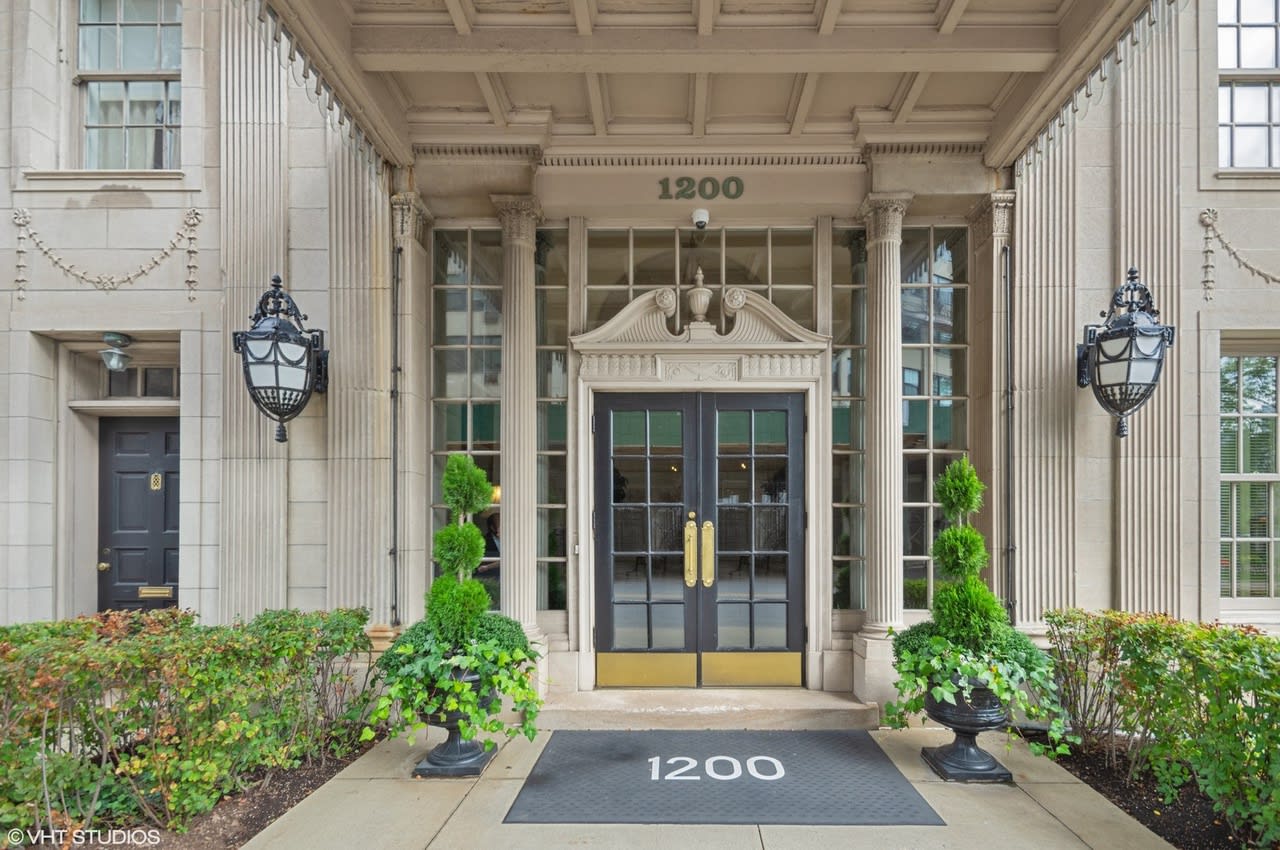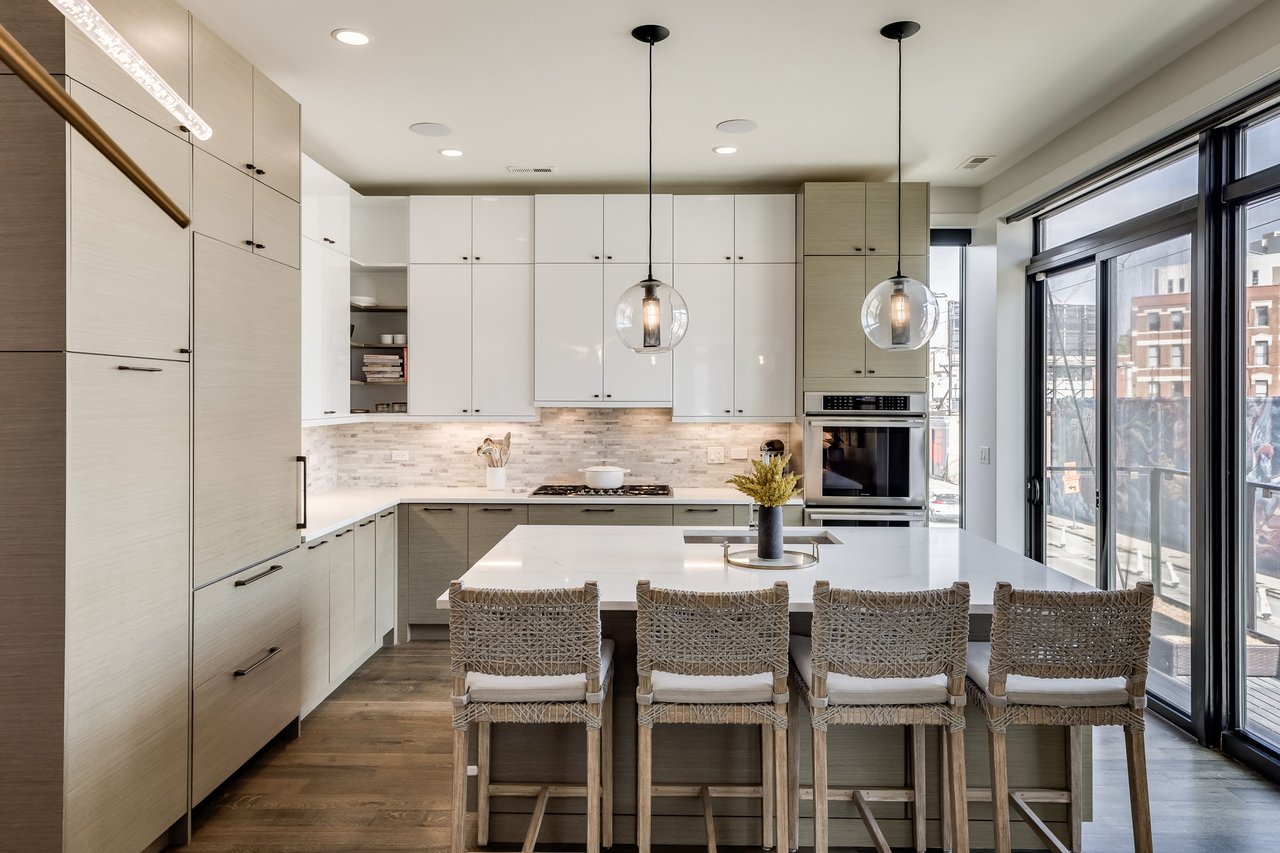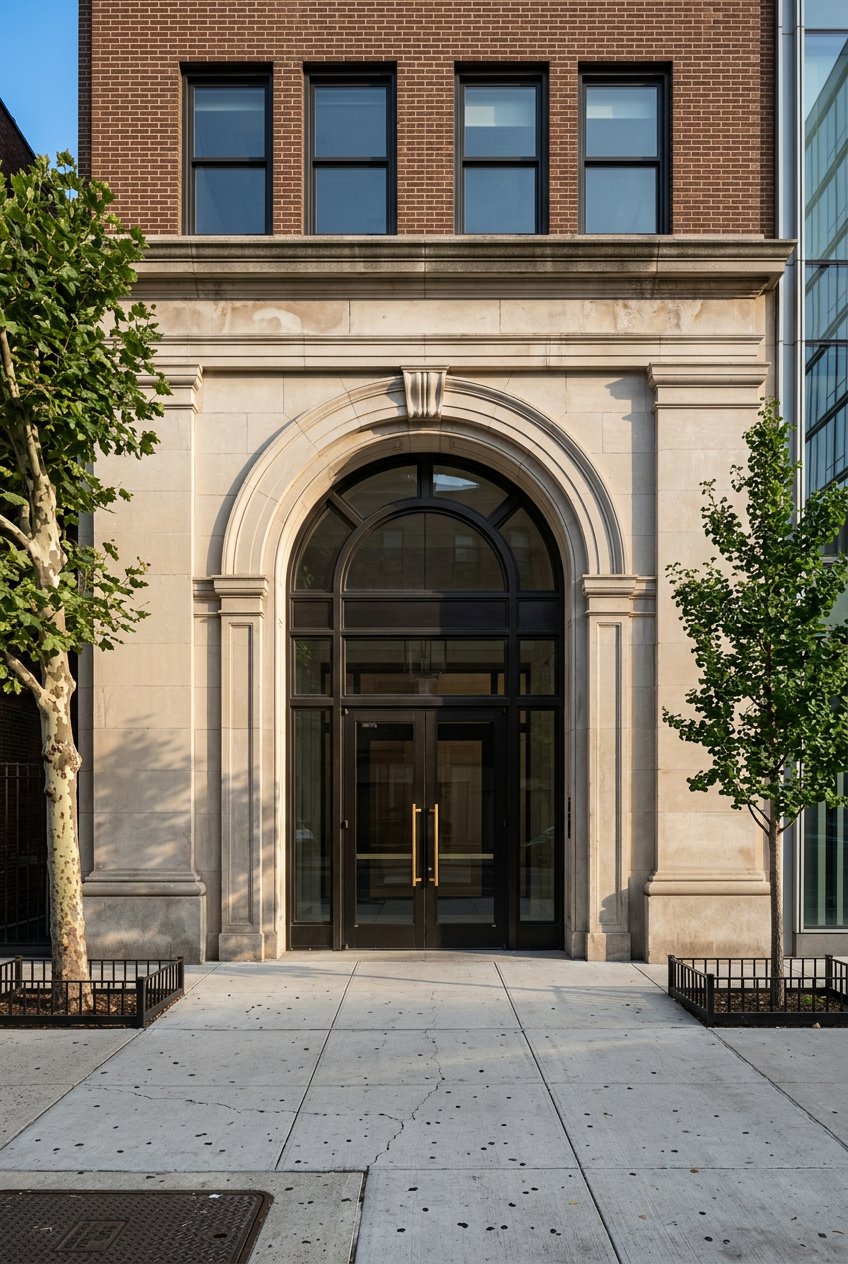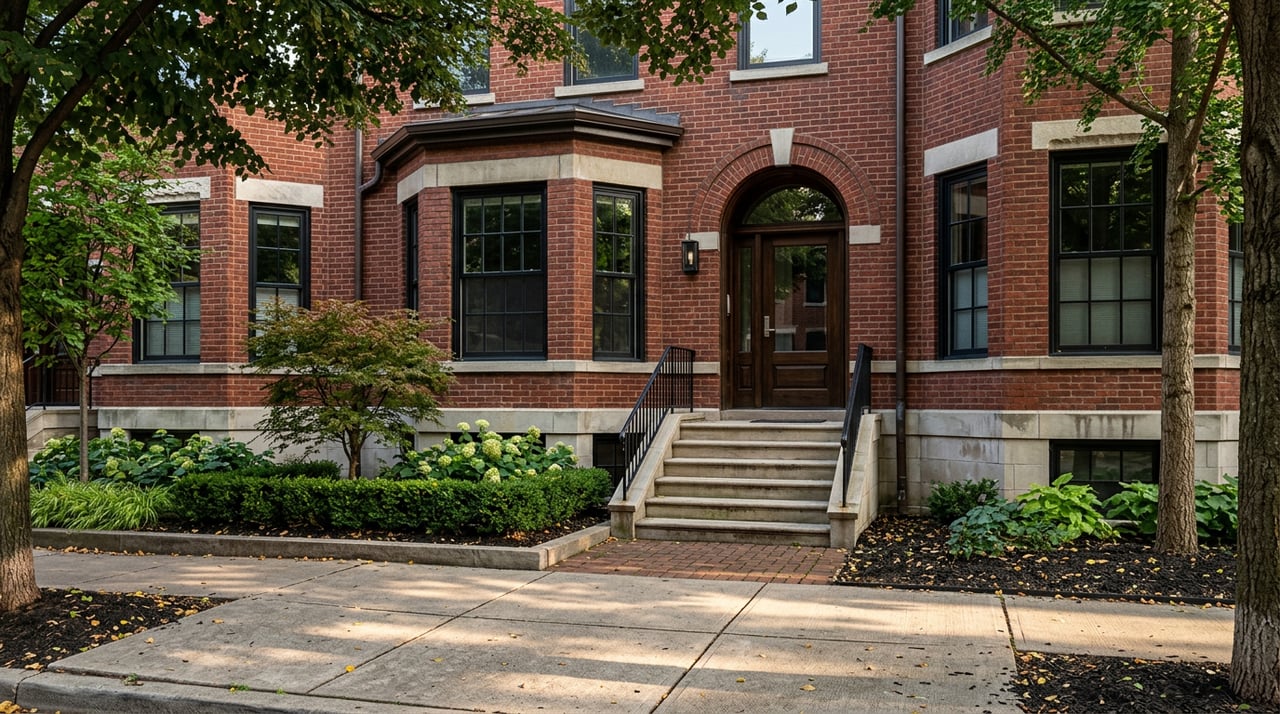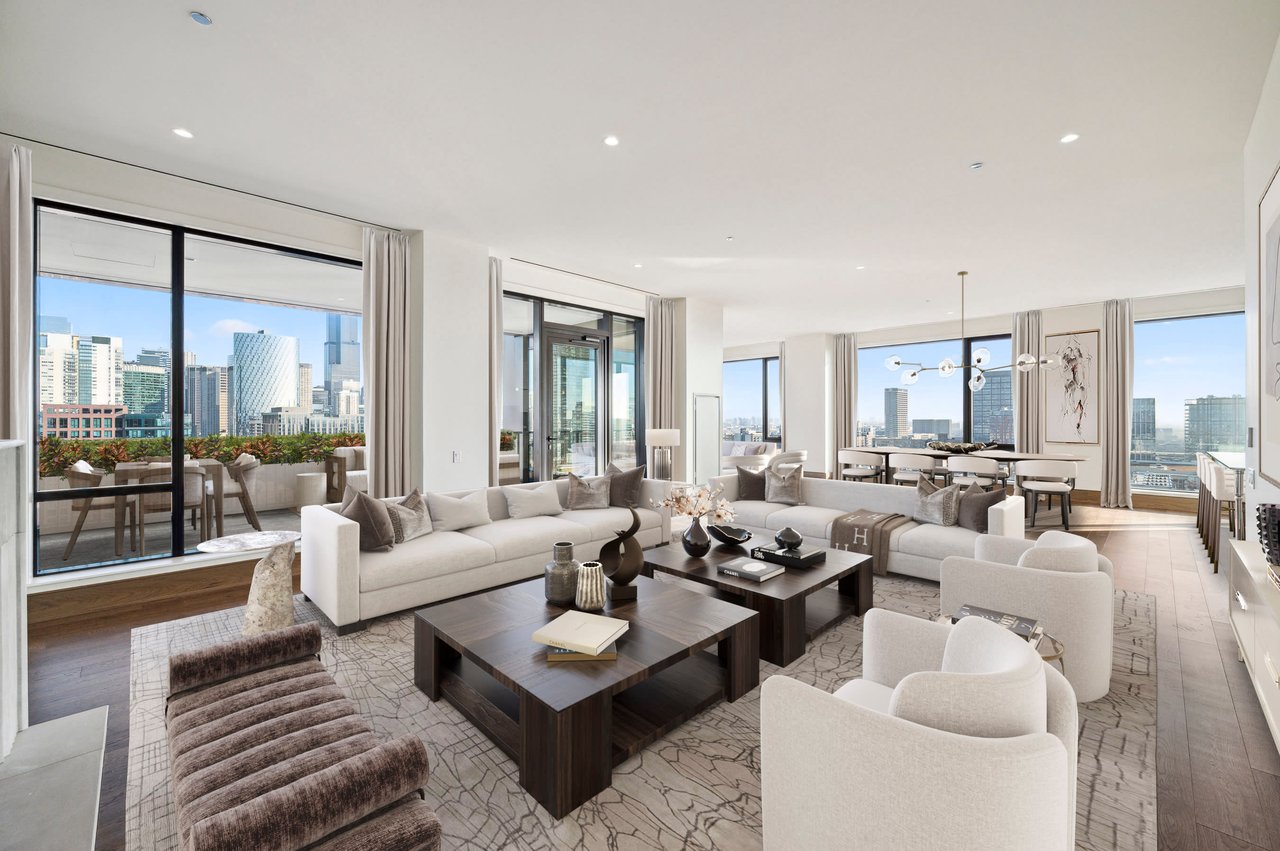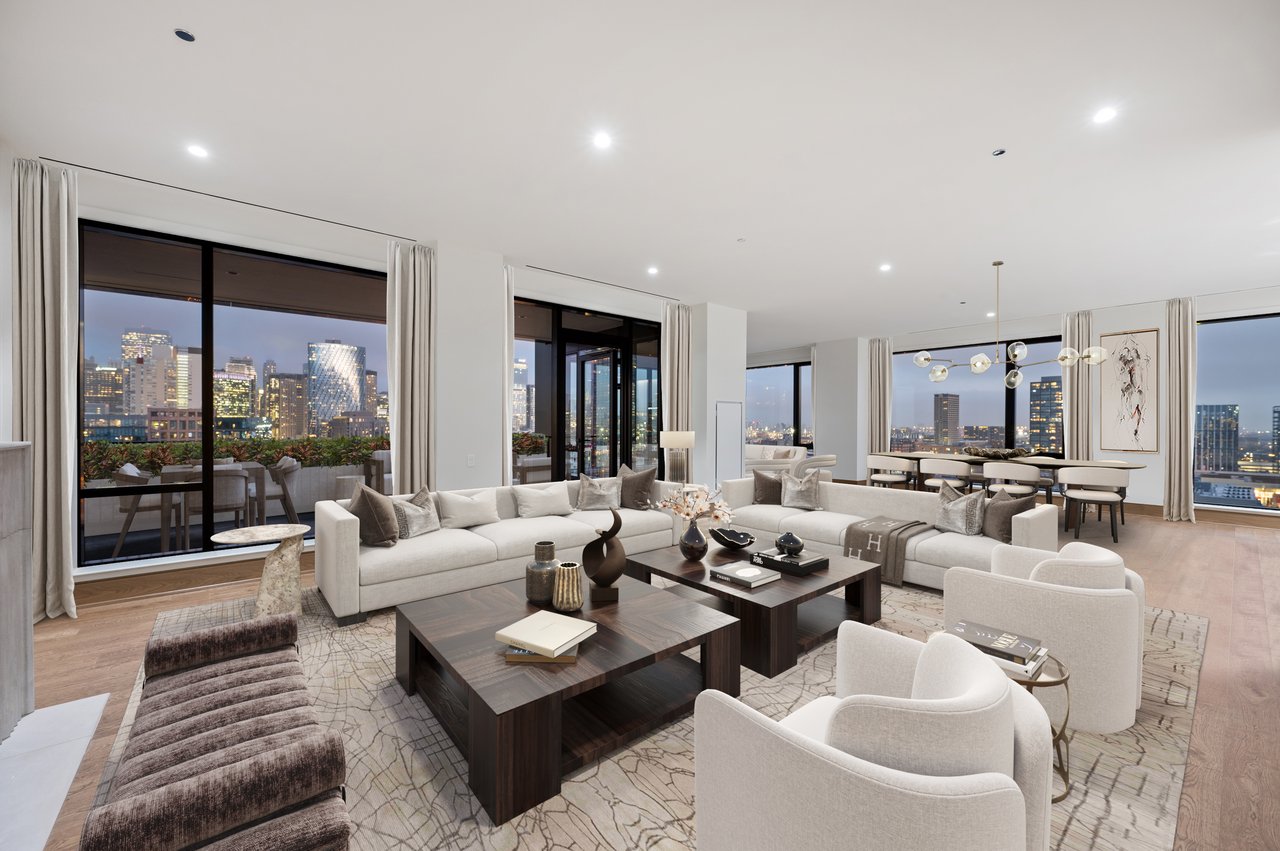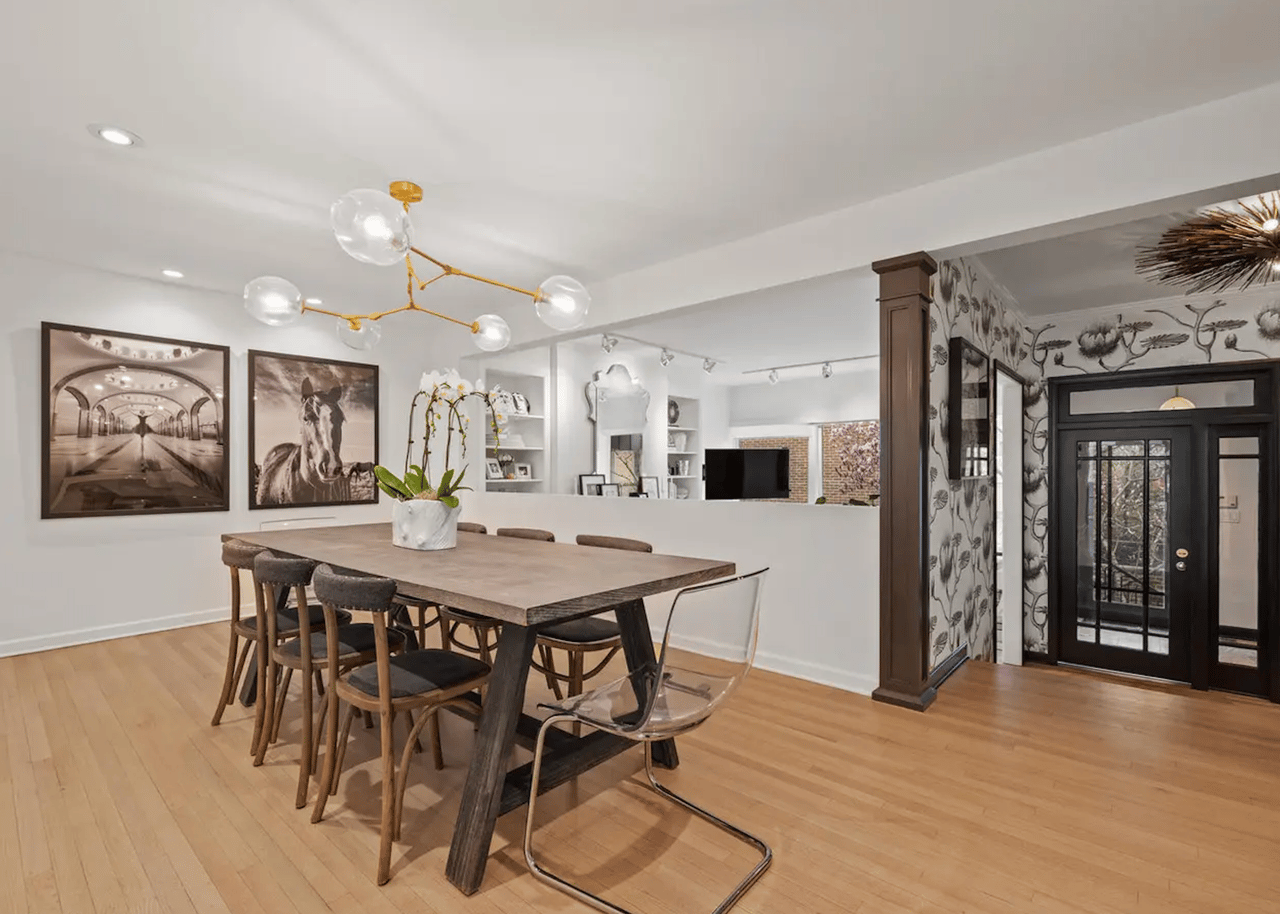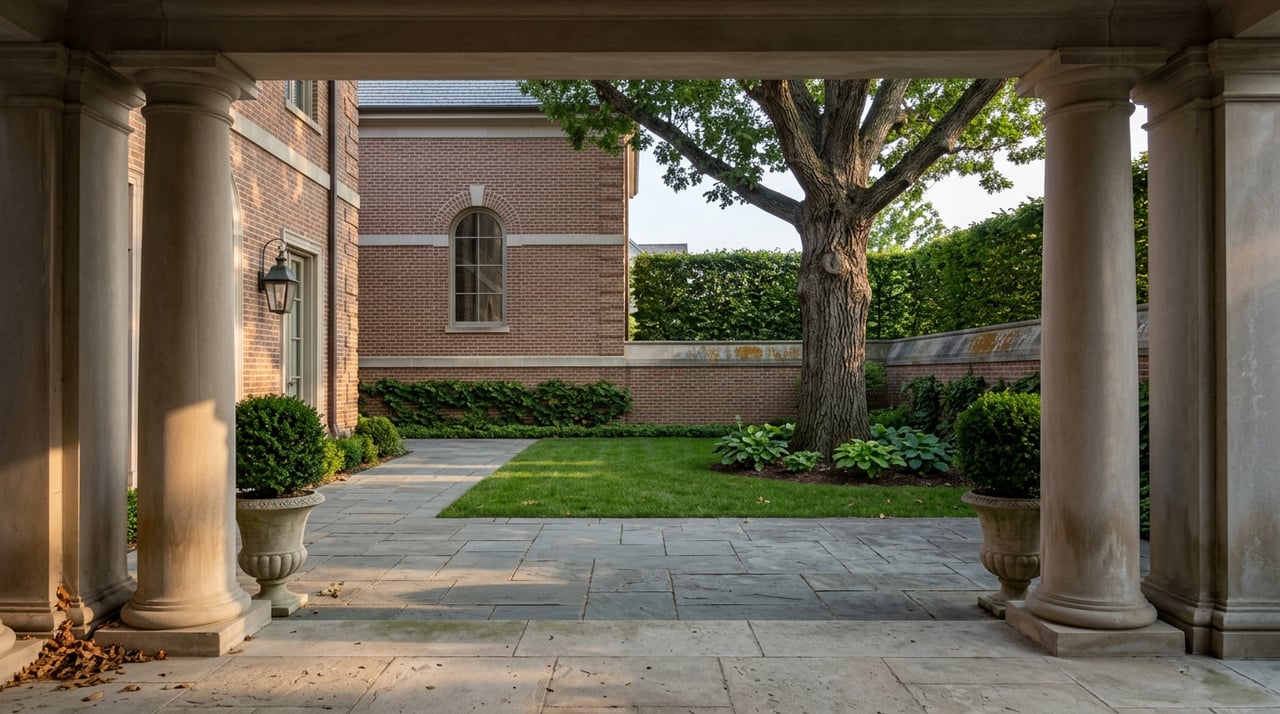
For two years, 1355 North Astor Street sat on the market as a single, extraordinary object: a 25,000-square-foot estate with 45 rooms, 18 fireplaces, and a hidden courtyard, asking $21 million. It was, by a wide margin, the most expensive listing in Chicago. Then, this September, the strategy changed. The property is now being sold in six condominium pieces, with the largest piece asking $12.5 million.
Nothing about the house got smaller. What changed was the buyer Emily Sachs Wong of @properties Christie's International Real Estate is now shopping it to, and that shift says more about the ceiling on Gold Coast pricing than any single sale could.
Two Years, One Price, No Buyer
The timeline is public record and worth laying out plainly. Attorney Paul Episcope, whose family has owned the property known as Astor Court since the late 1980s, first listed it in October 2024 at $21 million through agent Natasha Motev of Jameson Sotheby's International Realty. The listing was pulled roughly nine months later, in the summer of 2025. It resurfaced in April 2026 at the same $21 million number, this time with Sachs Wong. As of this month, that single-estate strategy has been abandoned. The main residence, bundled with a private one-bedroom service apartment and a stand-alone coach house, is now being marketed on its own for $12.5 million, with the remaining five condo units to follow once that piece sells.
That is a $21 million ask that never closed at $21 million, tried twice, and is now being re-cut into a price roughly forty percent lower for its largest piece. For anyone watching how ultra-high-end Gold Coast property actually trades, that pattern is the story, not the courtyard or the fireplaces.
What Twenty-One Million Dollars Actually Buys
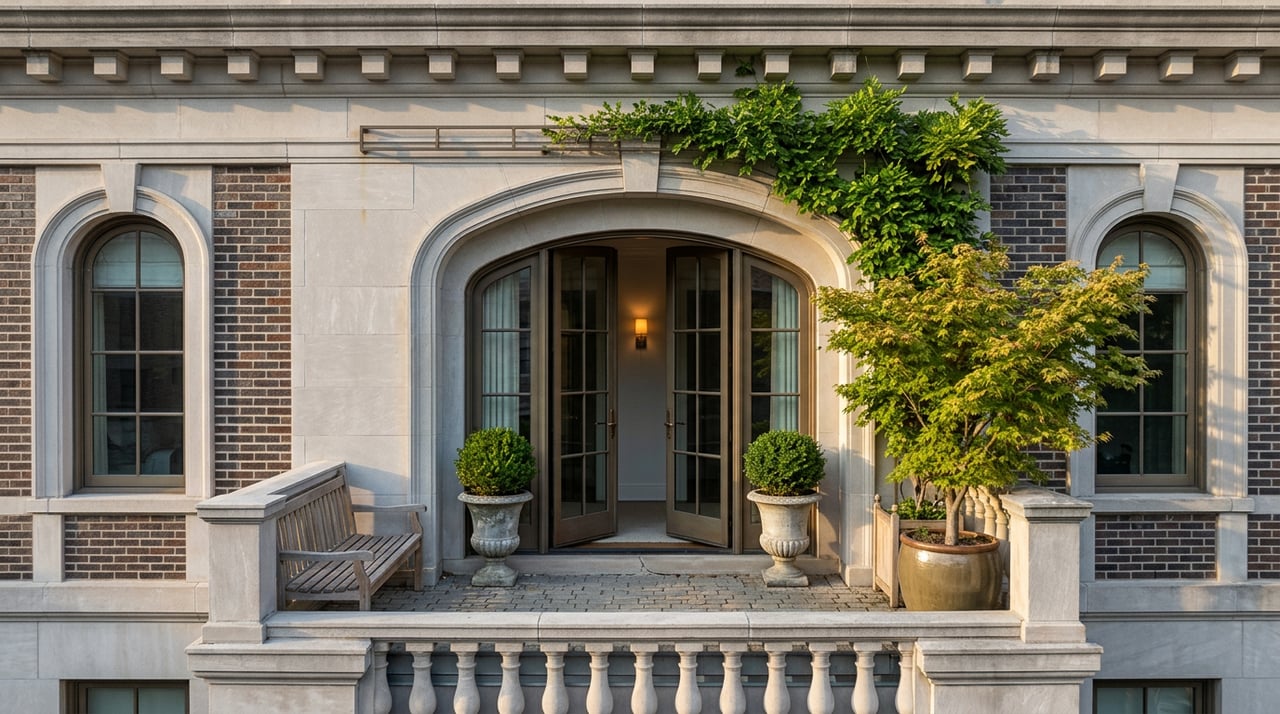
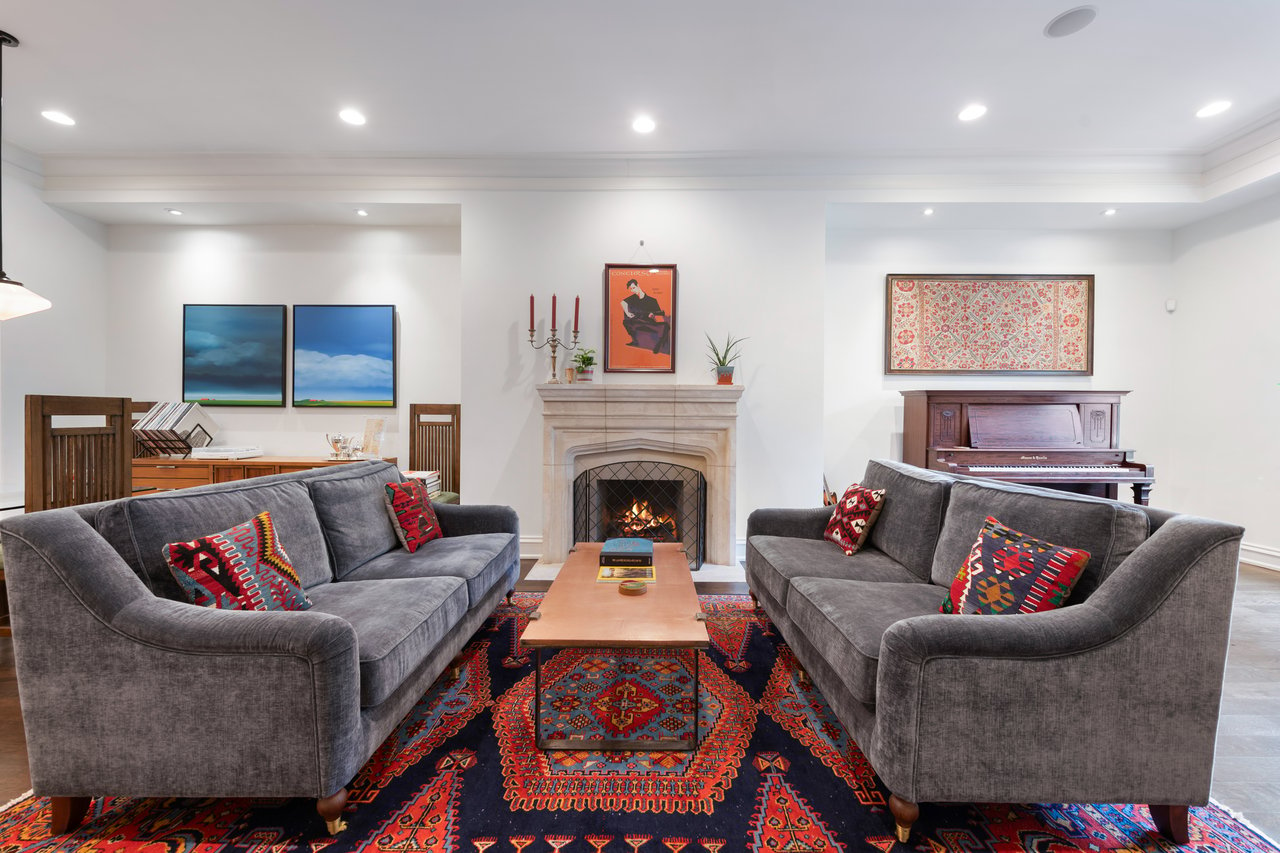
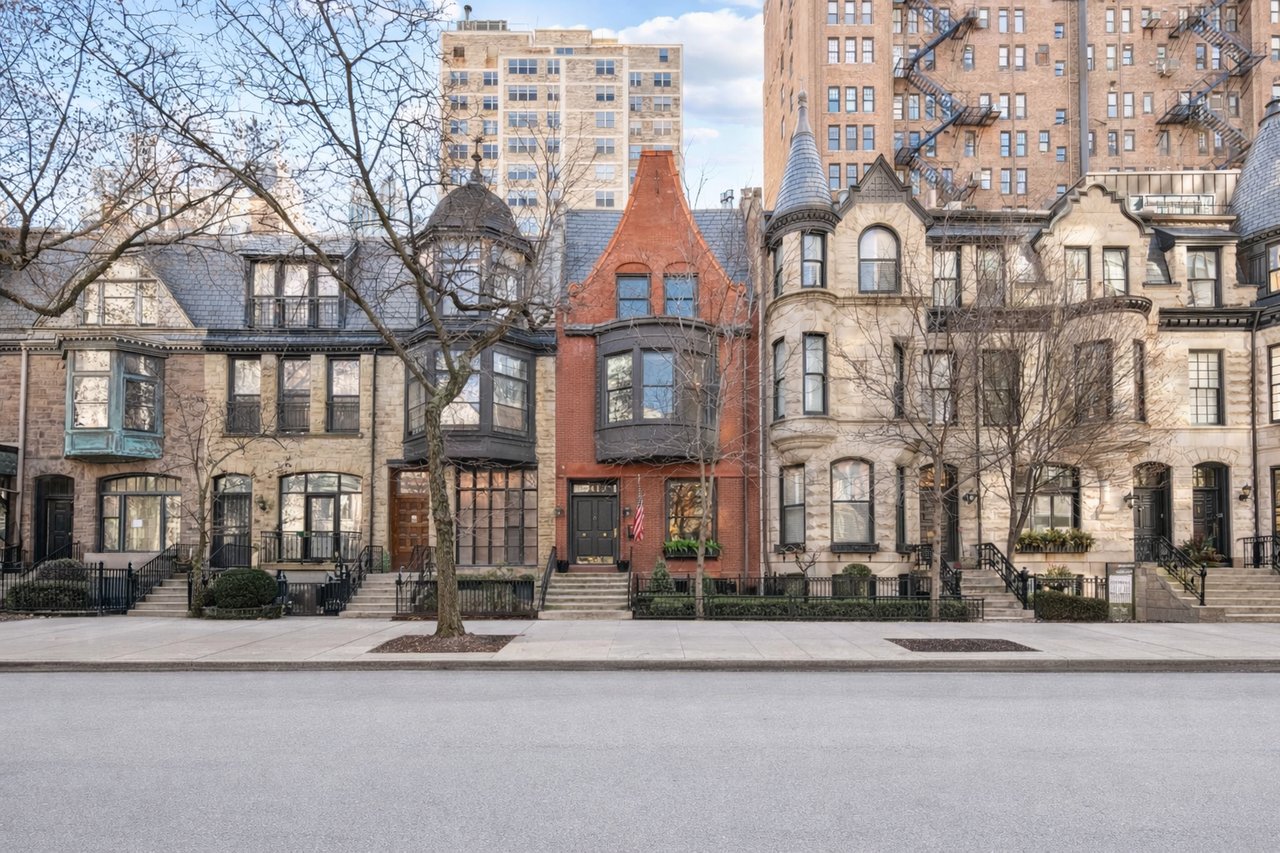
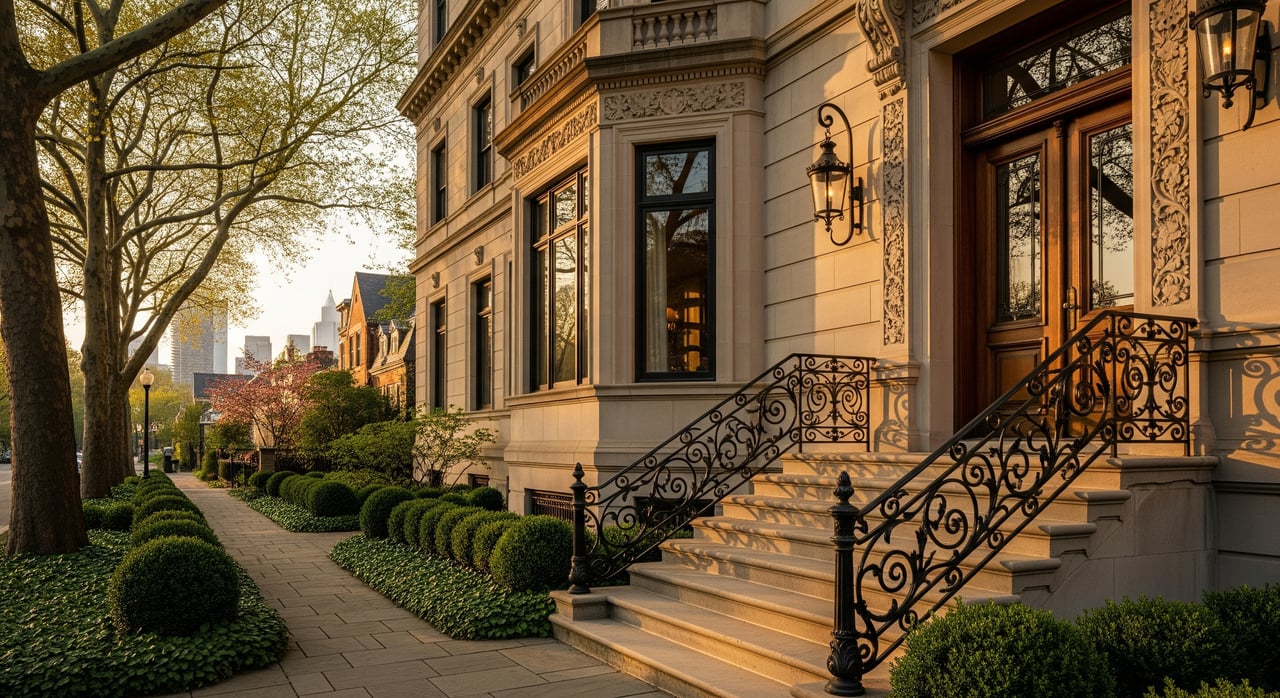
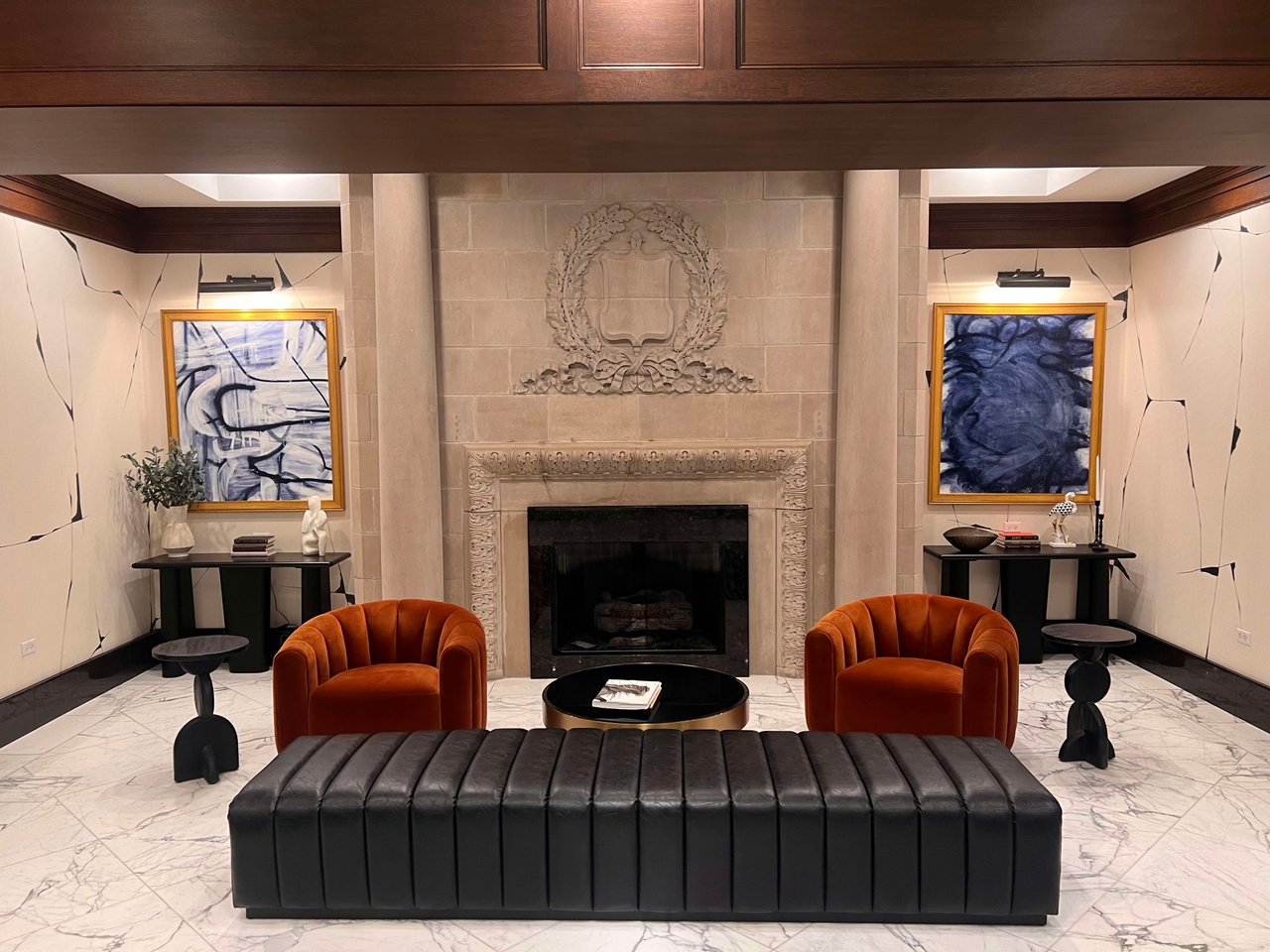
The house itself explains why a single buyer proved hard to find. Astor Court was designed in 1914 by Howard Van Doren Shaw for lumber tycoon William O. Goodman, the man for whom the Goodman Theatre is named. The full estate spans an 80-foot-wide facade on nearly a third of an acre, with a main residence of more than 10,000 square feet, five en-suite palatial rooms, Venetian plaster walls, a marble fireplace, and interior décor that includes an Egyptian sarcophagus in the entry. Six additional rental units, occupied and leasing for $4,000 to $8,000 a month, generate more than $30,000 in monthly income.
That last detail is not a footnote. A buyer for the whole estate wasn't just purchasing a residence. They were taking on landlord duties for six tenants, inheriting a courtyard-and-carriage-house layout that reads as singular precisely because there is nothing to compare it to, and doing all of it inside a Chicago landmark district where the exterior can't simply be reworked to suit a new owner's taste.
When the property first came to market, that all-in-one structure was pitched as an advantage. Motev, the original listing agent, argued the estate's single-family status meant no condo association dues, unlike comparable Gold Coast trophy units such as the co-op residences at 65 East Goethe Street, where owners can pay five figures a month in fees.
"Someone can live in this amazing house and have their taxes paid with the rental income."
That was the pitch in 2024. Two years and one price cut later, the property is being sold as exactly the kind of association-governed condo product that pitch was arguing against.
The Math That Flipped
The reason isn't that the house lost value. It's that the pool of people who want to buy an entire 25,000-square-foot estate, manage six tenants, and navigate landmark review on any exterior change is genuinely small, smaller than the pool of buyers who want a 13,000-square-foot residence with none of that overhead.
Chicago's own 2026 numbers back this up. In the first half of the year, the metro recorded 62 sales of $4 million or more, down from 76 over the same stretch in 2025, and the highest closing price through midyear was $10.5 million, versus a $12 million high-water mark at the same point last year. Justin Lucas, a broker who works largely in Chicago, put the dynamic plainly earlier this year: at the very top of the market, activity holds, but the buyer pool thins out fast once you cross into ultra-luxury territory. Properties still move. There are just fewer people bidding on them.
A single-family estate priced at $21 million sits squarely in that thin end of the pool. Break the same square footage into a $12.5 million flagship unit and five smaller condos, and the buyer profile widens considerably, closer to the pool of people already competing for Gold Coast's benchmark trophy condos and vintage co-ops than to the handful of families in the market for an entire private compound.
The Landmark Layer Nobody Skips
Astor Street has been a Chicago Landmark District since December 1975, and that status shapes what any owner, single-family or condo association, can and can't do to a property like this one. The Commission on Chicago Landmarks reviews permit applications for exterior work on designated structures, and Astor Court sits inside that boundary. Interior renovations to a non-designated interior generally don't trigger that review. Exterior changes, from window replacements to rooftop work, do.
That distinction matters for how the condo conversion gets executed, not just marketed. Splitting a single-family estate into six legally distinct units typically involves some exterior signage, entry, or access changes even when the historic facade itself is left untouched, and any of that work would need to clear the same commission that oversees every other contributing structure on the block. It's a slower process than a standard renovation, and it's one more reason the timeline on a project like this stretches across years rather than months.
One more number worth flagging for anyone doing their own diligence on a property like this: Cook County's assessor currently values the main residence at just under $5 million, well below the $12.5 million ask. That gap between assessed value and market price is normal at the very top of the Gold Coast market, where comparable sales are scarce and pricing leans heavily on the property's story and craftsmanship rather than a stack of recent transactions. It's still worth a second look before anyone treats the assessed number as a ceiling or the ask as a floor.
What This Means If You Own, or Want to Own, at the Top of Astor Street
The Astor Court story is a useful data point for two different readers.
- If you own a single-family estate at the very top of the Gold Coast, the lesson isn't that your property is worth less than you think. It's that the buyer pool for an entire estate, income units and all, is thinner than the buyer pool for the same square footage sold in pieces. Pricing strategy and structure matter as much as the number on the sign.
- If you're shopping at this tier, a lower price on a re-cut listing isn't a discount signal. It's a sign the seller has recalibrated who they're actually trying to reach. Understanding that shift, rather than reading it as a markdown, changes how you negotiate.
Either way, a property like this rewards working with someone who tracks the full timeline, not just the current asking price.
A Few Questions Worth Answering Directly
Does landmark status on Astor Street affect interior renovations? Generally, no. The Commission on Chicago Landmarks focuses its review on what's visible from the public way. Interior work on a non-designated interior typically doesn't require commission approval, though it's worth confirming a property's specific designation before assuming that.
Why would a seller keep the same $21 million price for two years despite no buyer? Ultra-luxury pricing at this level often reflects a seller's read on the property's uniqueness rather than a response to market feedback. The shift to a condo structure suggests the seller and listing team ultimately concluded the issue wasn't the number, it was the shape of what was being sold.
Properties like Astor Court don't come up often, and when they do, the real story is rarely the price tag alone. It's in the strategy behind it, and in knowing how a landmark district, an income structure, or a buyer pool can quietly decide whether a listing sells in weeks or sits for years.
If you're weighing a similar decision on a Gold Coast property, or trying to understand what a listing's history actually tells you before you make an offer, Mike Larson is available for a confidential consultation.