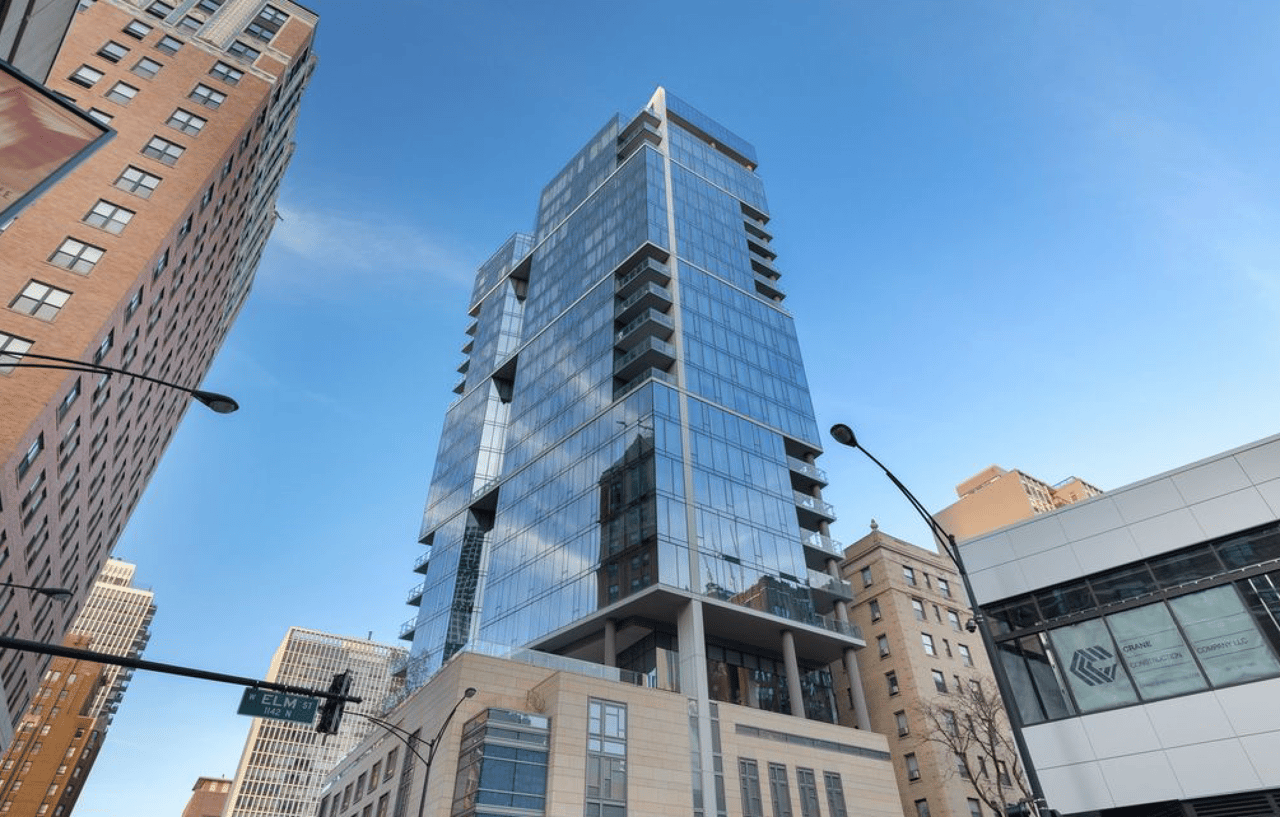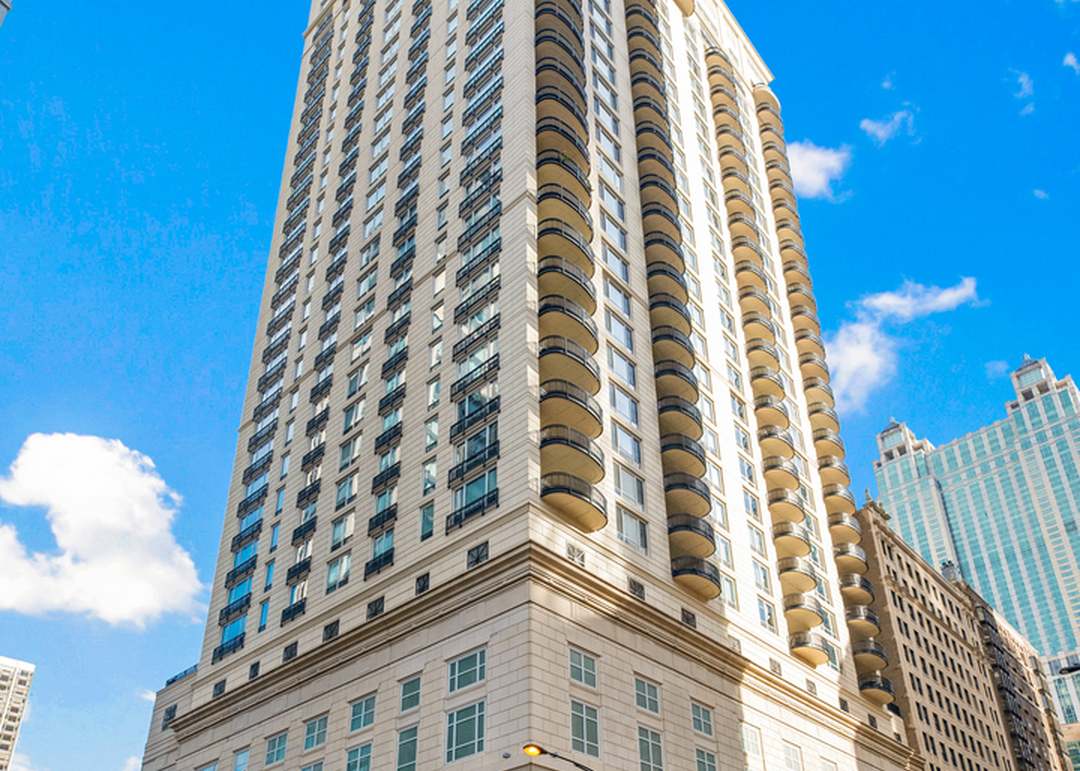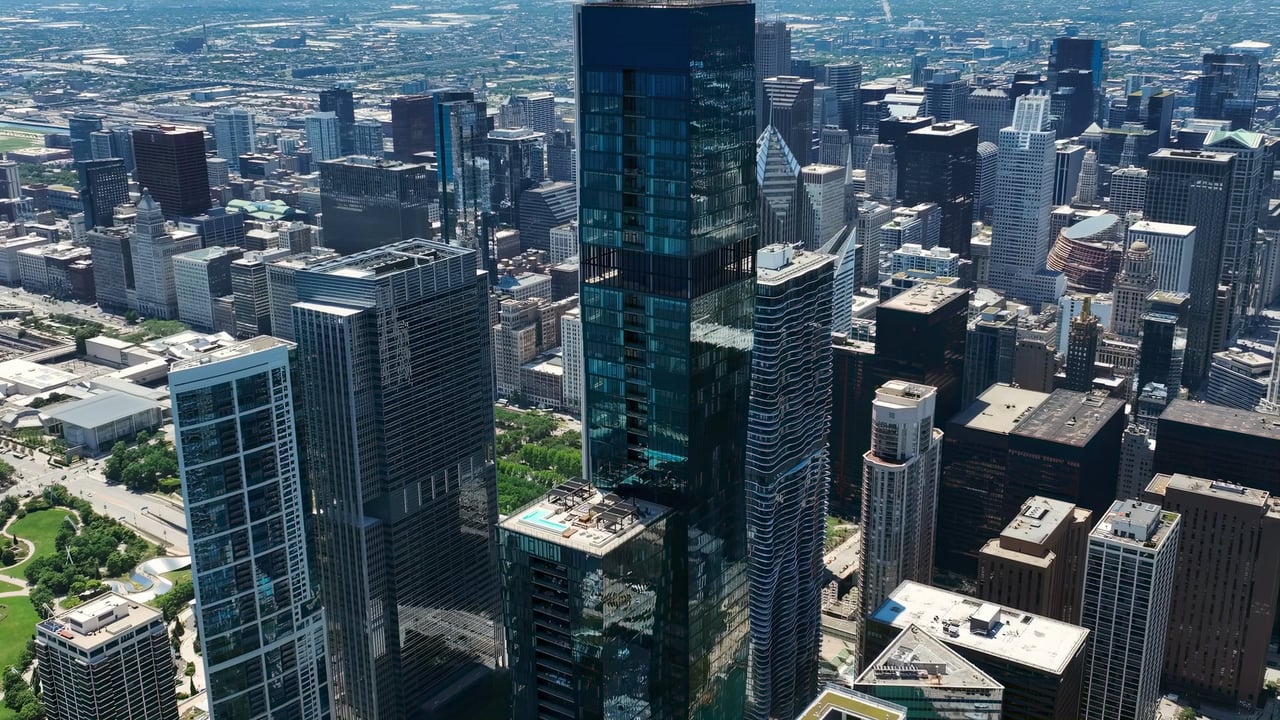
Luxury isn't defined by what's newest. It's defined by what still feels exceptional years later. Here's why I believe The Embry is one of those buildings.
There's a tendency in real estate to equate "new" with "better." Every few years, another luxury development arrives with bigger amenity packages, flashier marketing and a promise to redefine luxury living in Chicago. For a while, those buildings become the center of the conversation. Buyers schedule tours simply because they're curious, brokers rush to see the model residences and everyone wants to know what makes the latest project different from the last one.
Eventually, though, the excitement fades. Another building opens, design trends evolve and buyers begin evaluating properties with a different perspective. They stop asking what's newest and start asking what will still feel special ten years from now.
I've always thought that's the moment when you discover whether a building was designed to impress people or designed to endure.
That's why I believe The Embry is going to age better than much of today's new construction.
It's not because it's the newest building in the West Loop. In fact, I think the opposite is true. I believe its greatest strengths have very little to do with when it was built. They're rooted in thoughtful architecture, timeless design, a boutique ownership experience and a level of restraint that has become surprisingly uncommon in luxury development.
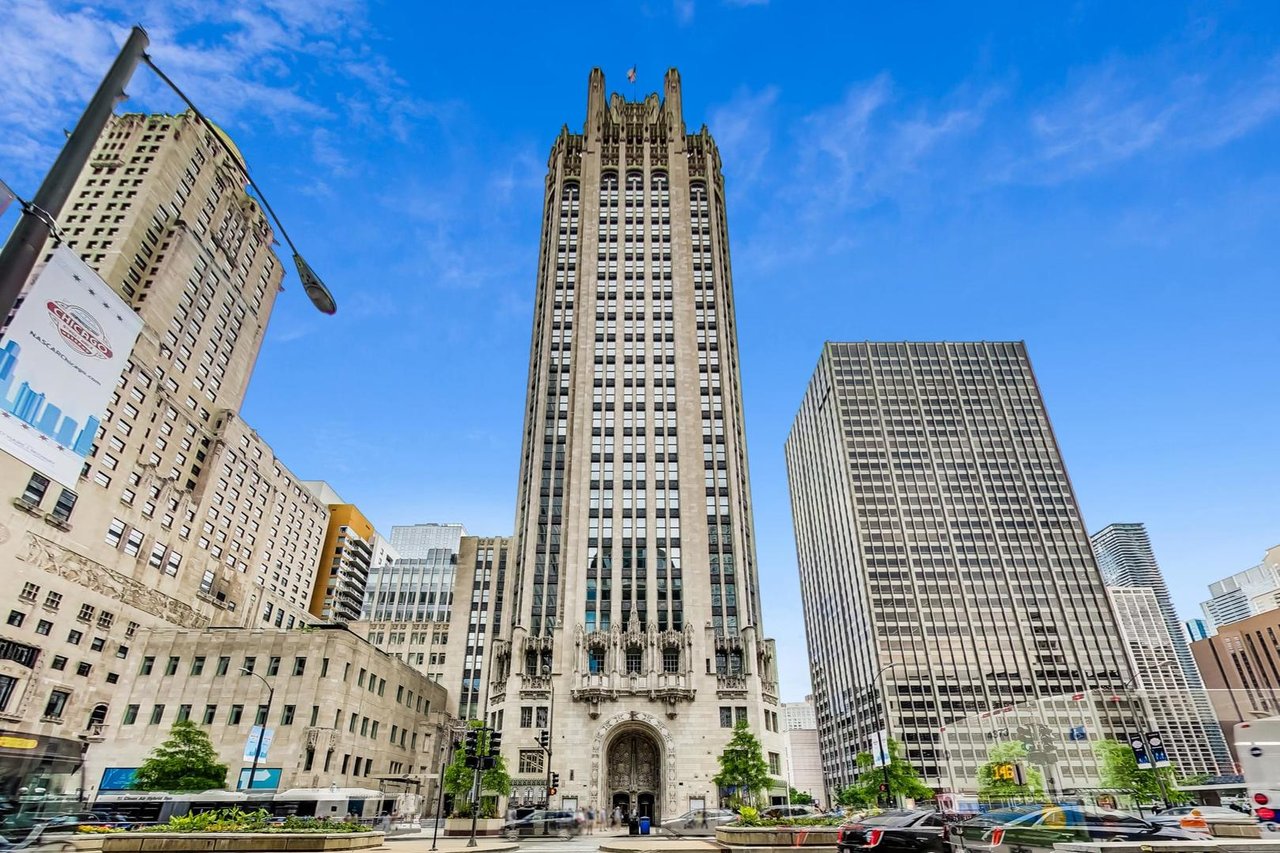
If you're unfamiliar with the building itself, I've put together a dedicated guide to The Embry Chicago, including current listings, floor plans, recent sales and market updates. I'll reference it throughout this article because it's where I keep everything related to the building.
Buildings Age the Same Way People Do
Some become more interesting with time.
Others simply become older.
The difference usually isn't money. It isn't square footage, and it certainly isn't the size of the fitness center. More often than not, it comes down to whether the building was designed around lasting principles or around whatever happened to be popular when construction began.
That's one of the reasons I've grown to appreciate The Embry more every time I walk through it.
The building never tries too hard.
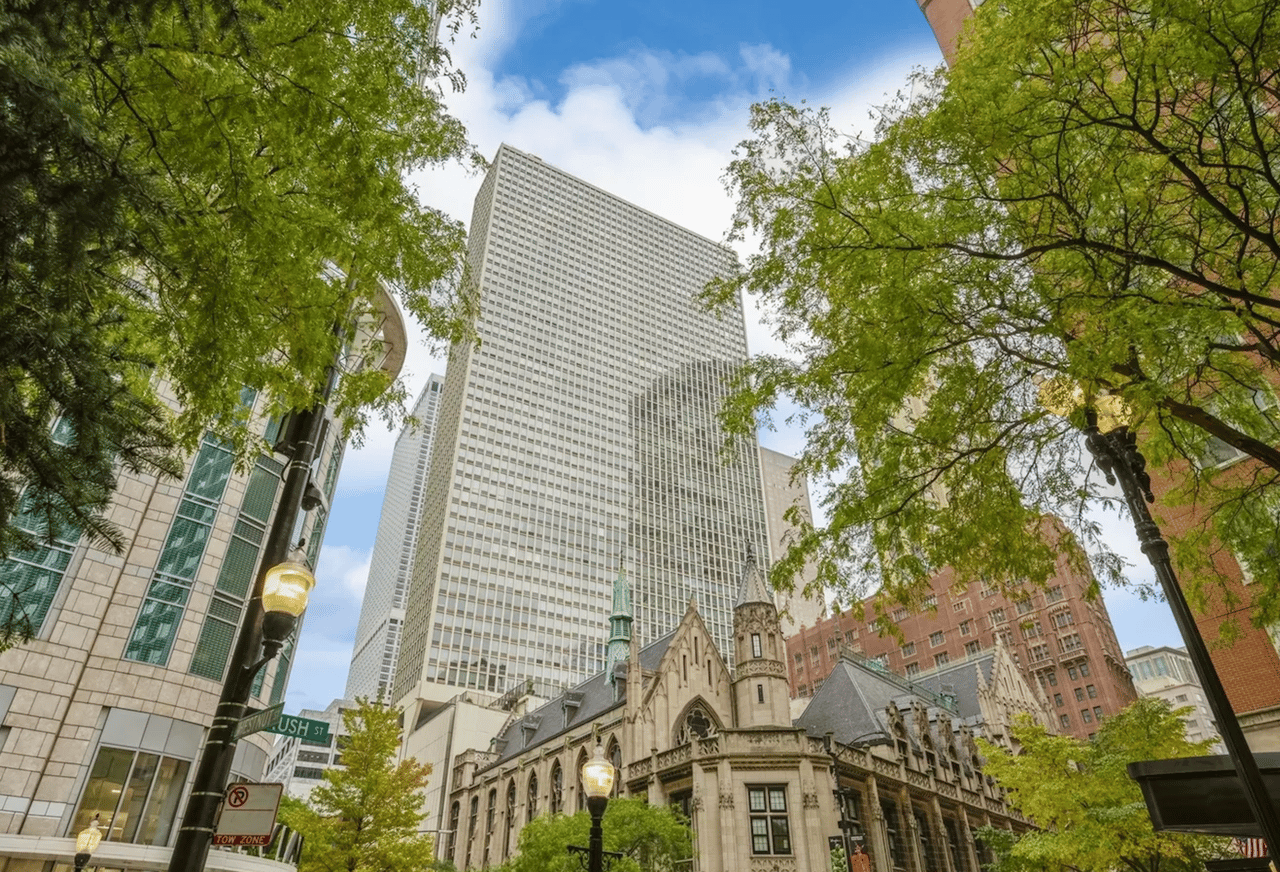
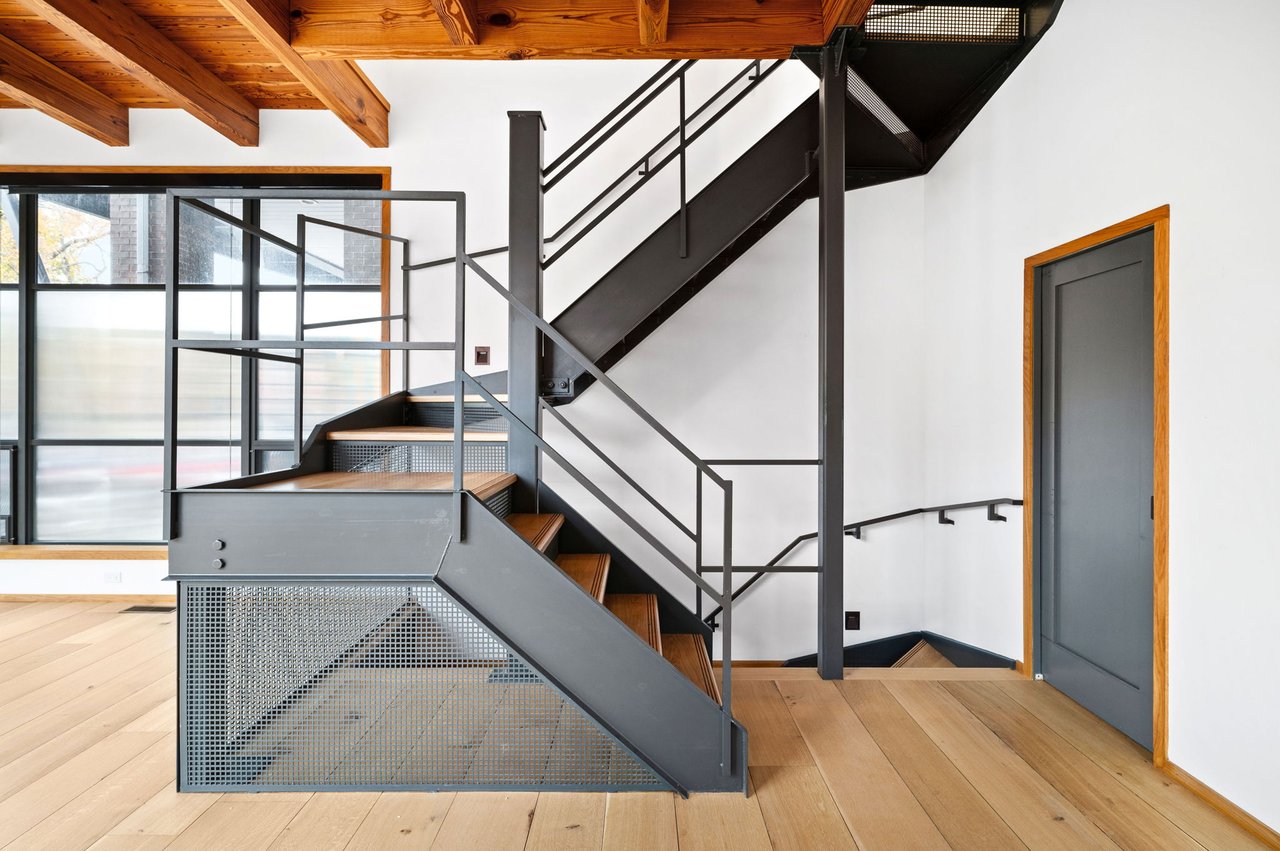
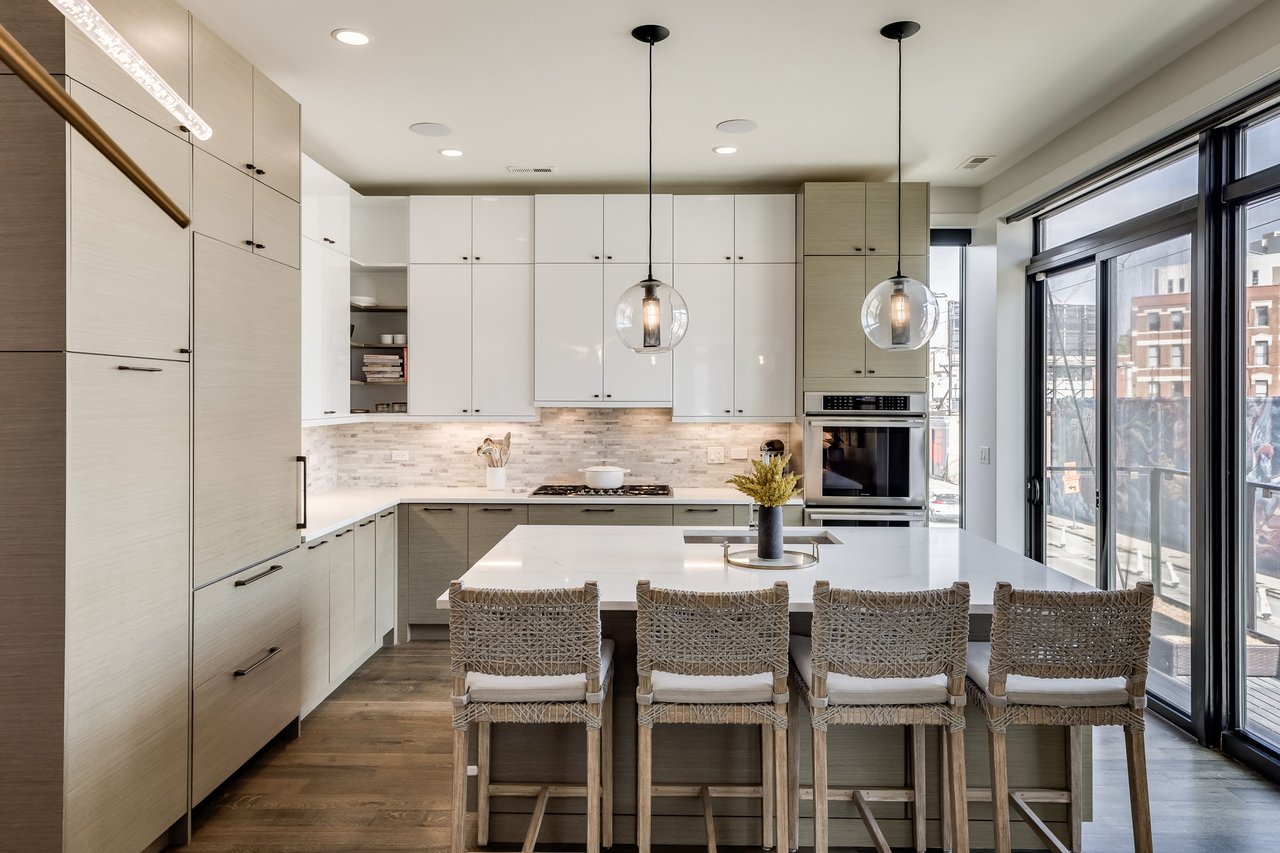
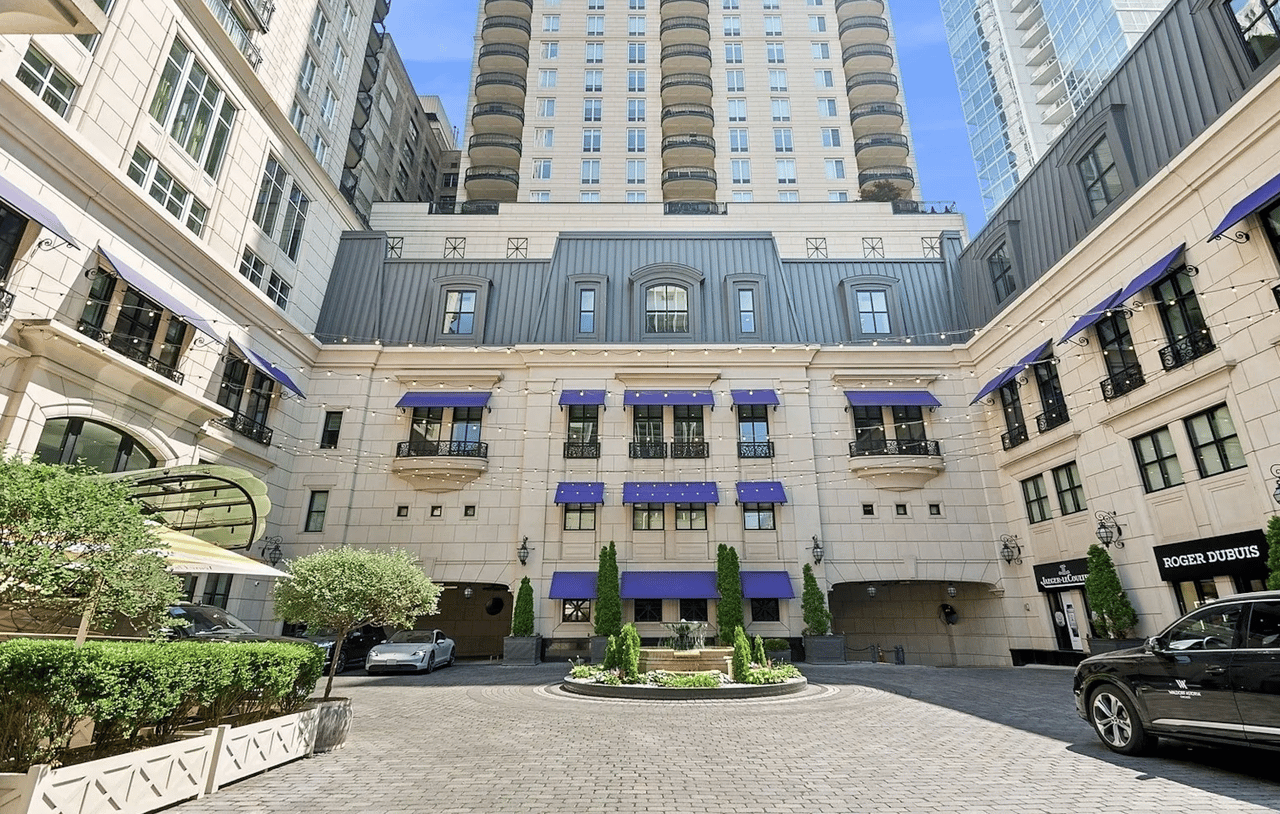
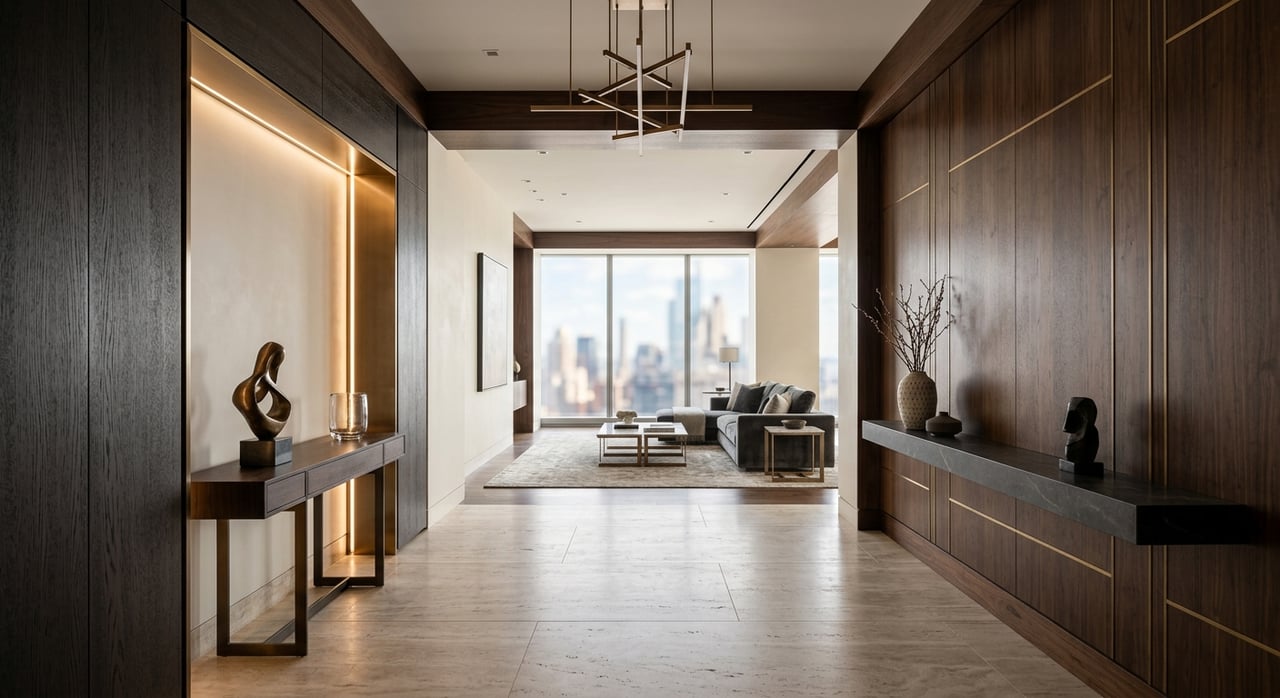
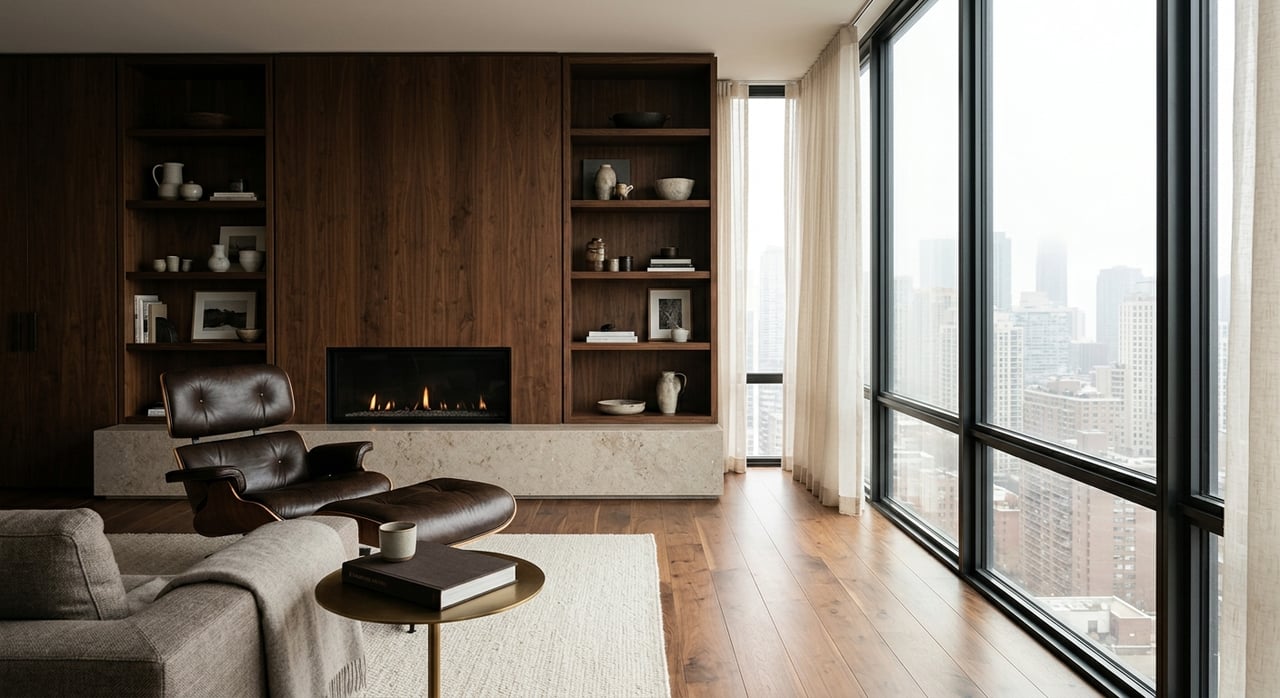
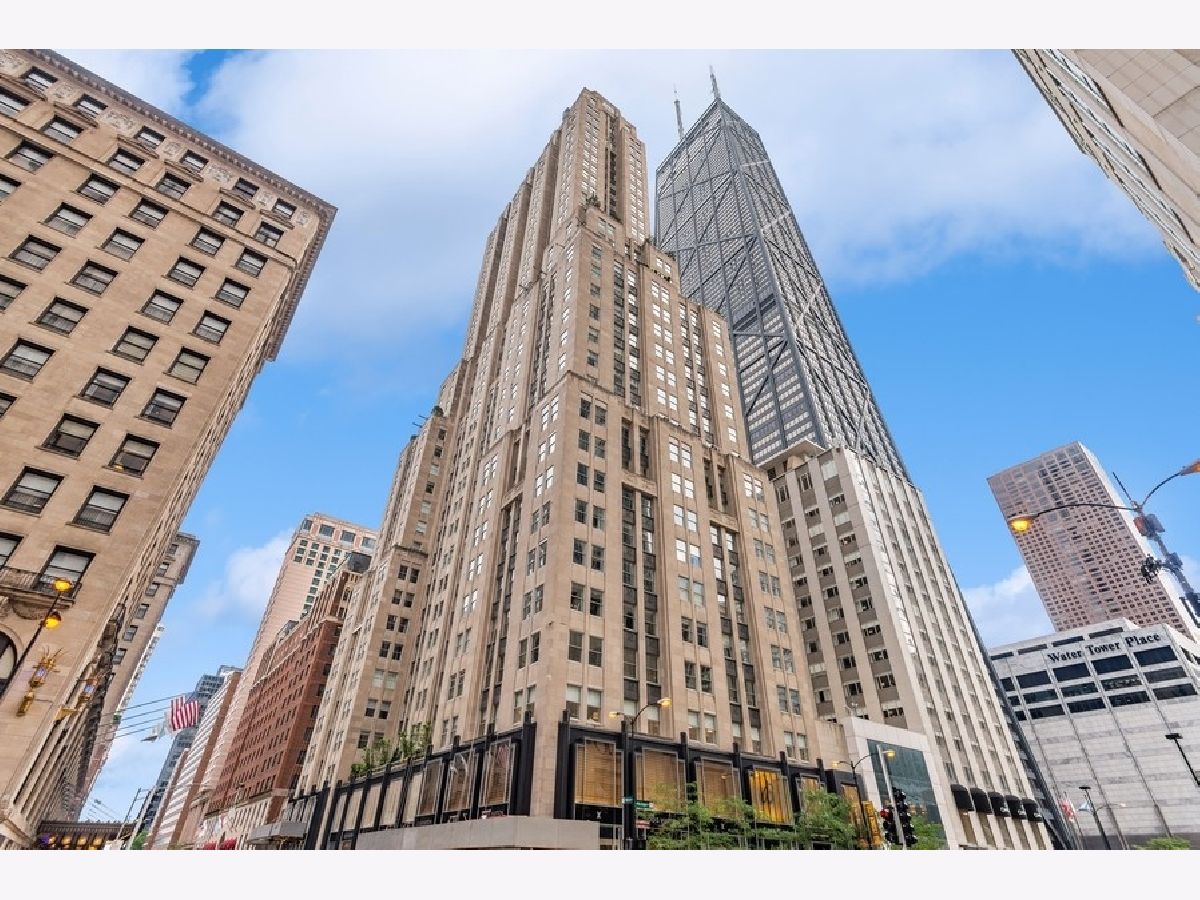
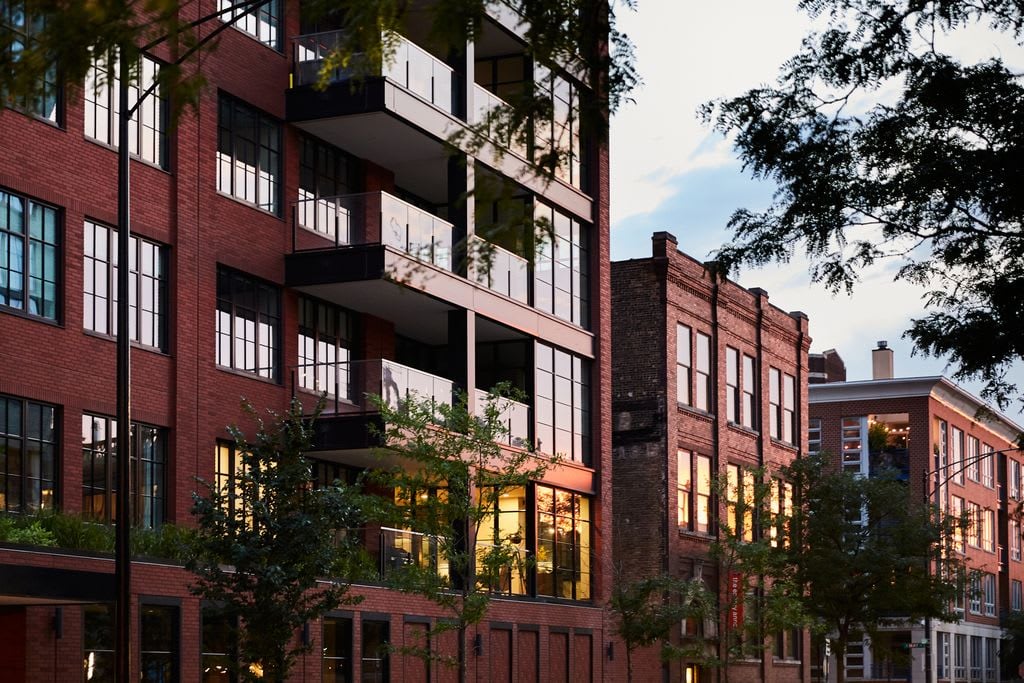
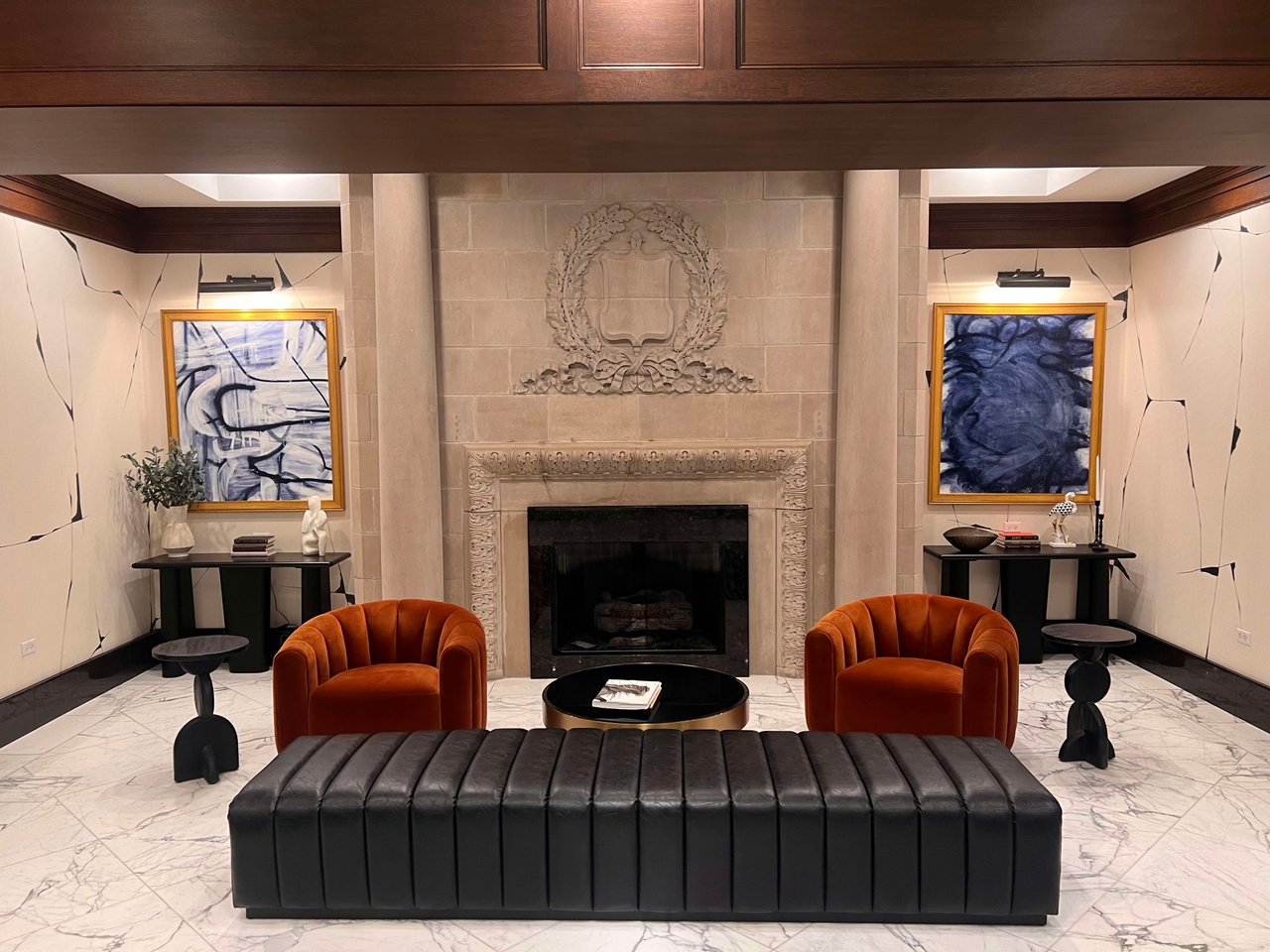
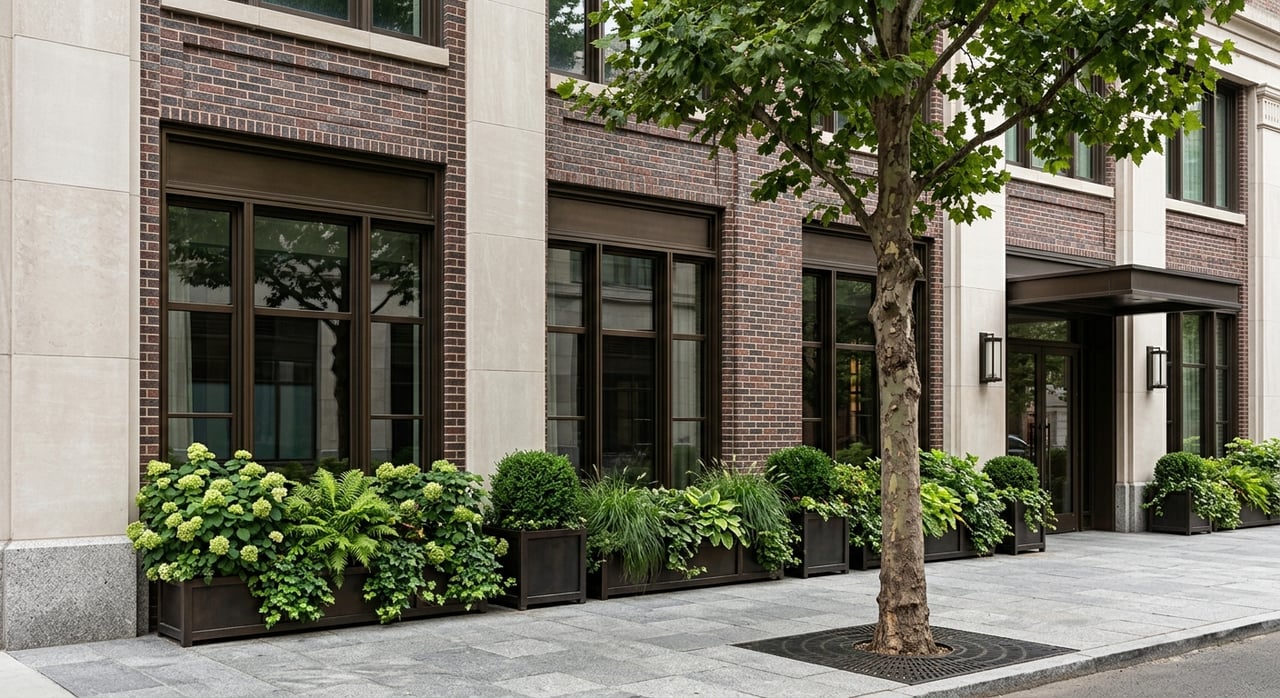
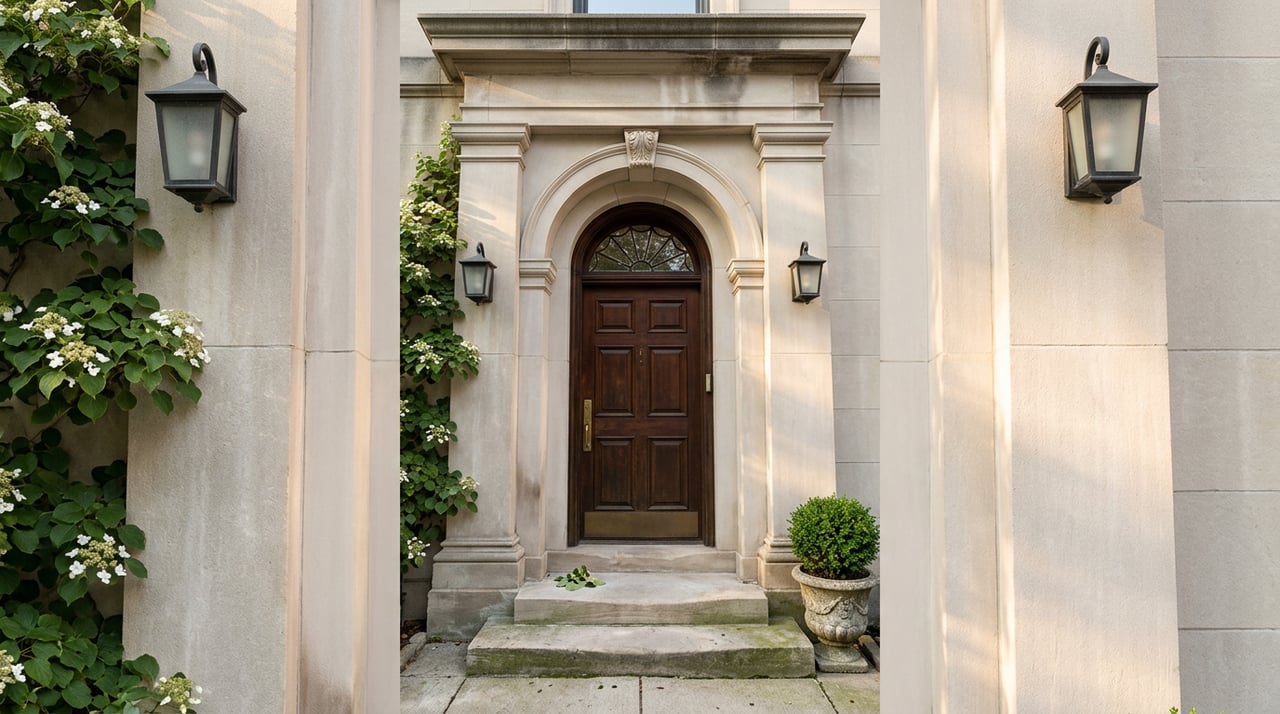
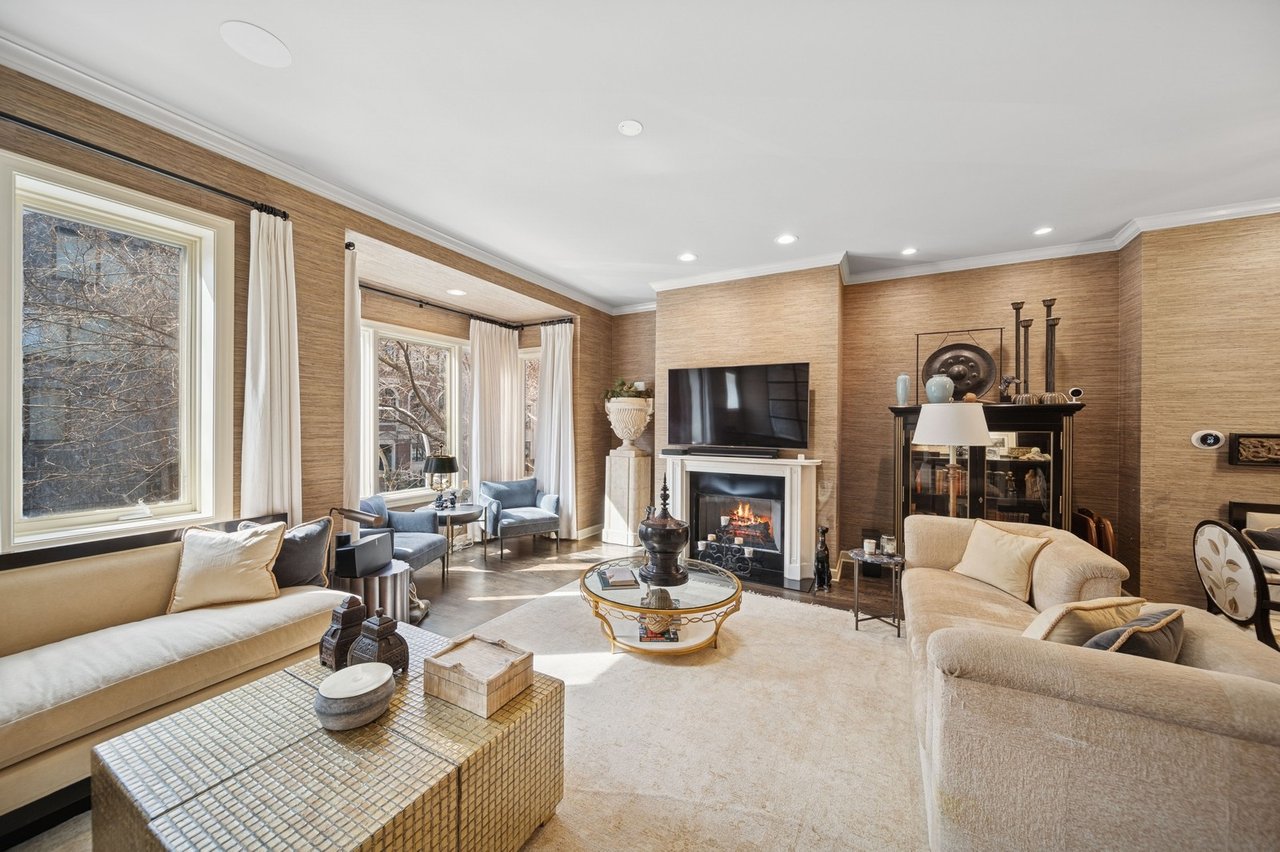
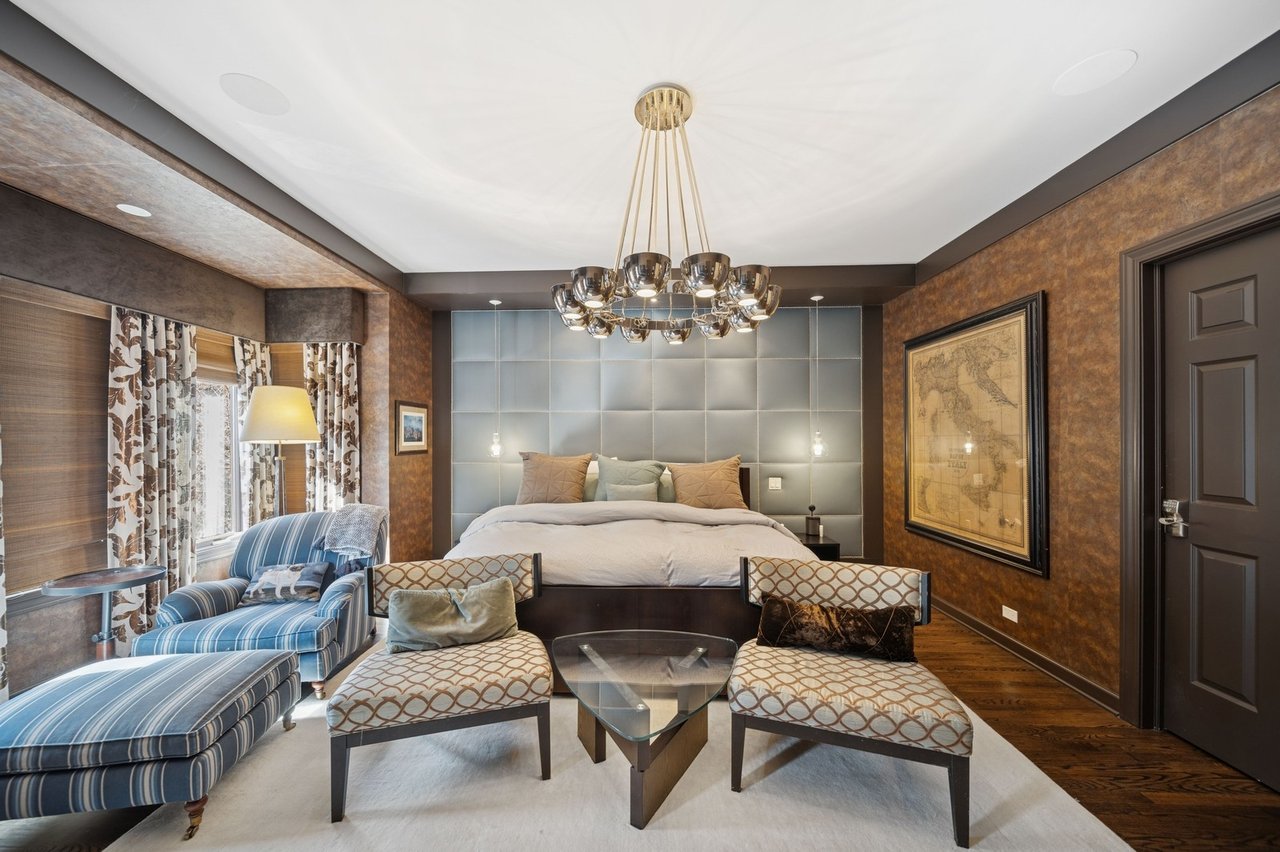
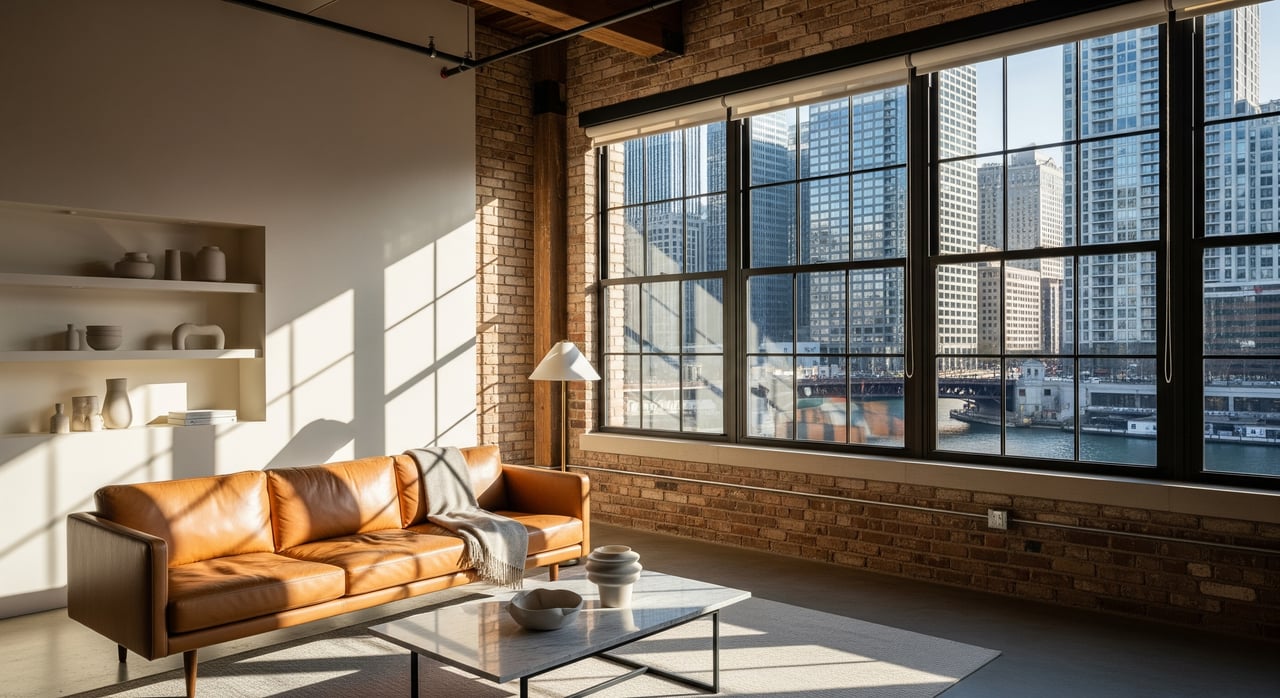
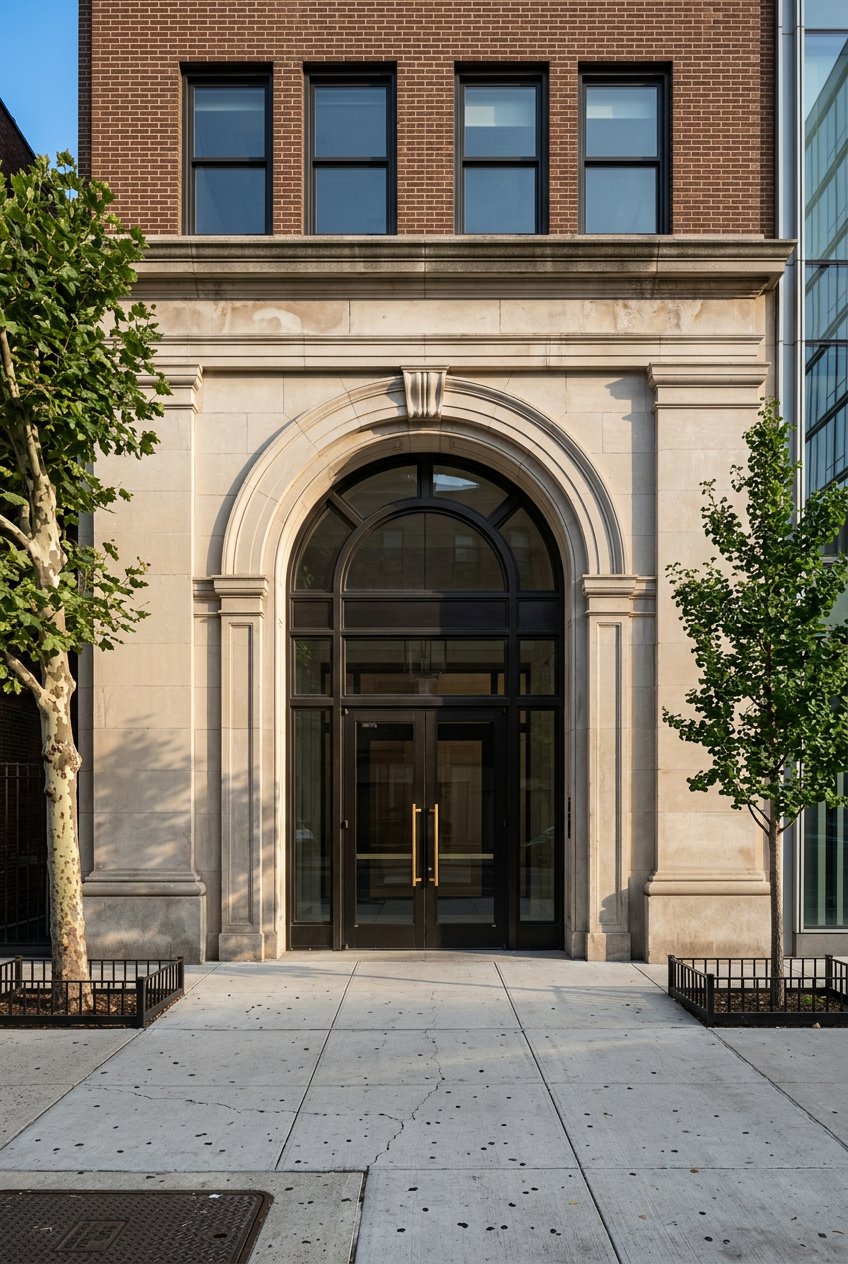
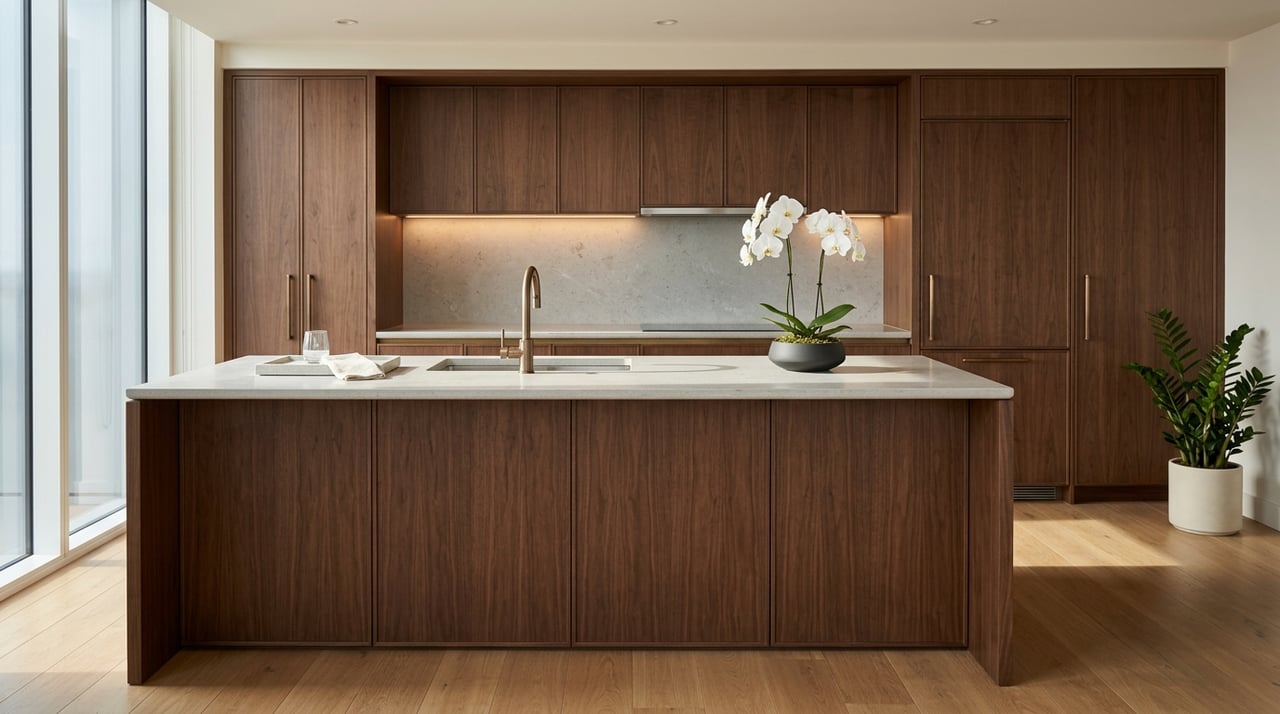
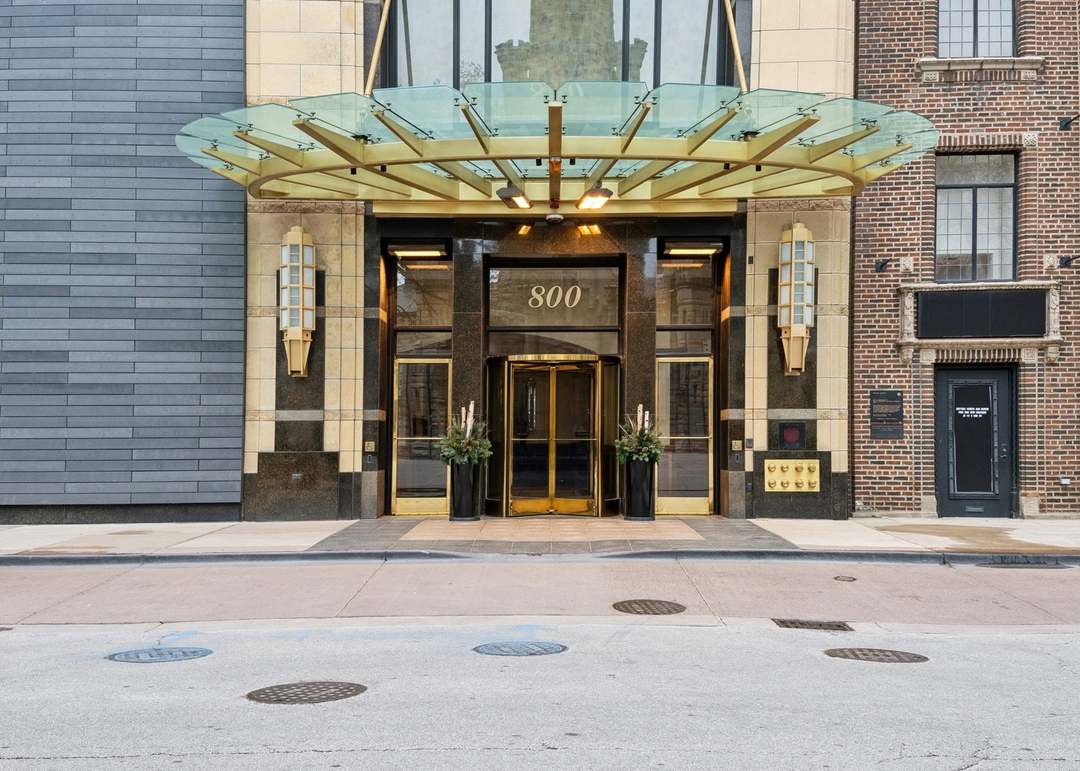
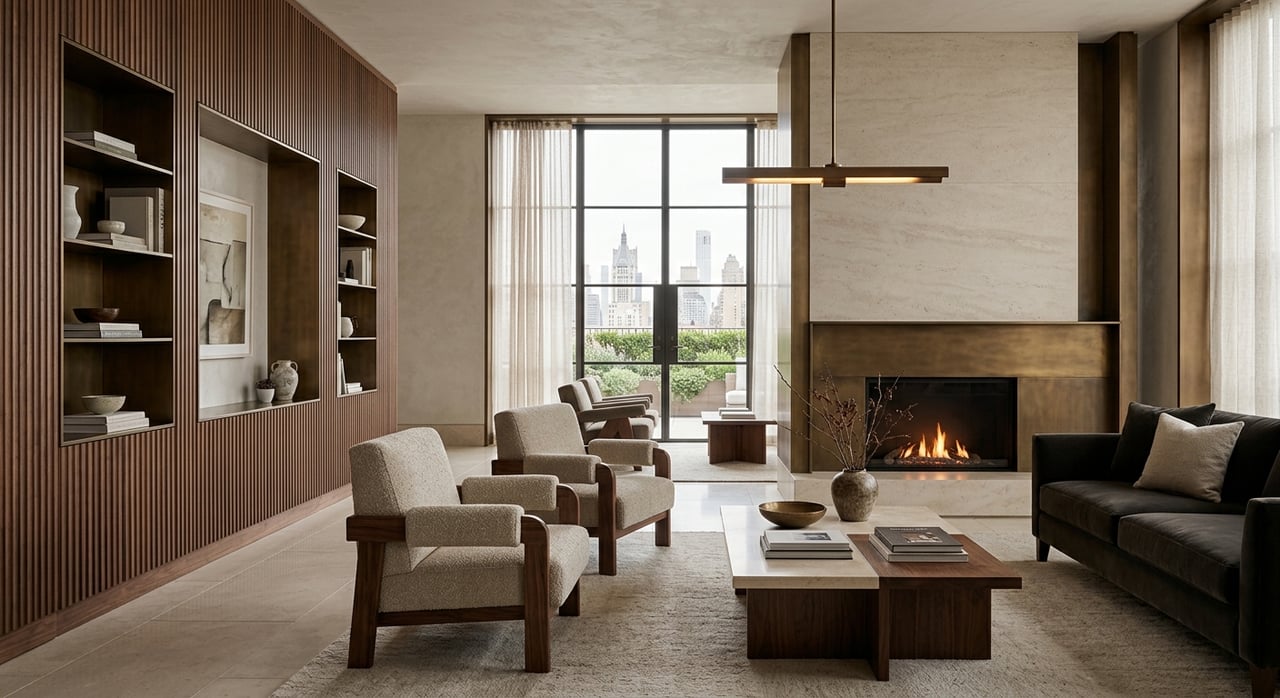
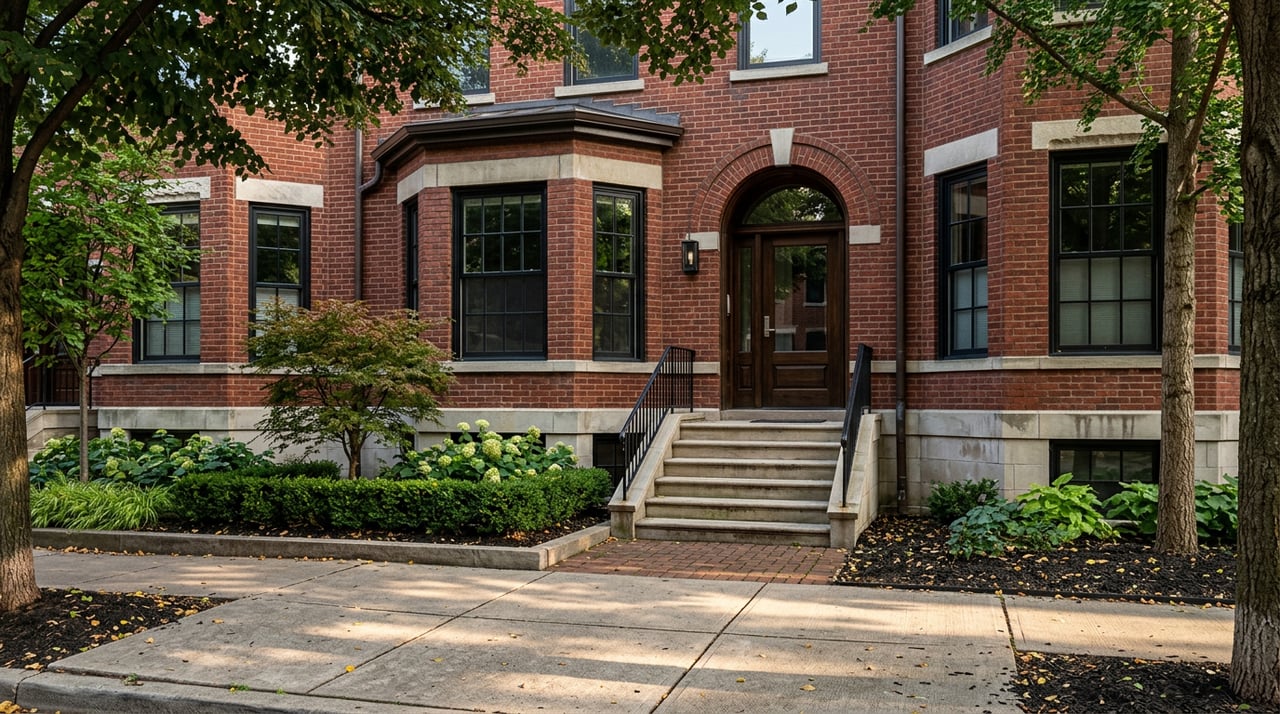
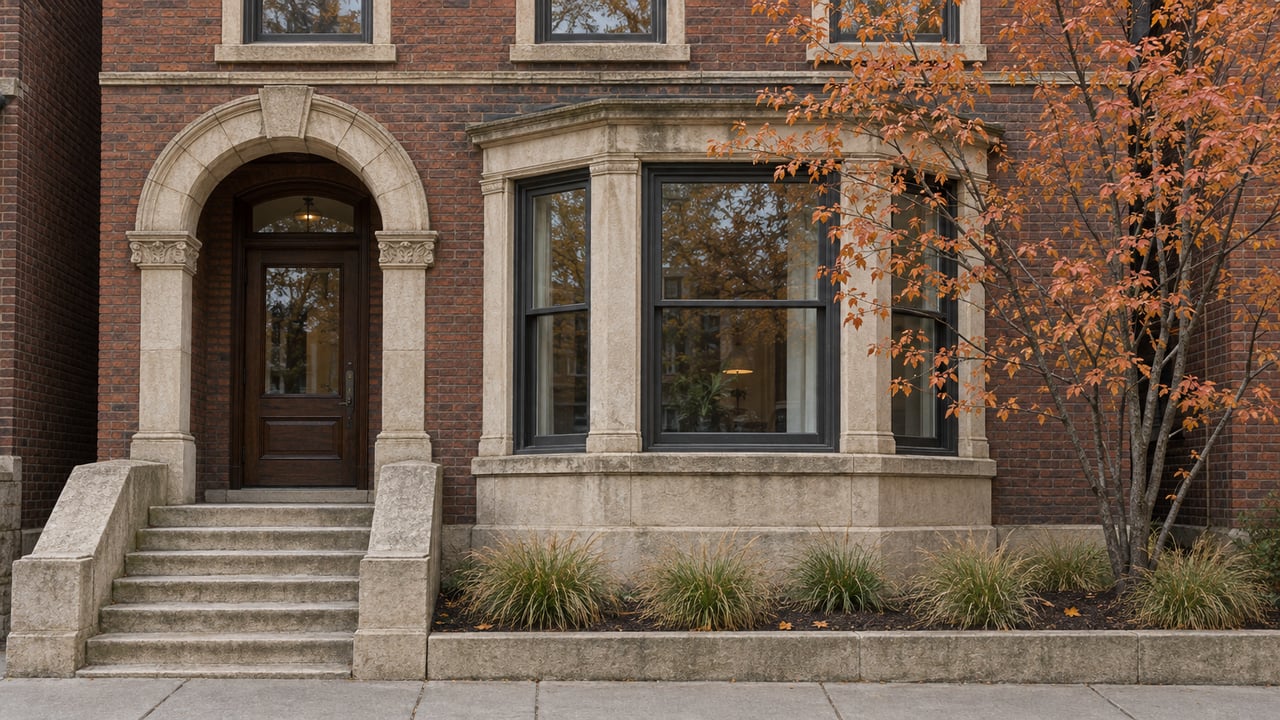
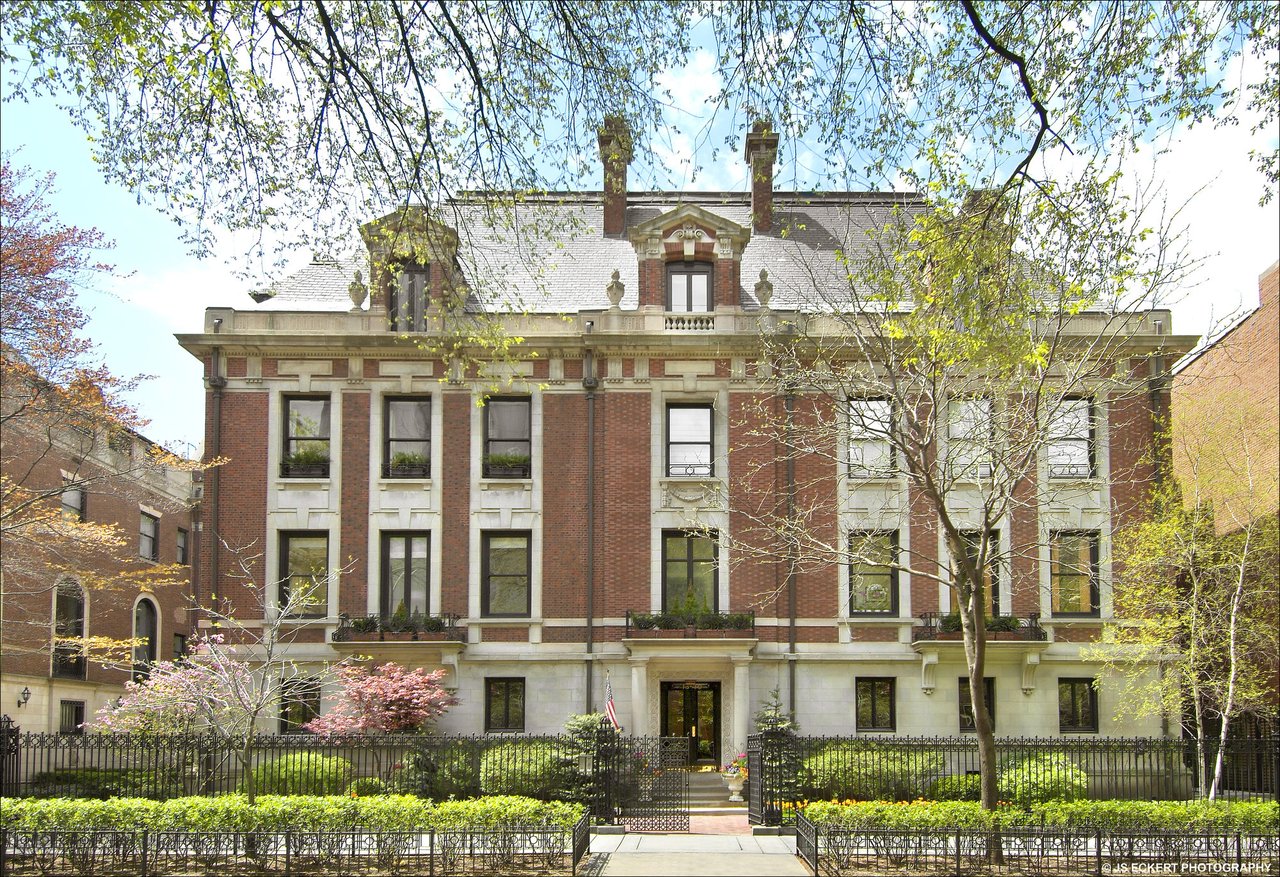
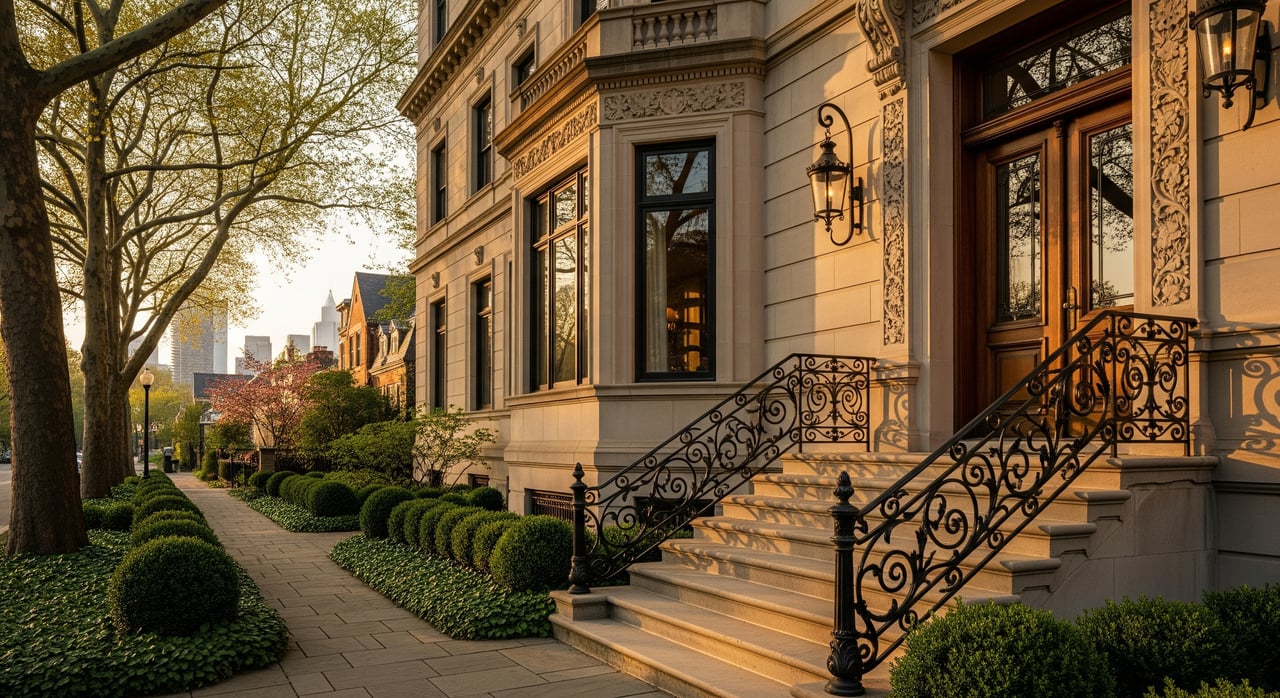
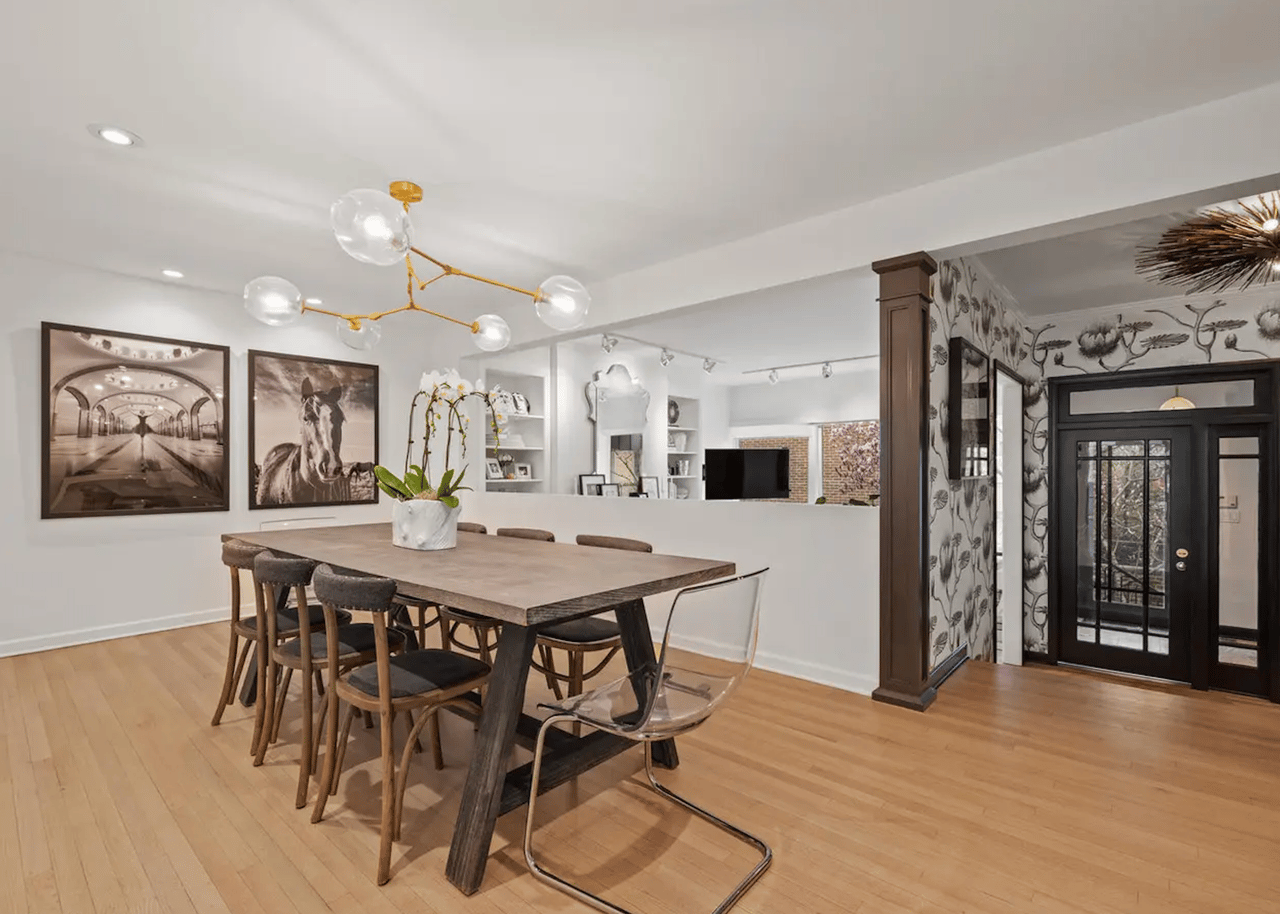
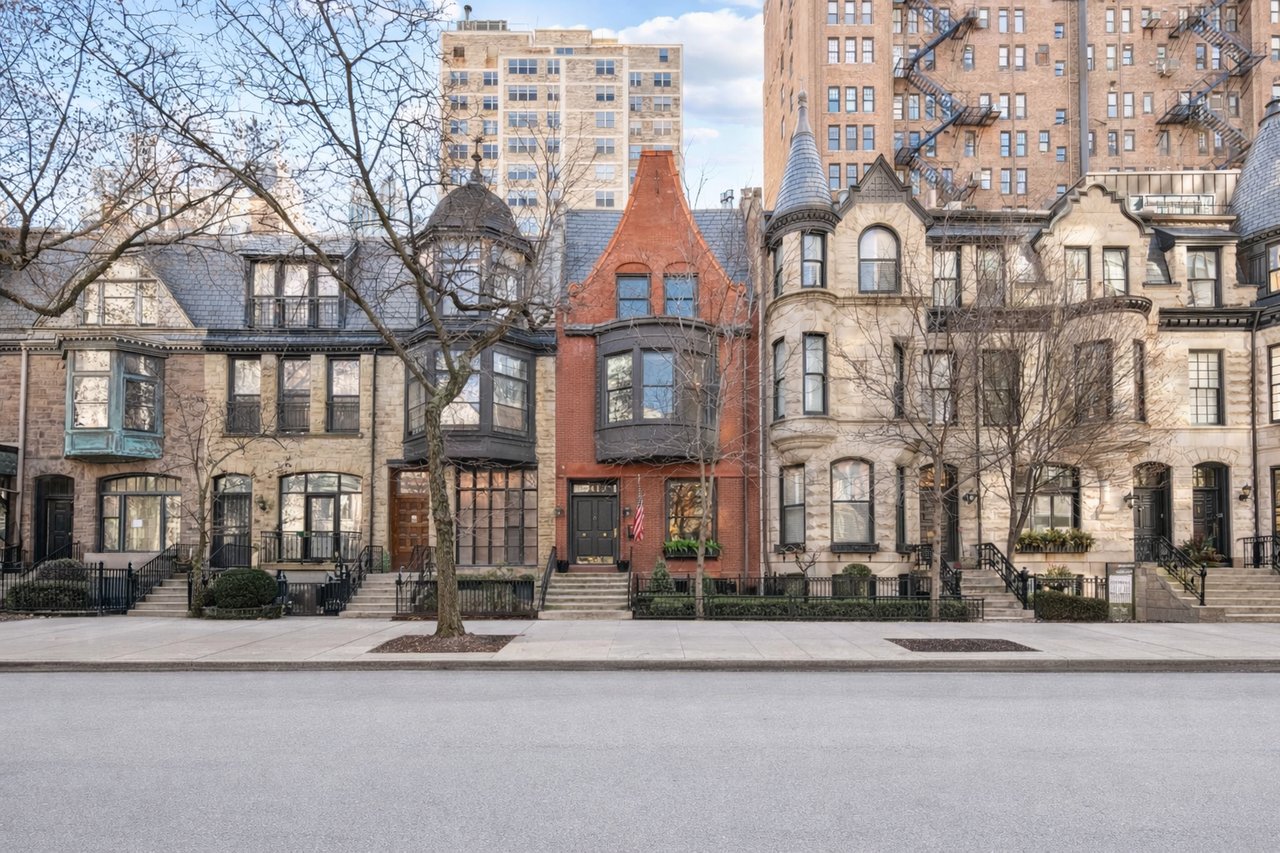
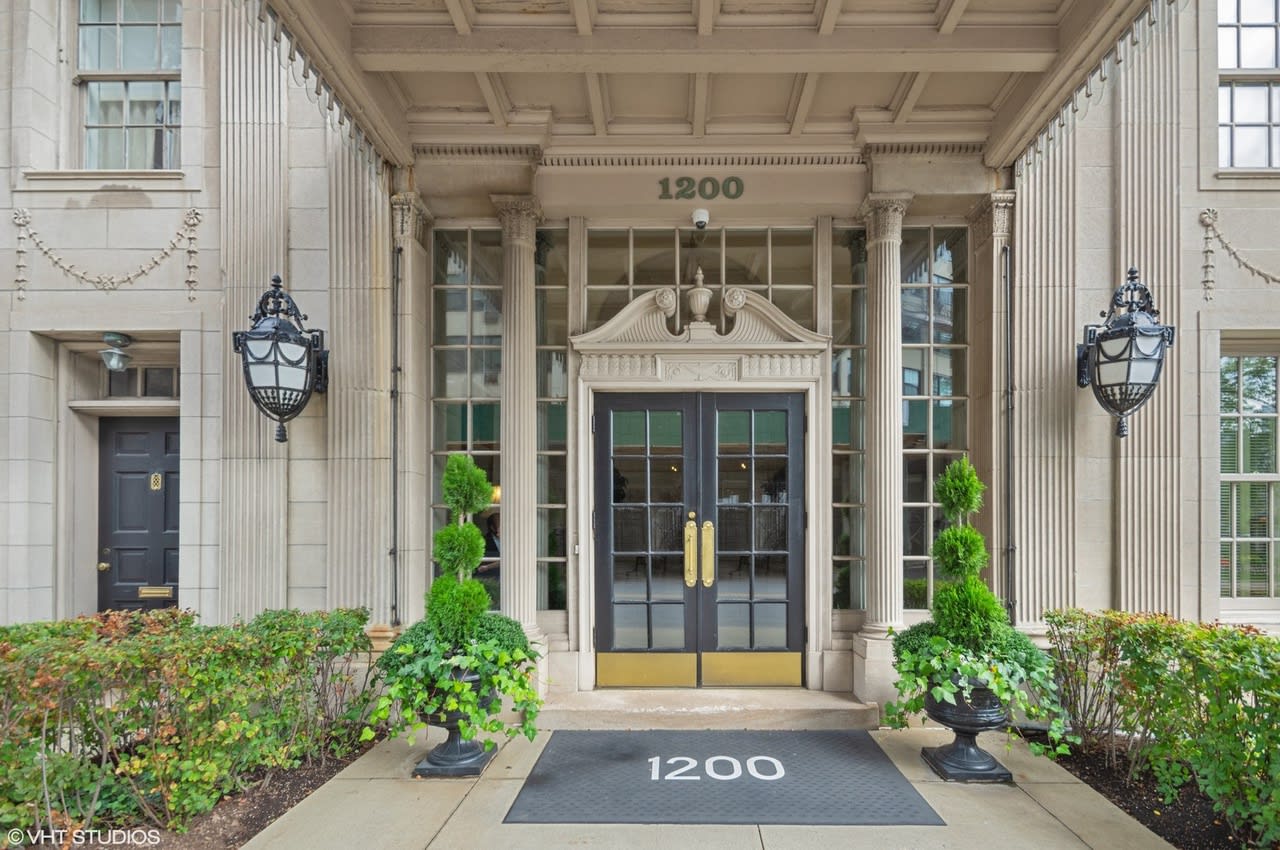
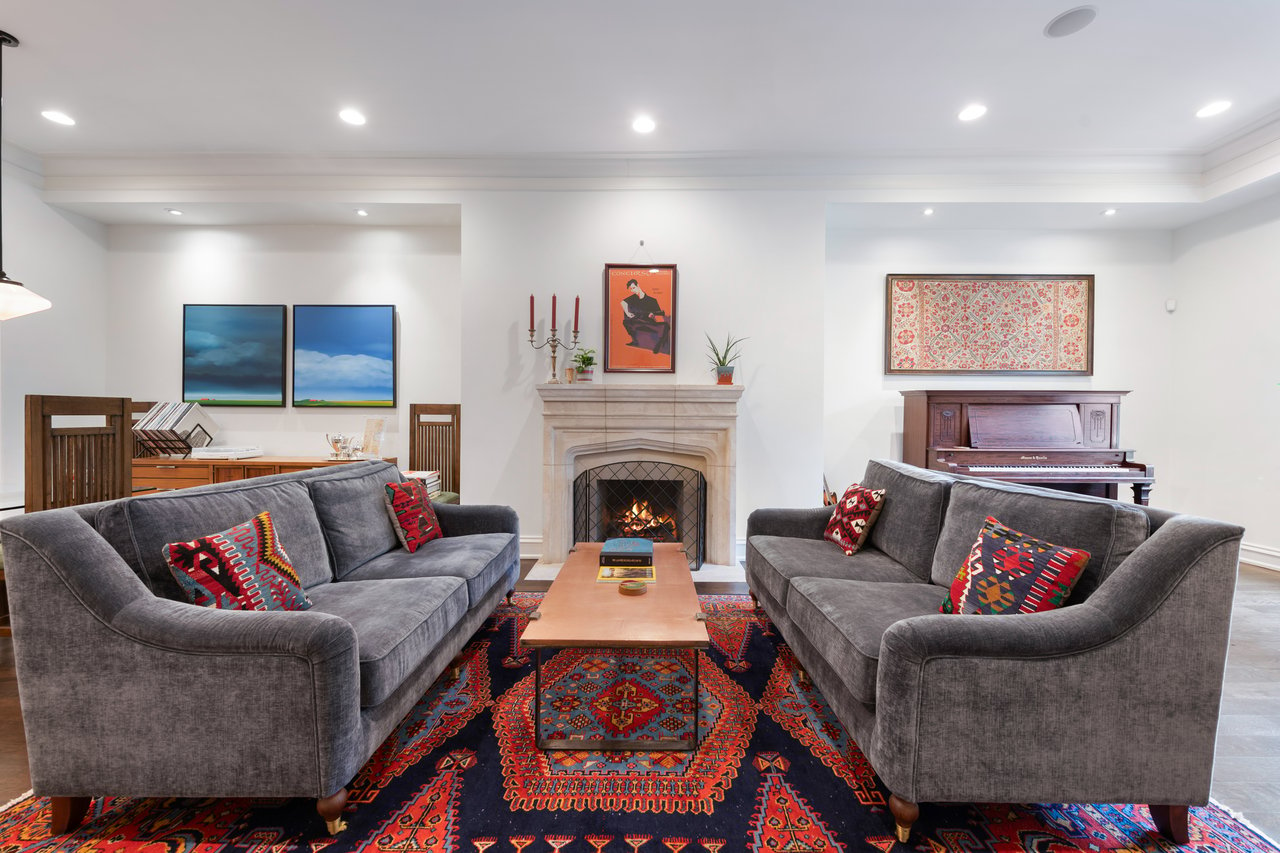
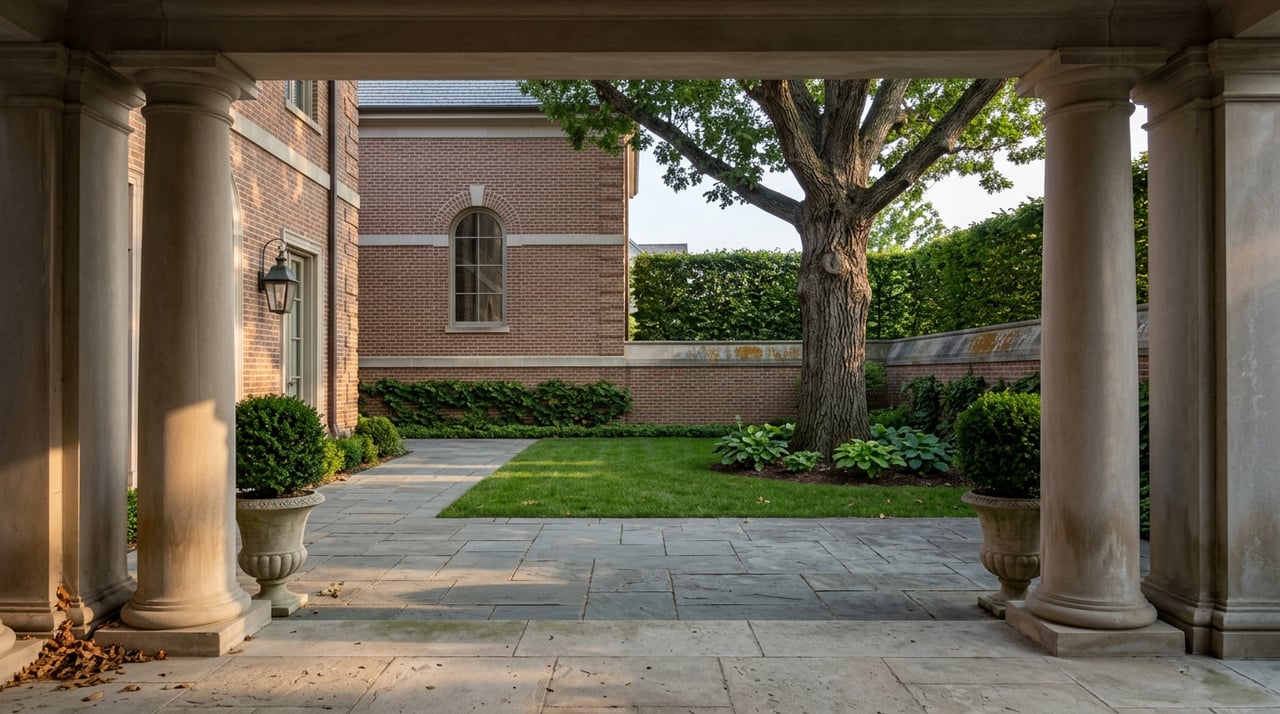
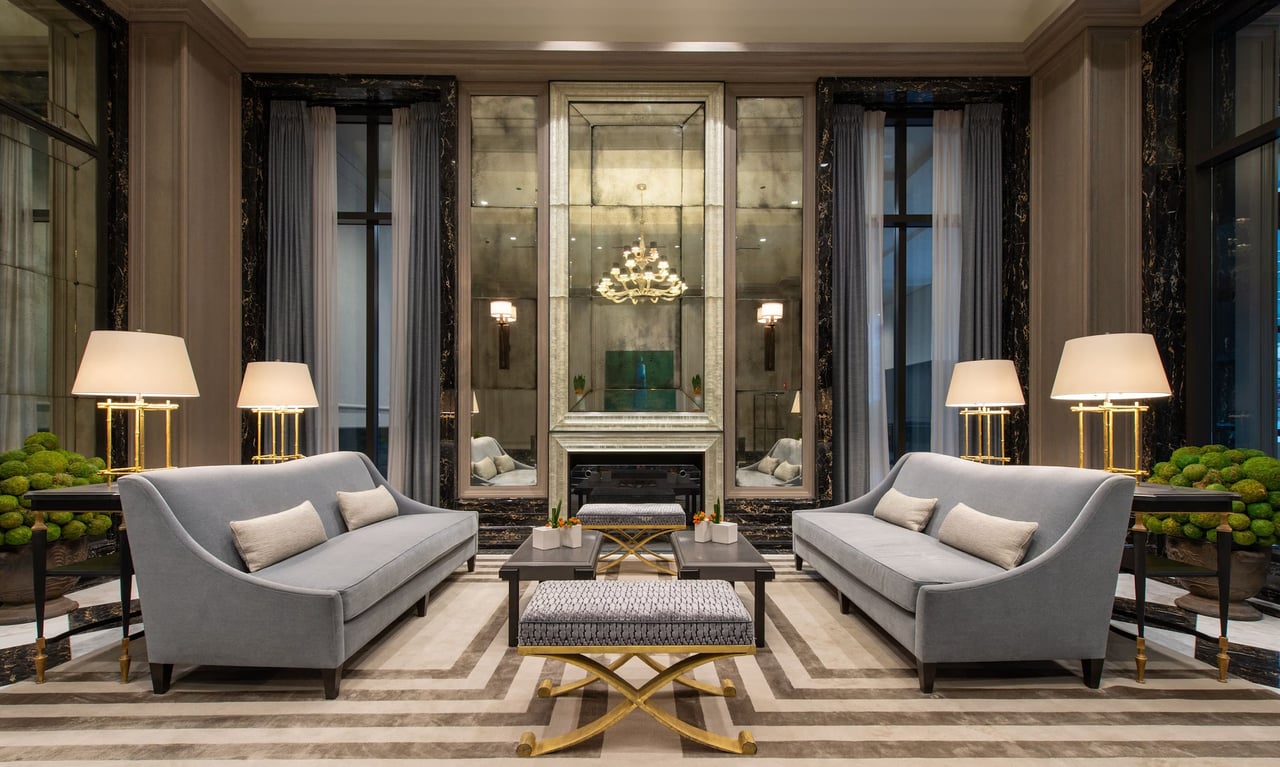
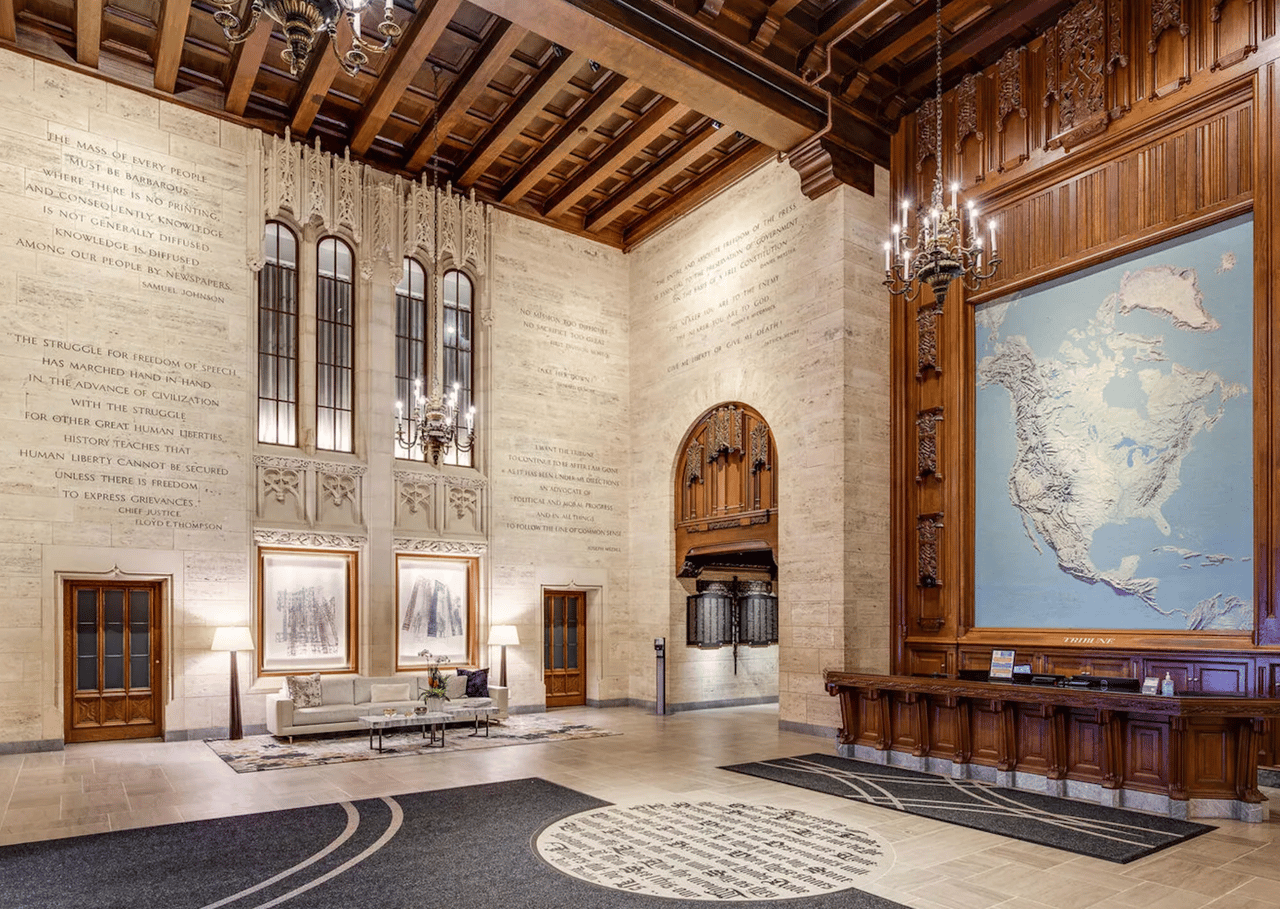
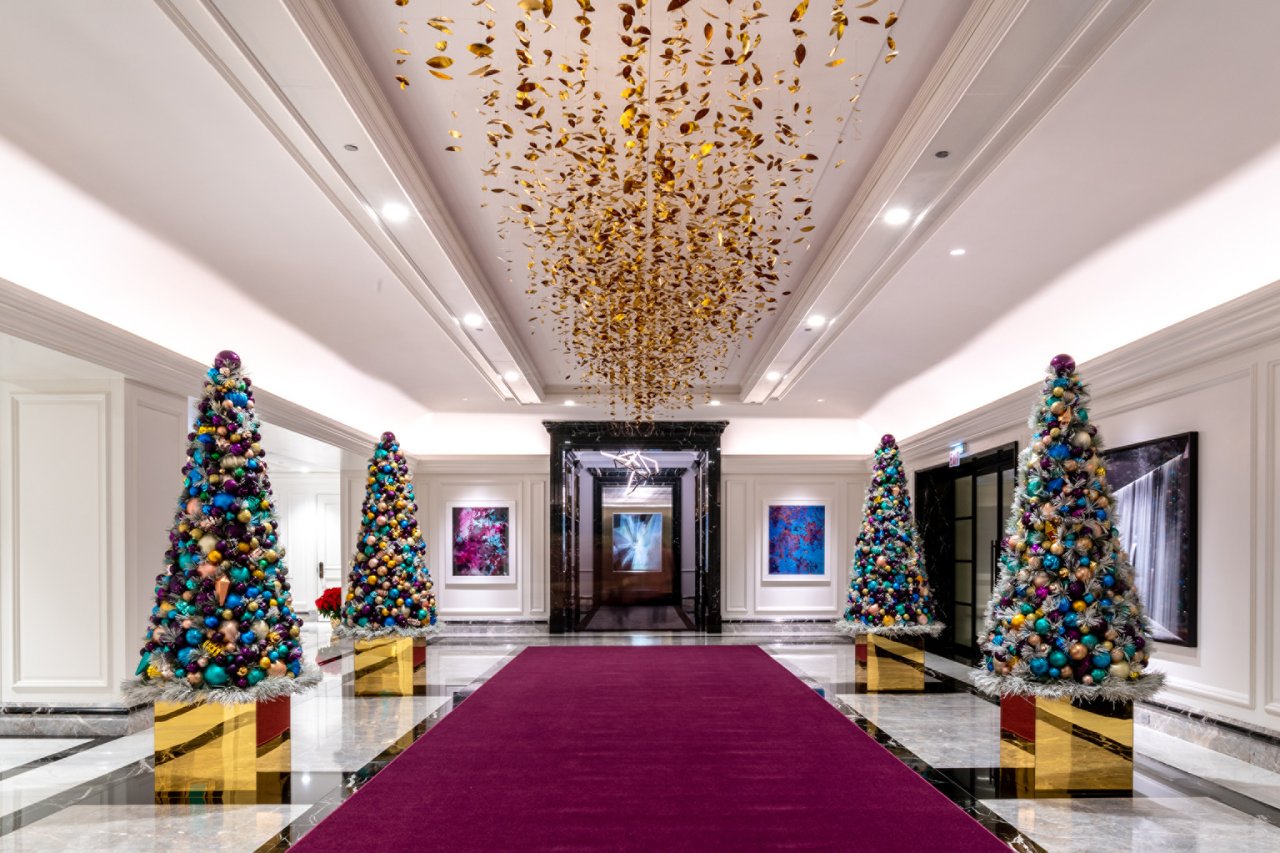
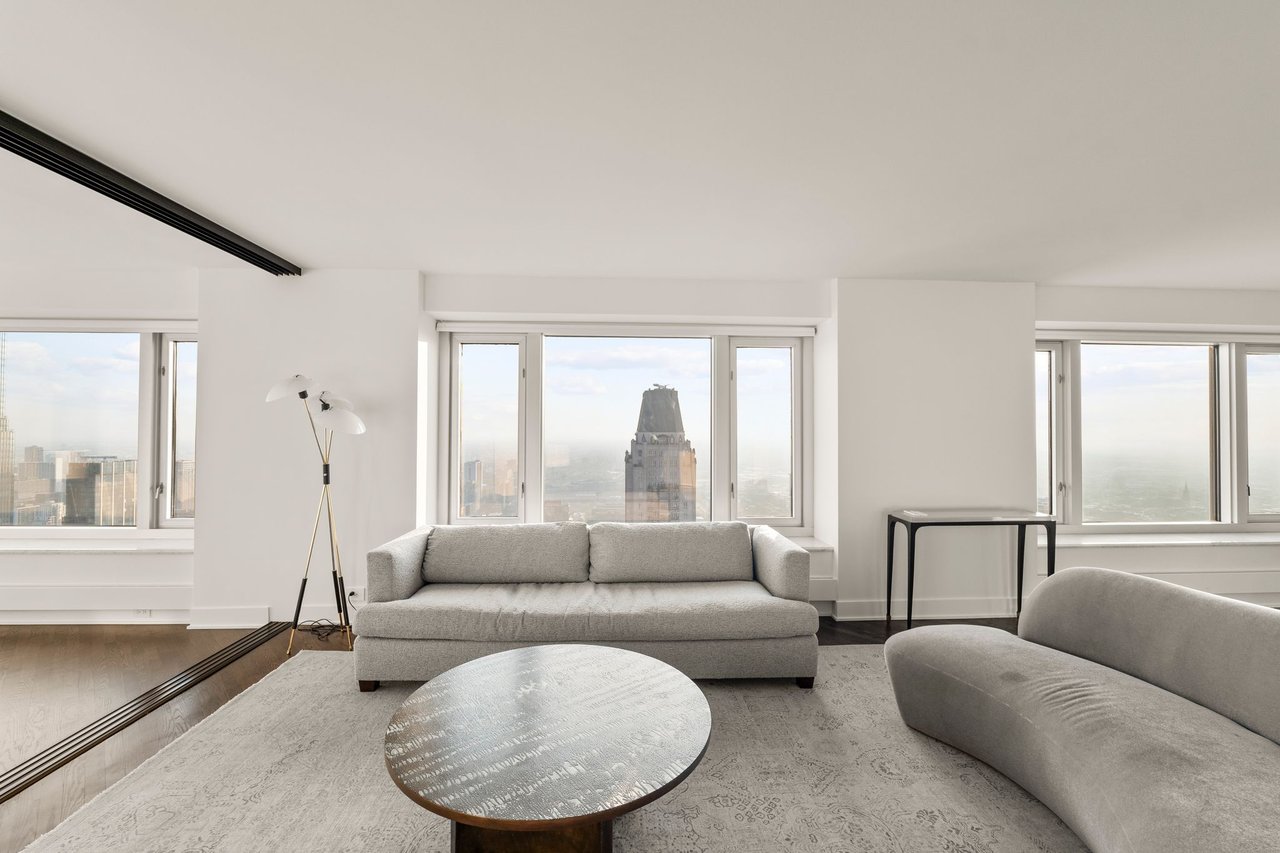
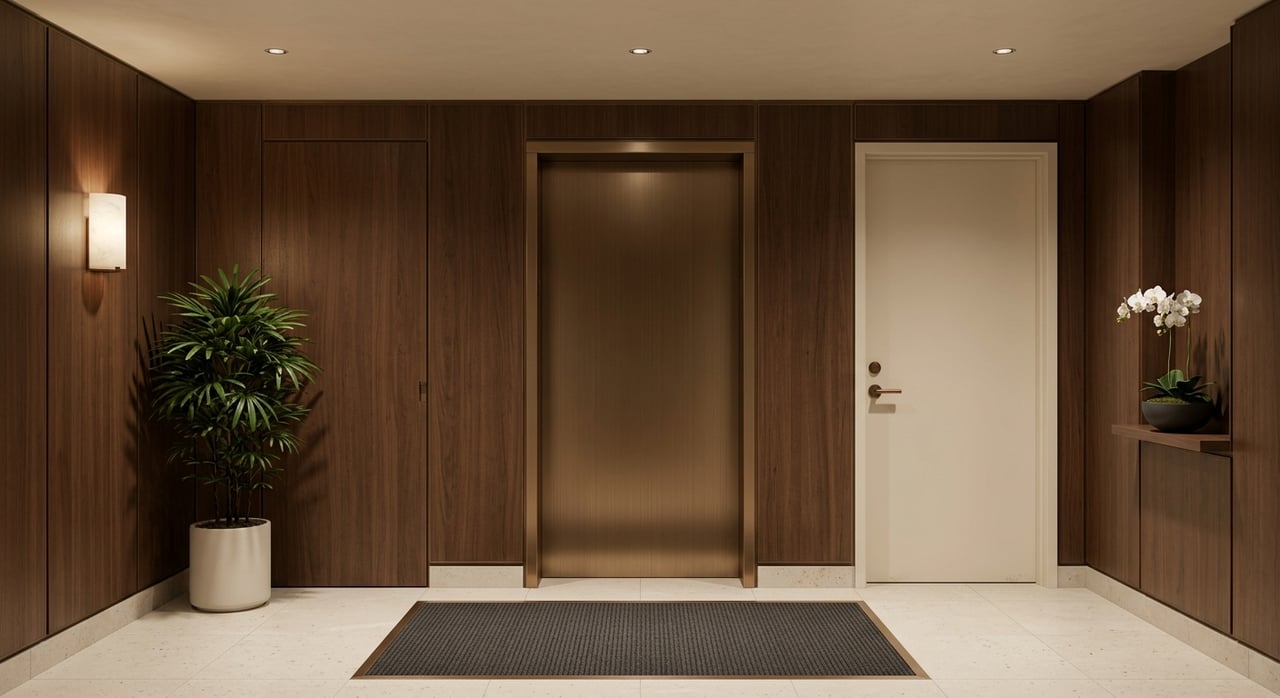
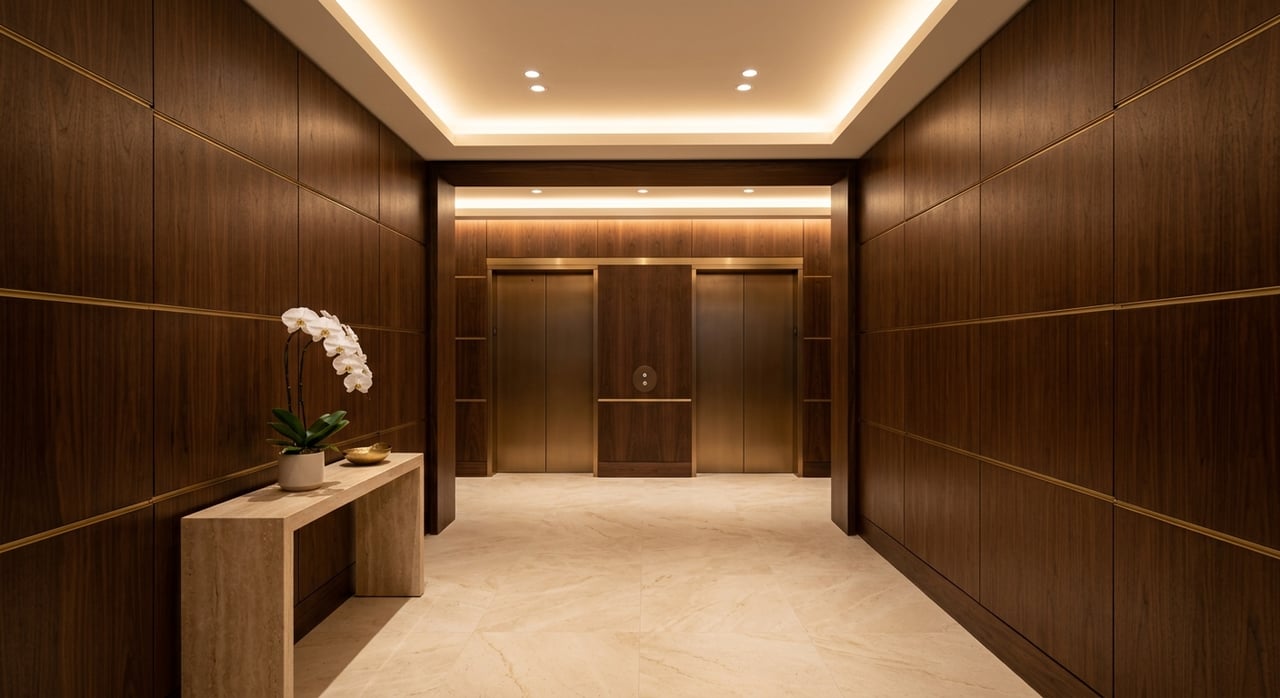
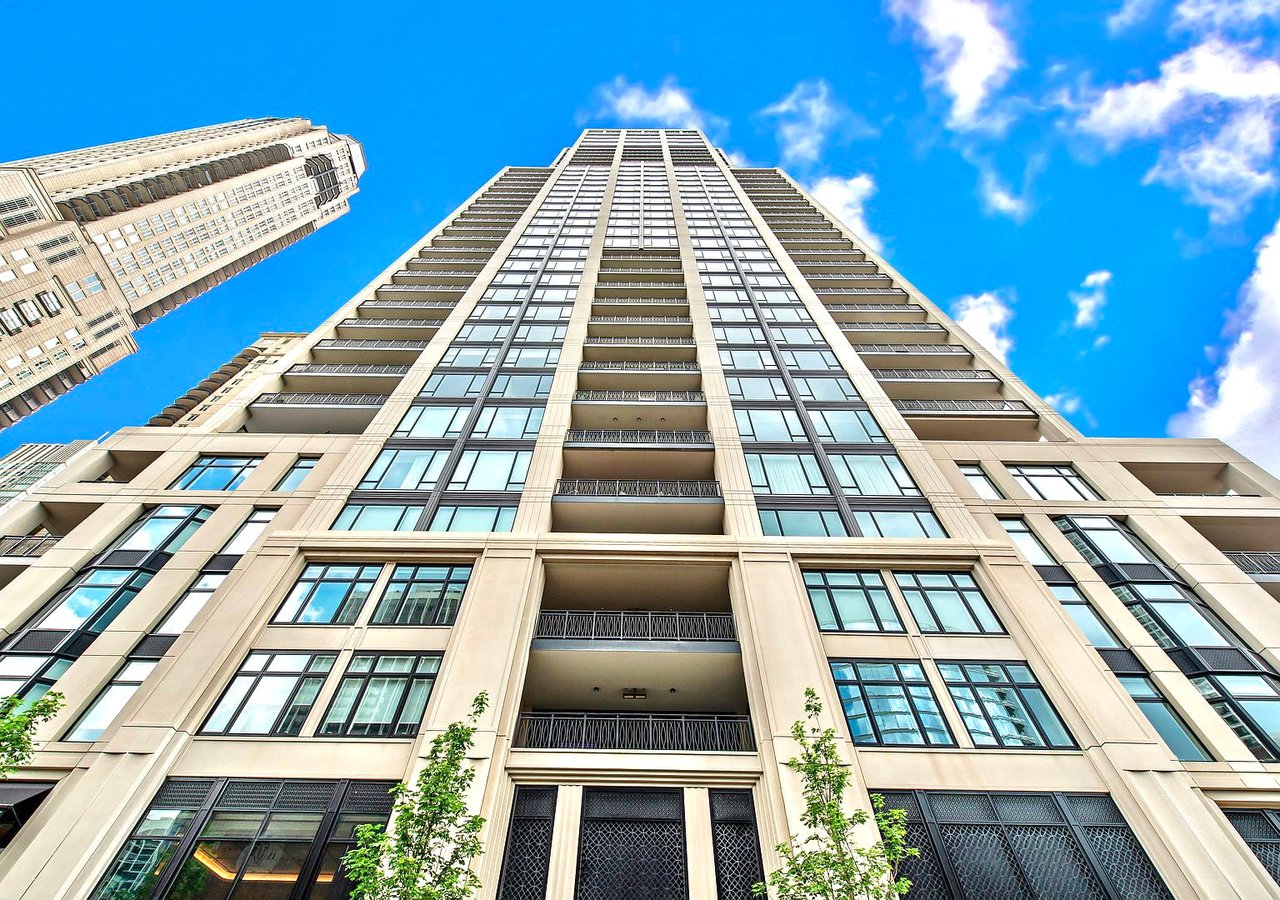
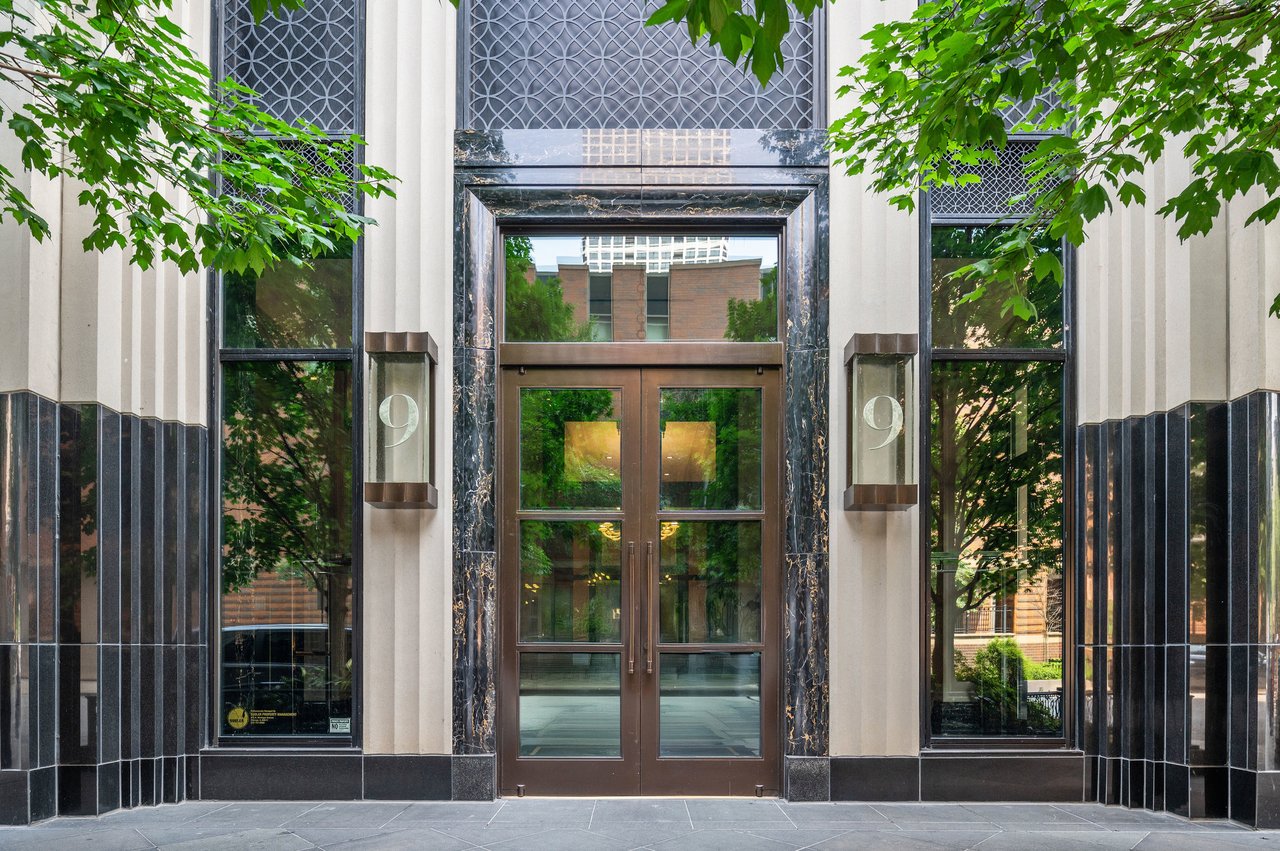
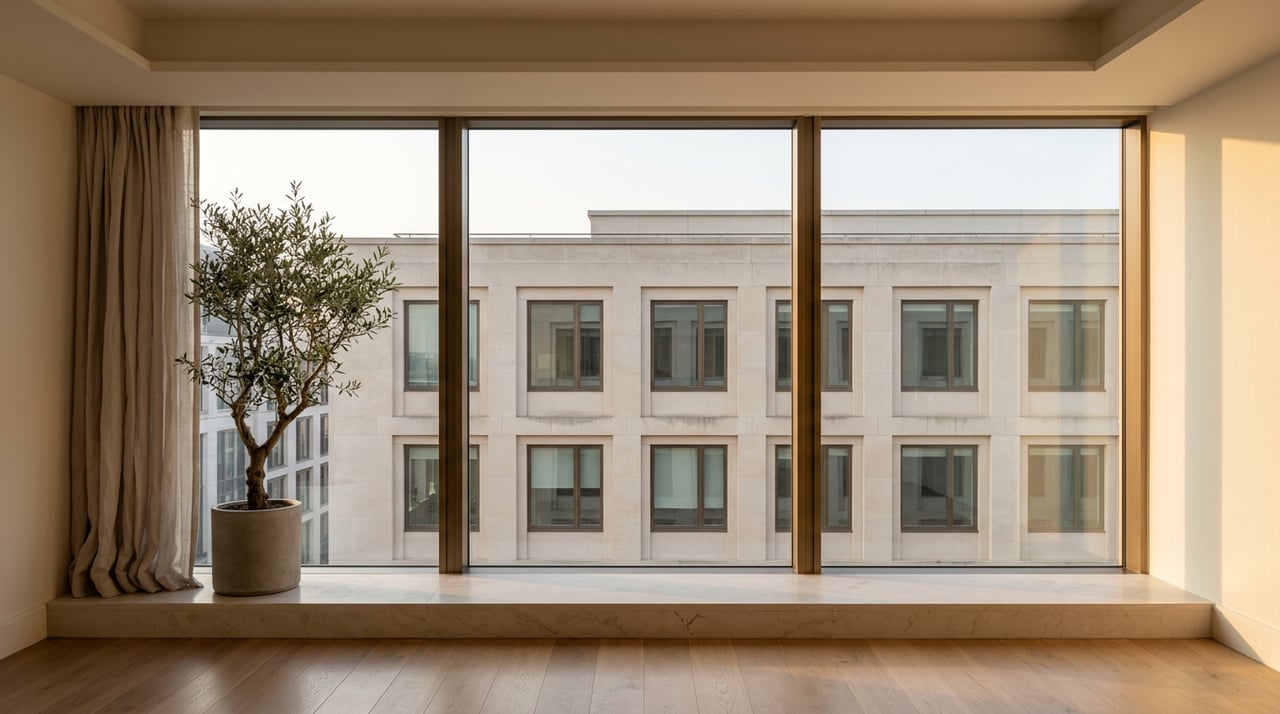
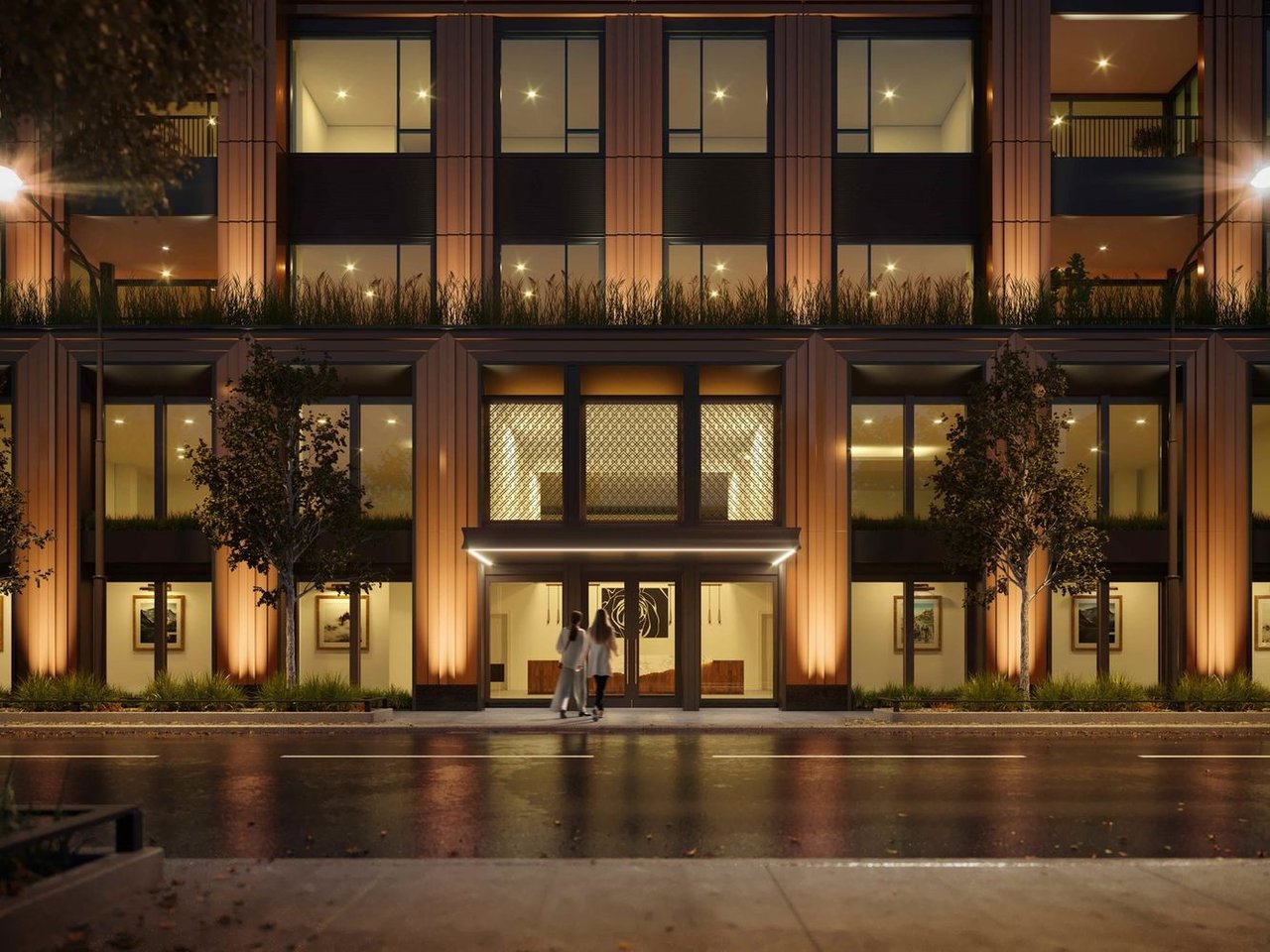
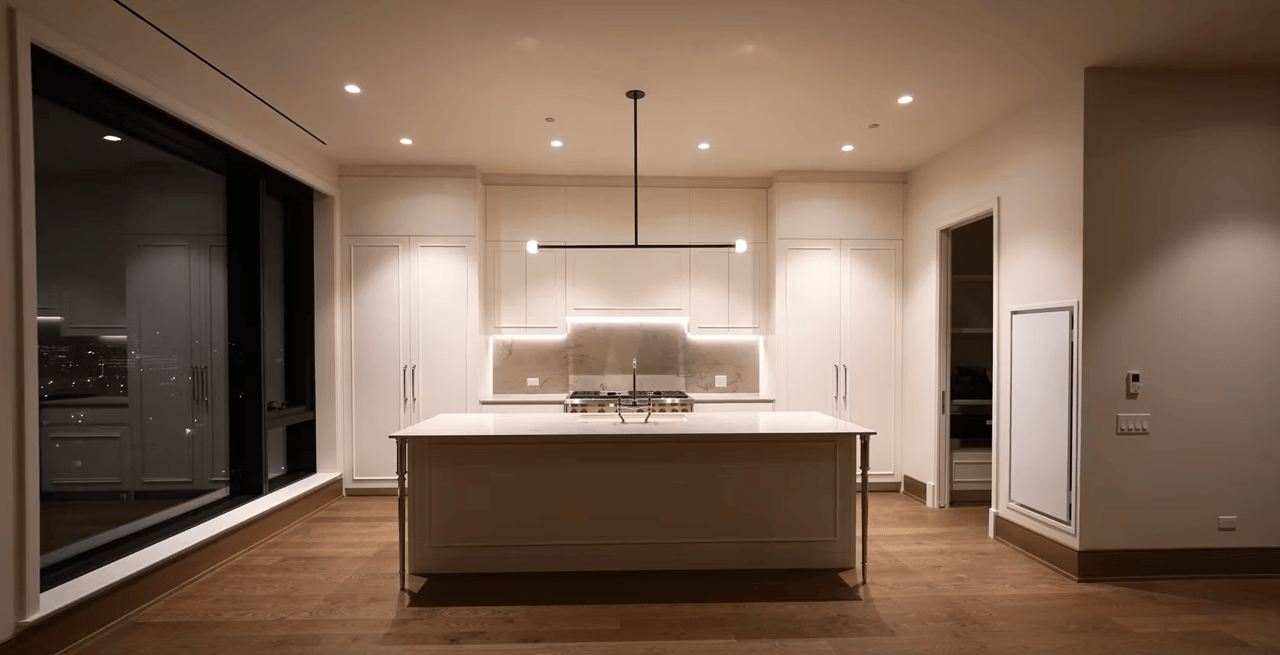
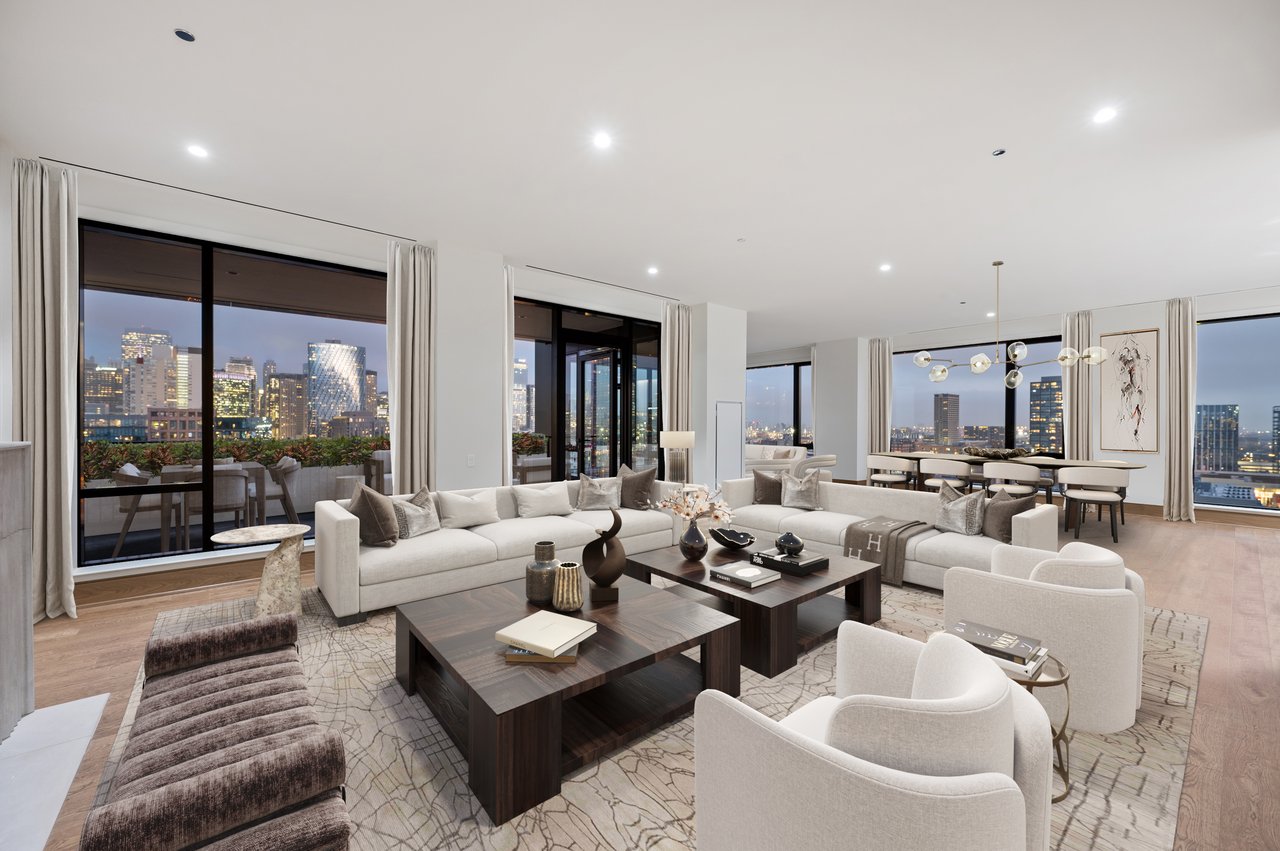
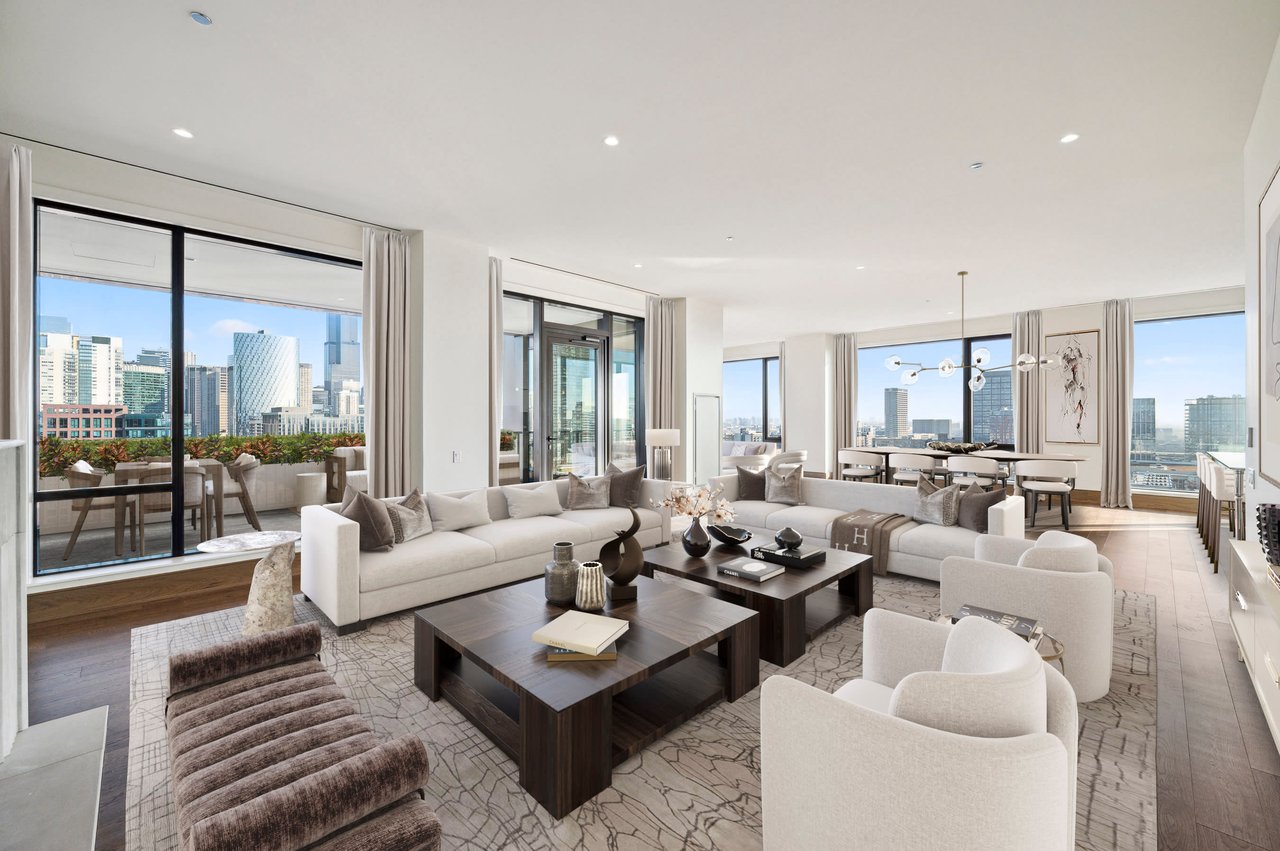
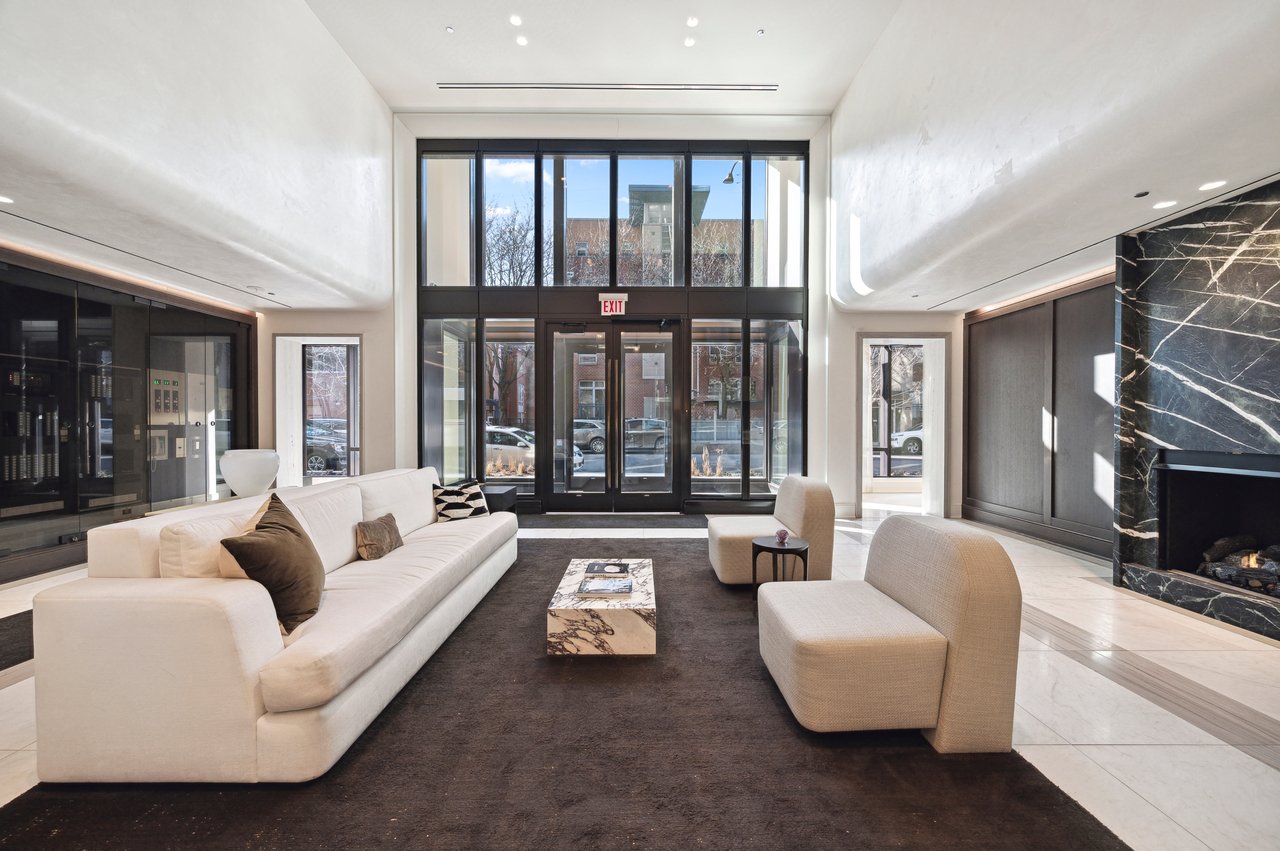
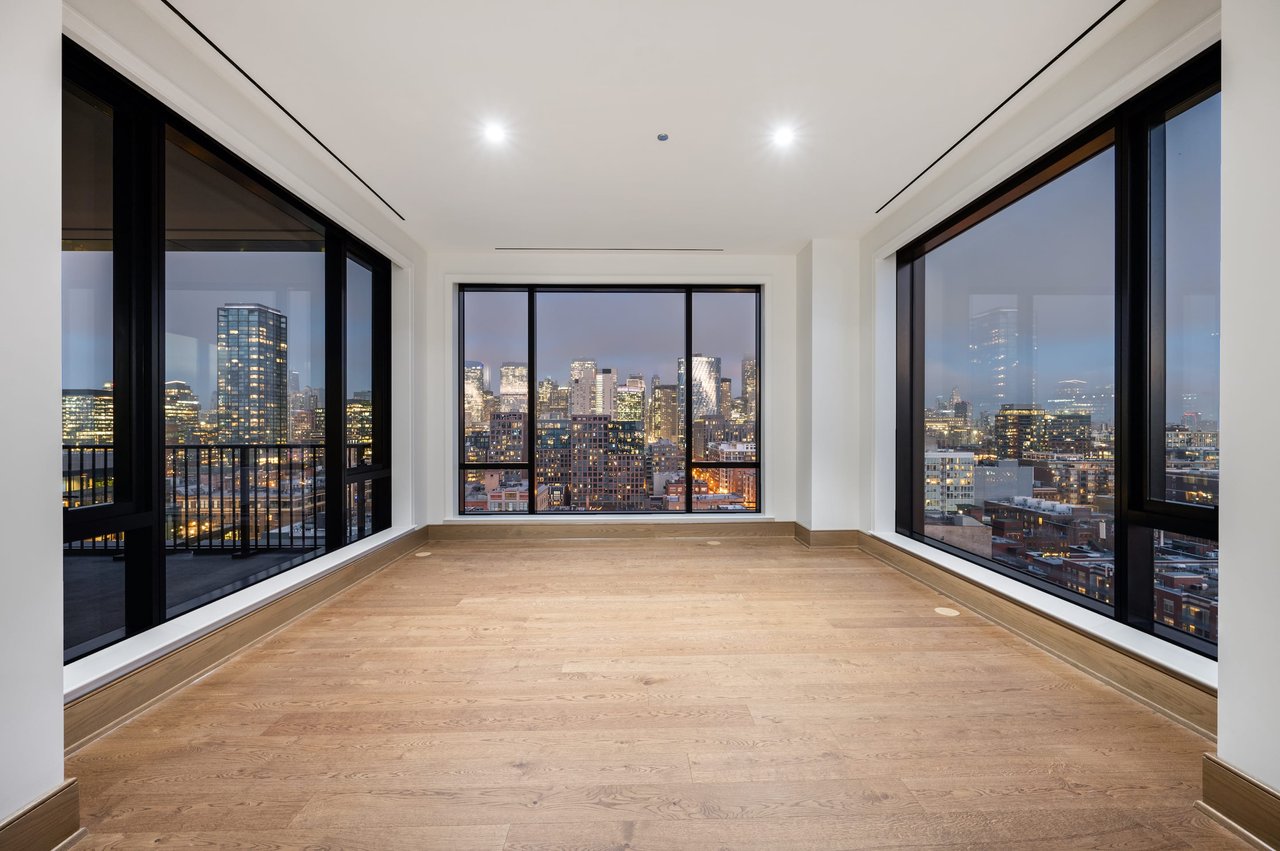
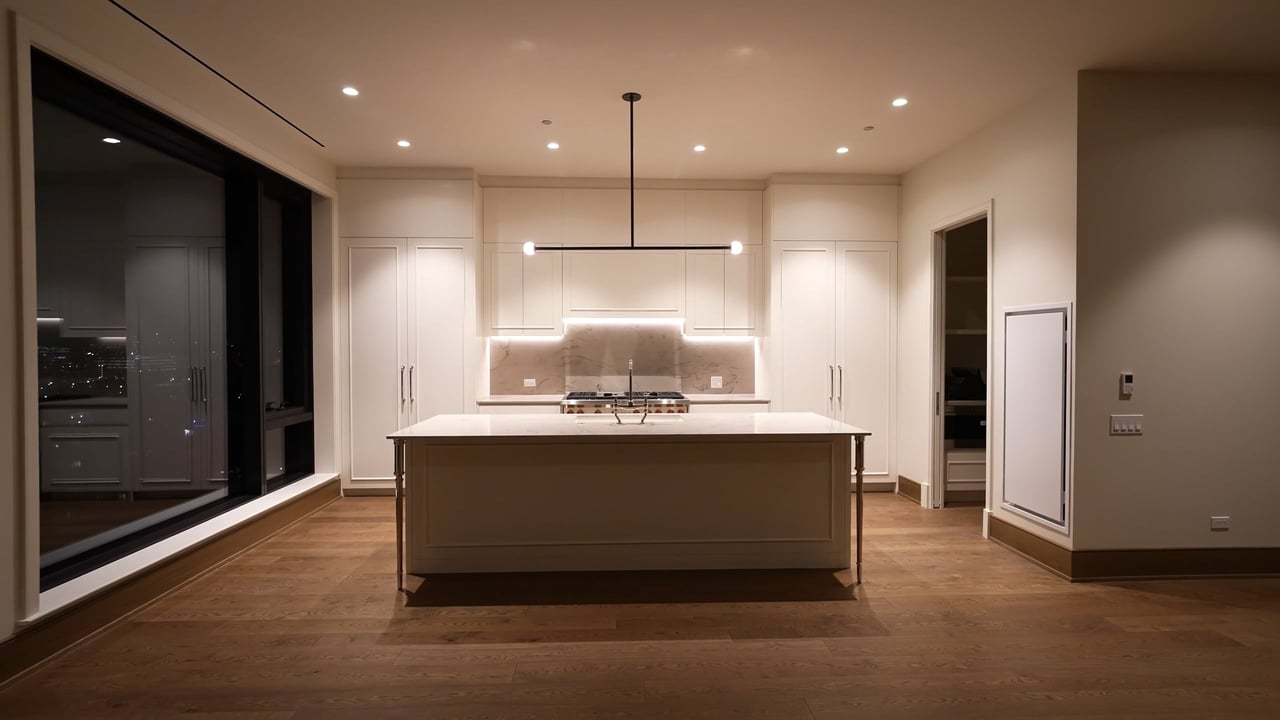
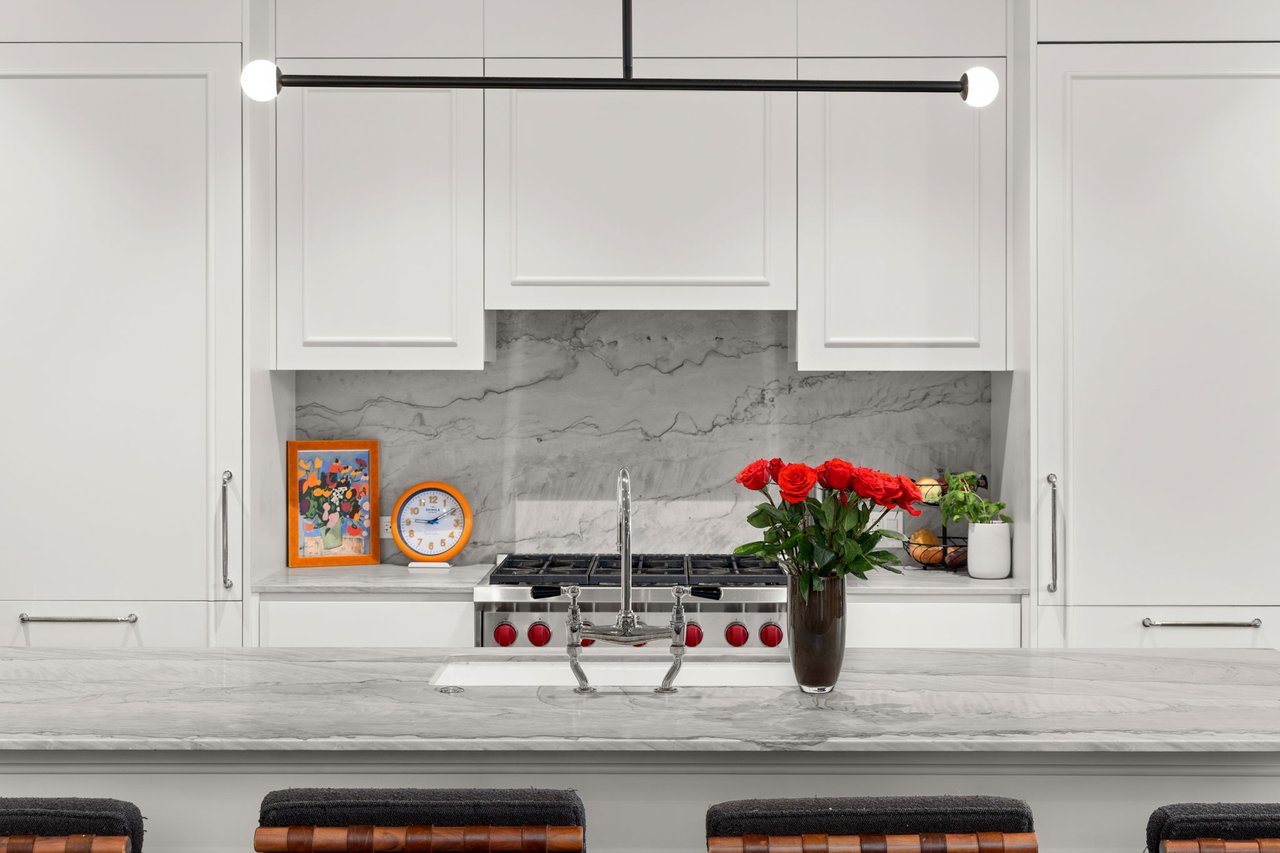
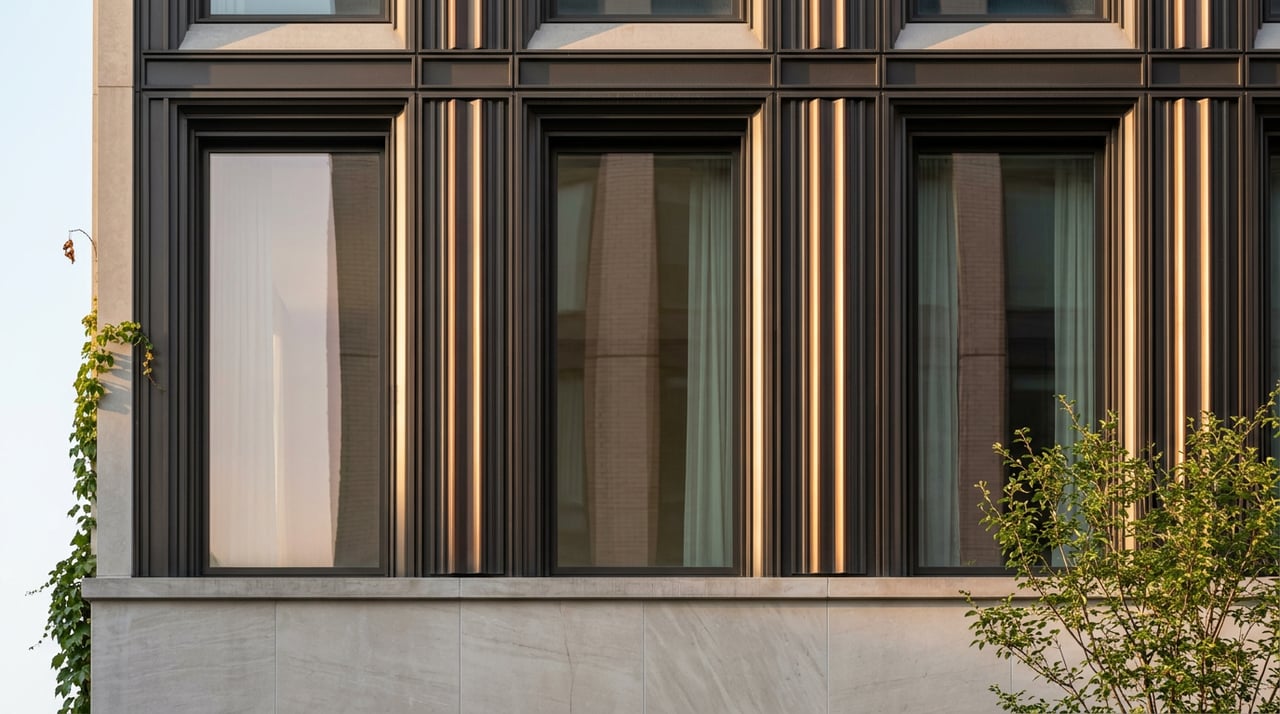
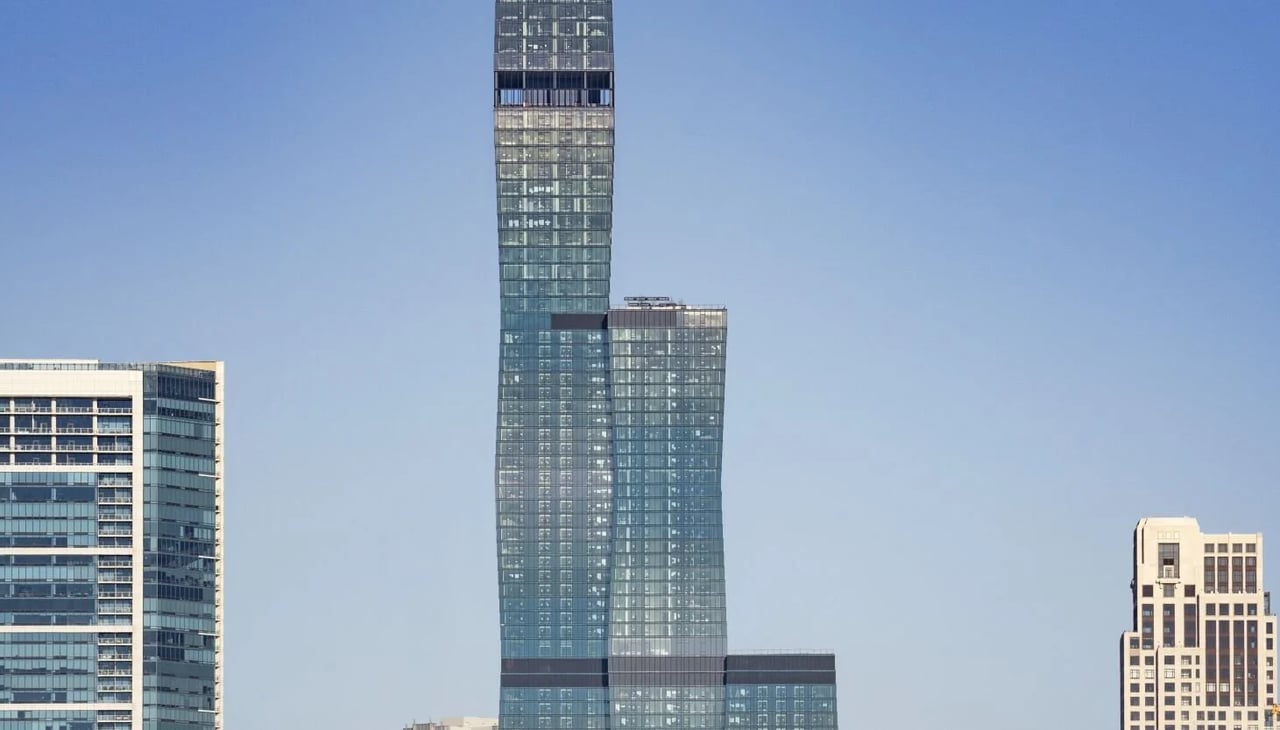
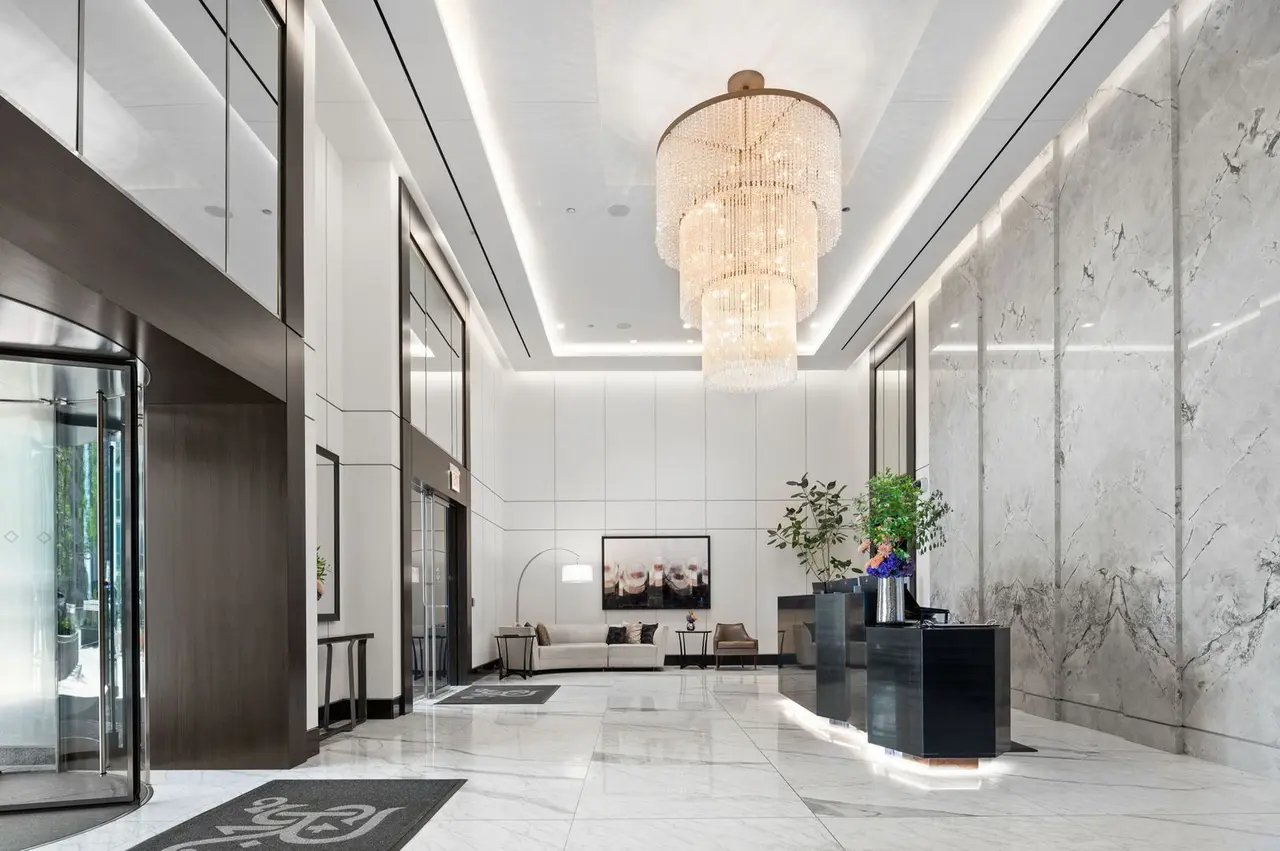
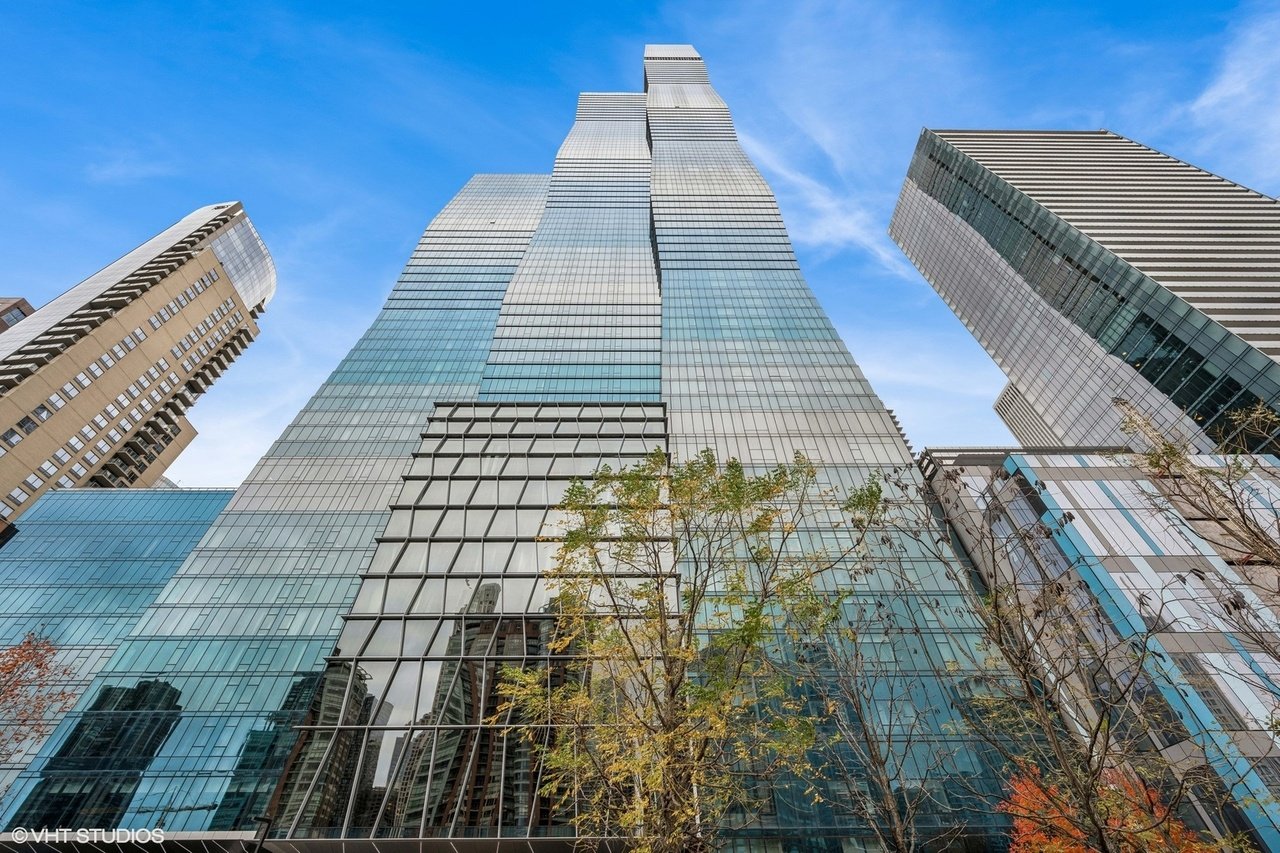
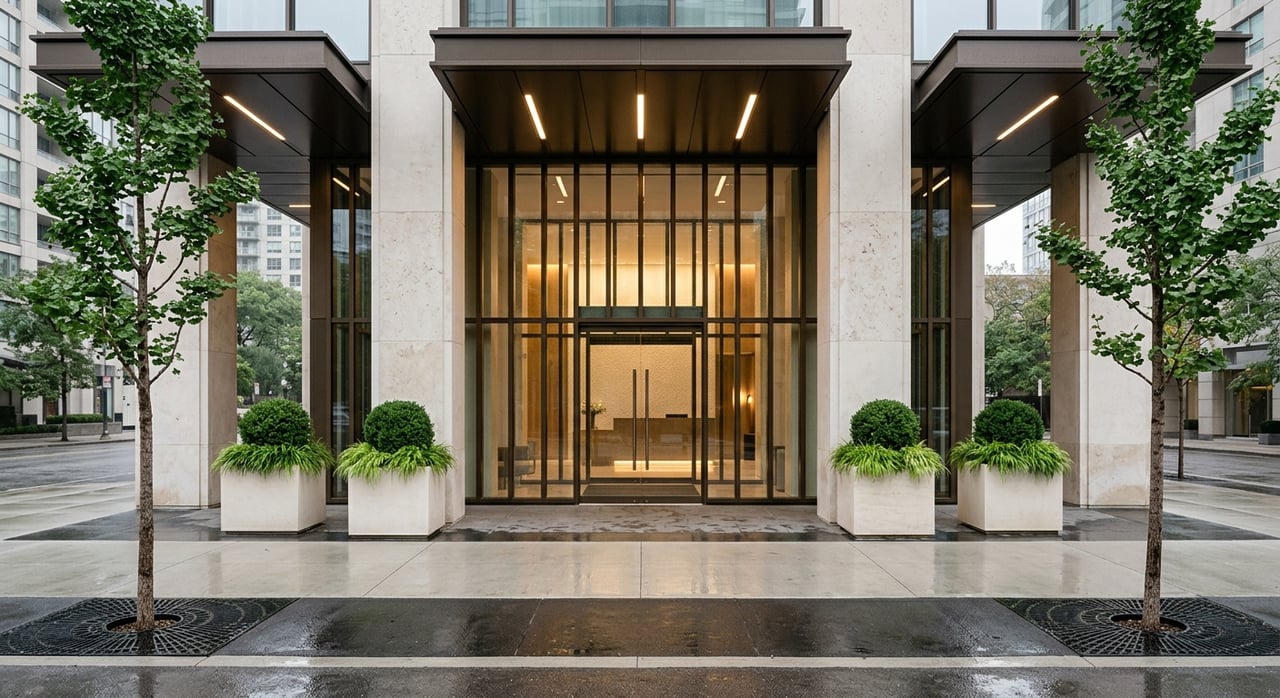
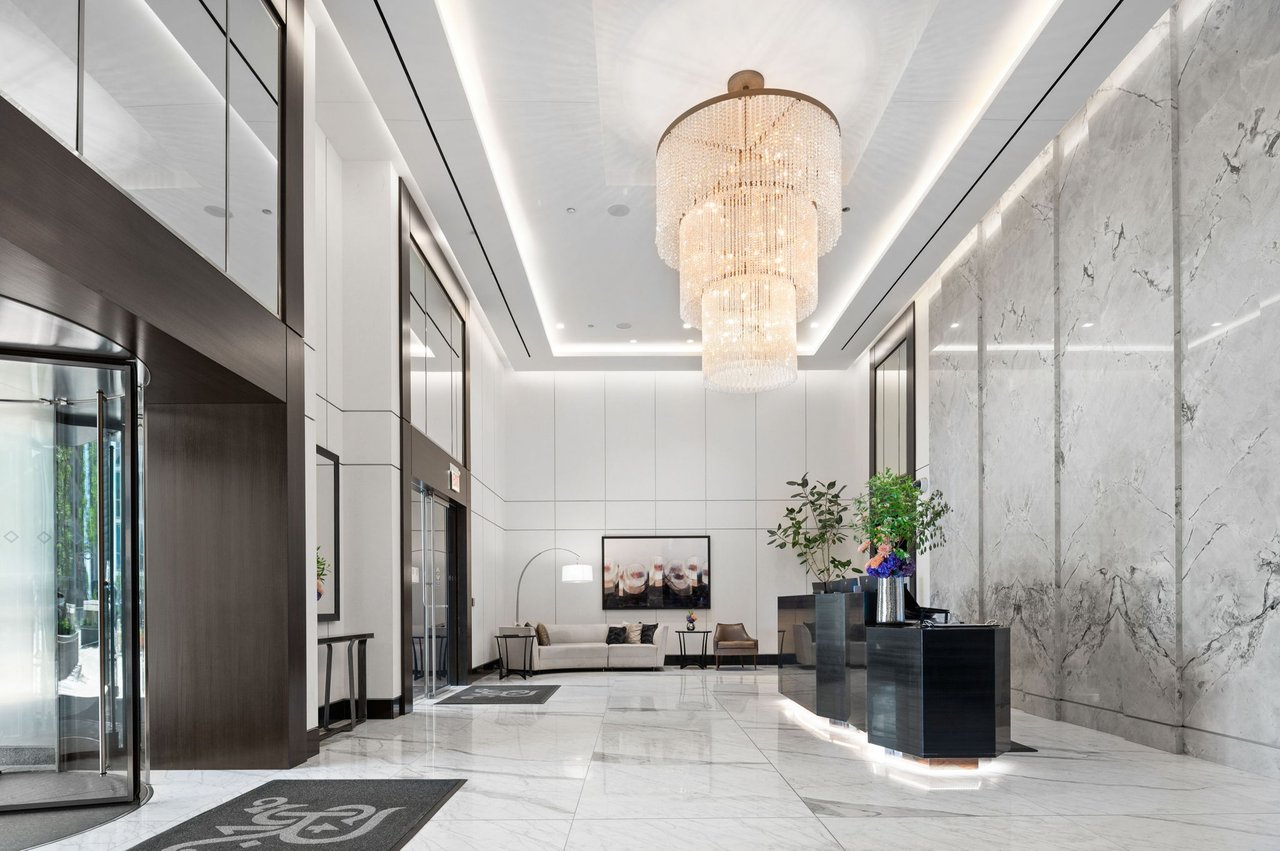
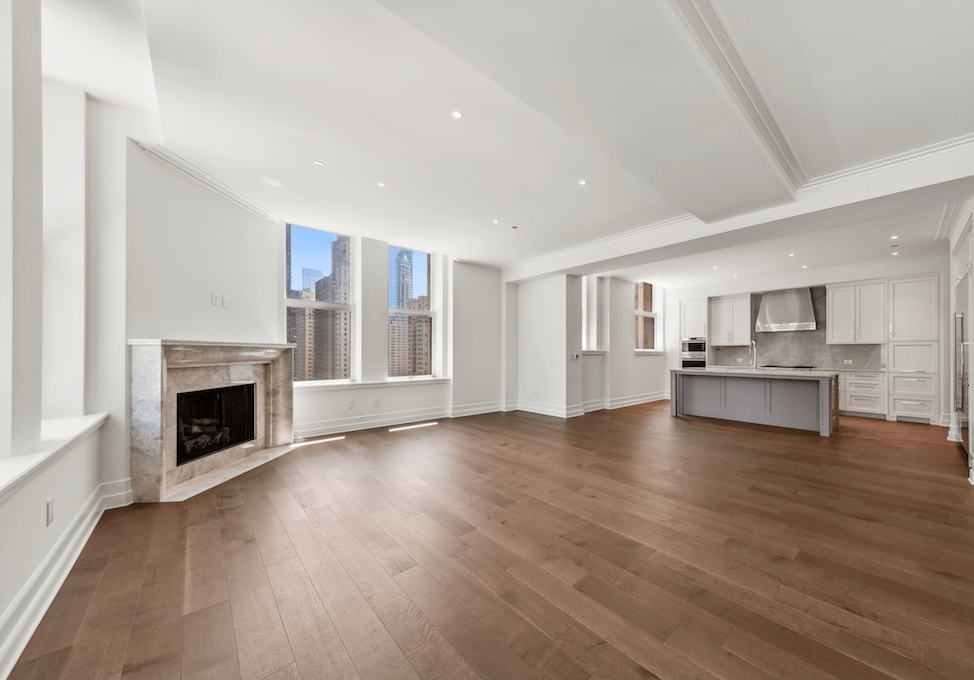
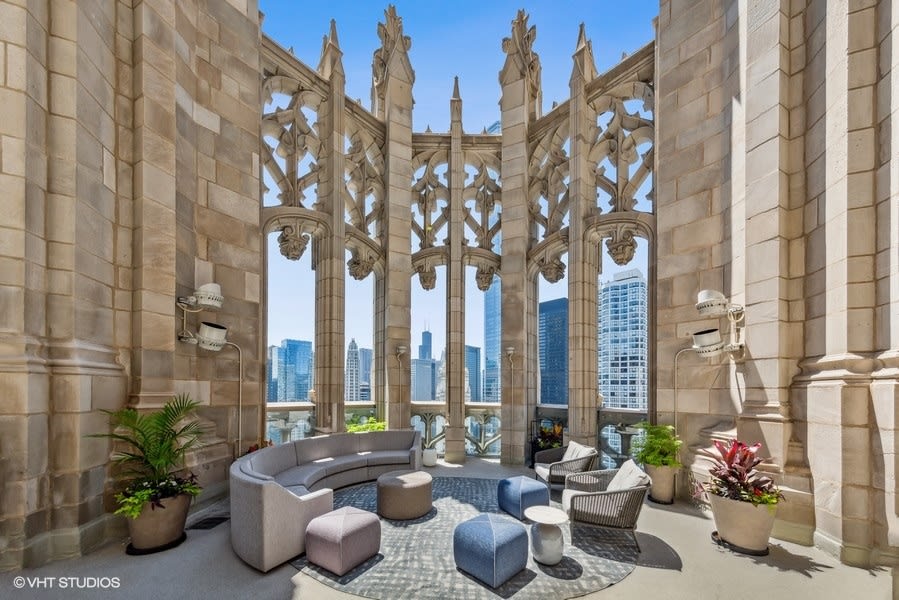
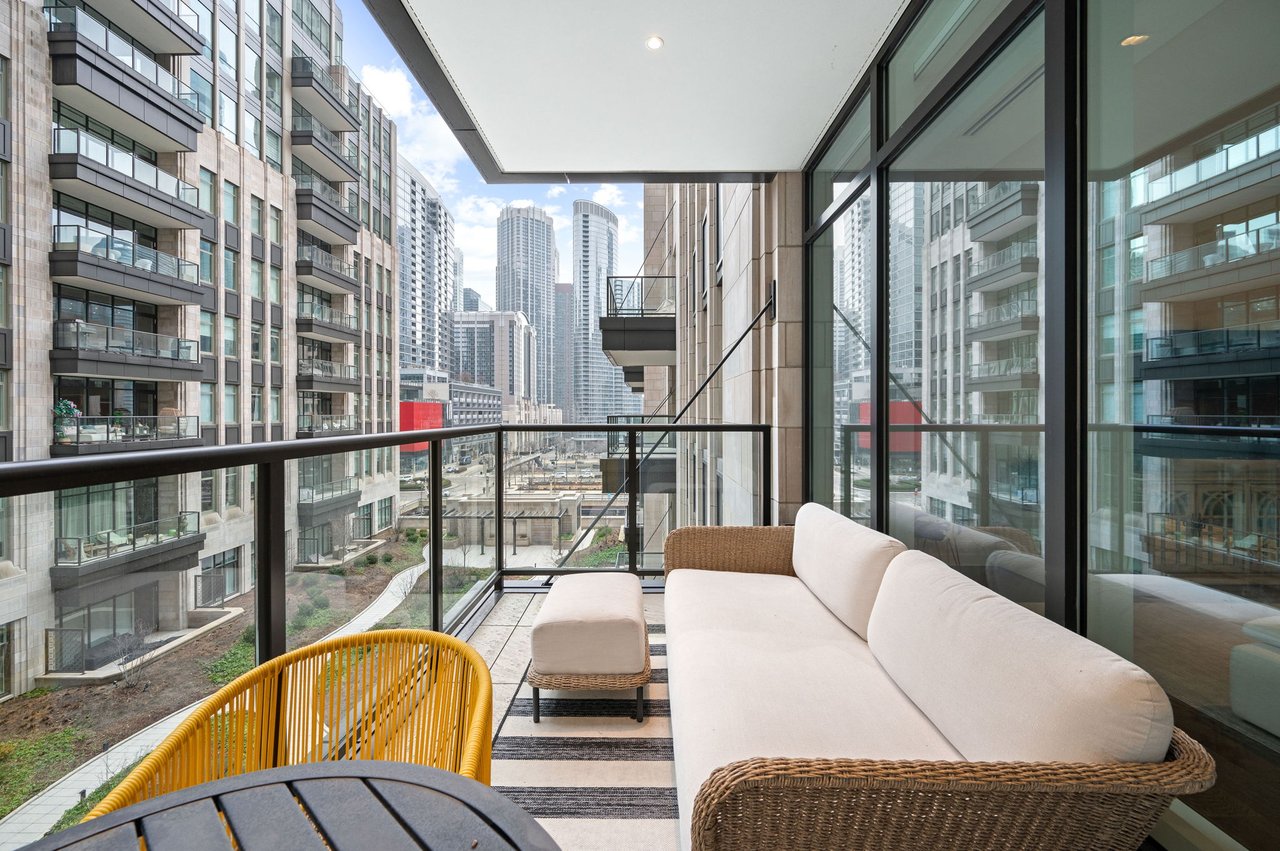
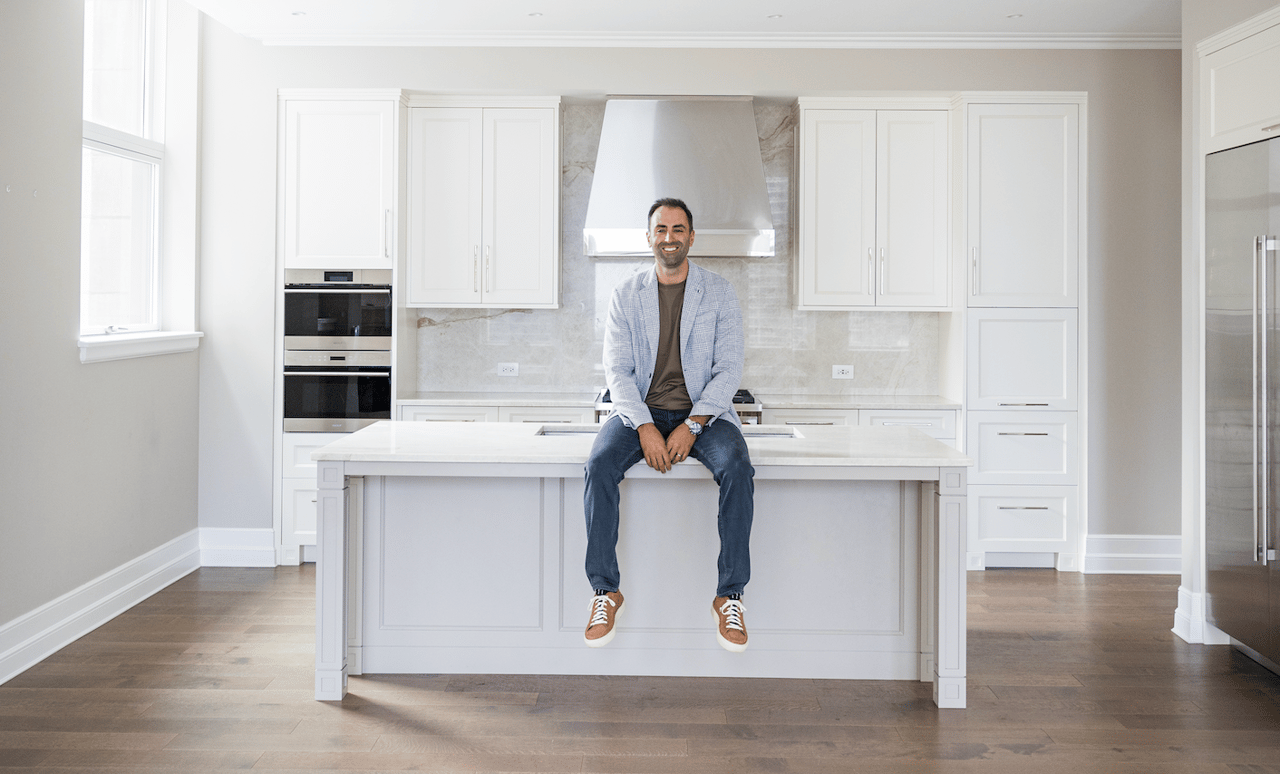
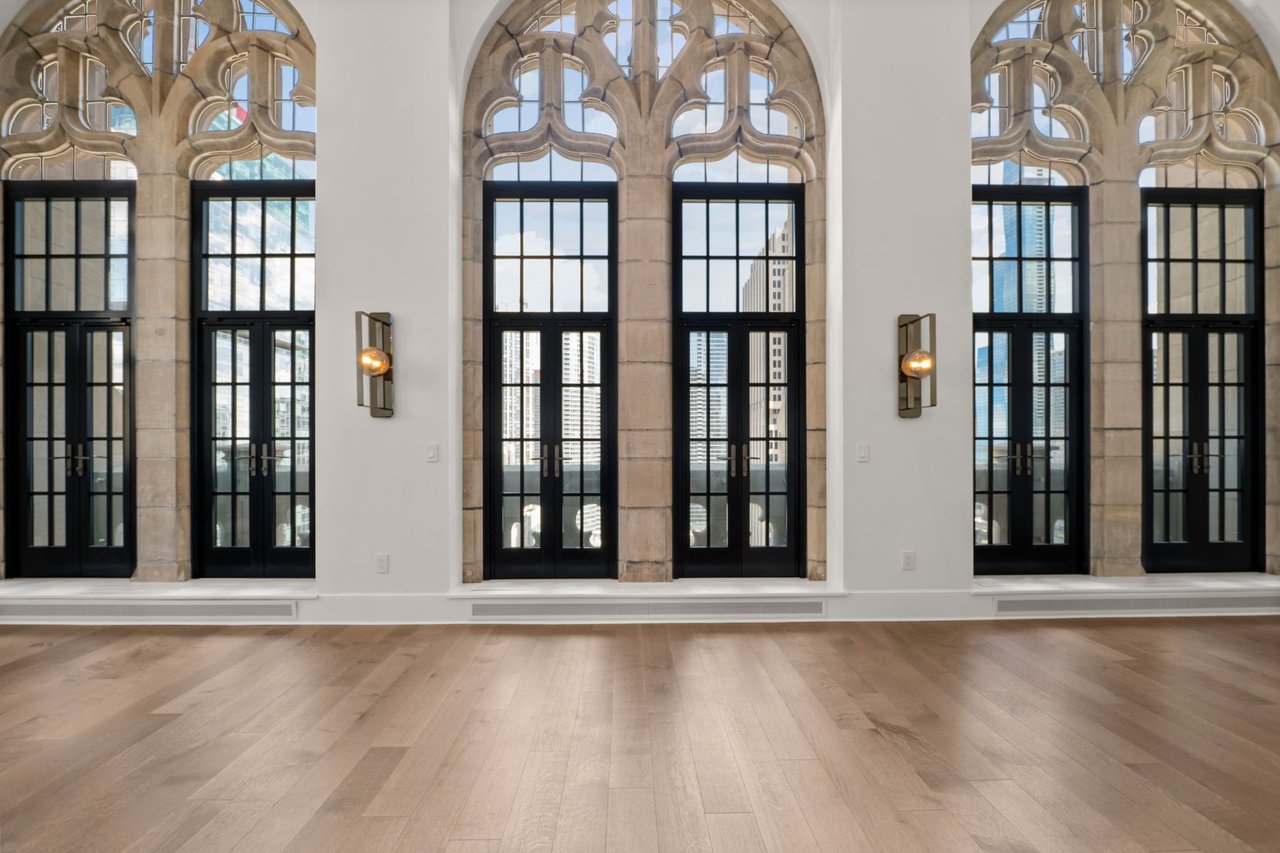
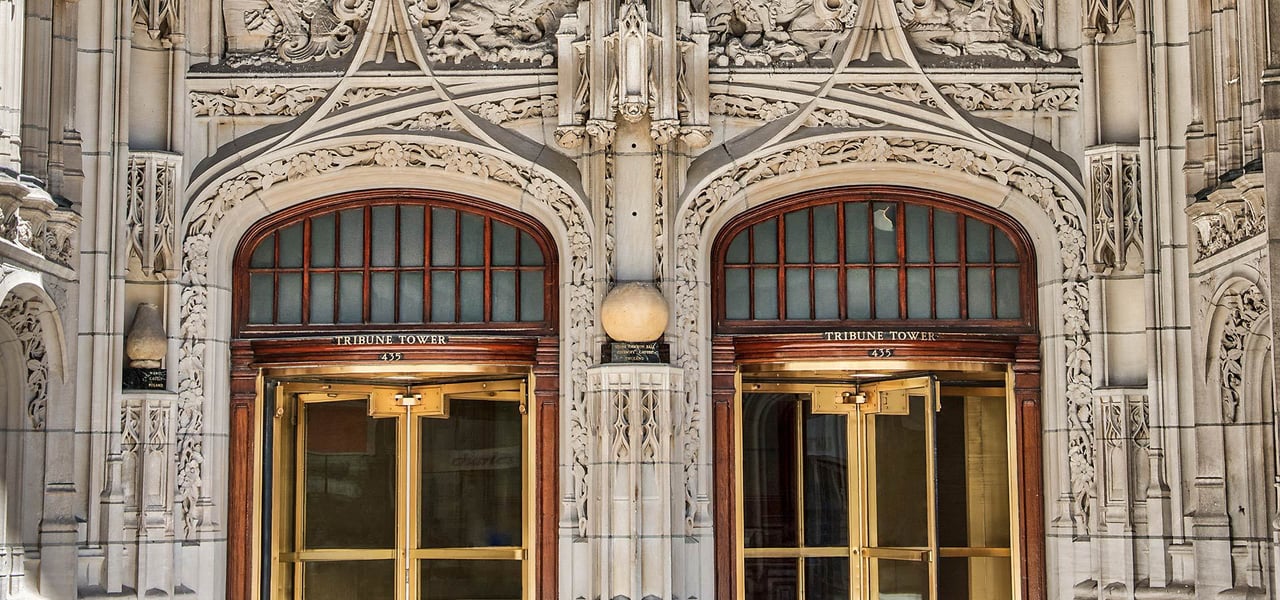
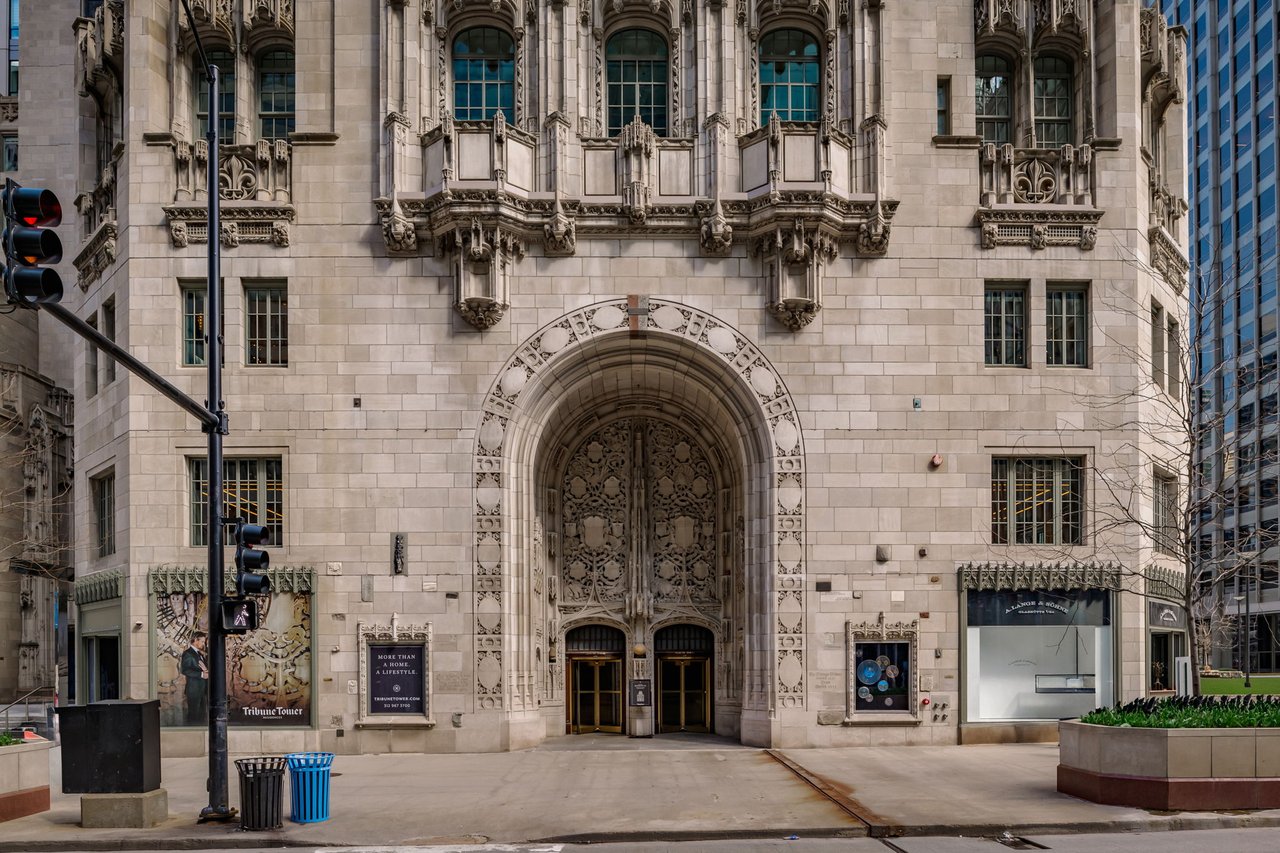
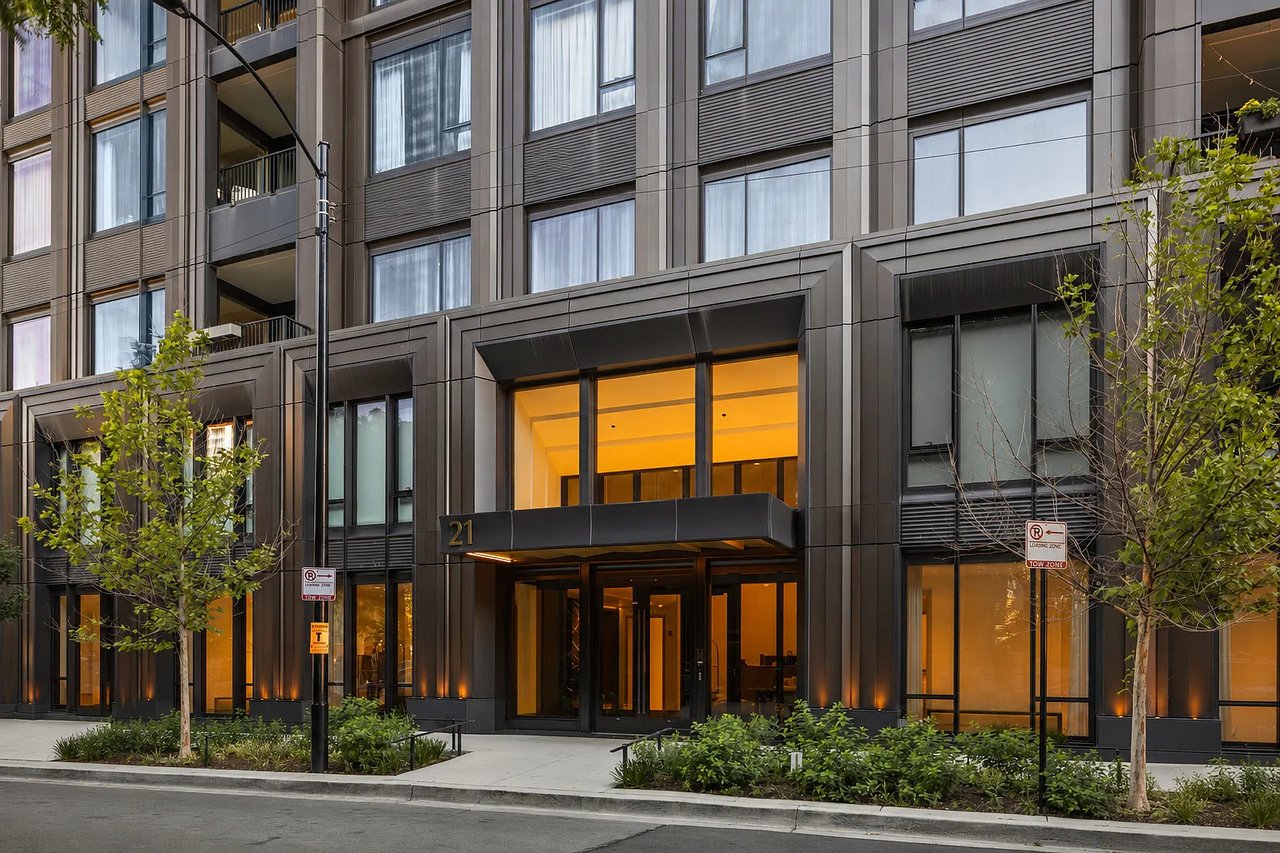
That might sound like an odd compliment, but I think it's one of the highest compliments you can give architecture. The spaces feel balanced. The proportions feel intentional. The arched openings, custom millwork, warm materials and generous ceiling heights all work together without demanding your attention. Nothing feels overly theatrical or designed simply to photograph well for a marketing brochure.
Ironically, restraint is often much harder to execute than extravagance. It requires confidence from the architect and the developer to resist trends that will almost certainly look dated a decade later. When I walk buyers through The Embry today, I don't find myself explaining why the design works. It simply does.
To me, that's one of the clearest signs of architecture that will continue to age gracefully.
Luxury Buyers Have Changed
One of the biggest shifts I've noticed over the last several years has very little to do with finishes.
Luxury buyers have become significantly more informed.
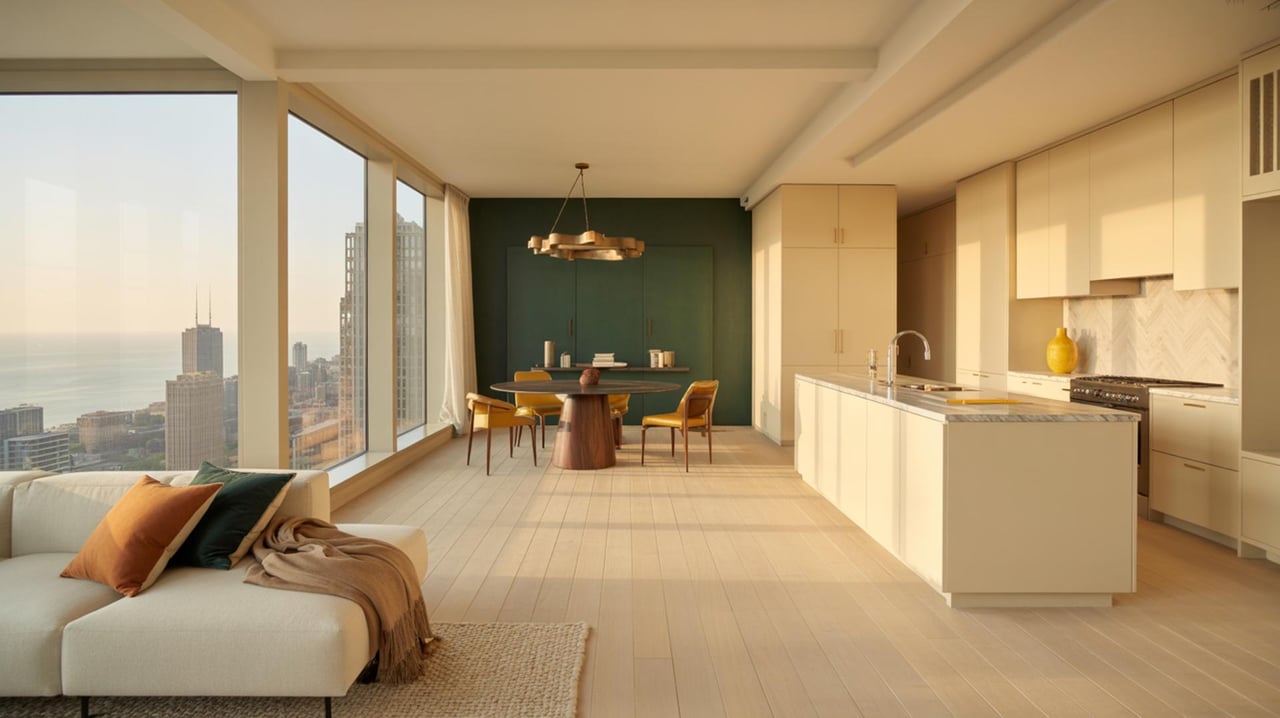
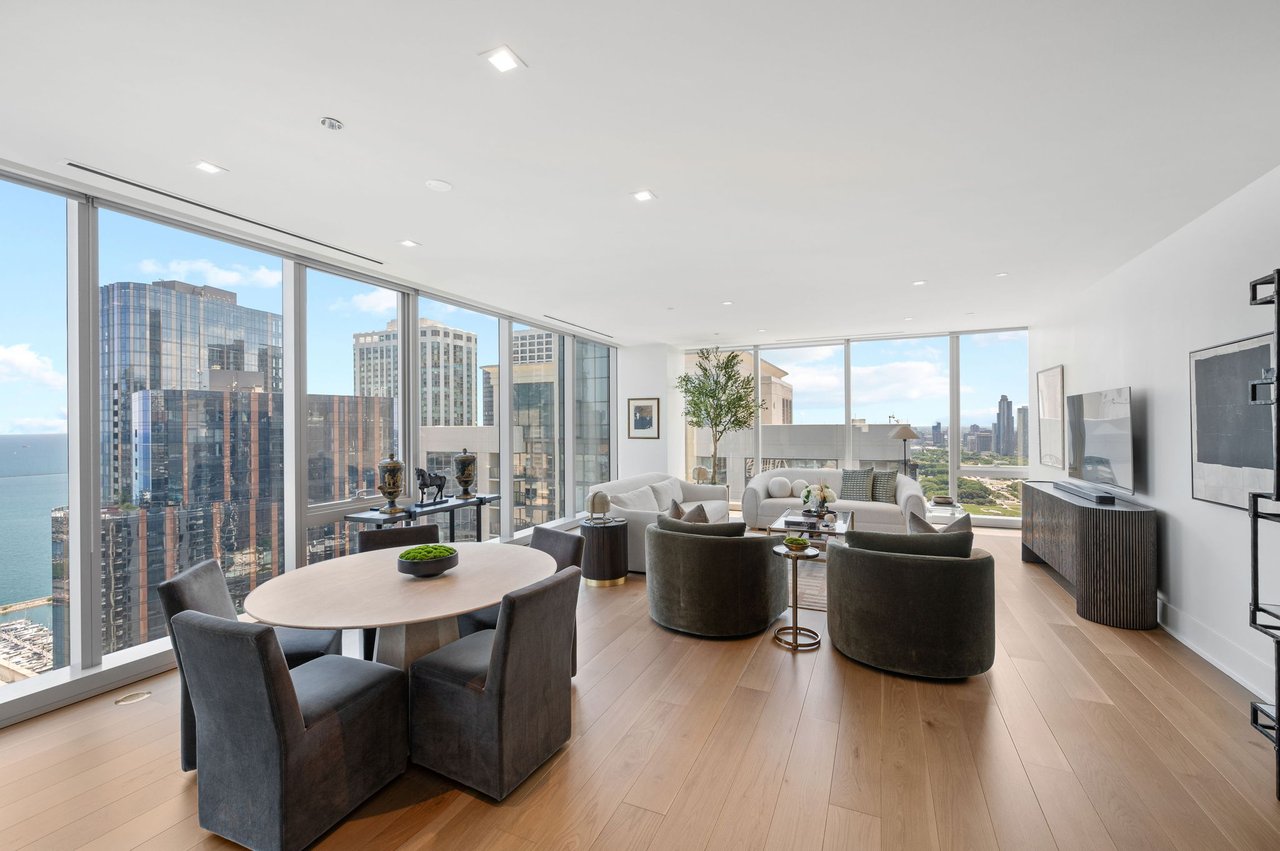
Early in my career, conversations centered around appliance packages, countertops and spa bathrooms. Those details still matter, but today they're expected. What buyers ask about now is often much more interesting. They want to understand who's managing the building. They ask about reserve funds, long-term maintenance planning, the financial health of the association and whether ownership has been proactive since the building opened.
I actually think that's a positive change.
When you're purchasing a luxury residence, you're also buying into an organization that's responsible for protecting one of your largest assets. Beautiful interiors can always be renovated. Poor management decisions are much more difficult to undo.
The Embry has always felt well positioned for this new generation of buyers because the conversation naturally extends beyond the residence itself. People aren't simply buying a beautiful home. They're buying into a building that was thoughtfully conceived from the beginning.
Boutique Living Isn't for Everyone. That's Exactly the Point.
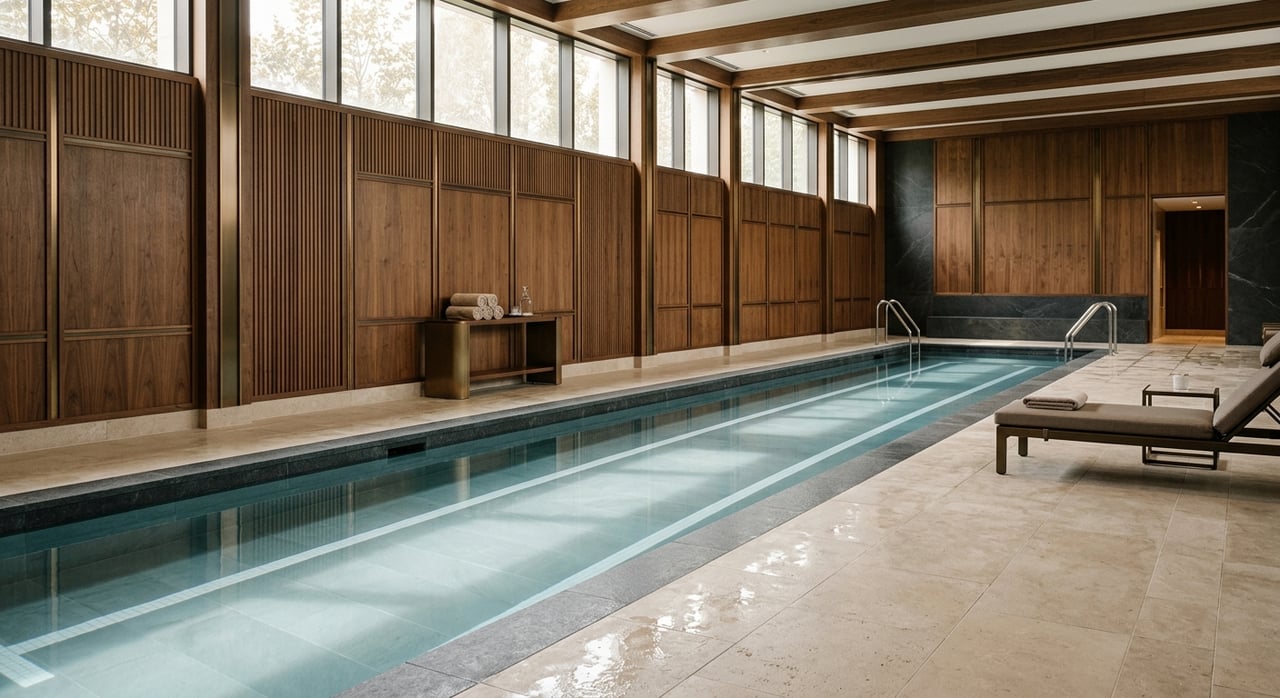
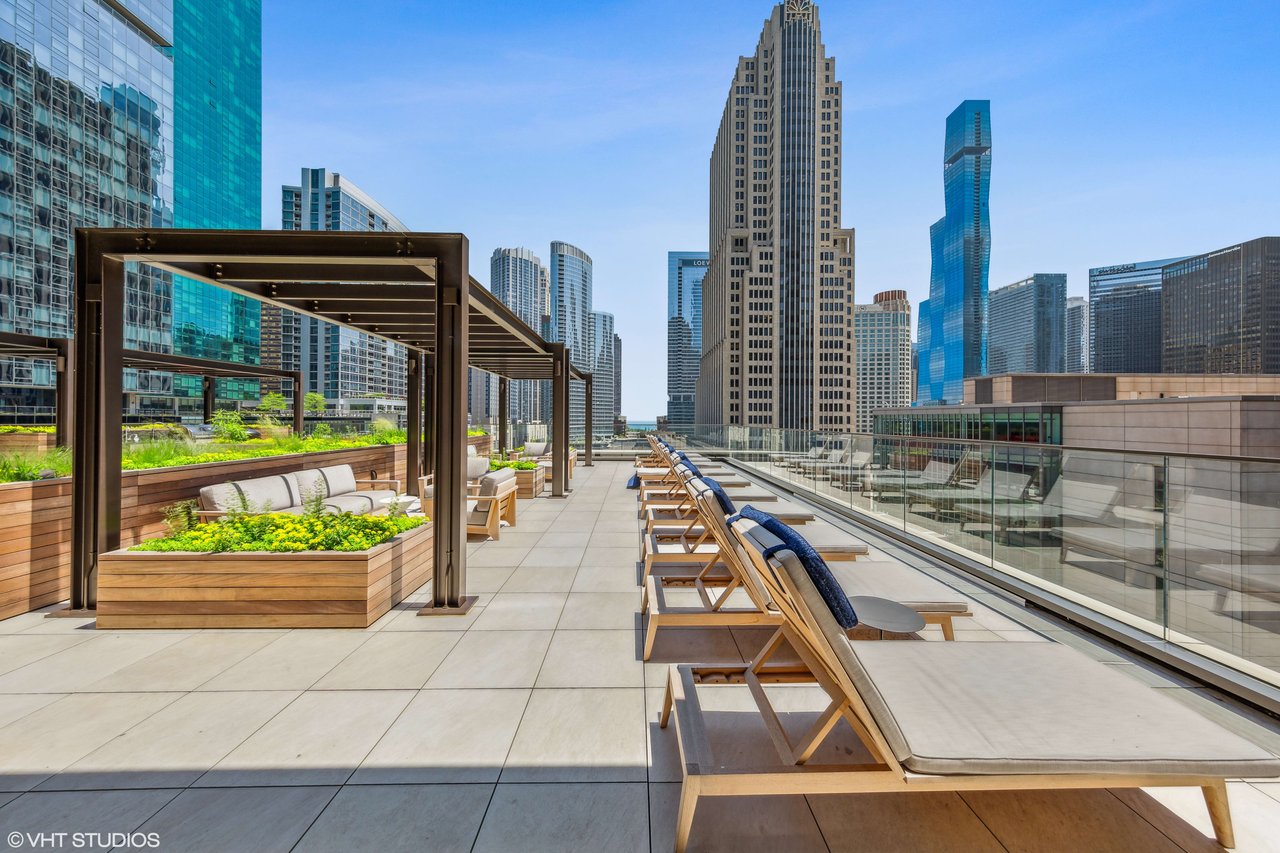
Chicago has some exceptional luxury towers, and many offer amenity packages that are genuinely impressive. Pools, golf simulators, private dining rooms, extensive fitness facilities and full-service staffs all create a particular lifestyle that appeals to many buyers.
The Embry offers something different.
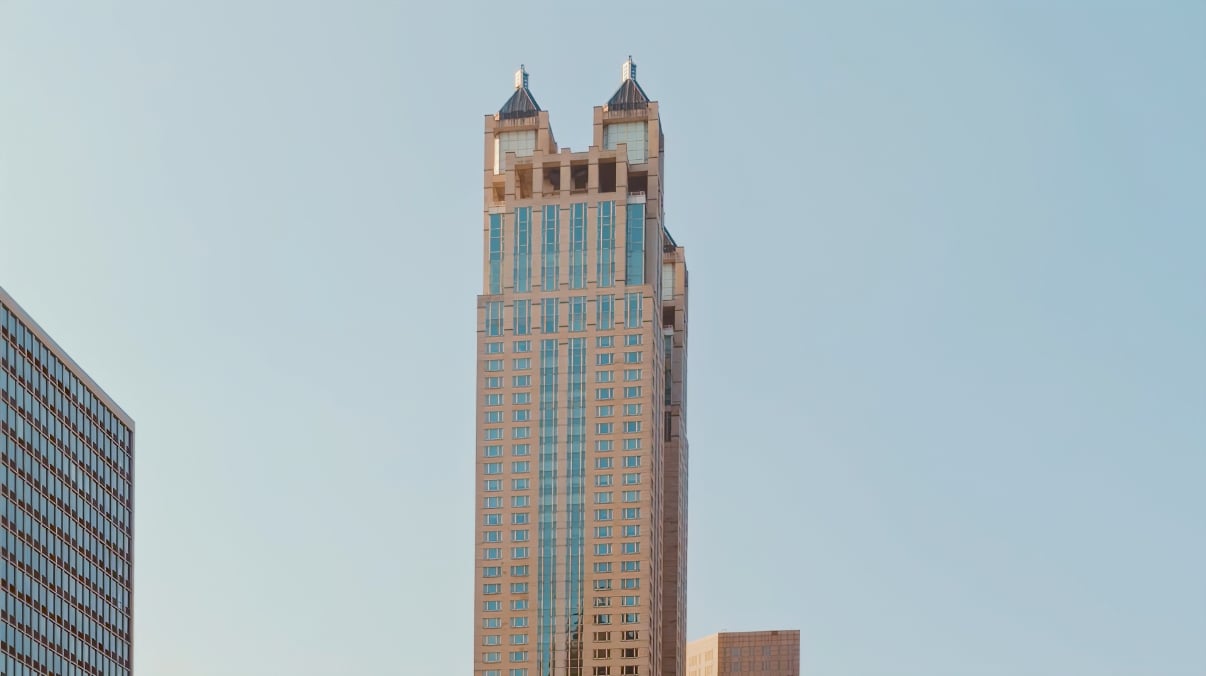
With just 58 residences, the building feels noticeably more intimate than many of the larger luxury developments throughout the West Loop. Owners recognize one another. Common spaces remain quiet. Elevators rarely feel crowded. There's a level of familiarity that's difficult to create in a building with several hundred residences.
Those aren't things buyers necessarily appreciate during a thirty-minute showing.
They're things owners appreciate after living there for several years.
I've found that many experienced buyers eventually stop chasing the longest amenity list and begin prioritizing how a building actually functions day after day. The Embry strikes that balance remarkably well. It provides the conveniences people genuinely use without creating the scale that can sometimes make larger buildings feel more like hotels than homes.
The Neighborhood Has Matured Alongside the Building
The West Loop isn't an emerging neighborhood anymore.
It's one of Chicago's premier luxury markets.
That distinction matters because neighborhoods evolve just like buildings do. Restaurants come and go. Retail changes. New developments rise while others begin showing their age. Over time, what remains are the locations that consistently offer an exceptional quality of life.
I think The Embry has benefited from that evolution.
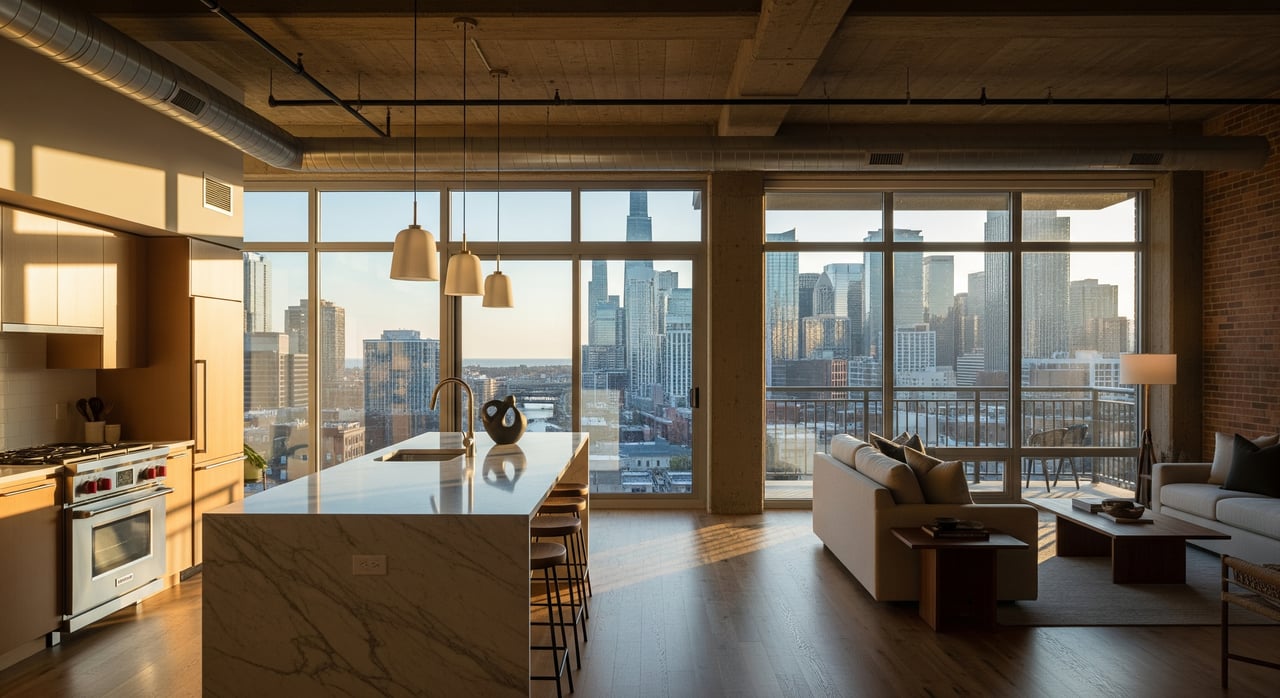
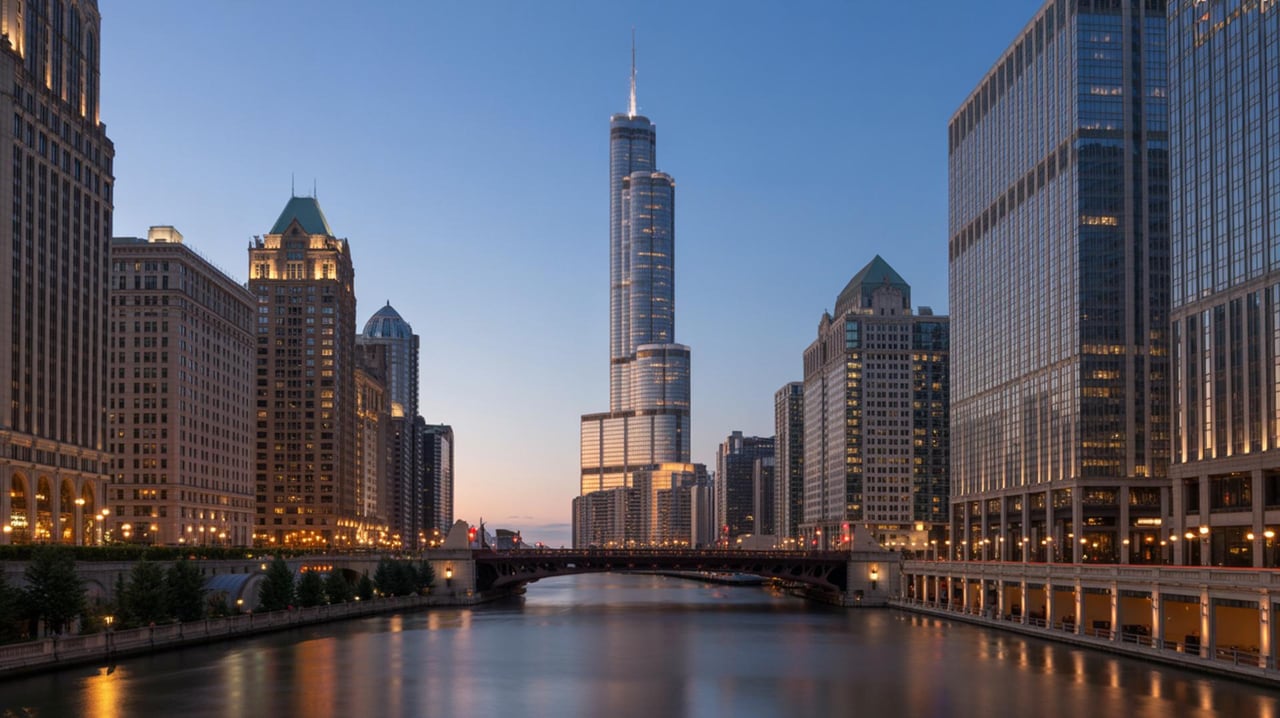
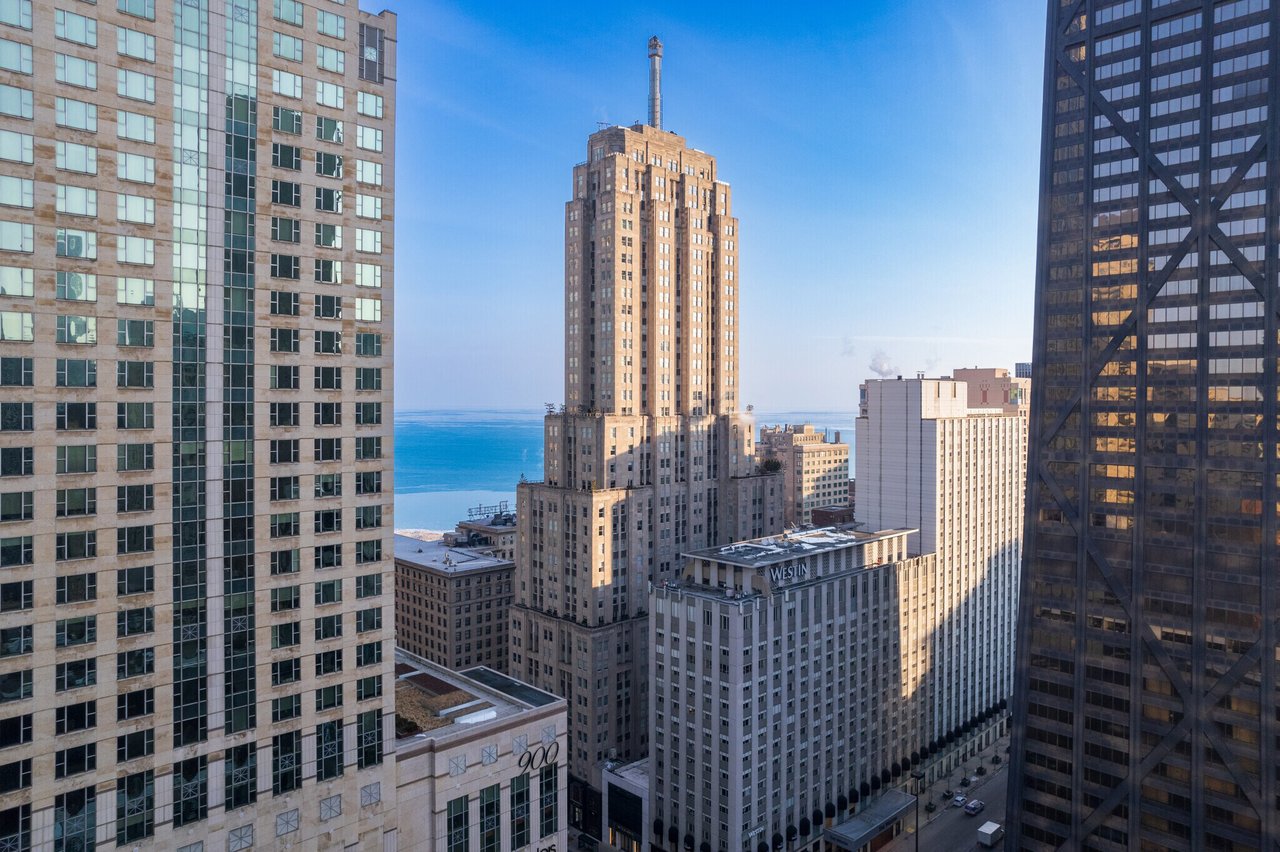
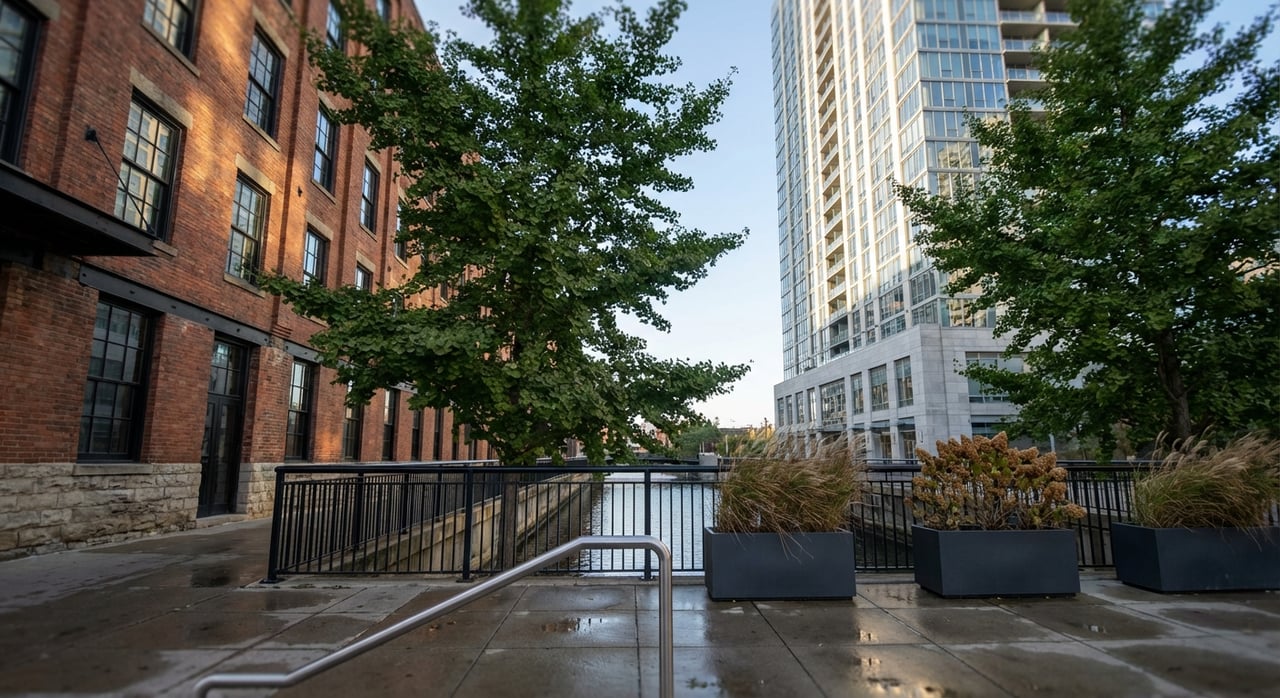
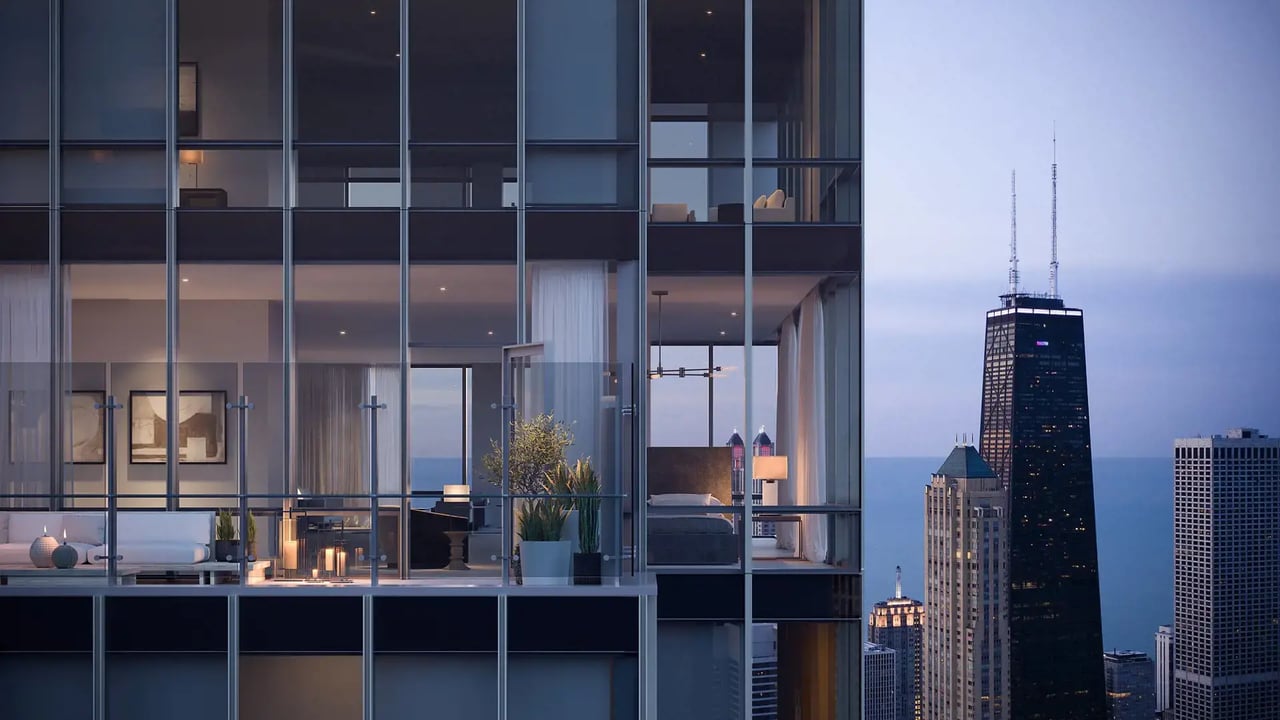
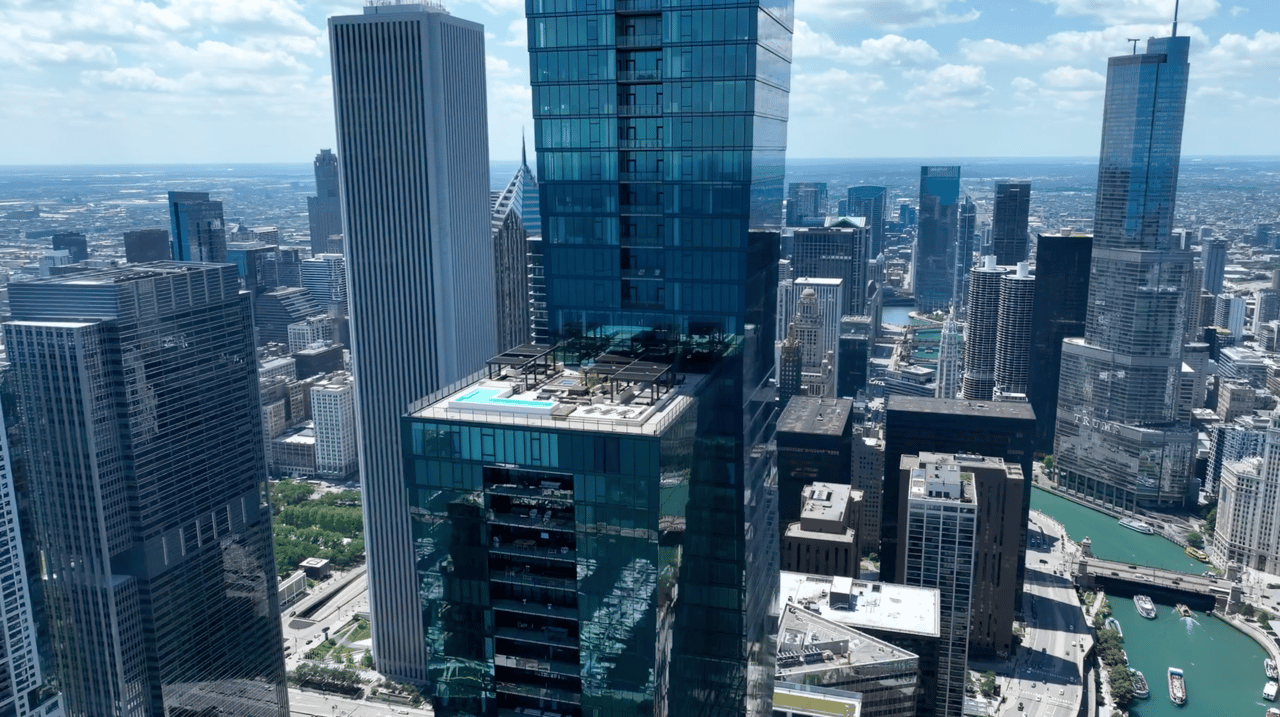
Its location provides immediate access to Fulton Market, Randolph Street and everything that has made the neighborhood one of the city's most desirable places to live, while still maintaining a quieter residential feel. Buyers increasingly appreciate that balance. They want to be close to the energy without necessarily living in the middle of it.
As the West Loop continues to mature, I believe that positioning becomes even more valuable.
What Selling Homes Here Has Taught Me
One advantage of specializing in individual buildings is that you begin noticing patterns that don't always appear in market reports.
I've now represented multiple buyers and sellers within The Embry, and each transaction has reinforced the same conclusion.
Demand isn't the issue.
Inventory is.
People don't often sell in this building, which means serious buyers frequently spend months waiting for the right opportunity. When a well-priced residence becomes available, the response is often stronger than many people expect from a boutique building with relatively few annual sales.
Most recently, I represented the seller of a two-bedroom residence that went under contract in less than a week. Assuming the transaction closes as expected, it will establish the highest resale price ever achieved for a two-bedroom home in The Embry.
I don't mention that because I think records are the story.
I mention it because markets leave clues.
When buyers consistently compete for homes within the same building despite an increasing number of luxury options throughout the West Loop, it's usually because they've concluded the building offers something that can't easily be replicated.
That's exactly what I've observed at The Embry.
If you'd like to follow current inventory or see how values have evolved over time, my The Embry Chicago page is updated regularly with listings, recent sales and building-specific market information.
Why I Believe The Embry's Best Years Are Still Ahead
Real estate has always had a fascination with whatever is newest.
I've become much more interested in what's lasting.
The buildings that continue attracting discerning buyers ten or fifteen years after opening almost always have the same characteristics. They're thoughtfully designed. They're appropriately scaled. They're well managed. They're located in neighborhoods that continue improving around them. Most importantly, they weren't designed to chase trends that would eventually disappear.
That's why I believe The Embry is positioned to age better than much of today's new construction.
Not because it has the largest amenity package.
Not because it's the tallest building in the neighborhood.
Not because it's the newest address in the West Loop.
I believe it will continue to stand apart because the qualities that make it exceptional aren't dependent on the year it was built. They're rooted in architecture, craftsmanship, proportion and an ownership experience that, in my opinion, becomes more valuable over time rather than less.
I've walked through hundreds of luxury residences across Chicago, and one thing has become increasingly clear. The buildings with the strongest reputations are rarely the ones that generated the most excitement on opening day. They're the ones buyers continue asking about years later.
I have every reason to believe The Embry will be one of those buildings.
Thinking About Buying or Selling at The Embry?
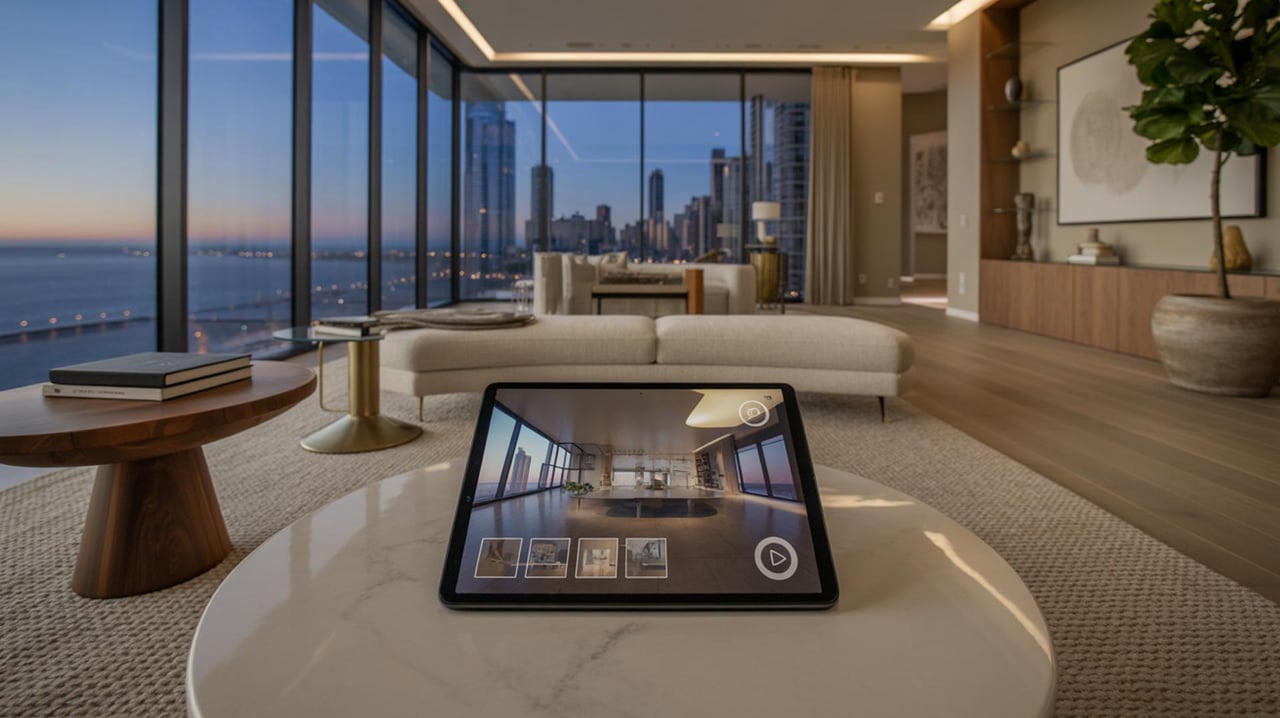
Whether you're actively considering a move or simply following the market, I encourage you to spend time understanding the building beyond the listing photos. The architecture, ownership experience and long-term market performance tell a much more complete story than any property description ever could.
On my dedicated The Embry Chicago page, you'll find current listings, recent sales, floor plans, neighborhood information and ongoing market updates specific to the building. It's the resource I maintain for buyers and owners who want a deeper understanding of one of the West Loop's most distinctive luxury residences.