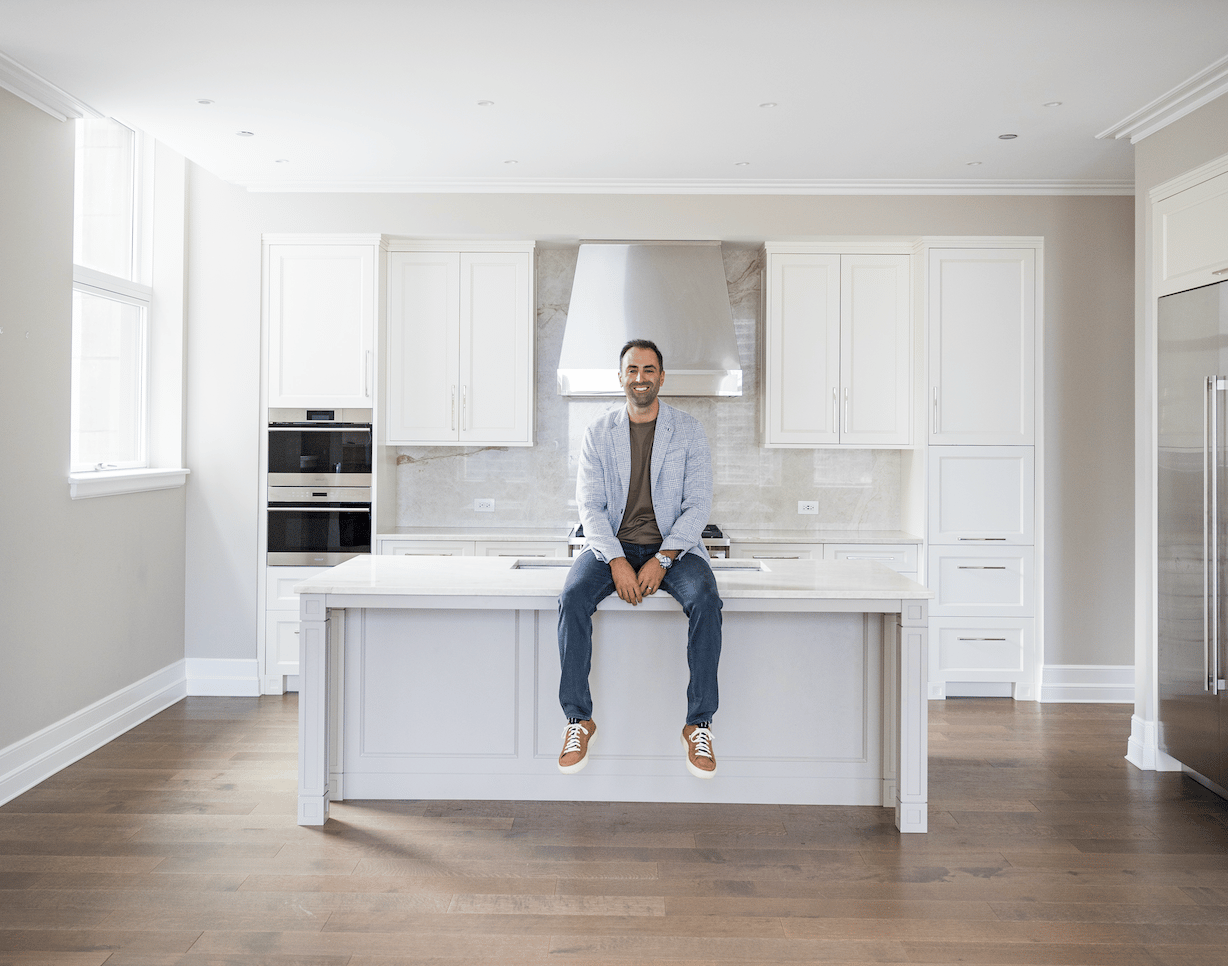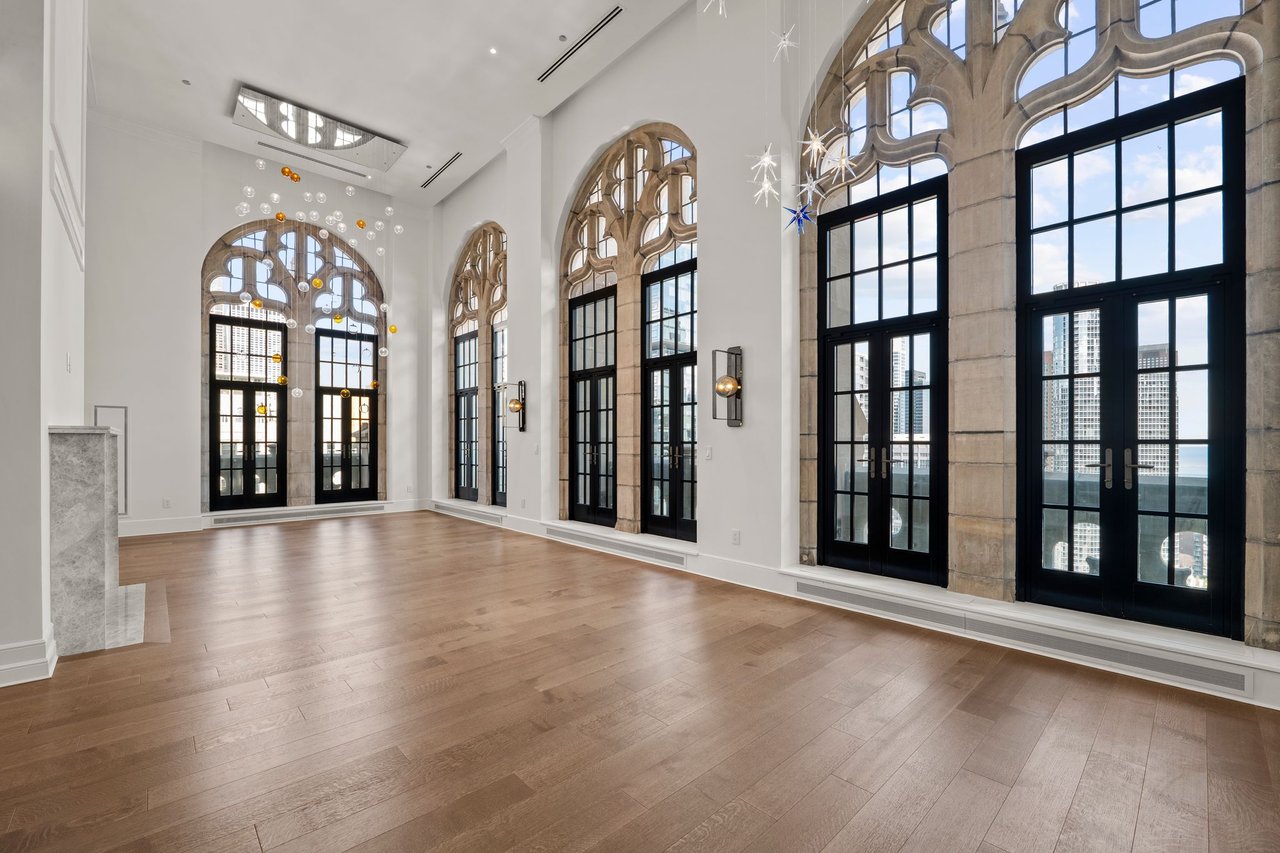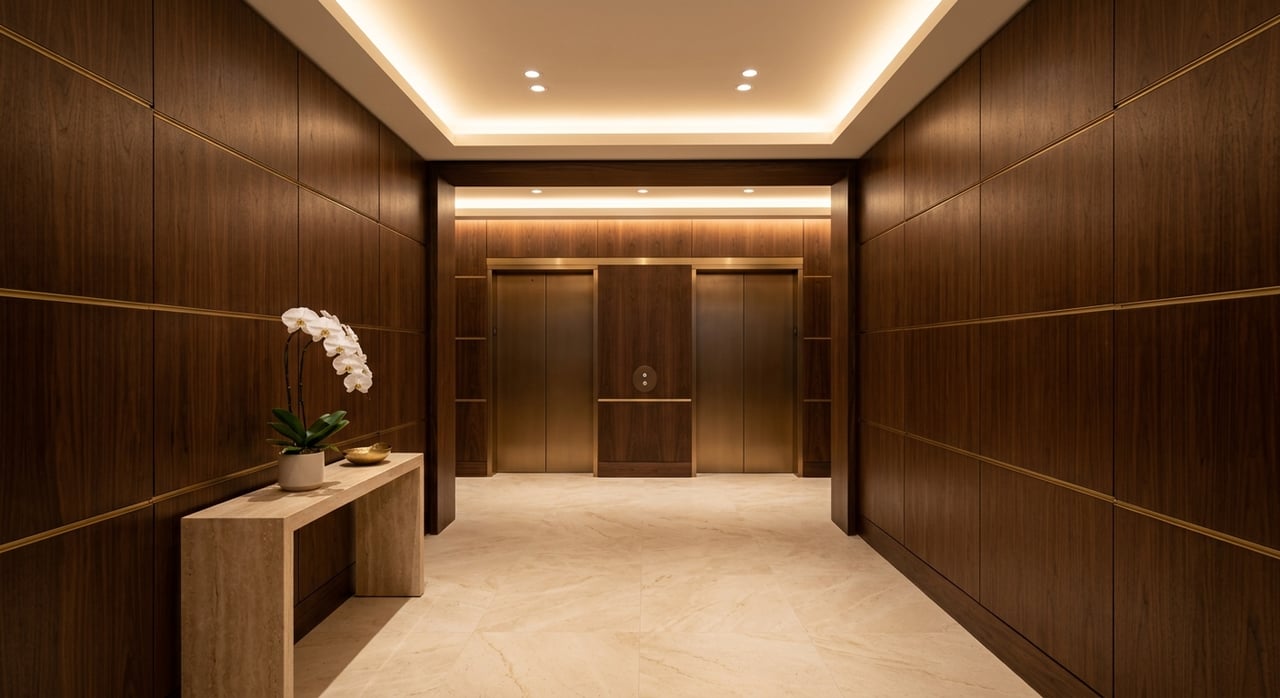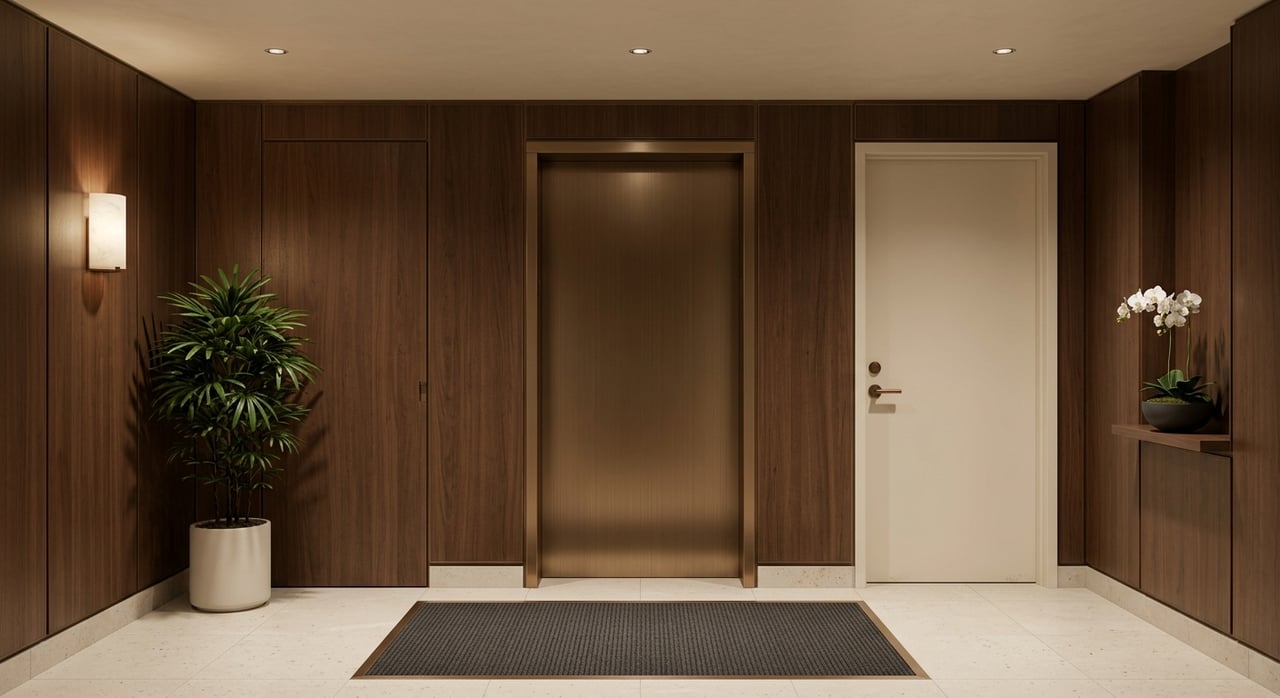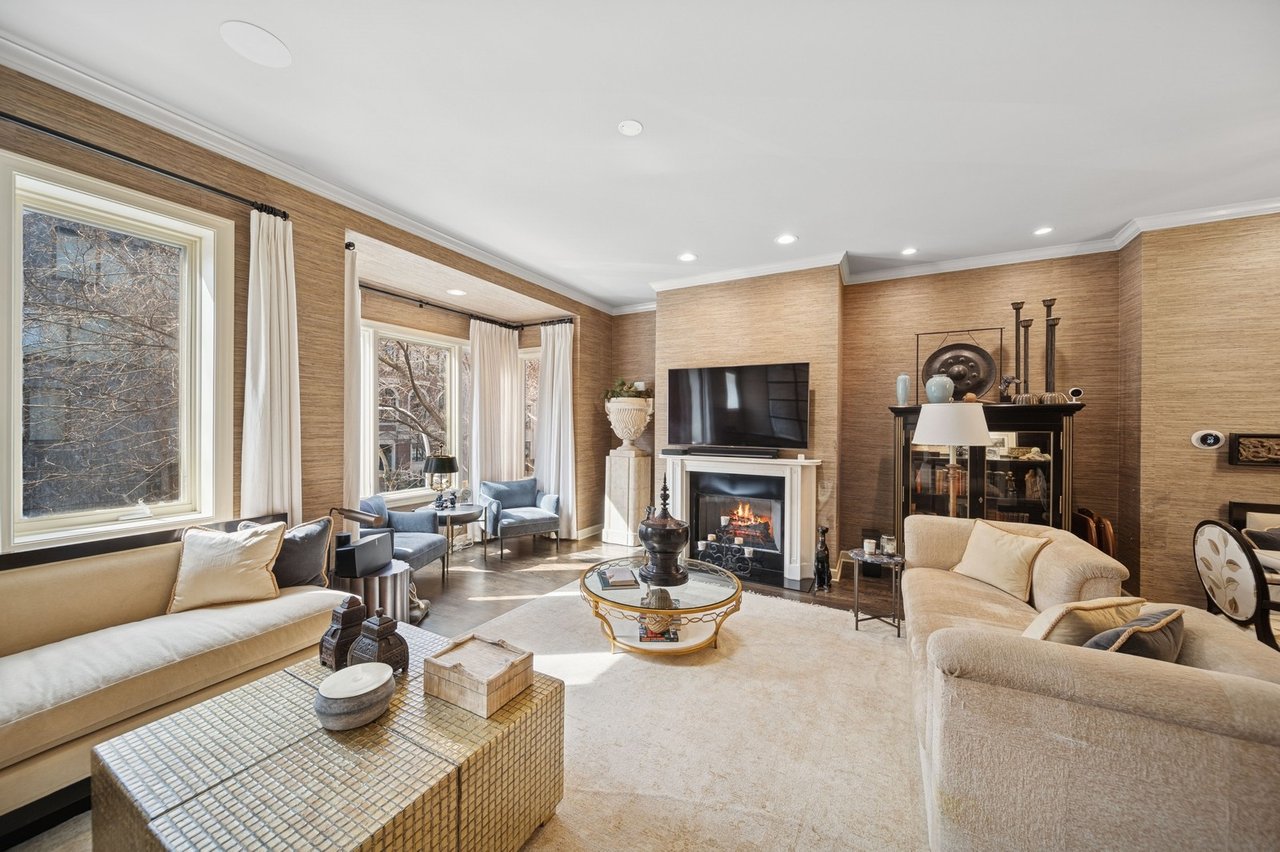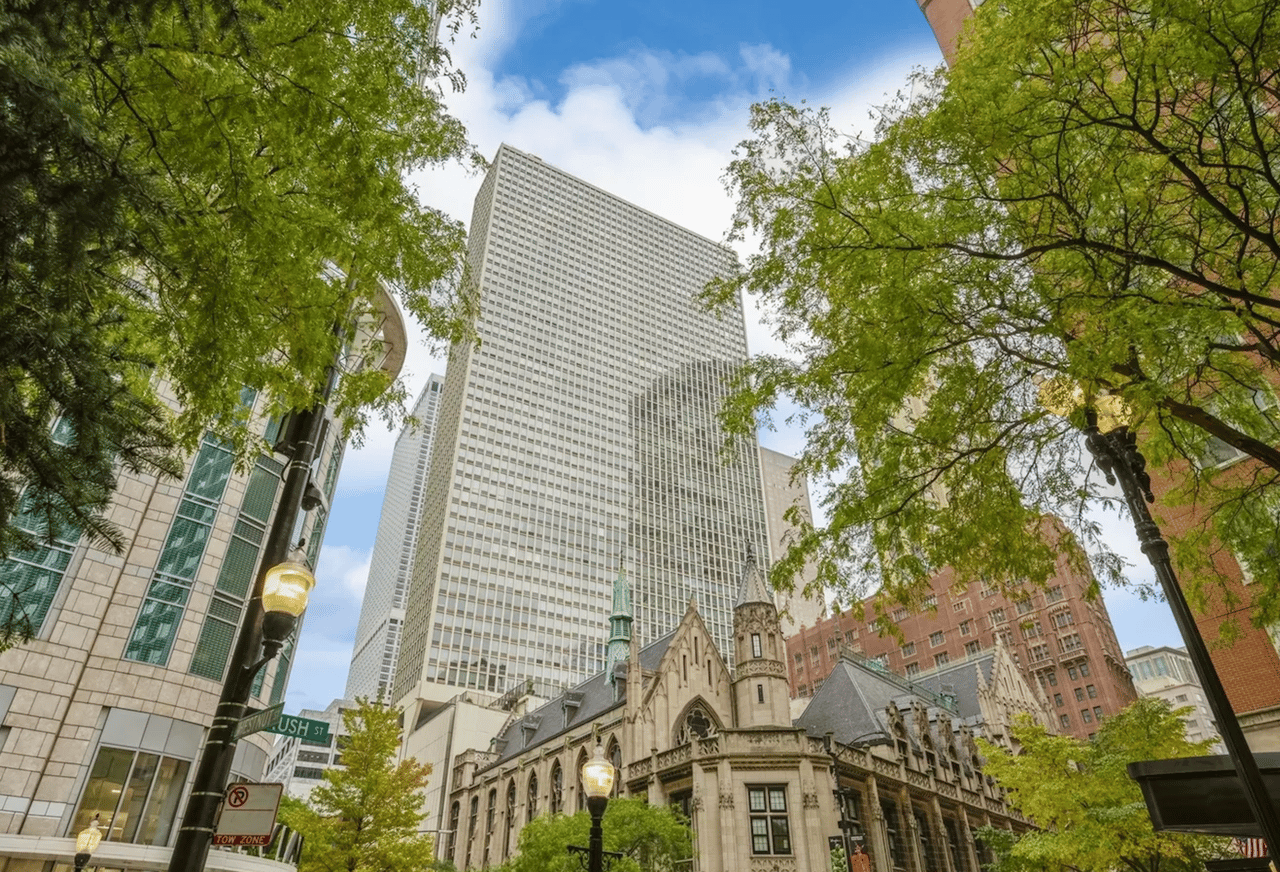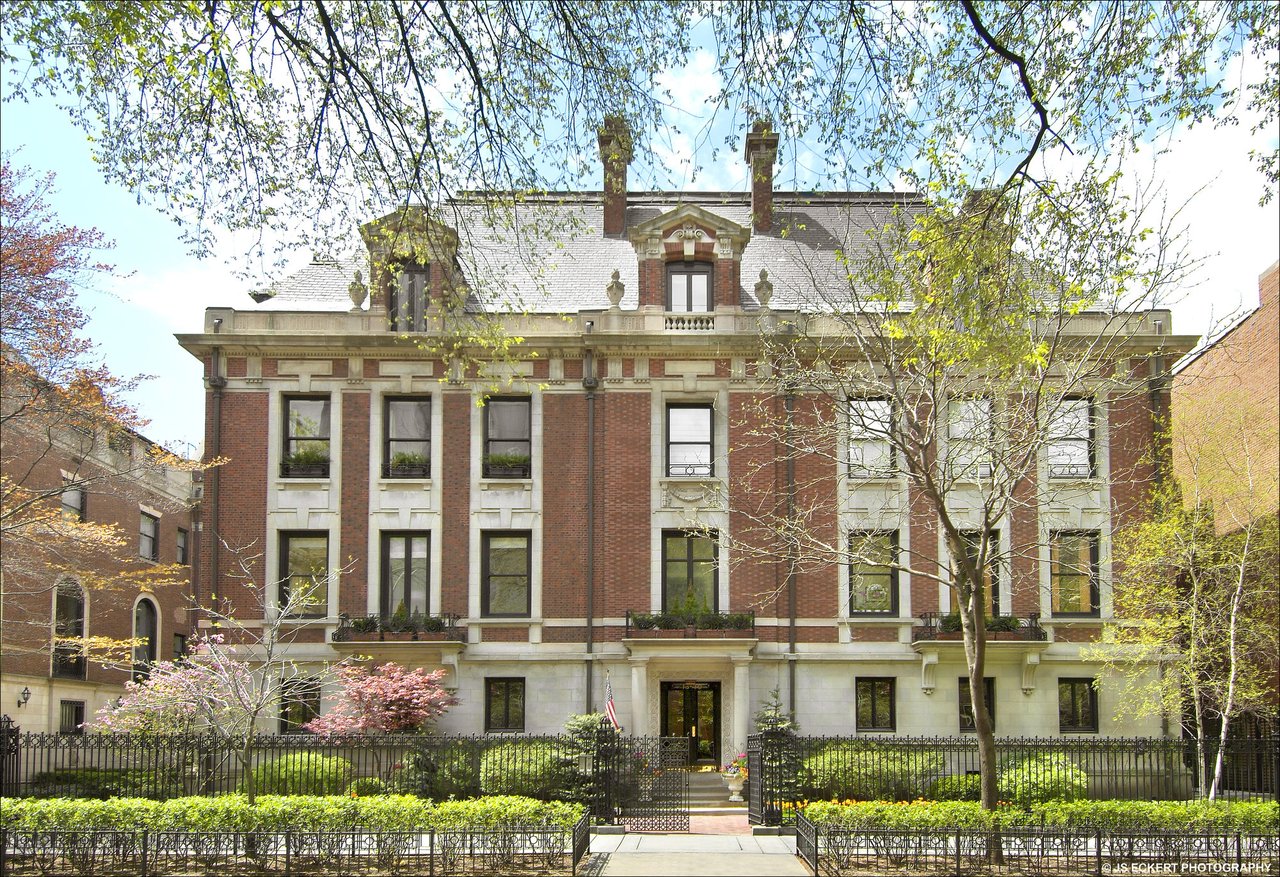
Few Chicago addresses carry as much built-in symbolism as Tribune Tower. If you are thinking about buying here, you are not just choosing a luxury condo. You are stepping into a landmark with a public identity, a layered redevelopment story, and an ownership experience shaped as much by the building itself as by your individual residence. This guide will help you look past the romance, understand the practical questions, and evaluate Tribune Tower with clarity. Let’s dive in.
Why Tribune Tower Feels Different
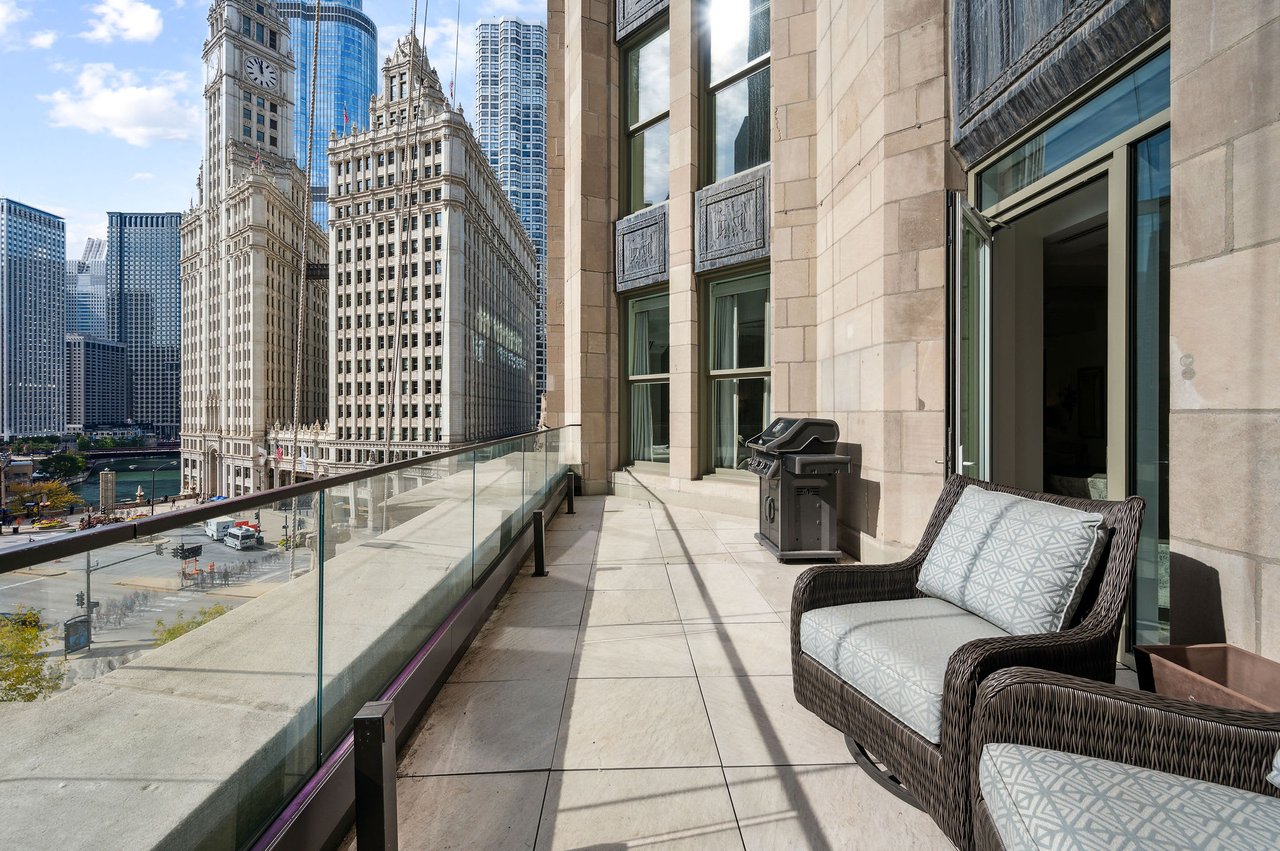
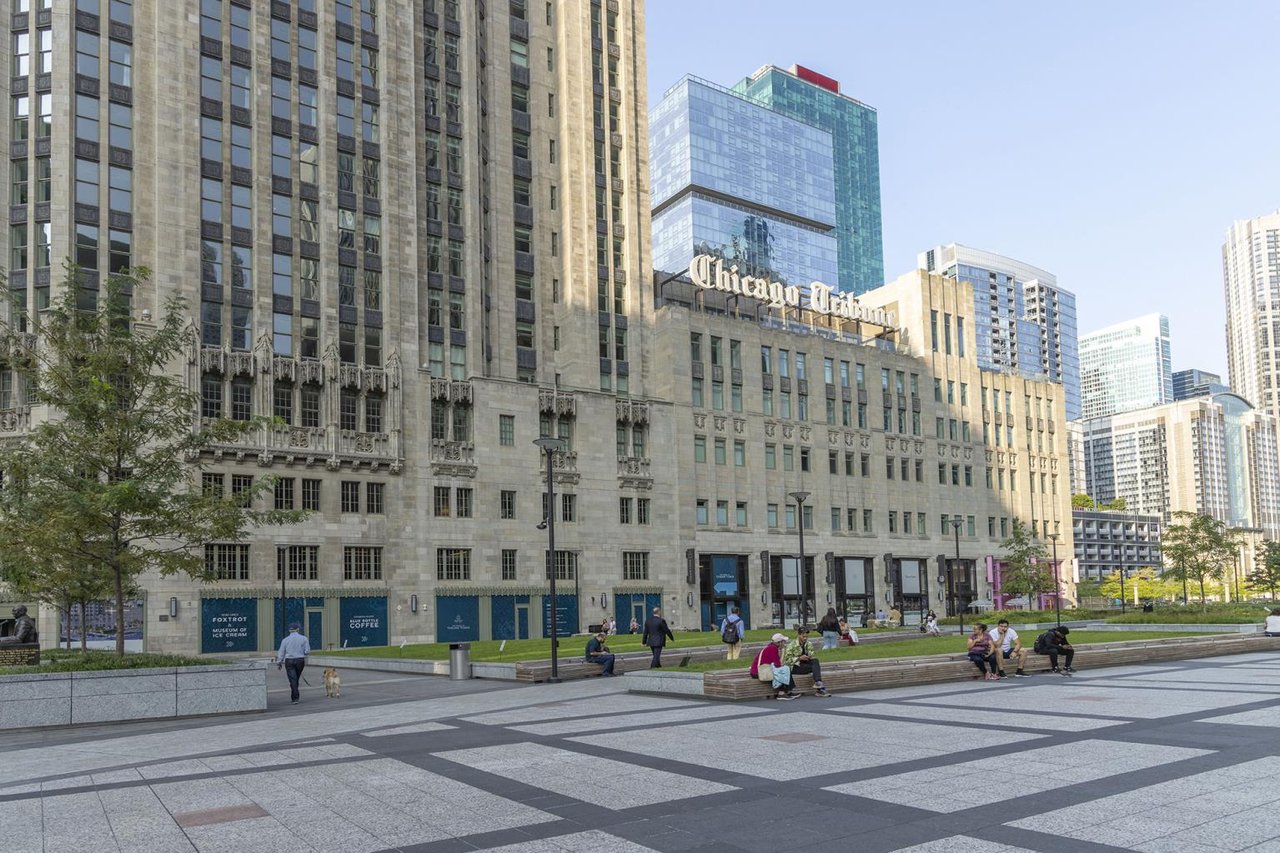
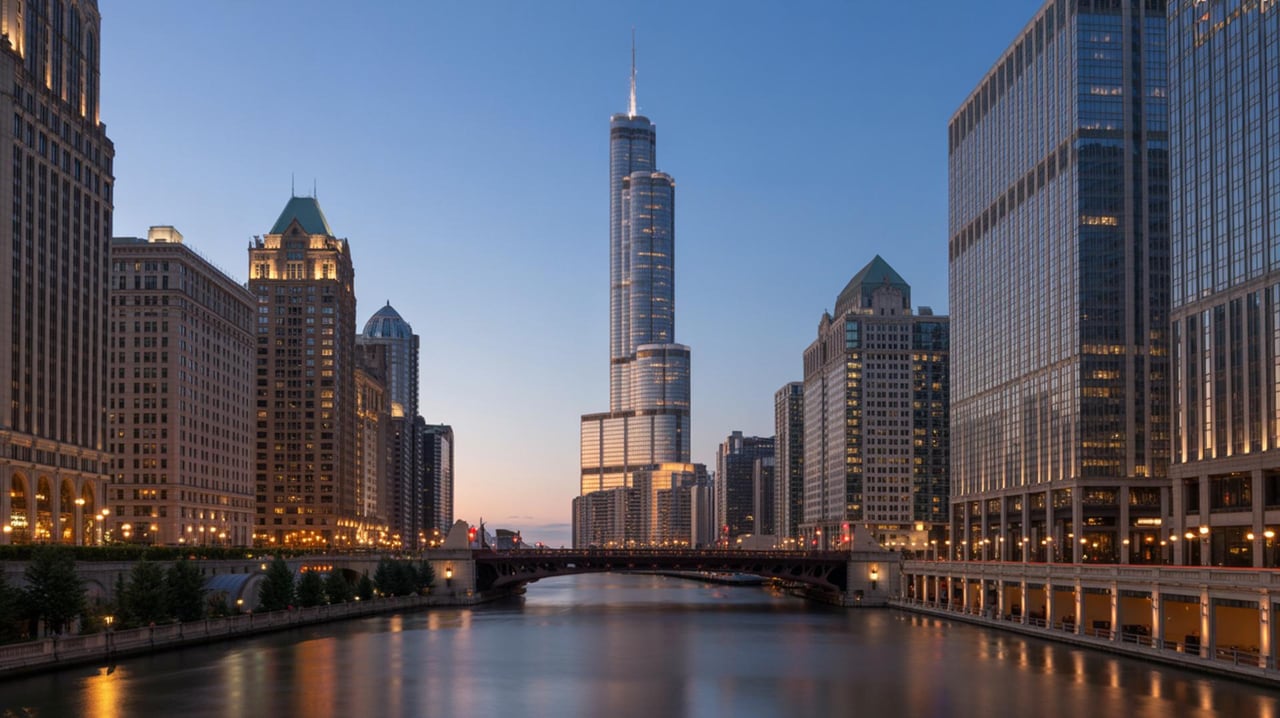
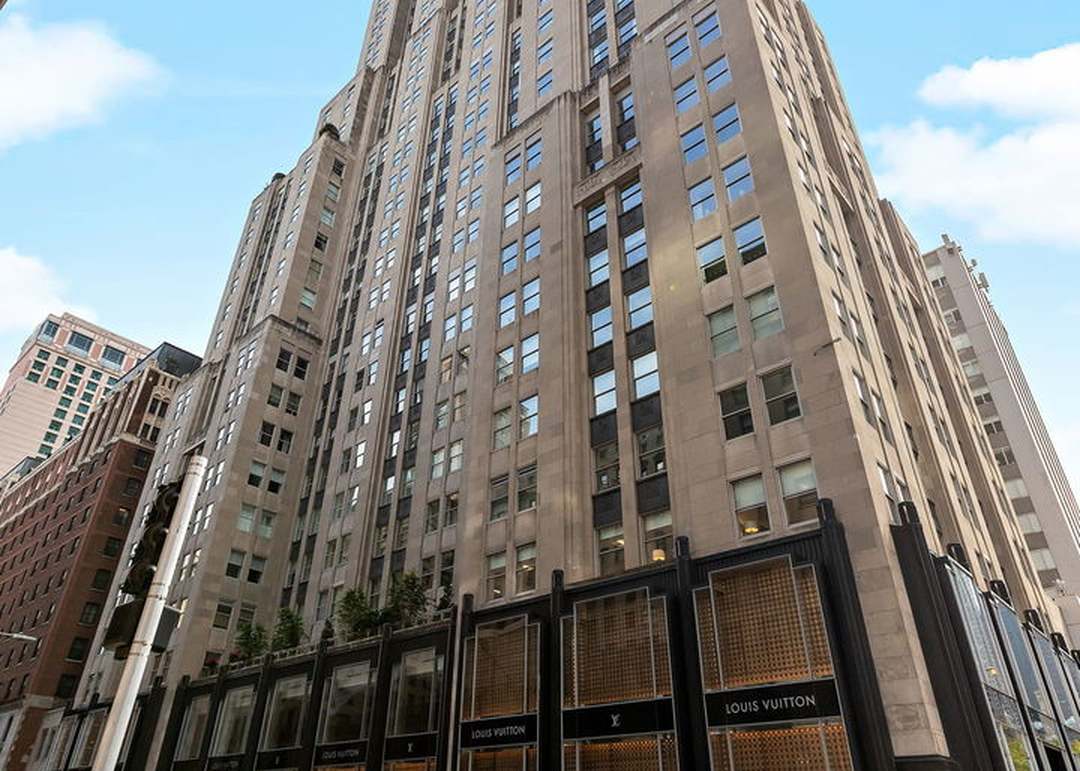
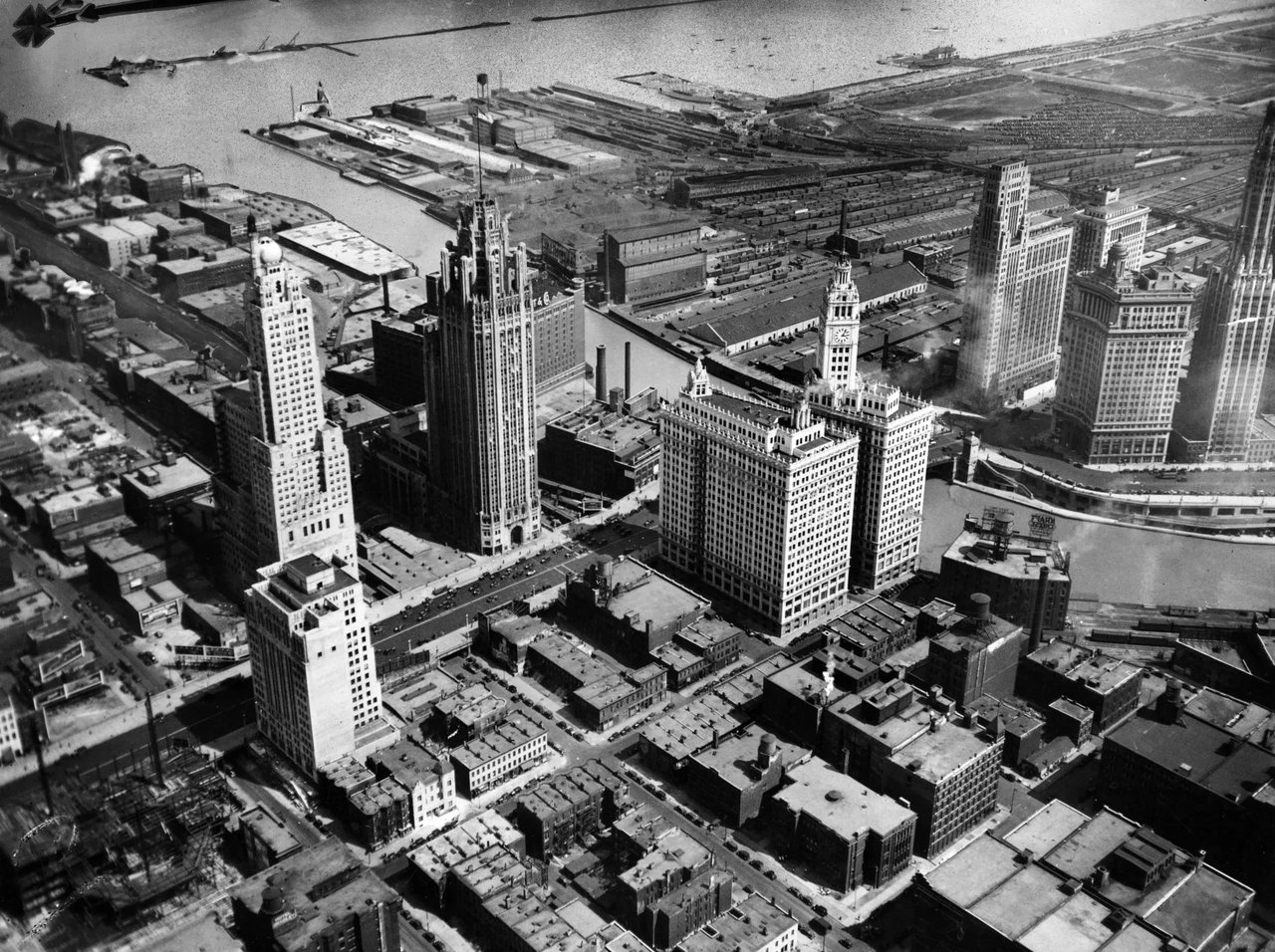
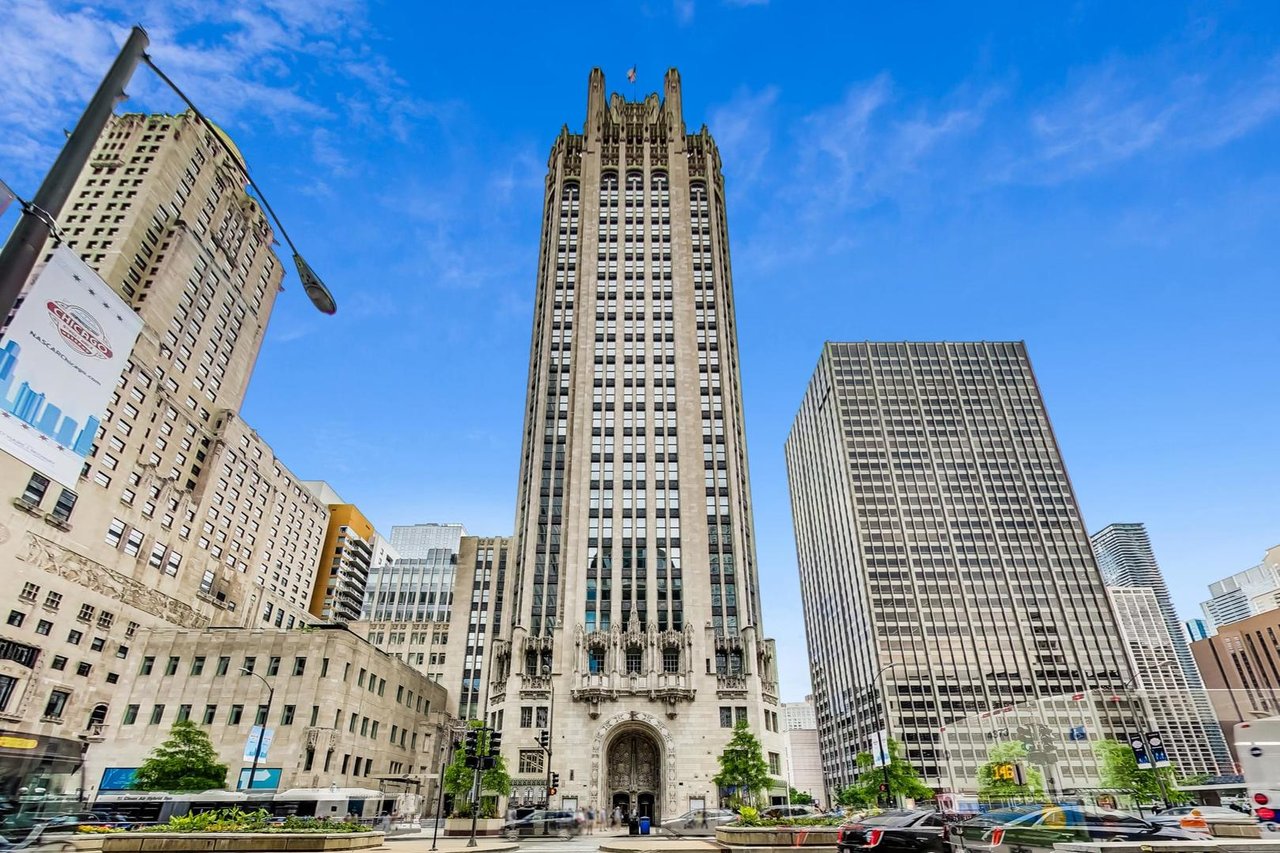
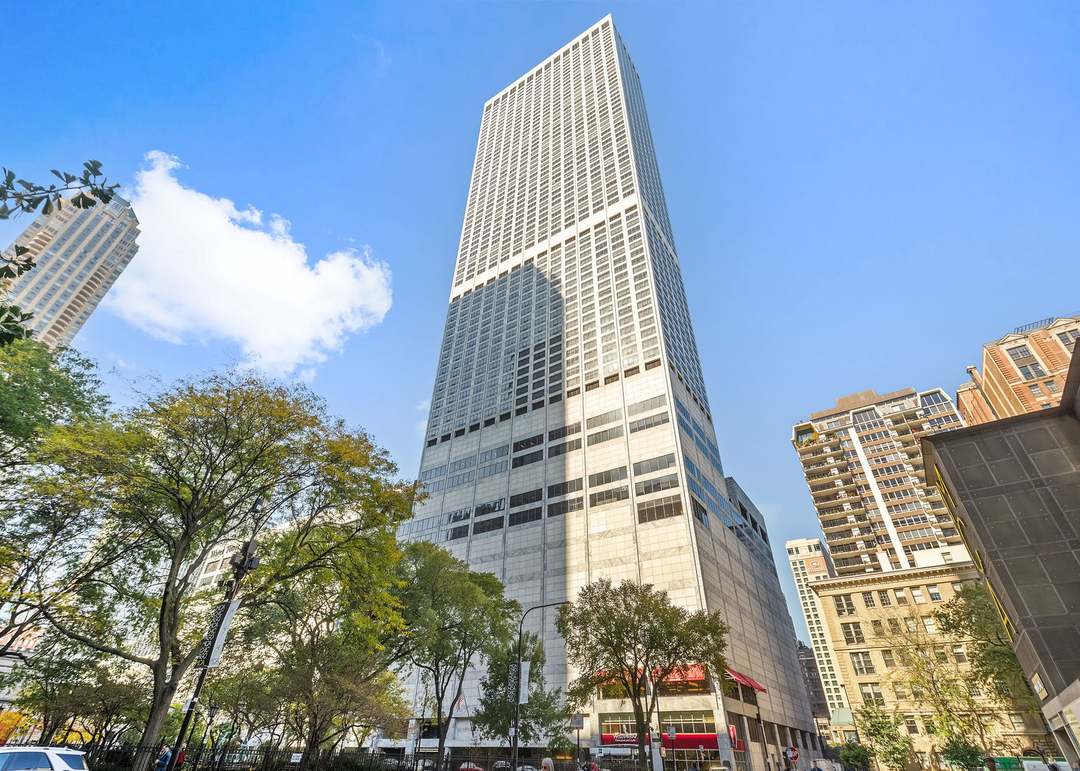
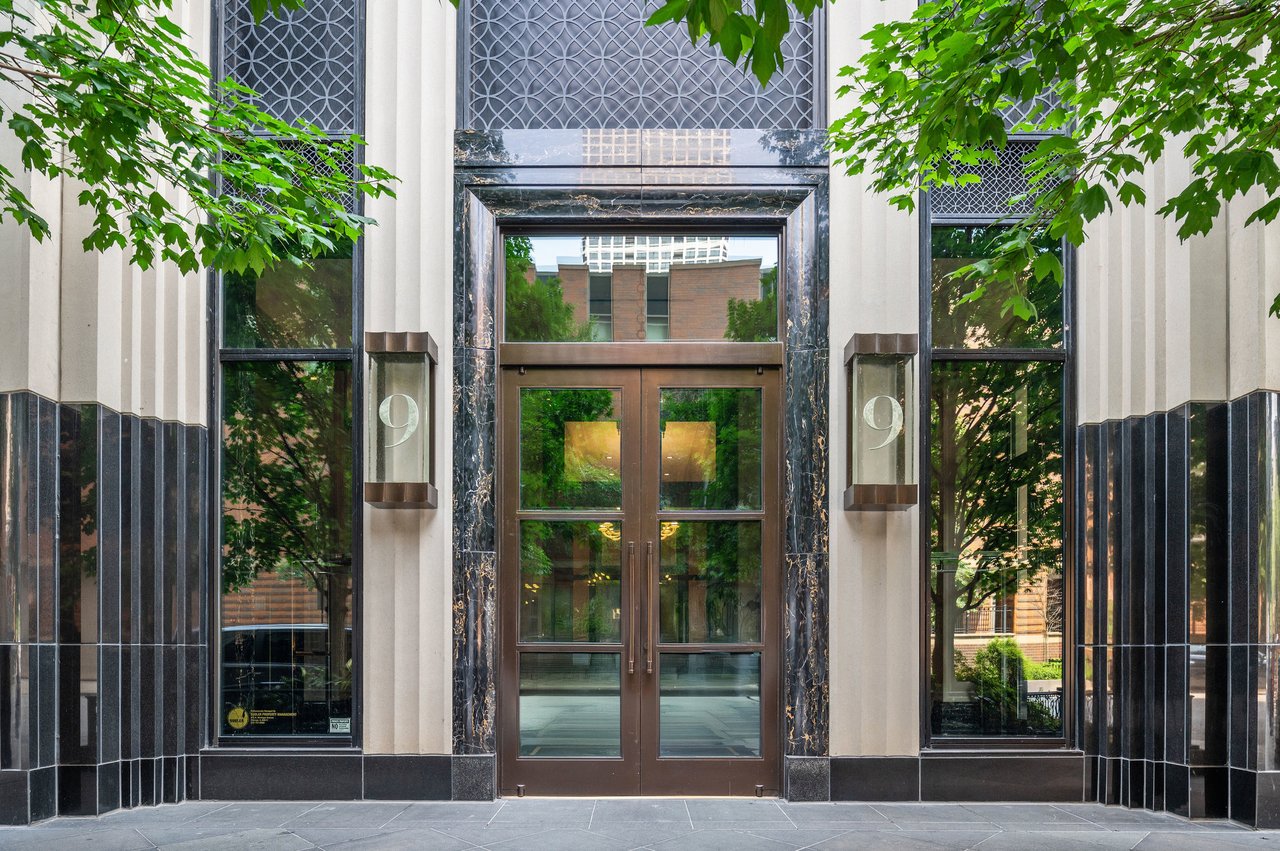
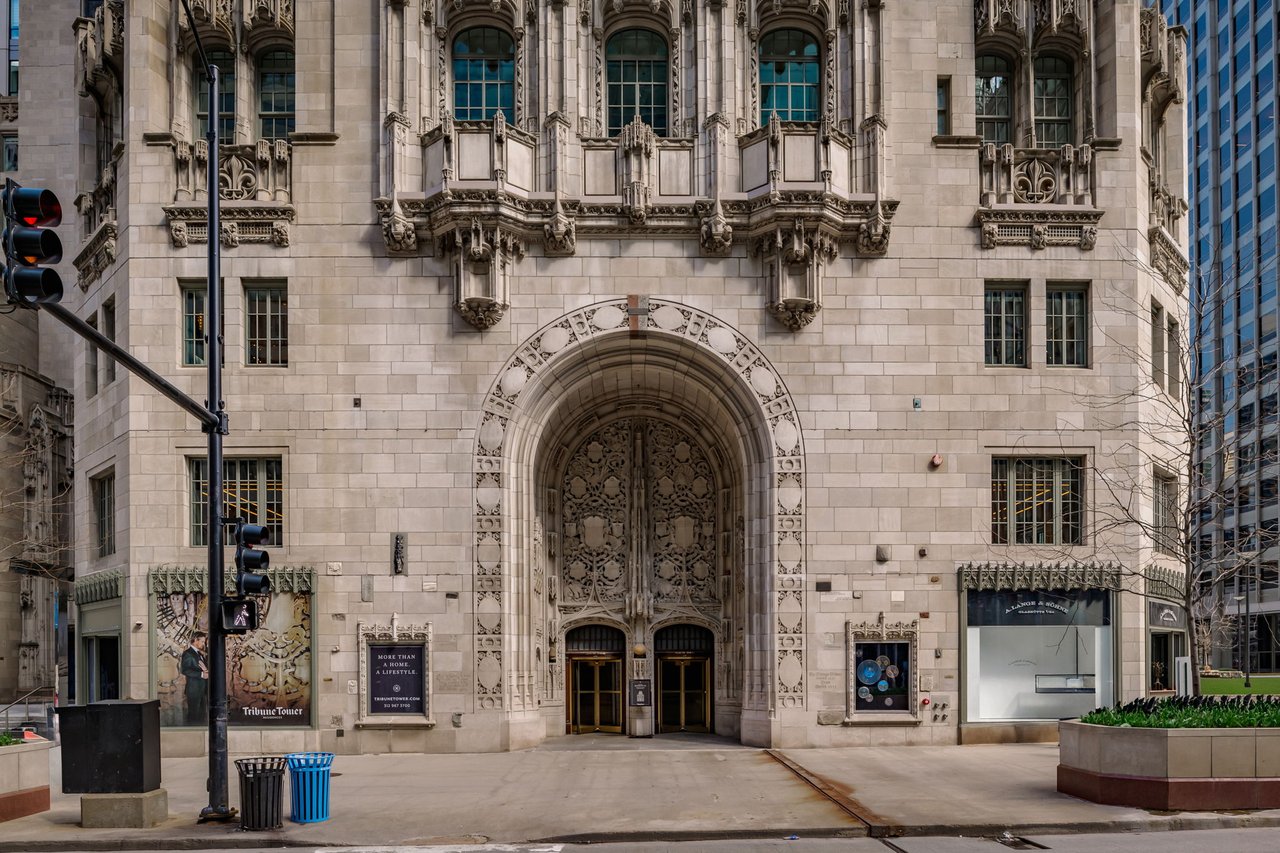
Tribune Tower stands at 435 N. Michigan Ave. and has been one of Chicago’s most recognizable buildings since 1925. The City of Chicago designated it a landmark in 1989, and it sits within the Historic Michigan Boulevard District, one of the city’s defining architectural corridors. In simple terms, this is not a background building. It is part of Chicago’s public architectural identity.
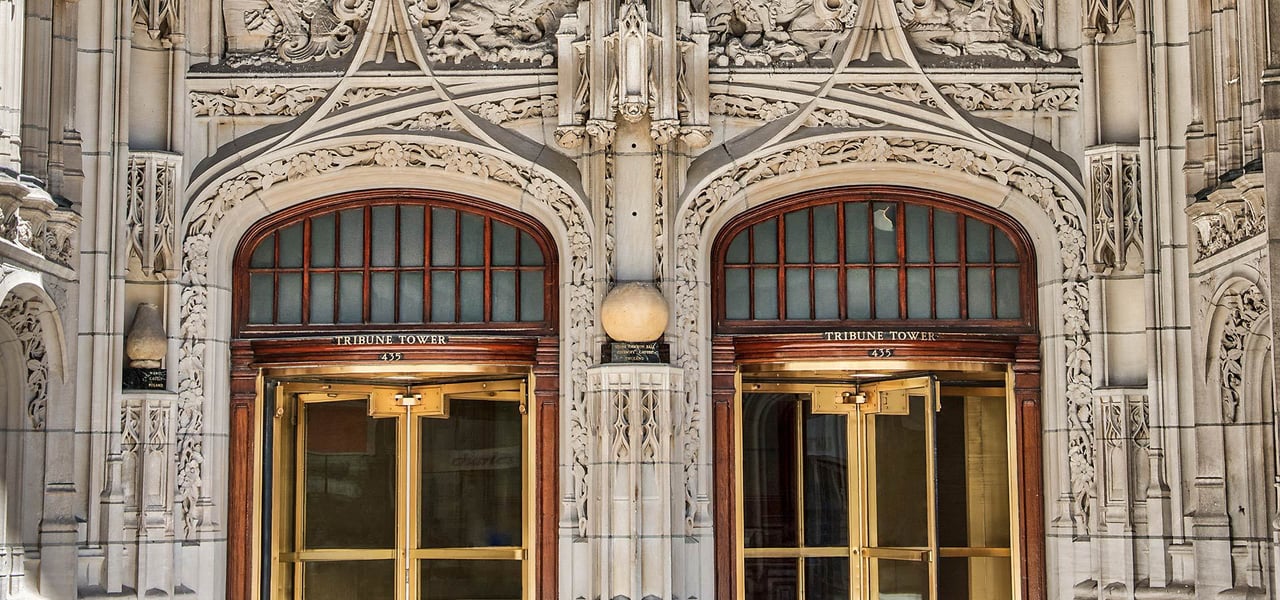
The tower’s story is unusually visible in the architecture itself. The Chicago Architecture Center notes that the design came out of the Tribune’s 1922 international competition, and the facade includes more than 120 stones gathered from historic sites around the world. That means the building’s history is not a branding layer added later. It is physically embedded in the masonry.
For a buyer, that distinction matters. Tribune Tower is a residence today, but it remains a legacy structure first. That affects how you should think about upkeep, long-term stewardship, and the role of the homeowners association.
What the 2022 Conversion Created
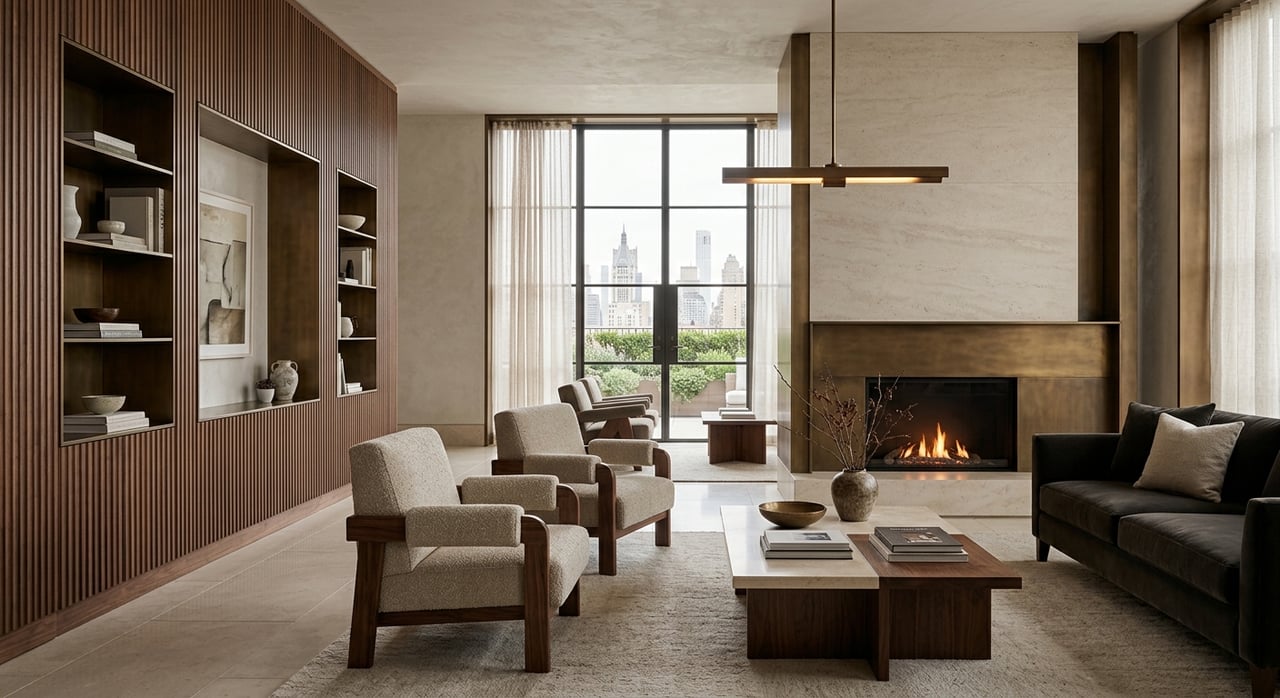
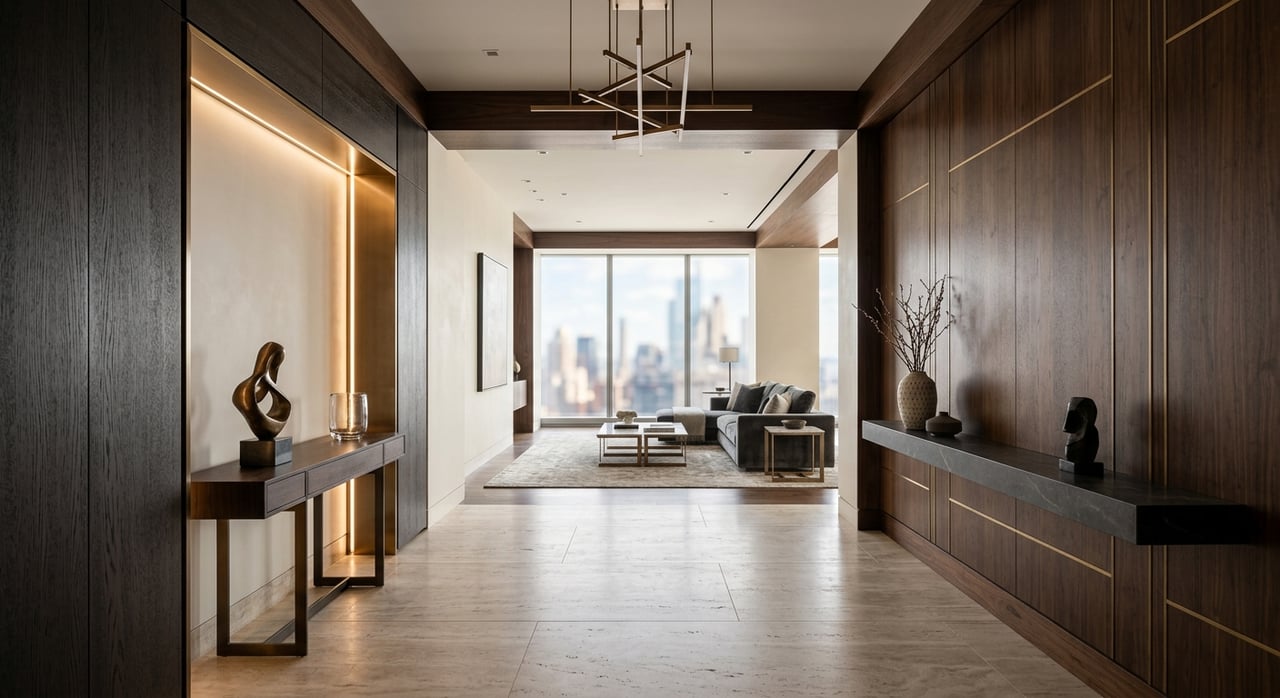
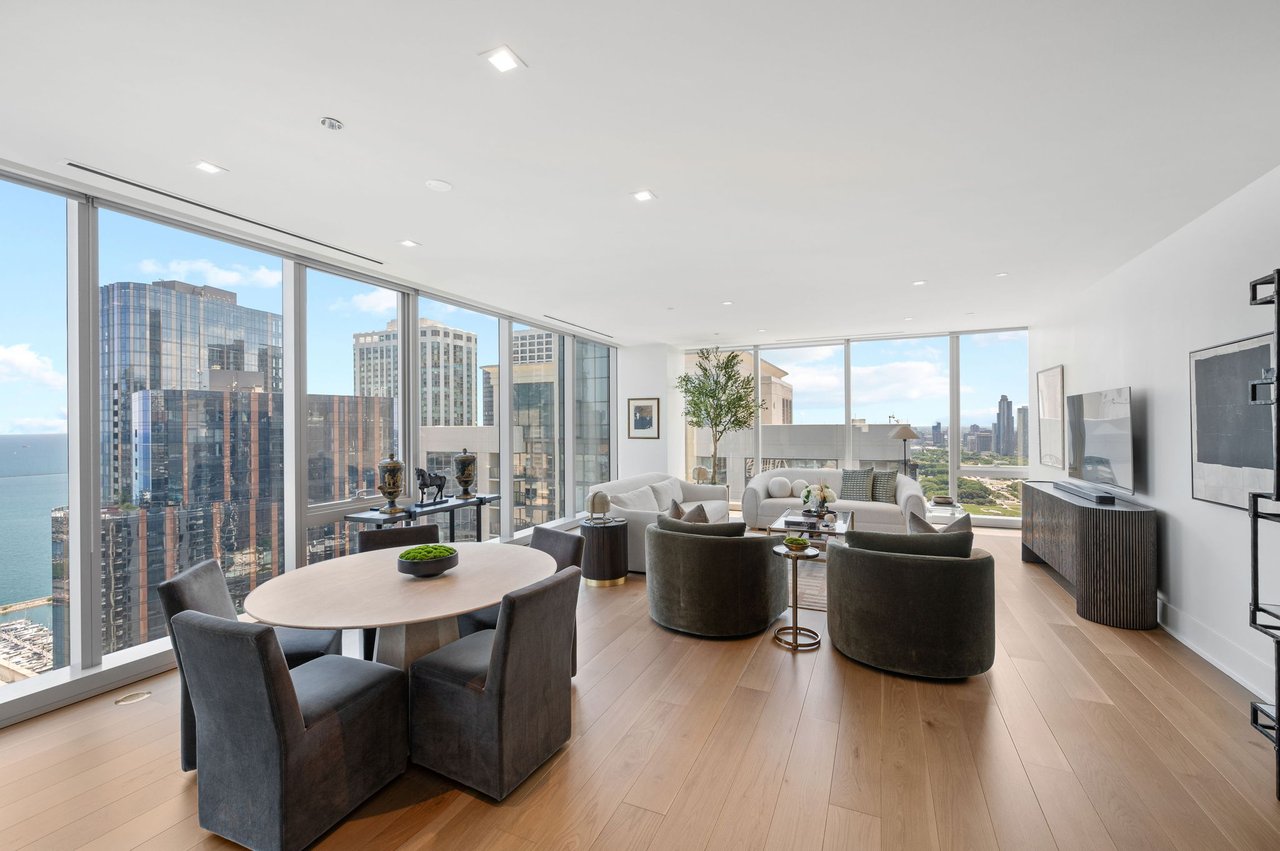
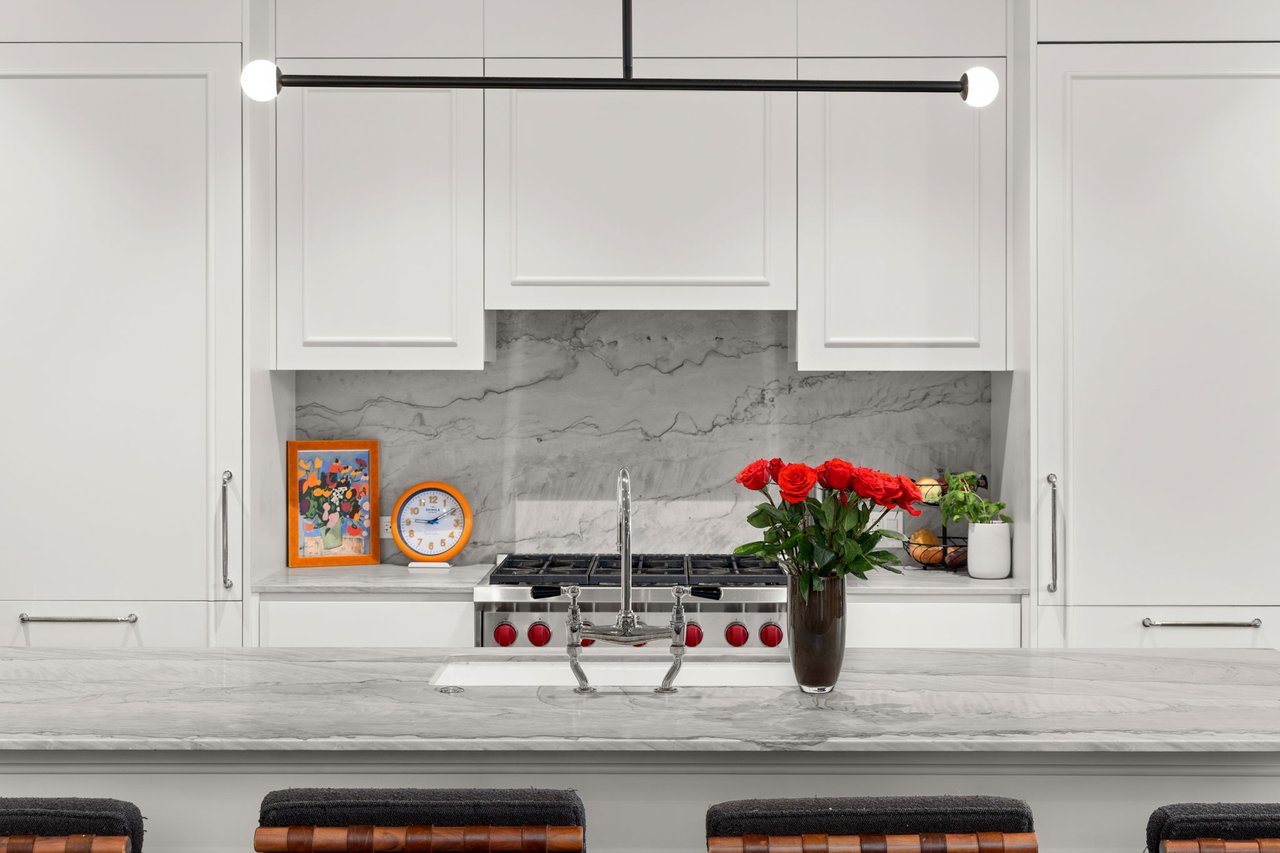
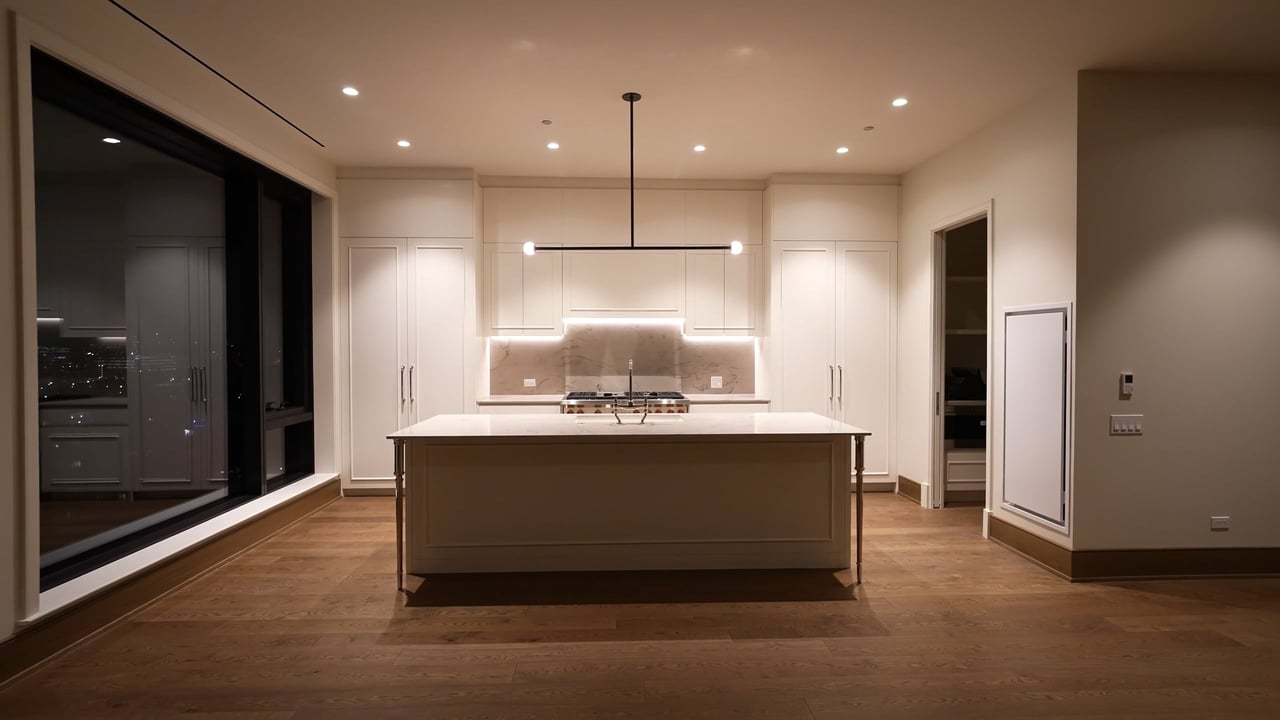
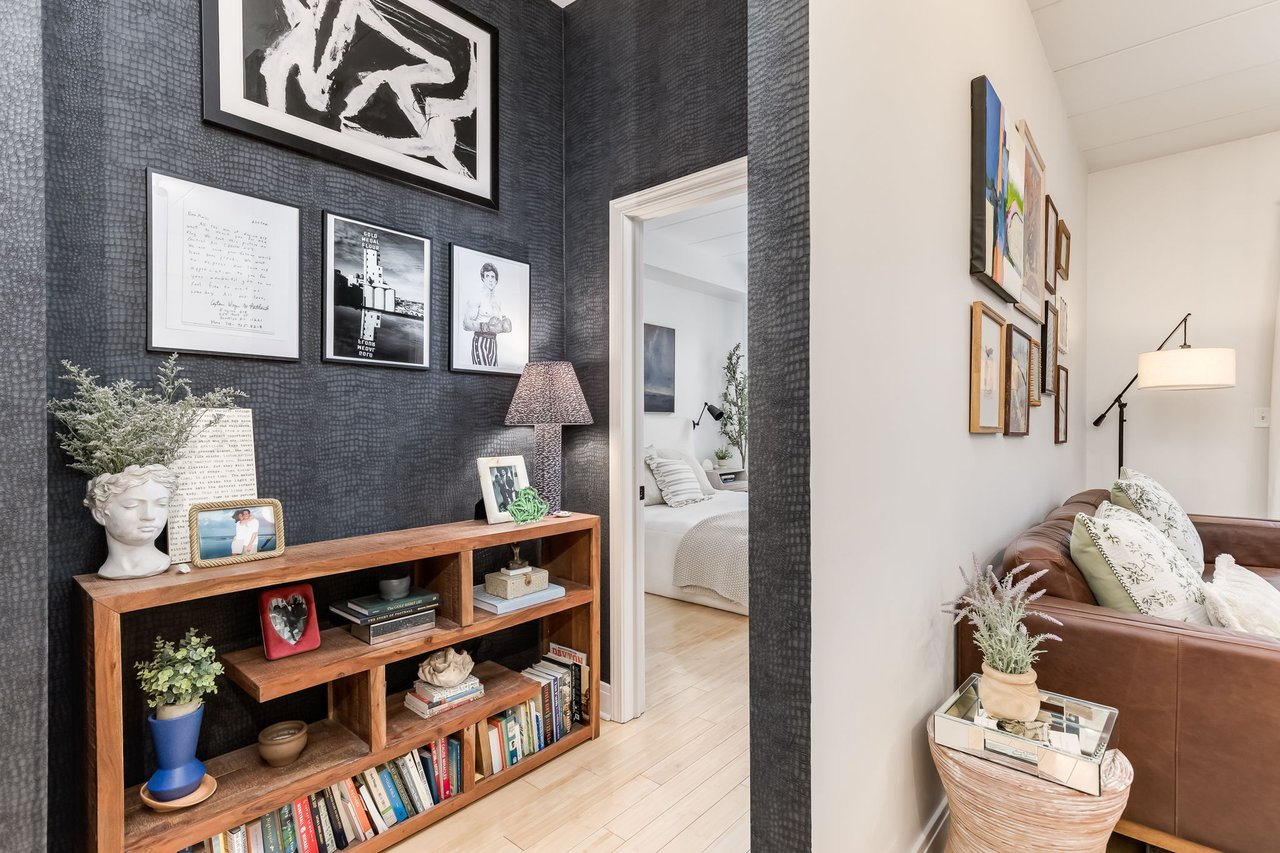
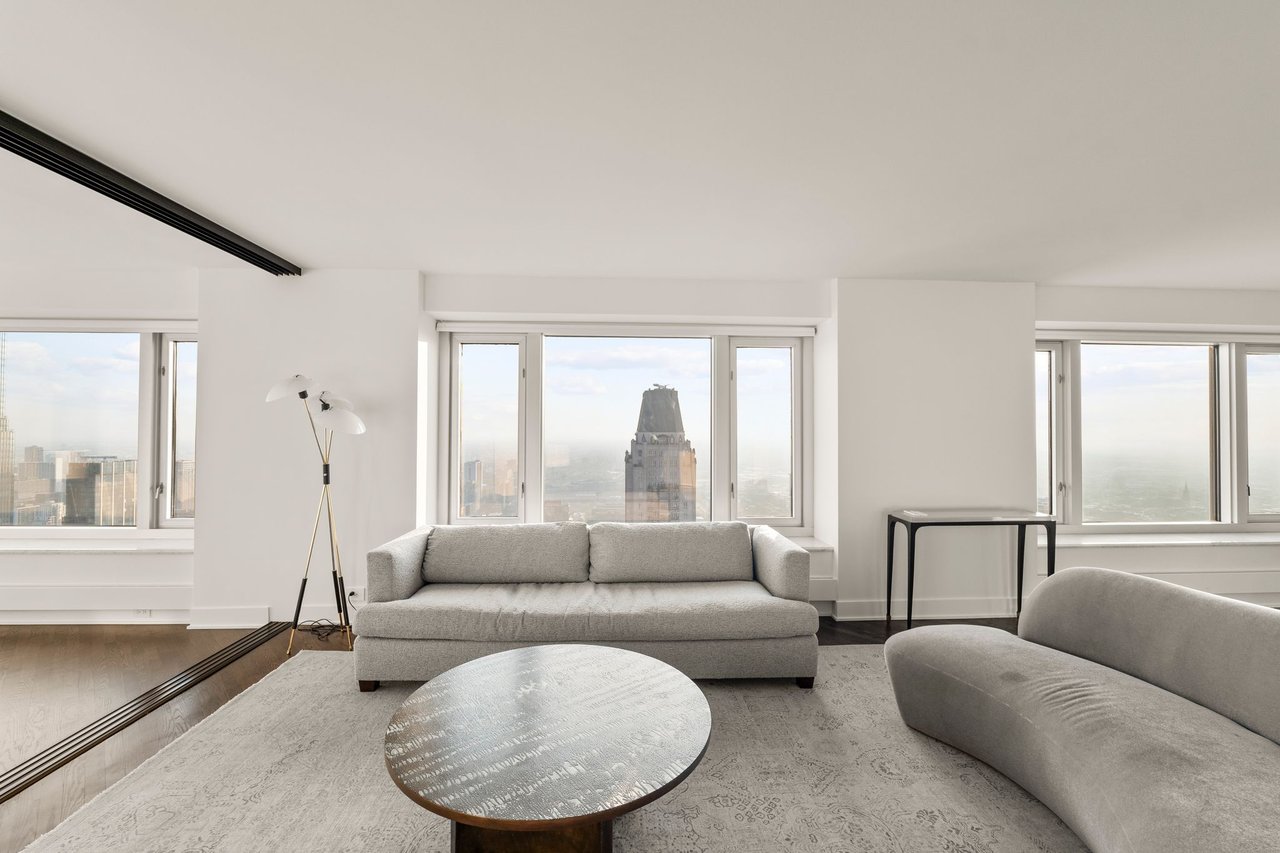
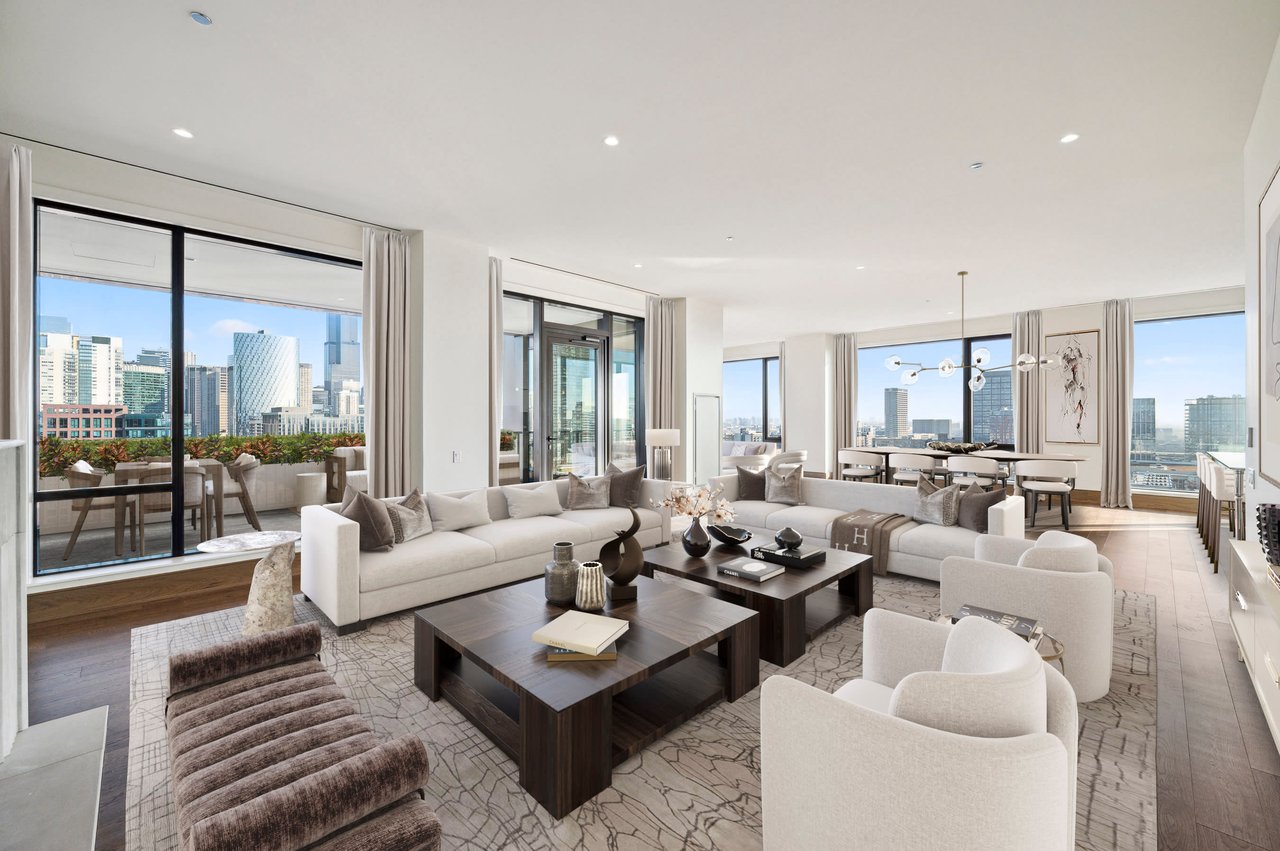
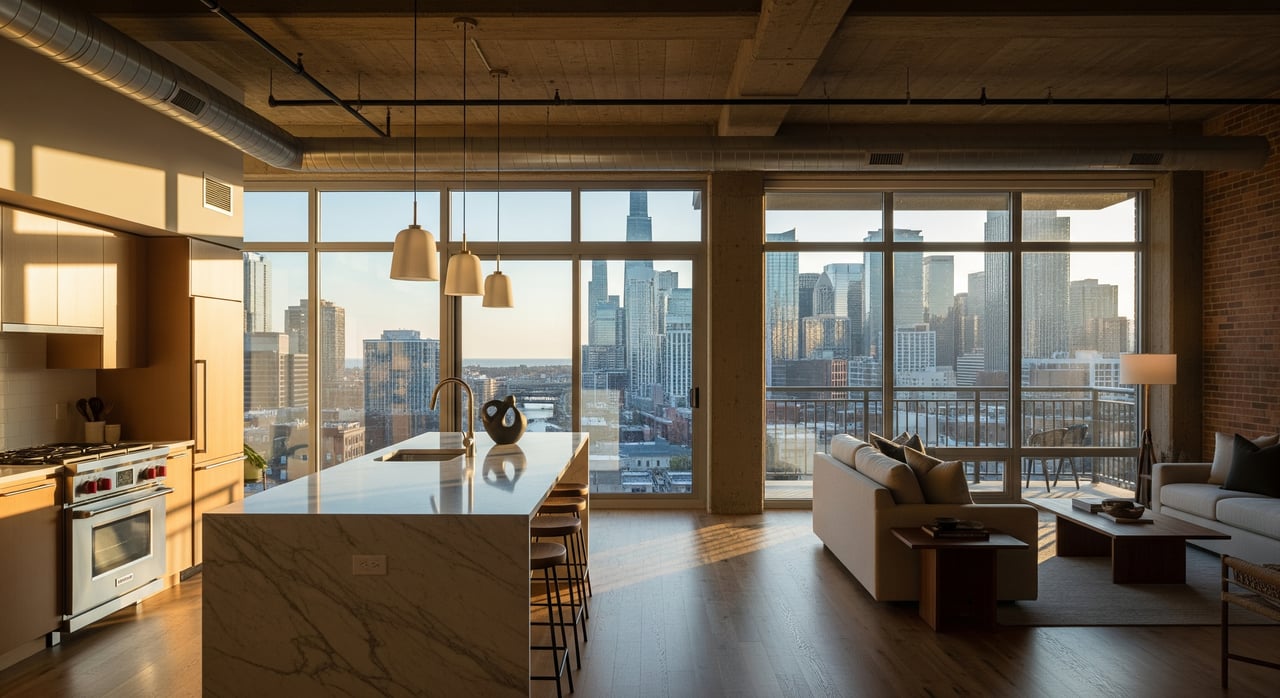
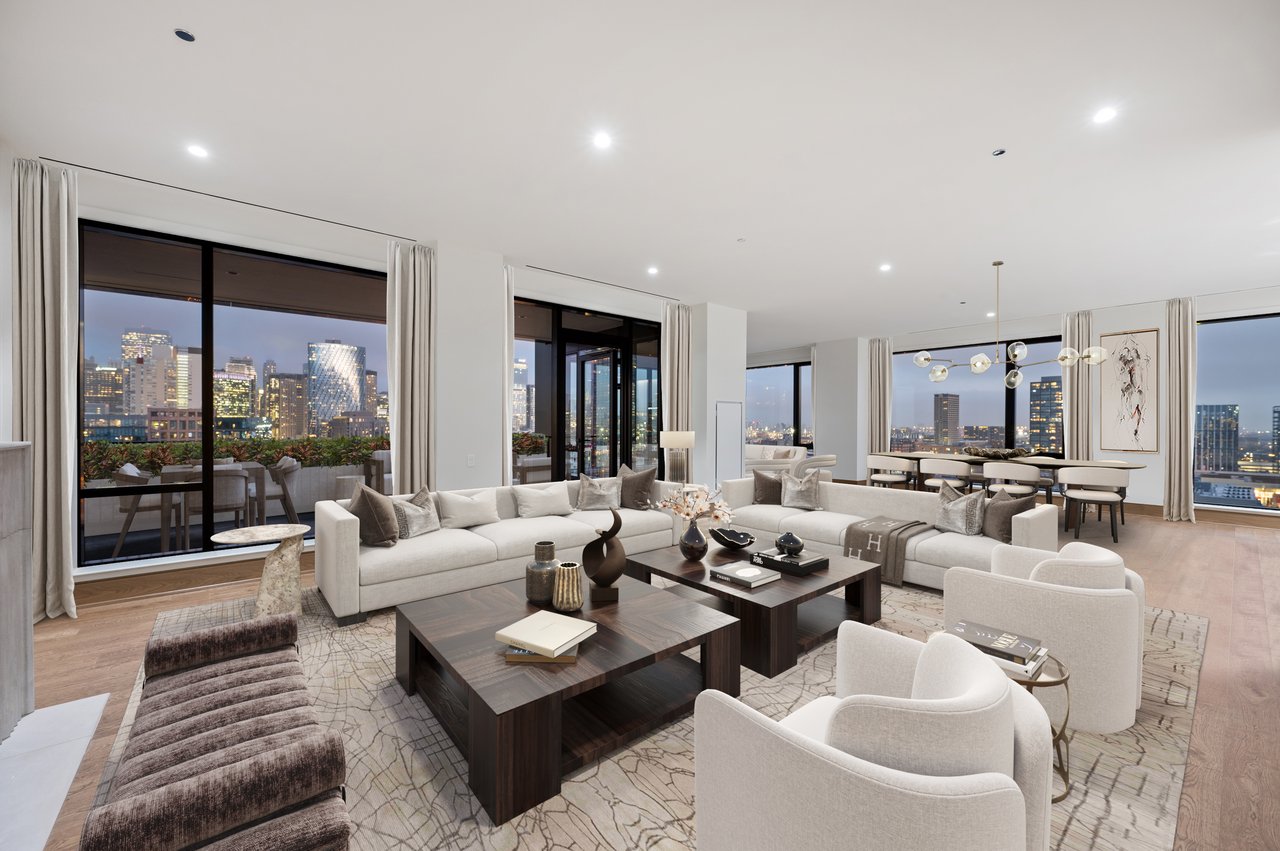
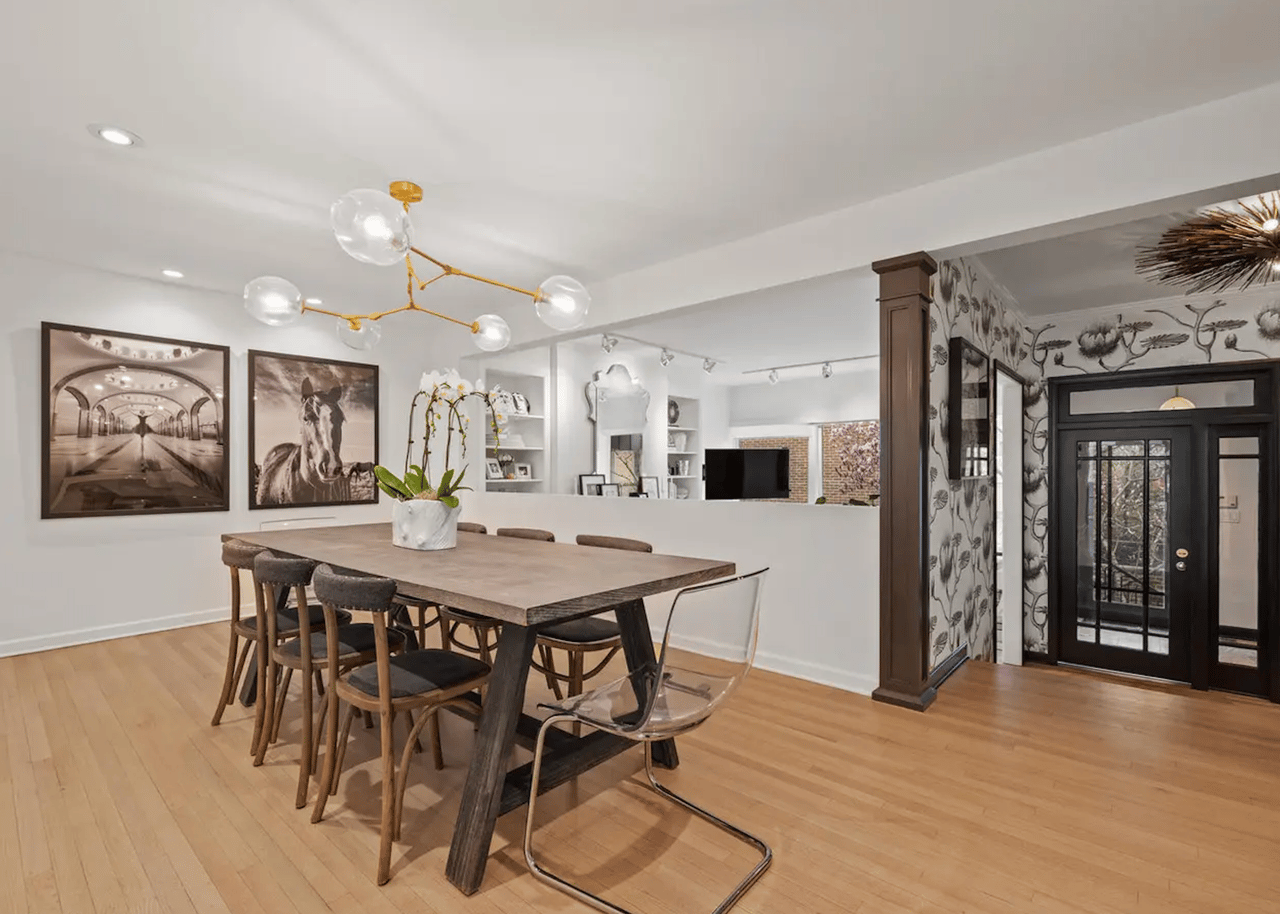
The residential conversion was completed in 2022. According to ULI Chicago, the project delivered 162 homes with 55 unique floor plans, ranging from one-bedroom residences to penthouses. That level of variation is part of the appeal, but it also means buyers should evaluate each residence on its own merits rather than assume a uniform product across the building.
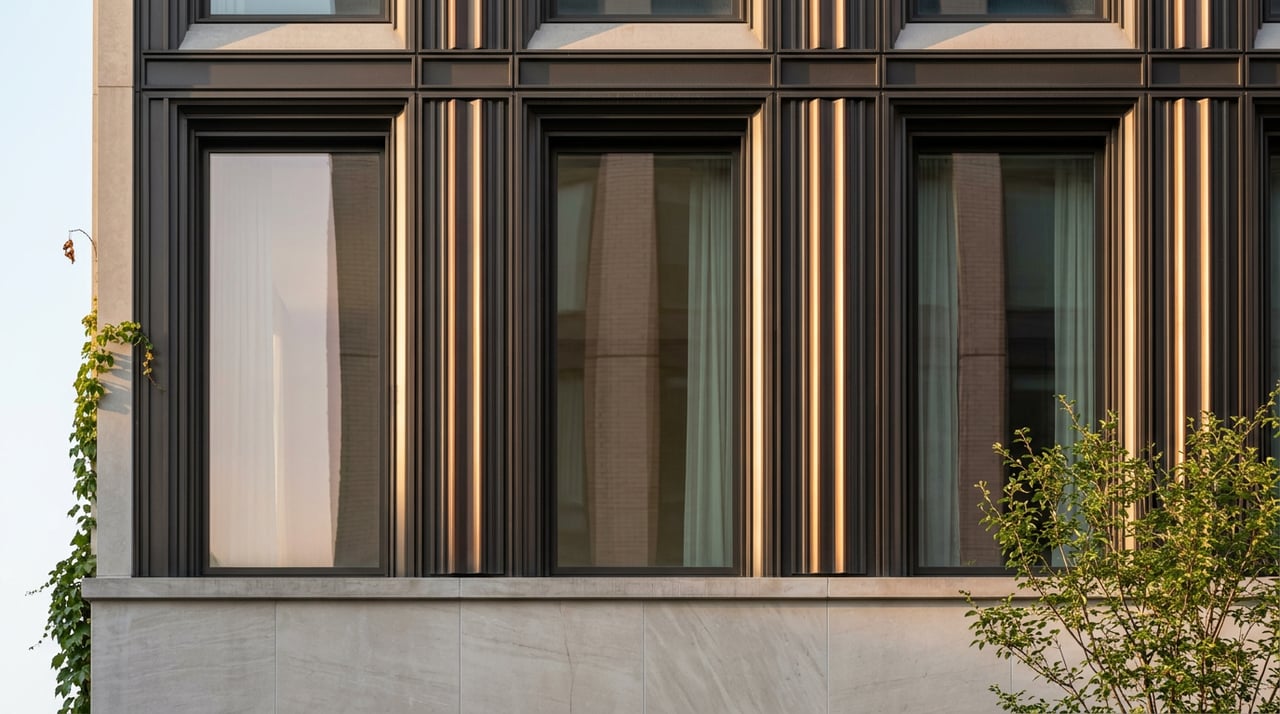
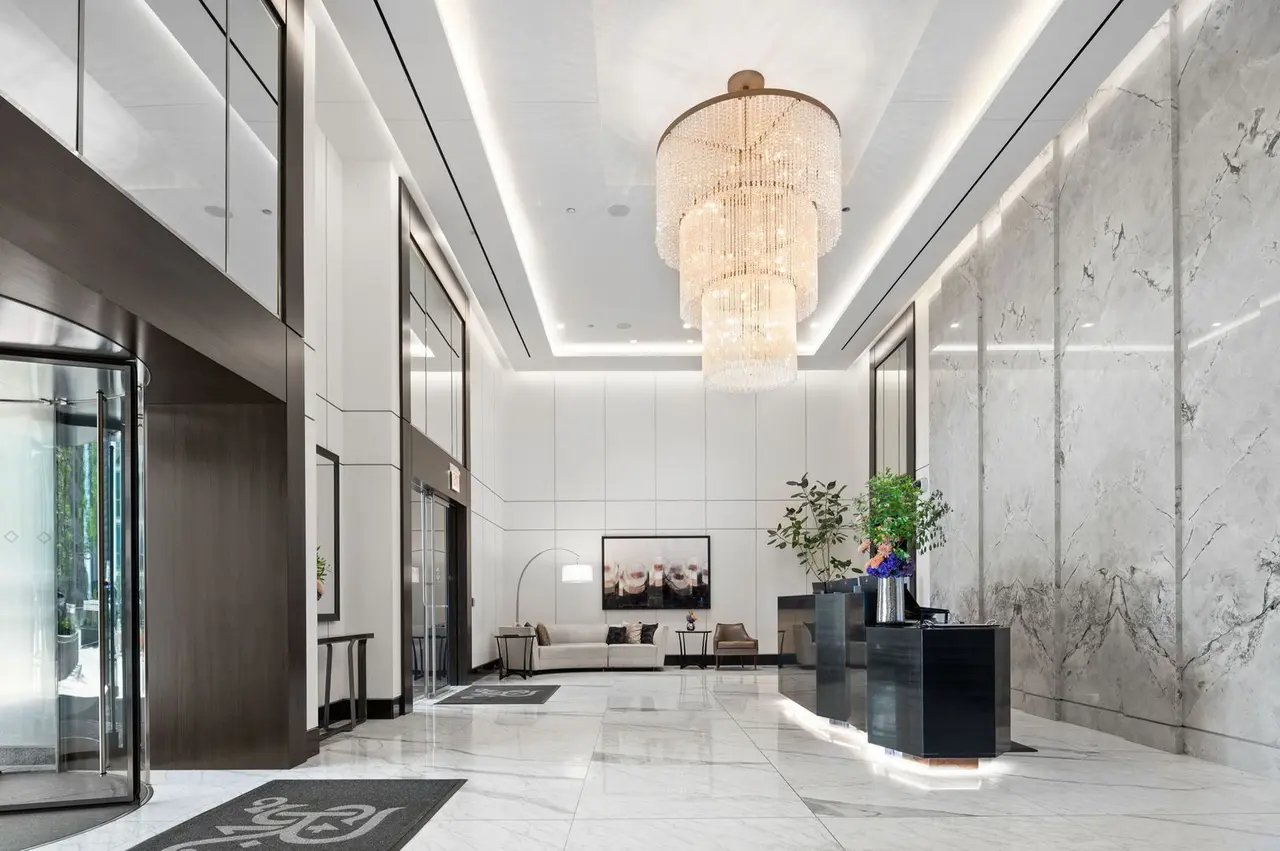
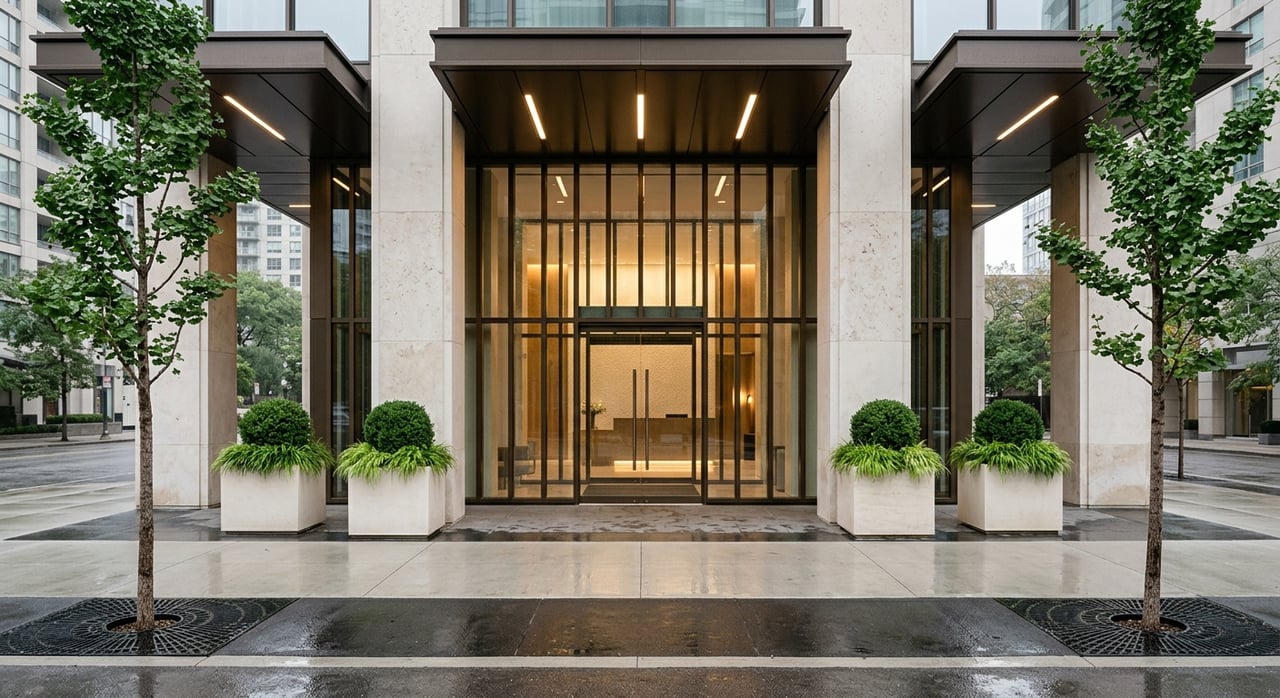
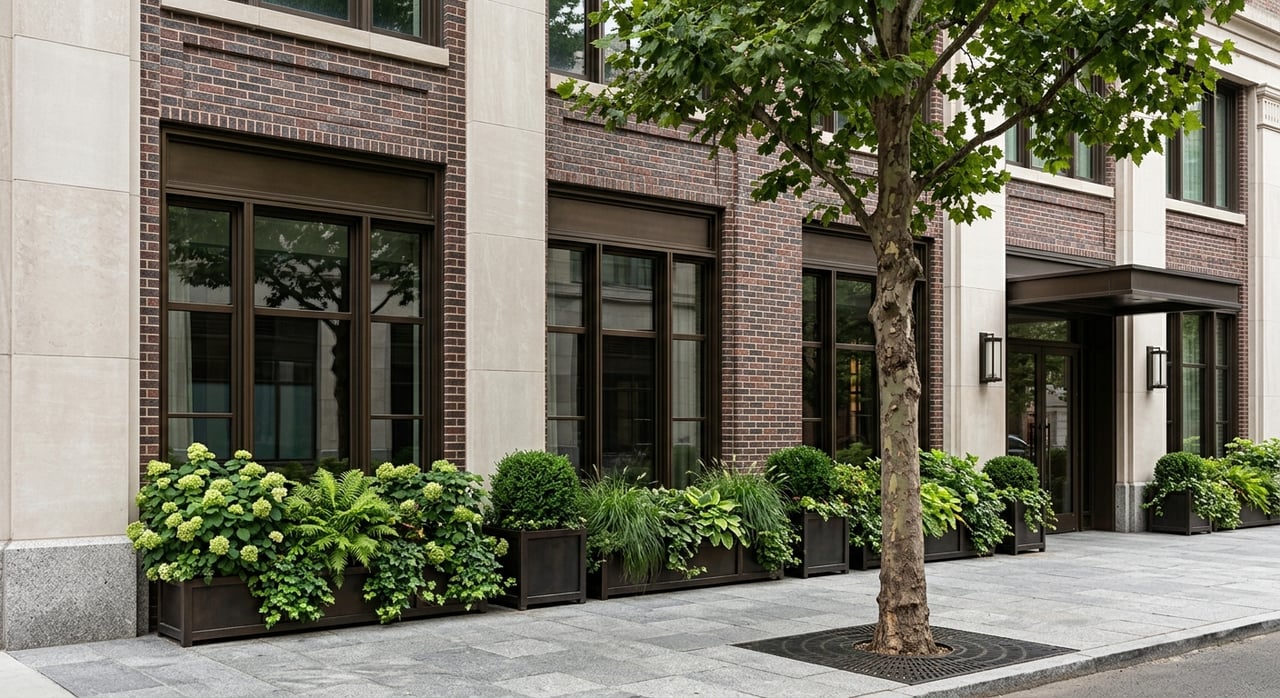
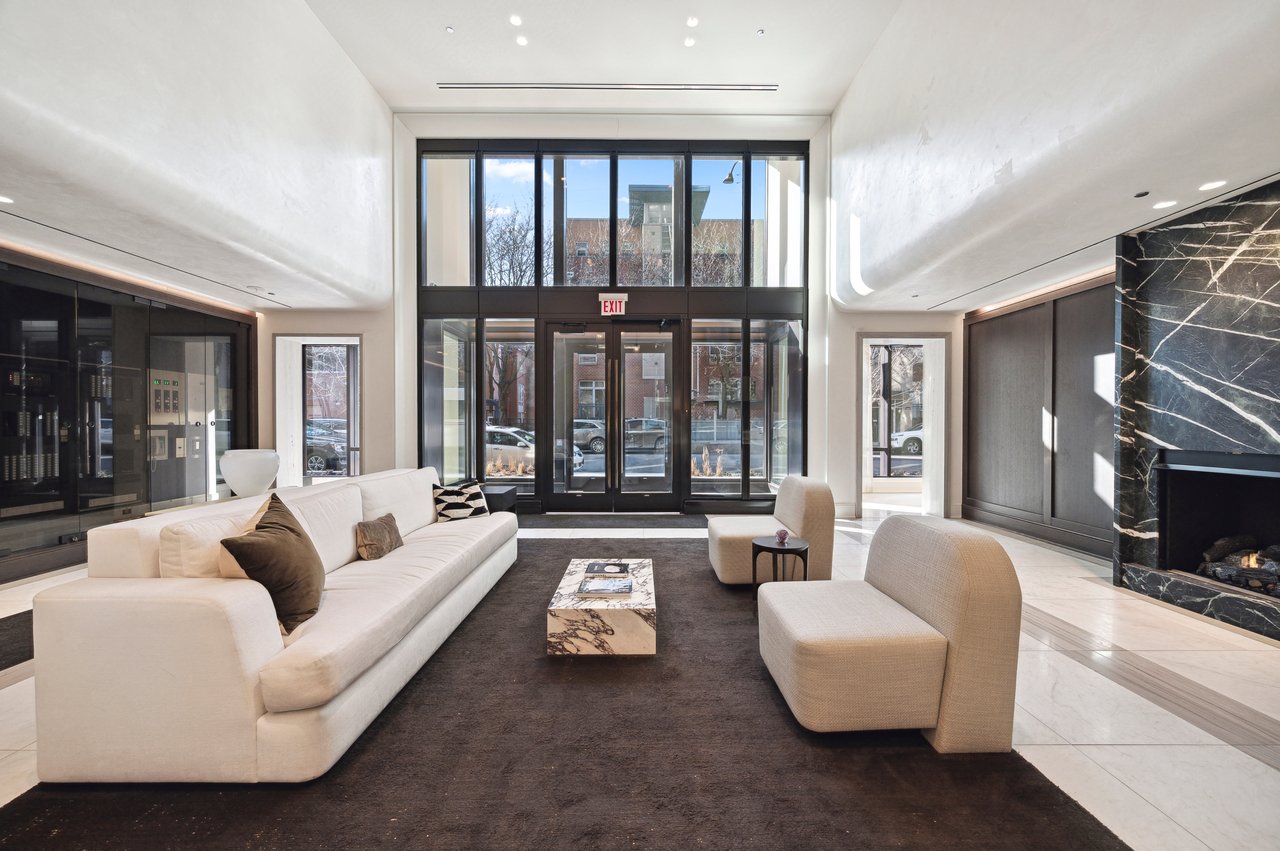
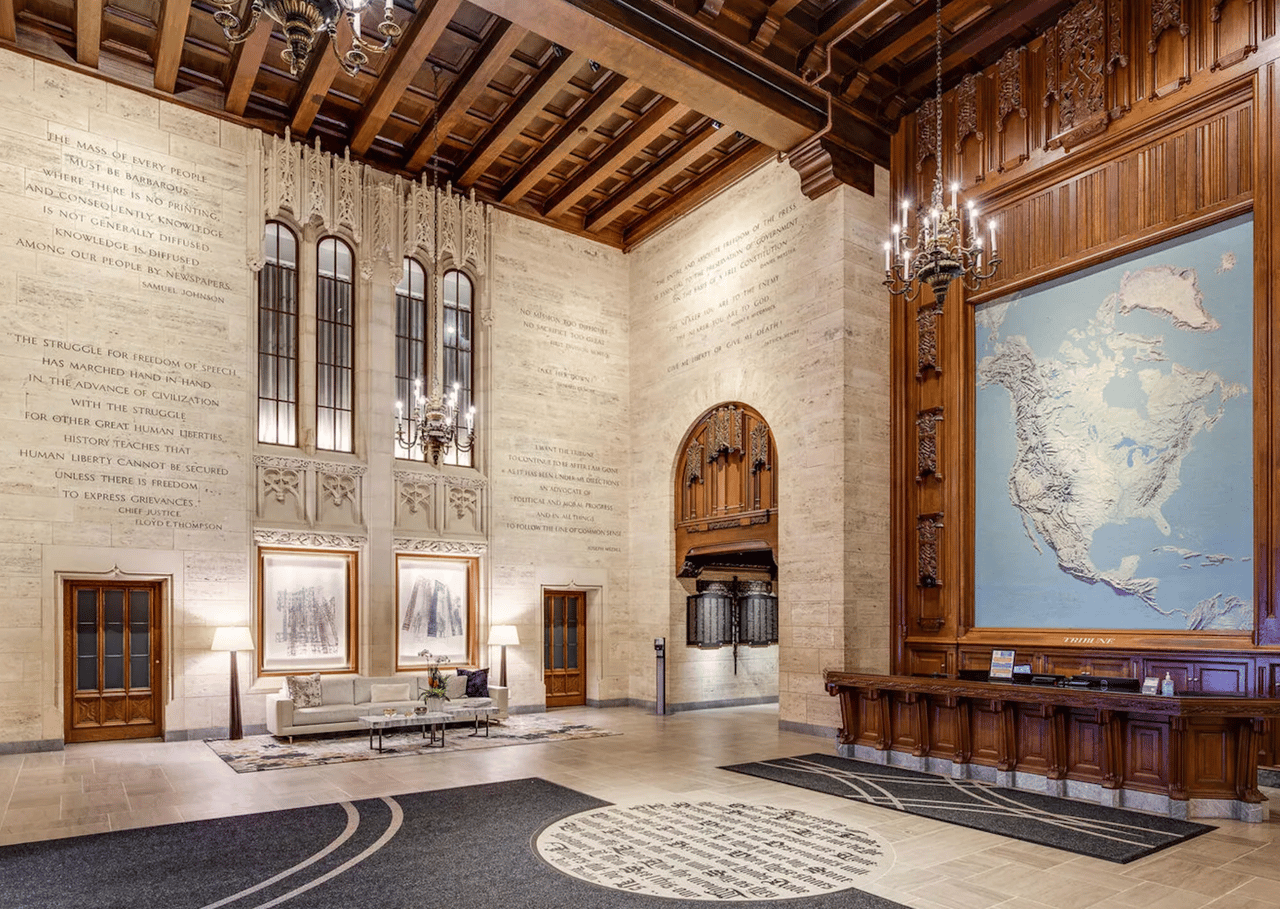
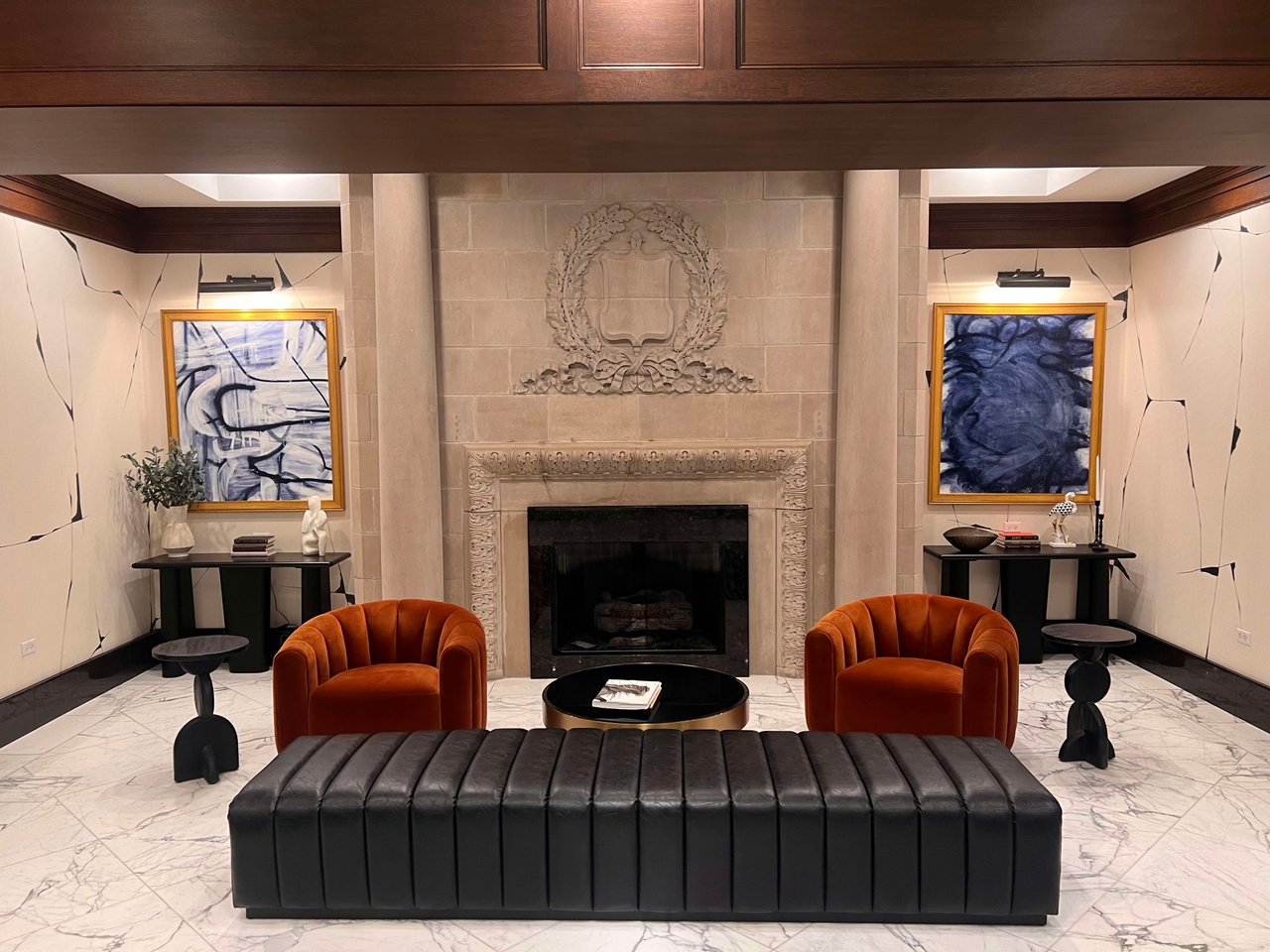
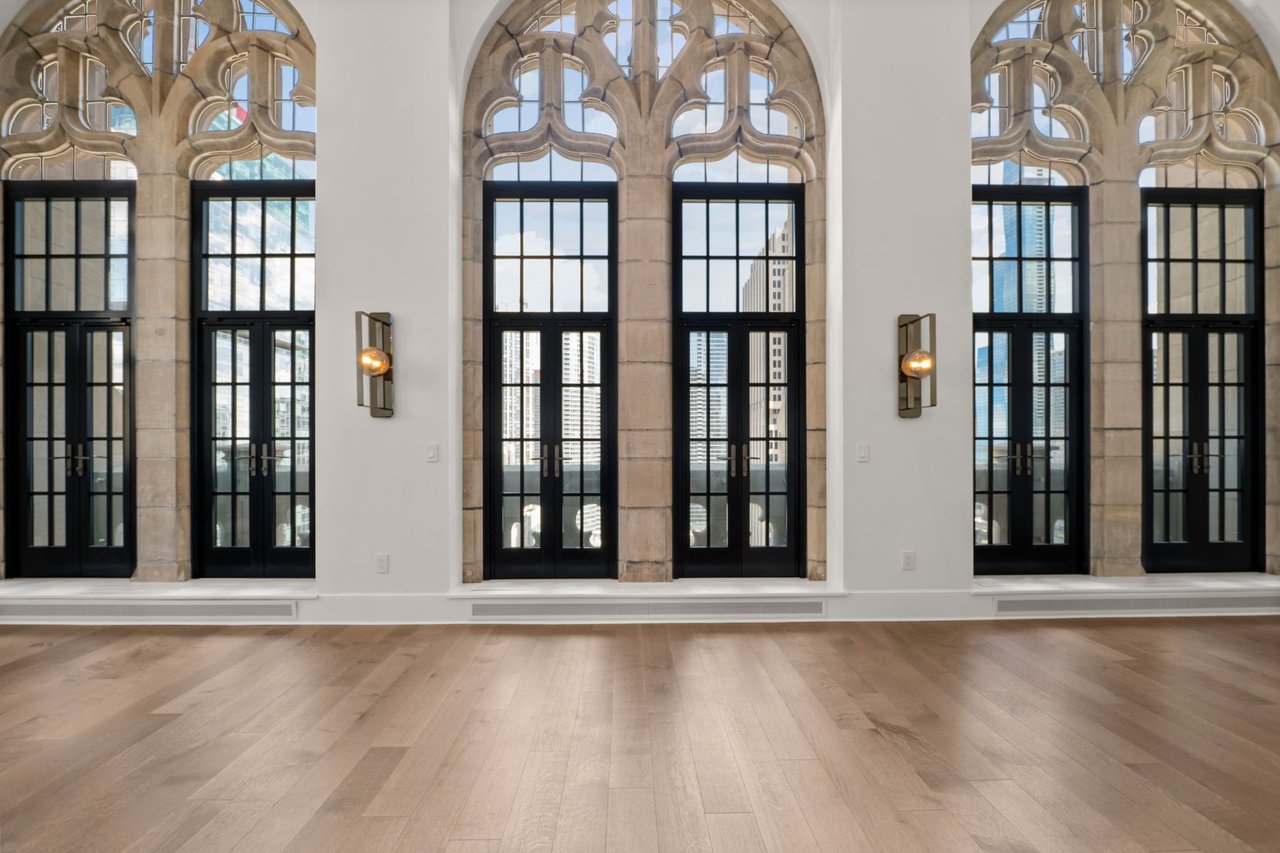
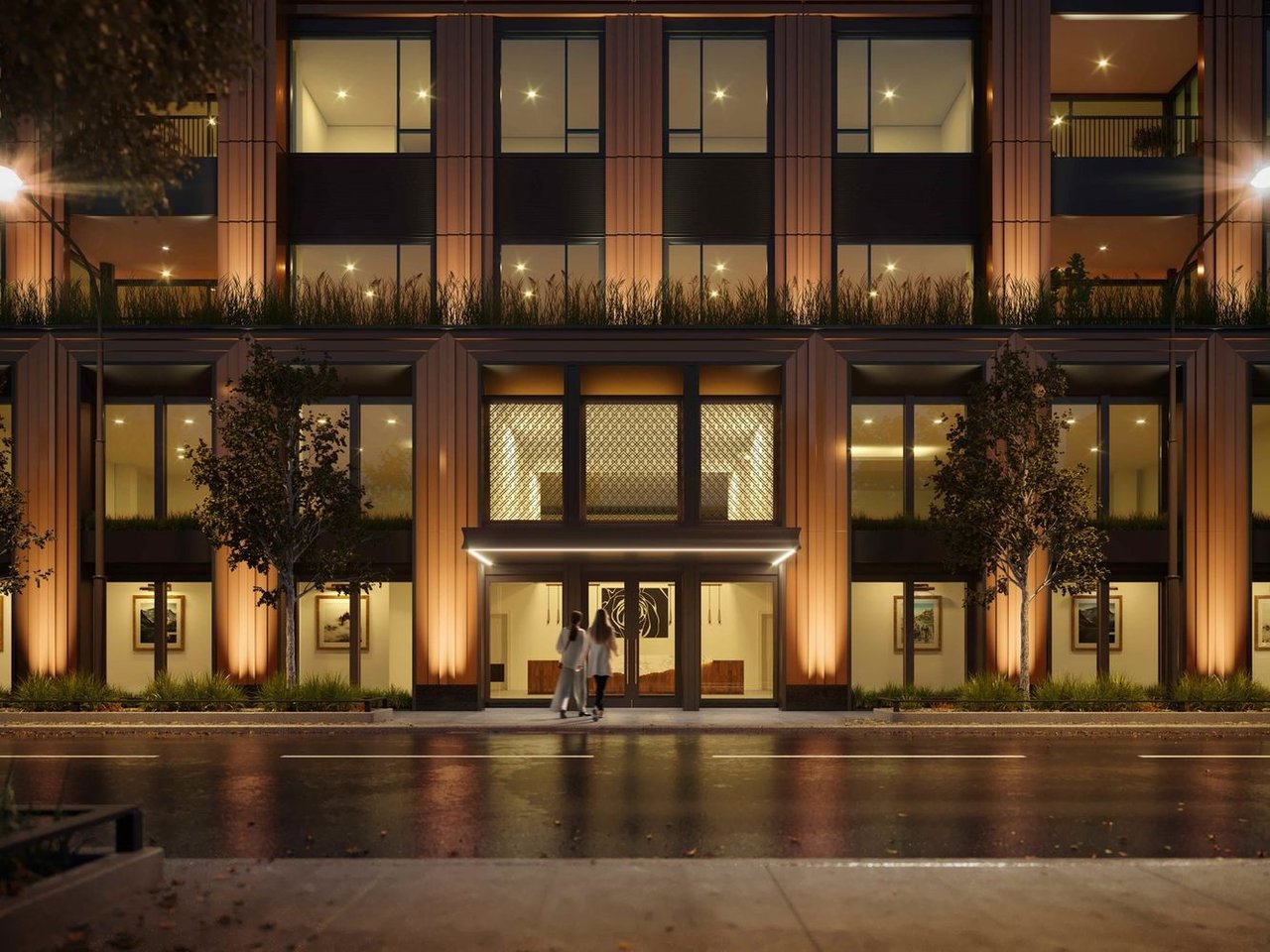
The redevelopment preserved the historic facade, repaired the limestone enclosure, and replaced all windows. It also redesigned the original core and incorporated the 1935 Radio Building and 1950 Television Building into the broader project. Importantly, the original tower lobby remained open to the public, which reinforces the building’s civic character even as it functions as a private residential address.
This was not a simple office-to-condo conversion. It was a large, layered adaptive reuse that combined preservation work, modern systems, and a full amenity platform. That mix is a major part of Tribune Tower’s value proposition, but it is also where buyers need to pay close attention.
Amenities Shape Daily Ownership
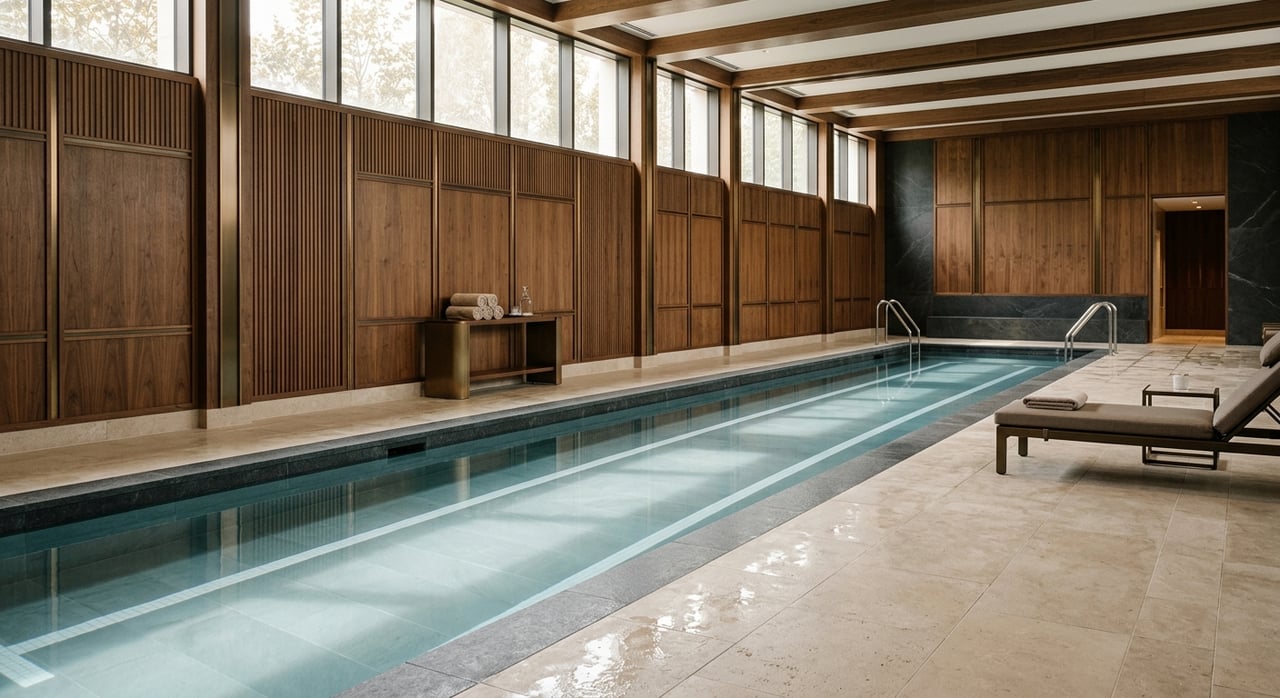
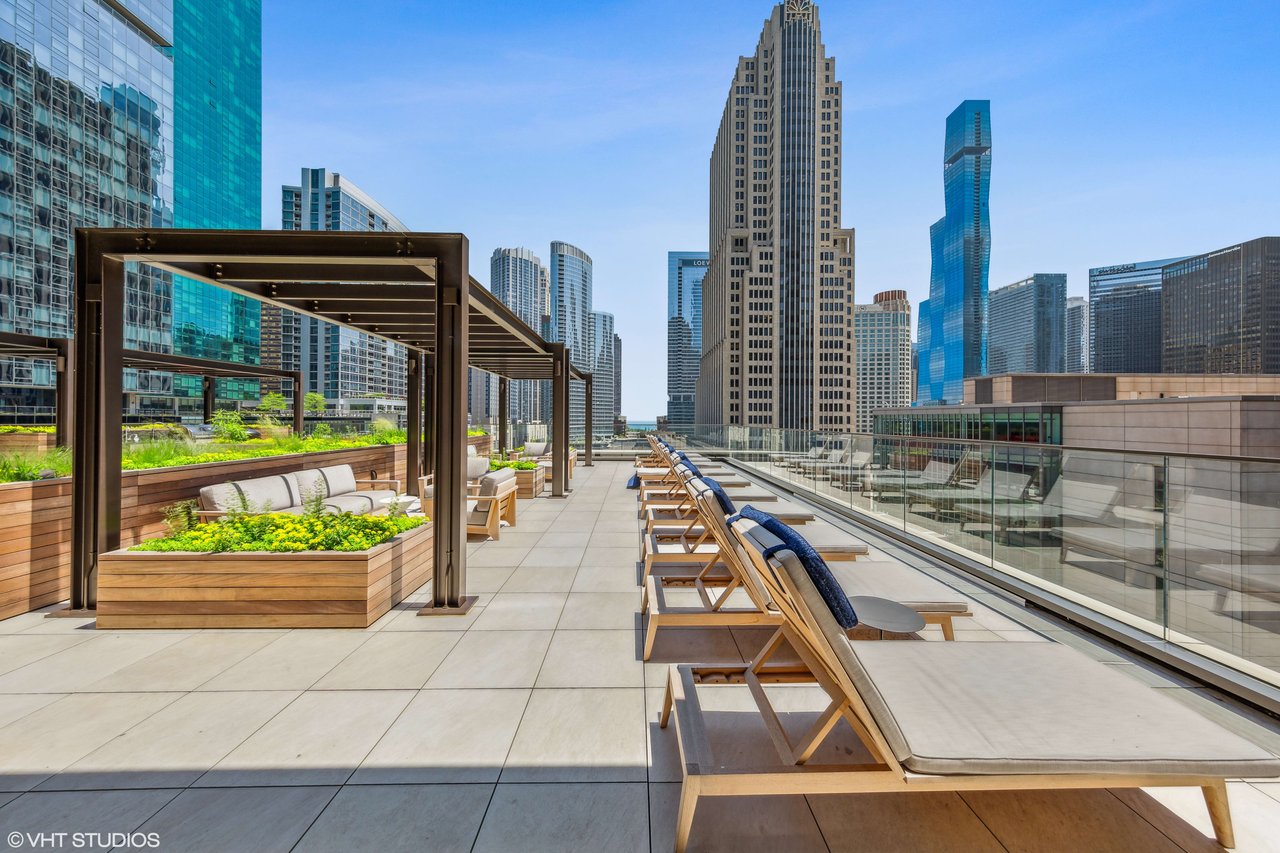
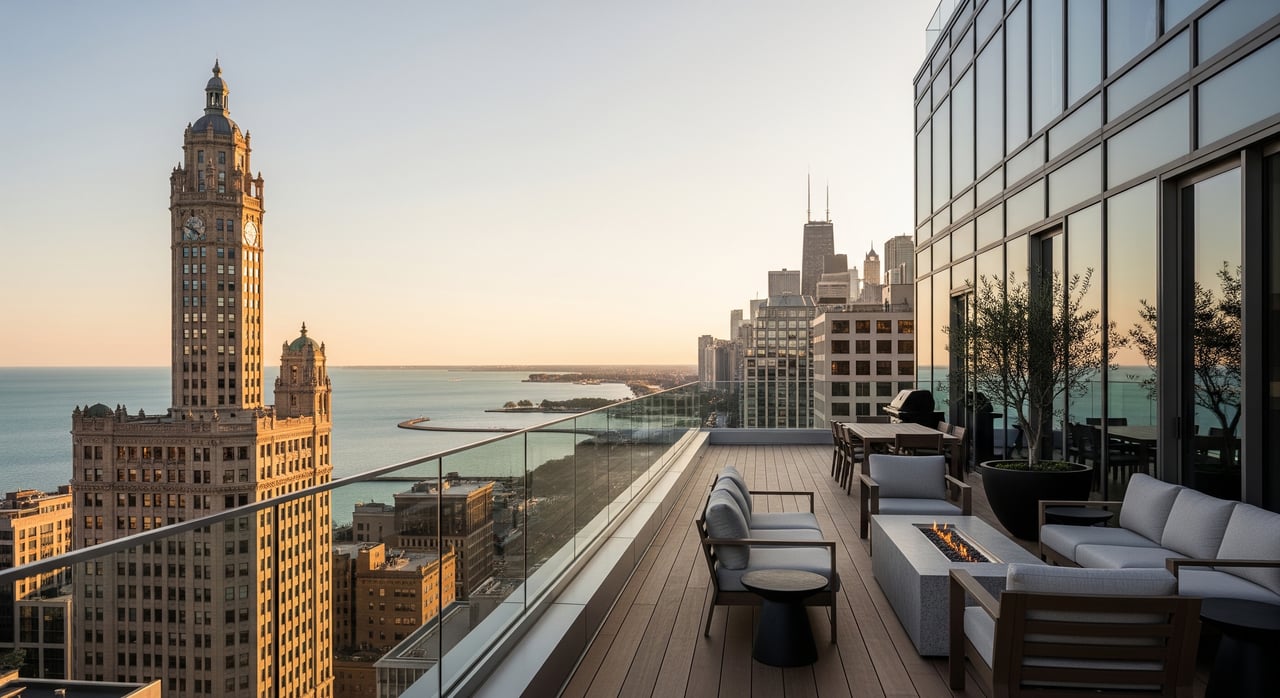
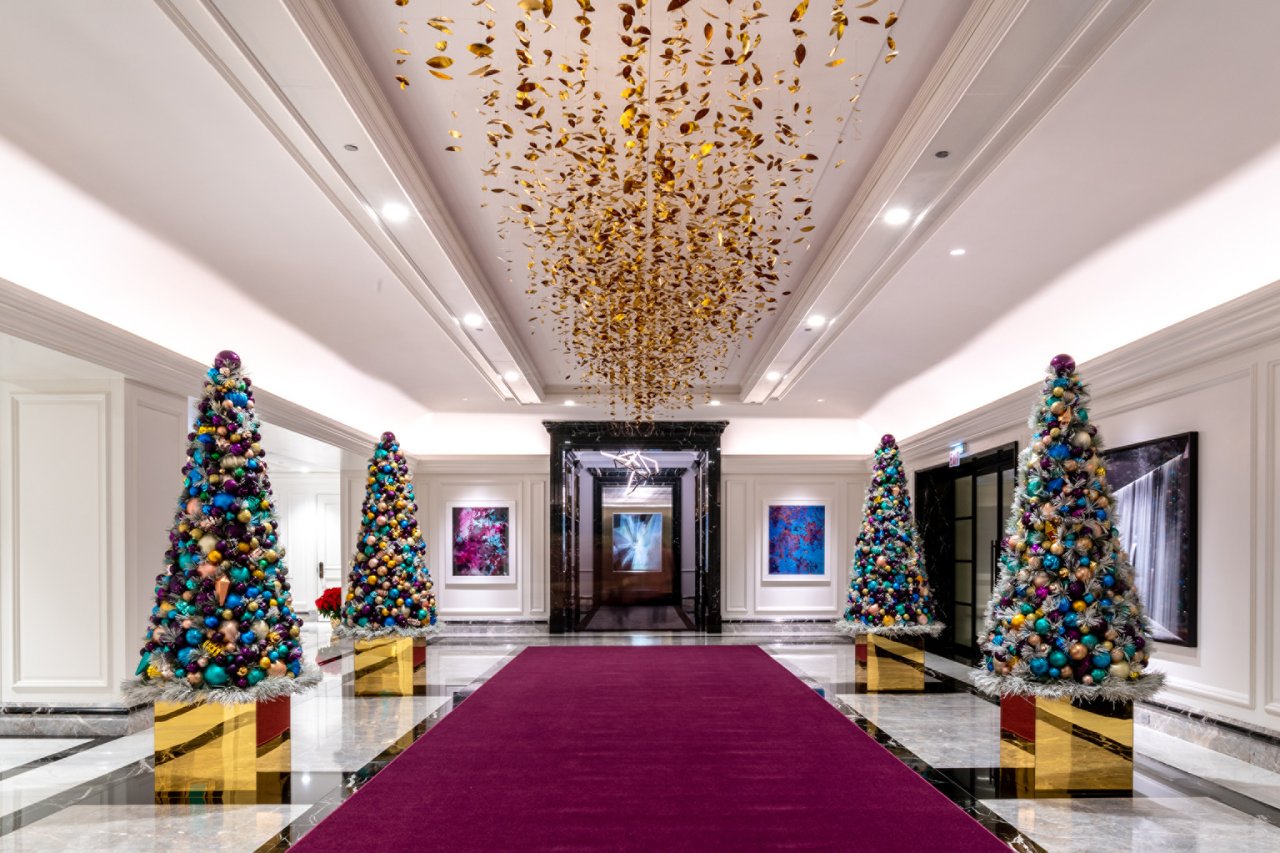
FirstService Residential says Tribune Tower Residences includes 55,000 square feet of amenities. ULI Chicago adds detail, noting a second-floor spa, a 75-foot indoor lap pool with an outdoor terrace, third-floor meeting rooms, lounges, game rooms, and a bar, along with crown-level lounges and terraces that include outdoor kitchens, fire pits, and a herb garden.
On paper, that amenity package is impressive. In practice, it means your ownership experience is tied not only to your unit, but also to the upkeep, staffing, insurance, and long-term planning required to run a full-service building. In a property like this, common elements matter as much as private interiors.
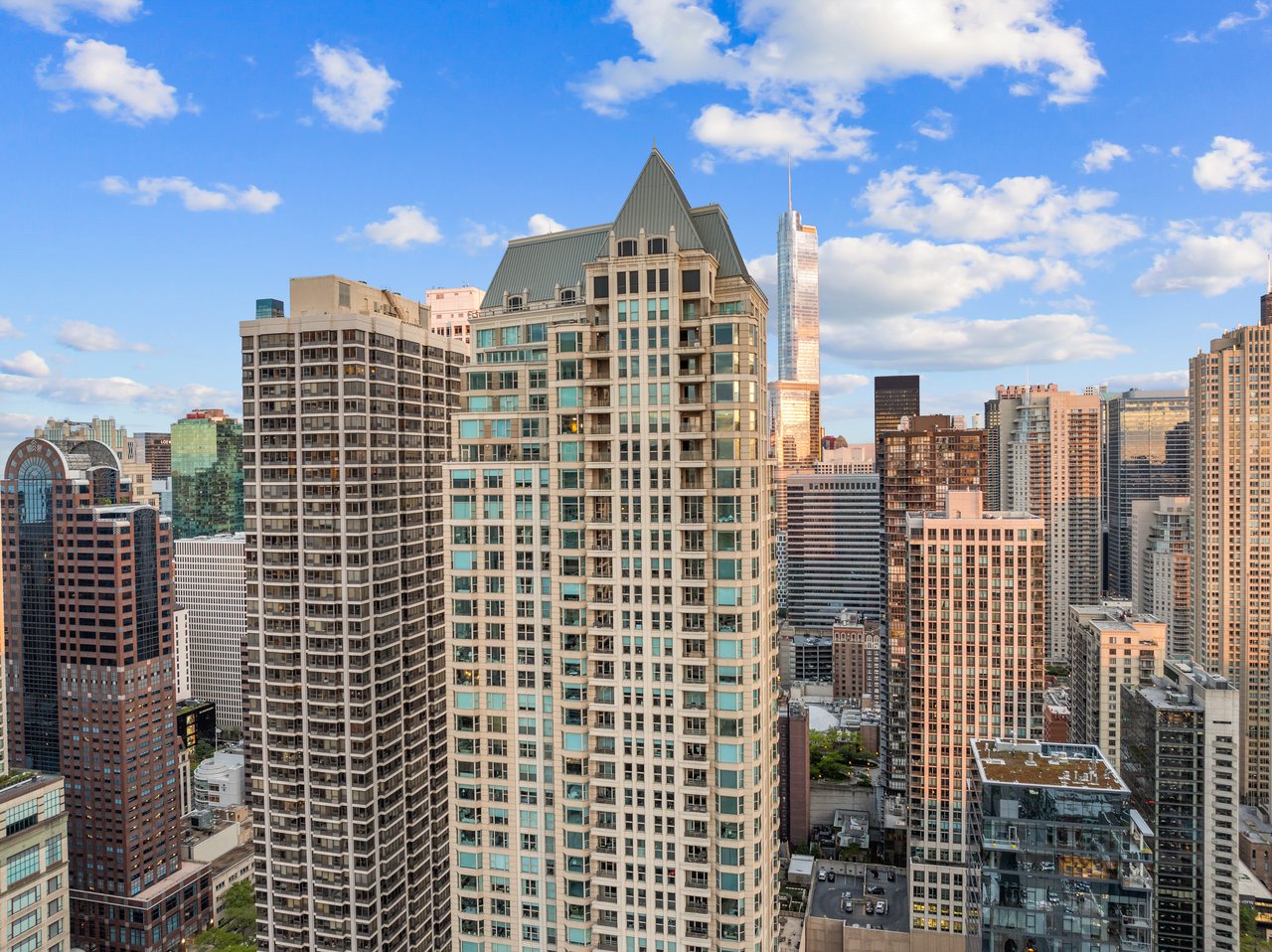
There is also a location-specific benefit to the broader redevelopment. The project connects directly to the mixed-use energy around North Michigan Avenue, including Pioneer Court, the Apple Store area, and the Chicago Riverwalk. If you value a building that feels tied to the city’s architecture and street life, that integration is part of the appeal.
Buying the Story Versus Buying the Reality
Tribune Tower offers something many luxury condos cannot: real historical gravitas. Still, the smartest buyers separate admiration from analysis. The right question is not whether the building is special. It clearly is. The real question is whether the ownership structure, financial picture, and building rules fit your goals.
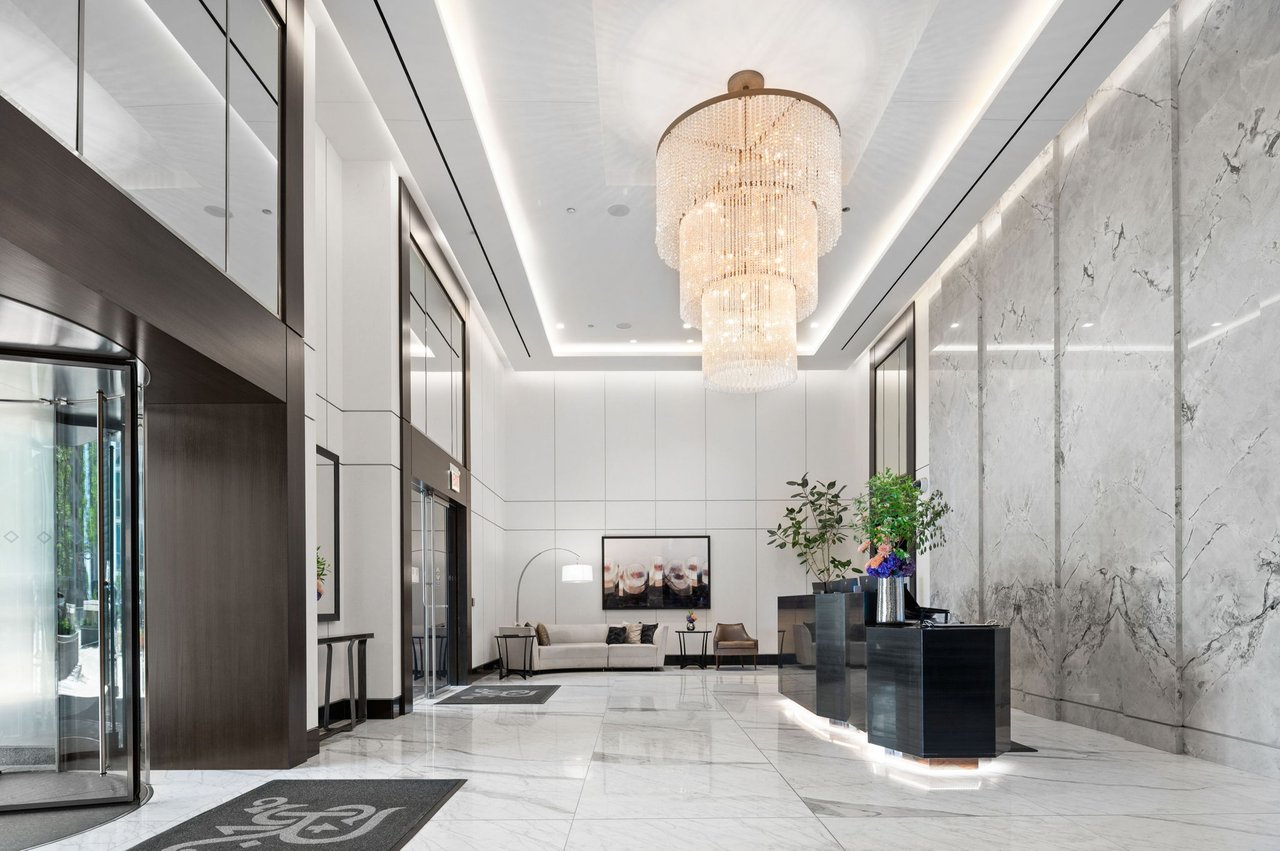
That is especially important in a landmark conversion with a broad amenity program. A beautiful lobby and a celebrated facade do not answer practical questions about reserves, operating expenses, future capital work, or restrictions that may affect your use of the property. Those answers live in the disclosure package and association records.
If you are buying for a primary residence, occasional city use, or a pied-a-terre, your decision should reflect how the building actually operates day to day. Tribune Tower rewards buyers who appreciate both architecture and process.
Due Diligence Matters More Here
Chicago’s condo disclosure rules are detailed, and that is good news for buyers. For condo projects like Tribune Tower, the developer’s disclosure summary must cover major topics such as the property itself, parking, mechanical equipment, amenities, estimated operating expenses, reserves and assessments, renovation work, restrictions on sale or lease, warranties, windows, masonry, elevators, security systems, and contractor lists. That summary must be distributed before the initial contract is signed.
Under the Illinois Condominium Property Act, the association must maintain key records including the declaration, bylaws, seven years of meeting minutes, insurance policies, contracts, financial records, and any reserve study. Unit owners may inspect those records through a written request. In a building like Tribune Tower, these documents are not technical extras. They are central to an informed purchase.
A buyer here should expect due diligence to go beyond finishes, views, and floor plan. This is a building where paper trail and governance quality are part of the asset.
Key Documents to Review Before You Buy
If you are evaluating Tribune Tower, focus on the association and building-level documents with the same care you give the residence itself.
Budget and reserves
Review the current operating budget and any available reserve study. In a landmark building with extensive amenities, reserves and long-term capital planning deserve close attention. You want to understand not just current costs, but also whether the association appears prepared for future maintenance and replacement needs.
Special assessments and capital projects
Ask whether any special assessment is pending or under discussion. Also review any current or planned capital projects. With a preserved facade, large common areas, and extensive amenity spaces, building-wide projects can have a meaningful impact on ownership costs.
Insurance coverage
Confirm what the association’s master insurance covers and what you would need to insure separately. The goal is to understand where the building’s responsibility ends and your personal responsibility begins.
Parking and storage
Verify parking and storage assignments carefully. The conversion included below-grade floors repurposed from former printing operations for parking, so buyers should confirm exactly what is assigned, what is deeded if applicable, and how access works in practice.
Lease and pet restrictions
Review current lease rules and pet policies before you assume flexibility. Even in luxury buildings, restrictions can shape whether a residence fits your intended use, especially if you expect part-time occupancy or future leasing options.
How Tribune Tower Compares Nearby
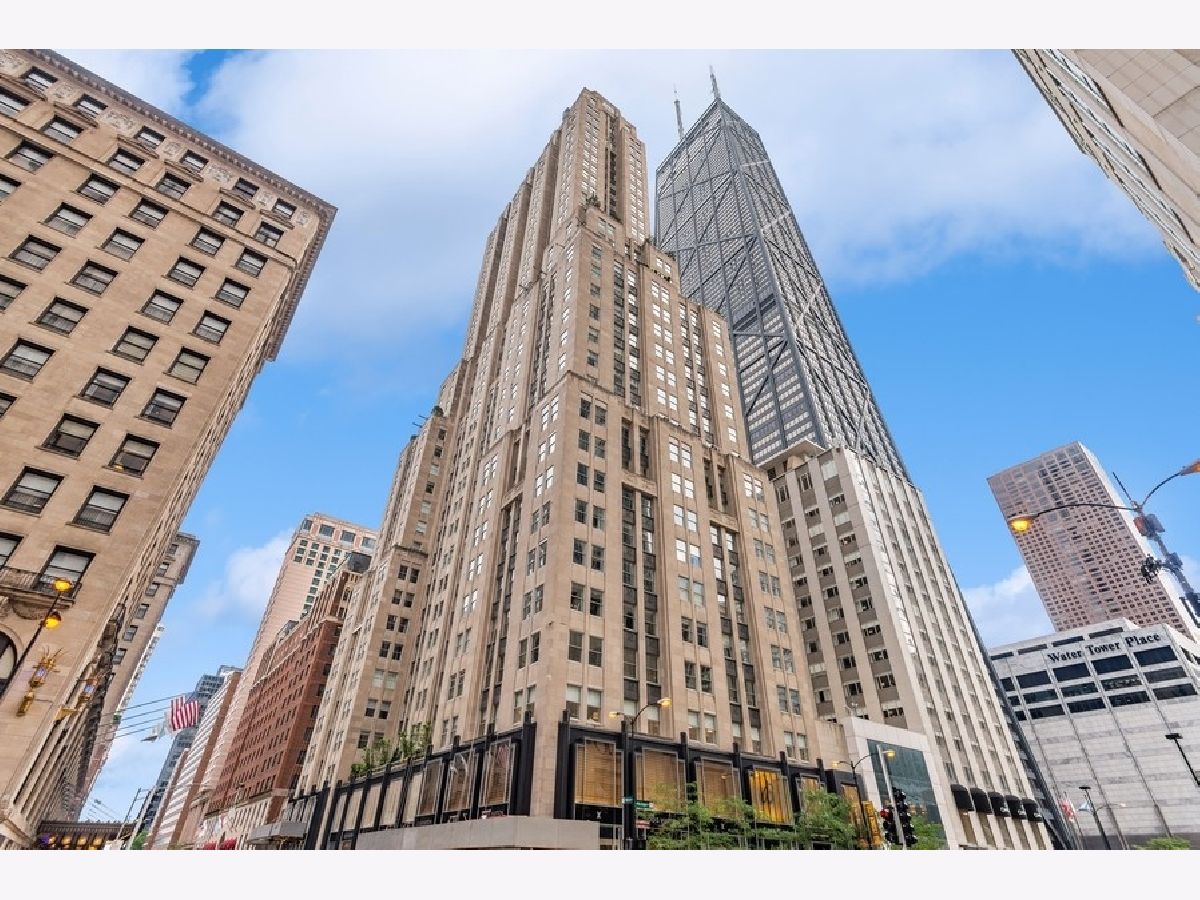
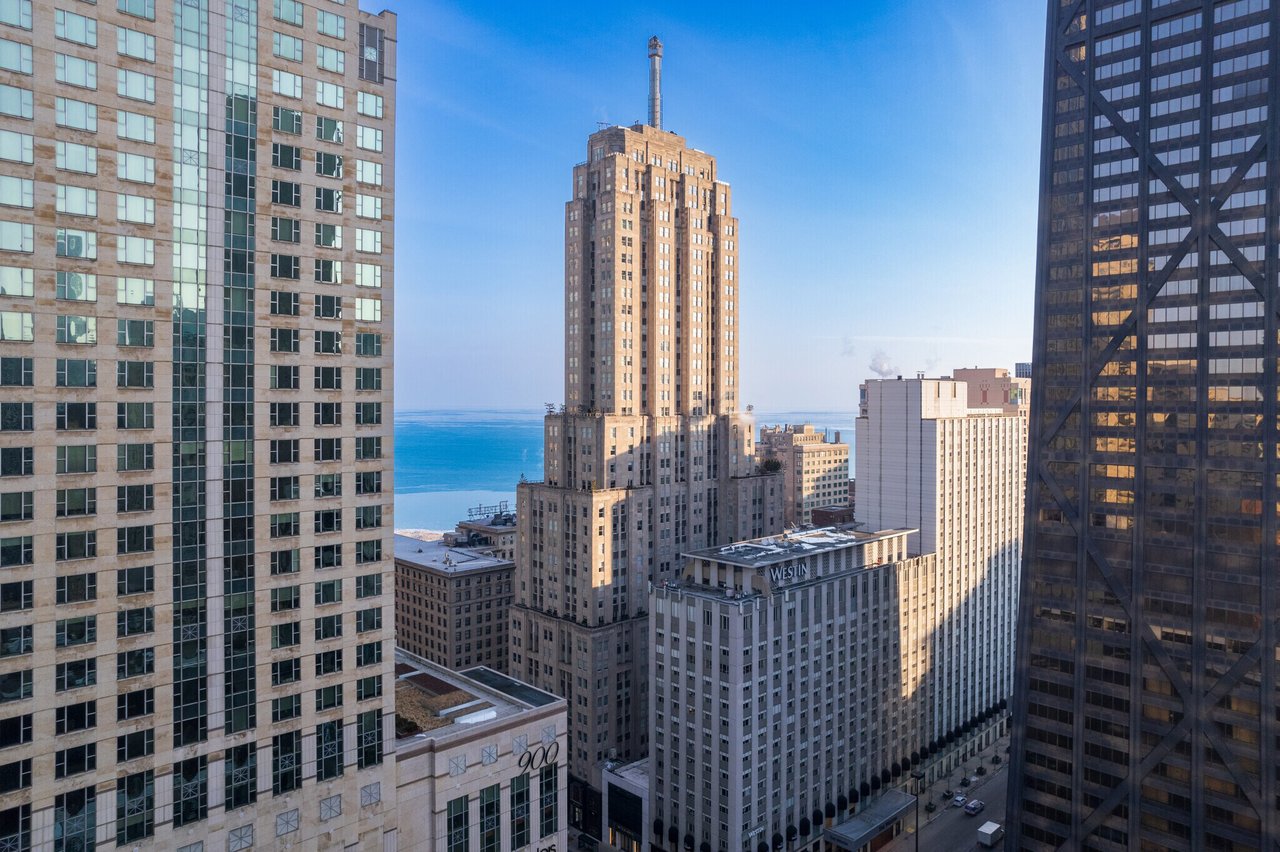
Tribune Tower is often grouped with other Chicago landmark conversions, but it stands apart in important ways. The Palmolive Building is a useful Michigan Avenue comparison because it followed a more conventional path from historic office tower to luxury residences. It shows how adaptive reuse can preserve a landmark while creating a residential product with enduring appeal.
Metropolitan Tower is another helpful benchmark. That project also preserved major architectural features while adding residential use and mixed-use elements. Compared with those buildings, Tribune Tower feels more publicly legible as a civic icon because of its preserved stone fragments, public lobby, and broader amenity platform.
That difference is not just aesthetic. It changes the ownership conversation. Tribune Tower is less like a standard luxury conversion and more like a civic landmark wrapped in a private residential system.

Why the Surrounding Development Matters
A smart Tribune Tower purchase should include attention to the surrounding parcel, not just the tower itself. The City of Chicago approved a planned development in 2020 covering the adjacent east parcel and surrounding addresses, with provisions related to traffic, access, and drop-off changes tied to the broader redevelopment.
For buyers, the takeaway is simple. Do not assume current eastern views or construction conditions will remain unchanged forever. Verify the current status of nearby development as part of your diligence so your expectations match the real conditions on the ground.
In a building this prominent, context matters. Access patterns, public activity, and neighboring development can influence your day-to-day experience almost as much as the unit itself.
Who Tribune Tower Best Fits
Tribune Tower tends to appeal to buyers who want more than a polished new-construction feel. It is especially compelling if you value architecture, permanence, and a building with a strong public identity. For the right buyer, that combination is hard to replicate elsewhere on Michigan Avenue.
At the same time, this is best approached as a sophisticated condo purchase, not a purely emotional one. Buyers who do well here usually appreciate complexity. They understand that a landmark facade, public spaces, and a large amenity platform can elevate the experience, while also requiring more careful review of budgets, rules, and long-term building stewardship.
If that balance appeals to you, Tribune Tower can offer a rare ownership proposition in Chicago. You just want to buy into the history with your eyes fully open.
If you are considering Tribune Tower or comparing it with other premier Chicago buildings, Mike Larson offers discreet, building-level guidance to help you evaluate the opportunity with clarity and confidence.
FAQs
What makes Tribune Tower different from other Chicago luxury condos?
- Tribune Tower combines a 1925 Gothic Revival landmark, a 2022 residential conversion, 162 homes, and a large amenity program, which makes it feel more like a civic landmark with private residences than a typical condo building.
What should buyers review before purchasing at Tribune Tower?
- Buyers should review the current operating budget, reserve study, any pending special assessment or capital project, insurance coverage, parking and storage details, and any lease or pet restrictions.
How many residences are in Tribune Tower?
- The completed conversion includes 162 residences and 55 unique floor plans, according to ULI Chicago and FirstService Residential.
Why do landmark rules matter at Tribune Tower?
- Because Tribune Tower is a designated Chicago landmark within the Historic Michigan Boulevard District, exterior changes, restoration work, and future alterations must be understood in the context of landmark stewardship.
Does the surrounding development near Tribune Tower affect buyers?
- Yes. Buyers should verify the current status of the adjacent planned development because nearby traffic patterns, access, drop-off conditions, construction activity, and view expectations may change over time.